What the Iran war shows about Singapore's energy resilience for now and the future
What the Iran war shows about Singapore's energy resilience for now and the future
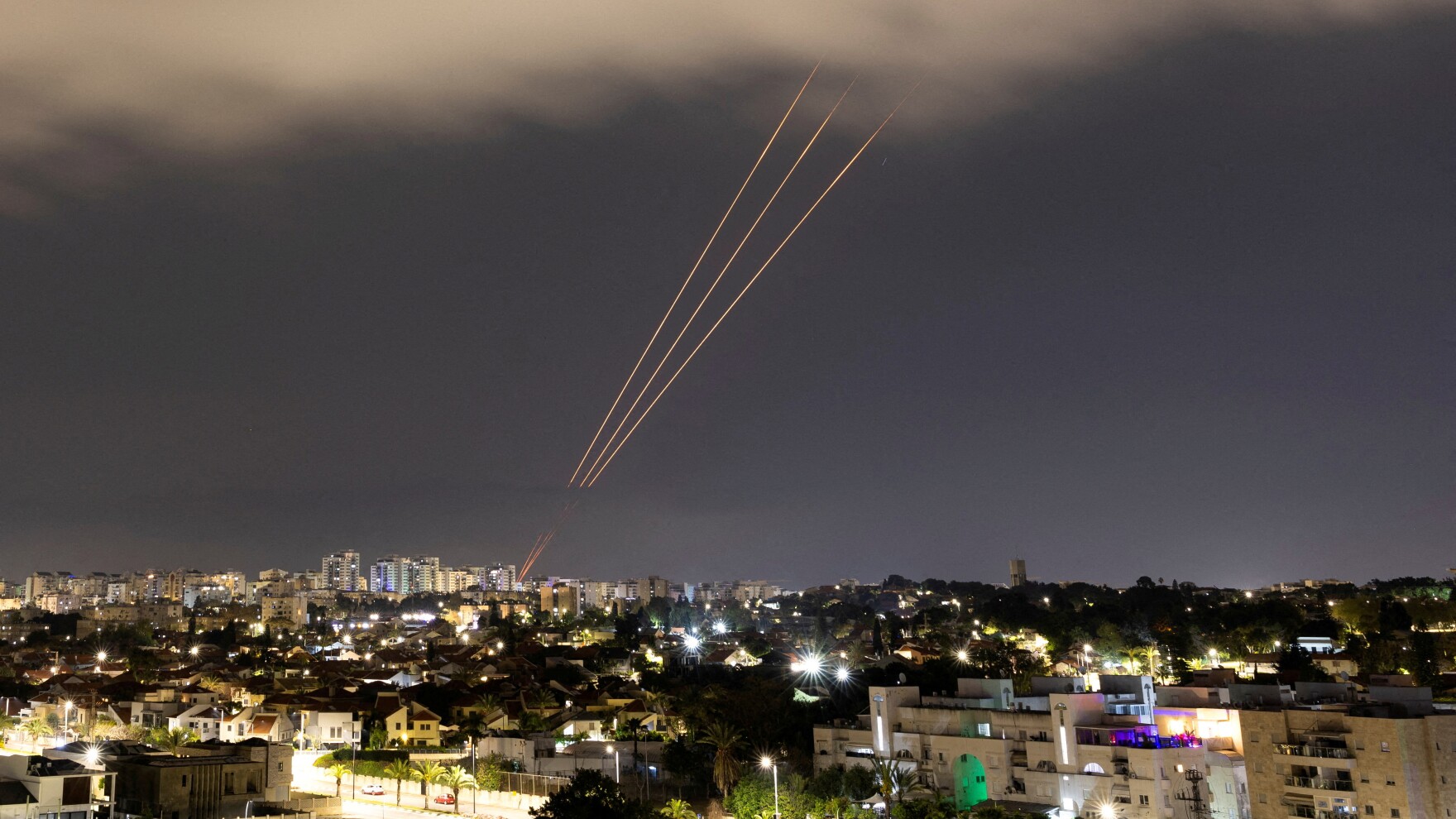
The year 2026 has brought a seismic shift to the global geopolitical landscape, with the conflict in Iran triggering the most significant energy disruption in modern history. As the Strait of Hormuz—a vital artery through which approximately 20 percent of the world's oil and liquefied natural gas flows—remains effectively throttled, nations across the globe are grappling with skyrocketing costs and supply shortages. For Singapore, a small island nation with no natural resources of its own, this crisis serves as a critical stress test of its long-term planning and national security. The ongoing war has not only exposed the fragility of global supply chains but has also highlighted the vital importance of Singapores proactive energy strategy. While the immediate impact on electricity tariffs and transport costs is palpable, the situation provides a profound lesson in how a trade-dependent economy can maintain stability through diversification, strategic stockpiling, and a relentless pursuit of alternative energy sources.
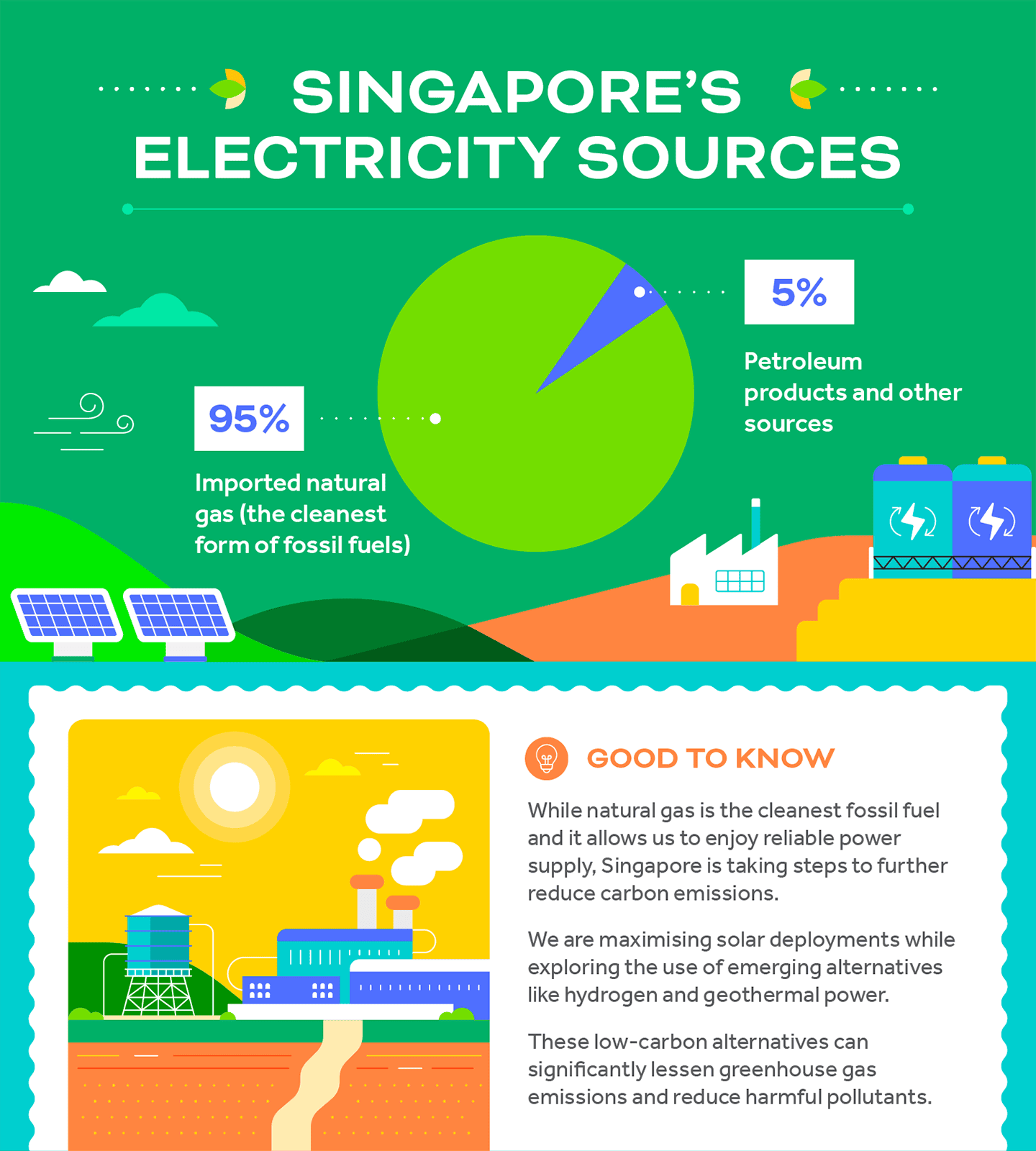
Singapore's energy resilience is defined by its ability to absorb immediate supply shocks through a multi-layered defense system while simultaneously accelerating its transition to sustainable energy. Currently, the nation relies on natural gas for 95 percent of its electricity generation, but its strategy involves diversifying gas sources via regional pipelines and global LNG imports, maintaining a significant fuel stockpile, and utilizing dual-fuel power plants. In the face of the 2026 Iran war, these measures have allowed Singapore to avoid the extreme energy rationing seen in neighboring countries, although residents face higher utility and transport costs. Looking ahead, the crisis is accelerating the national Four Switches strategy, pushing for greater solar adoption, regional power grid integration, and exploration of low-carbon alternatives like hydrogen and nuclear energy to ensure long-term sovereignty.
The 2026 Energy Crisis: A Global Perspective
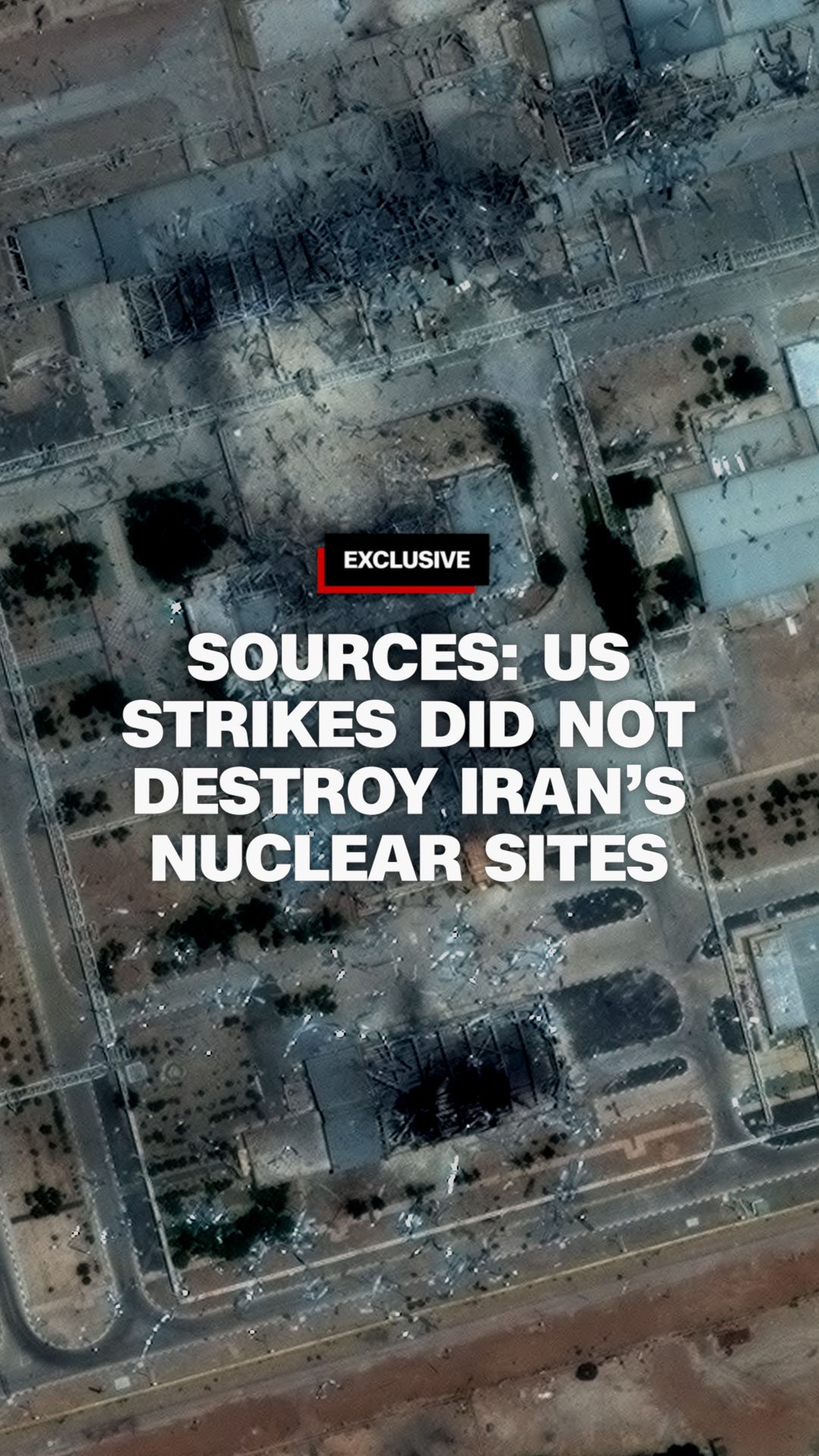
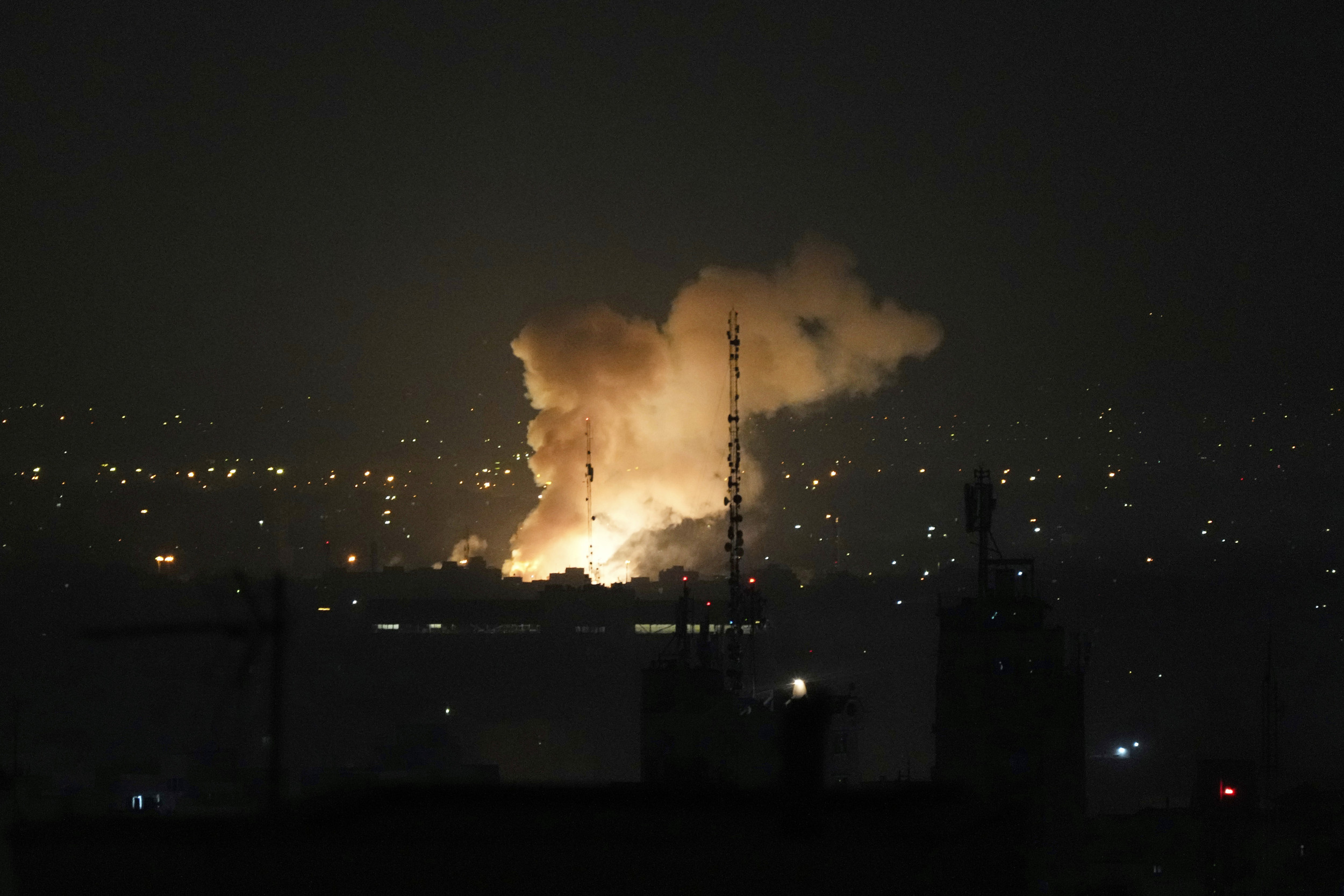
The conflict that erupted in early 2026 has drawn comparisons to the 1973 oil embargo, but with a modern twist of interconnected global markets. When the Strait of Hormuz was effectively closed in March 2026, Brent crude oil prices immediately surged past 100 dollars per barrel, eventually peaking near 120 dollars. Unlike previous localized conflicts, this war has seen direct strikes on energy infrastructure, including major LNG complexes in Qatar, which serves as a primary supplier for both Europe and Asia. The International Energy Agency has characterized the situation as the greatest threat to global energy security in history.
For Asian economies, the impact has been particularly acute. Countries like India, Japan, and South Korea, which account for a vast majority of Middle Eastern oil and gas exports, have seen their energy bills swell. Some nations in Southeast Asia have been forced to revert to coal-fired power to meet immediate demands, potentially derailing climate targets. However, Singapore's position, while vulnerable due to its total dependence on imports, has remained relatively stable compared to its neighbors. This stability is not a matter of luck but the result of decades of strategic foresight.
Singapore's Immediate Response to the Fuel Shock
As soon as the conflict escalated, Singaporean authorities and energy players moved into a state of high readiness. While other countries implemented work-from-home orders to save fuel, Singapore has managed to avoid such drastic emergency measures for now. Refineries and chemical companies on Jurong Island have adjusted their operations, scaling back production where necessary and seeking alternative crude oil and feedstock from sources outside the Middle East. This flexibility is a hallmark of Singapore's energy ecosystem.
Prime Minister Lawrence Wong and other government leaders have been transparent about the "bumpier ride" ahead. The government has already begun bringing forward support measures initially announced in the Budget to help households and businesses cope with rising costs. This includes enhanced U-Save rebates and targeted assistance for sectors most affected by the spike in diesel and jet fuel prices, such as logistics and aviation. By providing earlier relief, the state aims to cushion the inflationary blow that often follows energy price volatility.
The Vulnerability of the Strait of Hormuz
The war has underscored a harsh reality: the Strait of Hormuz is a critical chokepoint that Singapore cannot ignore. Since Singapore imports nearly all of the natural gas required for its electricity, any blockage in this narrow waterway is a direct threat. Approximately 25 percent of the LNG arriving in Singapore has historically come from Qatar. With Iranian attacks knocking out a significant portion of Qatar's export capacity and the strait remaining a security risk, the physical flow of energy is under constant threat.
Experts note that Singapore is exposed not because of a lack of domestic planning, but because it sits downstream of a highly interconnected and geopolitically fragile energy system. This exposure is why the nation has spent years building "multiple lines of defence." If one supply route is cut, others must be ready to take the load. The closure of the production facilities in Ras Laffan, Qatar, was a major blow, but Singapore's ability to tap into global portfolios of LNG from the United States and Australia has proven to be a vital insurance policy.
Decoding Singapore's Multiple Lines of Defence
To understand Singapore's resilience, one must look at the specific safeguards in place. The Energy Market Authority (EMA) maintains a system designed to weather severe disruptions. The first line of defense is the diversification of natural gas sources. While LNG from the Middle East is important, about half of Singapore's gas is piped in from Malaysia and Indonesia, routes that remain unaffected by the turmoil in the Persian Gulf.
The second line of defense is the fuel stockpile. Singapore maintains a mixture of gas and diesel that power generation companies can draw from if there is a severe disruption. Crucially, Singapore's power plants are designed with dual-fuel capabilities, meaning they can switch from gas to diesel generation almost instantly. The EMA regularly tests these plants to ensure they are ready for such a transition. These buffers allow the nation to manage short-term shocks without resorting to blackouts or rationing.
Impact on Daily Life and the Cost of Living
Despite the resilience of the energy grid, Singaporeans are feeling the war's impact at the flick of a switch and at the petrol pump. Electricity tariffs have risen significantly, reflecting the global surge in fuel prices. Public transport and ride-hailing operators have introduced temporary surcharges to help drivers cover their fuel expenses. For the average household, the cost of living has become a primary concern as higher energy costs filter through the entire supply chain, from the price of groceries to the cost of operating a business.
Small businesses, in particular, are feeling the squeeze. Delivery charges have increased, and suppliers of perishable goods have raised prices to account for higher transportation costs. The government’s response has focused on "targeted support," ensuring that those most vulnerable to price hikes receive the most help. While the nation has not yet been forced to curb fuel consumption through mandates, the Ministry of Trade and Industry has urged citizens and businesses to be mindful of their energy usage to help manage the overall national demand.
| Resilience Pillar | Strategy & Implementation |
|---|---|
| Natural Gas Diversification | Sourcing via regional pipelines (Malaysia/Indonesia) and global LNG (US, Australia, Qatar). |
| Strategic Stockpiling | Maintaining months of fuel reserves (gas and diesel) for power generation. |
| Dual-Fuel Capability | Power plants capable of switching between gas and diesel to prevent blackouts. |
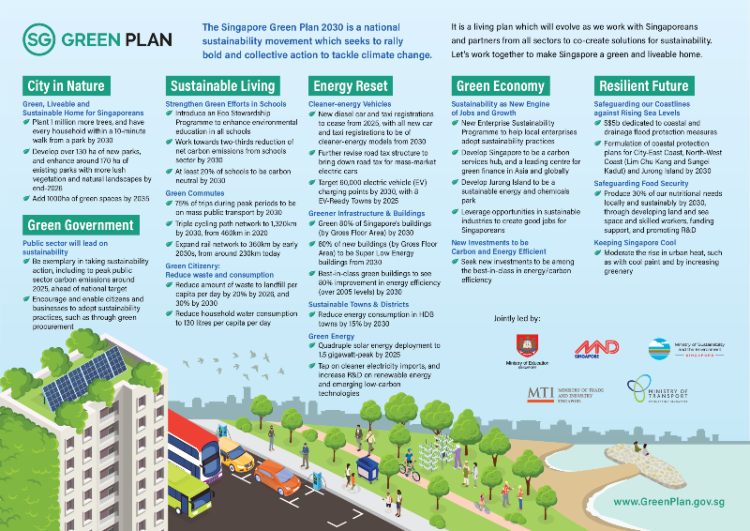
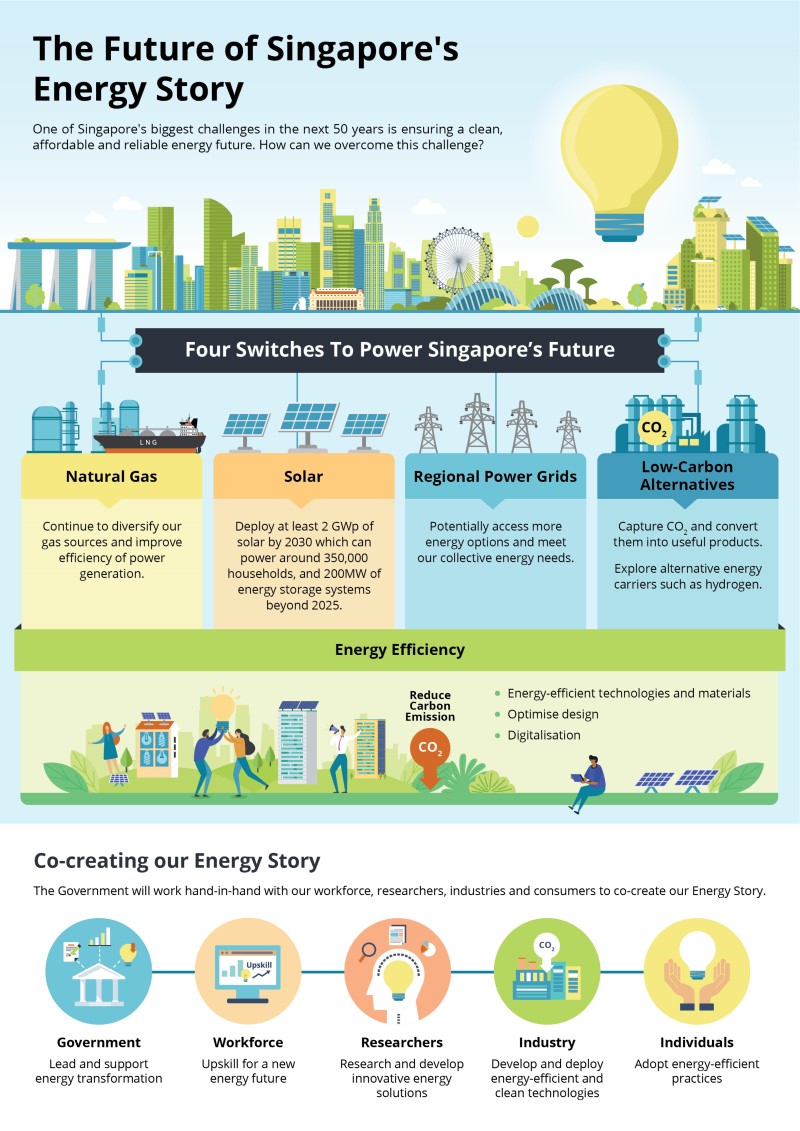
| Four Switches Policy | Transitioning to Solar, Regional Grids, Natural Gas, and Low-carbon alternatives. |
| Demand Management | Energy efficiency grants and public awareness programs to reduce consumption. |
The Role of GasCo and Centralised Procurement
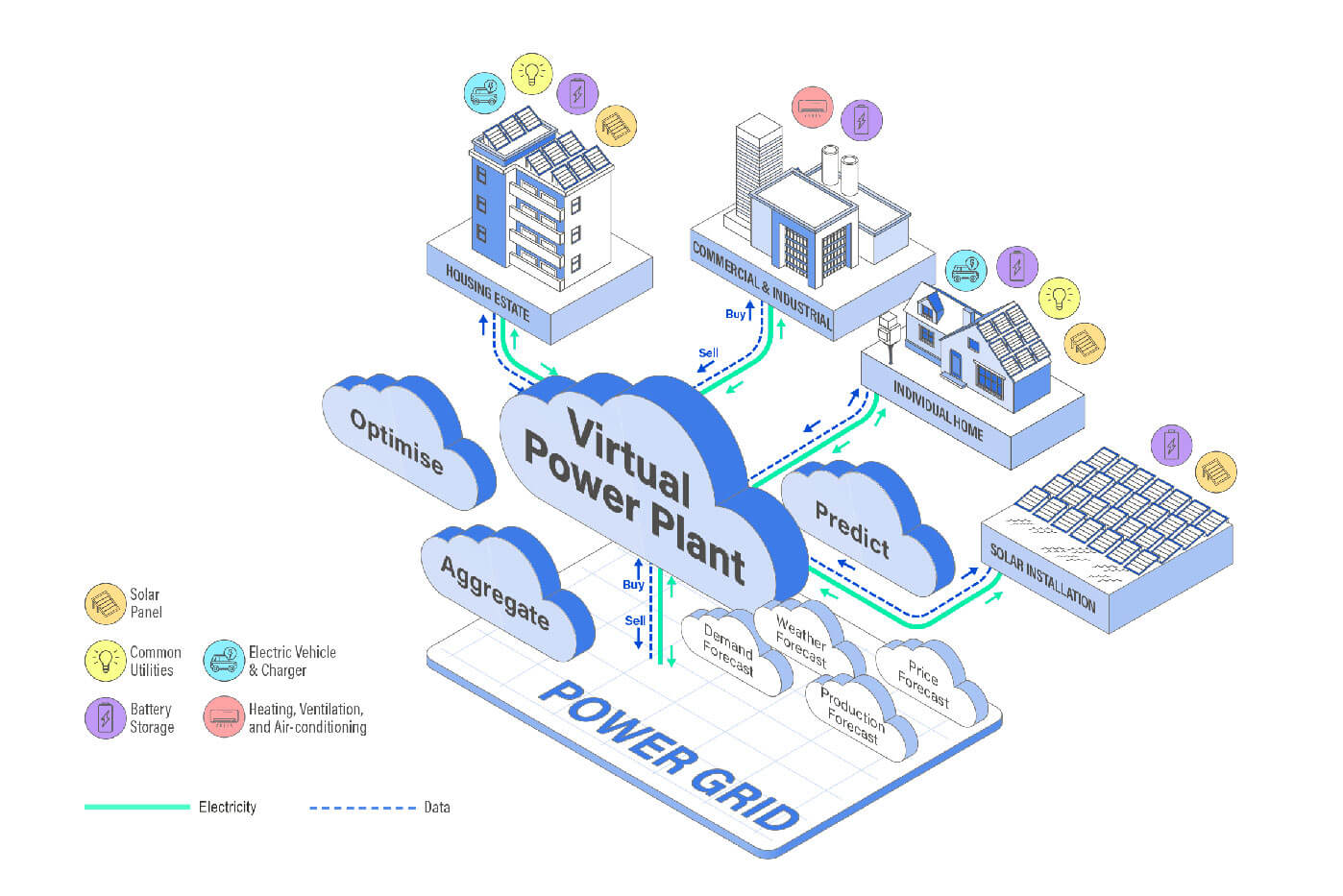
A recent and timely addition to Singapore's energy arsenal is the establishment of GasCo. Launched in 2025, GasCo serves to aggregate gas demand across all generation companies in Singapore. By centralizing procurement, the nation has strengthened its bargaining position with global suppliers. This is particularly important during a war, when competition for non-Middle Eastern gas cargoes is fierce.
GasCo’s operational readiness has allowed Singapore to secure more diversified sources of natural gas, engaging suppliers on behalf of the entire power sector. This institutional change represents a move toward a more "sovereign" approach to energy procurement, ensuring that even in a volatile market, the country can secure the volumes needed to keep the lights on. It also facilitates the development of the second LNG terminal, a floating storage and regasification unit (FSRU) expected to be ready by 2030, which will further increase the nation's storage capacity.
Accelerating the "Four Switches" Strategy
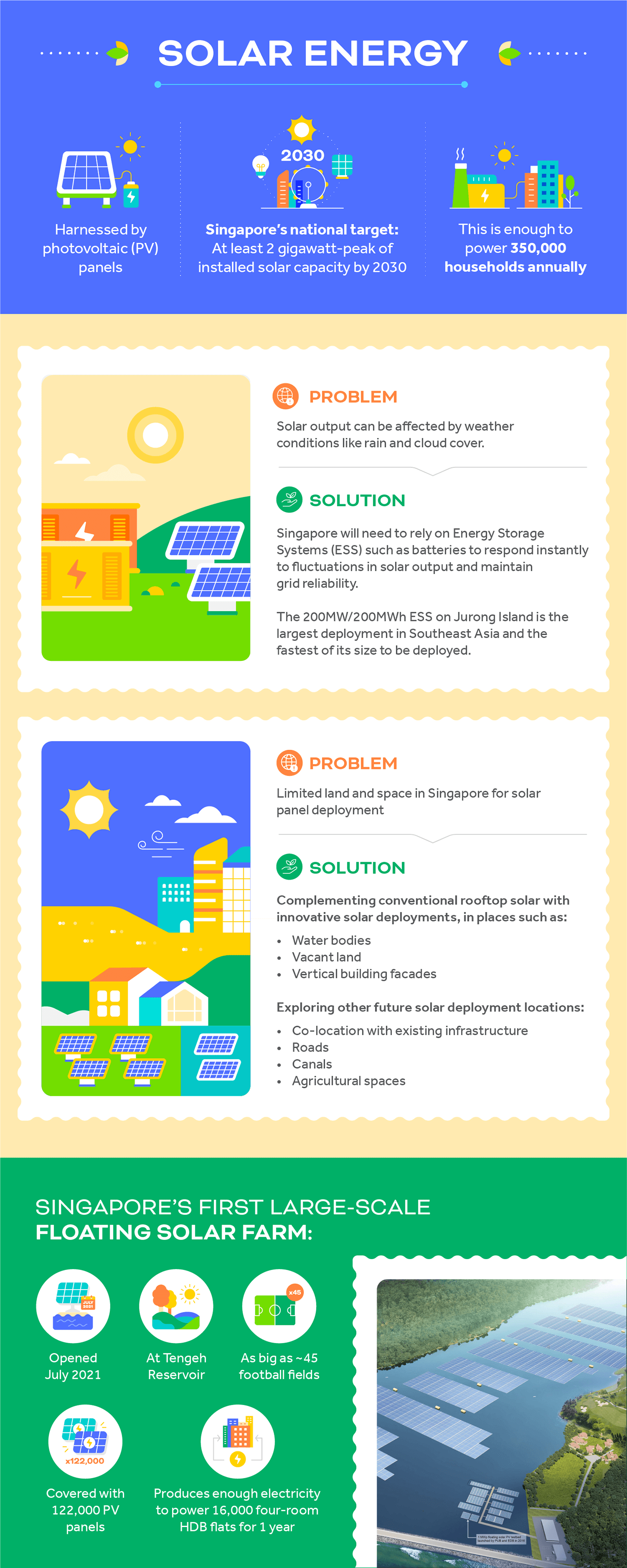
If the Iran war has shown one thing, it is that the transition to cleaner energy is no longer just an environmental goal—it is a security imperative. Singapore’s "Four Switches" strategy is the roadmap for this transition. The first switch, natural gas, will remain a bridge fuel for the foreseeable future. However, the crisis has accelerated the second switch: solar power. The government has doubled down on its "solar-everywhere" approach, installing panels on rooftops, reservoirs, and even unused sea spaces to maximize domestic generation.
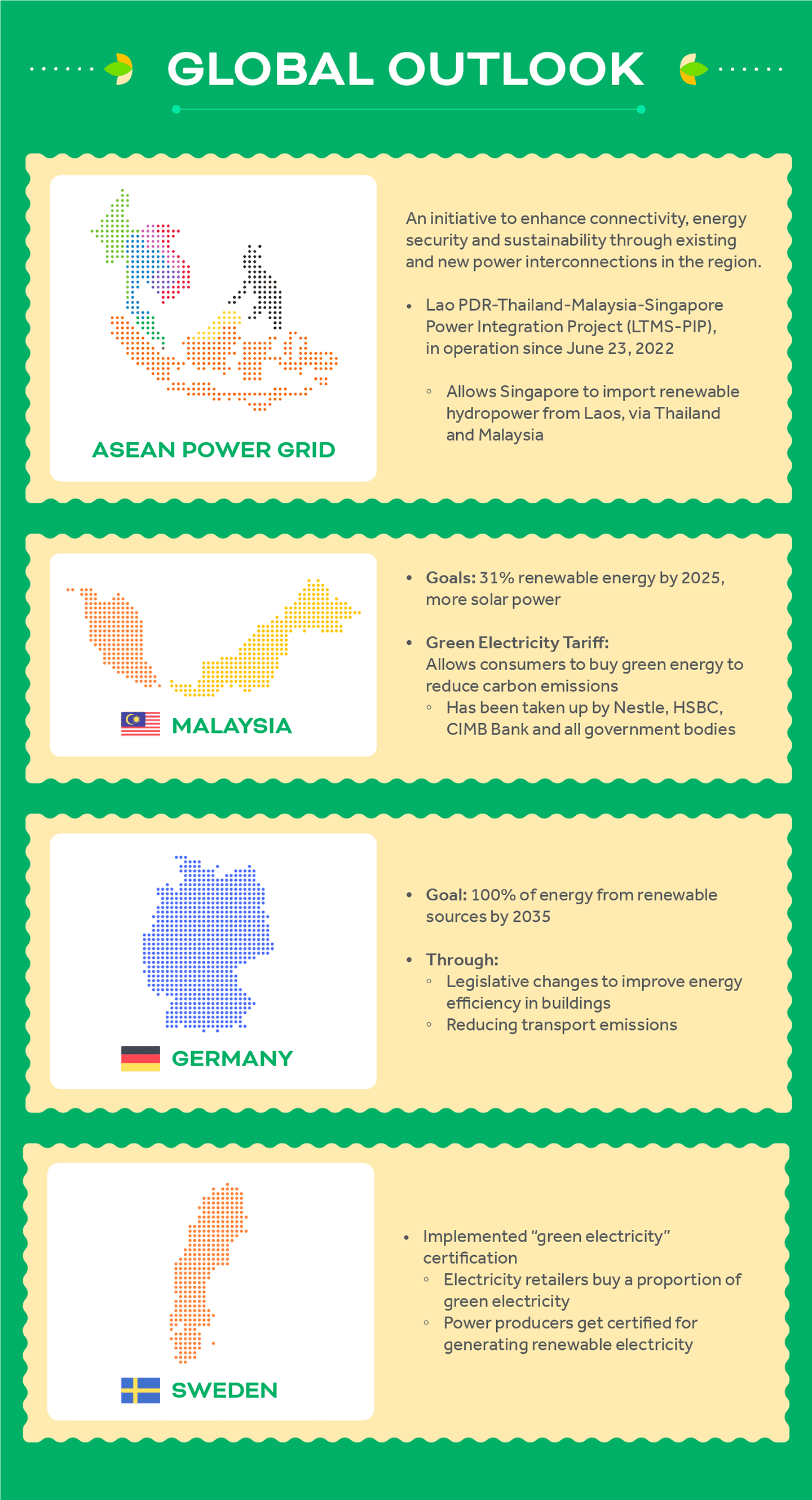
The third switch involves regional power grids. Singapore aims to import up to 6 gigawatts of low-carbon electricity from neighboring countries by 2035. The war has underscored the need to diversify not just the type of energy, but the geography of its origin. By connecting to regional grids in Southeast Asia, Singapore can access renewable energy sources like wind and hydropower, further reducing its reliance on Middle Eastern fossil fuels. The final switch—low-carbon alternatives—includes the exploration of hydrogen, which could eventually replace natural gas in power plants.
Future-Proofing: Nuclear, Hydrogen, and Geothermal Potential
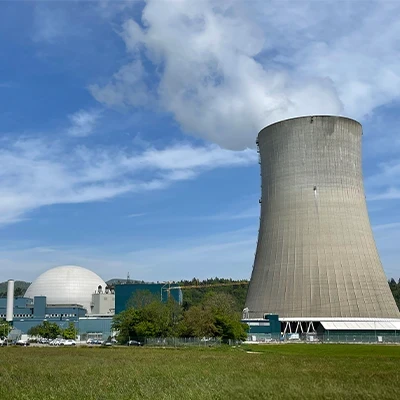
Looking toward the 2040s and 2050s, the current crisis is forcing a more serious look at "frontier" energy technologies. While no decision has been made on nuclear energy, the government continues to participate in regional safety discussions and monitor small modular reactor technology. The logic is simple: in a world where maritime chokepoints can be closed overnight, having a high-density, domestic power source like nuclear could be a game-changer for energy sovereignty.
Hydrogen is also a major part of the long-term plan. Singapore’s National Hydrogen Strategy aims to use low-carbon hydrogen to decarbonize the power sector and maritime industry. Additionally, non-invasive surveys are underway to assess Singapore’s geothermal potential. While these technologies may not solve the current crisis, the lessons learned from the 2026 war are ensuring that the nation remains agile and prepared for the next disruption. The goal is to create an energy system that is not only sustainable but also shielded from the whims of global geopolitics.
FAQ Section
1. How is the Iran war affecting Singapore's electricity prices?
The conflict has disrupted global oil and gas supplies, leading to significantly higher fuel prices worldwide. Since Singapore generates 95% of its electricity from imported natural gas, these higher costs are passed through to consumers via increased electricity tariffs and retail contract renewals.
2. Is there a risk of power blackouts in Singapore due to the war?
Currently, the risk remains low. Singapore has "multiple lines of defence," including piped gas from neighboring countries, a global portfolio of LNG sources, and a strategic fuel stockpile. Power plants are also equipped with dual-fuel capabilities to switch to diesel if gas supplies are interrupted.
3. What support is the government providing to help with rising energy costs?
The government is providing targeted support, including bringing forward U-Save rebates for HDB households and offering assistance to sectors hit hard by fuel costs, such as transport and logistics. Businesses can also tap into energy efficiency grants to help lower their overall consumption.
4. Why can't Singapore just use 100% solar energy?
Due to its small land area and high energy demand, Singapore cannot rely on solar alone. Even if every available space was covered in solar panels, it would not meet the nation's total energy needs. Solar is a key part of the strategy, but it must be supplemented by other sources like natural gas and regional imports.
5. What are the "Four Switches" in Singapore's energy strategy?
The Four Switches are: 1) Natural Gas (diversifying sources), 2) Solar Energy (maximizing domestic panels), 3) Regional Power Grids (importing electricity), and 4) Low-carbon Alternatives (exploring hydrogen, nuclear, and geothermal energy).
Conclusion
The Iran war of 2026 is a stark reminder that energy security is synonymous with national security for an island nation like Singapore. While the conflict has brought immediate economic pain in the form of higher tariffs and transport costs, it has also validated the nation's long-term strategy of diversification and resilience. By refusing to rely on a single source or route for its energy, Singapore has managed to keep its economy running while other nations face shutdowns. However, the crisis also signals that the "easy" era of cheap, imported fossil fuels may be over. The path forward involves a more aggressive push toward the Four Switches, leveraging regional cooperation and cutting-edge technology to create a more self-reliant energy ecosystem. For now, the lines of defense are holding, but the future of Singapore's energy resilience will depend on its ability to innovate and adapt in an increasingly volatile world.
What the Iran war shows about Singapore's energy resilience for now and the future
What the Iran war shows about Singapore's energy resilience for now and the future Wallpapers
Collection of what the iran war shows about singapore's energy resilience for now and the future wallpapers for your desktop and mobile devices.

Mesmerizing What The Iran War Shows About Singapore's Energy Resilience For Now And The Future Abstract Photography
Experience the crisp clarity of this stunning what the iran war shows about singapore's energy resilience for now and the future image, available in high resolution for all your screens.
Amazing What The Iran War Shows About Singapore's Energy Resilience For Now And The Future Photo Art
Discover an amazing what the iran war shows about singapore's energy resilience for now and the future background image, ideal for personalizing your devices with vibrant colors and intricate designs.
Detailed What The Iran War Shows About Singapore's Energy Resilience For Now And The Future Capture Nature
Explore this high-quality what the iran war shows about singapore's energy resilience for now and the future image, perfect for enhancing your desktop or mobile wallpaper.
Serene What The Iran War Shows About Singapore's Energy Resilience For Now And The Future Photo Photography
Experience the crisp clarity of this stunning what the iran war shows about singapore's energy resilience for now and the future image, available in high resolution for all your screens.

Crisp What The Iran War Shows About Singapore's Energy Resilience For Now And The Future Picture Art
Immerse yourself in the stunning details of this beautiful what the iran war shows about singapore's energy resilience for now and the future wallpaper, designed for a captivating visual experience.
Vibrant What The Iran War Shows About Singapore's Energy Resilience For Now And The Future Moment for Mobile
Transform your screen with this vivid what the iran war shows about singapore's energy resilience for now and the future artwork, a true masterpiece of digital design.
Amazing What The Iran War Shows About Singapore's Energy Resilience For Now And The Future Artwork for Desktop
Explore this high-quality what the iran war shows about singapore's energy resilience for now and the future image, perfect for enhancing your desktop or mobile wallpaper.

Breathtaking What The Iran War Shows About Singapore's Energy Resilience For Now And The Future Image for Mobile
Experience the crisp clarity of this stunning what the iran war shows about singapore's energy resilience for now and the future image, available in high resolution for all your screens.
Beautiful What The Iran War Shows About Singapore's Energy Resilience For Now And The Future Photo Digital Art
Discover an amazing what the iran war shows about singapore's energy resilience for now and the future background image, ideal for personalizing your devices with vibrant colors and intricate designs.
Vibrant What The Iran War Shows About Singapore's Energy Resilience For Now And The Future Scene for Mobile
Transform your screen with this vivid what the iran war shows about singapore's energy resilience for now and the future artwork, a true masterpiece of digital design.
Beautiful What The Iran War Shows About Singapore's Energy Resilience For Now And The Future Image Photography
Explore this high-quality what the iran war shows about singapore's energy resilience for now and the future image, perfect for enhancing your desktop or mobile wallpaper.
Lush What The Iran War Shows About Singapore's Energy Resilience For Now And The Future Picture Nature
Immerse yourself in the stunning details of this beautiful what the iran war shows about singapore's energy resilience for now and the future wallpaper, designed for a captivating visual experience.
Spectacular What The Iran War Shows About Singapore's Energy Resilience For Now And The Future Picture Digital Art
Find inspiration with this unique what the iran war shows about singapore's energy resilience for now and the future illustration, crafted to provide a fresh look for your background.
Amazing What The Iran War Shows About Singapore's Energy Resilience For Now And The Future Landscape Digital Art
Experience the crisp clarity of this stunning what the iran war shows about singapore's energy resilience for now and the future image, available in high resolution for all your screens.
Mesmerizing What The Iran War Shows About Singapore's Energy Resilience For Now And The Future Landscape Digital Art
Transform your screen with this vivid what the iran war shows about singapore's energy resilience for now and the future artwork, a true masterpiece of digital design.
Lush What The Iran War Shows About Singapore's Energy Resilience For Now And The Future Landscape Digital Art
A captivating what the iran war shows about singapore's energy resilience for now and the future scene that brings tranquility and beauty to any device.
Exquisite What The Iran War Shows About Singapore's Energy Resilience For Now And The Future Moment for Desktop
This gorgeous what the iran war shows about singapore's energy resilience for now and the future photo offers a breathtaking view, making it a perfect choice for your next wallpaper.

Breathtaking What The Iran War Shows About Singapore's Energy Resilience For Now And The Future Artwork for Your Screen
Transform your screen with this vivid what the iran war shows about singapore's energy resilience for now and the future artwork, a true masterpiece of digital design.
Gorgeous What The Iran War Shows About Singapore's Energy Resilience For Now And The Future Scene Nature
Find inspiration with this unique what the iran war shows about singapore's energy resilience for now and the future illustration, crafted to provide a fresh look for your background.
Dynamic What The Iran War Shows About Singapore's Energy Resilience For Now And The Future Image in HD
Find inspiration with this unique what the iran war shows about singapore's energy resilience for now and the future illustration, crafted to provide a fresh look for your background.
Download these what the iran war shows about singapore's energy resilience for now and the future wallpapers for free and use them on your desktop or mobile devices.