Wall St ends higher as investors parse US-Iran negotiations, threats
Wall St ends higher as investors parse US-Iran negotiations, threats
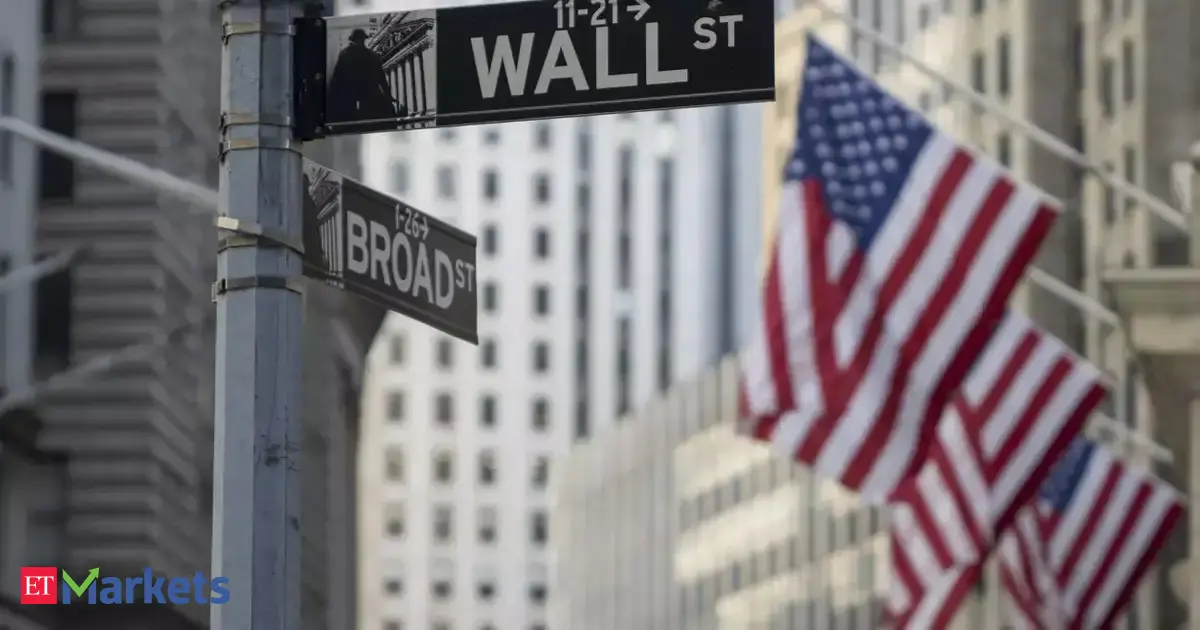
Global financial markets experienced a significant wave of relief as Wall Street's main indexes closed higher, driven by a complex interplay of falling energy costs and the latest developments in the high-stakes diplomatic standoff between Washington and Tehran. Investors are currently navigating a landscape defined by contradictory headlines, where the promise of a potential 45-day ceasefire competes with stern warnings regarding the security of global energy chokepoints. As the trading session progressed, the initial anxiety surrounding geopolitical instability gave way to cautious optimism, particularly as the technology and semiconductor sectors demonstrated remarkable resilience in the face of macro-economic uncertainty.
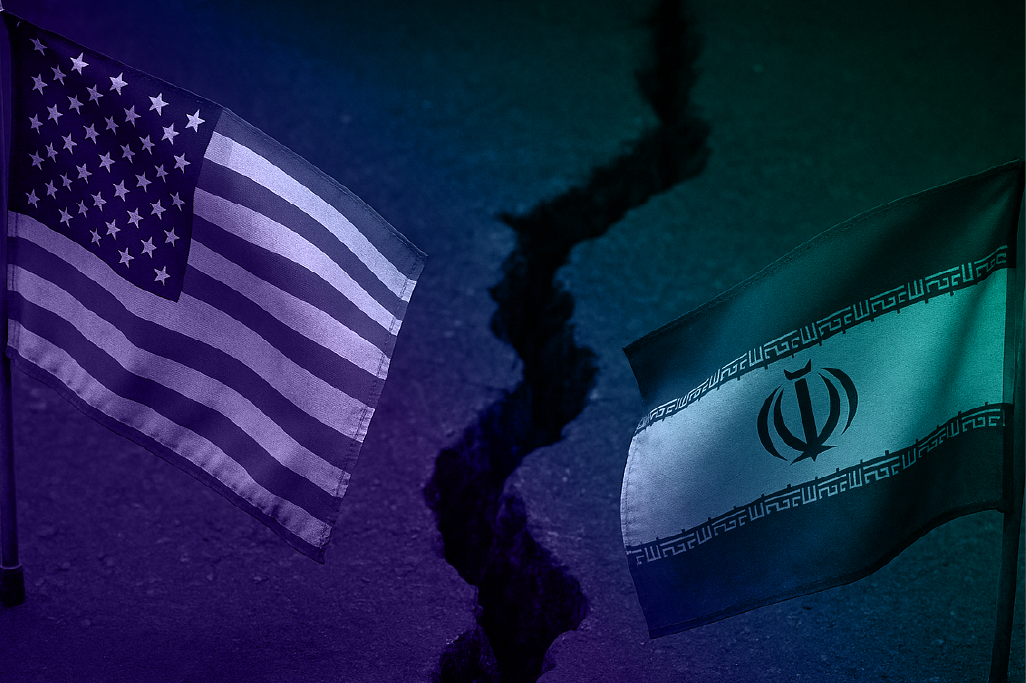
Wall Street ended higher as investors parsed US-Iran negotiations and threats, with the S&P 500 and Nasdaq posting gains following reports of a potential framework to end hostilities. The rally was largely supported by a decline in crude oil prices, which eased concerns over stagflation, and a surge in technology stocks like Arm and Nvidia. Despite Tehran's public denial of direct talks with Washington, the presence of regional mediators and a proposed 45-day ceasefire provided enough hope for market participants to buy into the recovery, even as the CBOE Volatility Index remained elevated.
Market Resilience Amidst Geopolitical Tension
The ability of the United States stock market to absorb geopolitical shocks has been a recurring theme in recent months. Traders have become increasingly accustomed to the "headline risk" associated with the Middle East, leading to a pattern where sharp morning declines are often met with late-afternoon buying. During the most recent session, the blue-chip Dow Jones Industrial Average and the tech-heavy Nasdaq both managed to flip into positive territory despite earlier fears of an immediate escalation in the Gulf. This resilience is attributed by many analysts to the underlying strength of corporate earnings and the persistent belief that a full-scale regional war remains in neither side's long-term interest.
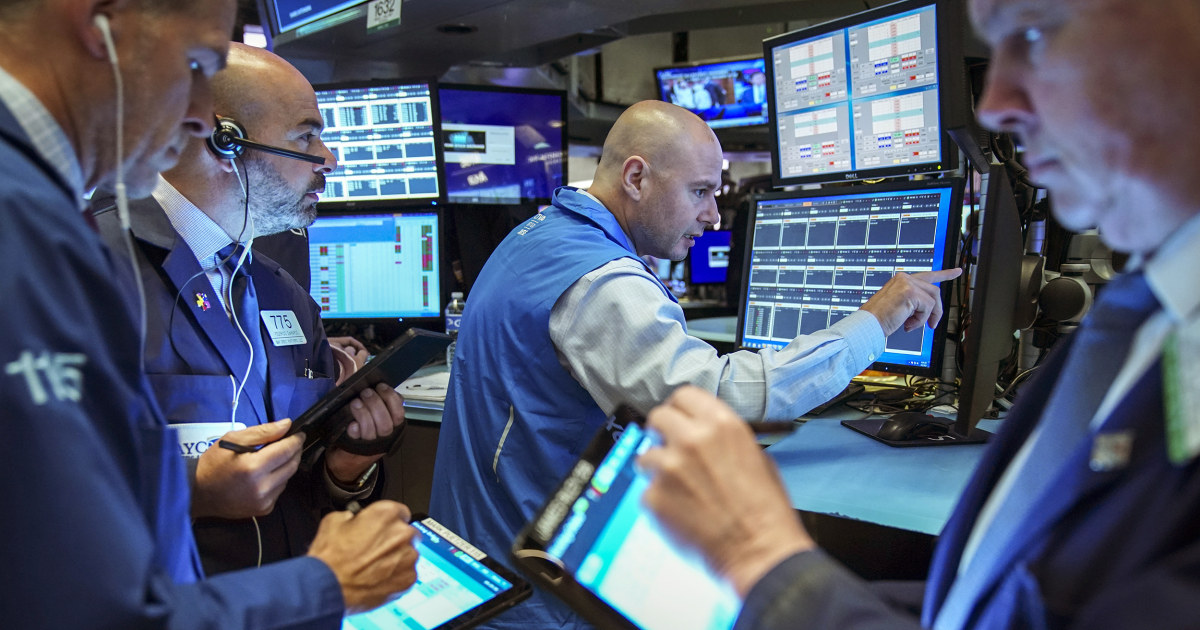
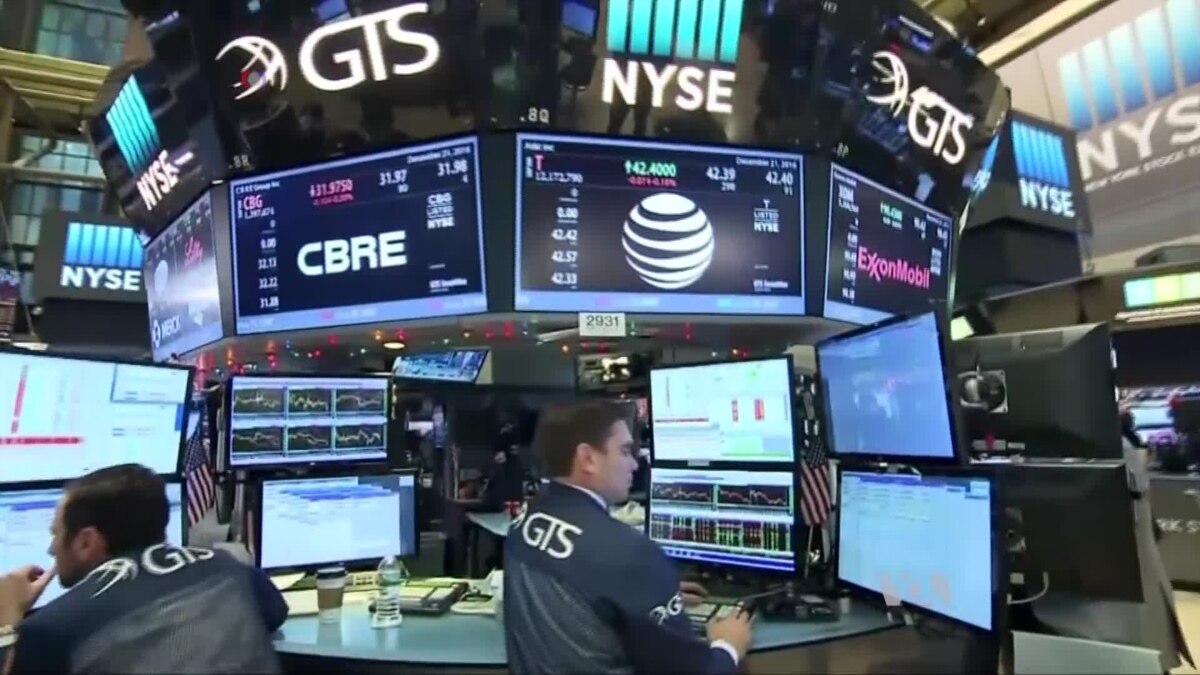
However, the recovery was not without its "frayed nerves," as one equity sales trader noted. The market's movement is currently being dictated by the speed at which news travels from diplomatic circles to trading floors. Every signal of communication between the US and Iran—whether through official channels or regional intermediaries like Pakistan—acts as a catalyst for automated trading algorithms. This has created a "choppy" environment where liquidity can dry up quickly, yet the overall trend remains biased toward the upside as long as total war is avoided.
Institutional investors are also looking at historical precedents. Past conflicts in the region have often led to temporary market dips followed by strong recoveries, provided that global oil supply remains relatively stable. The current scenario is particularly sensitive because it coincides with a period where the Federal Reserve is closely monitoring inflation. A sustained spike in oil prices could force the central bank's hand, making the current diplomatic negotiations not just a matter of peace, but a critical factor in domestic monetary policy.
The Impact of Falling Oil Prices on Inflation Hopes
One of the primary drivers behind the positive close on Wall Street was the notable decline in crude oil futures. As reports surfaced that Iran was reviewing a US-backed proposal to end the conflict, Brent and West Texas Intermediate (WTI) crude prices settled significantly lower. For investors, cheaper oil is a dual blessing: it reduces input costs for businesses and acts as a de facto tax cut for consumers, which in turn cools the inflationary pressures that have been plaguing the global economy. When oil prices settle down more than 2%, as they did recently, shares in fuel-dependent industries like airlines and cruise operators typically lead the charge.
The relationship between energy costs and equity valuations has rarely been more pronounced. During the session, the S&P Composite 1500 Passenger Airlines index saw a marked increase, with major carriers benefiting from the prospect of lower jet fuel expenses. This sector-specific rally provided a necessary cushion for the broader market, offsetting losses in the energy sector itself. While energy companies like ConocoPhillips and Occidental Petroleum saw their stock prices dip along with crude, the net benefit to the rest of the S&P 500 was decidedly positive.
Economists warn, however, that this "peace dividend" is fragile. If negotiations fail and the threats of disrupting shipping lanes are realized, oil prices could easily surge toward the $200 mark, according to some aggressive forecasts. Such a scenario would represent a catastrophic energy sector shock, potentially triggering a global recession. Consequently, the market is currently "betting on the blink"—the idea that one or both parties will eventually back down to avoid mutual economic destruction.
Decoding the US-Iran Negotiation Framework
The diplomatic landscape remains shrouded in "mixed messages." On one hand, US officials have hinted at "productive conversations" and a potential deal to settle the war. On the other, Iranian officials have publicly stated they have "no intention" to hold direct talks with Washington, labeling some US proposals as "excessive." This public posturing is a standard feature of international diplomacy, but it creates a difficult environment for investors to parse. The market's positive reaction suggests that traders are looking past the rhetoric and focusing on the fact that proposals are at least being exchanged.
A central piece of the current optimism is an Axios report suggesting that regional mediators are discussing a 45-day ceasefire. Such a window would allow for the restoration of shipping through the Strait of Hormuz and provide a cooling-off period for both militaries. For Wall Street, a 45-day reprieve is an eternity, allowing for at least one more cycle of corporate earnings and economic data to be released without the immediate threat of a major supply chain disruption. The goal of these negotiations is not just to stop the fighting, but to ensure "energy security" for the global market.
Despite the lack of direct dialogue, the involvement of third parties provides a layer of deniability that allows both nations to move toward de-escalation without appearing to "blink" first. Investors are increasingly viewing the situation through the lens of a "Trump deadline extension trade," where the threat of action is used as a lever to force a diplomatic outcome. As long as the "wait-and-see" attitude of Wall Street remains, the baseline expectation is that a deal, however imperfect, will eventually be reached.
Tech and Semiconductor Stocks Lead the Charge
In a surprising twist, technology stocks have emerged as a "safety trade" during this period of geopolitical uncertainty. The Nasdaq Composite's ability to erase a 1.6% decline and finish in the green is a testament to the sector's perceived invulnerability. Semiconductor companies, in particular, have been at the forefront of this movement. Arm Holdings saw its shares surge over 16% after unveiling a new AI chip aimed at data centers, a development that investors prioritized over the day's war-related headlines. This highlights a critical market dynamic: the AI revolution is currently a more powerful narrative than the threat of regional conflict.
Other major players like Nvidia, AMD, and Intel also recorded significant gains. The logic among institutional buyers appears to be that the long-term growth of artificial intelligence and cloud computing is independent of Middle Eastern geography. Furthermore, these companies often hold massive cash reserves, making them "defensive" options in a high-interest-rate environment. When geopolitical fears subside even slightly, the "coiled spring" of tech demand tends to release, leading to rapid price appreciation.
Space-related stocks also caught a bid during the session. Following reports that SpaceX might be preparing for an IPO, related holdings and competitors like Rocket Lab and Intuitive Machines rallied. This suggests that "risk-on" sentiment is still very much alive. Investors are not just looking to protect their capital; they are actively seeking out growth opportunities in frontier technologies. As long as the AI and space "megatrends" remain intact, the tech sector will likely continue to serve as the primary engine for Wall Street's recovery.
| Market Indicator | Recent Performance / Status |
|---|---|
| Dow Jones Industrial Average | Closed Higher (+0.66%) |
| Nasdaq Composite | Erased 1.6% Loss to Close Positive |
| Crude Oil (Brent) | Settled Lower (~2% Decline) |
| CBOE Volatility Index (VIX) | Elevated but Stabilizing (~24.94) |
The Strait of Hormuz: A Global Economic Chokepoint
While the broader market indexes are rising, the underlying threat to the Strait of Hormuz remains the single biggest "known unknown" for global trade. Approximately 20% of the world's total oil shipments pass through this narrow waterway. Iran's previous demands for "sovereignty" over the strait and threats to close it have sent shivers through the energy sector. A prolonged closure would not only spike oil prices but would also disrupt the flow of liquefied natural gas (LNG), impacting energy security in Europe and Asia alike. This is why any headline suggesting the strait will remain open is met with an immediate buying spree on Wall Street.
The US military's presence in the region and President Trump's Tuesday deadline for reopening the waterway have set the stage for a potential confrontation. However, market participants seem to be betting that this is a classic negotiation tactic. By setting a hard deadline, the administration is attempting to force Iran's hand in the 45-day ceasefire talks. The "wait-and-see" attitude mentioned by strategists like Sam Stovall reflects a belief that the risk of a total blockade is lower than the rhetoric suggests, as such an act would likely unite the international community against Tehran.
Furthermore, international partnerships in regions like ASEAN are being accelerated to find alternative energy deployment strategies. The realization that global energy security is currently at the mercy of a single chokepoint is driving a long-term shift toward renewables and diversified supply chains. While this won't help the market in the next 48 hours, it provides a broader context for why investors are willing to look past short-term threats and maintain their positions in the global equity market.
Investor Sentiment: Navigating Volatility and VIX
Despite the positive close, the CBOE Volatility Index (VIX), often called the "fear gauge," actually ticked higher alongside stocks. This unusual occurrence suggests that while investors are buying, they are also "buying protection" in the form of options to hedge against a potential weekend disaster or a breakdown in talks. This "hedged rally" indicates that there is no genuine optimism, but rather a calculated bet on a positive outcome combined with a safety net. It is the definition of a market "on edge."
Retail and institutional sentiment appears to be divided. Small-cap stocks, represented by the Russell 2000, hit a two-week high, suggesting that some corners of the market are feeling quite bold. Conversely, volume on the major exchanges has been described as "thin," especially when international markets in Europe and Asia are closed for holidays. Thin volume can exaggerate price moves in both directions, meaning that the current rally might lack the "conviction" needed for a long-term breakout.
Michael James of Rosenblatt Securities perfectly captured the mood by stating that "sentiment and headlines" are driving the action. In such an environment, fundamental analysis of a company's balance sheet often takes a backseat to the latest tweet or press release from a government spokesperson. For the average investor, the best strategy has been "staying invested" rather than trying to time the market, as history suggests that knee-jerk reactions to geopolitical events often lead to missed opportunities during the subsequent recovery.
Global Economic Ramifications of a Prolonged Conflict
The stakes of the US-Iran negotiations extend far beyond the ticker tapes of New York. A prolonged conflict threatens to reignite global inflation just as central banks were beginning to consider interest rate cuts. Money market participants have already adjusted their expectations, with many now pricing in fewer rate cuts for 2026 than they were just a month ago. If the "energy sector shock" persists, the Federal Reserve may be forced to keep rates "higher for longer," which would eventually put a cap on how high equity valuations can go.
In Europe, the impact is even more acute. Countries that are net importers of energy are seeing their industrial output threatened by rising costs. This "stagflation risk"—a combination of stagnant economic growth and high inflation—is the ultimate nightmare for policy makers. The "scenes in the Middle East" are causing widespread nervousness across financial markets because they have the potential to derail the global economic recovery that has been underway since the previous year's volatility.
However, there is a silver lining. The current crisis is accelerating the move toward "regional partnerships" and "international cooperation." As the US and its allies seek to secure shipping lanes and diversify energy sources, new trade blocs and investment opportunities are emerging. For the global investor, this means looking toward sectors like infrastructure, renewable energy, and defense, which are likely to see sustained investment regardless of the immediate outcome of the US-Iran negotiations.
What Analysts Are Saying About Future Market Trends
Looking ahead, the consensus among Wall Street's top strategists is one of "cautious bullishness" tempered by a recognition of extreme volatility. Analysts from firms like Longbow Asset Management express amazement at the "resiliency" of US markets, noting that tech has become the "ultimate safety trade." This shift in perspective—where high-growth tech is seen as safer than traditional havens—is a fundamental change in market psychology. If this trend continues, the Nasdaq could lead the S&P 500 to new record highs even if geopolitical tensions remain elevated.
Others, like Sam Stovall of CFRA Research, suggest that the market is a "barometer of future activities," implying that the current recovery is a signal that a positive resolution is expected. However, the caveat remains that the "outcome is positive" only if the Strait of Hormuz remains open. If the Tuesday deadline passes without a resolution, the market could quickly give up its recent gains. Therefore, the "wait-and-see" attitude is likely to persist through the end of the week.
The final word for most analysts is "diversification." While tech and semiconductors are leading the way, the importance of holding gold, the dollar, and energy names as a hedge cannot be overstated. As we move further into 2026, the intersection of AI-driven growth and geopolitical risk will define the winners and losers of the financial world. For now, Wall Street is content to end higher, parsing the threats and hoping that diplomacy will once again carry the day.
Frequently Asked Questions
- Why did Wall Street end higher today? Stocks rose primarily on hopes for de-escalation between the US and Iran, coupled with a significant drop in crude oil prices which eased inflation fears.
- How did oil prices affect the stock market? Lower oil prices reduced the "stagflation risk," benefiting fuel-dependent sectors like airlines and cruise lines, though it caused a slight dip in energy-specific stocks.
- What is the significance of the Strait of Hormuz? It is a critical oil shipping chokepoint through which 20% of global oil passes. Threats to its closure drive market volatility and energy price spikes.
- Which sectors performed best during the rally? The technology and semiconductor sectors were the strongest performers, with companies like Arm and Nvidia leading the Nasdaq's recovery.
- Is the US-Iran conflict expected to end soon? While reports of a 45-day ceasefire framework exist, official statements remain mixed, leaving investors in a "wait-and-see" mode regarding long-term peace.
Conclusion
In summary, the recent performance of Wall Street serves as a vivid illustration of the market's current dual-focus: managing immediate geopolitical "headline risk" while simultaneously pricing in the long-term potential of the AI revolution. The positive close, spurred by the hope of US-Iran de-escalation and the reprieve of falling oil prices, suggests that investors are willing to bet on diplomacy despite the aggressive rhetoric. However, with the VIX remaining elevated and the security of the Strait of Hormuz still in question, the road ahead remains volatile. For now, the resilience of the technology sector and the prospect of a 45-day ceasefire provide a necessary bridge for market stability, as the world watches and waits for a more permanent resolution to the tensions in the Middle East.
Wall St ends higher as investors parse US-Iran negotiations, threats
Wall St ends higher as investors parse US-Iran negotiations, threats Wallpapers
Collection of wall st ends higher as investors parse us-iran negotiations, threats wallpapers for your desktop and mobile devices.

Detailed Wall St Ends Higher As Investors Parse Us-iran Negotiations, Threats Wallpaper Collection
Explore this high-quality wall st ends higher as investors parse us-iran negotiations, threats image, perfect for enhancing your desktop or mobile wallpaper.
Crisp Wall St Ends Higher As Investors Parse Us-iran Negotiations, Threats Capture Concept
Immerse yourself in the stunning details of this beautiful wall st ends higher as investors parse us-iran negotiations, threats wallpaper, designed for a captivating visual experience.

Beautiful Wall St Ends Higher As Investors Parse Us-iran Negotiations, Threats Capture for Your Screen
Explore this high-quality wall st ends higher as investors parse us-iran negotiations, threats image, perfect for enhancing your desktop or mobile wallpaper.
Crisp Wall St Ends Higher As Investors Parse Us-iran Negotiations, Threats Capture Photography
This gorgeous wall st ends higher as investors parse us-iran negotiations, threats photo offers a breathtaking view, making it a perfect choice for your next wallpaper.

Serene Wall St Ends Higher As Investors Parse Us-iran Negotiations, Threats Artwork for Desktop
Explore this high-quality wall st ends higher as investors parse us-iran negotiations, threats image, perfect for enhancing your desktop or mobile wallpaper.

Amazing Wall St Ends Higher As Investors Parse Us-iran Negotiations, Threats Design for Desktop
Transform your screen with this vivid wall st ends higher as investors parse us-iran negotiations, threats artwork, a true masterpiece of digital design.
Exquisite Wall St Ends Higher As Investors Parse Us-iran Negotiations, Threats Design in 4K
Find inspiration with this unique wall st ends higher as investors parse us-iran negotiations, threats illustration, crafted to provide a fresh look for your background.

Lush Wall St Ends Higher As Investors Parse Us-iran Negotiations, Threats Abstract Concept
Find inspiration with this unique wall st ends higher as investors parse us-iran negotiations, threats illustration, crafted to provide a fresh look for your background.

Mesmerizing Wall St Ends Higher As Investors Parse Us-iran Negotiations, Threats Design Concept
Experience the crisp clarity of this stunning wall st ends higher as investors parse us-iran negotiations, threats image, available in high resolution for all your screens.

Beautiful Wall St Ends Higher As Investors Parse Us-iran Negotiations, Threats Moment Art
Experience the crisp clarity of this stunning wall st ends higher as investors parse us-iran negotiations, threats image, available in high resolution for all your screens.
Beautiful Wall St Ends Higher As Investors Parse Us-iran Negotiations, Threats Abstract Art
Explore this high-quality wall st ends higher as investors parse us-iran negotiations, threats image, perfect for enhancing your desktop or mobile wallpaper.
Mesmerizing Wall St Ends Higher As Investors Parse Us-iran Negotiations, Threats Artwork Illustration
Transform your screen with this vivid wall st ends higher as investors parse us-iran negotiations, threats artwork, a true masterpiece of digital design.
/cloudfront-us-east-2.images.arcpublishing.com/reuters/33XV5AVMIRNC7IQPQPEY7GZMJA.jpg "Serene Wall St Ends Higher As Investors Parse Us-iran Negotiations, Threats View Digital Art")
Serene Wall St Ends Higher As Investors Parse Us-iran Negotiations, Threats View Digital Art
Experience the crisp clarity of this stunning wall st ends higher as investors parse us-iran negotiations, threats image, available in high resolution for all your screens.
/cloudfront-us-east-2.images.arcpublishing.com/reuters/IOFI3HWZCBNZJAUMGFNY55KRVQ.jpg "Vibrant Wall St Ends Higher As Investors Parse Us-iran Negotiations, Threats Capture Photography")
Vibrant Wall St Ends Higher As Investors Parse Us-iran Negotiations, Threats Capture Photography
Transform your screen with this vivid wall st ends higher as investors parse us-iran negotiations, threats artwork, a true masterpiece of digital design.

Vibrant Wall St Ends Higher As Investors Parse Us-iran Negotiations, Threats Moment for Desktop
Explore this high-quality wall st ends higher as investors parse us-iran negotiations, threats image, perfect for enhancing your desktop or mobile wallpaper.

Artistic Wall St Ends Higher As Investors Parse Us-iran Negotiations, Threats Scene Collection
Find inspiration with this unique wall st ends higher as investors parse us-iran negotiations, threats illustration, crafted to provide a fresh look for your background.

Vibrant Wall St Ends Higher As Investors Parse Us-iran Negotiations, Threats Capture for Mobile
Transform your screen with this vivid wall st ends higher as investors parse us-iran negotiations, threats artwork, a true masterpiece of digital design.

Breathtaking Wall St Ends Higher As Investors Parse Us-iran Negotiations, Threats Moment in 4K
Discover an amazing wall st ends higher as investors parse us-iran negotiations, threats background image, ideal for personalizing your devices with vibrant colors and intricate designs.

Artistic Wall St Ends Higher As Investors Parse Us-iran Negotiations, Threats View Illustration
A captivating wall st ends higher as investors parse us-iran negotiations, threats scene that brings tranquility and beauty to any device.
Serene Wall St Ends Higher As Investors Parse Us-iran Negotiations, Threats Image for Mobile
Discover an amazing wall st ends higher as investors parse us-iran negotiations, threats background image, ideal for personalizing your devices with vibrant colors and intricate designs.
Download these wall st ends higher as investors parse us-iran negotiations, threats wallpapers for free and use them on your desktop or mobile devices.