International student ‘whiplash’ as visa rejections hit 20-year high
International student ‘whiplash’ as visa rejections hit 20-year high
The landscape of American higher education is currently undergoing a seismic shift as international student visa rejections reach levels not seen in two decades. For years, the United States has been the premier destination for global talent, but a combination of tightening immigration policies, increased scrutiny of financial documentation, and a shifting political climate has created a sense of whiplash for thousands of prospective scholars. As rejection rates for F-1 student visas climbed to a record 41 percent in 2024, and continued to show alarming downward trends into late 2025 and 2026, universities across the country are grappling with the dual challenge of declining enrollment and the loss of billions of dollars in potential revenue. This crisis is not just a temporary dip in numbers but a structural change in how the U.S. government perceives and processes international applicants, leaving students from the Global South—particularly India and Africa—facing the highest hurdles.
The international student visa crisis is characterized by a record-breaking 41 percent rejection rate for F-1 visas in 2024, surpassing the previous highs of 2023. Data indicates that over 278,553 student visas were denied in a single year, representing approximately $8.6 billion in lost annual economic impact. Major source countries like India have seen year-on-year drops in visa issuance as high as 61 percent during peak months, while African nations continue to face disproportionately high denial rates ranging from 48 percent to over 70 percent. This trend is driven by stricter interpretations of nonimmigrant intent and higher standards for financial proof, causing a global perception of the U.S. as an increasingly unwelcoming destination for international education.
The Unprecedented Scale of F-1 Visa Rejections
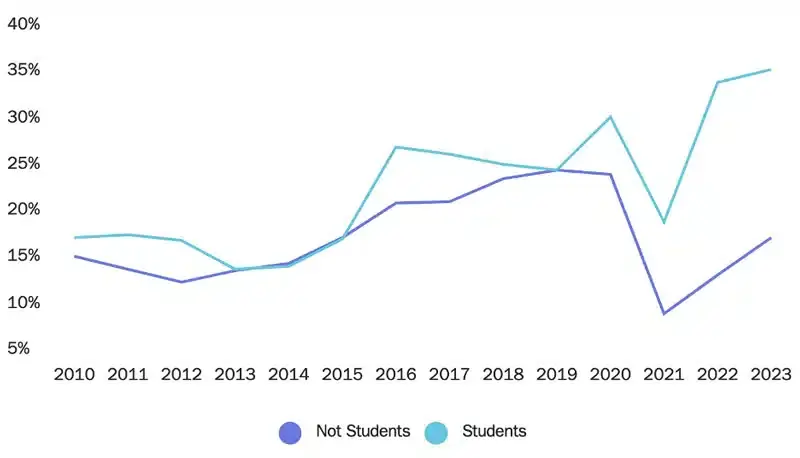
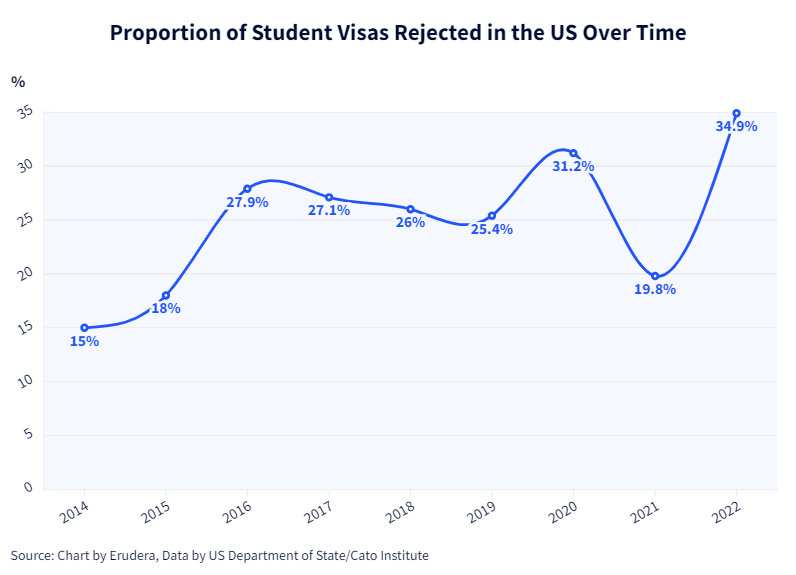
The statistical reality of the current visa environment is staggering. According to analysis from the Cato Institute and the State Department, the F-1 student visa denial rate has effectively doubled over the last decade. In 2014, the rejection rate sat at a relatively low 15 percent. By 2024, that number surged to 41 percent. This means that nearly one in every two students who applies to study in the United States, having already secured admission and often scholarships from accredited institutions, is being turned away at the consular level.
The "whiplash" felt by students and administrators stems from the disconnect between university recruitment efforts and federal adjudication. While U.S. colleges spend millions of dollars marketing their programs globally to maintain diversity and financial stability, the State Department's consular officers have become more aggressive in their vetting processes. In 2024 alone, consular officers denied more visas than were even issued in several years during the early 2000s. This surge in rejections occurred even though the total number of applications has not reached the peak levels seen in 2015, suggesting that the problem is not a lack of interest, but a fundamental change in the "pass rate" of the interview process.
Geographic Disparities: The Hardest Hit Regions
While the rise in visa denials is a global phenomenon, it is not being felt equally across all regions. The Global South is bearing the brunt of this restrictive environment. Africa, in particular, has seen some of the most consistent and severe rejection rates in the world. Data from the Presidents’ Alliance and Shorelight indicates that students from Western, Central, and Northern Africa face denial rates between 48 percent and 71 percent. In contrast, students from Europe and parts of East Asia, such as China, maintain much higher approval ratings. This disparity has led to accusations of systemic bias in the visa adjudication process, where the "country of origin" becomes a more decisive factor than the applicant’s academic merit.
India, which recently overtook China as the largest source country for international students in the U.S., has also seen a dramatic shift. During the peak summer months of 2025, F-1 visa issuances for Indian students dropped by a massive 61 percent year-on-year. Consular officers in India often cite concerns over "nonimmigrant intent"—the suspicion that the student intends to stay in the U.S. permanently rather than returning home after graduation. This suspicion is frequently applied to Indian applicants more stringently than to those from more economically developed nations, creating a barrier for middle-class Indian families who have saved for years to afford an American degree.
The Economic Fallout: A $34 Billion Loss
The economic implications of these visa rejections are vast. International students are a vital component of the U.S. economy, contributing through tuition, housing, and local spending. Experts estimate that the 278,553 students denied in 2024 would have contributed an average of $30,884 each per year. Over a standard four-year degree period, the cumulative loss to the U.S. economy from a single year of high denials reaches approximately $34.4 billion.
For many regional universities and smaller private colleges, international tuition is the margin that keeps departments running and local economies thriving. Unlike the "brand-name" Ivy League schools, which remain relatively insulated from these trends due to their prestige and the high financial profile of their applicants, lower-ranked and regional institutions are seeing their international pipelines dry up. These institutions often serve as hubs for STEM training and local innovation, and the loss of these students directly impacts the domestic labor market's future talent pool.
The Hidden Hurdles of the Consular Interview
One of the primary reasons cited for the high rejection rate is the subjective nature of the visa interview. Lasting typically only two to three minutes, this brief interaction is the "interview of a lifetime" for the applicant. Consular officers are tasked with determining whether a student truly intends to study and then leave the country. However, the criteria for this determination are often opaque and influenced by factors outside the student's control.
The "Who's your Daddy?" test has become a shorthand for describing how officers evaluate financial ties. If a student's sponsor—often a parent—is a government official or a professional with a long-standing bank history, they are viewed as low risk. Conversely, if a parent is self-employed in a rural area or "works with his hands," the student is often viewed through a prism of suspicion. Even if the family has the required funds, the source and "longevity" of those funds are scrutinized. A sudden transfer of money into a sponsor's account just before an interview is a frequent red flag that leads to immediate denial, even if the funds are legitimate.
Comparative Analysis of Visa Denial Rates
To understand the current crisis, it is helpful to look at how different regions and years compare in terms of visa outcomes. The following table highlights the stark differences in refusal rates based on geographic and temporal data.
| Region/Factor | Denial Rate / Impact Trend |
|---|---|
| Global Average (2024) | 41% (Record High) |
| Sub-Saharan Africa | 54% - 57% (Excluding South Africa) |
| India (Summer 2025 Peak) | 61% Decrease in Issuance |
| Economic Loss (4-Year Period) | $34.4 Billion |
| Main Reason for Denial | Failure to prove "Nonimmigrant Intent" |
The Role of Political Climate and Perception
The political environment in the United States plays a significant role in international student mobility. The perception of the U.S. as a "safe" and "welcoming" destination has been tarnished by shifting immigration policies and rhetoric. In late 2025 and 2026, the administration's renewed focus on vetting and potential travel bans has created a "demand problem" that goes deeper than simple visa processing rates. Students are no longer just being rejected; many are deciding not to apply in the first place.
Uncertainty surrounding Optional Practical Training (OPT)—the program that allows international graduates to work in the U.S. for a limited period—is another major deterrent. For many students, the ability to gain American work experience is the primary justification for the high cost of the degree. Continued threats to revoke or limit OPT make the U.S. less competitive compared to countries like Canada, Australia, and various European nations, which have historically offered more straightforward pathways to post-graduation work. When students perceive that their investment in an American education may not result in a career opportunity due to visa whims, they turn their sights elsewhere.
Impact on STEM and Graduate Research
The decline in international student numbers is particularly acute in STEM (Science, Technology, Engineering, and Mathematics) fields. Graduate programs in engineering and computer science at major public universities often rely on international students to fill research assistantships and teaching roles. At the University at Buffalo and similar institutions, declines of up to 15 percent in international graduate enrollment have been reported, primarily in these critical technical fields.
This "brain drain" in reverse has long-term consequences for American innovation. International students who earn PhDs in the U.S. frequently contribute to high-level research that drives the tech and medical sectors. When these students are denied entry, or when their visas are revoked without warning after they have already begun their studies, the continuity of research projects is broken. The resulting instability discourages future researchers from choosing U.S. institutions, potentially handing a competitive advantage to global rivals who are eager to attract the same talent.
Conclusion
The "whiplash" currently experienced by the international student community is the result of a collision between global educational aspirations and increasingly restrictive national security and immigration policies. With visa rejections hitting a 20-year high, the United States is at a crossroads. The current path of high denial rates, particularly focused on the Global South, risks a permanent structural shift in student mobility. As students from India, Nigeria, and Nepal find the doors to American universities increasingly closed, they are successfully finding alternatives in other nations that recognize the immense value—both economic and cultural—that international students bring. Unless there is a concerted effort to standardize the consular interview process, provide clearer guidelines for financial documentation, and reaffirm the value of post-graduation work opportunities, the U.S. may find that its 20-year high in rejections is the start of a long-term decline in its status as the world’s leading educational hub.
Frequently Asked Questions (FAQ)
Q1: Why are U.S. student visa rejections at a record high?
A1: Rejections have reached a 41% high primarily due to stricter interpretations of "nonimmigrant intent" and more rigorous scrutiny of financial documentation by consular officers.
Q2: Which countries are being most affected by these denials?
A2: Students from the Global South, specifically India and African nations like Nigeria and Nepal, are seeing the highest rates of denial, with some regions facing rejection rates over 70%.
Q3: What is "nonimmigrant intent" in the context of an F-1 visa?
A3: This is the legal requirement for applicants to prove they have strong ties to their home country and intend to return there after finishing their studies in the U.S.
Q4: How much money is the U.S. losing due to these visa rejections?
A4: It is estimated that the U.S. economy loses approximately $8.6 billion annually in tuition and living expenses, totaling over $34 billion over a four-year period.
Q5: Are top-tier universities like Harvard or MIT affected by this trend?
A5: While all schools are affected, prestigious "brand-name" institutions are more insulated. The hardest hit are regional colleges and lower-ranked universities that rely on international enrollment for financial stability.
International student ‘whiplash’ as visa rejections hit 20-year high
International student ‘whiplash’ as visa rejections hit 20-year high Wallpapers
Collection of international student ‘whiplash’ as visa rejections hit 20-year high wallpapers for your desktop and mobile devices.

Gorgeous International Student ‘whiplash’ As Visa Rejections Hit 20-year High Landscape Nature
Find inspiration with this unique international student ‘whiplash’ as visa rejections hit 20-year high illustration, crafted to provide a fresh look for your background.

Crisp International Student ‘whiplash’ As Visa Rejections Hit 20-year High View Photography
Immerse yourself in the stunning details of this beautiful international student ‘whiplash’ as visa rejections hit 20-year high wallpaper, designed for a captivating visual experience.

Exquisite International Student ‘whiplash’ As Visa Rejections Hit 20-year High Scene in 4K
Immerse yourself in the stunning details of this beautiful international student ‘whiplash’ as visa rejections hit 20-year high wallpaper, designed for a captivating visual experience.

Gorgeous International Student ‘whiplash’ As Visa Rejections Hit 20-year High Wallpaper Digital Art
Immerse yourself in the stunning details of this beautiful international student ‘whiplash’ as visa rejections hit 20-year high wallpaper, designed for a captivating visual experience.
Crisp International Student ‘whiplash’ As Visa Rejections Hit 20-year High Abstract for Mobile
This gorgeous international student ‘whiplash’ as visa rejections hit 20-year high photo offers a breathtaking view, making it a perfect choice for your next wallpaper.
Vibrant International Student ‘whiplash’ As Visa Rejections Hit 20-year High Artwork in HD
Experience the crisp clarity of this stunning international student ‘whiplash’ as visa rejections hit 20-year high image, available in high resolution for all your screens.
Mesmerizing International Student ‘whiplash’ As Visa Rejections Hit 20-year High Wallpaper Digital Art
Discover an amazing international student ‘whiplash’ as visa rejections hit 20-year high background image, ideal for personalizing your devices with vibrant colors and intricate designs.

Dynamic International Student ‘whiplash’ As Visa Rejections Hit 20-year High Moment for Mobile
Find inspiration with this unique international student ‘whiplash’ as visa rejections hit 20-year high illustration, crafted to provide a fresh look for your background.
Vivid International Student ‘whiplash’ As Visa Rejections Hit 20-year High Background for Mobile
Explore this high-quality international student ‘whiplash’ as visa rejections hit 20-year high image, perfect for enhancing your desktop or mobile wallpaper.

Dynamic International Student ‘whiplash’ As Visa Rejections Hit 20-year High Wallpaper Collection
A captivating international student ‘whiplash’ as visa rejections hit 20-year high scene that brings tranquility and beauty to any device.

Dynamic International Student ‘whiplash’ As Visa Rejections Hit 20-year High Design Nature
This gorgeous international student ‘whiplash’ as visa rejections hit 20-year high photo offers a breathtaking view, making it a perfect choice for your next wallpaper.

Breathtaking International Student ‘whiplash’ As Visa Rejections Hit 20-year High Capture Photography
Transform your screen with this vivid international student ‘whiplash’ as visa rejections hit 20-year high artwork, a true masterpiece of digital design.
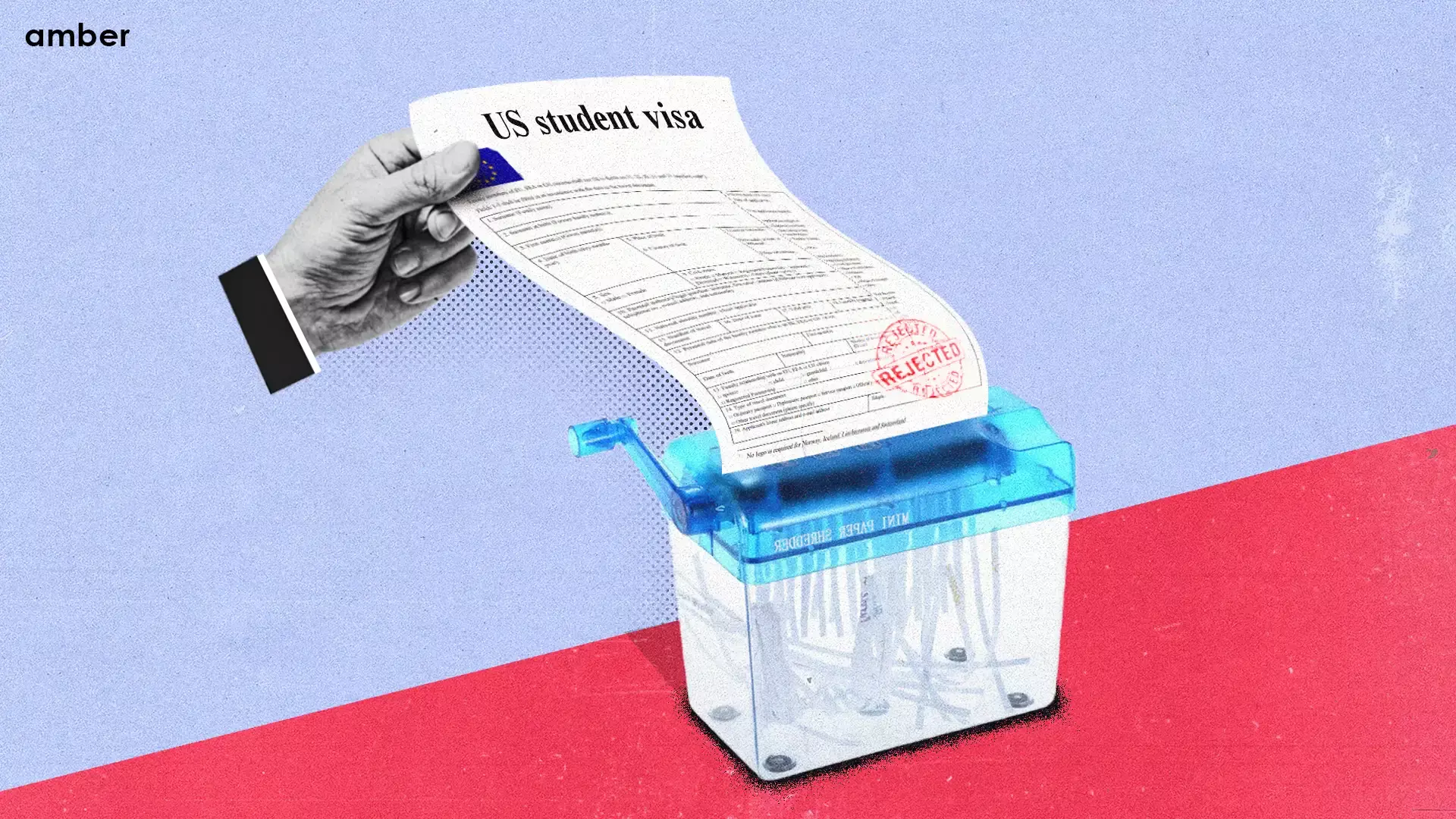
Vibrant International Student ‘whiplash’ As Visa Rejections Hit 20-year High Background for Mobile
Discover an amazing international student ‘whiplash’ as visa rejections hit 20-year high background image, ideal for personalizing your devices with vibrant colors and intricate designs.

Gorgeous International Student ‘whiplash’ As Visa Rejections Hit 20-year High Abstract Art
Immerse yourself in the stunning details of this beautiful international student ‘whiplash’ as visa rejections hit 20-year high wallpaper, designed for a captivating visual experience.

Stunning International Student ‘whiplash’ As Visa Rejections Hit 20-year High Artwork Collection
A captivating international student ‘whiplash’ as visa rejections hit 20-year high scene that brings tranquility and beauty to any device.
Mesmerizing International Student ‘whiplash’ As Visa Rejections Hit 20-year High Moment Digital Art
Explore this high-quality international student ‘whiplash’ as visa rejections hit 20-year high image, perfect for enhancing your desktop or mobile wallpaper.

Gorgeous International Student ‘whiplash’ As Visa Rejections Hit 20-year High Wallpaper for Your Screen
This gorgeous international student ‘whiplash’ as visa rejections hit 20-year high photo offers a breathtaking view, making it a perfect choice for your next wallpaper.

Lush International Student ‘whiplash’ As Visa Rejections Hit 20-year High Moment Digital Art
Immerse yourself in the stunning details of this beautiful international student ‘whiplash’ as visa rejections hit 20-year high wallpaper, designed for a captivating visual experience.

Amazing International Student ‘whiplash’ As Visa Rejections Hit 20-year High Capture Illustration
Experience the crisp clarity of this stunning international student ‘whiplash’ as visa rejections hit 20-year high image, available in high resolution for all your screens.
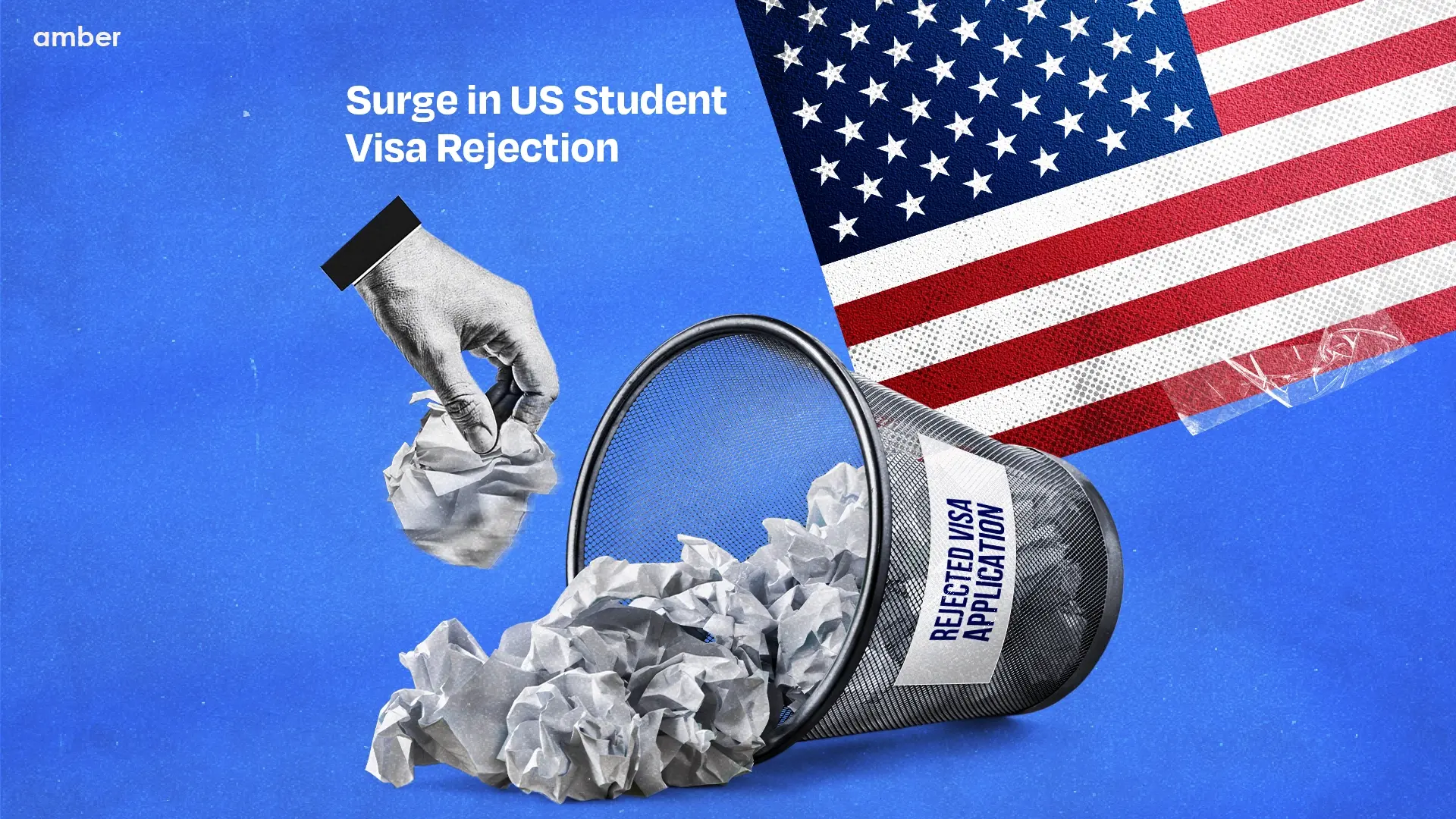
High-Quality International Student ‘whiplash’ As Visa Rejections Hit 20-year High Wallpaper for Mobile
Transform your screen with this vivid international student ‘whiplash’ as visa rejections hit 20-year high artwork, a true masterpiece of digital design.
Download these international student ‘whiplash’ as visa rejections hit 20-year high wallpapers for free and use them on your desktop or mobile devices.