Apollo 11
Apollo 11
The Apollo 11 mission remains the most significant achievement in the history of human exploration, representing the first time mankind successfully set foot on another celestial body. Launched by NASA on July 16, 1969, the mission fulfilled President John F. Kennedy's ambitious national goal of landing a man on the Moon and returning him safely to Earth before the end of the 1960s. This historic journey, crewed by Neil Armstrong, Buzz Aldrin, and Michael Collins, transformed our understanding of the universe and demonstrated the heights of human ingenuity and cooperation during the height of the Space Race.
Apollo 11 was the American spaceflight that first landed humans on the Moon on July 20, 1969. Commander Neil Armstrong and Lunar Module Pilot Buzz Aldrin landed the Apollo Lunar Module Eagle at 20:17 UTC, and Armstrong became the first person to step onto the lunar surface six hours and 39 minutes later. The mission is celebrated as a pivotal moment in the 20th century, marking the culmination of the Space Race and the beginning of a new era in planetary science.
The Historical Context of the Moonshot
To understand the magnitude of Apollo 11, one must look back at the early 1960s. The world was gripped by the Cold War, a period of intense geopolitical tension between the United States and the Soviet Union. Space became the ultimate frontier for this rivalry. The Soviets had taken an early lead with the launch of Sputnik in 1957 and Yuri Gagarin's orbit in 1961. In response, President John F. Kennedy delivered his famous "We choose to go to the Moon" speech, framing the mission not as a simple task, but as a challenge that would organize and measure the best of American energies and skills.
The path to Apollo 11 was paved by the Mercury and Gemini programs, which tested essential maneuvers like docking and extravehicular activity. Despite the tragic setback of the Apollo 1 fire in 1967, NASA persevered, perfecting the Saturn V rocket—the most powerful machine ever built—to carry humans toward the lunar surface. By 1969, the technology, training, and political will had converged to make the impossible a reality.
Meet the Crew: Armstrong, Aldrin, and Collins
The crew of Apollo 11 consisted of three veteran astronauts, each playing a vital role in the mission's success. Neil Armstrong, the mission commander, was a former naval aviator and research pilot known for his cool-headedness under pressure. Joining him as the Lunar Module Pilot was Edwin "Buzz" Aldrin, a brilliant engineer and Air Force pilot who had pioneered docking techniques during the Gemini program. Michael Collins, the Command Module Pilot, had the solitary but crucial task of orbiting the Moon while his colleagues descended to the surface.
While Armstrong and Aldrin became household names for walking on the Moon, Collins' role was equally heroic. Had the Eagle failed to return from the surface, Collins would have been the lone survivor. His meticulous management of the Command Module Columbia ensured that the trio had a home to return to after their historic lunar stay. Together, they represented the pinnacle of NASA's astronaut corps.
The Launch and Journey to Lunar Orbit
On the morning of July 16, 1969, at 9:32 AM EDT, the Saturn V rocket ignited at Kennedy Space Center's Launch Complex 39A. Thousands of spectators gathered on nearby beaches, and millions more watched live on television as the 363-foot-tall rocket slowly cleared the tower. The journey to the Moon took three days, during which the crew performed the transposition and docking maneuver to extract the Lunar Module Eagle from the rocket's third stage.
As they traveled 240,000 miles through the vacuum of space, the astronauts conducted various checks and broadcasts. By July 19, Apollo 11 passed behind the Moon, losing contact with Earth as it fired its engine to enter lunar orbit. This "Lunar Orbit Insertion" was a critical moment; too little thrust would send them sailing past the Moon, while too much could cause a crash. The maneuver was flawless, placing the Command and Service Module into a stable elliptical orbit.
Descent and the Famous 'Eagle has Landed'
On July 20, Armstrong and Aldrin entered the Lunar Module Eagle, undocking from Columbia. As they began their powered descent, several computer alarms—the 1201 and 1202 alarms—threatened to abort the mission. Mission Control in Houston, led by Flight Director Steve Bales, quickly determined these were caused by an overloaded computer and gave the "Go" to continue. However, the drama was not over.
Armstrong noticed the automated landing system was guiding them toward a boulder-strewn crater. He took semi-manual control, hovering the Eagle just above the surface while searching for a clear spot. With only about 25 seconds of fuel remaining in the descent stage, the Eagle touched down in the Sea of Tranquility. Armstrong’s voice crackled across the radio: "Houston, Tranquility Base here. The Eagle has landed." The world breathed a collective sigh of relief as the first human-crewed spacecraft settled on the lunar dust.
| Mission Milestone | Date and Time (UTC) |
|---|---|
| Launch from Kennedy Space Center | July 16, 1969, 13:32:00 |
| Lunar Module Landing | July 20, 1969, 20:17:40 |
| First Step on Lunar Surface | July 21, 1969, 02:56:15 |
| Splashdown in Pacific Ocean | July 24, 1969, 16:50:35 |
Walking on the Moon: Scientific Discoveries
Six hours after landing, Neil Armstrong opened the hatch and climbed down the ladder. As he placed his left foot on the Moon, he spoke the words that would define a generation: "That's one small step for [a] man, one giant leap for mankind." Aldrin joined him shortly after, describing the lunar landscape as "magnificent desolation." For two and a half hours, the pair explored the area around the lander, remaining within 60 meters of the Eagle.
Their work was intensely scientific. They deployed a solar wind composition experiment, a seismic package to detect "moonquakes," and a laser ranging retroreflector that is still used today to measure the distance between Earth and the Moon. They collected 21.5 kilograms of lunar rock and soil, samples that revealed the Moon was approximately 4.4 billion years old and likely formed from a massive collision between Earth and a Mars-sized planet. These specimens continue to provide new data to researchers over 50 years later.
The Perilous Return and Splashdown
Leaving the Moon was just as dangerous as arriving. On July 21, the Eagle's ascent stage ignited, using the descent stage as a launchpad. It successfully rendezvoused and docked with Michael Collins in the Command Module Columbia. After transferring the lunar samples and equipment, the Eagle was jettisoned, and the crew fired their engine for the trans-Earth injection, beginning the three-day journey home.
On July 24, the Command Module entered Earth's atmosphere at nearly 25,000 miles per hour. The heat shield protected the astronauts as they decelerated, eventually deploying parachutes for a gentle splashdown in the Pacific Ocean, southwest of Hawaii. Recovered by the USS Hornet, the crew was immediately placed in biological quarantine for 21 days as a precaution against "Moon germs." They were greeted as heroes by President Richard Nixon and later celebrated with ticker-tape parades in New York City and Chicago.
Technological Spinoffs and Legacy
The legacy of Apollo 11 extends far beyond the Moon. The 400,000-person effort required to reach the lunar surface sparked a technological revolution. Innovations developed for the mission found their way into everyday life, including digital flight control systems (fly-by-wire), freeze-dried food, water purification technology, and more advanced computing. The integrated circuits used in the Apollo Guidance Computer paved the way for the modern digital age.
Culturally, the mission provided the "Earthrise" perspective—a view of our planet as a fragile, blue marble hanging in the darkness. This image helped ignite the modern environmental movement. Apollo 11 proved that with sufficient resources and political will, humanity could overcome seemingly insurmountable challenges. It remains a beacon of hope, inspiring current programs like Artemis, which aims to return humans to the Moon and eventually reach Mars.
Conclusion
Apollo 11 was more than just a mission; it was a testament to the human spirit's refusal to be bound by gravity. It marked the moment when humanity truly became a spacefaring species. The footprints left by Armstrong and Aldrin in the Sea of Tranquility remain as permanent reminders of what we can achieve when we dare to dream big. As we look toward the future of space exploration, the lessons of Apollo 11—innovation, perseverance, and global unity—continue to guide our journey into the stars.
Frequently Asked Questions (FAQ)
Who were the three astronauts on Apollo 11?
The crew consisted of Neil Armstrong (Commander), Edwin "Buzz" Aldrin (Lunar Module Pilot), and Michael Collins (Command Module Pilot).
How long did the Apollo 11 mission last?
The mission lasted a total of 8 days, 3 hours, 18 minutes, and 35 seconds, from launch on July 16 to splashdown on July 24, 1969.
Where exactly did Apollo 11 land on the Moon?
The Lunar Module Eagle landed in the Sea of Tranquility (Mare Tranquillitatis).
What were Neil Armstrong's first words on the Moon?
His famous words were: "That's one small step for [a] man, one giant leap for mankind."
Why did the astronauts have to go into quarantine?
They were quarantined for 21 days as a safety precaution to ensure they hadn't brought back any harmful lunar microorganisms or diseases.
Apollo 11
Apollo 11 Wallpapers
Collection of apollo 11 wallpapers for your desktop and mobile devices.
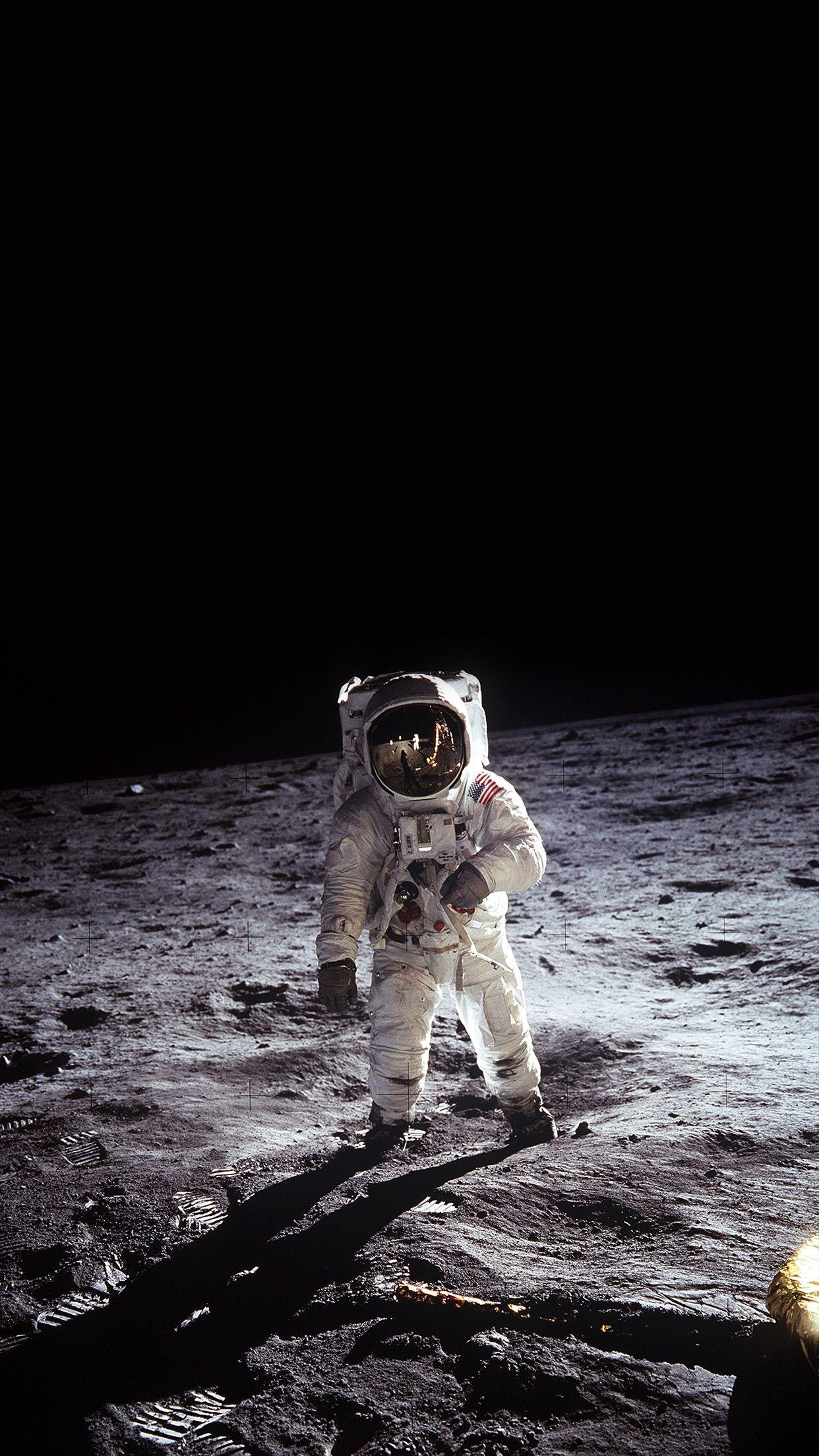
Lush Apollo 11 Moment in 4K
Immerse yourself in the stunning details of this beautiful apollo 11 wallpaper, designed for a captivating visual experience.
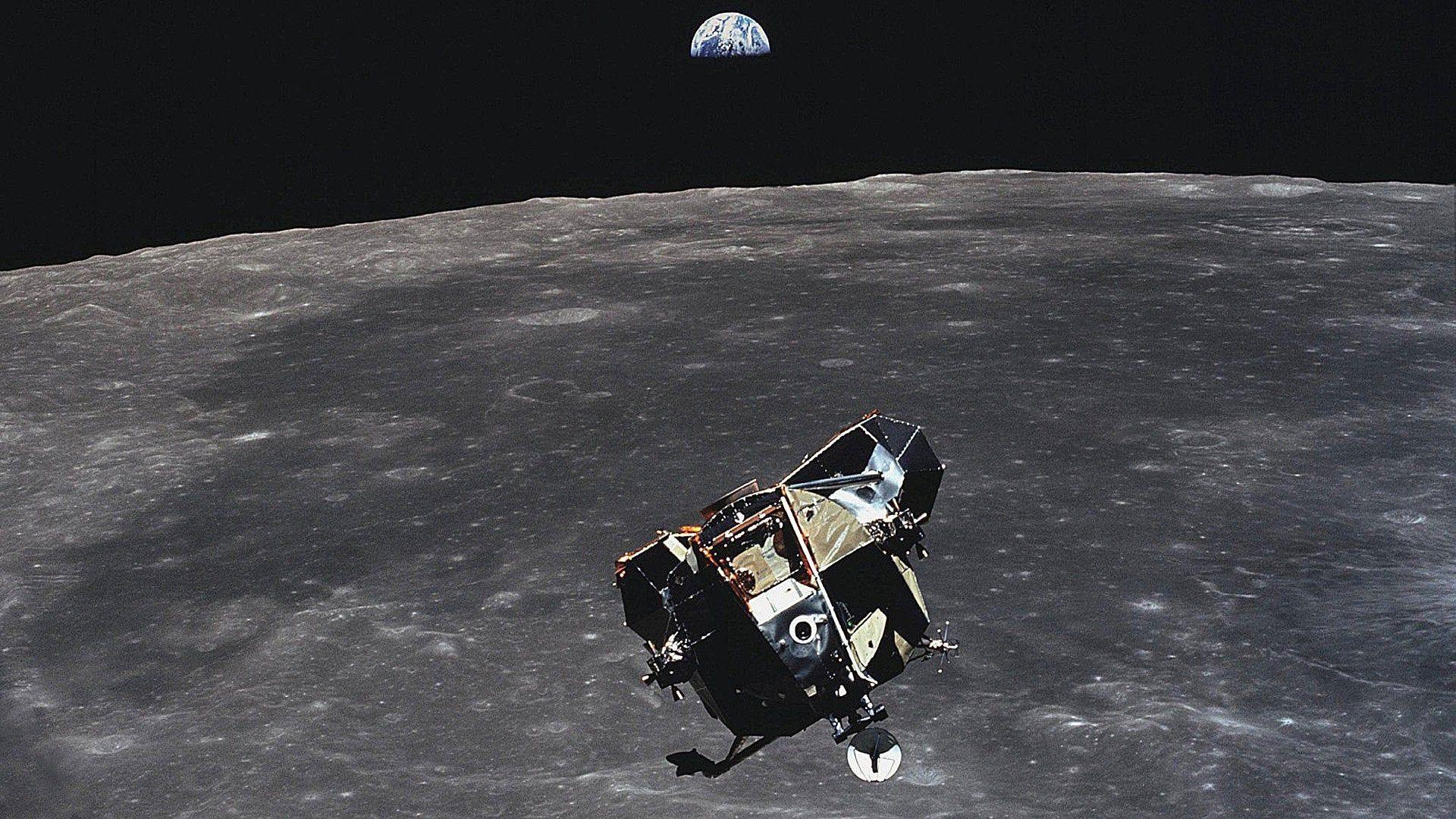
Detailed Apollo 11 Moment for Desktop
Transform your screen with this vivid apollo 11 artwork, a true masterpiece of digital design.
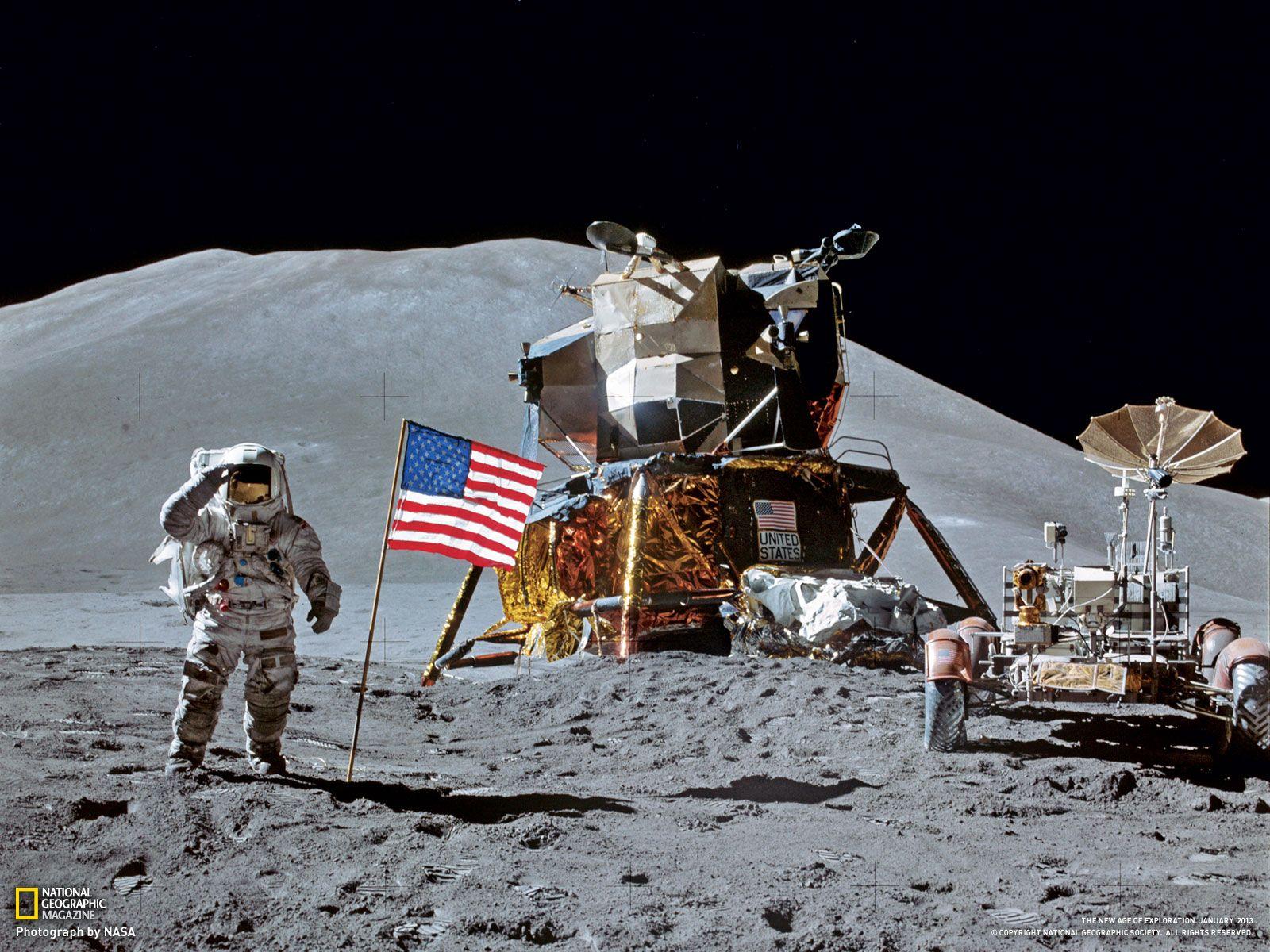
Lush Apollo 11 Image Concept
Find inspiration with this unique apollo 11 illustration, crafted to provide a fresh look for your background.
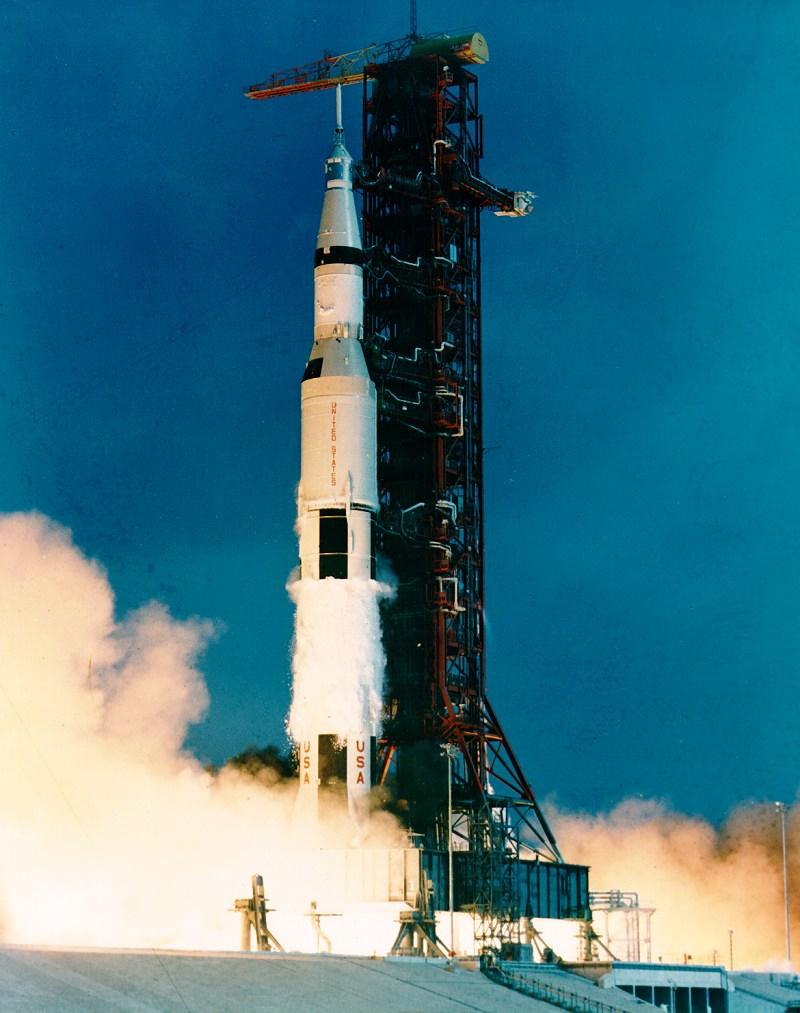
Stunning Apollo 11 Capture Illustration
Find inspiration with this unique apollo 11 illustration, crafted to provide a fresh look for your background.

Gorgeous Apollo 11 Picture Photography
A captivating apollo 11 scene that brings tranquility and beauty to any device.
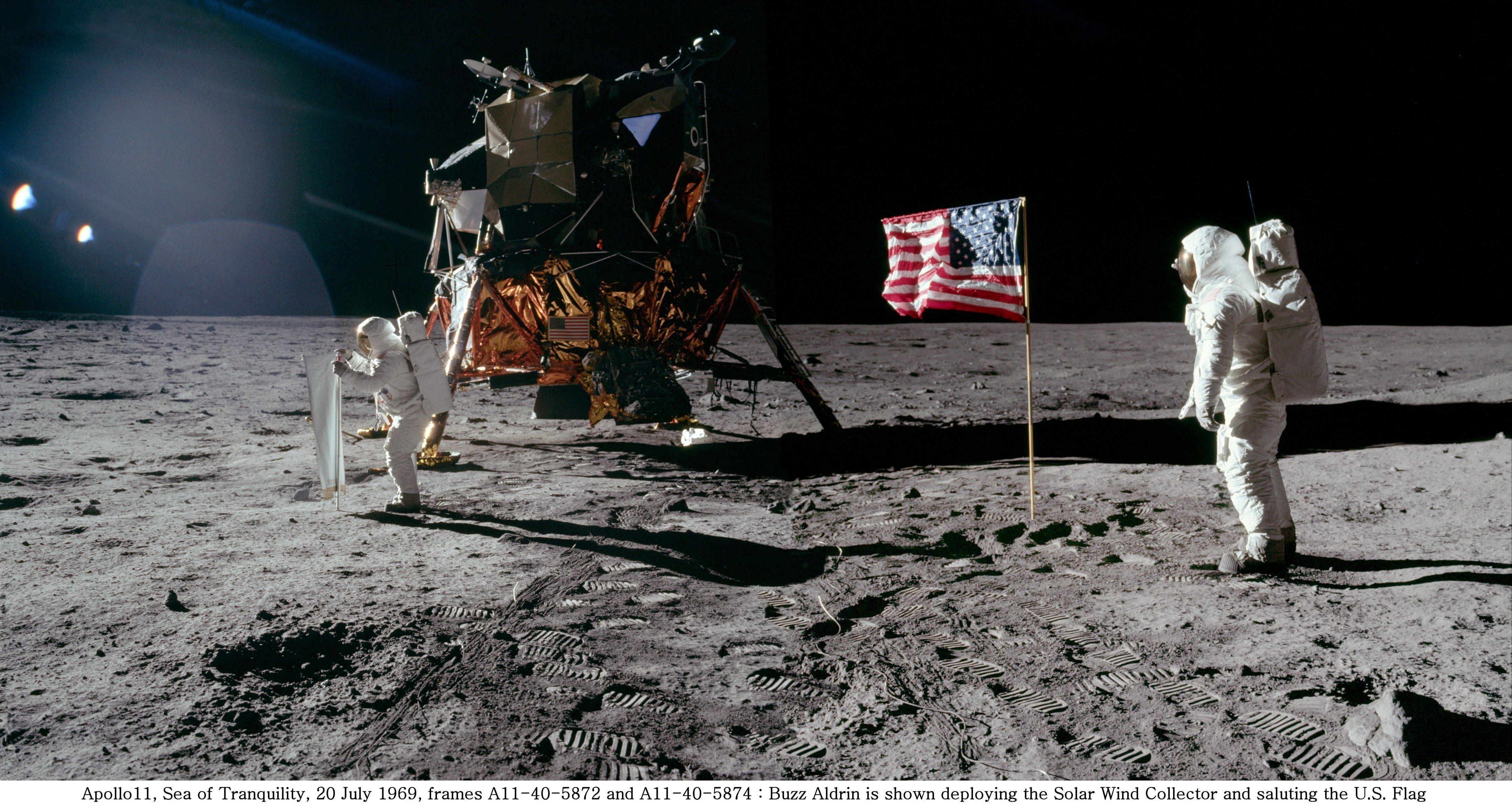
Exquisite Apollo 11 Background for Desktop
A captivating apollo 11 scene that brings tranquility and beauty to any device.
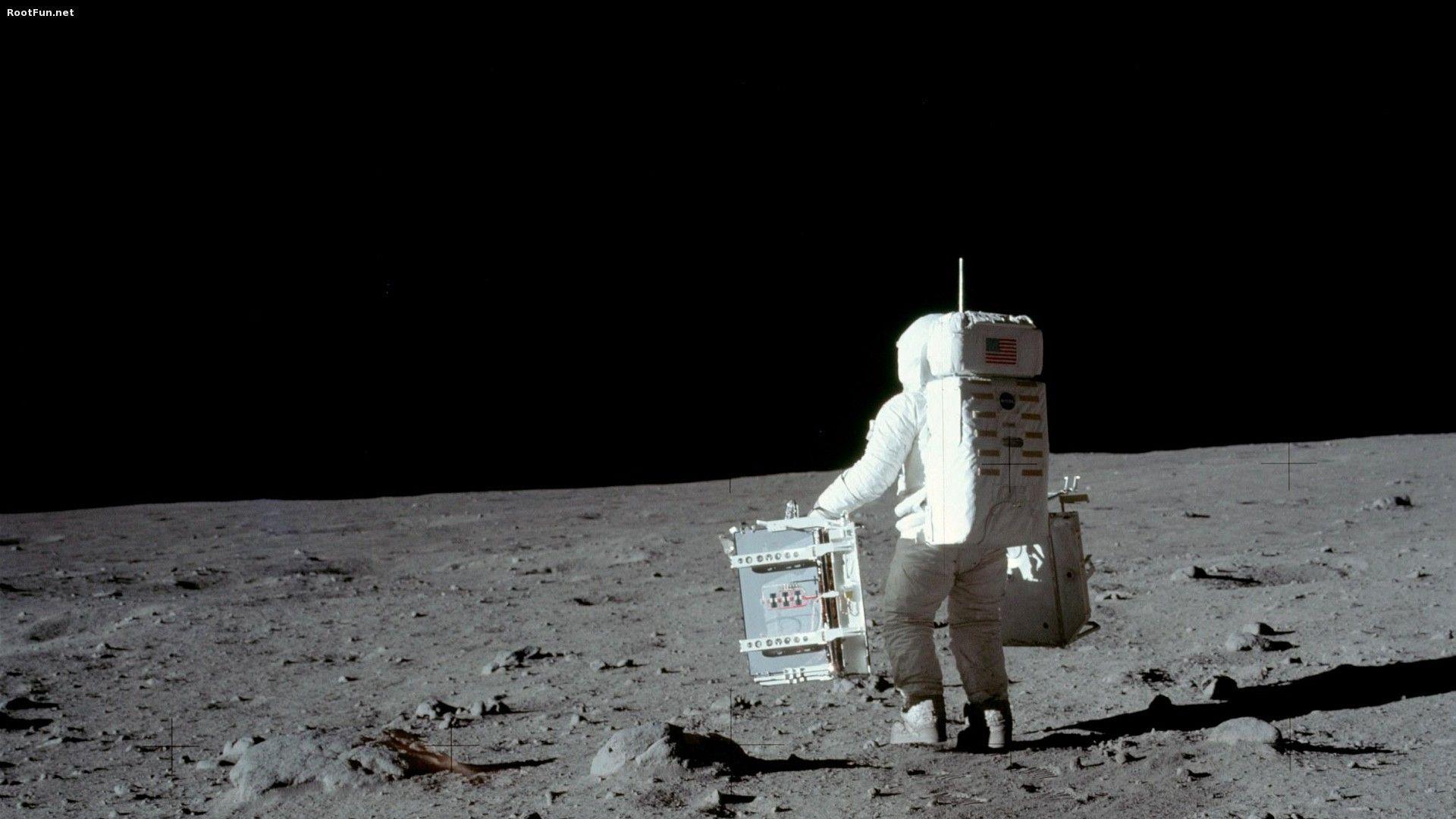
Artistic Apollo 11 Picture for Desktop
This gorgeous apollo 11 photo offers a breathtaking view, making it a perfect choice for your next wallpaper.
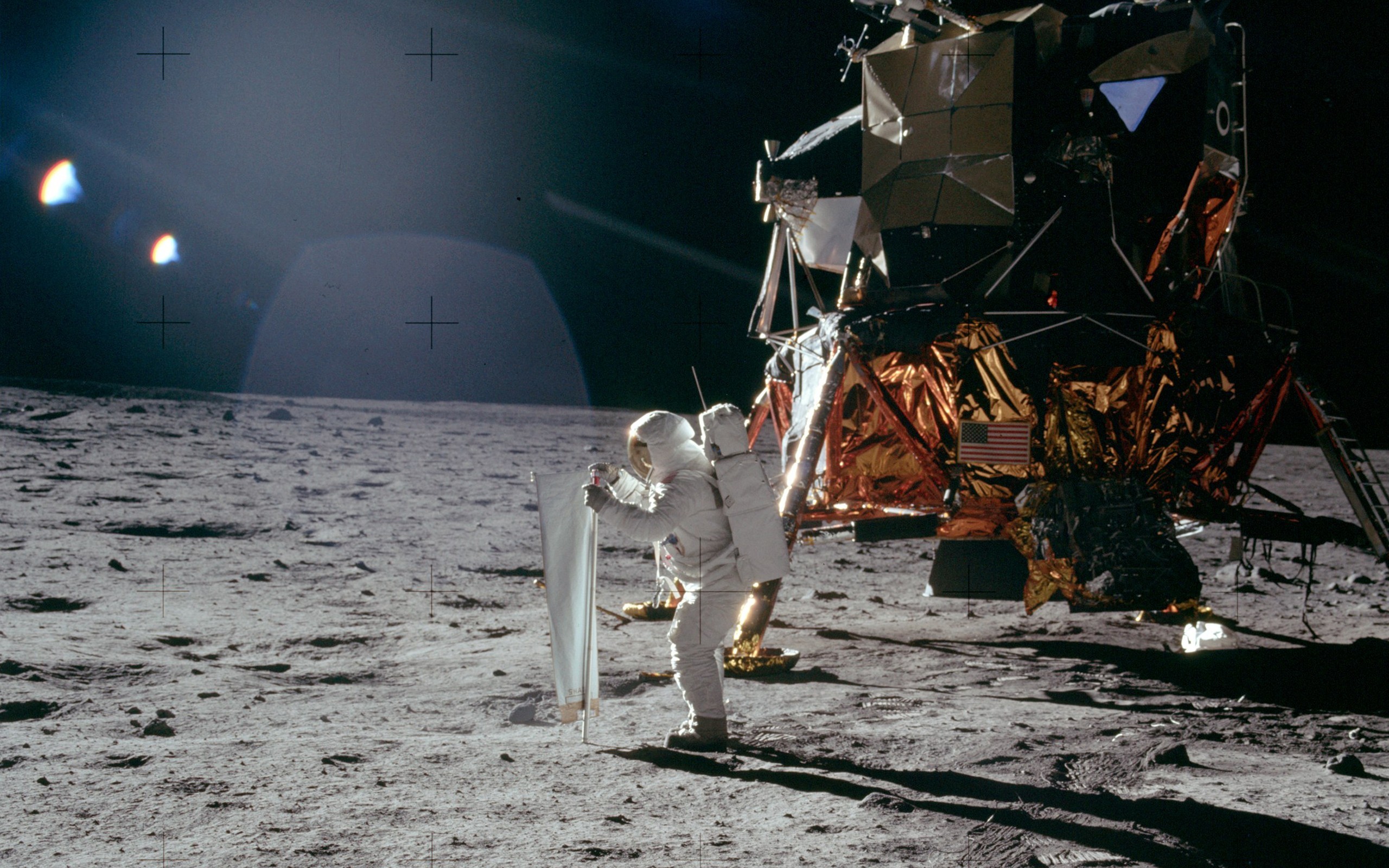
Serene Apollo 11 Scene in HD
Explore this high-quality apollo 11 image, perfect for enhancing your desktop or mobile wallpaper.
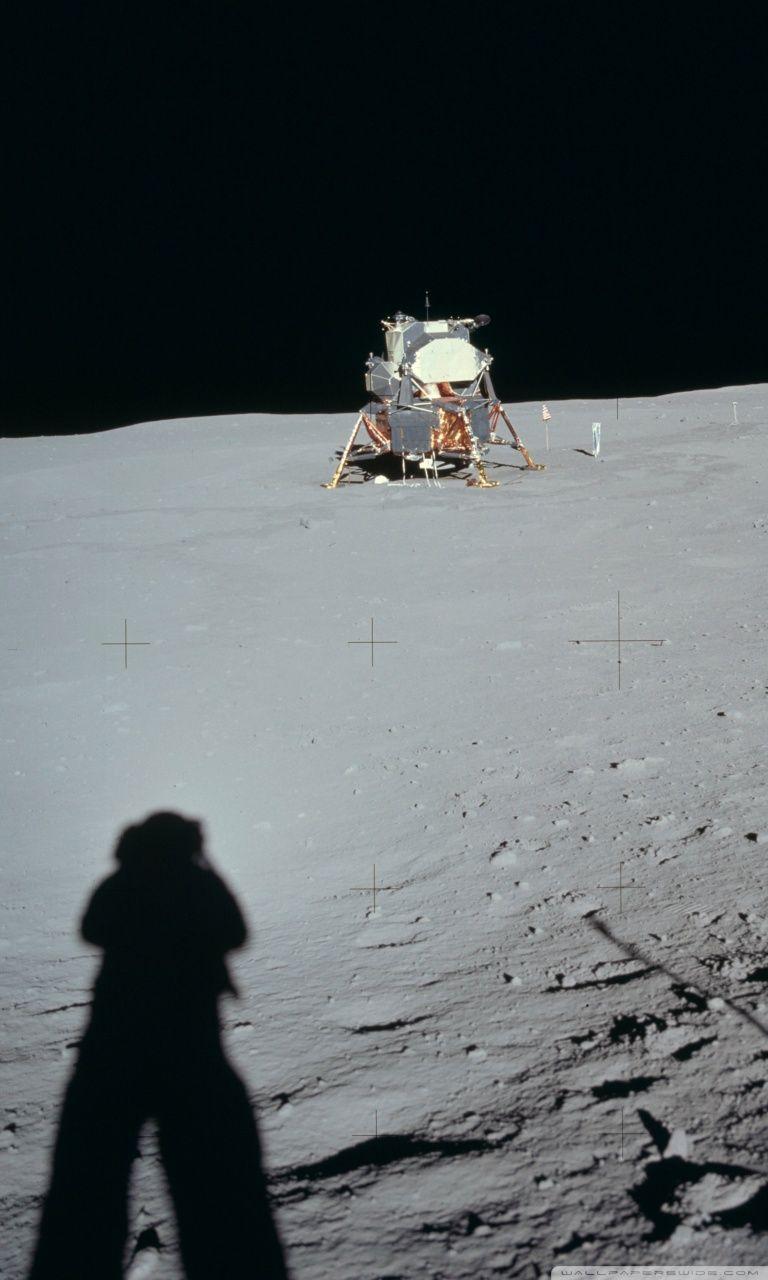
Artistic Apollo 11 Background Art
A captivating apollo 11 scene that brings tranquility and beauty to any device.
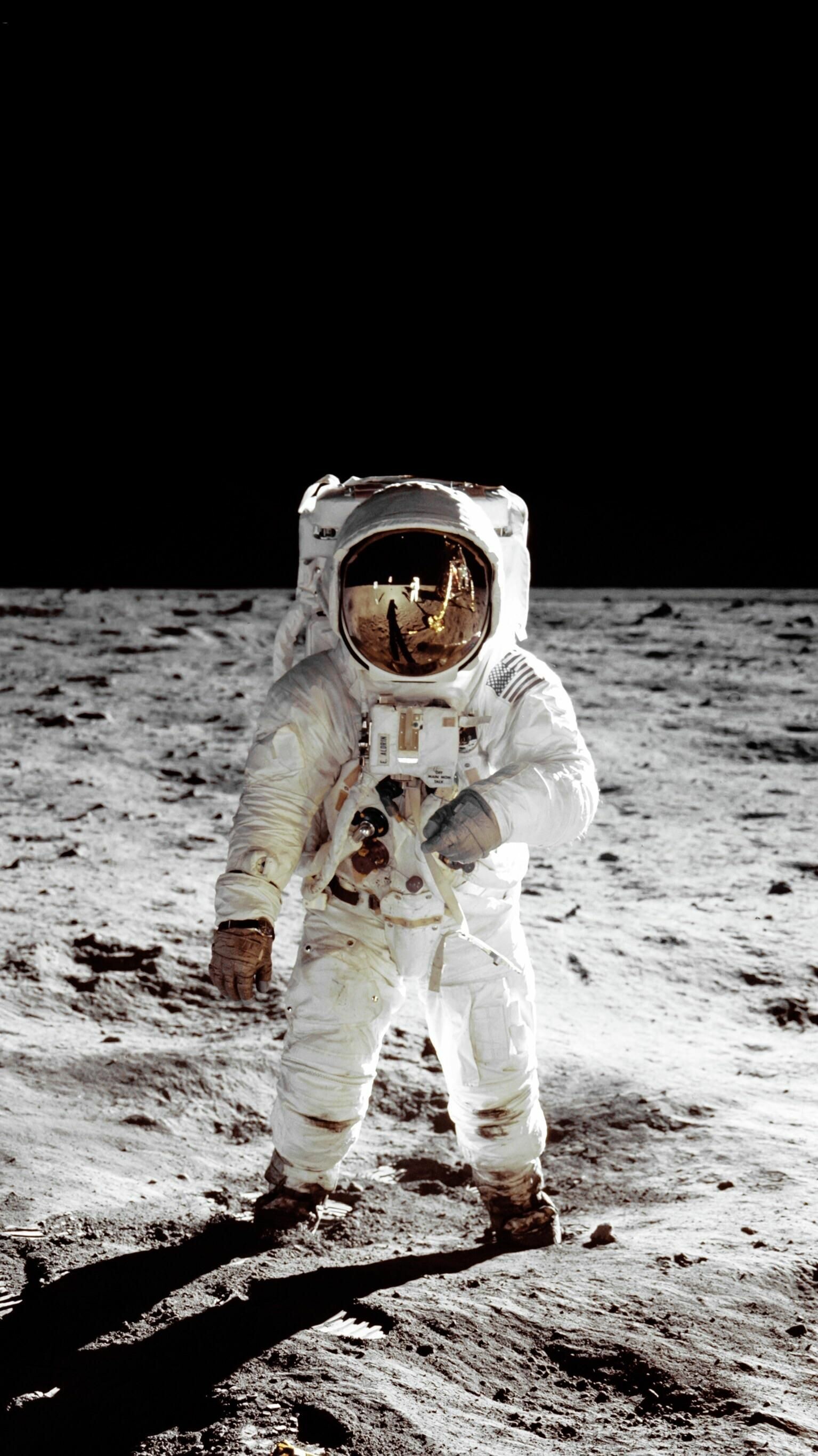
Lush Apollo 11 View in 4K
Find inspiration with this unique apollo 11 illustration, crafted to provide a fresh look for your background.
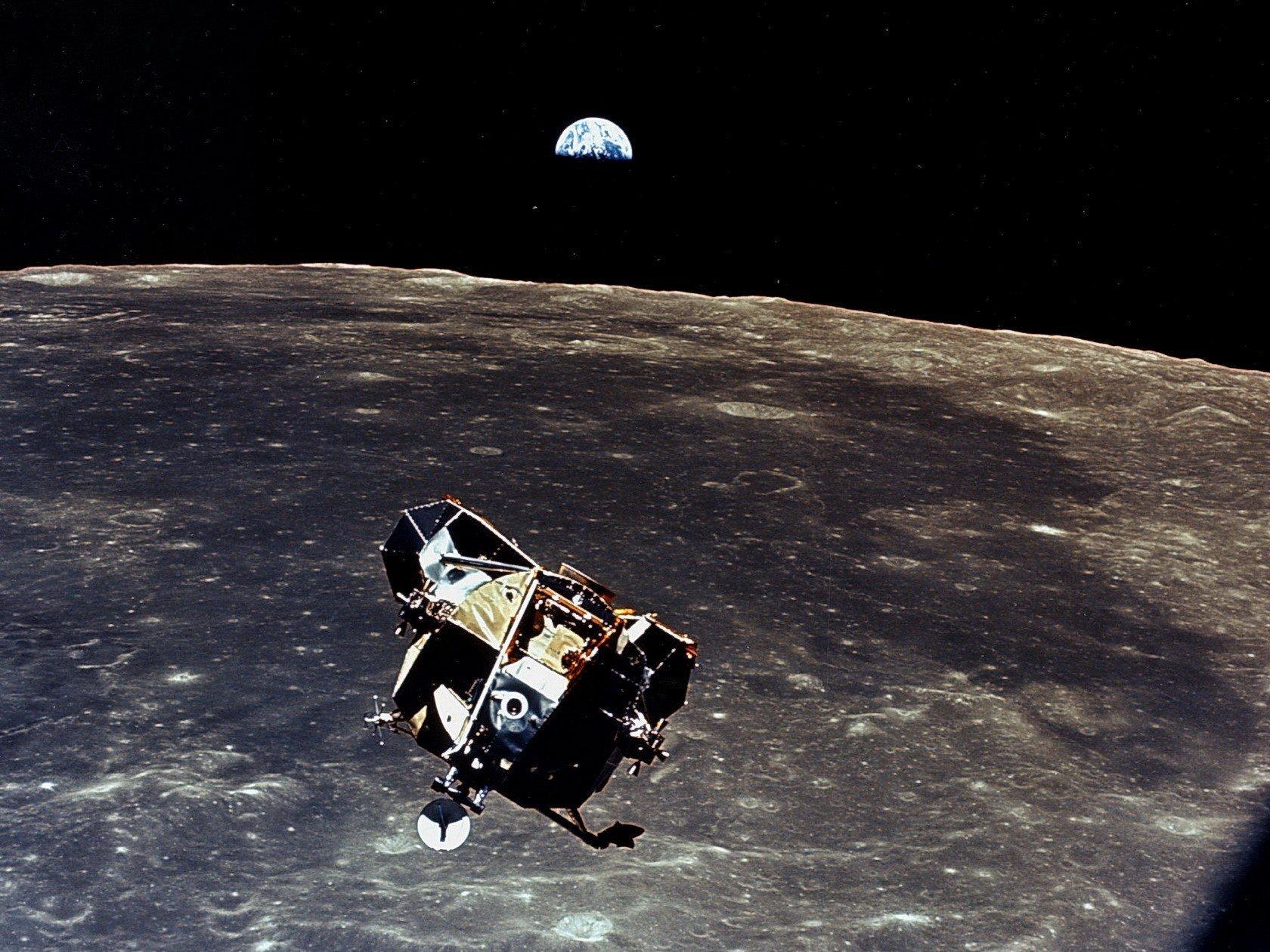
Beautiful Apollo 11 Moment for Desktop
Explore this high-quality apollo 11 image, perfect for enhancing your desktop or mobile wallpaper.
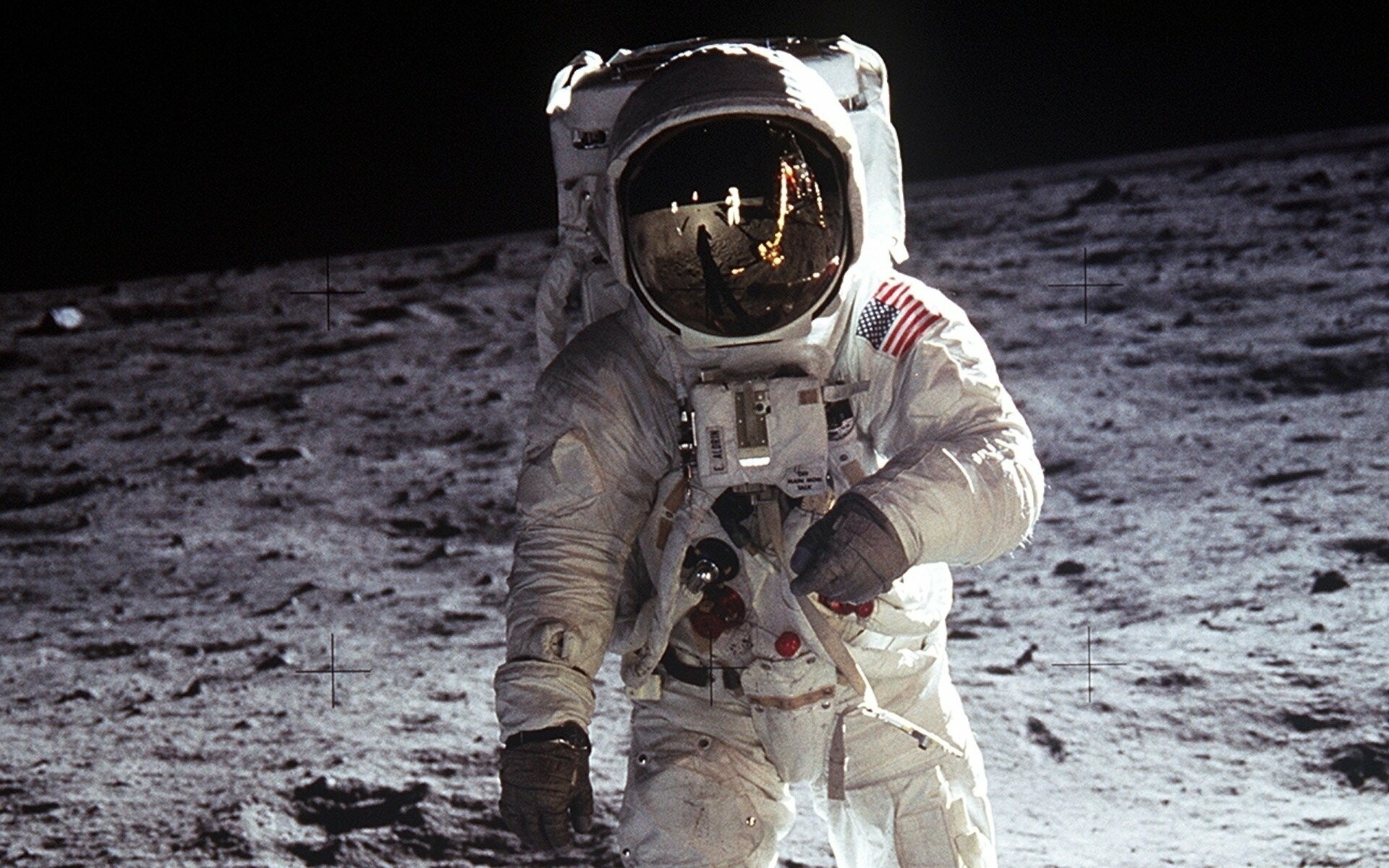
Gorgeous Apollo 11 Scene Collection
Immerse yourself in the stunning details of this beautiful apollo 11 wallpaper, designed for a captivating visual experience.
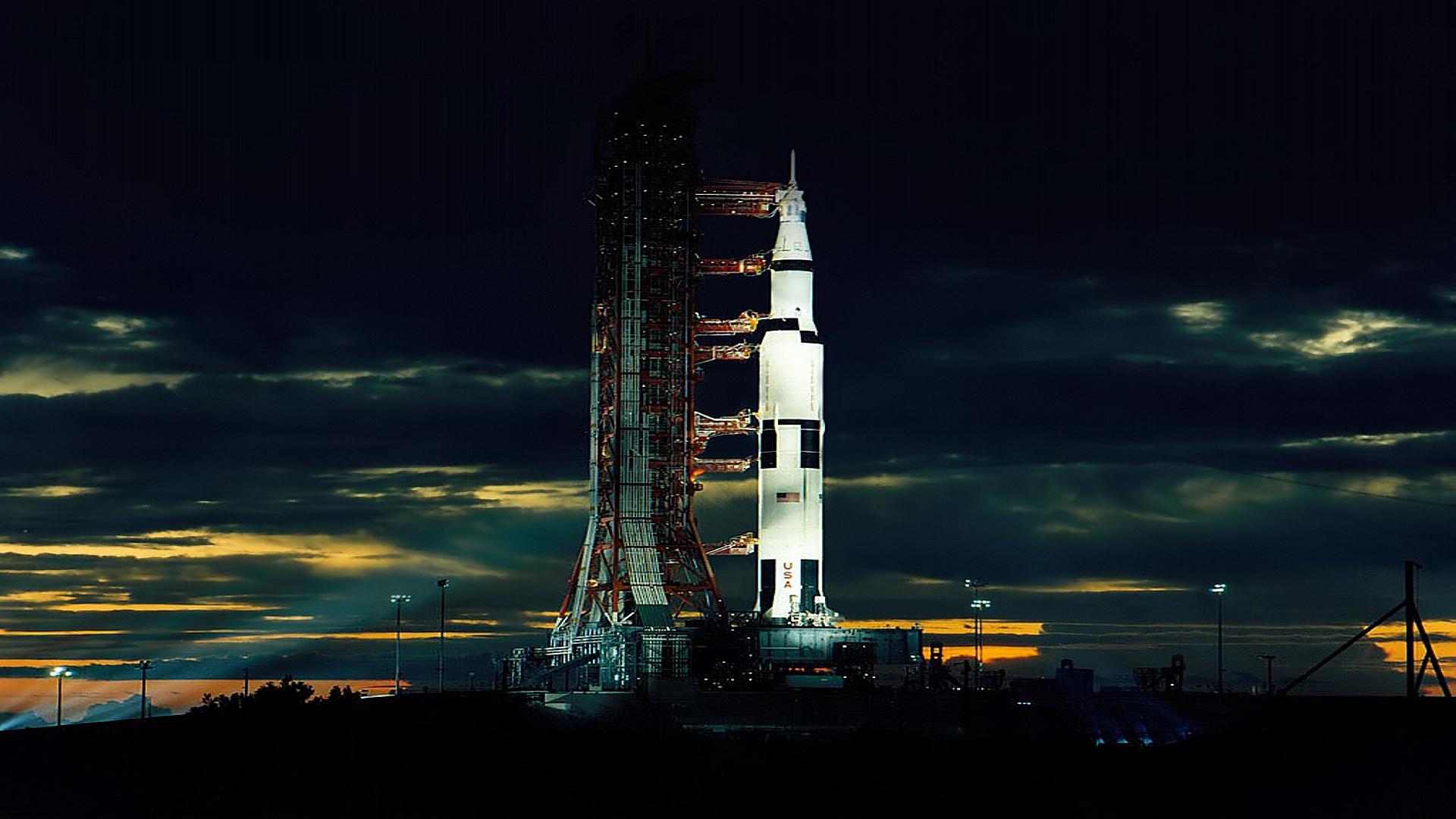
Spectacular Apollo 11 Capture Digital Art
Immerse yourself in the stunning details of this beautiful apollo 11 wallpaper, designed for a captivating visual experience.
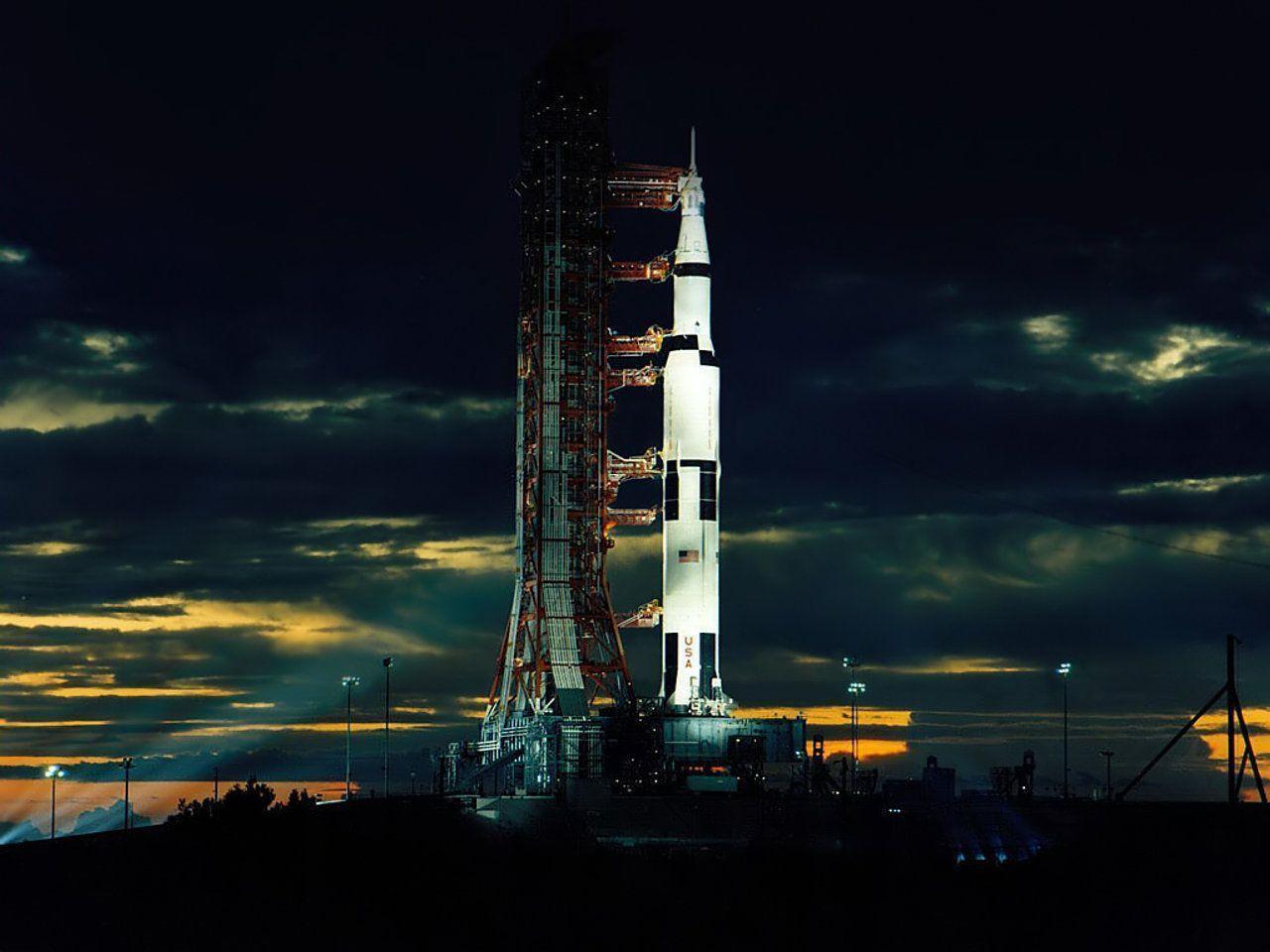
Vivid Apollo 11 Artwork Collection
Discover an amazing apollo 11 background image, ideal for personalizing your devices with vibrant colors and intricate designs.
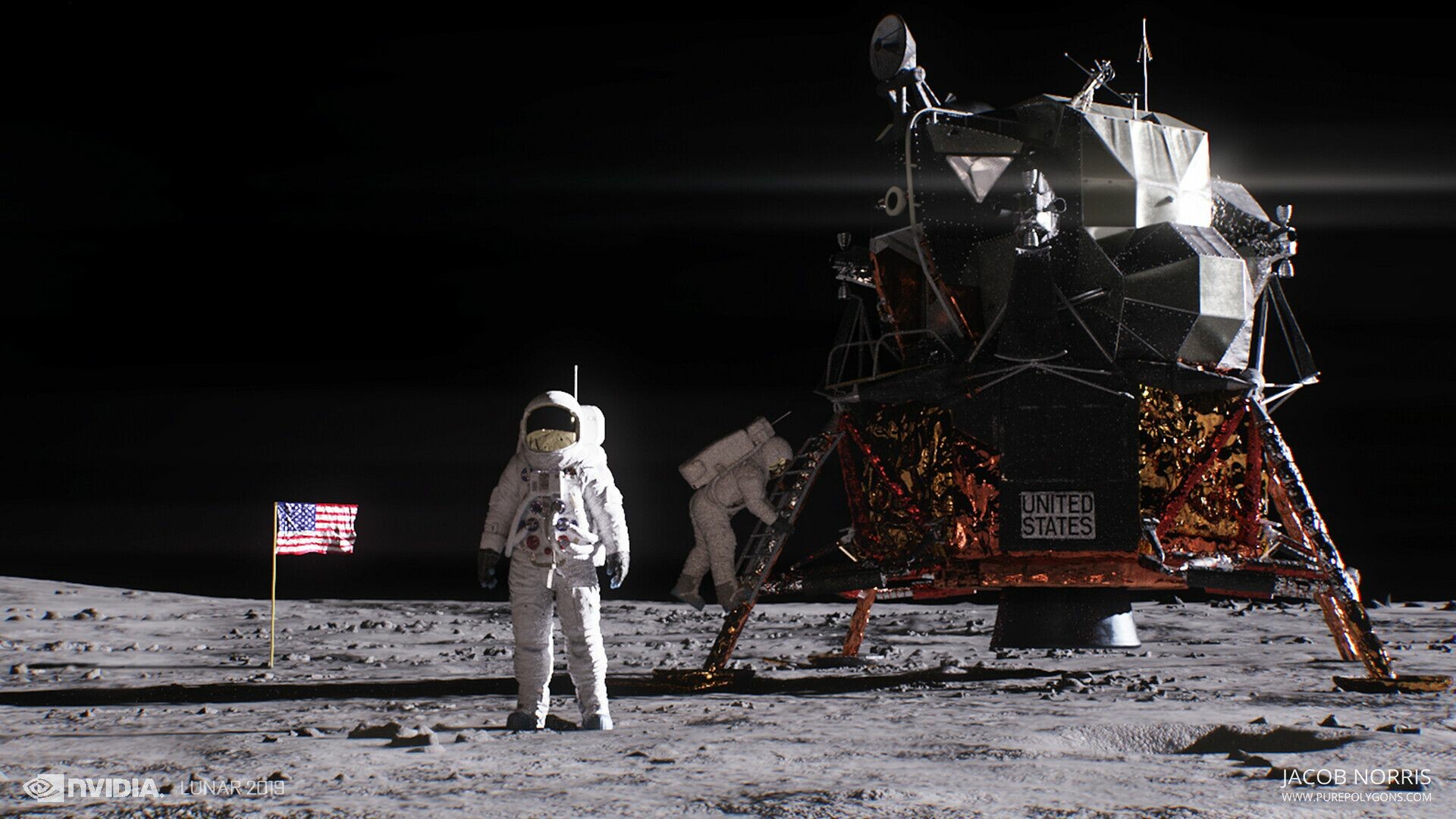
Crisp Apollo 11 Wallpaper in 4K
This gorgeous apollo 11 photo offers a breathtaking view, making it a perfect choice for your next wallpaper.
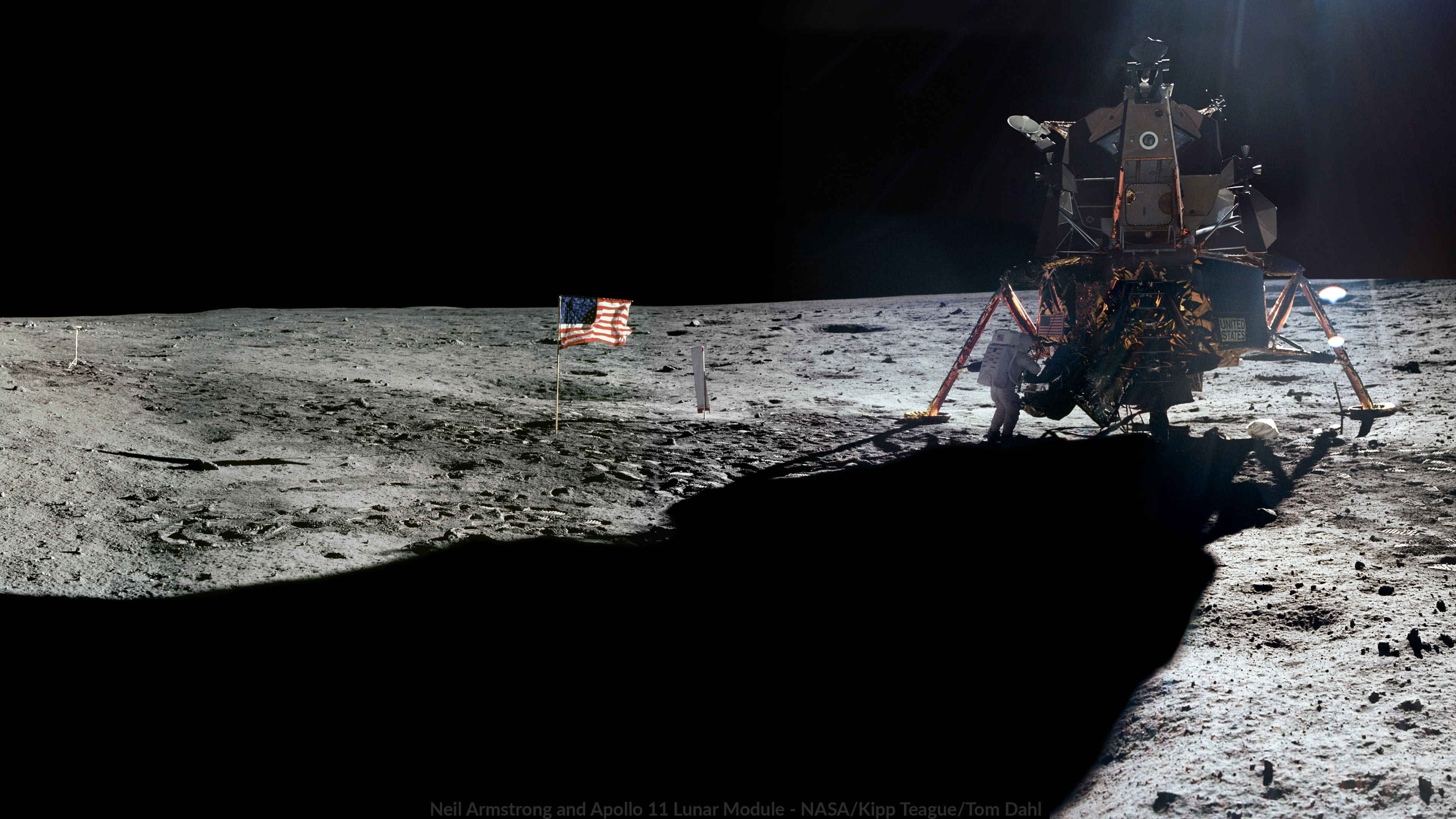
Serene Apollo 11 Moment Collection
Transform your screen with this vivid apollo 11 artwork, a true masterpiece of digital design.
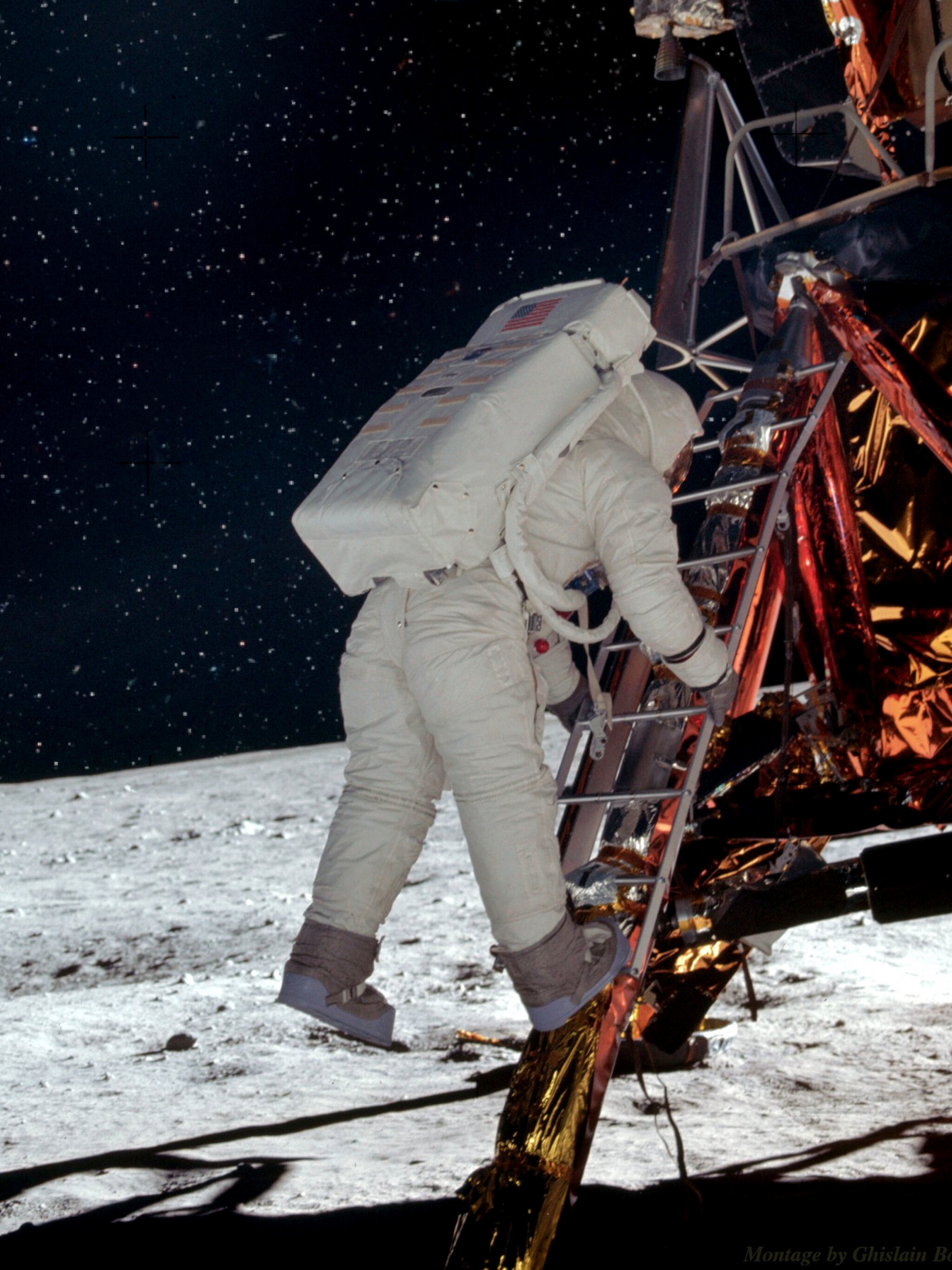
Serene Apollo 11 Moment for Desktop
Transform your screen with this vivid apollo 11 artwork, a true masterpiece of digital design.
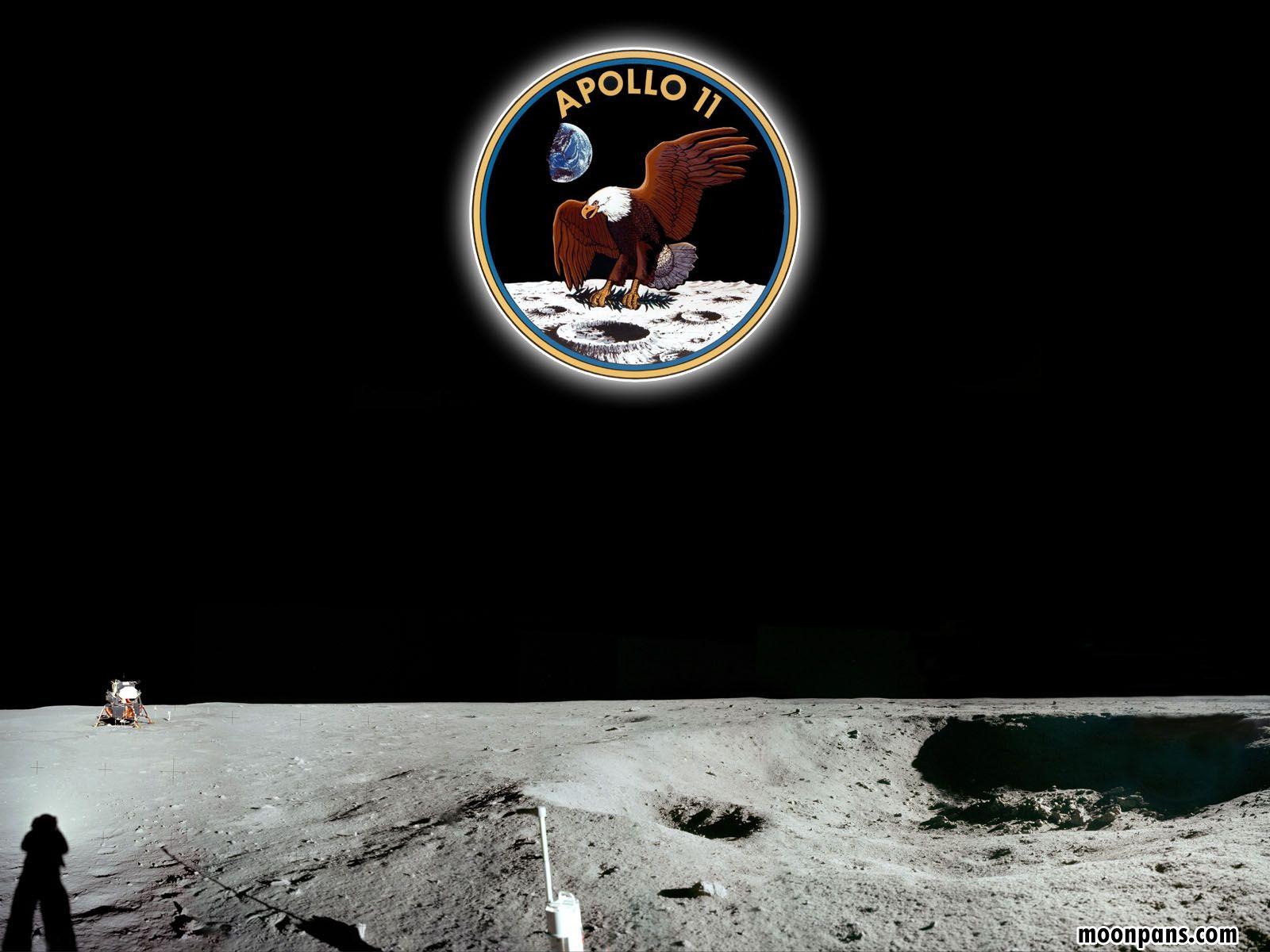
Beautiful Apollo 11 Image for Desktop
Explore this high-quality apollo 11 image, perfect for enhancing your desktop or mobile wallpaper.
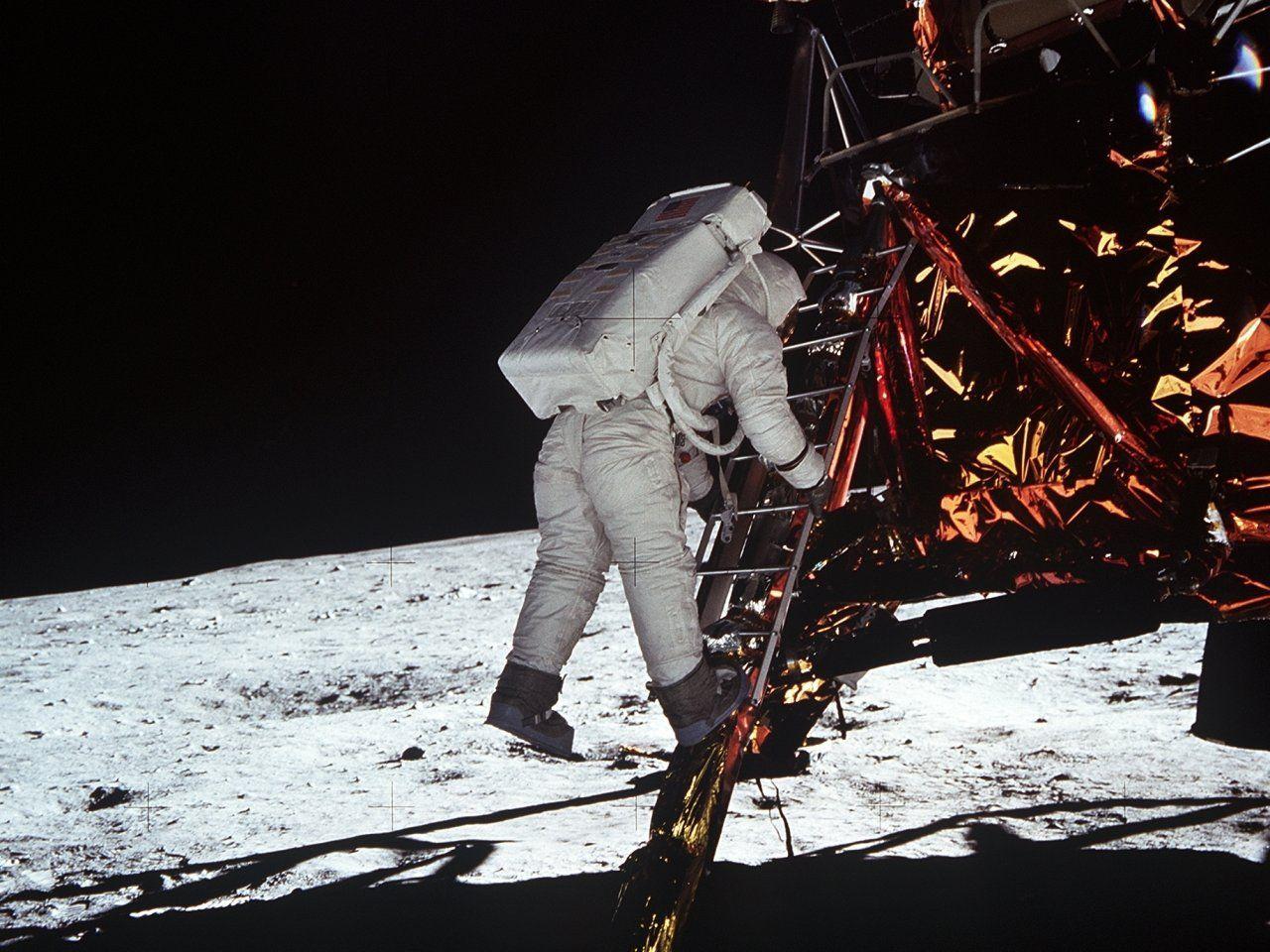
Serene Apollo 11 Wallpaper Concept
Discover an amazing apollo 11 background image, ideal for personalizing your devices with vibrant colors and intricate designs.
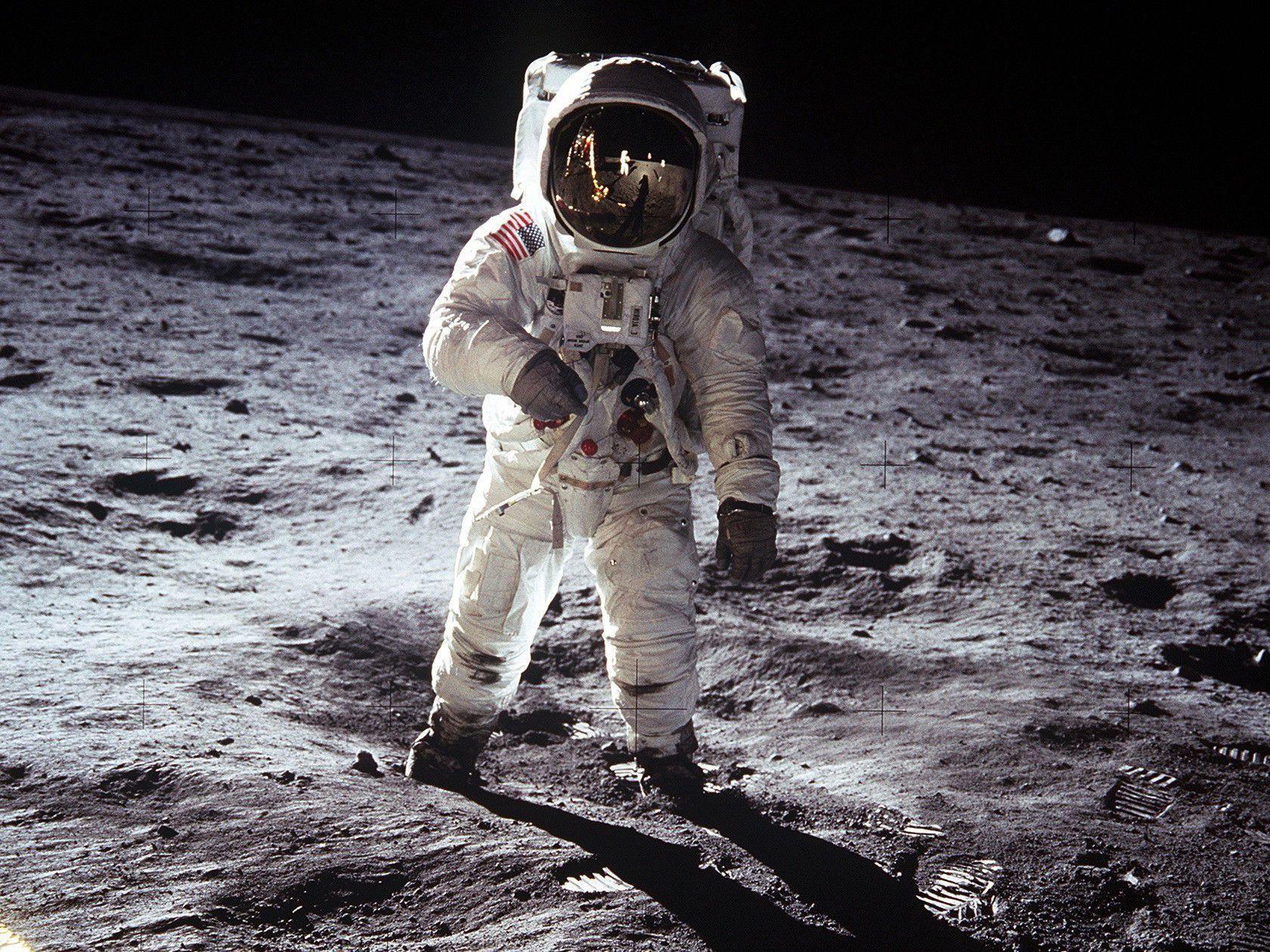
Detailed Apollo 11 Abstract in 4K
Transform your screen with this vivid apollo 11 artwork, a true masterpiece of digital design.
Download these apollo 11 wallpapers for free and use them on your desktop or mobile devices.