US plunges into 'false' Gaza genocide fight at world court
US plunges into 'false' Gaza genocide fight at world court
The United States has formally stepped into the legal arena at the International Court of Justice (ICJ), launching a high-stakes defense of its ally, Israel, against allegations of genocide in Gaza. In a significant "declaration of intervention" filed on March 12, 2026, Washington explicitly rejected the charges brought forward by South Africa, labeling them as false and politically motivated. This move marks a pivotal moment in the ongoing legal battle, as the U.S. urges the world court to maintain a strict evidentiary threshold for proving genocidal intent, warning that a broad interpretation could delegitimize international law and encourage further conflict. As the case draws more nations into its orbit, the U.S. intervention highlights the deep geopolitical divisions surrounding the conflict and the profound implications for future interpretations of the 1948 Genocide Convention.
The United States' intervention in the South Africa v. Israel case at the International Court of Justice (ICJ) asserts that allegations of genocide are false and warns against weakening the legal definition of the crime. Washington filed a declaration of intervention on March 12, 2026, joining a growing list of countries, including Namibia, Hungary, and Fiji, who are presenting their legal interpretations of the Genocide Convention to the court. While some nations support South Africa's claims, the U.S. argues that civilian casualties in urban warfare do not constitute genocidal intent without proof of a deliberate plan to destroy a protected group.
The Legal Foundation of the US Intervention
The United States officially filed its "declaration of intervention" under Article 63 of the Statute of the International Court of Justice. This provision allows any state party to a convention to intervene whenever the construction of that convention is in question. For the U.S., the stakes involve the interpretation of the 1948 Genocide Convention, a treaty born from the horrors of the Holocaust. Washington's primary legal argument is that the crime of genocide requires "specific intent" (dolus specialis) to destroy, in whole or in part, a national, ethnical, racial, or religious group. By intervening, the U.S. seeks to ensure that the ICJ does not lower the bar for what constitutes genocide, arguing that the current case against Israel fails to meet this high standard.
Washington’s filing emphasizes that the tragedy of civilian deaths, while catastrophic, does not inherently prove genocidal intent. This is particularly true in the context of urban warfare, where a state claims to be acting in self-defense against a non-state actor that uses civilian infrastructure. The U.S. argues that for a finding of genocide, there must be an unambiguous pattern of conduct where the only reasonable inference is the intent to destroy the group. By injecting this interpretation, the U.S. aims to preserve the exceptional nature of the crime of genocide, distinguishing it from other grave breaches of international humanitarian law.
Washington Rejects 'False' Charges Against Israel
In no uncertain terms, the U.S. declaration states that "the allegations of 'genocide' against Israel are false." This direct refutation aligns with the long-standing American policy of supporting Israel’s right to defend itself following the October 7, 2023, attacks by Hamas. The U.S. argues that South Africa’s case is part of a decades-long campaign to delegitimize the State of Israel and the Jewish people. According to the filing, such charges serve to justify or encourage terrorism rather than uphold the principles of international justice.
The American legal team, led by State Department advisers, contends that Israel has made significant efforts to protect non-combatants in an extremely complex military environment. They point to the challenges of fighting an enemy that utilizes human shields and operates out of hospitals, schools, and residential areas. From Washington's perspective, the high number of Palestinian casualties is a result of Hamas's tactics rather than a deliberate genocidal policy by the Israeli government. This stance puts the U.S. in direct opposition to various UN commissions and humanitarian organizations that have recently found evidence of genocidal acts.
A Deepening Global Divide at The Hague
The ICJ has become a diplomatic and legal "showdown" as more than a dozen countries have applied to join or intervene in the case. The U.S. was part of a wave of filings on March 12, 2026, which also included Namibia, Hungary, and Fiji. This follows interventions by the Netherlands and Iceland just a day earlier. The list of intervenors reveals a fractured international community. While countries like Hungary and Fiji joined the U.S. in calling for a high threshold for genocidal intent, others like Namibia, Spain, and Ireland have expressed views more aligned with South Africa’s position.
Namibia, for instance, argued that the court could infer genocidal intent from the scale and systematic nature of the military operations, including the forced displacement and starvation of civilians. Conversely, the U.S. and its allies warn that "politicized litigation" could open the floodgates for similar charges in any major conflict, potentially paralyzing military operations worldwide. This global scramble to influence the court’s interpretation suggests that the eventual ruling will have ramifications far beyond the borders of Gaza and Israel.
| Country Intervention Stance | Primary Legal Argument |
|---|---|
| United States, Hungary, Fiji | Maintain high threshold; require unambiguous proof of specific genocidal intent. |
| Namibia, South Africa, Spain | Intent can be inferred from scale of destruction, starvation, and systematic displacement. |
| Netherlands, Iceland | Focus on the deliberate withholding of humanitarian aid as evidence of intent. |
The Role of Humanitarian Aid and Starvation
A central pillar of the accusations against Israel, and a key point for several intervenors, is the handling of humanitarian aid. The Netherlands and Iceland specifically urged the court to investigate the "deliberate withholding" of food, water, and fuel. In 2025, reports indicated that Israel halted the entry of aid into Gaza for 11 weeks, leading to widespread famine and malnutrition. Humanitarian organizations like Human Rights Watch have argued that the Israeli government failed to comply with the ICJ's earlier provisional measures, which ordered the immediate provision of basic services.
The U.S. intervention seeks to decouple these humanitarian crises from the legal definition of genocide. While acknowledging the suffering, Washington argues that such conditions, often occurring in urban combat zones, are not necessarily probative of an intent to destroy a group. However, this is countered by findings from an independent UN commission in late 2025, which concluded that Israeli authorities committed genocidal acts by imposing a total siege. The commission argued that the pattern of conduct, combined with statements from high-ranking officials, indicated a clear intent to destroy the Palestinian population in Gaza.
Provisional Measures and the Limits of ICJ Power
Since South Africa first brought the case in December 2023, the ICJ has issued several emergency rulings. These include orders for Israel to prevent any acts of genocide, allow more aid into the territory, and ensure the survival of the Palestinian people. In May 2024, the court issued a widely discussed order requiring Israel to halt its offensive in Rafah. While these orders are legally binding under international law, the ICJ lacks an enforcement mechanism, such as a police force or military, to ensure compliance.
Israel has largely rejected the court's interpretations of these provisional measures, continuing its operations while maintaining that it is adhering to international law. The U.S. has supported Israel's stance, often using its veto power at the UN Security Council to block enforcement actions. The current intervention is an extension of this diplomatic support, moving from the political stage of the UN in New York to the judicial stage of the Peace Palace in The Hague. The U.S. warns that a final ruling against Israel would be a "radical repudiation" of the court's own precedents.
The Impact of ICC Arrest Warrants
The legal pressure on Israel is not limited to the ICJ. In 2024, the International Criminal Court (ICC) issued arrest warrants for Prime Minister Benjamin Netanyahu and then-Defense Minister Yoav Gallant. Unlike the ICJ, which deals with disputes between states, the ICC prosecutes individuals for war crimes, crimes against humanity, and genocide. The ICC warrants were based on allegations of using starvation as a method of warfare and intentionally targeting civilians. The Trump administration responded by sanctioning ICC officials, further complicating the relationship between the U.S. and international judicial bodies.
The U.S. intervention at the ICJ is partly designed to counter the momentum generated by these ICC warrants. By arguing for a strict definition of genocide at the world court, Washington hopes to mitigate the legal and symbolic impact of individual prosecutions. However, the concurrent proceedings at the ICJ and ICC create a dual-track legal challenge for Israel and its supporters, ensuring that the conduct of the Gaza war remains under intense international scrutiny for years to come.
Defining 'Genocidal Intent' in Modern Warfare
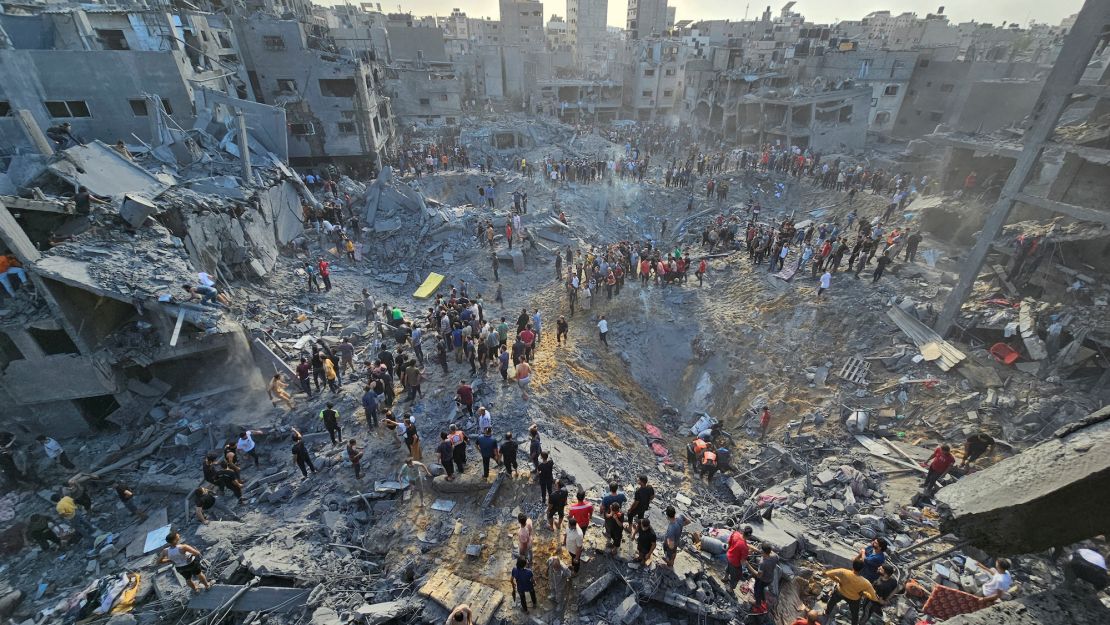
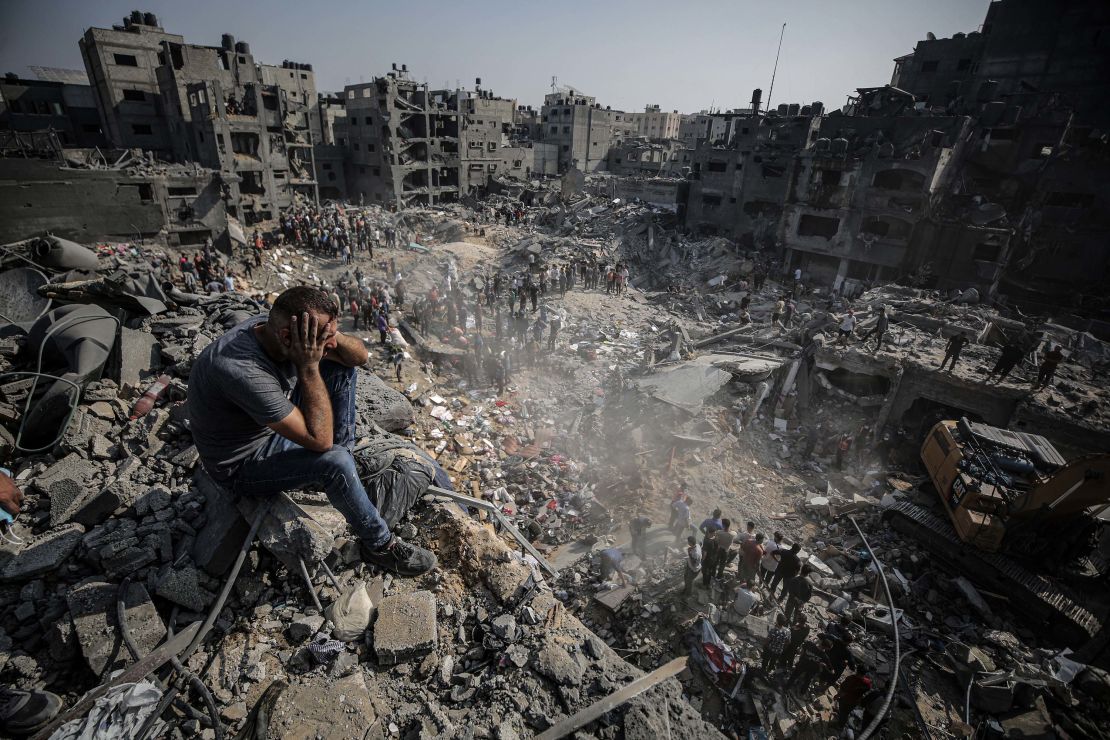
The core of the legal battle revolves around "genocidal intent." International law distinguishes genocide from war crimes based on the specific goal of the perpetrator. South Africa and its supporters point to rhetoric from Israeli officials and the sheer scale of the destruction—reportedly over 72,000 deaths by late 2025—as evidence of intent. They argue that the destruction of healthcare, education, and housing is a systematic effort to make Gaza uninhabitable for Palestinians.
The U.S. counter-argument relies on the "only reasonable inference" standard. Washington contends that as long as there is a plausible military objective—such as the defeat of Hamas—the court cannot conclude that the intent was genocidal. They argue that the court must consider the context of a party taking military actions in civilian infrastructure used by an enemy. If the court accepts the U.S. interpretation, it would set a precedent that makes it significantly harder to prove genocide in any future urban conflict involving high civilian tolls.
FAQ Section
Why is the US intervening in the Gaza genocide case?
The U.S. is intervening to present its legal interpretation of the Genocide Convention. It argues that the allegations against Israel are false and that the court must maintain a high evidentiary threshold for proving genocidal intent to prevent the politicization of international law.
What is the difference between the ICJ and the ICC in this context?
The International Court of Justice (ICJ) hears disputes between nations (e.g., South Africa vs. Israel), while the International Criminal Court (ICC) prosecutes individuals for specific crimes like war crimes or genocide (e.g., warrants for Netanyahu).
Can the ICJ stop the war in Gaza?
While the ICJ can issue legally binding orders (provisional measures) to halt military actions, it has no independent way to enforce them. Enforcement usually depends on the UN Security Council, where the U.S. holds veto power.
What other countries have joined the case?
More than a dozen countries have intervened or expressed intent to join, including Namibia, Hungary, Fiji, the Netherlands, Iceland, Spain, Ireland, and Nicaragua. They are split between supporting South Africa's claims and supporting the U.S./Israeli legal position.
What is 'specific intent' in a genocide case?
Specific intent (dolus specialis) is the legal requirement that the accused intended to physically destroy a protected group in whole or in part, rather than simply intending to kill individuals during a war.
Conclusion
The U.S. intervention at the International Court of Justice marks a defining moment in the legal history of the Gaza conflict. By plunging into the fight, Washington is not just defending Israel but also attempting to shape the future of international humanitarian law. The insistence on a high threshold for proving genocide reflects a fear that modern urban warfare could become legally untenable if the definition is broadened. However, as more nations join the fray with opposing views, the ICJ remains at the center of a global struggle for justice, truth, and the definition of one of humanity's most heinous crimes. The final judgment, which may take years, will ultimately test the strength of the Genocide Convention and the court's ability to navigate the most polarized conflict of the 21st century.
US plunges into 'false' Gaza genocide fight at world court
US plunges into 'false' Gaza genocide fight at world court Wallpapers
Collection of us plunges into 'false' gaza genocide fight at world court wallpapers for your desktop and mobile devices.

Breathtaking Us Plunges Into 'false' Gaza Genocide Fight At World Court View Photography
Transform your screen with this vivid us plunges into 'false' gaza genocide fight at world court artwork, a true masterpiece of digital design.
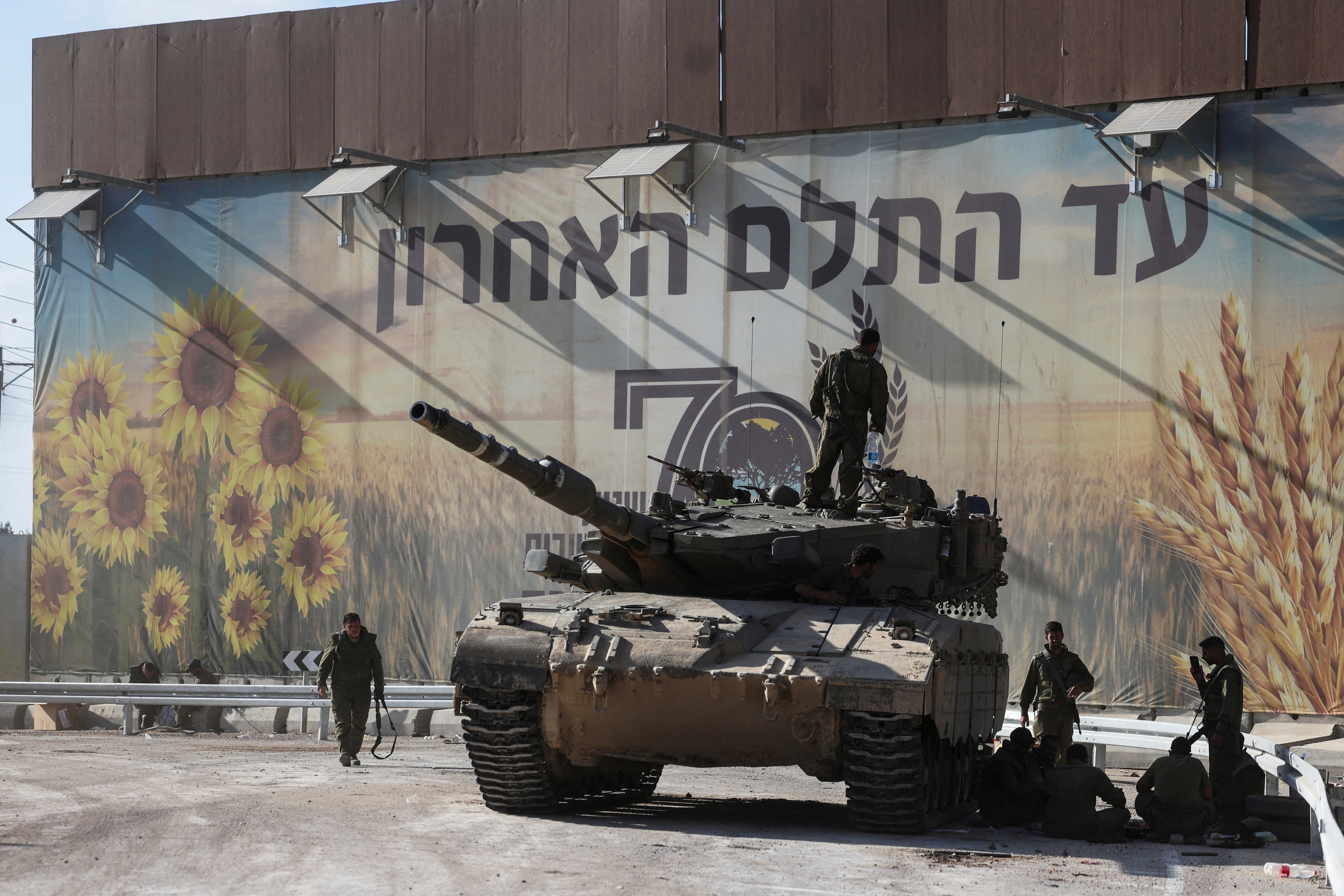
Crisp Us Plunges Into 'false' Gaza Genocide Fight At World Court Design for Desktop
A captivating us plunges into 'false' gaza genocide fight at world court scene that brings tranquility and beauty to any device.

Gorgeous Us Plunges Into 'false' Gaza Genocide Fight At World Court Landscape for Your Screen
A captivating us plunges into 'false' gaza genocide fight at world court scene that brings tranquility and beauty to any device.
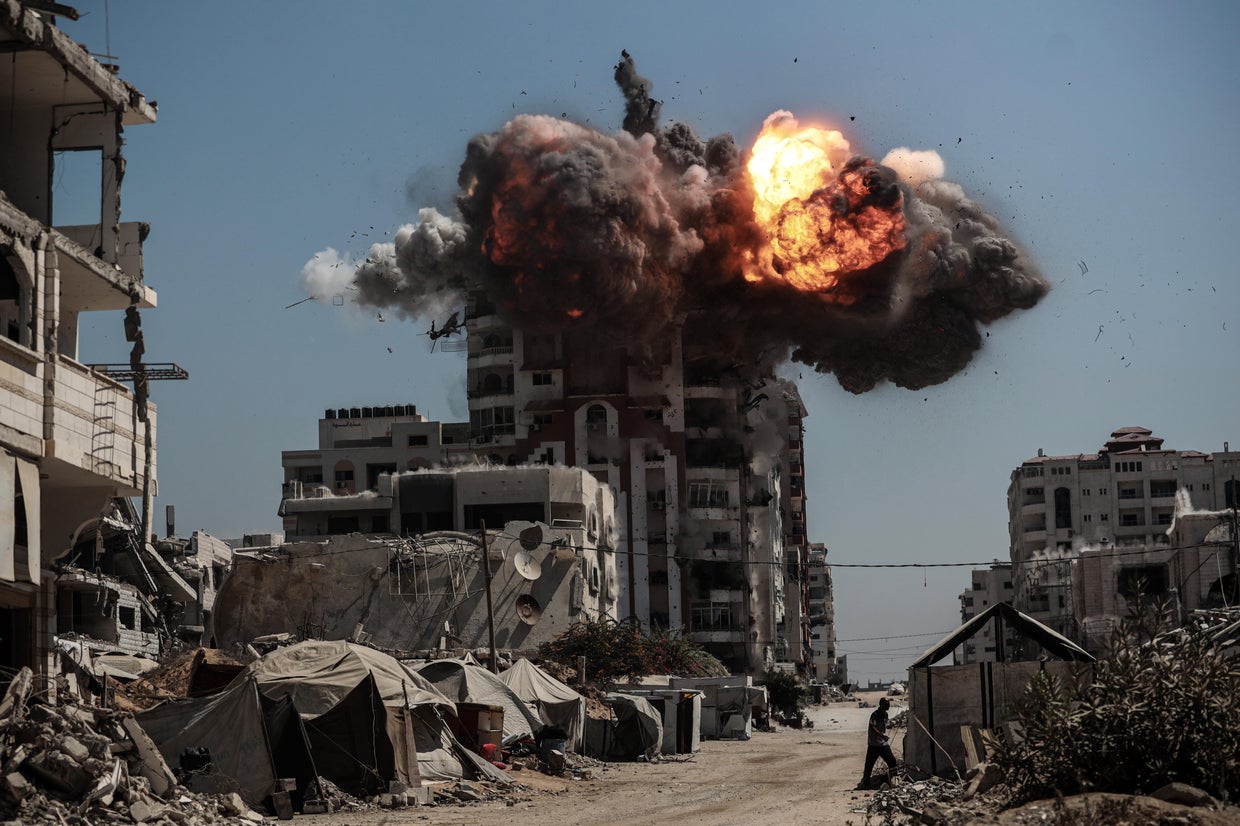
Serene Us Plunges Into 'false' Gaza Genocide Fight At World Court Photo in 4K
Experience the crisp clarity of this stunning us plunges into 'false' gaza genocide fight at world court image, available in high resolution for all your screens.
Breathtaking Us Plunges Into 'false' Gaza Genocide Fight At World Court Image Digital Art
Explore this high-quality us plunges into 'false' gaza genocide fight at world court image, perfect for enhancing your desktop or mobile wallpaper.
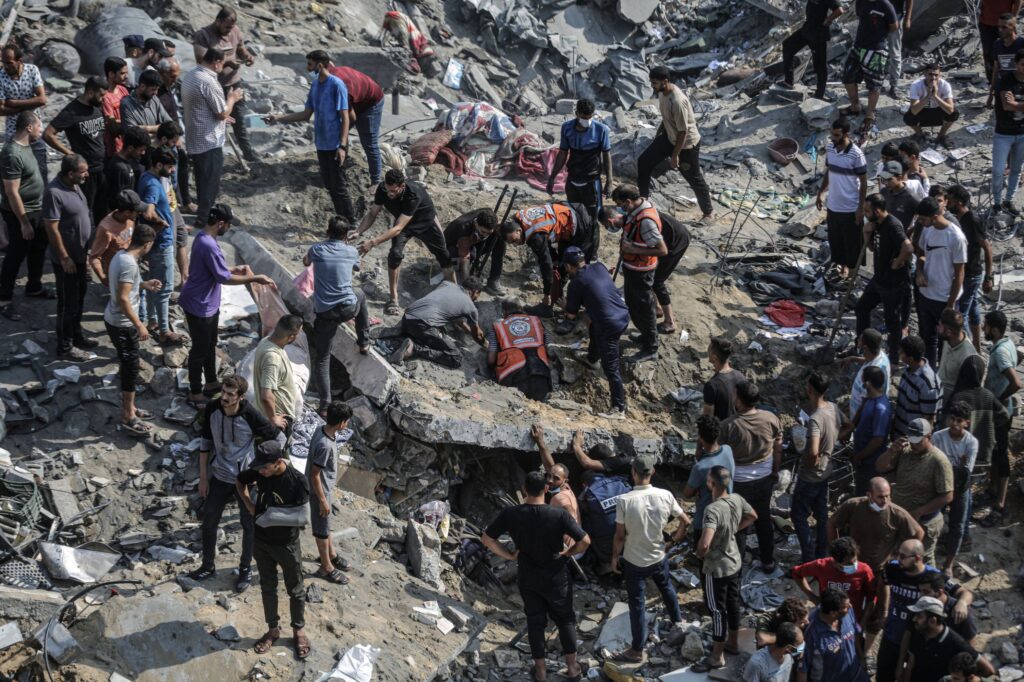
Crisp Us Plunges Into 'false' Gaza Genocide Fight At World Court Landscape Illustration
This gorgeous us plunges into 'false' gaza genocide fight at world court photo offers a breathtaking view, making it a perfect choice for your next wallpaper.
Vibrant Us Plunges Into 'false' Gaza Genocide Fight At World Court Moment for Desktop
Experience the crisp clarity of this stunning us plunges into 'false' gaza genocide fight at world court image, available in high resolution for all your screens.

Detailed Us Plunges Into 'false' Gaza Genocide Fight At World Court View Collection
Experience the crisp clarity of this stunning us plunges into 'false' gaza genocide fight at world court image, available in high resolution for all your screens.

Dynamic Us Plunges Into 'false' Gaza Genocide Fight At World Court Wallpaper Collection
This gorgeous us plunges into 'false' gaza genocide fight at world court photo offers a breathtaking view, making it a perfect choice for your next wallpaper.
Gorgeous Us Plunges Into 'false' Gaza Genocide Fight At World Court Design Nature
Immerse yourself in the stunning details of this beautiful us plunges into 'false' gaza genocide fight at world court wallpaper, designed for a captivating visual experience.
Artistic Us Plunges Into 'false' Gaza Genocide Fight At World Court Scene Photography
Immerse yourself in the stunning details of this beautiful us plunges into 'false' gaza genocide fight at world court wallpaper, designed for a captivating visual experience.

Exquisite Us Plunges Into 'false' Gaza Genocide Fight At World Court Abstract Concept
A captivating us plunges into 'false' gaza genocide fight at world court scene that brings tranquility and beauty to any device.

Lush Us Plunges Into 'false' Gaza Genocide Fight At World Court Scene Concept
This gorgeous us plunges into 'false' gaza genocide fight at world court photo offers a breathtaking view, making it a perfect choice for your next wallpaper.

Artistic Us Plunges Into 'false' Gaza Genocide Fight At World Court Artwork Art
A captivating us plunges into 'false' gaza genocide fight at world court scene that brings tranquility and beauty to any device.

Artistic Us Plunges Into 'false' Gaza Genocide Fight At World Court Photo for Desktop
This gorgeous us plunges into 'false' gaza genocide fight at world court photo offers a breathtaking view, making it a perfect choice for your next wallpaper.
Gorgeous Us Plunges Into 'false' Gaza Genocide Fight At World Court Wallpaper Collection
Find inspiration with this unique us plunges into 'false' gaza genocide fight at world court illustration, crafted to provide a fresh look for your background.
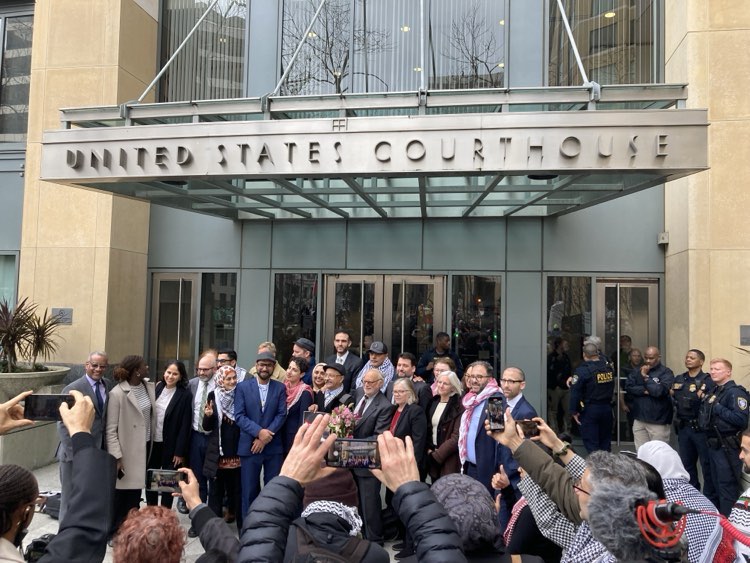
Serene Us Plunges Into 'false' Gaza Genocide Fight At World Court Wallpaper in 4K
Transform your screen with this vivid us plunges into 'false' gaza genocide fight at world court artwork, a true masterpiece of digital design.

Spectacular Us Plunges Into 'false' Gaza Genocide Fight At World Court Wallpaper in HD
This gorgeous us plunges into 'false' gaza genocide fight at world court photo offers a breathtaking view, making it a perfect choice for your next wallpaper.
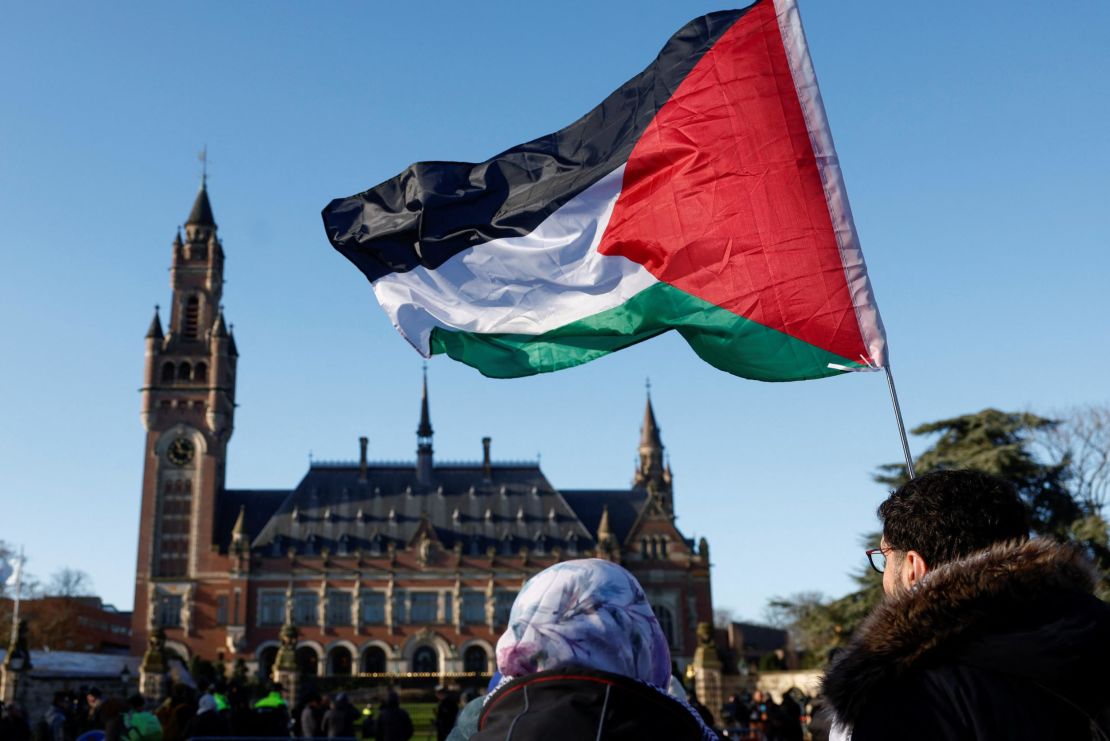
Beautiful Us Plunges Into 'false' Gaza Genocide Fight At World Court Background Illustration
Discover an amazing us plunges into 'false' gaza genocide fight at world court background image, ideal for personalizing your devices with vibrant colors and intricate designs.
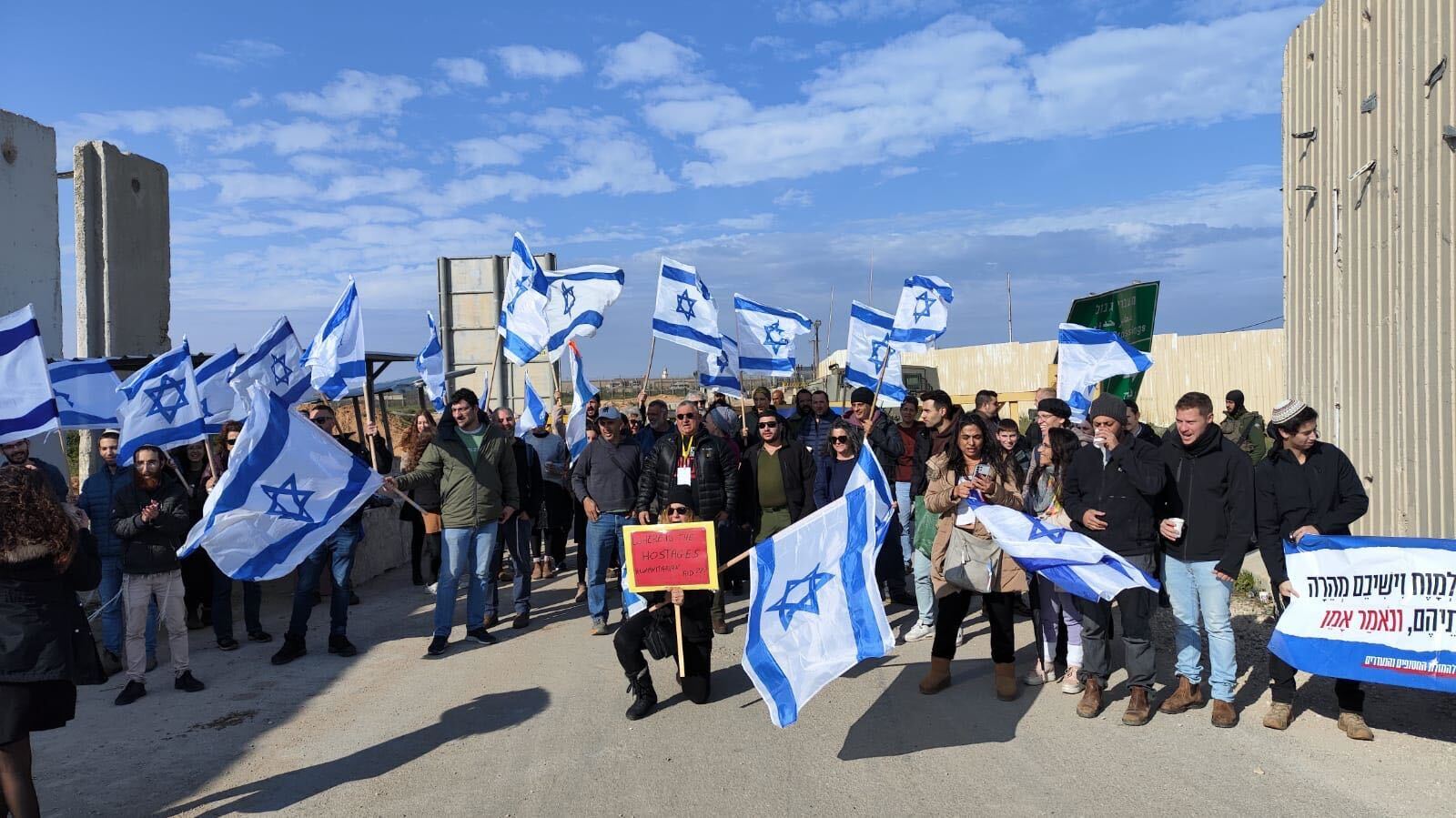
Exquisite Us Plunges Into 'false' Gaza Genocide Fight At World Court Design for Your Screen
Find inspiration with this unique us plunges into 'false' gaza genocide fight at world court illustration, crafted to provide a fresh look for your background.
Download these us plunges into 'false' gaza genocide fight at world court wallpapers for free and use them on your desktop or mobile devices.