Urban heat island make it warmer in downtown Denver
Urban heat island make it warmer in downtown Denver
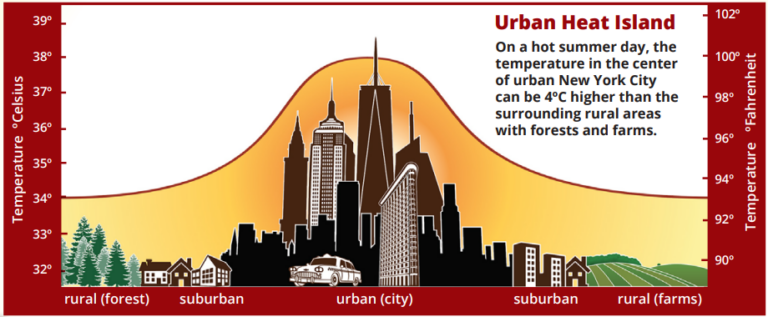
The Mile High City is facing a rising thermal challenge as the urban heat island make it warmer in downtown Denver compared to its lush, suburban fringes. Recent environmental studies and real-time weather data indicate that the heart of Denver often experiences temperatures significantly higher than surrounding areas, a phenomenon driven by the concentration of heat-absorbing materials like asphalt and concrete. This localized warming not only impacts daily comfort for residents and commuters but also strains energy grids and poses health risks during peak summer months. As urban development continues to expand, understanding the dynamics of Denver's microclimate becomes essential for future urban planning and sustainability efforts.
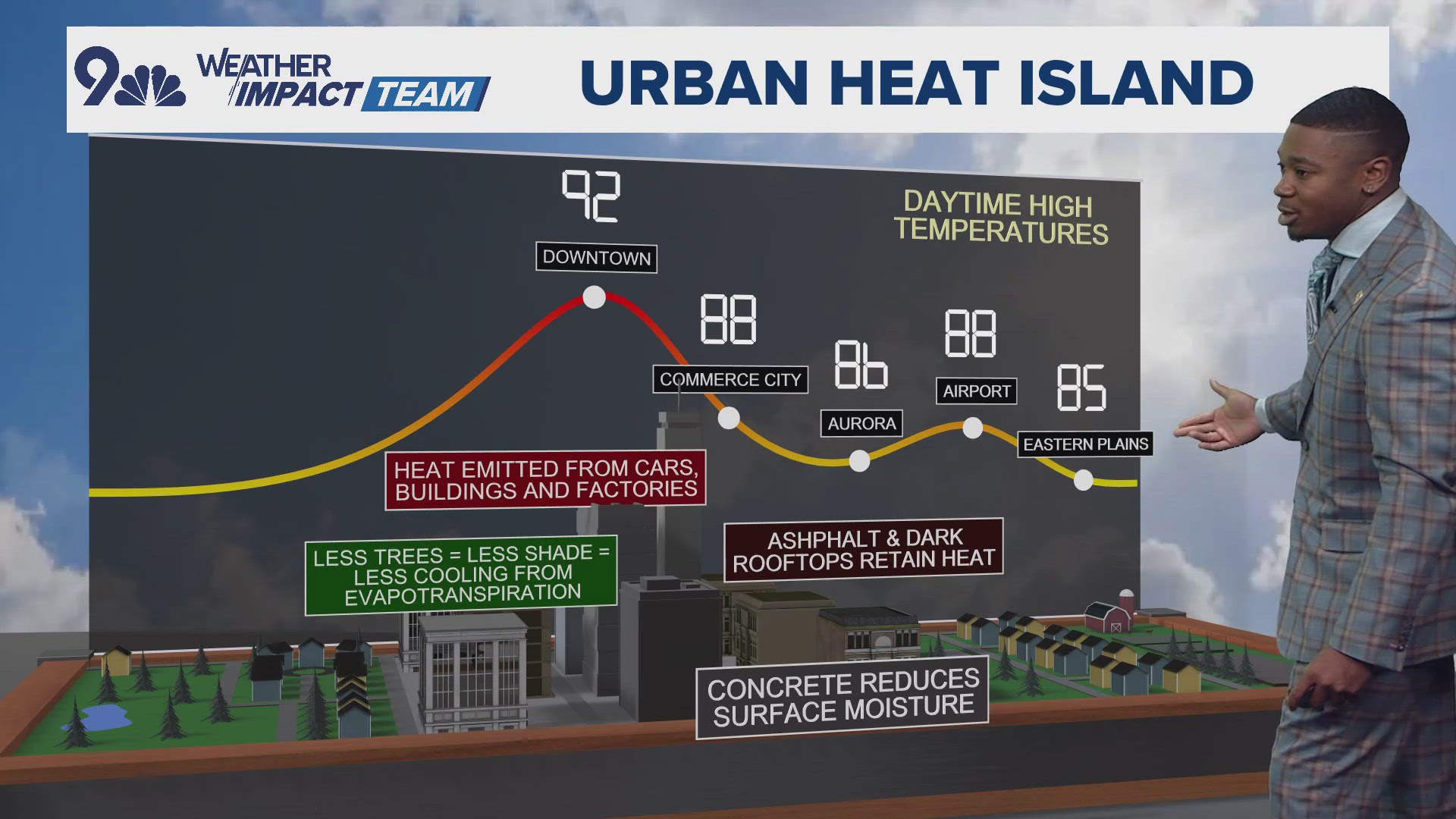
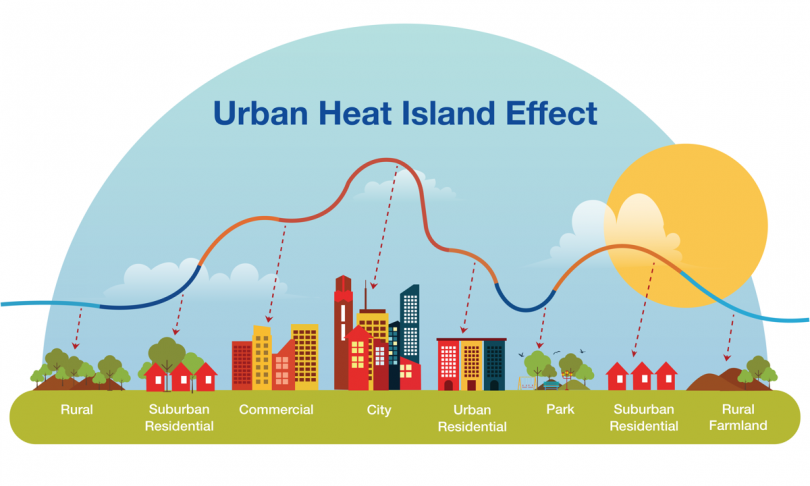
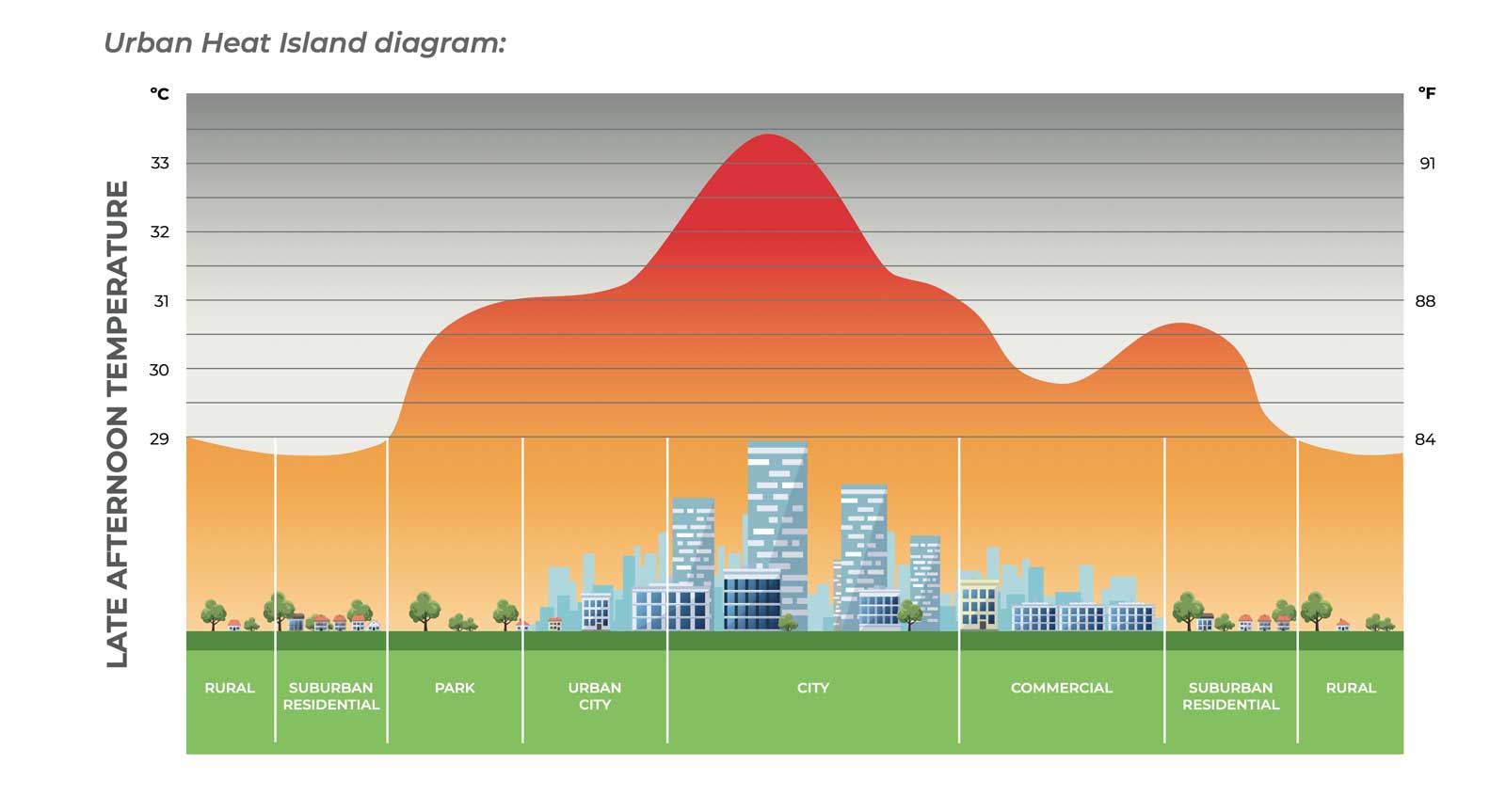
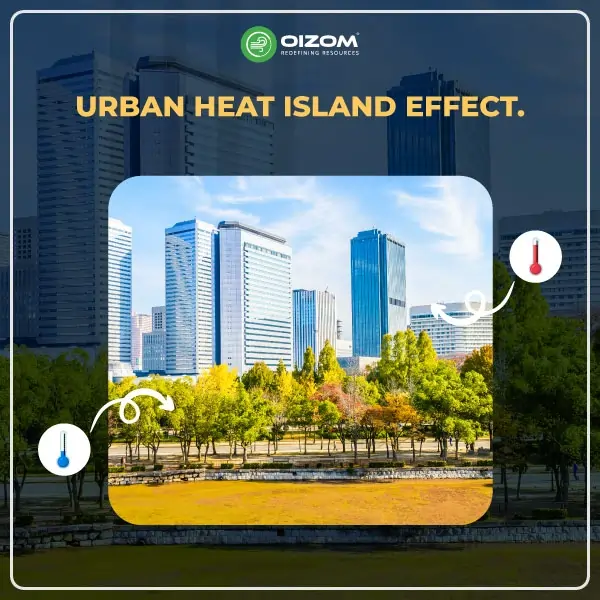
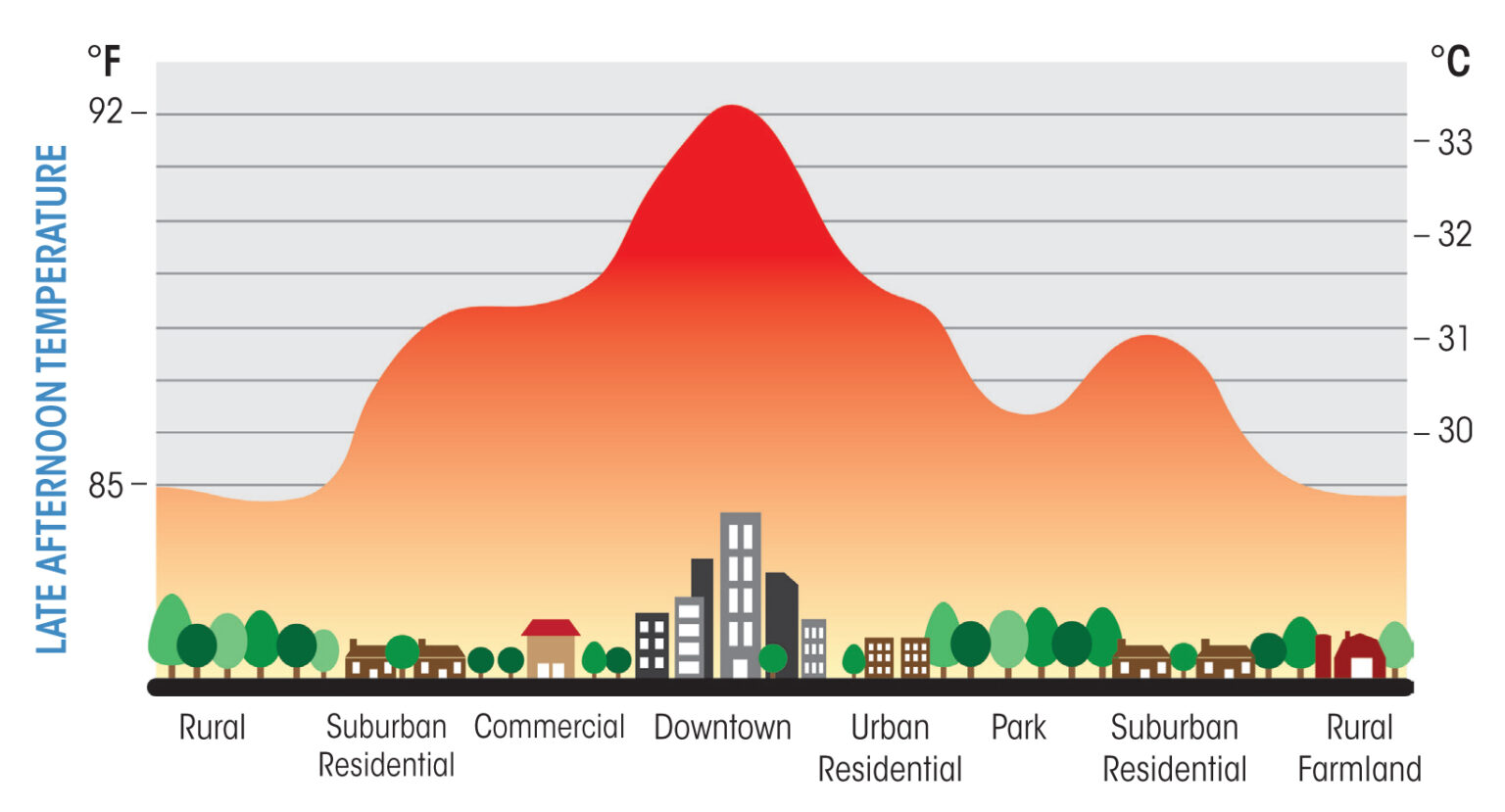
Featured Snippet: The urban heat island effect makes downtown Denver warmer due to the replacement of natural vegetation with heat-retaining infrastructure such as roads, sidewalks, and buildings. Research shows that downtown Denver can be approximately 5 degrees Fahrenheit warmer than neighboring communities on average, with some neighborhoods experiencing differences of up to 20 degrees Fahrenheit. This temperature spike is caused by low-albedo surfaces absorbing solar energy during the day and releasing it slowly at night, combined with a lack of tree canopy cover which currently stands at only 4% in the downtown core.
Understanding the Urban Heat Island Effect in Colorado
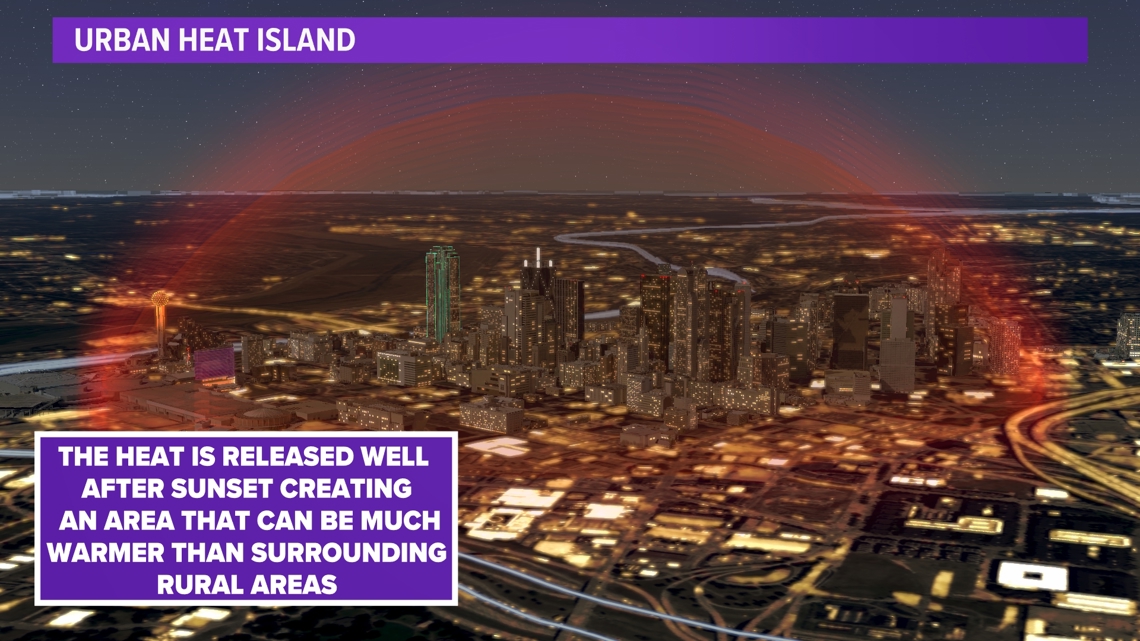
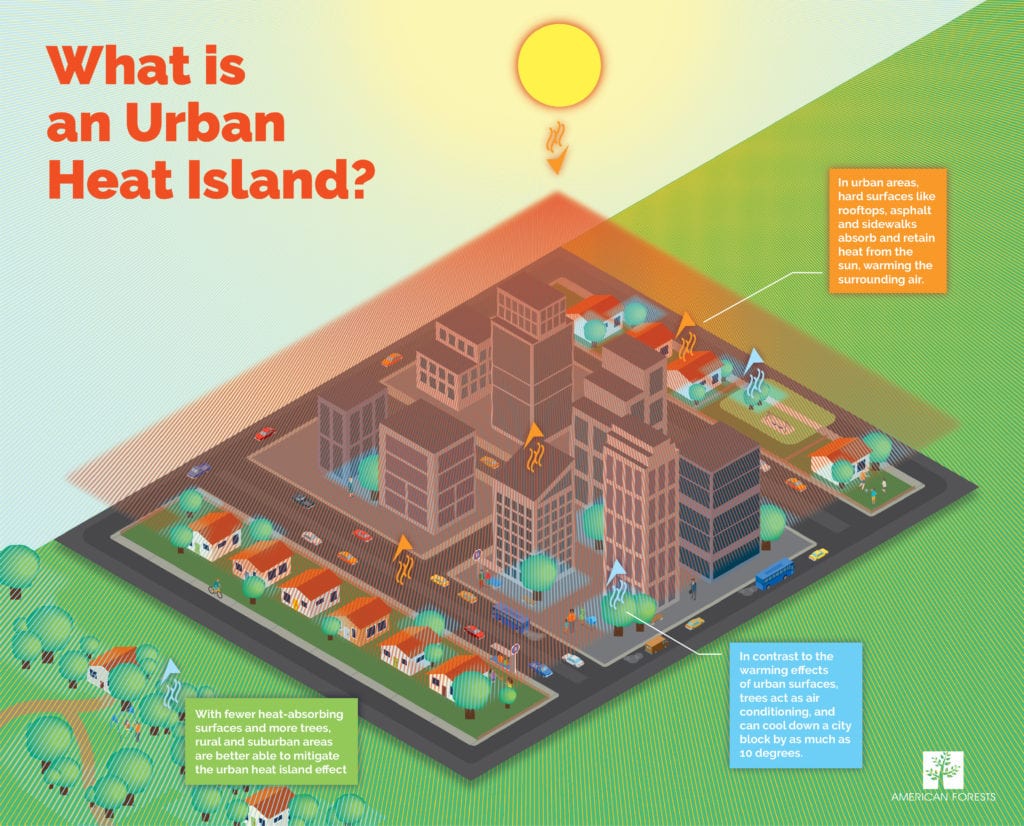
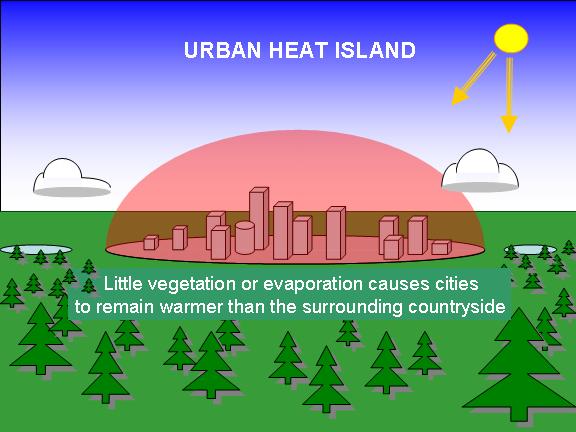
The urban heat island (UHI) effect is a well-documented phenomenon where metropolitan areas become significantly warmer than their rural or suburban counterparts. In Denver, this is particularly pronounced due to the city's unique high-altitude, semi-arid climate. While Denver is famous for its 300 days of sunshine, that same solar intensity works against the urban landscape. When sunlight hits dark, impervious surfaces—the very foundation of downtown infrastructure—it is absorbed rather than reflected. This stored energy is then radiated back into the air, keeping the city center hot long after the sun has set.
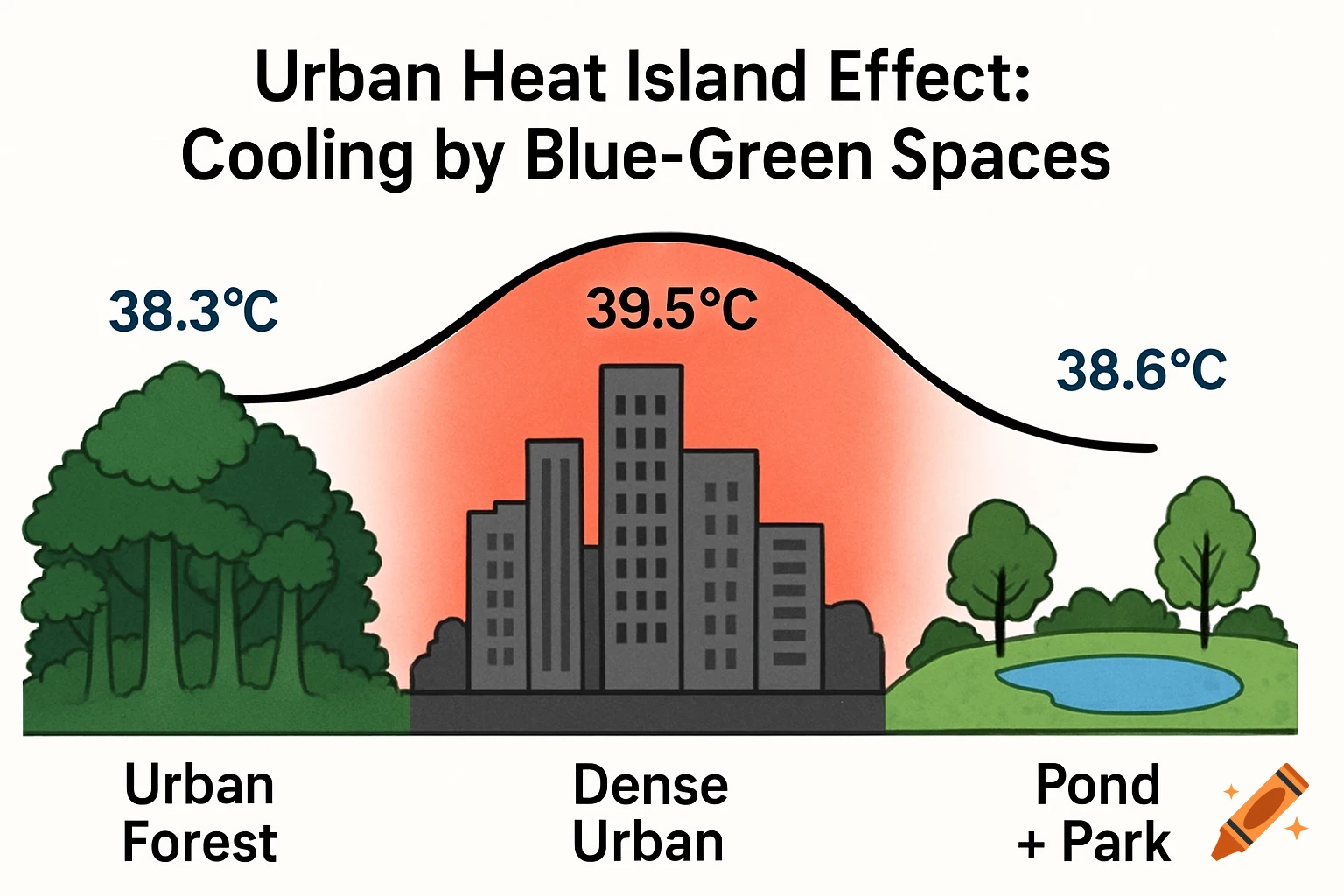
In contrast, rural areas benefit from the natural cooling processes of vegetation. Plants and trees engage in evapotranspiration, a process similar to human sweating, where moisture is released into the air, consuming heat energy and cooling the surrounding environment. Because downtown Denver has significantly less green space than its surroundings, it loses this natural air conditioning, leading to a persistent "island" of heat that defines the city's core.
The Role of Infrastructure and Albedo in Denver Warming
Albedo is a measure of how much solar radiation a surface reflects. Surfaces with high albedo, like snow or light-colored roofs, reflect most of the sun's energy back into space. However, downtown Denver is dominated by low-albedo materials. Asphalt streets, dark roofing shingles, and concrete parking lots are primary culprits. These materials act as giant thermal sponges, soaking up the intense Colorado sun throughout the day.
By the time evening arrives, these structures are saturated with heat. While the thin air of the Mile High City usually allows for rapid cooling at night in natural settings, the dense urban fabric of downtown prevents this. The heat is released slowly, meaning that nighttime lows in the city center are often much higher than in the foothills or the plains. This prevents the city from "resetting" its temperature, leading to cumulative warming during heatwaves.
Urban Canyons and Wind Blockage
The physical geometry of a city also plays a massive role in its temperature profile. Downtown Denver is characterized by a mix of historic low-rises and modern skyscrapers. These tall buildings create what scientists call "urban canyons." While they provide some shade at street level during certain hours, they also trap radiant energy. The heat reflected off one building's glass or concrete face is often absorbed by the building across the street, rather than escaping into the atmosphere.
Furthermore, these canyons can act as barriers to natural wind flow. In a semi-arid environment like Denver, breezes are a vital cooling mechanism. However, the dense cluster of high-rises can block or redirect these winds, leading to stagnant, hot air at the street level. This lack of ventilation exacerbates the heat island effect, making it feel even more sweltering for pedestrians and residents in the downtown core.
The Impact of Sparse Tree Canopy in Downtown
Trees are one of the most effective tools against urban heat, yet downtown Denver faces a significant deficit. While some Denver neighborhoods are known for their lush, tree-lined streets, the downtown area has a tree coverage of only about 4%. This is a stark contrast to the citywide goal of increasing canopy cover to mitigate climate impacts. Without the shade and evapotranspiration provided by a robust urban forest, the downtown area is left defenseless against solar gain.
A mature tree can provide a shadow footprint over 60 feet wide, significantly cooling the ground beneath it. In downtown, where trees are often replaced by metal structures or small, struggling planters, the cooling potential is lost. The absence of greenery also means that there is less moisture in the local air, leading to the "urban desert" effect where sensible heat rises unchecked by the cooling power of water vapor.
| Factor Contributing to UHI | Impact on Denver's Temperature |
|---|---|
| Low Albedo Surfaces | Asphalt and dark roofs absorb up to 90% of solar radiation, raising surface temps. |
| Lack of Vegetation | Downtown canopy is only 4%, reducing natural cooling from evapotranspiration. |
| Urban Geometry | Tall buildings trap heat in "canyons" and block cooling mountain breezes. |
| Anthropogenic Heat | Waste heat from air conditioners and vehicles adds to the local temperature rise. |
Anthropogenic Heat Sources and Waste Energy
Beyond the sun, human activity itself generates heat in downtown Denver. Every car idling in traffic, every air conditioning unit pumping hot air out of an office building, and every industrial facility contributes to "anthropogenic heat." In densely populated areas, this waste heat can be a significant secondary driver of the heat island effect. During the summer, the use of air conditioning creates a vicious cycle: as the city gets hotter, people use more AC, which in turn releases more heat into the outside environment.
Transportation is another major factor. Denver's status as a hub for the Intermountain West means high volumes of traffic on its central arteries. The internal combustion engines of thousands of vehicles release heat directly into the urban air. While the shift toward electric vehicles may reduce some of this direct heat emission, the sheer density of human activity in the downtown core ensures that anthropogenic heat remains a constant contributor to the local microclimate.
Public Health and Economic Consequences
The fact that the urban heat island make it warmer in downtown Denver is not just a matter of discomfort; it is a public health crisis. Extreme heat is the leading cause of weather-related deaths in the United States. In Denver, residents of heat-stressed neighborhoods face higher risks of heatstroke, respiratory issues, and cardiovascular strain. These risks are not distributed evenly, as low-income communities and communities of color often live in areas with the highest UHI intensity and the least access to cooling resources.
Economically, the heat island effect drives up energy costs. Buildings in downtown Denver must work harder to maintain comfortable indoor temperatures, leading to higher electricity bills and increased strain on the power grid. Furthermore, extreme heat can damage urban infrastructure, causing asphalt to soften and put stress on public transit systems. Over the long term, a hotter downtown can even impact tourism and the desirability of the city center as a place to live and work.
Strategies for Mitigating Denver's Urban Heat
Denver is not standing idly by as its core warms. The city has begun implementing various mitigation strategies to combat the heat island effect. One of the most prominent efforts is the expansion of the urban forest. By planting drought-tolerant, native trees, the city aims to provide much-needed shade and natural cooling. Programs that encourage "green roofs"—roofs covered in vegetation—are also being explored to turn unused spaces into cooling assets.
Another approach involves the use of "cool" materials. This includes painting roofs white or using light-colored concrete for pavements to increase the city's albedo. In some areas, Denver is testing cool pavement coatings that reflect more sunlight than traditional asphalt. Additionally, urban designers are looking at ways to improve the "porosity" of the city, creating more open green spaces that allow for better airflow and water absorption, effectively breaking up the heat-absorbing mass of the downtown core.
Future Projections for Denver's Microclimate
As global temperatures continue to rise due to climate change, the urban heat island effect will likely intensify. Projections suggest that Denver could see a significant increase in the number of extreme heat days by 2040. If urban development continues without aggressive heat mitigation, the temperature gap between downtown and the surrounding areas could widen even further. This makes current initiatives not just beneficial, but essential for the city's long-term survival.
The integration of climate data into urban planning is becoming more sophisticated. Denver is using high-resolution heat mapping to identify "hot spots" and prioritize interventions in the most vulnerable neighborhoods. By combining traditional greening efforts with modern technology and smart design, the city hopes to build a more resilient downtown that can withstand the warming trends of the 21st century.
Frequently Asked Questions (FAQ)
1. Why is downtown Denver hotter than the suburbs?
Downtown Denver is hotter because it has a high concentration of heat-absorbing materials like asphalt and concrete, coupled with a lack of trees and vegetation. This creates the urban heat island effect, where the city core retains more heat than its surroundings.
2. How much warmer can downtown Denver get compared to rural areas?
On average, Denver is about 5 degrees Fahrenheit warmer than surrounding communities, but during calm, clear nights, the temperature difference can be as high as 20 degrees Fahrenheit in specific hot spots.
3. What is the tree canopy coverage in downtown Denver?
The tree canopy in downtown Denver is currently estimated at only 4%, which is significantly lower than many other parts of the city and contributes heavily to the localized warming.
4. What are "cool roofs" and how do they help?
Cool roofs use light-colored or reflective materials to bounce sunlight back into the atmosphere instead of absorbing it. This helps keep buildings and the surrounding air cooler, reducing the need for air conditioning.
5. Is the urban heat island effect related to climate change?
Yes, while the UHI effect is a localized phenomenon caused by urban design, it is exacerbated by global climate change. Rising global temperatures make the baseline heat higher, which the UHI effect then amplifies in city centers.
Conclusion
The urban heat island make it warmer in downtown Denver through a complex interplay of low-albedo surfaces, dense architecture, and a deficit of cooling vegetation. As the Mile High City navigates the challenges of rapid growth and a changing climate, mitigating this heat is paramount for the health and prosperity of its citizens. By investing in green infrastructure, adopting innovative building materials, and prioritizing equitable urban design, Denver can cool its core and ensure that the downtown heart of the Rockies remains a vibrant, sustainable environment for generations to come. The path forward requires a unified effort from city planners, businesses, and residents alike to transform the concrete jungle into a resilient, shaded oasis.
Urban heat island make it warmer in downtown Denver
Urban heat island make it warmer in downtown Denver Wallpapers
Collection of urban heat island make it warmer in downtown denver wallpapers for your desktop and mobile devices.
Breathtaking Urban Heat Island Make It Warmer In Downtown Denver Image for Desktop
Discover an amazing urban heat island make it warmer in downtown denver background image, ideal for personalizing your devices with vibrant colors and intricate designs.

Detailed Urban Heat Island Make It Warmer In Downtown Denver Design for Desktop
Explore this high-quality urban heat island make it warmer in downtown denver image, perfect for enhancing your desktop or mobile wallpaper.

Breathtaking Urban Heat Island Make It Warmer In Downtown Denver Moment Collection
Discover an amazing urban heat island make it warmer in downtown denver background image, ideal for personalizing your devices with vibrant colors and intricate designs.

Detailed Urban Heat Island Make It Warmer In Downtown Denver Photo in 4K
Explore this high-quality urban heat island make it warmer in downtown denver image, perfect for enhancing your desktop or mobile wallpaper.

Artistic Urban Heat Island Make It Warmer In Downtown Denver Moment Collection
This gorgeous urban heat island make it warmer in downtown denver photo offers a breathtaking view, making it a perfect choice for your next wallpaper.

Stunning Urban Heat Island Make It Warmer In Downtown Denver Wallpaper Nature
This gorgeous urban heat island make it warmer in downtown denver photo offers a breathtaking view, making it a perfect choice for your next wallpaper.

Dynamic Urban Heat Island Make It Warmer In Downtown Denver Wallpaper in HD
A captivating urban heat island make it warmer in downtown denver scene that brings tranquility and beauty to any device.
Detailed Urban Heat Island Make It Warmer In Downtown Denver Moment Art
Explore this high-quality urban heat island make it warmer in downtown denver image, perfect for enhancing your desktop or mobile wallpaper.

Serene Urban Heat Island Make It Warmer In Downtown Denver Scene Concept
Discover an amazing urban heat island make it warmer in downtown denver background image, ideal for personalizing your devices with vibrant colors and intricate designs.
Vibrant Urban Heat Island Make It Warmer In Downtown Denver Abstract Photography
Discover an amazing urban heat island make it warmer in downtown denver background image, ideal for personalizing your devices with vibrant colors and intricate designs.
Stunning Urban Heat Island Make It Warmer In Downtown Denver Abstract in HD
Immerse yourself in the stunning details of this beautiful urban heat island make it warmer in downtown denver wallpaper, designed for a captivating visual experience.
Stunning Urban Heat Island Make It Warmer In Downtown Denver Design Concept
A captivating urban heat island make it warmer in downtown denver scene that brings tranquility and beauty to any device.
Vibrant Urban Heat Island Make It Warmer In Downtown Denver Capture for Desktop
Explore this high-quality urban heat island make it warmer in downtown denver image, perfect for enhancing your desktop or mobile wallpaper.
Exquisite Urban Heat Island Make It Warmer In Downtown Denver View for Your Screen
Immerse yourself in the stunning details of this beautiful urban heat island make it warmer in downtown denver wallpaper, designed for a captivating visual experience.
Serene Urban Heat Island Make It Warmer In Downtown Denver Picture in 4K
Transform your screen with this vivid urban heat island make it warmer in downtown denver artwork, a true masterpiece of digital design.
Spectacular Urban Heat Island Make It Warmer In Downtown Denver Design Photography
Immerse yourself in the stunning details of this beautiful urban heat island make it warmer in downtown denver wallpaper, designed for a captivating visual experience.
High-Quality Urban Heat Island Make It Warmer In Downtown Denver Capture Digital Art
Experience the crisp clarity of this stunning urban heat island make it warmer in downtown denver image, available in high resolution for all your screens.
Breathtaking Urban Heat Island Make It Warmer In Downtown Denver View Photography
Transform your screen with this vivid urban heat island make it warmer in downtown denver artwork, a true masterpiece of digital design.
Beautiful Urban Heat Island Make It Warmer In Downtown Denver Abstract Illustration
Explore this high-quality urban heat island make it warmer in downtown denver image, perfect for enhancing your desktop or mobile wallpaper.

Amazing Urban Heat Island Make It Warmer In Downtown Denver Image in HD
Explore this high-quality urban heat island make it warmer in downtown denver image, perfect for enhancing your desktop or mobile wallpaper.
Download these urban heat island make it warmer in downtown denver wallpapers for free and use them on your desktop or mobile devices.