'No need to panic', fuel supplier says as average petrol price surges past $3
'No need to panic', fuel supplier says as average petrol price surges past $3
The landscape of New Zealand's fuel market has undergone a dramatic shift this March 2026, as motorists across the country witness a historic milestone at the pump. With average petrol prices for 91-octane fuel officially surging past the $3.00 per litre mark, anxiety among commuters and businesses has reached a fever pitch. This rapid escalation, representing a nearly 20 percent increase from the start of the month when prices sat closer to $2.50, has sparked widespread concerns regarding supply chain stability and the potential for a full-scale fuel crisis. However, industry leaders and government officials are presenting a united front of calm, asserting that despite the visible strain on specific retail networks and the financial burden on consumers, the nation's underlying fuel security remains robust.
The average petrol price in New Zealand has surpassed $3 per litre due to geopolitical tensions in the Middle East and a 15% surge in local demand driven by panic buying. While some discount stations, particularly Gull, have experienced temporary stockouts due to logistical constraints, fuel suppliers and the New Zealand government confirm there is no national shortage. New Zealand currently maintains approximately 50 days of rolling fuel reserves, and authorities advise that there is no need for motorists to panic-buy, as supply channels remain operational and under close monitoring.
Understanding the Current Fuel Price Surge
The sudden jump in fuel costs is not an isolated domestic event but rather the local ripple effect of a major international crisis. The conflict in the Middle East has disrupted one of the world's most critical maritime corridors: the Strait of Hormuz. With Iran launching attacks that have effectively stalled traffic through this passage, approximately 20 percent of the global oil consumption—roughly 20 million barrels per day—is now under threat. For a nation like New Zealand, which sits at the end of a long and vulnerable supply chain, these global tremors translate almost immediately into higher costs for importers and, consequently, for everyday drivers.
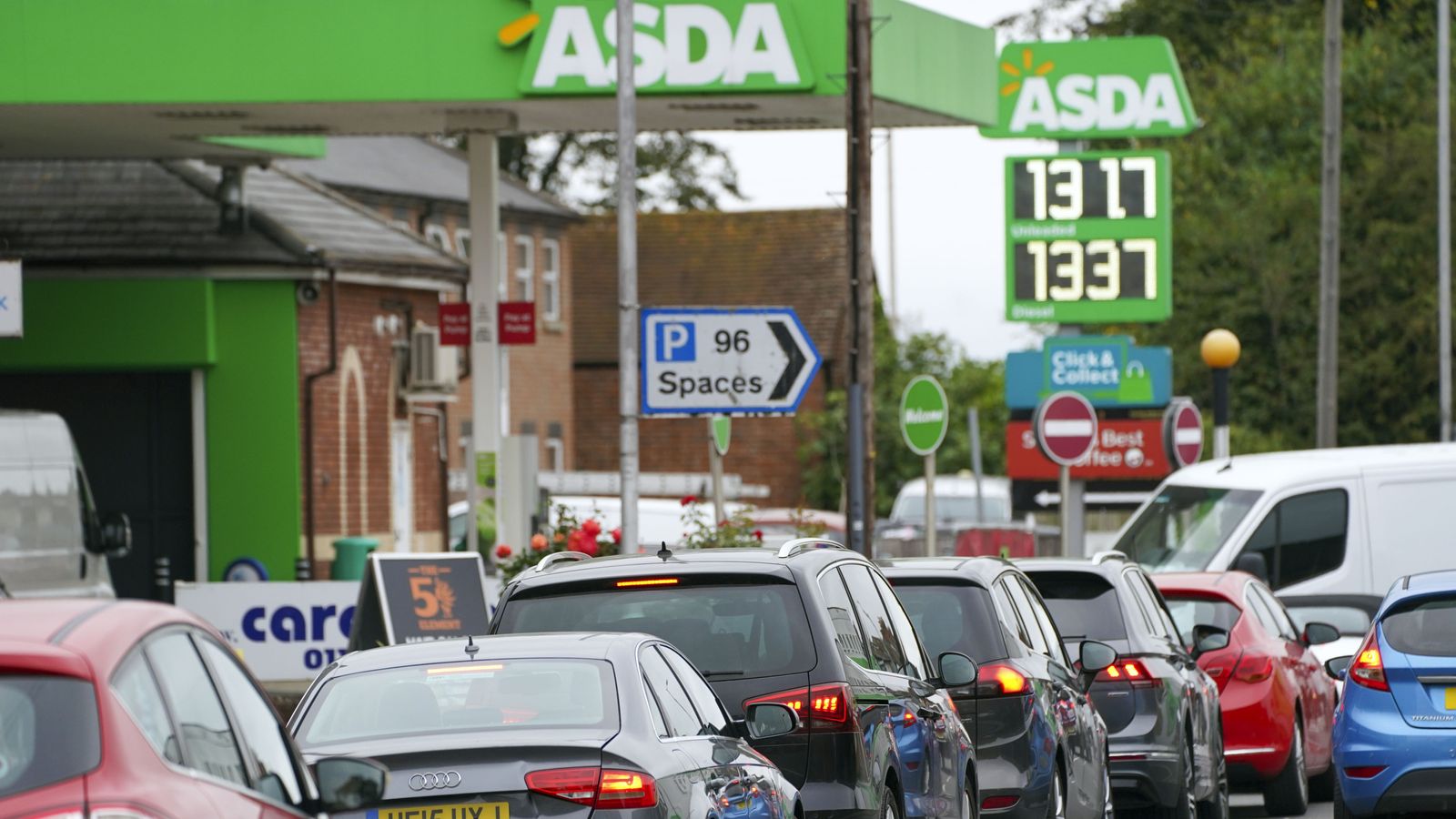
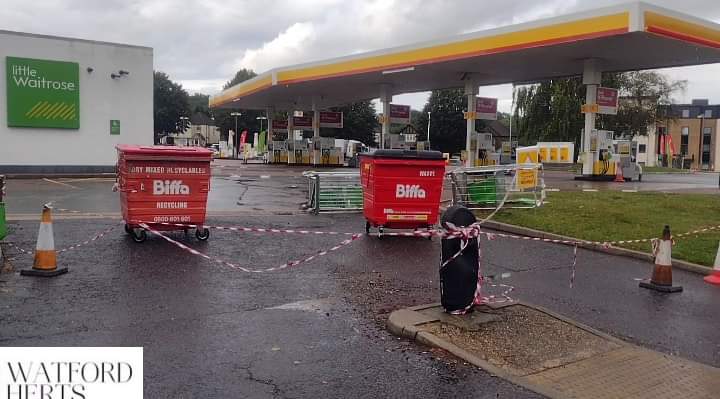
Domestic factors have exacerbated the situation. As news of the $3 milestone broke, a psychological threshold was crossed for many New Zealanders. This led to a predictable but problematic behavioral response: panic buying. When thousands of motorists who might usually wait until their tanks are near empty suddenly flock to petrol stations to "top up" simultaneously, it creates a localized demand spike that the delivery infrastructure is not designed to handle. This has led to the visible "no fuel" signs at various forecourts, particularly in urban centers like West Auckland.
Fuel Suppliers Call for Calm Amidst Distribution Challenges
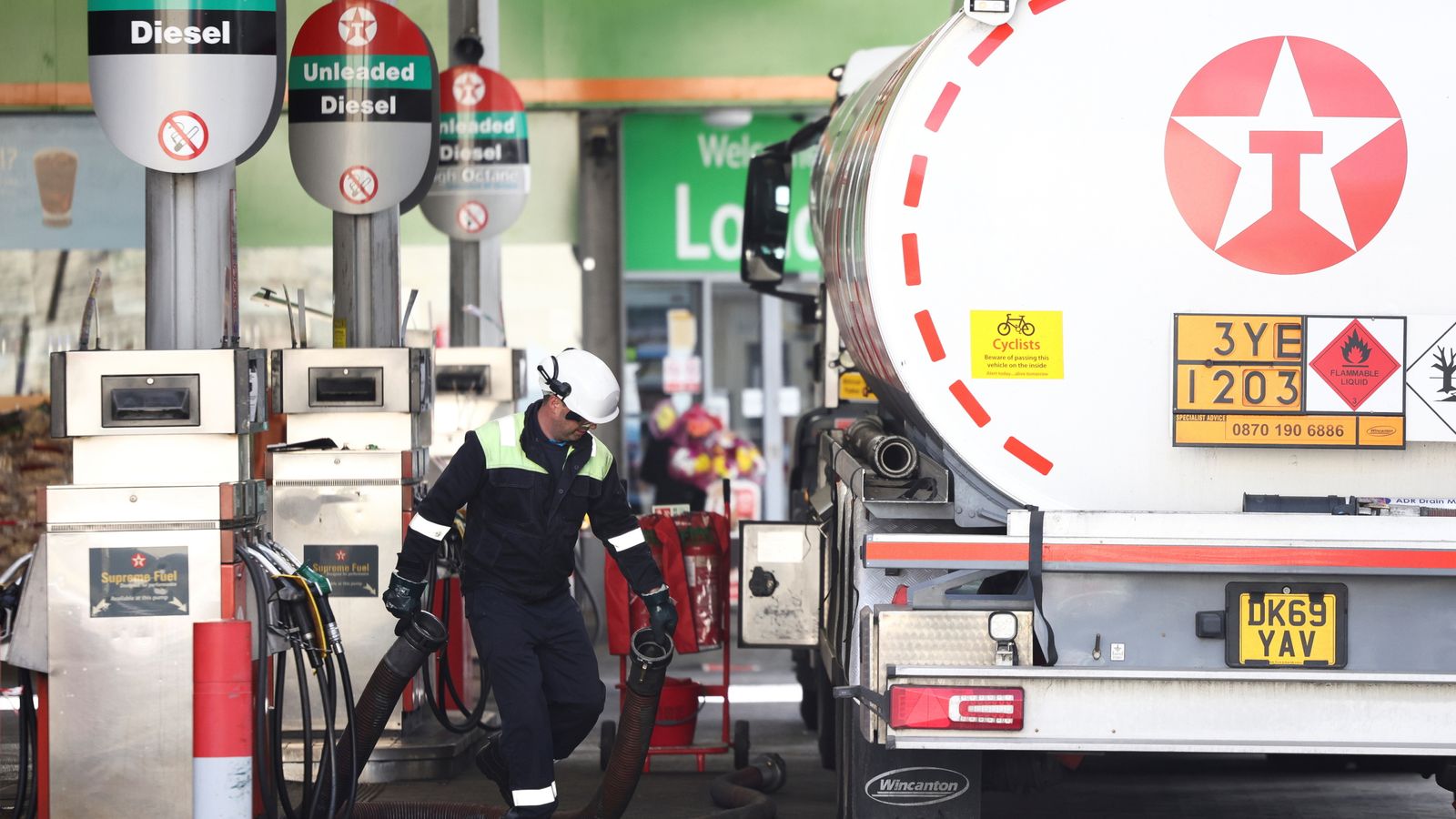
Waitomo CEO Simon Parham has been vocal in his attempts to reassure the public. While acknowledging that demand at Waitomo stations has increased by about 15 percent, he insists that the primary issue is one of logistics rather than a lack of product. The "odd run out" seen at some locations is typically resolved within 30 minutes to a few hours as tankers continue their rounds. Parham emphasizes that the system is currently "stressed" due to the combined pressure of high demand and a logistics network operating at maximum capacity, but the fuel is physically present in the country.
The situation at Gull stations has been more pronounced. As a discount brand, Gull often attracts a higher volume of price-sensitive customers. The 15 percent increase in demand has hit their network hard, with several sites running dry multiple times over a three-day period. Because some discount providers rely on tankers traveling longer distances—such as from Tauranga to Auckland—they have a lower "turnaround" rate compared to major brands loading from local terminals like Wiri. This discrepancy explains why a Gull station might be empty while a neighboring station with higher prices remains fully stocked.
The Government’s Stance on Fuel Reserves and Sanctions
Finance Minister Nicola Willis has stepped into the fray to provide a high-level overview of the nation's strategic position. According to Treasury and Ministry monitoring, New Zealand currently holds about 32 days of fuel stock within its borders, with an additional 25 days of supply currently on ships bound for New Zealand ports. This "rolling 50-day" buffer is the primary reason the government is urging against panic. Willis stated that the government would have several weeks of forewarning if cargo orders were actually being cancelled or disrupted, which has not occurred yet.
Despite the high prices, the government has signaled a reluctance to reintroduce the fuel excise tax cuts seen during the 2022 energy crisis following the Russian invasion of Ukraine. Minister Willis has maintained that the current focus is on monitoring stock levels rather than immediate fiscal intervention. Furthermore, while the international situation is fluid, there has been no immediate move to review sanctions on Russian-origin oil, though the government remains prepared to adjust its position should the Middle East conflict drag on or escalate further.
| Fuel Status Metric | Current Status (March 2026) |
|---|---|
| Average Price (91 Octane) | Above $3.00 per Litre |
| Onshore Stockpile | Approx. 32 Days |
| In-Transit Supply | Approx. 25 Days |
| Increase in Demand | 15% to 20% Surge |
The Role of International Energy Agency (IEA) Reserves
New Zealand is not acting alone in this crisis. As one of the 32 member nations of the International Energy Agency (IEA), it has access to a collective strategy designed to stabilize global markets. The IEA recently announced the release of 400 million barrels of oil from global strategic reserves—the largest release in its history. This move is intended to offset the 20% global supply reduction caused by the closure of the Strait of Hormuz. While this massive release may not immediately lower prices at the pump in New Zealand, it acts as a crucial safety net to prevent a total global supply collapse.
Experts warn, however, that these reserves are not a permanent solution. If the war in the Middle East becomes a prolonged "war of attrition," as some Iranian officials have suggested, the pressure on global reserves will grow. For New Zealand and Australia, which both closed their remaining domestic oil refineries in recent years, the dependence on finished fuel imports makes the efficiency of the IEA response even more vital for long-term energy security.
Economic Impacts Beyond the Petrol Pump
The $3 petrol price is not just a headache for commuters; it is a significant inflationary driver for the entire New Zealand economy. Data from Infometrics already shows a 2.3 percent rise in supplier costs in February, and the March fuel spike is expected to push these numbers significantly higher. Businesses that rely heavily on transport, such as freight companies, couriers, and traveling healthcare workers, are feeling the pinch immediately. Some healthcare unions have pointed out that the fuel subsidies for care workers have not been adjusted since 2022, effectively resulting in a pay cut as costs rise.
The aviation sector is also being hit, with Air New Zealand reportedly cancelling over 1,000 flights due to supply concerns and rising costs, affecting tens of thousands of passengers. There are also growing calls from unions to allow employees to work from home where possible to mitigate the financial impact of the daily commute. As the cost of freight rises, supermarkets are warning consumers to brace for higher grocery prices, particularly for fresh produce and heavy goods that require significant fuel for transport.
Public Response and the Psychology of Scarcity
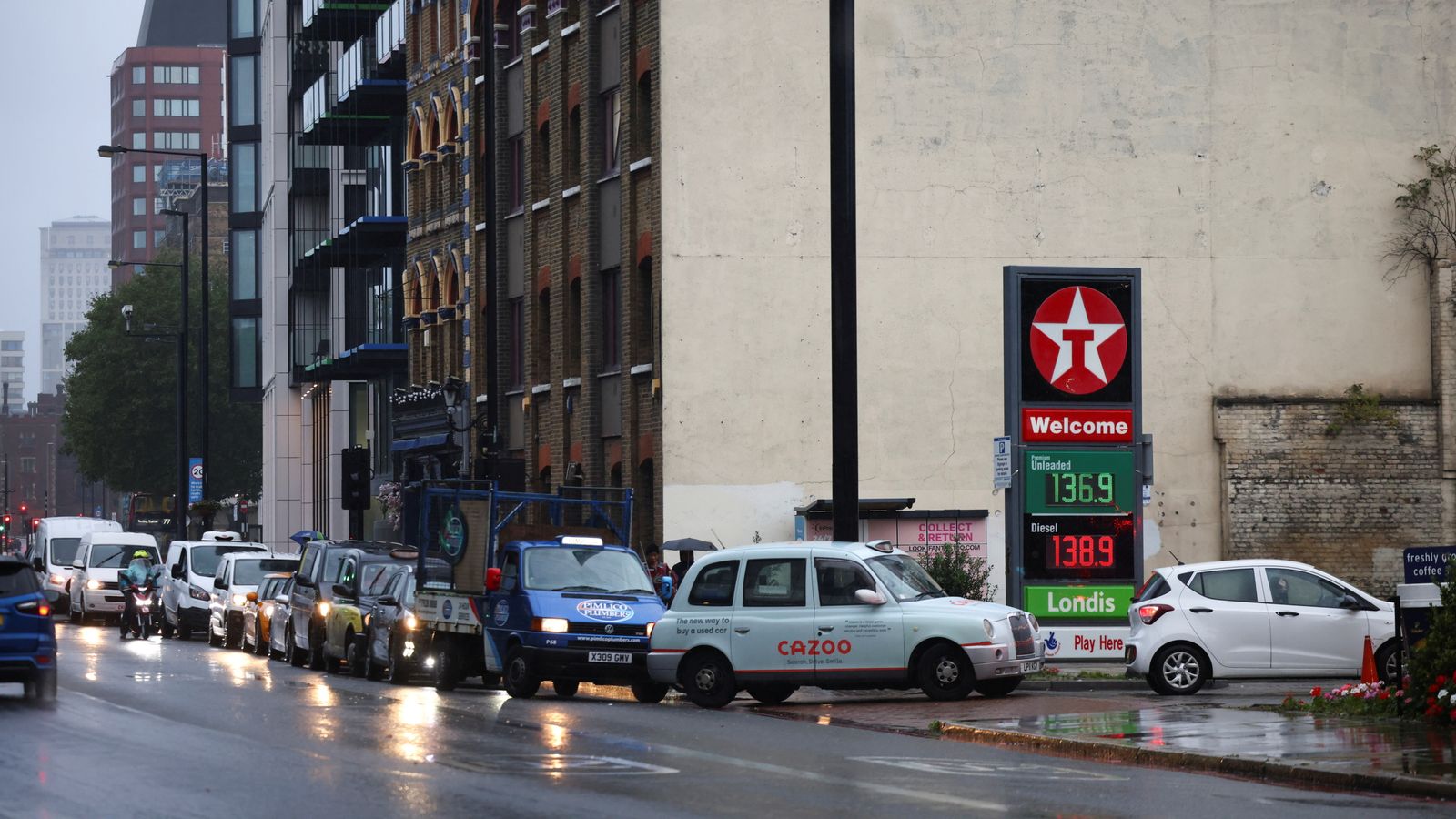
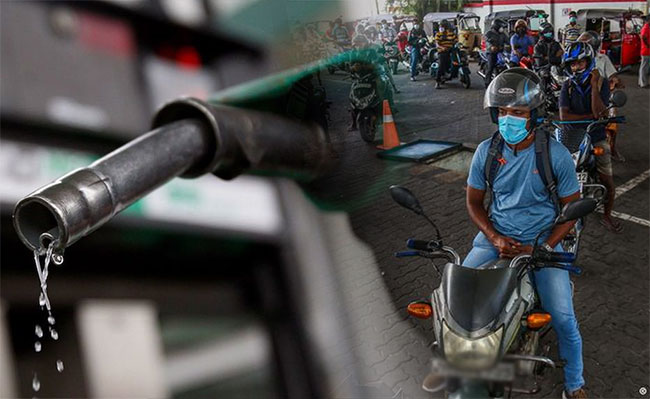
The scene at many New Zealand petrol stations over the past week has been one of high tension. Queues stretching into the streets and "no petrol" signs have fueled a cycle of anxiety. Social media has played a significant role in this, with groups dedicated to fuel price monitoring seeing record engagement. While some users report "normal" behavior in many parts of the country, the visibility of stockouts at discount brands like Gull has created a perception of scarcity that outweighs the actual reality of the nation's fuel stocks.
Psychologists and economists note that when a staple resource like fuel rises in price while appearing to be in short supply, consumers often abandon rational purchasing habits. This "run on the pumps" is similar to the supermarket panics seen during early pandemic lockdowns. The challenge for fuel suppliers and the government is to break this feedback loop. By providing transparent data on the 50-day supply chain and ensuring that tankers are visible and active, they hope to restore consumer confidence and return demand to manageable levels.
Long-term Lessons for New Zealand's Energy Resilience
This crisis has reignited the debate over New Zealand's energy independence. The closure of the Marsden Point refinery in 2022 left the country entirely dependent on imported refined fuel. While proponents of the closure argued it was an economic necessity, critics now point to the current volatility as evidence that the nation has lost a critical layer of its security architecture. There are renewed calls to investigate the feasibility of local biofuel production or to accelerate the transition to electric vehicles (EVs) to reduce the nation's exposure to international oil shocks.
Interestingly, the current fuel crisis is occurring just as the government has ended various EV rebate schemes, a move defended by Finance Minister Willis as a necessary fiscal correction. However, car dealers are reporting a renewed interest in electric and hybrid vehicles from consumers looking for a way to "opt-out" of the volatile petrol market. Whether this translates into a long-term shift in the national fleet remains to be seen, but the current $3+ prices provide a powerful economic incentive for change.
FAQ
1. Why is petrol suddenly so expensive in New Zealand?
The primary reason is the conflict in the Middle East, specifically the closure of the Strait of Hormuz, which has disrupted 20% of the world's oil trade. This global supply squeeze has driven up international oil prices, which New Zealand pays at the pump.
2. Is there an actual fuel shortage in the country?
No, there is no national shortage. New Zealand has approximately 50 days of fuel supply (onshore and in-transit). The "no fuel" signs at some stations are caused by local logistics being unable to keep up with a 15% surge in panic buying.
3. Why are Gull stations running out more than others?
As a discount brand, Gull sees higher demand during price spikes. Their logistics chain often involves longer tanker trips from regional terminals, meaning they cannot refill their tanks as quickly as brands with closer loading points during periods of extreme demand.
4. Will the government cut fuel taxes to help with the price?
Currently, the government has signaled that it is focused on monitoring supply levels and has not announced plans to reintroduce the fuel excise tax cuts used in previous years.
5. Should I fill up my car today even if I have half a tank?
Authorities advise against this. Topping up when unnecessary contributes to the "panic buying" effect that causes stations to run dry. Following your normal fueling routine helps keep the distribution system stable for everyone.
Conclusion
The crossing of the $3 per litre threshold is a significant moment for New Zealand, reflecting the fragility of global energy markets and the immediate impact of international conflict on local lives. While the sight of empty pumps at some stations is alarming, the data provided by fuel suppliers and the government suggests that the core issue is one of behavior and logistics rather than a fundamental lack of fuel. By resisting the urge to panic-buy and understanding that the "rolling 50-day" supply chain is intact, New Zealanders can help alleviate the pressure on the distribution network. Moving forward, this crisis serves as a stark reminder of the need for continued investment in national resilience and a serious conversation about the country's long-term energy strategy in an increasingly volatile world.
No need to panic', fuel supplier says as average petrol price surges past $3
'No need to panic', fuel supplier says as average petrol price surges past $3 Wallpapers
Collection of 'no need to panic', fuel supplier says as average petrol price surges past $3 wallpapers for your desktop and mobile devices.
High-Quality 'no Need To Panic', Fuel Supplier Says As Average Petrol Price Surges Past $3 Abstract for Desktop
Transform your screen with this vivid 'no need to panic', fuel supplier says as average petrol price surges past $3 artwork, a true masterpiece of digital design.
Serene 'no Need To Panic', Fuel Supplier Says As Average Petrol Price Surges Past $3 View Photography
Discover an amazing 'no need to panic', fuel supplier says as average petrol price surges past $3 background image, ideal for personalizing your devices with vibrant colors and intricate designs.
Exquisite 'no Need To Panic', Fuel Supplier Says As Average Petrol Price Surges Past $3 Background Illustration
Find inspiration with this unique 'no need to panic', fuel supplier says as average petrol price surges past $3 illustration, crafted to provide a fresh look for your background.
Serene 'no Need To Panic', Fuel Supplier Says As Average Petrol Price Surges Past $3 Artwork Digital Art
Explore this high-quality 'no need to panic', fuel supplier says as average petrol price surges past $3 image, perfect for enhancing your desktop or mobile wallpaper.

Stunning 'no Need To Panic', Fuel Supplier Says As Average Petrol Price Surges Past $3 Wallpaper Concept
Immerse yourself in the stunning details of this beautiful 'no need to panic', fuel supplier says as average petrol price surges past $3 wallpaper, designed for a captivating visual experience.

Gorgeous 'no Need To Panic', Fuel Supplier Says As Average Petrol Price Surges Past $3 Scene Nature
Immerse yourself in the stunning details of this beautiful 'no need to panic', fuel supplier says as average petrol price surges past $3 wallpaper, designed for a captivating visual experience.
Serene 'no Need To Panic', Fuel Supplier Says As Average Petrol Price Surges Past $3 Wallpaper Collection
Experience the crisp clarity of this stunning 'no need to panic', fuel supplier says as average petrol price surges past $3 image, available in high resolution for all your screens.
Vibrant 'no Need To Panic', Fuel Supplier Says As Average Petrol Price Surges Past $3 Design Art
Explore this high-quality 'no need to panic', fuel supplier says as average petrol price surges past $3 image, perfect for enhancing your desktop or mobile wallpaper.

Beautiful 'no Need To Panic', Fuel Supplier Says As Average Petrol Price Surges Past $3 Scene Concept
Transform your screen with this vivid 'no need to panic', fuel supplier says as average petrol price surges past $3 artwork, a true masterpiece of digital design.
Exquisite 'no Need To Panic', Fuel Supplier Says As Average Petrol Price Surges Past $3 Landscape Concept
A captivating 'no need to panic', fuel supplier says as average petrol price surges past $3 scene that brings tranquility and beauty to any device.
Captivating 'no Need To Panic', Fuel Supplier Says As Average Petrol Price Surges Past $3 Design for Mobile
This gorgeous 'no need to panic', fuel supplier says as average petrol price surges past $3 photo offers a breathtaking view, making it a perfect choice for your next wallpaper.

High-Quality 'no Need To Panic', Fuel Supplier Says As Average Petrol Price Surges Past $3 Image in HD
Explore this high-quality 'no need to panic', fuel supplier says as average petrol price surges past $3 image, perfect for enhancing your desktop or mobile wallpaper.

Detailed 'no Need To Panic', Fuel Supplier Says As Average Petrol Price Surges Past $3 Picture for Your Screen
Experience the crisp clarity of this stunning 'no need to panic', fuel supplier says as average petrol price surges past $3 image, available in high resolution for all your screens.
Vibrant 'no Need To Panic', Fuel Supplier Says As Average Petrol Price Surges Past $3 Picture for Your Screen
Explore this high-quality 'no need to panic', fuel supplier says as average petrol price surges past $3 image, perfect for enhancing your desktop or mobile wallpaper.

High-Quality 'no Need To Panic', Fuel Supplier Says As Average Petrol Price Surges Past $3 Abstract for Desktop
Transform your screen with this vivid 'no need to panic', fuel supplier says as average petrol price surges past $3 artwork, a true masterpiece of digital design.

Exquisite 'no Need To Panic', Fuel Supplier Says As Average Petrol Price Surges Past $3 Picture in 4K
Immerse yourself in the stunning details of this beautiful 'no need to panic', fuel supplier says as average petrol price surges past $3 wallpaper, designed for a captivating visual experience.

Breathtaking 'no Need To Panic', Fuel Supplier Says As Average Petrol Price Surges Past $3 Picture Illustration
Explore this high-quality 'no need to panic', fuel supplier says as average petrol price surges past $3 image, perfect for enhancing your desktop or mobile wallpaper.
Dynamic 'no Need To Panic', Fuel Supplier Says As Average Petrol Price Surges Past $3 Moment Illustration
Find inspiration with this unique 'no need to panic', fuel supplier says as average petrol price surges past $3 illustration, crafted to provide a fresh look for your background.
Mesmerizing 'no Need To Panic', Fuel Supplier Says As Average Petrol Price Surges Past $3 Photo Photography
Explore this high-quality 'no need to panic', fuel supplier says as average petrol price surges past $3 image, perfect for enhancing your desktop or mobile wallpaper.
Crisp 'no Need To Panic', Fuel Supplier Says As Average Petrol Price Surges Past $3 Picture for Your Screen
This gorgeous 'no need to panic', fuel supplier says as average petrol price surges past $3 photo offers a breathtaking view, making it a perfect choice for your next wallpaper.
Download these 'no need to panic', fuel supplier says as average petrol price surges past $3 wallpapers for free and use them on your desktop or mobile devices.