NASA’s Van Allen Probe A to Re-Enter Atmosphere
NASA’s Van Allen Probe A to Re-Enter Atmosphere
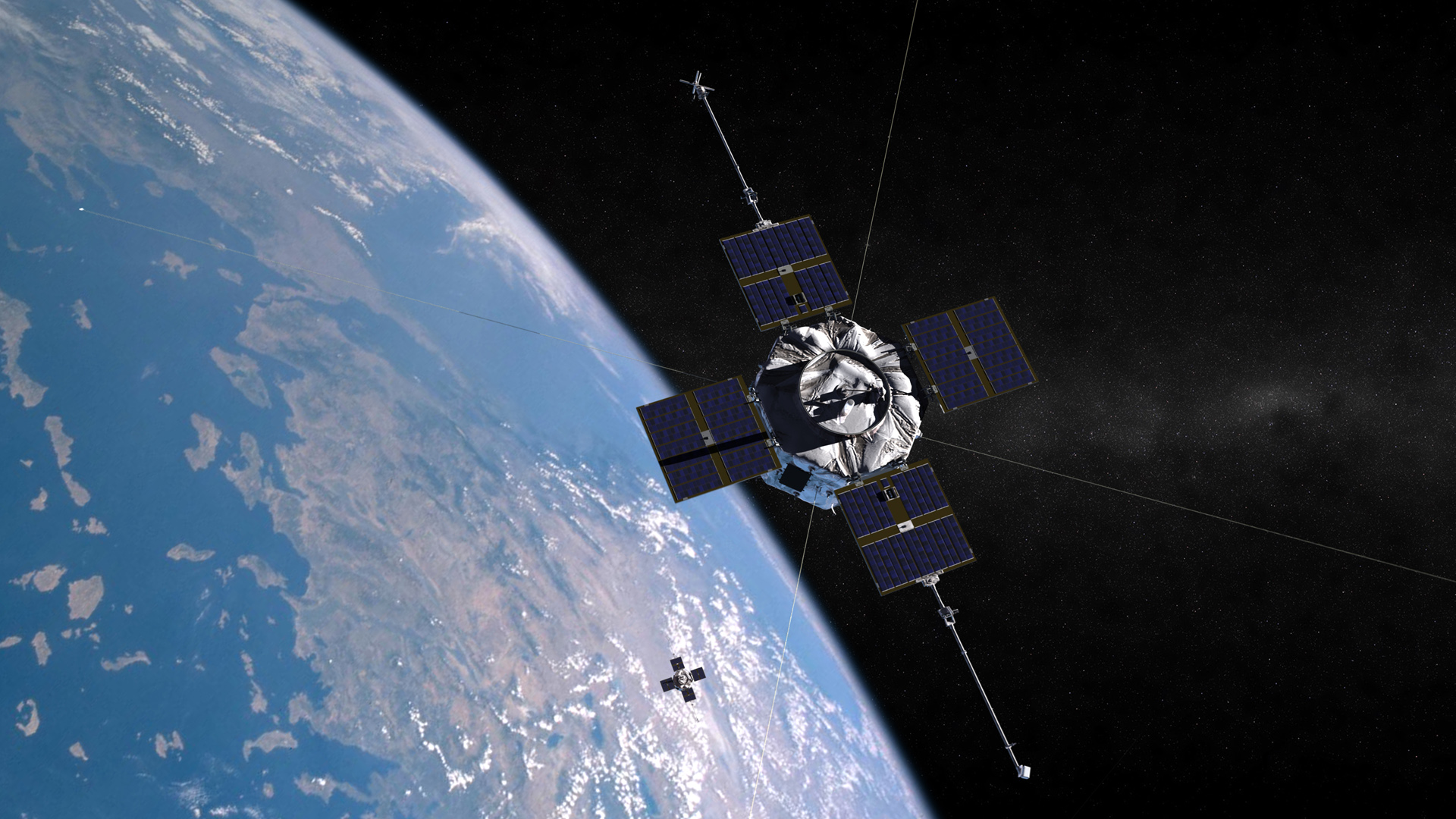
Space enthusiasts and scientists alike are turning their gaze toward the heavens as NASA’s Van Allen Probe A prepares for its final, fiery journey back to Earth. Launched in 2012 to unlock the mysteries of the radiation belts surrounding our planet, this legendary spacecraft has far exceeded its original two-year mission lifespan. After nearly 14 years in the vacuum of space, the 1,323-pound probe is caught in the invisible grip of atmospheric drag, a descent accelerated by a surprisingly active solar cycle. This event marks the end of an era for a mission that revolutionized our understanding of space weather and provided the critical data necessary to protect satellites, power grids, and astronauts from the Sun's volatile outbursts.
NASA’s Van Allen Probe A is expected to re-enter Earth's atmosphere on March 10, 2026, at approximately 7:45 p.m. EDT. While most of the 600-kilogram spacecraft will vaporize upon entry, experts note a 1 in 4,200 chance that small components could reach the surface, likely splashing down in the ocean. The probe's early return—originally projected for 2034—is attributed to increased atmospheric drag caused by Solar Cycle 25's intense activity, which expanded Earth's upper atmosphere and pulled the decommissioned satellite toward its inevitable deorbit.
The Final Descent: Timing and Tracking of Probe A
The U.S. Space Force and NASA have been closely monitoring the orbital decay of Van Allen Probe A. As of early March 2026, the consensus points to a reentry window centered around the evening of March 10. However, predicting the exact moment a satellite hits the atmosphere is an imprecise science. Factors such as the density of the thermosphere and the orientation of the tumbling spacecraft create a margin of error of approximately plus or minus 24 hours. This "uncontrolled reentry" means that while the general path is known, the specific location where the final burn-up occurs cannot be steered.
For those hoping to catch a glimpse, the event will likely be invisible to the naked eye for most of the world. The intense friction of reentry creates a brilliant streak of light, similar to a bolide or a slow-moving shooting star, but this typically occurs over vast stretches of the Pacific or Atlantic Oceans. NASA and the Space Force utilize the Space-Track system to provide real-time updates to the international community, ensuring that air traffic and maritime interests are informed of the potential for falling debris, however minimal the risk may be.
How Solar Activity Accelerated the Reentry Timeline
One of the most fascinating aspects of the Van Allen Probe A reentry is why it is happening now rather than in 2034, as originally calculated. When the mission ended in 2019, the Sun was exiting a relatively quiet phase known as Solar Cycle 24. Scientists projected a steady, slow decay over 15 years. However, Solar Cycle 25 has proven to be much more "angry" and active than its predecessor. The Sun reached its solar maximum in 2024, blasting the Earth with solar flares and coronal mass ejections (CMEs).
These solar events do more than just create beautiful auroras; they dump massive amounts of energy into Earth's upper atmosphere. This energy causes the atmosphere to heat up and expand outward. For a satellite like Probe A, which was already in a decaying orbit, this expansion meant it was suddenly flying through "thicker" air. This increased frictional drag acted like a brake, sapping the probe's orbital velocity and dragging it down nearly eight years ahead of schedule. This phenomenon serves as a real-time demonstration of the very space weather the probes were built to study.
The Legacy of the Radiation Belt Storm Probes
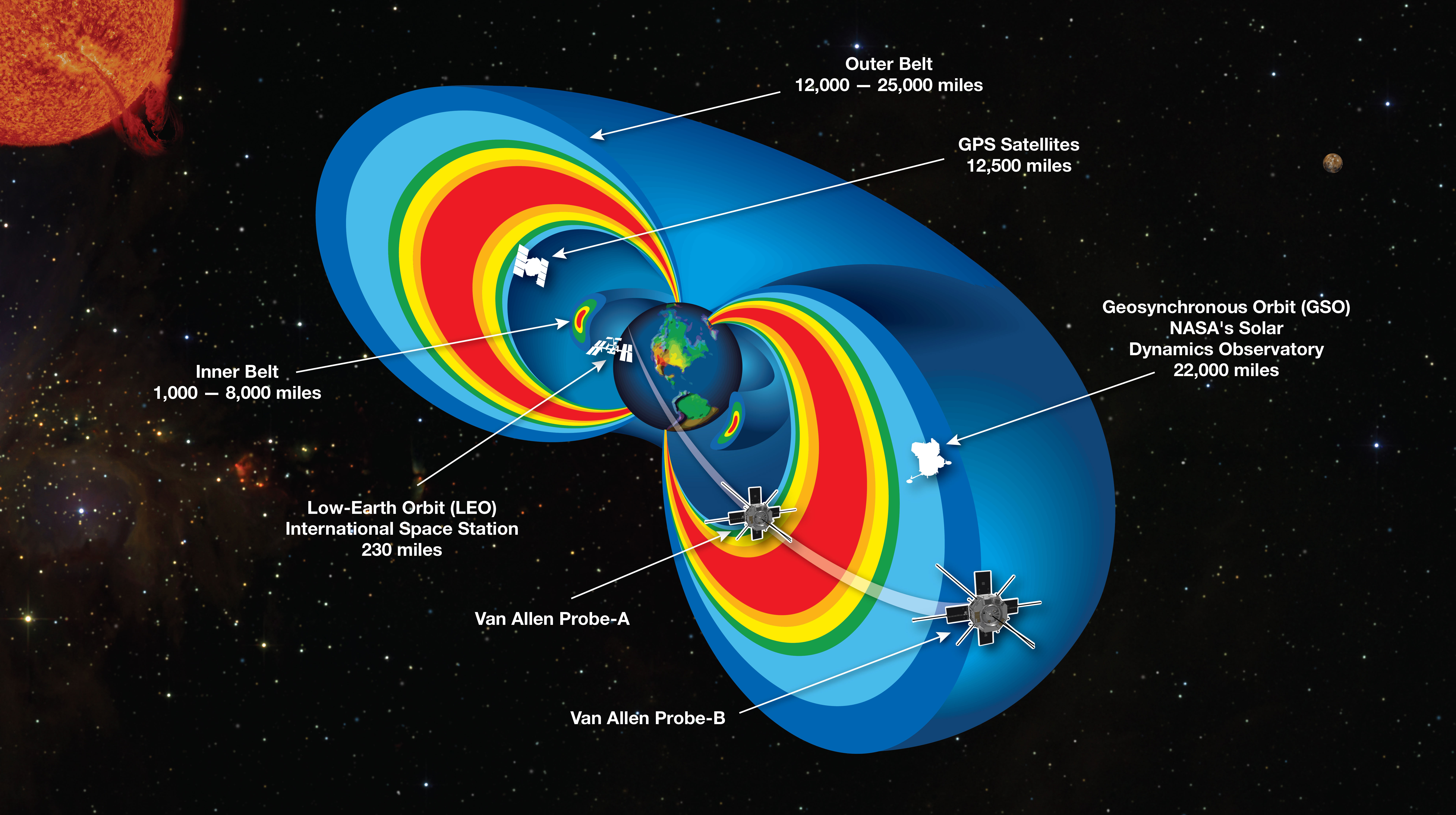
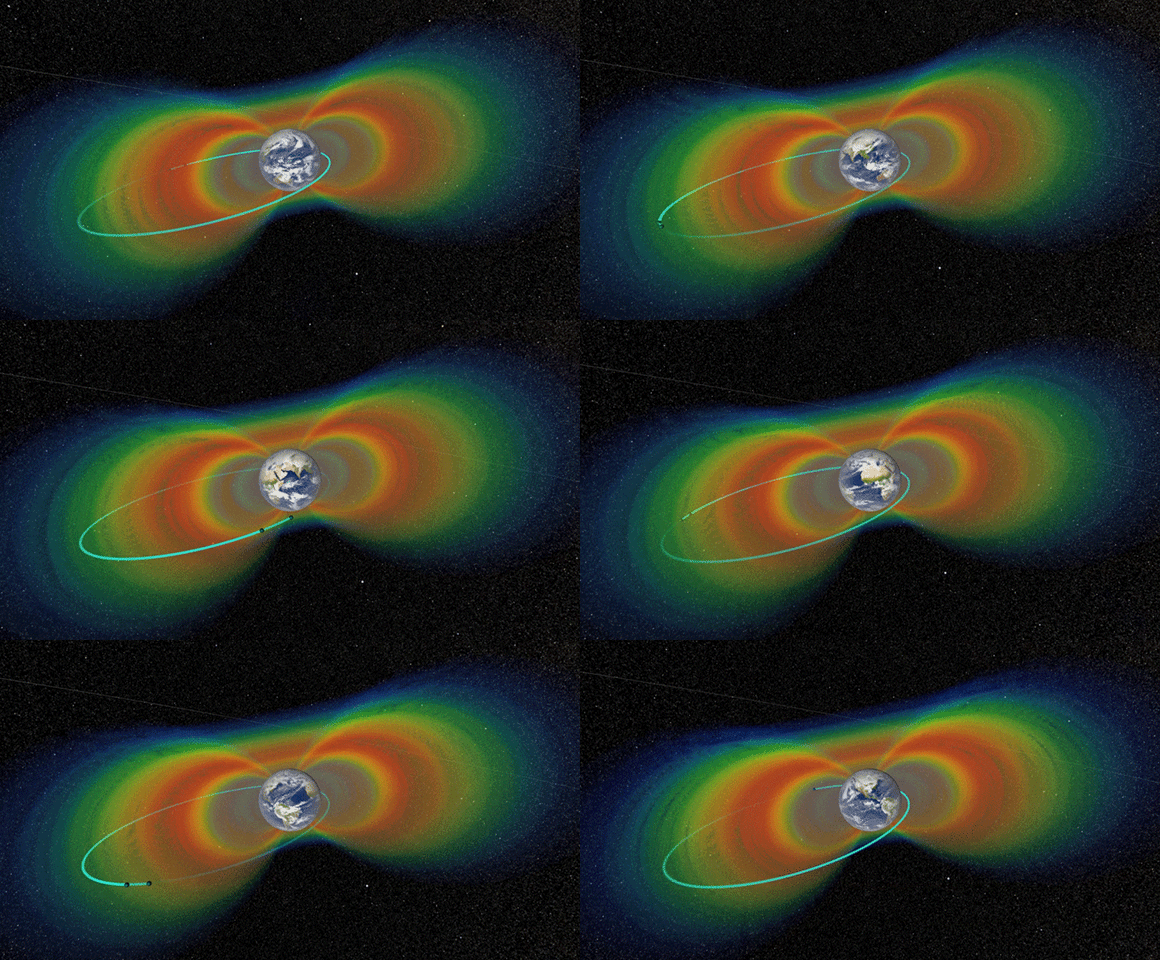
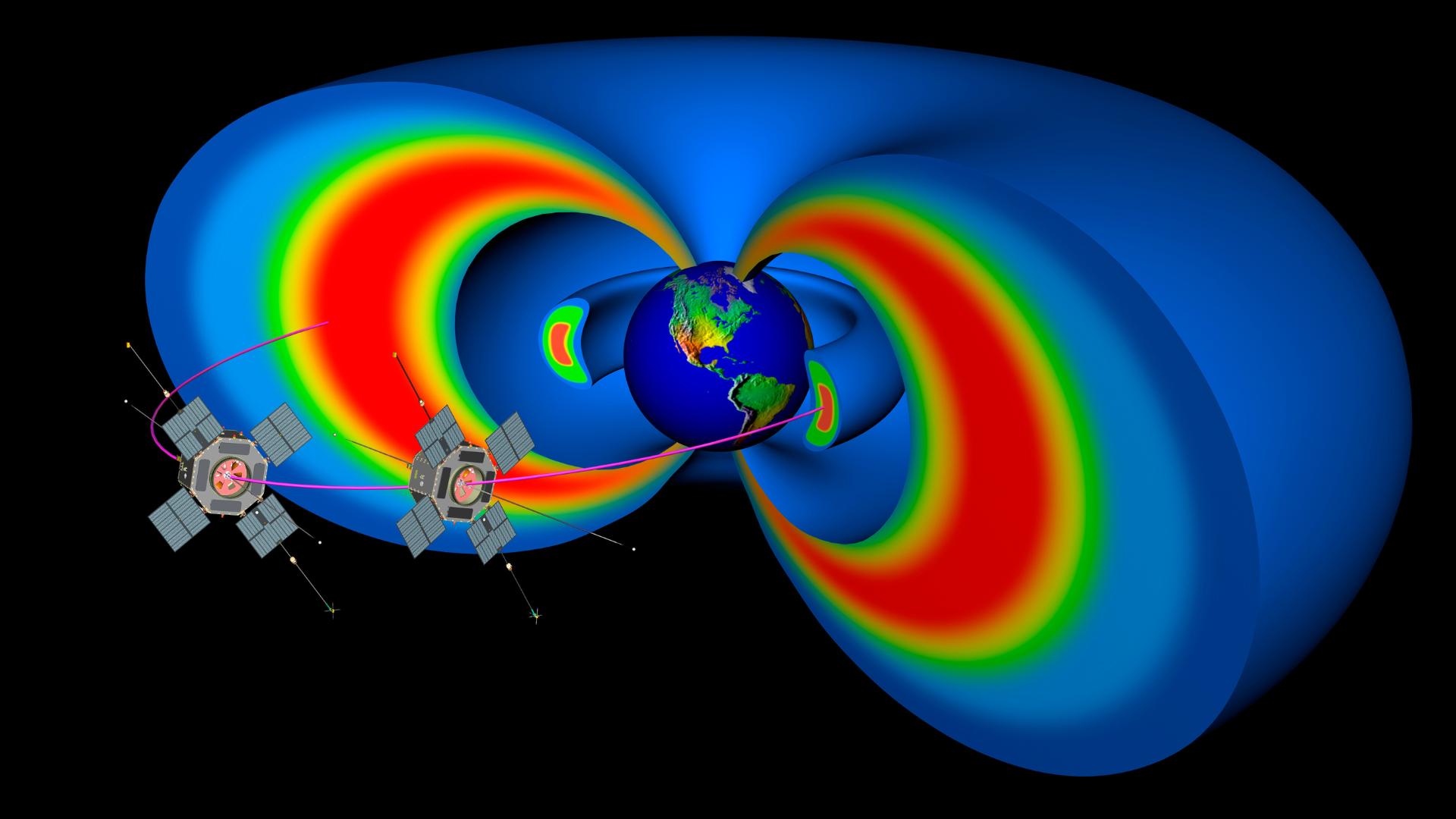
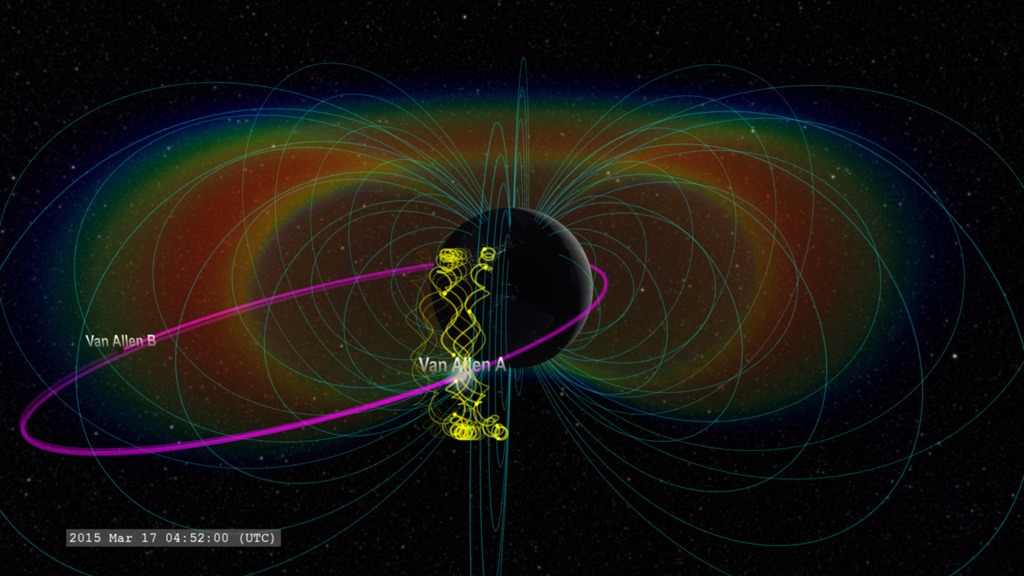
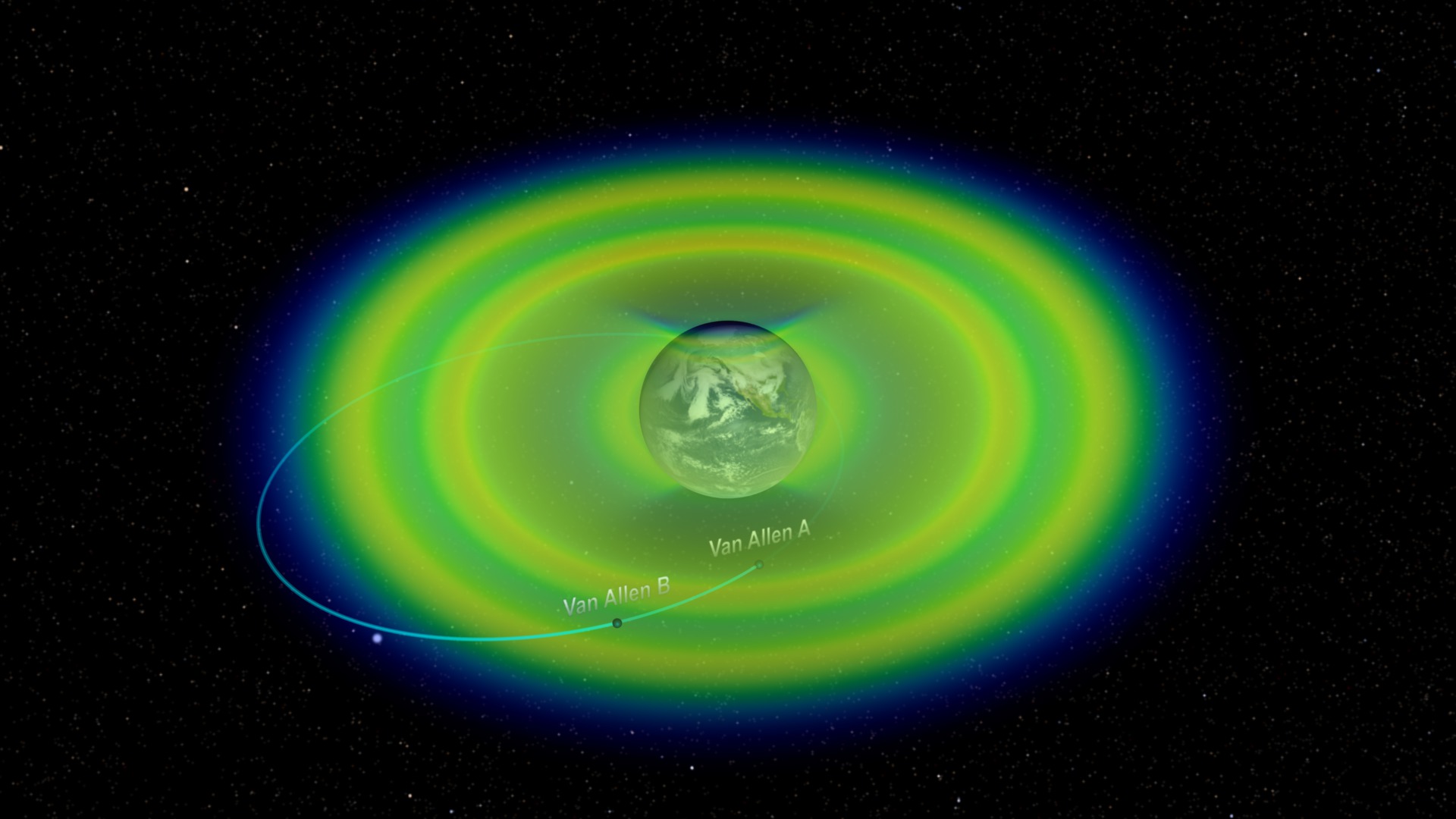
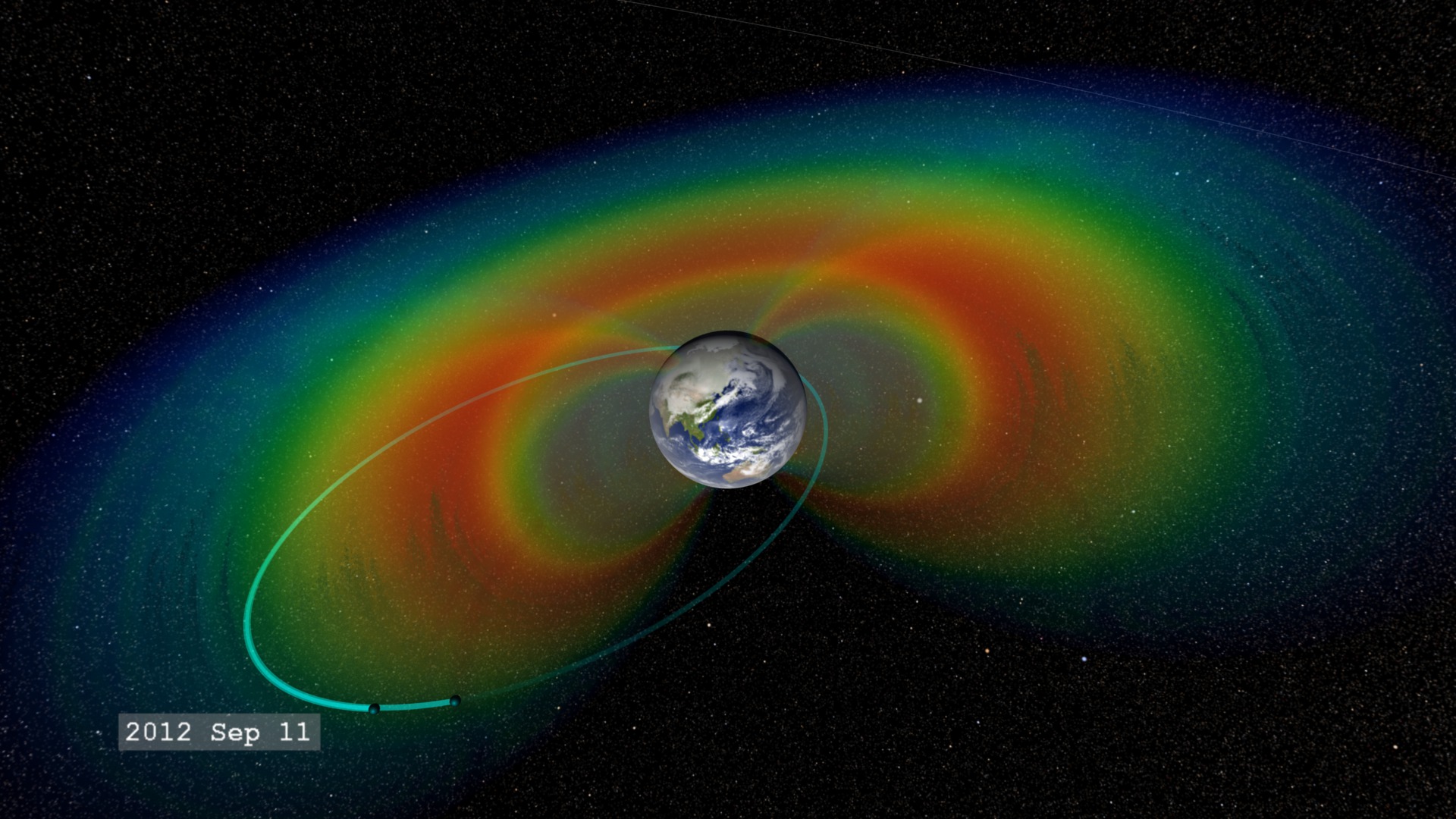
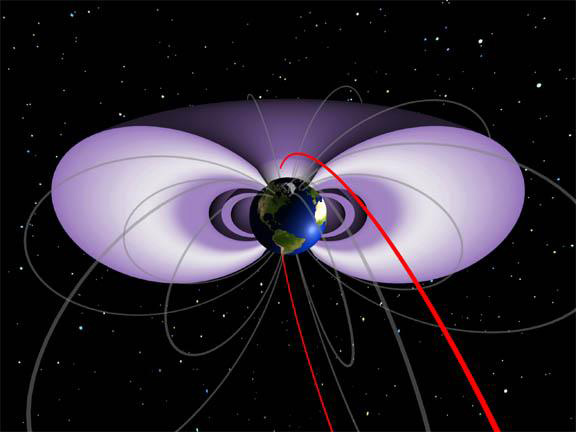
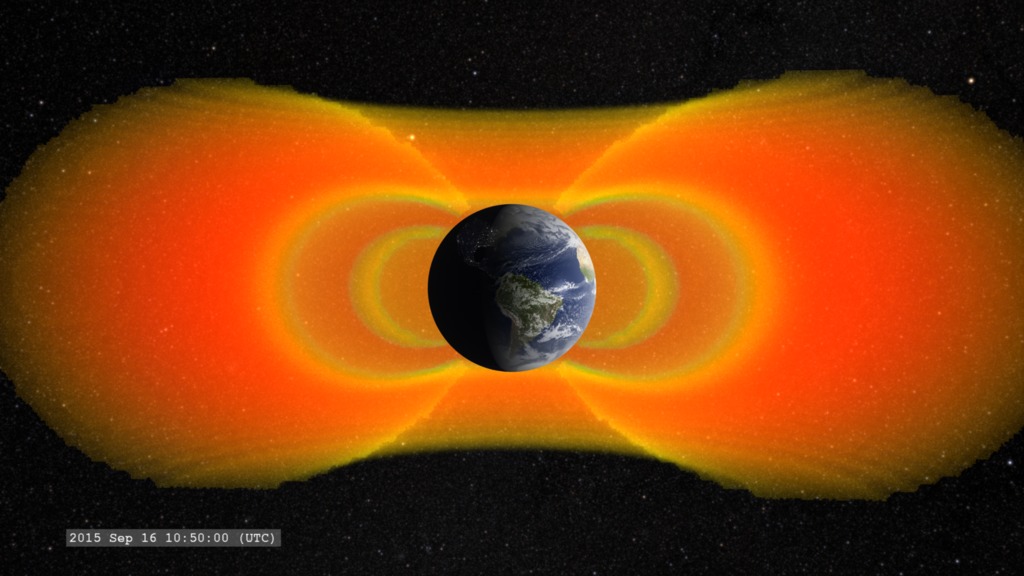
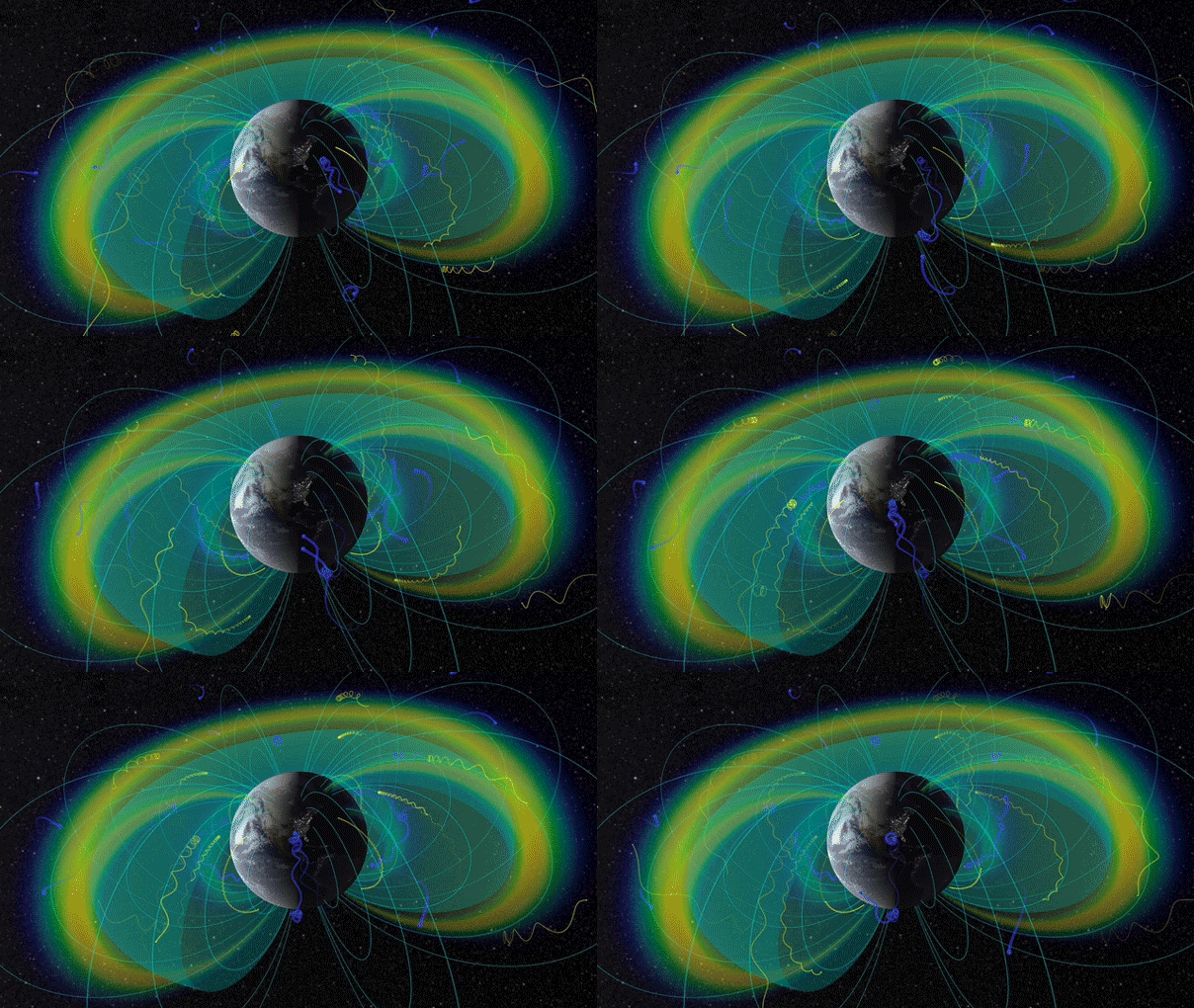
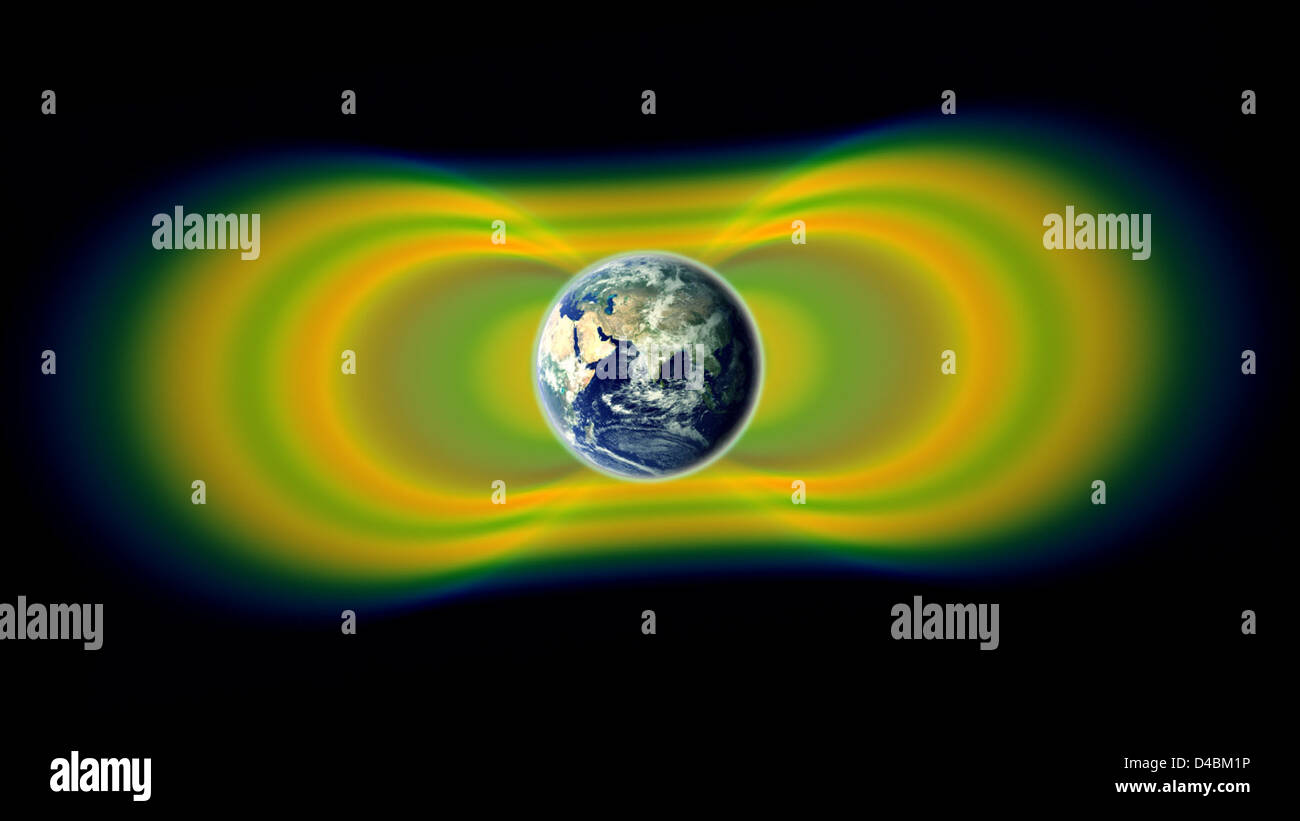
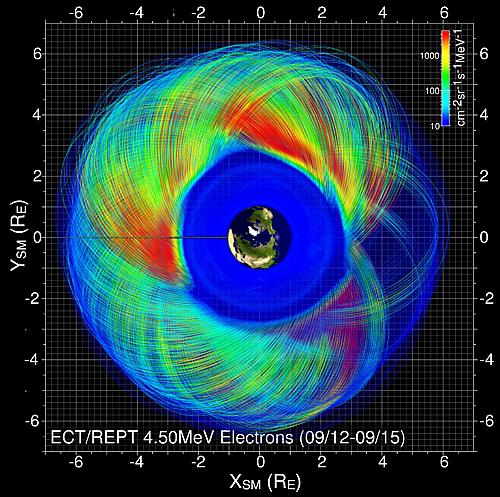
Before they were renamed the Van Allen Probes, the twin spacecraft were known as the Radiation Belt Storm Probes (RBSP). Their mission was daring: to fly directly into the "heart of the beast"—the Van Allen radiation belts. These regions are filled with high-energy electrons and protons trapped by Earth's magnetic field. Most satellites avoid these zones because the radiation can fry sensitive electronics. The Van Allen Probes, however, were built like tanks, featuring advanced shielding and radiation-hardened components that allowed them to survive for seven years in one of the most hostile environments in the solar system.
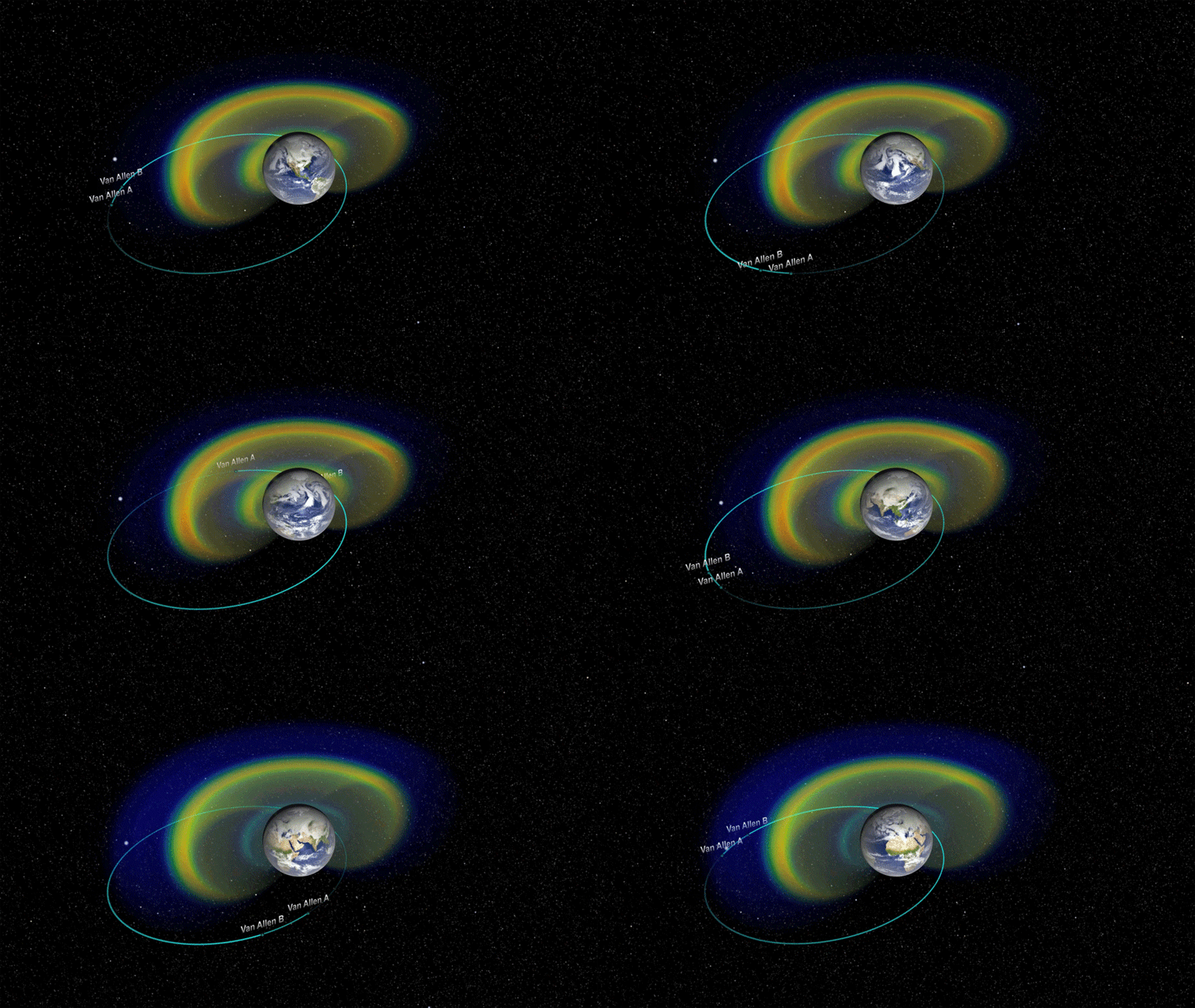
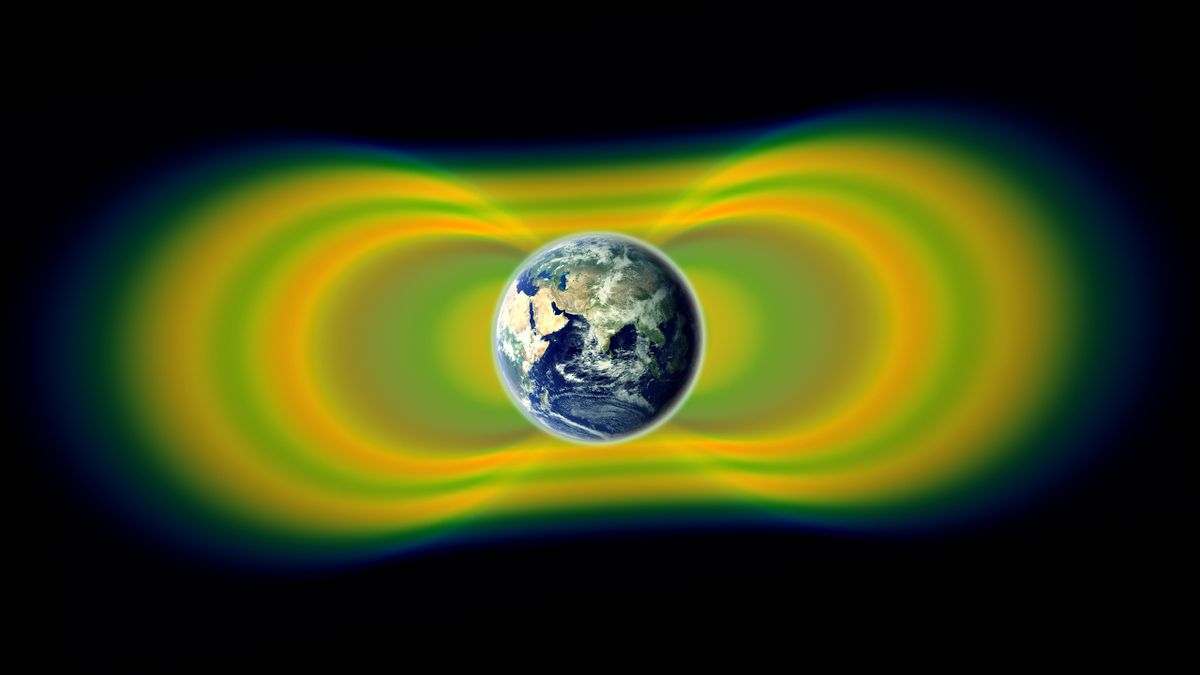
During their operational life from 2012 to 2019, the probes fundamentally changed textbooks. Perhaps their most famous discovery was the existence of a transient third radiation belt. Previously, scientists believed there were only two permanent belts (inner and outer). The probes showed that during intense solar activity, a third, temporary belt could form and persist for weeks. This discovery has been vital for engineers designing the next generation of GPS and communication satellites, helping them understand when and where the radiation environment is most dangerous.
Risk Assessment: Is Falling Space Junk a Threat?
Whenever a 1,300-pound object falls from the sky, the question of safety naturally arises. NASA is transparent about the risks: there is a 1 in 4,200 chance (about 0.02%) that a piece of the probe could strike a person. To put that in perspective, you are far more likely to be struck by lightning or win a minor lottery. The primary reason for this low risk is the geography of our planet. Approximately 70% of Earth is covered by water, and a significant portion of the remaining land is uninhabited.
Most of the spacecraft, which is roughly the size and weight of a polar bear, is composed of materials that will melt and vaporize at the extreme temperatures of reentry (reaching over 3,000 degrees Fahrenheit). However, certain components—such as pressure tanks or specific instrument brackets made of titanium or stainless steel—have higher melting points. These fragments are the most likely to survive the plunge. Historically, only one person in recorded history (Lottie Williams in 1997) has been struck by falling space debris, and she was not injured. NASA maintains that the mission's benefits far outweigh the negligible risk of reentry.
| Mission Parameter | Details |
|---|---|
| Launch Date | August 30, 2012 |
| Spacecraft Weight | 1,323 lbs (600 kg) |
| Deactivation Date | October 18, 2019 |
| Reentry Date | March 10, 2026 |
| Orbit Type | Highly Elliptical (618 km to 30,415 km) |
| Primary Mission Goal | Study Earth's Radiation Belts |
| Risk of Human Harm | 1 in 4,200 |
What Happened to Van Allen Probe B?
While Probe A is meeting its end today, its twin, Van Allen Probe B, remains in orbit. Although the two spacecraft were identical and launched together, their orbital paths and the specific ways they were affected by atmospheric drag differ slightly. According to NASA's current projections, Probe B is not expected to reenter the atmosphere until at least 2030, and potentially as late as 2034. It continues to drift as a "silent ghost" in space, having been decommissioned in July 2019.
The decision to decommission the probes in 2019 was driven by fuel management. As the satellites ran low on propellant, mission controllers at the Johns Hopkins Applied Physics Laboratory executed a series of maneuvers to lower their perigee (the closest point to Earth). This was a responsible "end-of-life" move to ensure the probes would eventually deorbit and not contribute to the growing problem of long-term orbital debris. By lowering the orbit, NASA ensured that nature—in the form of atmospheric drag—would eventually clean up the satellites.
The Science of Space Weather and Human Safety
The data collected by Van Allen Probe A is more relevant today than ever. As we become increasingly dependent on satellite technology for everything from banking to navigation, space weather has become a matter of national security. A massive solar storm today could potentially knock out power grids and disable global communications. The Van Allen Probes provided the most detailed map ever created of how the Earth's magnetic field reacts to the Sun.
This "archived" data is currently being used by researchers to refine predictive models. By understanding the "drainage" and "refilling" of the radiation belts, scientists can give satellite operators better warnings. For example, if a solar storm is detected, operators can put satellites into "safe mode" or adjust their orbits to minimize radiation exposure. The legacy of Probe A lives on in every more-accurate GPS coordinate and every resilient satellite launched into the modern "New Space" economy.
Protecting Future Moon and Mars Missions
As NASA prepares for the Artemis missions to return humans to the Moon and eventually send them to Mars, the Van Allen Probes' findings are foundational. To reach the Moon, astronauts must pass through the radiation belts. The Probes helped scientists determine the safest "tunnels" or timing for these transits. Understanding the density and energy of the particles in the belts allows for better shielding design for the Orion spacecraft and future deep-space habitats.
The discovery of the "slot region"—a relatively clear space between the inner and outer belts—was further clarified by this mission. Knowing how this region changes during storms is critical for planning long-duration spaceflight. Even as Probe A disintegrates in the atmosphere, the gigabytes of data it beamed back over seven years continue to serve as the "gold standard" for space physics, ensuring that the next generation of explorers stays safe as they venture beyond Earth's protective magnetic cocoon.
A Final Farewell to a Record-Breaker
Van Allen Probe A was a true overachiever. Designed to last only 24 months, it survived 86 months of continuous operation. It endured radiation doses that would have incapacitated almost any other civilian spacecraft. Its mission ended not because its "brains" failed, but because its "tank" went dry. In its final moments, as it hits the upper atmosphere at several miles per second, it will perform one last service: providing data on atmospheric density and orbital decay that will help track other satellites and debris.
The mission was a collaboration between NASA’s Goddard Space Flight Center and the Johns Hopkins University Applied Physics Laboratory (APL). It stands as a testament to American engineering and the enduring value of scientific curiosity. As the probe turns into a streak of plasma in the night sky, it leaves behind a world that is much better prepared for the challenges of a sun-driven solar system.
Frequently Asked Questions
1. Will I be able to see NASA’s Van Allen Probe A re-enter?
It is unlikely that most people will see the reentry. While the burn-up creates a bright streak of light, it usually occurs over uninhabited ocean areas. Tracking data will be updated online, but the exact visual path is unpredictable.
2. Why is the probe falling back to Earth now?
The probe's orbit decayed faster than expected due to high solar activity in Solar Cycle 25. The Sun's energy caused the Earth's atmosphere to expand, creating more drag on the satellite and pulling it down eight years early.
3. Is there any danger from the falling debris?
The risk is extremely low, calculated at 1 in 4,200. Most of the spacecraft will burn up completely. Any surviving parts are most likely to land in the ocean, which covers 70% of the planet.
4. What did the Van Allen Probes discover?
Their most major discovery was a third, temporary radiation belt that forms during intense solar storms. They also provided critical data on how particles in the belts are accelerated to nearly the speed of light.
5. Is the mission considered a success?
Yes, it was an overwhelming success. The probes were designed for a 2-year mission but operated for 7 years, providing unprecedented data that is still being analyzed by scientists today.
Conclusion
The reentry of NASA’s Van Allen Probe A marks the closing chapter of a spectacular scientific journey. While the physical spacecraft will soon be nothing more than ash and stardust, its contribution to human knowledge is permanent. By braving the most dangerous regions of near-Earth space, Probe A has made the world safer for the technology we rely on and the explorers of tomorrow. As we look forward to the reentry of Probe B in the next decade, we celebrate the engineers and scientists who turned a 24-month mission into a decade-defining achievement in space exploration.
NASA’s Van Allen Probe A to Re-Enter Atmosphere
NASA’s Van Allen Probe A to Re-Enter Atmosphere Wallpapers
Collection of nasa’s van allen probe a to re-enter atmosphere wallpapers for your desktop and mobile devices.

High-Quality Nasa’s Van Allen Probe A To Re-enter Atmosphere Moment for Your Screen
Discover an amazing nasa’s van allen probe a to re-enter atmosphere background image, ideal for personalizing your devices with vibrant colors and intricate designs.
Gorgeous Nasa’s Van Allen Probe A To Re-enter Atmosphere Wallpaper for Mobile
This gorgeous nasa’s van allen probe a to re-enter atmosphere photo offers a breathtaking view, making it a perfect choice for your next wallpaper.
Crisp Nasa’s Van Allen Probe A To Re-enter Atmosphere Artwork Illustration
Immerse yourself in the stunning details of this beautiful nasa’s van allen probe a to re-enter atmosphere wallpaper, designed for a captivating visual experience.
High-Quality Nasa’s Van Allen Probe A To Re-enter Atmosphere Photo for Your Screen
Explore this high-quality nasa’s van allen probe a to re-enter atmosphere image, perfect for enhancing your desktop or mobile wallpaper.
Spectacular Nasa’s Van Allen Probe A To Re-enter Atmosphere Moment for Your Screen
A captivating nasa’s van allen probe a to re-enter atmosphere scene that brings tranquility and beauty to any device.
Gorgeous Nasa’s Van Allen Probe A To Re-enter Atmosphere Background for Mobile
This gorgeous nasa’s van allen probe a to re-enter atmosphere photo offers a breathtaking view, making it a perfect choice for your next wallpaper.
Serene Nasa’s Van Allen Probe A To Re-enter Atmosphere Scene Nature
Transform your screen with this vivid nasa’s van allen probe a to re-enter atmosphere artwork, a true masterpiece of digital design.

Breathtaking Nasa’s Van Allen Probe A To Re-enter Atmosphere Scene Photography
Explore this high-quality nasa’s van allen probe a to re-enter atmosphere image, perfect for enhancing your desktop or mobile wallpaper.
Crisp Nasa’s Van Allen Probe A To Re-enter Atmosphere Artwork Illustration
Find inspiration with this unique nasa’s van allen probe a to re-enter atmosphere illustration, crafted to provide a fresh look for your background.
Serene Nasa’s Van Allen Probe A To Re-enter Atmosphere Landscape for Your Screen
Discover an amazing nasa’s van allen probe a to re-enter atmosphere background image, ideal for personalizing your devices with vibrant colors and intricate designs.

Vivid Nasa’s Van Allen Probe A To Re-enter Atmosphere View Illustration
Experience the crisp clarity of this stunning nasa’s van allen probe a to re-enter atmosphere image, available in high resolution for all your screens.
Exquisite Nasa’s Van Allen Probe A To Re-enter Atmosphere Abstract Digital Art
Immerse yourself in the stunning details of this beautiful nasa’s van allen probe a to re-enter atmosphere wallpaper, designed for a captivating visual experience.
Vivid Nasa’s Van Allen Probe A To Re-enter Atmosphere Moment Digital Art
Transform your screen with this vivid nasa’s van allen probe a to re-enter atmosphere artwork, a true masterpiece of digital design.

Vivid Nasa’s Van Allen Probe A To Re-enter Atmosphere Wallpaper Digital Art
Discover an amazing nasa’s van allen probe a to re-enter atmosphere background image, ideal for personalizing your devices with vibrant colors and intricate designs.
Breathtaking Nasa’s Van Allen Probe A To Re-enter Atmosphere View Nature
Discover an amazing nasa’s van allen probe a to re-enter atmosphere background image, ideal for personalizing your devices with vibrant colors and intricate designs.

High-Quality Nasa’s Van Allen Probe A To Re-enter Atmosphere Abstract for Desktop
Explore this high-quality nasa’s van allen probe a to re-enter atmosphere image, perfect for enhancing your desktop or mobile wallpaper.
Artistic Nasa’s Van Allen Probe A To Re-enter Atmosphere Photo Photography
Find inspiration with this unique nasa’s van allen probe a to re-enter atmosphere illustration, crafted to provide a fresh look for your background.
Exquisite Nasa’s Van Allen Probe A To Re-enter Atmosphere Artwork for Your Screen
A captivating nasa’s van allen probe a to re-enter atmosphere scene that brings tranquility and beauty to any device.
Detailed Nasa’s Van Allen Probe A To Re-enter Atmosphere Scene for Mobile
Discover an amazing nasa’s van allen probe a to re-enter atmosphere background image, ideal for personalizing your devices with vibrant colors and intricate designs.

Spectacular Nasa’s Van Allen Probe A To Re-enter Atmosphere Background Illustration
Immerse yourself in the stunning details of this beautiful nasa’s van allen probe a to re-enter atmosphere wallpaper, designed for a captivating visual experience.
Download these nasa’s van allen probe a to re-enter atmosphere wallpapers for free and use them on your desktop or mobile devices.