Live: Iran threatens to retaliate if Pentagon orders ground operation
Live: Iran threatens to retaliate if Pentagon orders ground operation
The Middle East stands at a precipice as reports emerge that the United States Pentagon is actively preparing for limited ground operations within Iranian territory. This significant shift in military strategy, moving beyond the air and naval campaign that has defined the conflict since February 28, 2026, has prompted a series of fierce warnings from Tehran. Iranian officials, including the Parliament Speaker and the Islamic Revolutionary Guard Corps (IRGC), have explicitly stated that any "boots on the ground" will be met with overwhelming force, describing a scenario where American troops would be "set on fire." As the Trump administration vacillates between calls for a negotiated settlement and threats to "unleash hell," the international community remains on high alert for a potentially catastrophic escalation in the Persian Gulf.
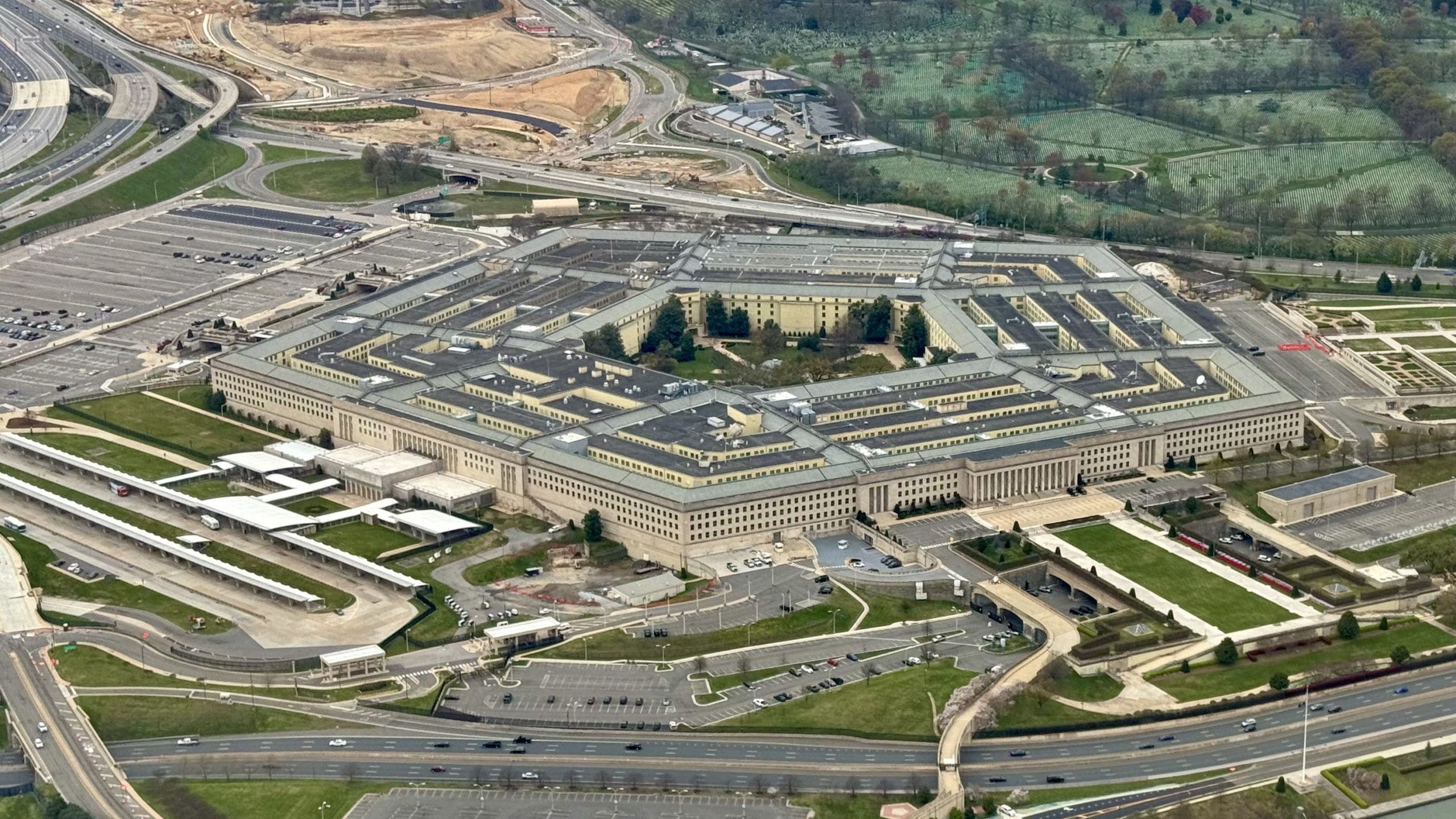
The core of the current tension lies in a recent report suggesting that the Pentagon is drafting plans for a multi-week ground campaign focused on neutralizing Iranian coastal military installations and seizing strategic assets like Kharg Island. In response, Iran has warned of immediate retaliation not only against invading forces but also against U.S. interests and allies across the region, including academic institutions. While the White House maintains that no final decision on a ground invasion has been made, the arrival of thousands of U.S. Marines and sailors in the Middle East suggests that the military is securing maximum optionality for the Commander-in-Chief.
The Pentagon Strategic Shift: From Air Strikes to Ground Raids
For weeks, the conflict between the United States, Israel, and Iran has been characterized by high-intensity aerial bombardments and missile exchanges. However, military planners at the Pentagon have recently developed options for ground operations inside Iran. According to officials speaking on the condition of anonymity, these operations would fall short of a full-scale invasion like those seen in Iraq or Afghanistan. Instead, the strategy involves "high-impact" raids conducted by a mixture of Special Operations forces and conventional infantry. The goal is to dismantle specific threats to commercial and military shipping, particularly near the vital Strait of Hormuz.
These plans have been "war-gamed" extensively, suggesting that this is not a last-minute adjustment but a long-standing strategic assessment. The tactical focus is on speed and agility—missions that would last weeks rather than months. By avoiding a long-term occupation, the U.S. hopes to limit its exposure to a prolonged insurgency while dealing a crippling blow to Iran's ability to project power in the Gulf. However, the risk to U.S. personnel remains immense, as ground forces would be vulnerable to Iranian drones, missiles, and improvised explosive devices (IEDs) that have already caused significant casualties in the region.
Tehran Warning: "Setting American Troops on Fire"
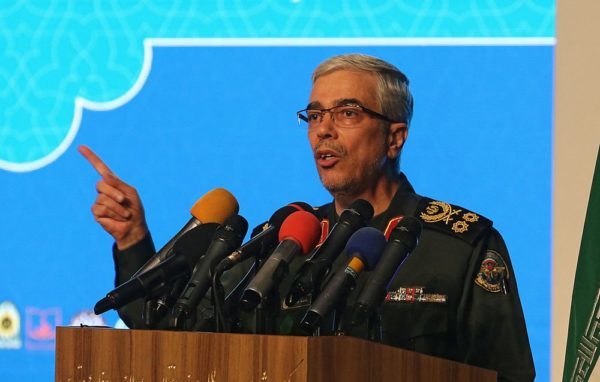
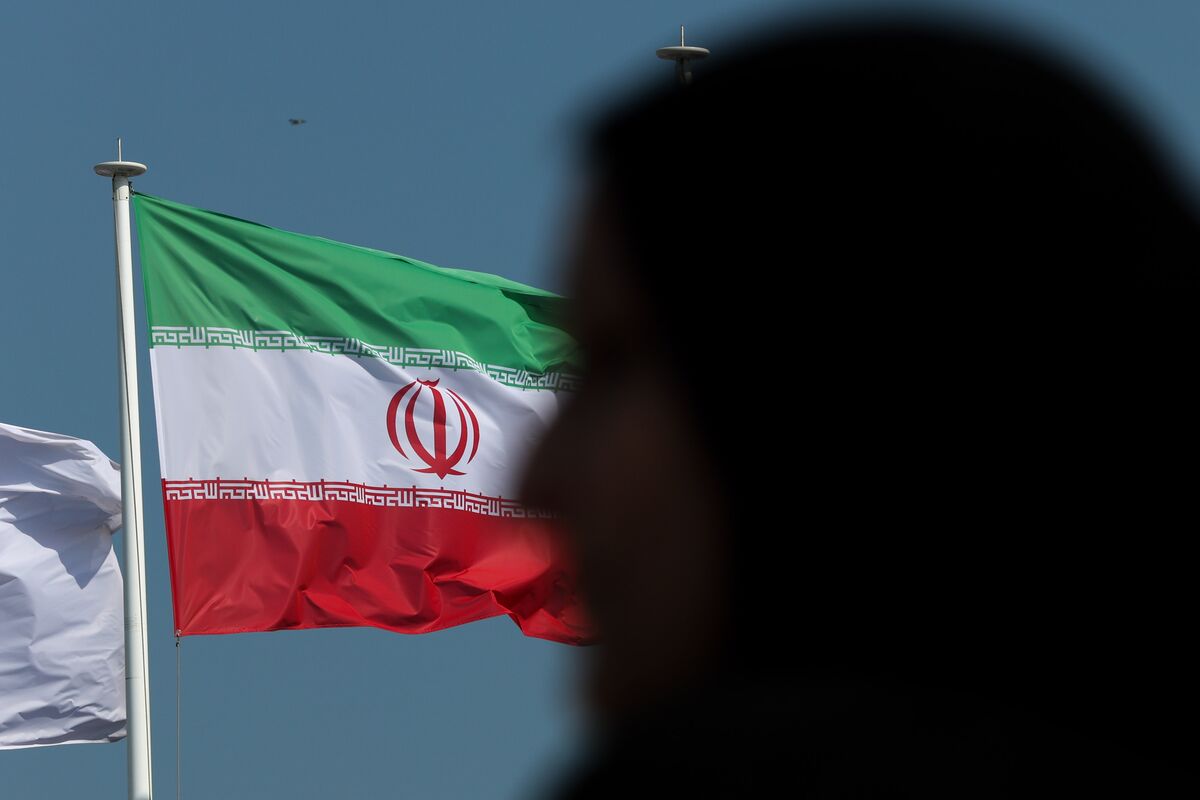
The reaction from Tehran to the news of potential ground operations has been nothing short of vitriolic. Mohammad Bagher Ghalibaf, the Speaker of the Iranian Parliament, delivered a chilling warning on Sunday, stating that Iranian forces are "waiting for the arrival of American troops on the ground to set them on fire." This rhetoric underscores the Iranian regime's intent to engage in a brutal, asymmetric defense of its territory. Ghalibaf accused the U.S. of hypocrisy, claiming that Washington sends messages of negotiation in public while secretly plotting a ground assault.
This "fiery" retaliation is not merely a metaphor. Iran has spent decades developing a "mosaic defense" strategy, which empowers local military units and IRGC cells to operate independently in the event of an invasion. This decentralized approach is designed to turn any seized territory into a "killing zone" for foreign troops. Furthermore, the Iranian leadership has warned that regional partners of the U.S. will also be punished "forever" if they allow their lands to be used as launchpads for ground incursions. This puts countries like Kuwait, Saudi Arabia, and Bahrain in a precarious position, as they host the very bases that would support such an operation.
The Strategic Importance of Kharg Island and the Strait of Hormuz
One of the primary objectives of any potential ground operation is Kharg Island, Iran's most significant oil export hub in the Persian Gulf. By seizing or neutralizing the infrastructure on this island, the U.S. could effectively cut off the regime's primary source of revenue. Military analysts suggest that holding Kharg Island would provide the Trump administration with an incredible bargaining chip in future negotiations. However, the IRGC is expected to "dig in" and defend the island with everything at its disposal, potentially using the oil infrastructure itself as a shield or a weapon.
The Strait of Hormuz remains the ultimate prize and the ultimate threat. With approximately 20% of the world's oil passing through this narrow waterway, any disruption has global economic consequences. The Pentagon's plans include clearing out Iranian coastal sites that house anti-ship missiles and naval mines. While air strikes can degrade these capabilities, military officials argue that ground raids may be necessary to ensure the permanent removal of these threats. The challenge, as noted by former defense officials, is not the seizure of these sites, but the protection of U.S. forces once they are on the ground and exposed to retaliatory fire.
Retaliation Beyond the Battlefield: The Threat to U.S. Universities
In a bizarre and alarming escalation, the IRGC has threatened to target U.S. universities located in the Middle East. This threat came after Iran claimed that U.S.-Israeli strikes destroyed two Iranian universities. The IRGC issued a deadline, demanding that the U.S. government officially condemn the bombing of Iranian academic institutions by 12:00 PM on Monday, March 30, or face retaliation against its own regional campuses. This move signals Iran's willingness to expand the "theatre of war" to civilian and educational targets, significantly increasing the pressure on the U.S. to de-escalate.
U.S. universities have a significant presence in Qatar, the UAE, and Lebanon. Targeting these institutions would be a major breach of international norms and could lead to a massive civilian casualty event. Security at these campuses has been heightened, but the threat highlights the difficulty of protecting soft targets against a regime that feels its existential survival is at stake. It also reflects a broader Iranian strategy of "reciprocity," where every strike on Iranian soil is met with a comparable, if not more creative, response against U.S. interests.
| Operational Option | Strategic Objective & Risk Factor |
|---|---|
| Limited Special Ops Raids | Neutralize missile batteries and mine-laying capabilities. Lower risk of long-term entanglement. |
| Seizure of Kharg Island | Cut off Iranian oil exports. High risk of infrastructure destruction and intense IRGC resistance. |
| Coastal Incursions | Establish a buffer zone near the Strait of Hormuz. High vulnerability to Iranian IEDs and drones. |
| Full-Scale Invasion | Regime change and total disarmament. Massive domestic and international resistance; high casualty risk. |
Casualties and the Human Cost of the Conflict So Far
The human toll of the "war of weeks" is already significant. Since the start of major hostilities, 13 U.S. service members have been killed in action. This includes losses from a plane crash in Iraq, a drone attack in Kuwait, and a strike on Prince Sultan Air Base in Saudi Arabia. Additionally, more than 300 U.S. service members have been wounded, with many sustaining serious injuries from Iranian drone and missile strikes. These casualties have occurred despite the U.S. not having officially launched a ground invasion, illustrating the reach and lethality of Iran's retaliatory capabilities.
On the Iranian side, the damage is even more extensive. Israeli and U.S. strikes have targeted industrial plants, steel mills, and nuclear facilities in provinces such as Isfahan, Khuzestan, and Yazd. The Israeli Defense Forces (IDF) have stated that they are systematically destroying Iran's military production capacity, an effort they claim will take the regime years to restore. However, these strikes have also led to civilian displacement and a growing humanitarian crisis within Iran, further hardening the population's resolve against foreign intervention. The "sprint" nature of the planned ground ops is an attempt to mitigate these costs, but history suggests that ground wars rarely follow their intended timelines.
The Trump Administration: Maximum Pressure vs. Maximum Optionality
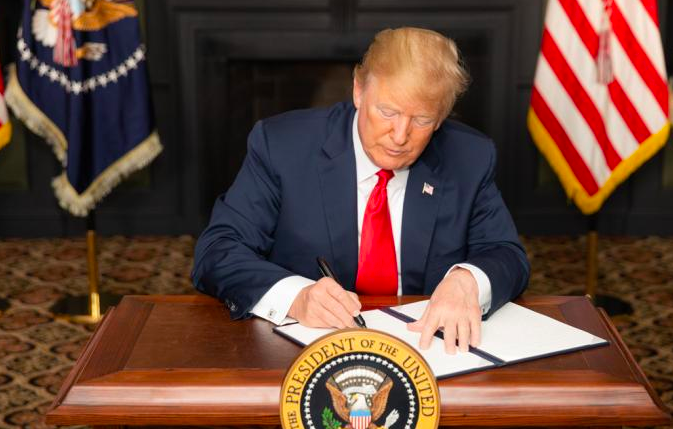
President Donald Trump has maintained a complex and often contradictory stance throughout this crisis. While he has publicly signaled a desire to negotiate an end to the conflict and has even "paused" strikes on energy infrastructure for a 10-day period (ending April 6), his administration continues to issue dire warnings. White House Press Secretary Karoline Leavitt recently stated that the President is "prepared to unleash hell" if Iran does not abandon its nuclear ambitions. This "good cop, bad cop" routine is designed to force Iran to the negotiating table, but it also creates a dangerous environment where miscalculation is likely.
The deployment of the 31st Marine Expeditionary Unit and the arrival of the USS Tripoli indicate that the Pentagon is preparing for the "hell" that Leavitt mentioned. These units provide the specialized capabilities needed for the coastal raids described in the Washington Post report. Within the MAGA base, there is a visible split: some supporters favor a decisive "finishing blow" to eliminate the Iranian threat, while others are wary of another "forever war" in the Middle East. This domestic political pressure undoubtedly influences the President's decision-making process as the April 6 deadline approaches.
The "Axis of Resistance" and Regional Escalation
Iran does not stand alone in this conflict. The "Axis of Resistance"—which includes the Houthis in Yemen, Hezbollah in Lebanon, and various militias in Iraq and Syria—has already begun to mobilize. The Houthis have claimed responsibility for ballistic missile attacks on southern Israel and have vowed to continue their operations until the "aggression" against Iran stops. They have also threatened to intervene directly if more countries join the U.S. and Israel in their campaign. This regional network allows Iran to strike back at U.S. allies without necessarily using its own territory as a launchpad.
In Lebanon, the situation is equally tense. Israeli forces have expanded their ground operations in the south, leading to clashes with UN peacekeepers and Lebanese paramedics. The risk of a "second front" opening up fully in the north remains a primary concern for military planners. If Iran feels that a ground invasion is imminent, it may order Hezbollah to launch a full-scale rocket barrage against Israeli population centers, a move that would almost certainly trigger a wider regional war involving multiple nations and non-state actors.
Infrastructure and Nuclear Facilities: Red Lines and Risks
The proximity of the conflict to Iran's nuclear sites has drawn international condemnation. The International Atomic Energy Agency (IAEA) has expressed deep concern after projectiles reportedly landed near the Bushehr Nuclear Power Plant. While the U.S. and Israel maintain that their goal is to prevent Iran from obtaining a nuclear weapon, the risk of a "radiological incident" due to conventional strikes is high. Secretary of State Marco Rubio has stated that the U.S. can achieve its goals without ground troops, yet the Pentagon's planning suggests that "securing" enriched uranium might eventually require a physical presence at these sites.
Beyond nuclear facilities, the targeting of Iran's industrial base—such as the steel plants in Isfahan and yellowcake production in Yazd—is intended to cripple the country's long-term military viability. However, these facilities are also vital to the civilian economy. By destroying them, the U.S. and Israel are effectively practicing a policy of "economic neutralization." Iran's President Masoud Pezeshkian has vowed that any further attacks on economic centers will result in a "strong" and immediate response, potentially targeting similar civilian infrastructure in Gulf states, as seen with the recent strike on Aluminium Bahrain.
FAQ: Understanding the Potential Ground Operation in Iran
Frequently Asked Questions
- Is the U.S. planning a full-scale invasion of Iran?
No, current reports suggest the Pentagon is planning for limited ground operations and raids lasting weeks, not a full-scale invasion or long-term occupation. - How has Iran responded to the threat of ground operations?
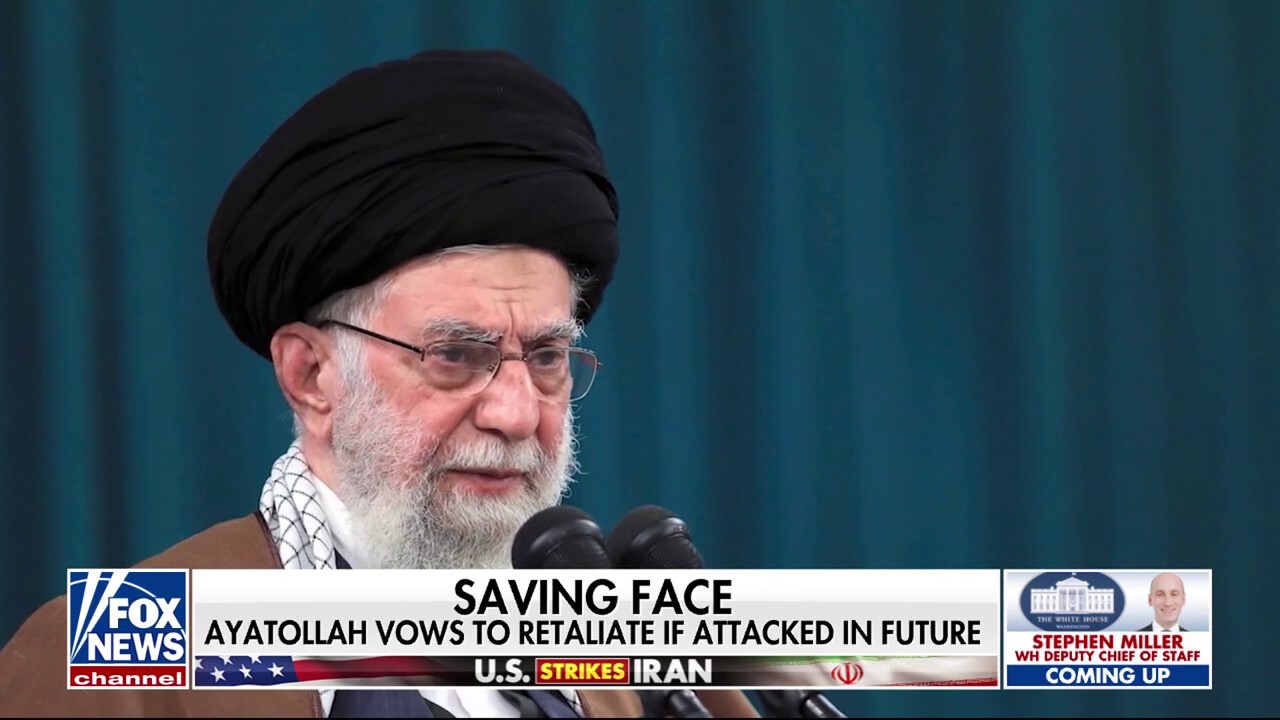
Iran has warned that any ground troops will be "set on fire" and has threatened to target U.S. interests, including universities in the Middle East. - What are the primary targets of these potential raids?
Strategic targets include Kharg Island (an oil hub), the Strait of Hormuz coastal missile sites, and facilities related to Iran's nuclear program. - How many U.S. troops have been killed in the conflict so far?
As of late March 2026, 13 U.S. service members have been killed in action, and over 300 have been wounded by Iranian drone and missile strikes. - What is the April 6 deadline mentioned by President Trump?
Trump has set a 10-day deadline ending April 6 for Iran to open the Strait of Hormuz, threatening to target power plants if they do not comply.
Conclusion
The possibility of U.S. ground operations in Iran marks the most dangerous phase of the Middle East crisis to date. While the Pentagon describes these potential raids as limited and strategic, the reality of ground combat in such a hostile environment is fraught with unpredictable risks. Iran’s promise to "set American troops on fire" and its threats against civilian targets like universities suggest a conflict that could quickly spiral out of control, involving the entire region in a devastating war. As both sides harden their positions and the April 6 deadline looms, the world watches with bated breath, hoping that diplomacy can still find a path forward before the first boots touch the ground.
Live: Iran threatens to retaliate if Pentagon orders ground operation
Live: Iran threatens to retaliate if Pentagon orders ground operation Wallpapers
Collection of live: iran threatens to retaliate if pentagon orders ground operation wallpapers for your desktop and mobile devices.
Artistic Live: Iran Threatens To Retaliate If Pentagon Orders Ground Operation Artwork Art
A captivating live: iran threatens to retaliate if pentagon orders ground operation scene that brings tranquility and beauty to any device.

Dynamic Live: Iran Threatens To Retaliate If Pentagon Orders Ground Operation Image Collection
This gorgeous live: iran threatens to retaliate if pentagon orders ground operation photo offers a breathtaking view, making it a perfect choice for your next wallpaper.

Spectacular Live: Iran Threatens To Retaliate If Pentagon Orders Ground Operation View for Mobile
Find inspiration with this unique live: iran threatens to retaliate if pentagon orders ground operation illustration, crafted to provide a fresh look for your background.

Amazing Live: Iran Threatens To Retaliate If Pentagon Orders Ground Operation Picture Art
Explore this high-quality live: iran threatens to retaliate if pentagon orders ground operation image, perfect for enhancing your desktop or mobile wallpaper.
Amazing Live: Iran Threatens To Retaliate If Pentagon Orders Ground Operation Capture Digital Art
Explore this high-quality live: iran threatens to retaliate if pentagon orders ground operation image, perfect for enhancing your desktop or mobile wallpaper.
Breathtaking Live: Iran Threatens To Retaliate If Pentagon Orders Ground Operation Moment in HD
Experience the crisp clarity of this stunning live: iran threatens to retaliate if pentagon orders ground operation image, available in high resolution for all your screens.
Beautiful Live: Iran Threatens To Retaliate If Pentagon Orders Ground Operation Background in HD
Experience the crisp clarity of this stunning live: iran threatens to retaliate if pentagon orders ground operation image, available in high resolution for all your screens.

Amazing Live: Iran Threatens To Retaliate If Pentagon Orders Ground Operation Picture Concept
Discover an amazing live: iran threatens to retaliate if pentagon orders ground operation background image, ideal for personalizing your devices with vibrant colors and intricate designs.

Serene Live: Iran Threatens To Retaliate If Pentagon Orders Ground Operation Background Photography
Discover an amazing live: iran threatens to retaliate if pentagon orders ground operation background image, ideal for personalizing your devices with vibrant colors and intricate designs.
Mesmerizing Live: Iran Threatens To Retaliate If Pentagon Orders Ground Operation Background for Your Screen
Explore this high-quality live: iran threatens to retaliate if pentagon orders ground operation image, perfect for enhancing your desktop or mobile wallpaper.

Spectacular Live: Iran Threatens To Retaliate If Pentagon Orders Ground Operation Abstract Illustration
Find inspiration with this unique live: iran threatens to retaliate if pentagon orders ground operation illustration, crafted to provide a fresh look for your background.
Captivating Live: Iran Threatens To Retaliate If Pentagon Orders Ground Operation Wallpaper Concept
Find inspiration with this unique live: iran threatens to retaliate if pentagon orders ground operation illustration, crafted to provide a fresh look for your background.

Vivid Live: Iran Threatens To Retaliate If Pentagon Orders Ground Operation Design for Mobile
Transform your screen with this vivid live: iran threatens to retaliate if pentagon orders ground operation artwork, a true masterpiece of digital design.
Dynamic Live: Iran Threatens To Retaliate If Pentagon Orders Ground Operation Moment Photography
Find inspiration with this unique live: iran threatens to retaliate if pentagon orders ground operation illustration, crafted to provide a fresh look for your background.

High-Quality Live: Iran Threatens To Retaliate If Pentagon Orders Ground Operation Picture in HD
Experience the crisp clarity of this stunning live: iran threatens to retaliate if pentagon orders ground operation image, available in high resolution for all your screens.

Spectacular Live: Iran Threatens To Retaliate If Pentagon Orders Ground Operation Wallpaper Digital Art
This gorgeous live: iran threatens to retaliate if pentagon orders ground operation photo offers a breathtaking view, making it a perfect choice for your next wallpaper.
Lush Live: Iran Threatens To Retaliate If Pentagon Orders Ground Operation Background Collection
Immerse yourself in the stunning details of this beautiful live: iran threatens to retaliate if pentagon orders ground operation wallpaper, designed for a captivating visual experience.
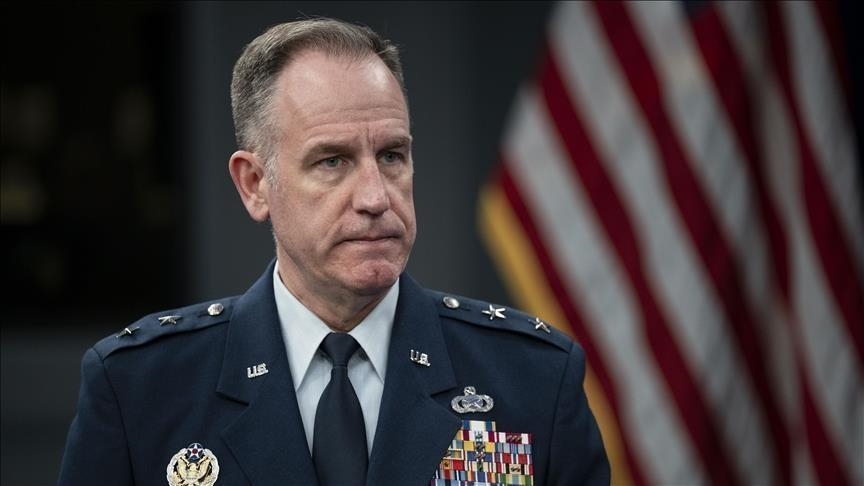
Vibrant Live: Iran Threatens To Retaliate If Pentagon Orders Ground Operation Design for Mobile
Explore this high-quality live: iran threatens to retaliate if pentagon orders ground operation image, perfect for enhancing your desktop or mobile wallpaper.

Gorgeous Live: Iran Threatens To Retaliate If Pentagon Orders Ground Operation Scene for Desktop
This gorgeous live: iran threatens to retaliate if pentagon orders ground operation photo offers a breathtaking view, making it a perfect choice for your next wallpaper.

Detailed Live: Iran Threatens To Retaliate If Pentagon Orders Ground Operation Background Digital Art
Transform your screen with this vivid live: iran threatens to retaliate if pentagon orders ground operation artwork, a true masterpiece of digital design.
Download these live: iran threatens to retaliate if pentagon orders ground operation wallpapers for free and use them on your desktop or mobile devices.