Iran war: China stops exporting petrol, diesel and jet fuel, Australia bears the brunt
Iran war: China stops exporting petrol, diesel and jet fuel, Australia bears the brunt
The escalation of the Iran-US war has triggered a seismic shift in global energy dynamics, with China taking the unprecedented step of suspending all exports of refined petroleum products. As the world's largest energy consumer grapples with the potential total closure of the Strait of Hormuz, Beijing has ordered its massive state-run refineries to halt shipments of petrol, diesel, and jet fuel to international markets. This strategic pivot aims to fortify China's domestic reserves as Middle Eastern supply lines become increasingly perilous. However, the ripple effects are being felt most acutely in the Asia-Pacific region, particularly in Australia. Heavily dependent on Asian refinery hubs for its liquid fuel security, Australia is now bearing the brunt of this supply vacuum, facing soaring prices and the looming threat of rationing as its primary import sources vanish overnight.
China has officially suspended the export of petrol, diesel, and jet fuel to prioritize its domestic energy security amid the escalating Iran war. This decision has caused immediate supply shocks across the Asia-Pacific, with Australia being one of the most affected nations due to its high reliance on imported refined fuels. As global crude prices surge past $120 per barrel and maritime traffic through the Strait of Hormuz grinds to a halt, the region faces a historic energy crisis characterized by record-high pump prices and emergency government interventions.
The Strategic Pivot: Why Beijing Halted Fuel Exports
China's decision to lock down its refined fuel supplies is a direct response to the deepening conflict in the Middle East. Following the outbreak of hostilities on February 28, 2026, the National Development and Reform Commission (NDRC) held emergency meetings with top oil executives. The directive was clear: immediate suspension of external sales. Beijing’s primary concern is the stability of its own economy, which remains the world’s largest importer of crude oil. By halting exports, China is effectively building a "fuel fortress," ensuring that its transportation and industrial sectors remain operational even if Middle Eastern imports are completely severed.
Historically, China has been a major exporter of diesel and gasoline to regional neighbors. However, the risk of a prolonged "manmade crisis" in the Persian Gulf has forced a re-evaluation of priorities. The "shadow fleet" of tankers that previously moved Iranian oil to Chinese ports is now under threat of direct military engagement, making every drop of existing inventory precious. For Beijing, the export ban is not just an economic measure; it is a vital component of national defense as the region teeters on the brink of a "dangerous abyss."
Australia’s Vulnerability: The Deepening Energy Crisis Down Under
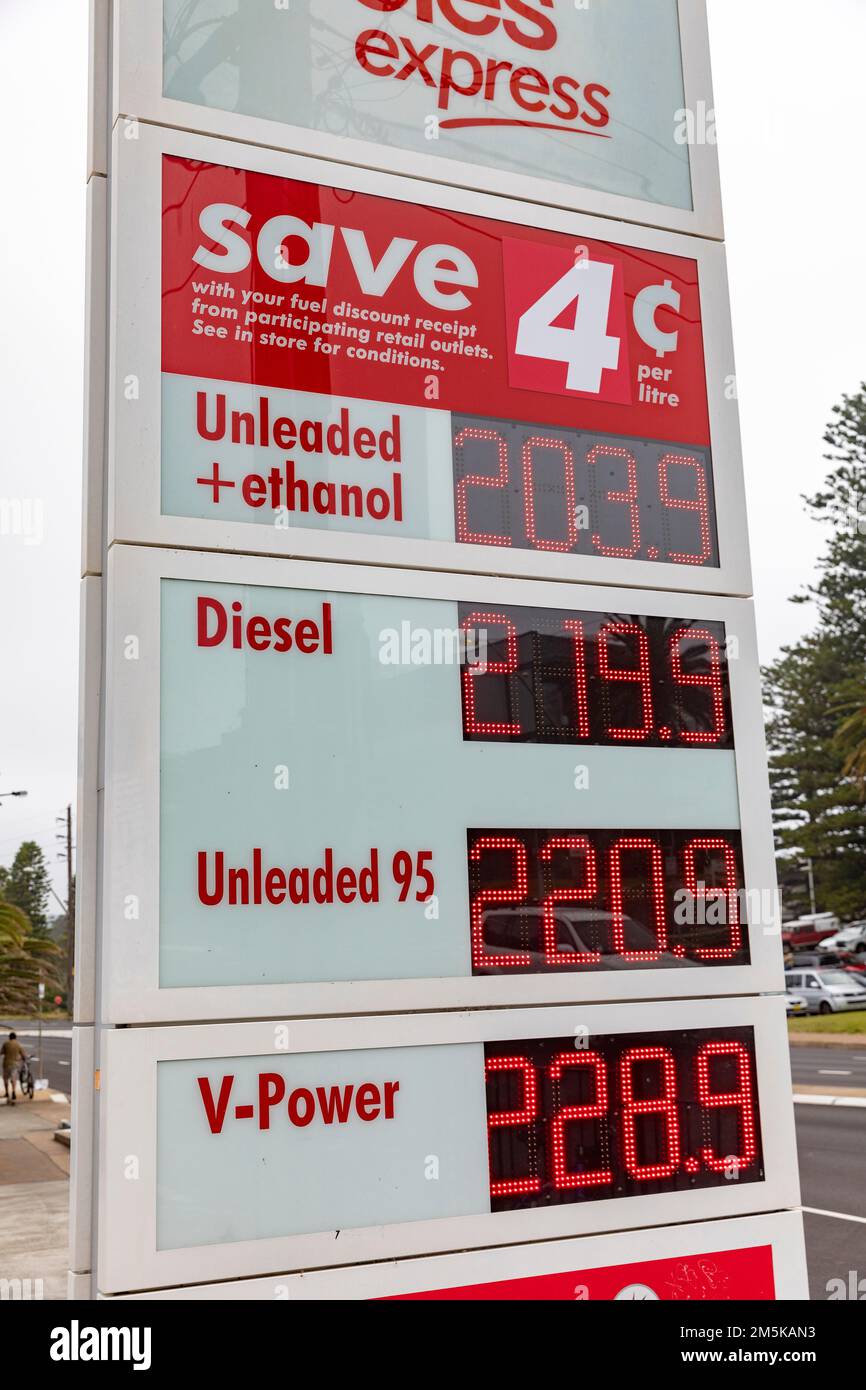
Australia finds itself in a precarious position as a direct result of China's export ban. Unlike many other developed nations, Australia has seen its domestic refining capacity dwindle over the last decade, leaving it almost entirely dependent on imports from Singapore, South Korea, and China. With Chinese volumes suddenly removed from the market and regional refineries prioritizing their own domestic needs, the Australian fuel supply chain is under immense strain. The "brunt" being borne by Australia is visible at the petrol pump, where prices have skyrocketed to record levels in major cities like Sydney, Melbourne, and Perth.
The Australian government is now facing calls to activate emergency fuel reserves and implement rationing for non-essential travel. The logistical nightmare extends beyond passenger vehicles; Australia’s vast agricultural and mining sectors rely heavily on diesel. Without a steady flow of imports, the cost of moving goods across the continent is set to rise exponentially, fueling inflation and threatening the stability of the national economy. The current crisis highlights a long-standing strategic weakness in Australia's sovereign fuel security.
Global Oil Markets in Turmoil: Brent Surpasses Record Highs
The international energy market is in a state of hyper-volatility. Since the commencement of the Iran war, Brent crude has seen price spikes of over 60%, briefly touching $120 per barrel. The Strait of Hormuz, which typically handles 20% of global oil consumption, has become a "no-go zone" for many international shipping firms. Tankers that do brave the route face the threat of drone attacks and naval skirmishes, leading to a massive increase in insurance premiums and shipping costs. This "war premium" is being passed directly to consumers globally.
Market analysts warn that if the conflict continues to target energy infrastructure, such as the recent strikes on Iran’s Kharg Island and refineries in Saudi Arabia, the world could face a deficit of nearly 9 million barrels of oil per day. This extreme deficit is what is driving the aggressive hoarding behaviors seen in major economies like China and India. The alignment of WTI prices with Brent further indicates that no region is immune to the shocks radiating from the Middle East.
The Impact on Aviation and Global Logistics
The suspension of jet fuel exports from China is sending shockwaves through the global aviation industry. Airlines operating in the Asia-Pacific region are seeing fuel surcharges climb to unprecedented heights, making air travel significantly more expensive. In Australia, domestic carriers are already adjusting flight schedules to conserve fuel. The crisis is also hitting the maritime shipping industry. With diesel and marine fuels in short supply, the cost of transporting consumer goods is rising, leading to a "cascading effect" on global inflation.
Supply chain experts note that fuel typically accounts for 50% to 60% of the operating costs for shipping companies. As these costs rise, every item—from electronics to fresh produce—becomes more expensive for the end user. This "transportation tax" caused by the Iran war is threatening to derail the global post-pandemic recovery, pushing many nations toward a period of stagflation.
| Fuel Type | Impact of China's Export Ban |
|---|---|
| Diesel | Critical shortage for Australian trucking and agriculture sectors. |
| Petrol | Record-high retail prices exceeding $2.50 per liter in many regions. |
| Jet Fuel | Massive surcharges for airlines and potential flight cancellations. |
| Marine Fuel | Significant increase in global shipping and logistics costs. |
Regional Responses: Rationing and Price Caps
In response to the crisis, governments across Asia and the Pacific are taking drastic measures. South Korea has introduced its first fuel price cap in 30 years, while Pakistan has shifted to a four-day workweek to reduce energy consumption. In Australia, the debate has shifted toward long-term energy independence and the acceleration of the transition to electric vehicles. However, these are long-term solutions to an immediate and pressing problem. For now, the focus remains on securing enough fuel to keep essential services running.
India and Japan are also tapping into their strategic petroleum reserves (SPR) to alleviate the pressure on their domestic markets. The International Energy Agency (IEA) has coordinated the release of 400 million barrels of oil from stockpiles worldwide, but even this massive intervention has failed to significantly lower prices given the scale of the disruption in the Middle East. The sense of panic is palpable, with many nations realizing just how fragile their energy security truly is.
The Human Cost: Food Security and Inflation
Perhaps the most concerning aspect of the fuel crisis is its impact on food security. Agriculture is a fuel-intensive industry. From the diesel used to power tractors and irrigation systems to the natural gas used to produce fertilizers, the energy crisis is directly translating into higher food prices. Farmers in Australia and Southeast Asia are warning that the rising cost of production will lead to higher grocery bills for families already struggling with a cost-of-living crisis.
Economists have long noted that oil and food prices move in "lockstep." As the Iran war continues to disrupt supply chains, the risk of food shortages in lower-income countries increases. In higher-income nations like Australia, the impact is felt through sustained inflation, which reduces consumer spending and threatens to trigger a recession. The "manmade crisis" is not just an energy problem; it is a global humanitarian concern.
Geopolitical Fallout: A Reshuffled World Order
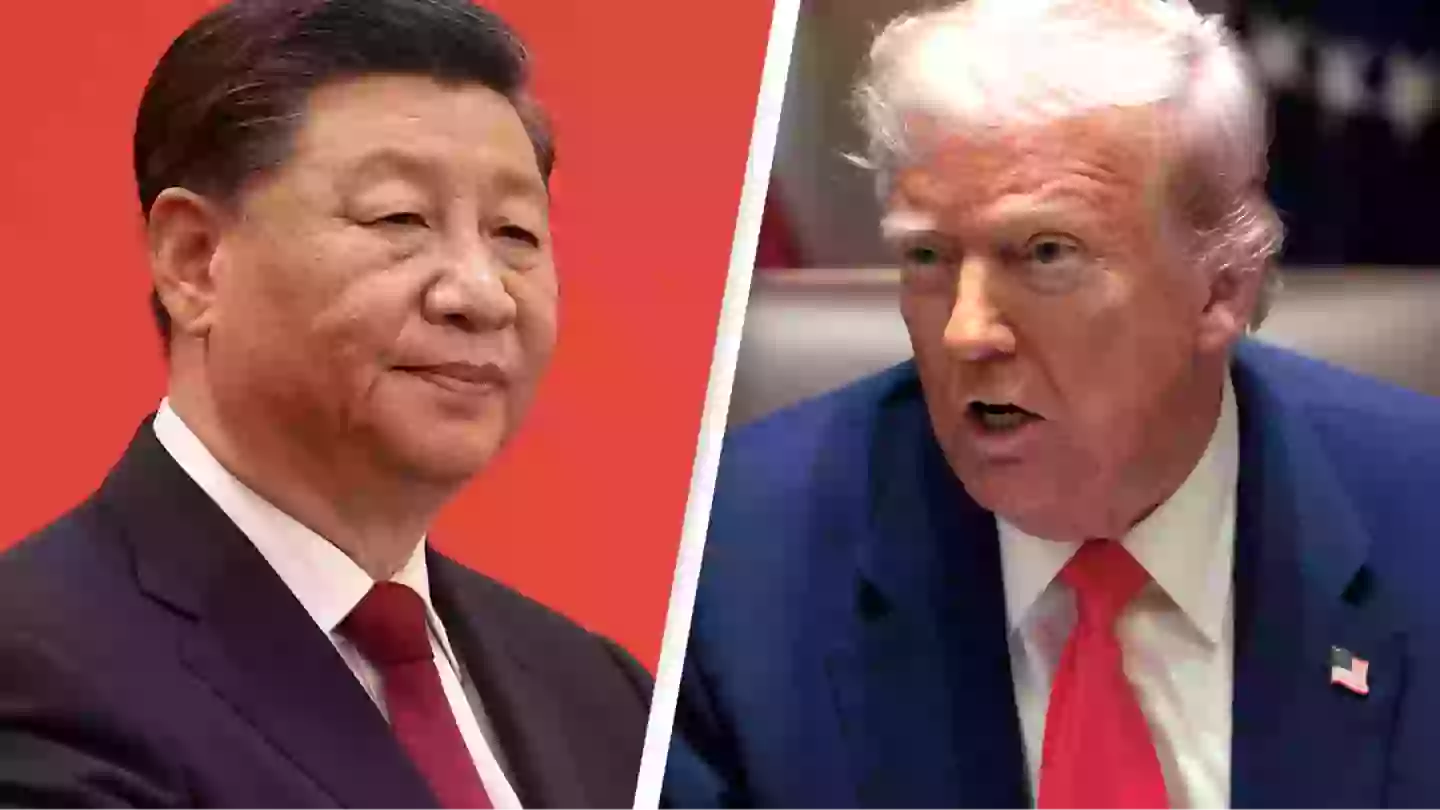
The Iran war is also reshaping geopolitical alliances. China’s decision to prioritize its own needs at the expense of its neighbors has raised questions about the reliability of regional trade partnerships. Meanwhile, the United States is under pressure to increase its own production and export capacity to fill the void left by the Middle East and China. The conflict has exposed the "Achilles' heel" of many Asian economies—their overwhelming dependence on the Strait of Hormuz.
As the conflict enters its third week, the calls for a diplomatic solution are growing louder. However, with both sides striking critical energy infrastructure, the path to peace seems increasingly narrow. The world is watching closely as the two superpowers, the US and China, navigate this crisis, with the global economy hanging in the balance. The era of cheap, reliable energy appears to have come to an abrupt end.
Future Outlook: Is Energy Independence Possible?
The current crisis has served as a wake-up call for nations like Australia. The reliance on a single geographic region for essential energy supplies is now seen as an unacceptable risk. Moving forward, there will likely be a massive push for increased domestic refining capacity, more significant investment in renewable energy, and the development of alternative fuels like green hydrogen. However, building this infrastructure will take years, if not decades.
In the short term, the world must find a way to manage the current supply shock. Whether through increased production from non-OPEC nations or a de-escalation of the conflict in Iran, a resolution is needed to prevent a global economic collapse. For now, nations will continue to hoard reserves and implement austerity measures, hoping to weather the storm until stability returns to the Middle East.
FAQs
Q1: Why did China stop exporting petrol and diesel?
A1: China suspended exports to ensure domestic energy security and build up its own reserves following the outbreak of the Iran war, which threatens Middle Eastern oil supply lines.
Q2: How is Australia affected by China's export ban?
A2: Australia is heavily dependent on refined fuel imports from Asian hubs. The removal of Chinese supply has led to record-high fuel prices and potential shortages across the country.
Q3: What has happened to global oil prices since the war began?
A3: Brent crude prices have surged by over 60%, surpassing $120 per barrel due to supply disruptions and the effective closure of the Strait of Hormuz.
Q4: Are other countries implementing fuel rationing?
A4: Yes, several countries including Pakistan and Bangladesh have introduced fuel-saving measures or rationing to manage the crisis.
Q5: Will fuel prices go down soon?
A5: Prices are expected to remain high and volatile as long as the conflict in the Middle East continues to disrupt oil production and shipping routes.
Conclusion
The Iran war has fundamentally altered the global energy landscape, precipitating a crisis that has left nations like Australia incredibly vulnerable. China’s strategic decision to halt refined fuel exports is a stark reminder of how quickly global supply chains can disintegrate in the face of geopolitical conflict. As Australia bears the brunt of these disruptions through record prices and supply insecurity, the world is forced to confront the fragility of its reliance on fossil fuels and concentrated trade routes. The coming months will be a test of economic resilience and political willpower as the global community seeks to navigate the most significant energy shock of the 21st century. Without a swift de-escalation of the conflict, the current turmoil in the fuel markets may just be the beginning of a much deeper global economic realignment.
Iran war: China stops exporting petrol, diesel and jet fuel, Australia bears the brunt
Iran war: China stops exporting petrol, diesel and jet fuel, Australia bears the brunt Wallpapers
Collection of iran war: china stops exporting petrol, diesel and jet fuel, australia bears the brunt wallpapers for your desktop and mobile devices.
High-Quality Iran War: China Stops Exporting Petrol, Diesel And Jet Fuel, Australia Bears The Brunt Picture Digital Art
Discover an amazing iran war: china stops exporting petrol, diesel and jet fuel, australia bears the brunt background image, ideal for personalizing your devices with vibrant colors and intricate designs.
Captivating Iran War: China Stops Exporting Petrol, Diesel And Jet Fuel, Australia Bears The Brunt Design in 4K
A captivating iran war: china stops exporting petrol, diesel and jet fuel, australia bears the brunt scene that brings tranquility and beauty to any device.
Spectacular Iran War: China Stops Exporting Petrol, Diesel And Jet Fuel, Australia Bears The Brunt Abstract Nature
Immerse yourself in the stunning details of this beautiful iran war: china stops exporting petrol, diesel and jet fuel, australia bears the brunt wallpaper, designed for a captivating visual experience.

Exquisite Iran War: China Stops Exporting Petrol, Diesel And Jet Fuel, Australia Bears The Brunt Landscape for Desktop
A captivating iran war: china stops exporting petrol, diesel and jet fuel, australia bears the brunt scene that brings tranquility and beauty to any device.
Gorgeous Iran War: China Stops Exporting Petrol, Diesel And Jet Fuel, Australia Bears The Brunt Scene Concept
Immerse yourself in the stunning details of this beautiful iran war: china stops exporting petrol, diesel and jet fuel, australia bears the brunt wallpaper, designed for a captivating visual experience.
Artistic Iran War: China Stops Exporting Petrol, Diesel And Jet Fuel, Australia Bears The Brunt Landscape in 4K
Immerse yourself in the stunning details of this beautiful iran war: china stops exporting petrol, diesel and jet fuel, australia bears the brunt wallpaper, designed for a captivating visual experience.

Detailed Iran War: China Stops Exporting Petrol, Diesel And Jet Fuel, Australia Bears The Brunt Picture Concept
Explore this high-quality iran war: china stops exporting petrol, diesel and jet fuel, australia bears the brunt image, perfect for enhancing your desktop or mobile wallpaper.

Serene Iran War: China Stops Exporting Petrol, Diesel And Jet Fuel, Australia Bears The Brunt Design Collection
Explore this high-quality iran war: china stops exporting petrol, diesel and jet fuel, australia bears the brunt image, perfect for enhancing your desktop or mobile wallpaper.
Exquisite Iran War: China Stops Exporting Petrol, Diesel And Jet Fuel, Australia Bears The Brunt Scene for Desktop
This gorgeous iran war: china stops exporting petrol, diesel and jet fuel, australia bears the brunt photo offers a breathtaking view, making it a perfect choice for your next wallpaper.
High-Quality Iran War: China Stops Exporting Petrol, Diesel And Jet Fuel, Australia Bears The Brunt Abstract Collection
Discover an amazing iran war: china stops exporting petrol, diesel and jet fuel, australia bears the brunt background image, ideal for personalizing your devices with vibrant colors and intricate designs.
Artistic Iran War: China Stops Exporting Petrol, Diesel And Jet Fuel, Australia Bears The Brunt Capture Illustration
A captivating iran war: china stops exporting petrol, diesel and jet fuel, australia bears the brunt scene that brings tranquility and beauty to any device.
Serene Iran War: China Stops Exporting Petrol, Diesel And Jet Fuel, Australia Bears The Brunt Picture in HD
Discover an amazing iran war: china stops exporting petrol, diesel and jet fuel, australia bears the brunt background image, ideal for personalizing your devices with vibrant colors and intricate designs.
Crisp Iran War: China Stops Exporting Petrol, Diesel And Jet Fuel, Australia Bears The Brunt Wallpaper Illustration
This gorgeous iran war: china stops exporting petrol, diesel and jet fuel, australia bears the brunt photo offers a breathtaking view, making it a perfect choice for your next wallpaper.
Lush Iran War: China Stops Exporting Petrol, Diesel And Jet Fuel, Australia Bears The Brunt Photo for Mobile
This gorgeous iran war: china stops exporting petrol, diesel and jet fuel, australia bears the brunt photo offers a breathtaking view, making it a perfect choice for your next wallpaper.
High-Quality Iran War: China Stops Exporting Petrol, Diesel And Jet Fuel, Australia Bears The Brunt Scene Concept
Experience the crisp clarity of this stunning iran war: china stops exporting petrol, diesel and jet fuel, australia bears the brunt image, available in high resolution for all your screens.
Crisp Iran War: China Stops Exporting Petrol, Diesel And Jet Fuel, Australia Bears The Brunt Abstract Collection
A captivating iran war: china stops exporting petrol, diesel and jet fuel, australia bears the brunt scene that brings tranquility and beauty to any device.
 "Artistic Iran War: China Stops Exporting Petrol, Diesel And Jet Fuel, Australia Bears The Brunt Moment Concept")
Artistic Iran War: China Stops Exporting Petrol, Diesel And Jet Fuel, Australia Bears The Brunt Moment Concept
This gorgeous iran war: china stops exporting petrol, diesel and jet fuel, australia bears the brunt photo offers a breathtaking view, making it a perfect choice for your next wallpaper.

Stunning Iran War: China Stops Exporting Petrol, Diesel And Jet Fuel, Australia Bears The Brunt Moment Concept
A captivating iran war: china stops exporting petrol, diesel and jet fuel, australia bears the brunt scene that brings tranquility and beauty to any device.
Amazing Iran War: China Stops Exporting Petrol, Diesel And Jet Fuel, Australia Bears The Brunt Artwork Photography
Discover an amazing iran war: china stops exporting petrol, diesel and jet fuel, australia bears the brunt background image, ideal for personalizing your devices with vibrant colors and intricate designs.

High-Quality Iran War: China Stops Exporting Petrol, Diesel And Jet Fuel, Australia Bears The Brunt Photo for Mobile
Explore this high-quality iran war: china stops exporting petrol, diesel and jet fuel, australia bears the brunt image, perfect for enhancing your desktop or mobile wallpaper.
Download these iran war: china stops exporting petrol, diesel and jet fuel, australia bears the brunt wallpapers for free and use them on your desktop or mobile devices.