Flock or Foe? What Flock cameras are capturing as you drive past, and who has access
Flock or Foe? What Flock cameras are capturing as you drive past, and who has access
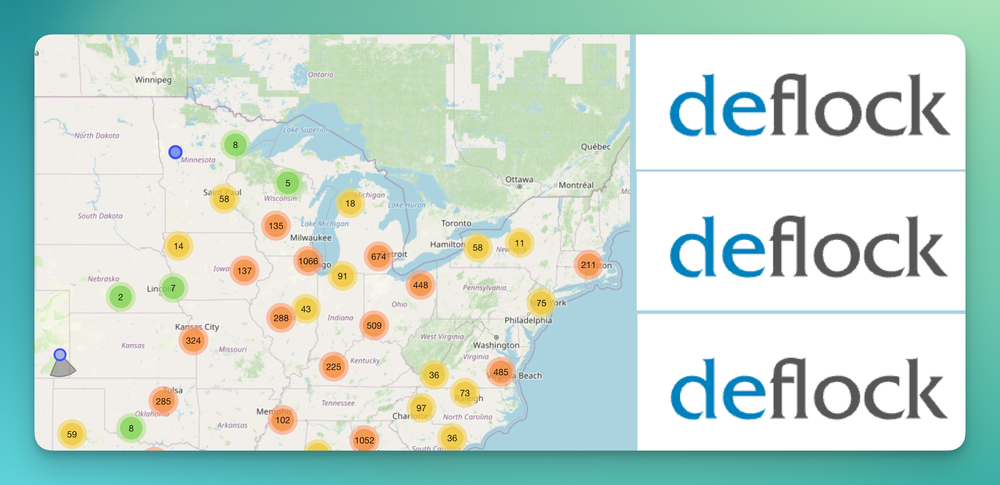
As you navigate the streets of over 5,000 cities across the United States, a silent network of solar-powered observers is watching. Flock Safety cameras, the ubiquitous automatic license plate readers (ALPRs), have become a cornerstone of modern policing and community security. These sleek, pole-mounted devices are no longer just tools for high-speed chases; they are part of a sophisticated AI-driven ecosystem designed to capture objective evidence of every vehicle that passes. From neighborhood HOAs to major metropolitan police departments, the proliferation of this technology has sparked a nationwide debate: is it a vital shield against crime, or an unprecedented leap toward mass surveillance? This News Trending Update dives deep into the technical capabilities of these cameras, the specific data points they harvest, and the complex web of entities that can access your travel history.
The "Flock or Foe" debate centers on Flock Safety's ALPR technology, which captures point-in-time still images of vehicle license plates and "Vehicle Fingerprints" (make, model, color, and unique features) on public roads. While law enforcement agencies use this data to solve homicides, recover kidnapped children, and find missing seniors, civil liberties advocates express concerns over privacy, the potential for tracking movements without warrants, and the sharing of data with federal agencies like ICE. Flock data is typically stored for 30 days and is accessible to police departments, participating HOAs, and businesses within the FlockOS network.
How Flock Safety Cameras Work: Beyond Simple License Plate Reading
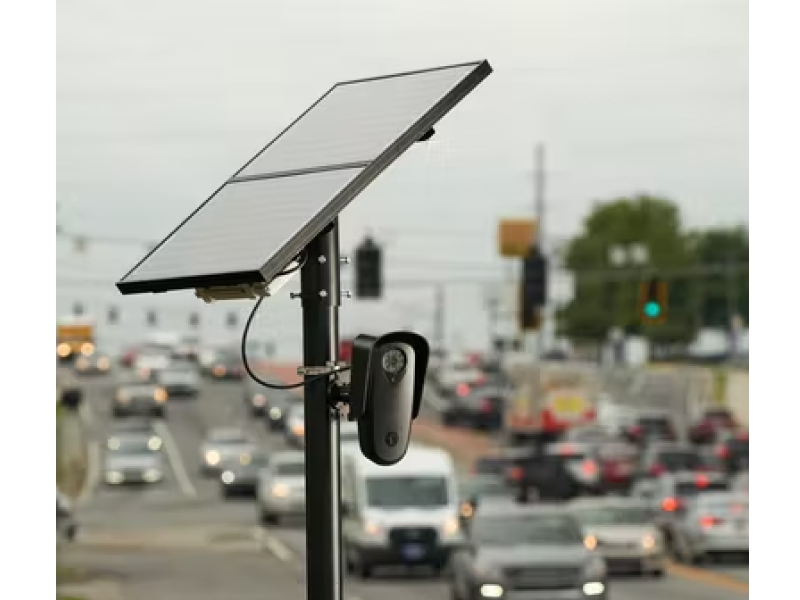
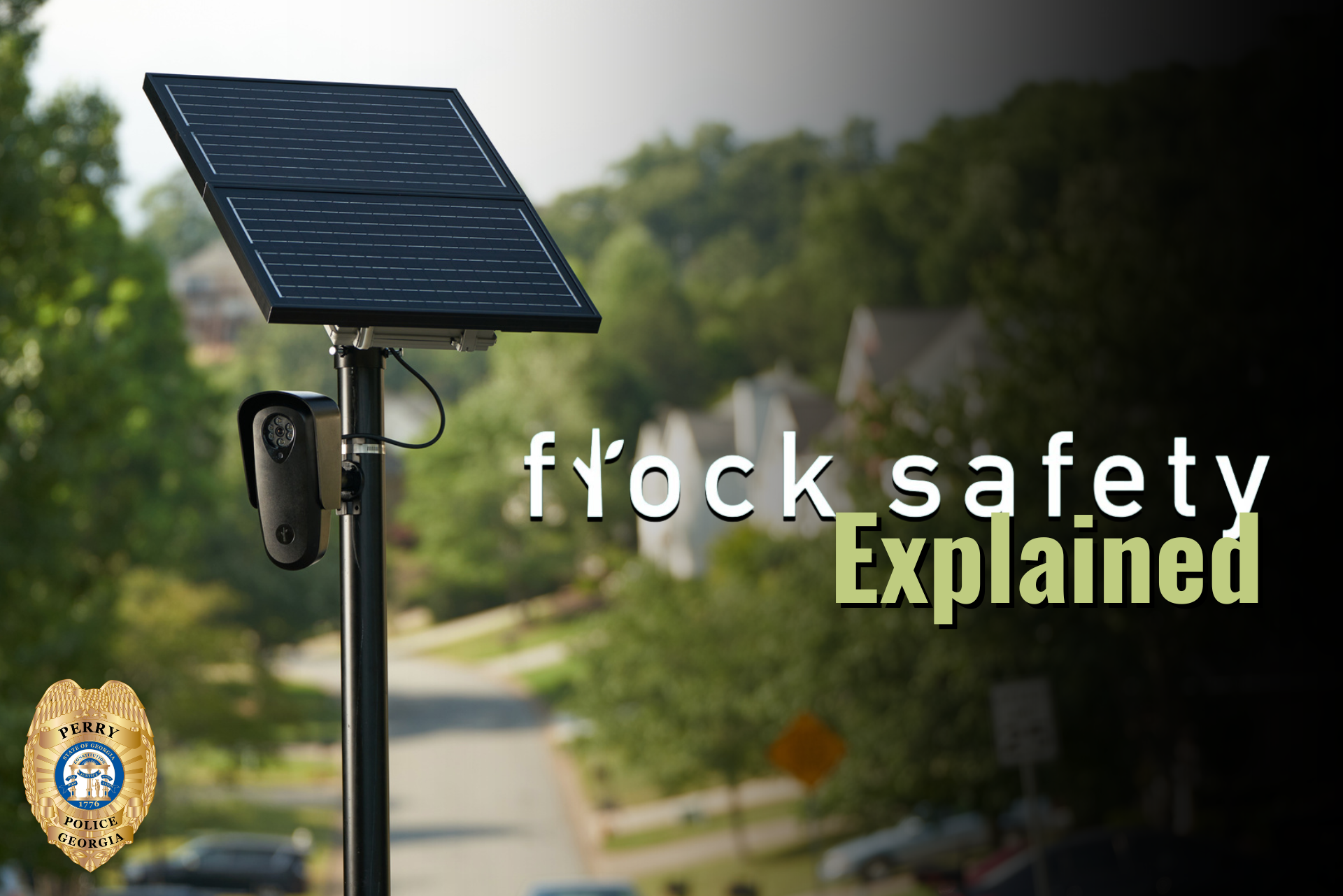
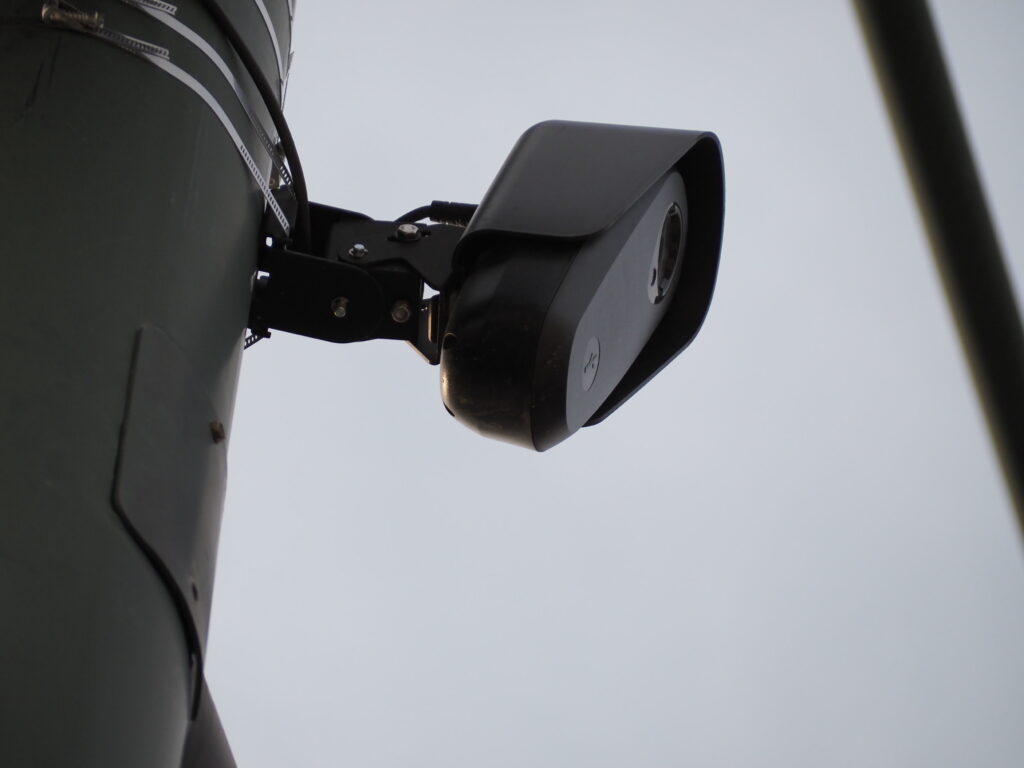
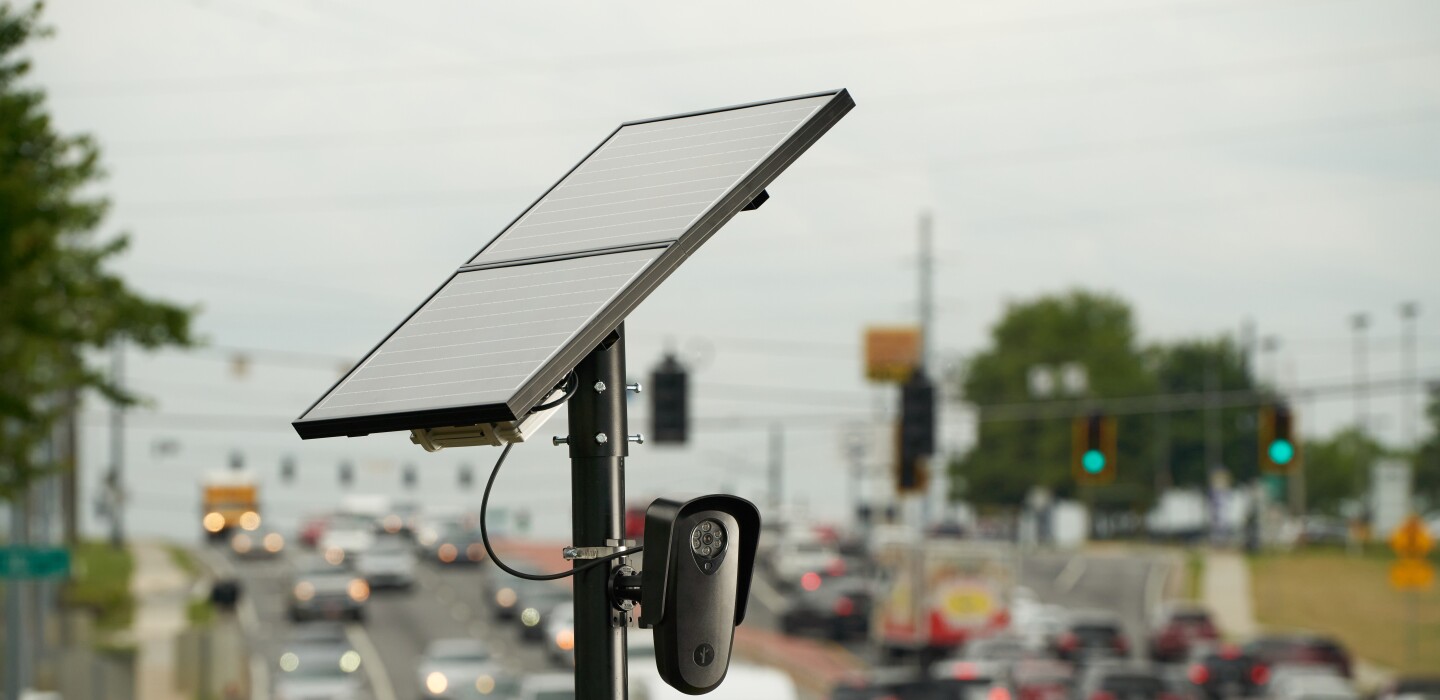
Unlike traditional CCTV cameras that record continuous video footage, Flock Safety cameras are motion-activated, high-speed still-image capture devices. They are primarily designed to capture the rear of a vehicle as it passes through a 20-foot wide corridor, which typically covers about 1.5 lanes of traffic. Operating 24/7 and powered by solar energy with LTE connectivity, these cameras utilize specialized sensors to handle vehicles traveling at speeds up to 100 mph.
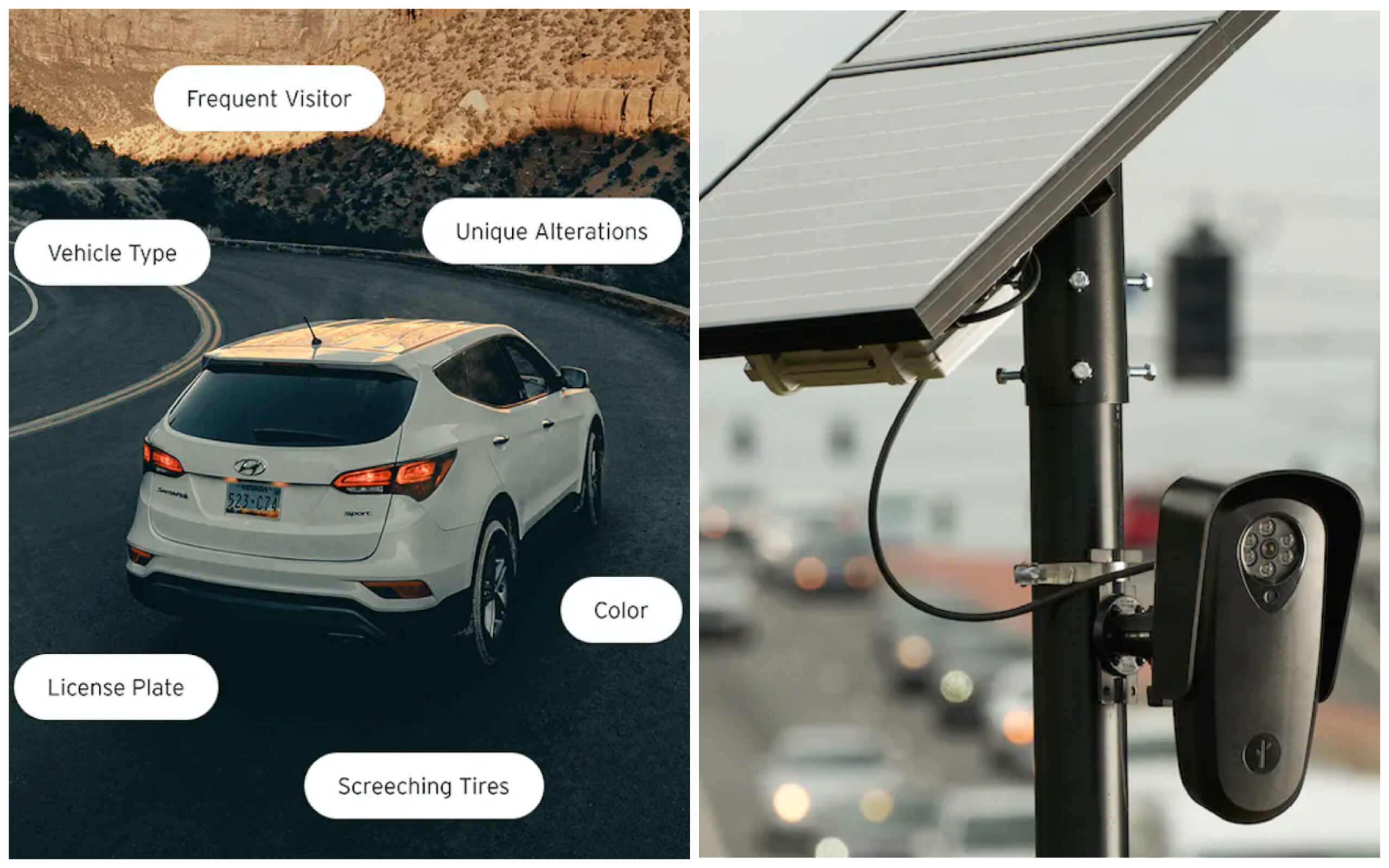
The "intelligence" of the system lies in its ability to process these images instantly. When a vehicle triggers the sensor, the camera takes a series of 6 to 12 images. The onboard AI immediately analyzes these frames to identify the license plate number, the state of issuance, and the "Vehicle Fingerprint." This fingerprinting technology is what sets Flock apart; it can categorize vehicles by make, model, color, and even specific alterations like roof racks, bumper stickers, or body damage. This data is then uploaded to a centralized cloud platform known as FlockOS.
The Data Harvest: What Exactly is Being Captured?
Every time you drive past a Flock camera, a digital record is created. It is important to understand that while the system does not use facial recognition to identify drivers or passengers, it captures a wealth of metadata that can be just as revealing. The primary data points include:
- Full or Partial License Plate: Even if a plate is dirty or obscured, the AI attempts a "best guess" or allows for searching by partial characters.
- Vehicle Type and Color: Distinguishing between a sedan, SUV, or pickup truck, and identifying its primary color.
- Unique Identifiers: This includes specific features like aftermarket wheels, unique decals, or even specific damage like a cracked taillight.
- Temporal and Geospatial Data: Every capture is timestamped with the exact second and geocoded with the specific camera's location.
- Direction of Travel: Identifying whether the vehicle was entering or exiting a specific neighborhood or jurisdiction.
This information is stored in an encrypted state, both while being sent to the cloud and while sitting in storage. For most jurisdictions, this data is retained for a rolling 30-day period, after which it is permanently deleted unless it has been flagged as evidence in an active investigation.
Who Has the Keys? Navigating the Access Tiers of FlockOS
The question of "who has access" is perhaps the most controversial aspect of the Flock network. The system is designed to facilitate "hotlist" alerts, where law enforcement is notified within seconds if a vehicle associated with a crime—such as a stolen car or a vehicle linked to an AMBER Alert—passes a camera. However, the architecture of FlockOS allows for various levels of data sharing:
Law enforcement agencies are the primary users. They can search the database for specific plates or vehicle characteristics related to investigations. Critically, many agencies "share" their camera feeds with neighboring jurisdictions, creating a regional or even national web of searchable data. Private entities, such as Homeowners Associations (HOAs) and retail businesses, also purchase these cameras. While these private users can see the "captures" from their own cameras, they often opt to share their data directly with local police departments to assist in neighborhood safety.
Controversy has arisen regarding federal access. Reports have indicated that agencies like Immigration and Customs Enforcement (ICE) and Customs and Border Protection (CBP) can sometimes access local police data through inter-agency sharing agreements, even in "sanctuary" jurisdictions where local laws might otherwise prohibit such cooperation.
| User Category | Data Access Level |
|---|---|
| Law Enforcement Agencies | Full search capabilities across local and shared partner networks; access to NCIC Hotlists. |
| HOAs and Neighborhoods | Access to footage from their specific cameras; ability to create "Safe Lists" for residents. |
| Private Businesses | Monitoring of business perimeters; alerts for known shoplifting vehicles or banned individuals. |
| Federal Agencies (ICE/DEA) | Access via inter-agency sharing agreements with local police departments in the Flock network. |
The "Flock" Side: Solving Crimes and Saving Lives
Proponents of Flock Safety point to a staggering array of success stories. Law enforcement agencies report that the technology provides the "objective lead" necessary to solve cases that would otherwise go cold. In Savannah, Georgia, and Knoxville, Tennessee, Flock cameras have been credited with finding missing seniors with dementia within hours of a Silver Alert being issued. The speed of the system is often the difference between a safe recovery and a tragic outcome.
In terms of violent crime, the statistics are often cited by police chiefs as a justification for the expense. Some departments report that LPR data is instrumental in over 90% of solved homicide cases since implementation. By identifying a suspect's vehicle fleeing a scene, police can narrow their search from thousands of potential suspects to a single, verifiable lead. The technology is also a major deterrent for property crimes, as professional thieves often avoid neighborhoods clearly marked with Flock Safety signage.
The "Foe" Side: Civil Liberties and the Risk of Mass Surveillance
On the other side of the debate, organizations like the ACLU and the Electronic Frontier Foundation (EFF) argue that Flock is building a "privatized mass surveillance" infrastructure. The primary concern is the "dragnet" nature of the technology: it records everyone, regardless of whether they are suspected of a crime. This creates a detailed log of the movements of innocent citizens, which could be used to track visits to doctors, political rallies, or places of worship.
Privacy advocates also warn about "function creep." What starts as a tool to find stolen cars can easily expand into monitoring protesters or, in some states, tracking individuals seeking reproductive healthcare. The centralized nature of the database makes it a high-value target for hackers, and security researchers have previously highlighted vulnerabilities that could allow unauthorized access to sensitive movement data. Furthermore, the lack of uniform national regulation means that privacy protections vary wildly from one city to the next.
Transparency and Safeguards: Can the System Be Regulated?
In response to criticism, Flock Safety and many of its law enforcement partners have implemented "Transparency Portals." These public-facing websites allow citizens to see how many cameras are in their city, how many "hits" are generated, and what the department's specific data retention policies are. Some of the safeguards currently in place include:
- Audit Logs: Every search performed by an officer must be tied to a case number and is logged for internal review.
- Data Retention Limits: The default 30-day deletion policy ensures that data doesn't sit on servers indefinitely.
- Resident "Safe Lists": In HOA settings, residents can often opt to have their own license plates ignored by the system to maintain their personal privacy.
- Encryption: Ensuring that data is unreadable if intercepted by third parties during transmission.
Despite these measures, critics argue that self-regulation by a private company is not a substitute for robust legal frameworks. They call for laws that require warrants for historical data searches and strict prohibitions on sharing data with federal agencies without a court order.
Future Outlook: AI, Video, and Drone Integration
The technology is not standing still. Flock Safety has already announced expansions that move beyond still images. New software updates allow for "Live Feeds" and short video clips, giving police real-time situational awareness. Furthermore, the integration of ALPR technology with "Drone as First Responder" (DFR) programs is on the horizon. This would allow a drone to automatically launch and follow a "hotlist" vehicle the moment it is detected by a ground-based camera.
As AI capabilities improve, the system may soon be able to detect "suspicious" driving patterns—such as a vehicle circling a block multiple times—and alert police before a crime is even committed. While this "predictive policing" approach promises to lower crime rates further, it also raises significant ethical questions about the presumption of innocence and the potential for algorithmic bias.
Conclusion
The rise of Flock Safety cameras represents a fundamental shift in how public spaces are monitored. For law enforcement, it is an indispensable tool that brings digital-age efficiency to the age-old task of keeping communities safe. For privacy advocates, it is a persistent eye that threatens the anonymity of public life. As the network continues to expand into every corner of the country, the balance between safety and liberty remains a moving target. Whether these cameras are a "flock" of protectors or a "foe" to our constitutional rights is a question that will likely be settled in the courts and legislatures in the years to come.
Frequently Asked Questions About Flock Cameras
1. Do Flock cameras use facial recognition?
No, according to Flock Safety and law enforcement policies, the cameras are designed to capture the rear of vehicles and license plates. They do not identify individuals or use facial recognition technology.
2. How long is the data stored?
The standard data retention period is 30 days. After this time, the data is permanently deleted unless it has been specifically flagged as evidence for a criminal investigation.
3. Can I find out where the cameras are located?
Many cities provide transparency portals that show the general locations or numbers of cameras. However, some specific locations may be withheld for tactical or security reasons.
4. Does Flock sell my data to third parties?
Flock Safety states that it does not sell data to third parties. The data is owned by the customer (the police department or HOA) and is only used for public safety purposes.
5. Can these cameras be used to issue speeding tickets?
Generally, no. Flock cameras are designed for investigative purposes and are not typically used for automated traffic enforcement like red-light or speed cameras, although local ordinances vary.
Flock or Foe? What Flock cameras are capturing as you drive past, and who has access
Flock or Foe? What Flock cameras are capturing as you drive past, and who has access Wallpapers
Collection of flock or foe? what flock cameras are capturing as you drive past, and who has access wallpapers for your desktop and mobile devices.
Serene Flock Or Foe? What Flock Cameras Are Capturing As You Drive Past, And Who Has Access Capture Digital Art
Experience the crisp clarity of this stunning flock or foe? what flock cameras are capturing as you drive past, and who has access image, available in high resolution for all your screens.
Exquisite Flock Or Foe? What Flock Cameras Are Capturing As You Drive Past, And Who Has Access Image for Desktop
This gorgeous flock or foe? what flock cameras are capturing as you drive past, and who has access photo offers a breathtaking view, making it a perfect choice for your next wallpaper.

Breathtaking Flock Or Foe? What Flock Cameras Are Capturing As You Drive Past, And Who Has Access Capture Digital Art
Transform your screen with this vivid flock or foe? what flock cameras are capturing as you drive past, and who has access artwork, a true masterpiece of digital design.
Stunning Flock Or Foe? What Flock Cameras Are Capturing As You Drive Past, And Who Has Access Image Digital Art
A captivating flock or foe? what flock cameras are capturing as you drive past, and who has access scene that brings tranquility and beauty to any device.
Amazing Flock Or Foe? What Flock Cameras Are Capturing As You Drive Past, And Who Has Access Photo Art
Explore this high-quality flock or foe? what flock cameras are capturing as you drive past, and who has access image, perfect for enhancing your desktop or mobile wallpaper.

Crisp Flock Or Foe? What Flock Cameras Are Capturing As You Drive Past, And Who Has Access View for Your Screen
Find inspiration with this unique flock or foe? what flock cameras are capturing as you drive past, and who has access illustration, crafted to provide a fresh look for your background.

Detailed Flock Or Foe? What Flock Cameras Are Capturing As You Drive Past, And Who Has Access Wallpaper for Desktop
Transform your screen with this vivid flock or foe? what flock cameras are capturing as you drive past, and who has access artwork, a true masterpiece of digital design.

Detailed Flock Or Foe? What Flock Cameras Are Capturing As You Drive Past, And Who Has Access Design Nature
Transform your screen with this vivid flock or foe? what flock cameras are capturing as you drive past, and who has access artwork, a true masterpiece of digital design.

Vivid Flock Or Foe? What Flock Cameras Are Capturing As You Drive Past, And Who Has Access Capture Digital Art
Transform your screen with this vivid flock or foe? what flock cameras are capturing as you drive past, and who has access artwork, a true masterpiece of digital design.

Beautiful Flock Or Foe? What Flock Cameras Are Capturing As You Drive Past, And Who Has Access Scene Photography
Discover an amazing flock or foe? what flock cameras are capturing as you drive past, and who has access background image, ideal for personalizing your devices with vibrant colors and intricate designs.

Stunning Flock Or Foe? What Flock Cameras Are Capturing As You Drive Past, And Who Has Access Scene for Desktop
A captivating flock or foe? what flock cameras are capturing as you drive past, and who has access scene that brings tranquility and beauty to any device.
High-Quality Flock Or Foe? What Flock Cameras Are Capturing As You Drive Past, And Who Has Access Design in 4K
Discover an amazing flock or foe? what flock cameras are capturing as you drive past, and who has access background image, ideal for personalizing your devices with vibrant colors and intricate designs.

Artistic Flock Or Foe? What Flock Cameras Are Capturing As You Drive Past, And Who Has Access Photo for Mobile
Find inspiration with this unique flock or foe? what flock cameras are capturing as you drive past, and who has access illustration, crafted to provide a fresh look for your background.

Dynamic Flock Or Foe? What Flock Cameras Are Capturing As You Drive Past, And Who Has Access Abstract in 4K
This gorgeous flock or foe? what flock cameras are capturing as you drive past, and who has access photo offers a breathtaking view, making it a perfect choice for your next wallpaper.

Mesmerizing Flock Or Foe? What Flock Cameras Are Capturing As You Drive Past, And Who Has Access View in 4K
Explore this high-quality flock or foe? what flock cameras are capturing as you drive past, and who has access image, perfect for enhancing your desktop or mobile wallpaper.

Gorgeous Flock Or Foe? What Flock Cameras Are Capturing As You Drive Past, And Who Has Access Image in HD
Immerse yourself in the stunning details of this beautiful flock or foe? what flock cameras are capturing as you drive past, and who has access wallpaper, designed for a captivating visual experience.

Serene Flock Or Foe? What Flock Cameras Are Capturing As You Drive Past, And Who Has Access Picture Art
Explore this high-quality flock or foe? what flock cameras are capturing as you drive past, and who has access image, perfect for enhancing your desktop or mobile wallpaper.

Gorgeous Flock Or Foe? What Flock Cameras Are Capturing As You Drive Past, And Who Has Access Picture Art
This gorgeous flock or foe? what flock cameras are capturing as you drive past, and who has access photo offers a breathtaking view, making it a perfect choice for your next wallpaper.
Serene Flock Or Foe? What Flock Cameras Are Capturing As You Drive Past, And Who Has Access Scene in HD
Discover an amazing flock or foe? what flock cameras are capturing as you drive past, and who has access background image, ideal for personalizing your devices with vibrant colors and intricate designs.

Gorgeous Flock Or Foe? What Flock Cameras Are Capturing As You Drive Past, And Who Has Access Image for Desktop
Immerse yourself in the stunning details of this beautiful flock or foe? what flock cameras are capturing as you drive past, and who has access wallpaper, designed for a captivating visual experience.
Download these flock or foe? what flock cameras are capturing as you drive past, and who has access wallpapers for free and use them on your desktop or mobile devices.