Australia exposed in global scramble for fuel
Australia exposed in global scramble for fuel
The Australian energy landscape is currently facing its most significant challenge in decades as escalating geopolitical tensions in the Middle East have triggered a worldwide race for liquid energy. With the strategic Strait of Hormuz effectively paralyzed due to recent conflict involving Iran, Israel, and Gulf states, the fragile nature of Australia’s fuel supply chain has been laid bare. As a nation that imports over 90% of its refined fuel needs, the sudden disruption of maritime shipping routes and the subsequent surge in global oil prices to over $120 per barrel have sent shockwaves through the domestic economy. From regional transport halts to skyrocketing prices at the bowser, the current crisis serves as a stark reminder of the vulnerabilities inherent in Australia's reliance on distant refining hubs and foreign-owned tankers.
Australia is currently exposed in a global scramble for fuel due to its extreme reliance on international imports and a lack of domestic refining capacity. Following the closure of the Strait of Hormuz in March 2026, the federal government has been forced to activate emergency fuel reserves, releasing up to 20% of the nation's minimum stockholding to mitigate shortages. While the International Energy Agency (IEA) has coordinated a global release of stocks, Australia's internal reserves remain well below the recommended 90-day threshold, sitting at approximately 36 days. This supply shock has resulted in domestic petrol prices surging past $2.60 per litre, prompting urgent calls for a total overhaul of national fuel security policy and the revival of sovereign refining and shipping capabilities.
The Impact of the Strait of Hormuz Blockade on Australian Energy
The functional paralysis of the Strait of Hormuz, a 33-kilometre-wide chokepoint through which 20% of the world's oil flows, has created a supply shock without historical equal. For Australia, which depends on Singaporean refining hubs fed by Middle Eastern crude, the blockade has effectively severed the primary artery of its energy lifeblood. Unlike the United States or Japan, which maintain more robust upstream buffers and mandated private inventories, Australia’s just-in-time delivery model has left little room for error. The maritime corridor's closure is not merely a distant geopolitical event; it is a direct threat to the daily operations of Australian families and industries.
The scale of this disruption is estimated to be twice as large as the Suez Crisis of 1956. With Saudi Arabia and the UAE essentially cut off from global markets, the world has lost its "spare capacity"—the shock absorber of the global energy system. Without this buffer, prices have become extremely volatile, and the physical availability of fuel has become a primary concern for the Albanese government. The Maritime Union of Australia (MUA) has noted that this is the inevitable result of a decade of neglect regarding sovereign maritime and refining infrastructure.
Australia's Dangerous Reliance on Imported Refined Fuels
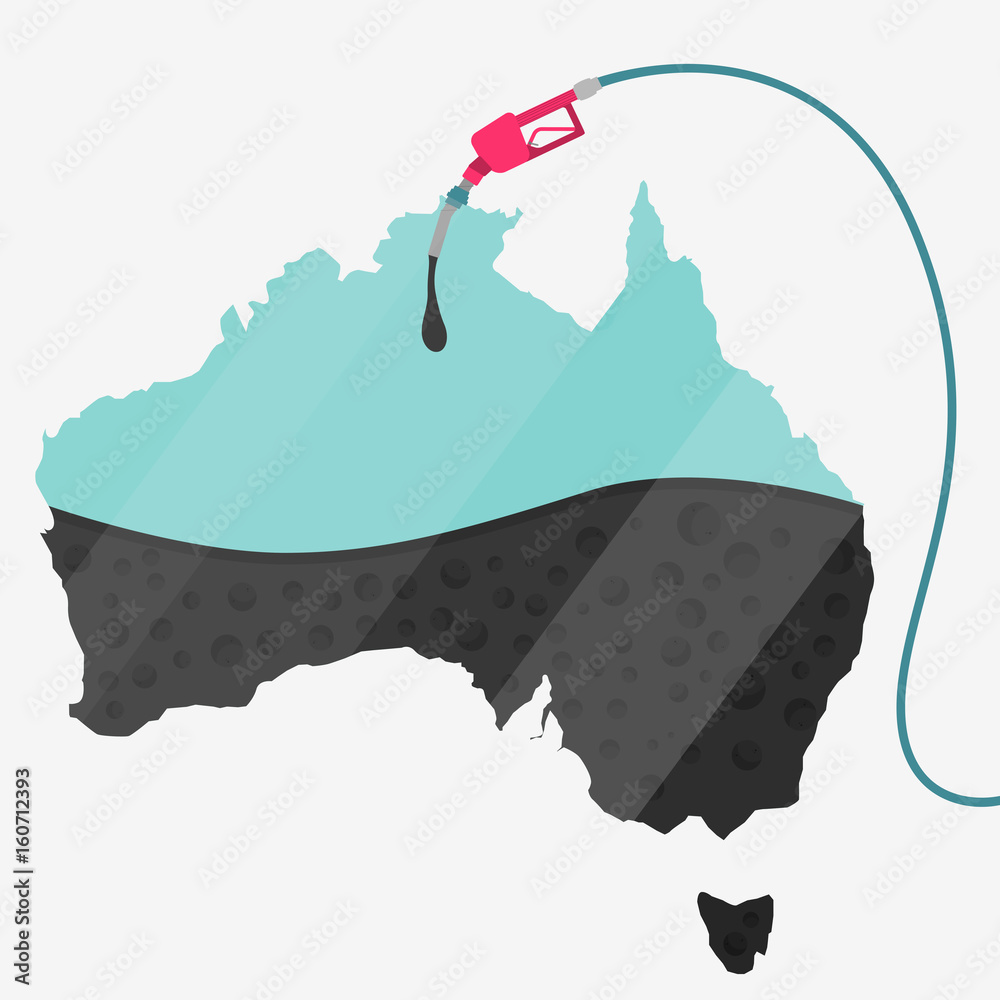
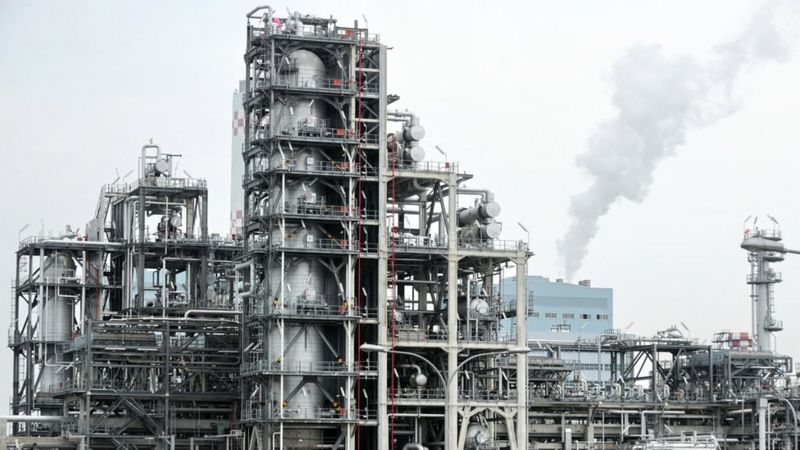
Over the past two decades, Australia has seen a steady dismantling of its domestic refining industry. Once a nation capable of processing its own crude and transporting it via Australian-flagged tankers, the country has been reduced to a price-taker in a volatile global market. Today, the overwhelming majority of petrol, diesel, and jet fuel used in Australia is refined overseas, primarily in Asia. This dependence means that any disruption in Asian refining hubs or the shipping lanes connecting them to Australia results in immediate domestic shortages.
The current crisis highlights the "thinness" of the Australian fuel buffer. At the beginning of 2026, the nation held roughly 36 days of petrol, 34 days of diesel, and 32 days of jet fuel. While these are the largest stockpiles in 15 years, they remain far below the 90-day minimum stockholding obligation set by the IEA. Analysts from the Australian Strategic Policy Institute have long warned that this reliance on a chain of maritime chokepoints stretching from the Persian Gulf to the Indonesian archipelago leaves the nation highly vulnerable to regional instability.
Government Response: Releasing Emergency Reserves and Fuel Quality Changes
In response to the escalating crisis, the federal government has activated the Fuel Security Special Account. Energy Minister Chris Bowen has announced the release of up to 20% of Australia's minimum stockholding obligation, equating to approximately 762 million litres of petrol and diesel. This move is designed to inject immediate liquidity into the domestic market and provide relief to regional areas where demand has suddenly doubled since the onset of the conflict. However, experts warn that the complex distribution network across Australia’s vast geography means that relief may take time to reach local service stations.
To further bolster supply, the government has implemented temporary amendments to fuel quality standards. For the next 60 days, petrol with higher sulfur levels—normally destined for export—will be allowed for domestic blending. This measure is expected to add 100 million litres of petrol per month to the Australian market. While these are necessary short-term steps, critics argue they do not address the structural weaknesses of the national energy grid, which remains hostage to international market forces and geopolitical events beyond its control.
Economic Consequences: From the Bowser to the Supermarket Shelf
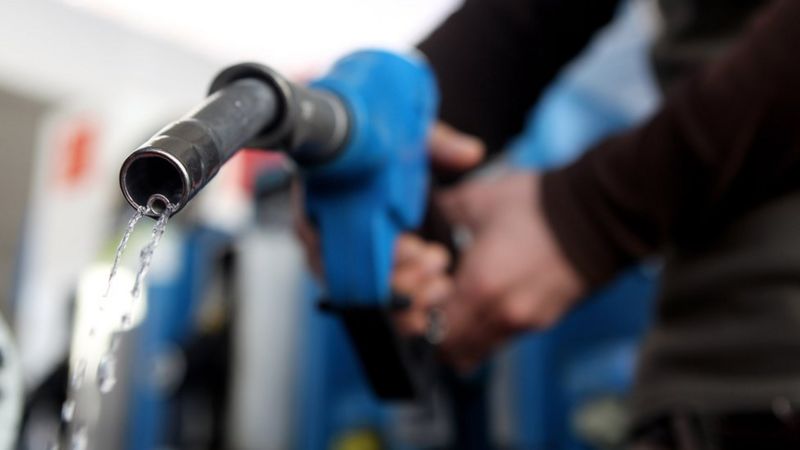
The economic fallout of the fuel scramble is being felt across every sector. National average petrol prices have jumped 40 cents per litre in a single week, reaching $2.60, with some regional centers seeing prices exceed $3.00. This increase adds an extra $24 to the cost of filling a standard 60-litre tank, a significant burden for households already struggling with inflation. Beyond personal transport, the surge in diesel prices is hit harder, as it powers the nation's freight, agriculture, mining, and construction sectors.
As transport costs rise, the price of essential goods is following suit. Supermarket chains have warned of potential bare shelves if distribution chains remain disrupted. Furthermore, the aviation industry is facing a crisis as jet fuel supplies dwindle. Major carriers like Qantas have reported that while 81% of their fuel costs were protected through hedging for the first half of 2026, sustained high prices will eventually lead to higher airfares and potential flight cancellations, particularly for regional routes that are more sensitive to fuel price fluctuations.
| Fuel Security Metric | Current Status (March 2026) |
|---|---|
| National Petrol Reserves | 36 Days |
| National Diesel Reserves | 34 Days |
| Import Reliance | Over 90% |
| Avg. Price per Litre | $2.60 - $3.00 |
| IEA Recommended Reserve | 90 Days |
The Role of the International Energy Agency (IEA) in the Crisis
Australia, a member of the IEA since 1979, is participating in a coordinated "emergency collective action" of unprecedented size. The IEA member countries have agreed to make available 400 million barrels of oil from emergency stocks to cushion the global impact of the Strait of Hormuz blockade. This voluntary action aims to calm global markets and prevent a total price spiral. Australia is currently finalizing its specific contribution to this global effort, which will be released directly into the domestic market to relieve distribution pressures.
Despite this international support, the IEA has repeatedly pointed out Australia's failure to meet the 90-day stockholding requirement for over a decade. While the coordinated release provides a temporary reprieve, the IEA notes that member countries often begin to hoard reserves during periods of extreme uncertainty. This "every nation for itself" mentality during a global scramble for fuel makes Australia’s lack of independent, sovereign stockpiles even more perilous.
Calls for Policy Overhaul: Reviving Sovereign Refining and Shipping
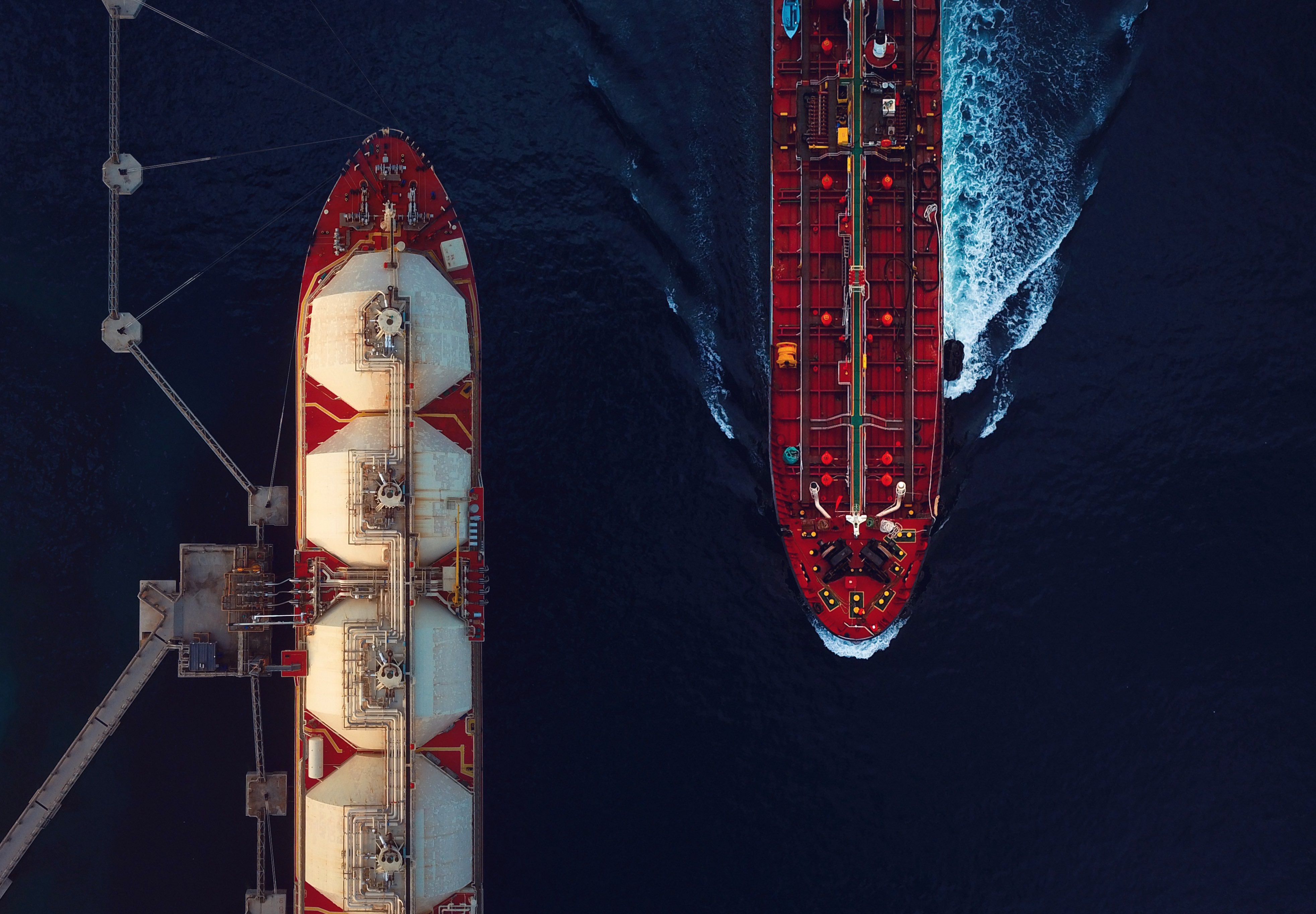
The current emergency has reignited a fierce political debate regarding Australia's "decade of neglect" in energy policy. The Maritime Union of Australia and other industry bodies are calling for a "sovereign fuel strategy" that moves beyond mere stockholding. This includes the urgent reconstruction of a strategic tanker fleet—Australian-flagged and crewed—to ensure that fuel can be transported to our shores even when international shipping lanes are contested. The disappearance of tankers following the closure of refineries like Kurnell and Lytton in 2015 is cited as a key turning point in the nation's vulnerability.
There is also a growing cross-party consensus that Australia must protect and expand its remaining domestic refining capability. Without refineries, crude oil reserves are of limited use in a crisis. The Nationals have called for tax incentives to build modular refining plants, while Labor has committed to a multi-billion dollar fuel security package. The goal is to transform fuel security from an abstract policy debate into a recognized pillar of national security, ensuring that essential services—from hospitals to emergency responders—are never compromised by a global supply shock.
Energy Transition and the Long-term Solution
While the immediate focus is on liquid fuel, the crisis has highlighted the security benefits of the renewable energy transition. AEMO reports indicate that South Australia’s grid, which recently achieved a 75% share of wind and solar, is currently the most secure in the country because it relies less on imported fuels for power generation. As NSW and other states scramble to meet system strength needs ahead of coal plant closures in 2027 and 2028, the push for "engines off" operation—where the grid runs entirely on renewables and batteries—is seen as a long-term path to energy sovereignty.
However, the transition for transport and heavy industry is more complex. While rooftop solar and big batteries can secure the electricity grid, the freight and agriculture sectors remain tied to diesel. The current crisis suggests that Australia must pursue a dual strategy: accelerating the shift to electric and hydrogen-powered transport while simultaneously rebuilding a resilient, sovereign supply chain for the liquid fuels that will remain necessary for the foreseeable future. Diversifying energy sources beyond the fragile Middle Eastern lifelines is no longer an option; it is a necessity for national survival.
Global Comparison: How Other Nations are Coping
Australia is not alone in its struggle, but its exposure is higher than many of its peers. In Asia, nations are resorting to extreme measures to curb consumption. Pakistan has implemented a four-day work week for government offices and closed schools to save fuel, while Bangladesh has deployed the military to protect oil depots from panic-buying crowds. Myanmar has introduced rationing based on license plate numbers, and the Philippines has mandated that air conditioning units in government buildings be set no lower than 24 degrees.
In contrast, nations with higher domestic reserves and diverse supply routes have maintained greater stability. Japan has successfully invoked its 90-day stockpiles to stabilize yen-denominated imports, while China has prioritized internal consumption by rationing exports. These comparisons highlight that while the scramble for fuel is global, the severity of the impact is determined by a nation's prior investment in resilience. Australia's current situation serves as a cautionary tale for other developed nations that have prioritized market efficiency over sovereign security.
FAQ
- Why is Australia currently facing a fuel crisis? Australia is facing a crisis due to its 90% reliance on imported refined fuels and the closure of the Strait of Hormuz, a critical global oil chokepoint. This disruption has caused global prices to soar and domestic supplies to dwindle.
- How many days of fuel reserves does Australia actually have? As of March 2026, Australia holds approximately 36 days of petrol, 34 days of diesel, and 32 days of jet fuel reserves, which is significantly below the IEA-recommended 90-day minimum.
- What is the government doing to lower fuel prices? The government has released 20% of its emergency fuel reserves, amended sulfur quality standards to increase supply, and is participating in a coordinated IEA global stock release to put downward pressure on prices.
- Will there be fuel rationing in Australia? While not currently implemented nationwide, rationing protocols are prepared for non-essential sectors if shortages persist beyond 14 days. Some regional centers have already begun prioritizing delivery to emergency services.
- How does the conflict in the Middle East affect my local petrol station? The conflict disrupts the supply of crude oil to Asian refineries. Since Australia imports finished petrol from these hubs, any increase in global crude prices or shipping delays is passed directly to the bowser within days.
Conclusion
The exposure of Australia in the global scramble for fuel is a watershed moment for the nation’s energy and security policy. The convergence of Middle Eastern conflict, the closure of vital maritime chokepoints, and a long-standing domestic neglect of refining infrastructure has created a "perfect storm" that threatens the stability of the Australian economy. While the immediate release of emergency reserves and IEA coordination provide a necessary temporary buffer, they do not resolve the underlying structural vulnerabilities. Moving forward, Australia must treat fuel security as a non-negotiable pillar of national sovereignty. This means rebuilding domestic refining capacity, establishing a strategic national tanker fleet, and accelerating the transition to a diverse, resilient energy mix that reduces dependence on fragile global supply chains. The current crisis is a final warning: a nation that cannot secure its own fuel cannot guarantee its own future.
Australia exposed in global scramble for fuel
Australia exposed in global scramble for fuel Wallpapers
Collection of australia exposed in global scramble for fuel wallpapers for your desktop and mobile devices.
Amazing Australia Exposed In Global Scramble For Fuel Wallpaper Digital Art
Transform your screen with this vivid australia exposed in global scramble for fuel artwork, a true masterpiece of digital design.
Amazing Australia Exposed In Global Scramble For Fuel Background Digital Art
Explore this high-quality australia exposed in global scramble for fuel image, perfect for enhancing your desktop or mobile wallpaper.

Artistic Australia Exposed In Global Scramble For Fuel Design for Your Screen
Immerse yourself in the stunning details of this beautiful australia exposed in global scramble for fuel wallpaper, designed for a captivating visual experience.

Lush Australia Exposed In Global Scramble For Fuel Artwork in HD
This gorgeous australia exposed in global scramble for fuel photo offers a breathtaking view, making it a perfect choice for your next wallpaper.

Captivating Australia Exposed In Global Scramble For Fuel Landscape Illustration
This gorgeous australia exposed in global scramble for fuel photo offers a breathtaking view, making it a perfect choice for your next wallpaper.
Lush Australia Exposed In Global Scramble For Fuel Background for Mobile
This gorgeous australia exposed in global scramble for fuel photo offers a breathtaking view, making it a perfect choice for your next wallpaper.

Captivating Australia Exposed In Global Scramble For Fuel Image Art
Find inspiration with this unique australia exposed in global scramble for fuel illustration, crafted to provide a fresh look for your background.
Detailed Australia Exposed In Global Scramble For Fuel Abstract for Mobile
Discover an amazing australia exposed in global scramble for fuel background image, ideal for personalizing your devices with vibrant colors and intricate designs.

Serene Australia Exposed In Global Scramble For Fuel Picture in 4K
Experience the crisp clarity of this stunning australia exposed in global scramble for fuel image, available in high resolution for all your screens.
Vivid Australia Exposed In Global Scramble For Fuel Image Digital Art
Explore this high-quality australia exposed in global scramble for fuel image, perfect for enhancing your desktop or mobile wallpaper.

Dynamic Australia Exposed In Global Scramble For Fuel Scene Collection
A captivating australia exposed in global scramble for fuel scene that brings tranquility and beauty to any device.
High-Quality Australia Exposed In Global Scramble For Fuel Landscape Nature
Experience the crisp clarity of this stunning australia exposed in global scramble for fuel image, available in high resolution for all your screens.

Mesmerizing Australia Exposed In Global Scramble For Fuel Artwork in 4K
Explore this high-quality australia exposed in global scramble for fuel image, perfect for enhancing your desktop or mobile wallpaper.
Mesmerizing Australia Exposed In Global Scramble For Fuel Picture Digital Art
Discover an amazing australia exposed in global scramble for fuel background image, ideal for personalizing your devices with vibrant colors and intricate designs.

Vibrant Australia Exposed In Global Scramble For Fuel Picture Art
Transform your screen with this vivid australia exposed in global scramble for fuel artwork, a true masterpiece of digital design.

Vibrant Australia Exposed In Global Scramble For Fuel View for Mobile
Explore this high-quality australia exposed in global scramble for fuel image, perfect for enhancing your desktop or mobile wallpaper.
Breathtaking Australia Exposed In Global Scramble For Fuel Landscape for Your Screen
Experience the crisp clarity of this stunning australia exposed in global scramble for fuel image, available in high resolution for all your screens.

Captivating Australia Exposed In Global Scramble For Fuel Artwork in 4K
Immerse yourself in the stunning details of this beautiful australia exposed in global scramble for fuel wallpaper, designed for a captivating visual experience.
Crisp Australia Exposed In Global Scramble For Fuel Abstract Photography
This gorgeous australia exposed in global scramble for fuel photo offers a breathtaking view, making it a perfect choice for your next wallpaper.

Lush Australia Exposed In Global Scramble For Fuel View Photography
A captivating australia exposed in global scramble for fuel scene that brings tranquility and beauty to any device.
Download these australia exposed in global scramble for fuel wallpapers for free and use them on your desktop or mobile devices.