UK Unemployment Rate Hits Near Five-Year High as Wage Growth Slows: What the Data Means for Households
UK Unemployment Rate Hits Near Five-Year High as Wage Growth Slows: What the Data Means for Households
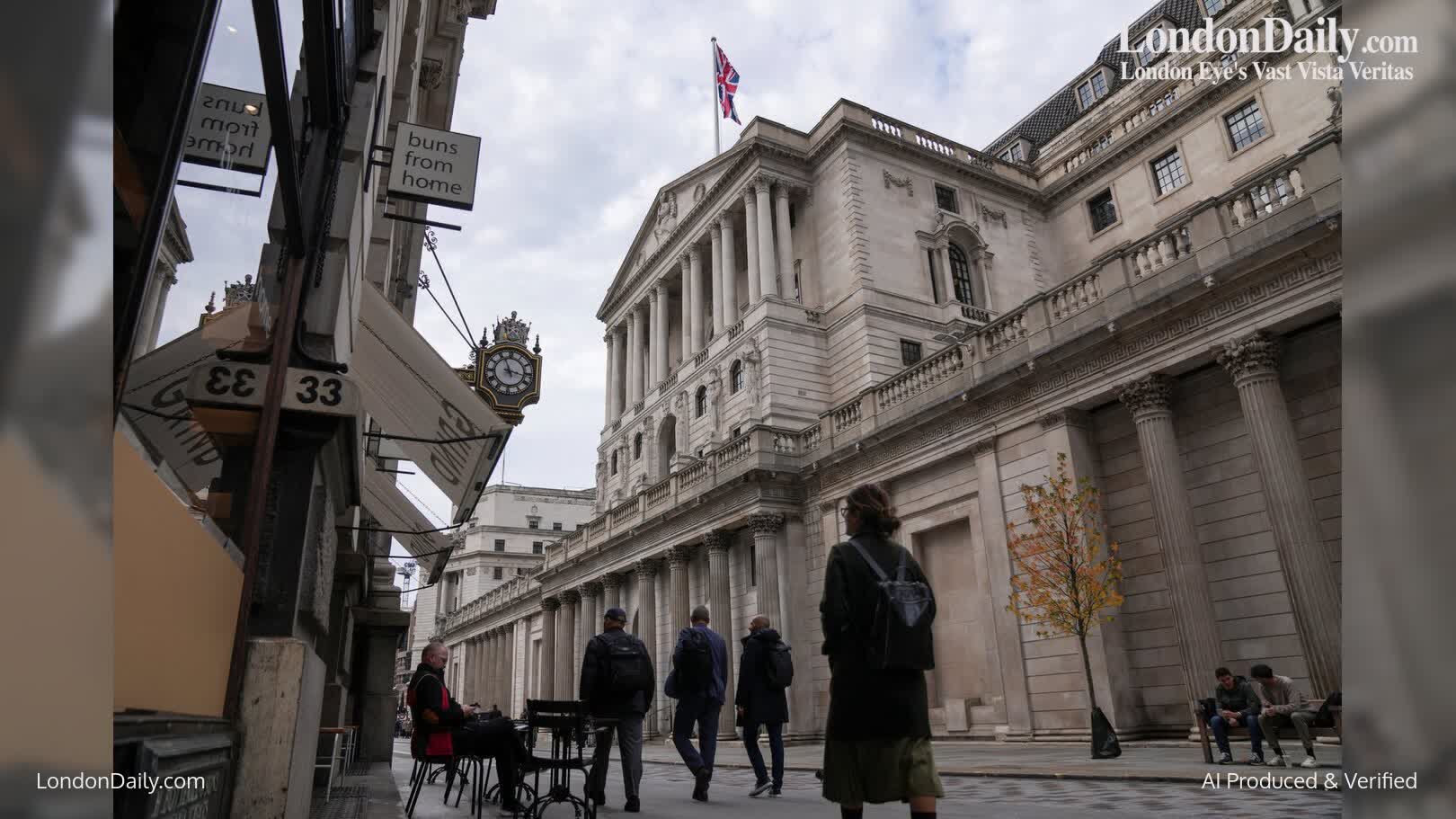
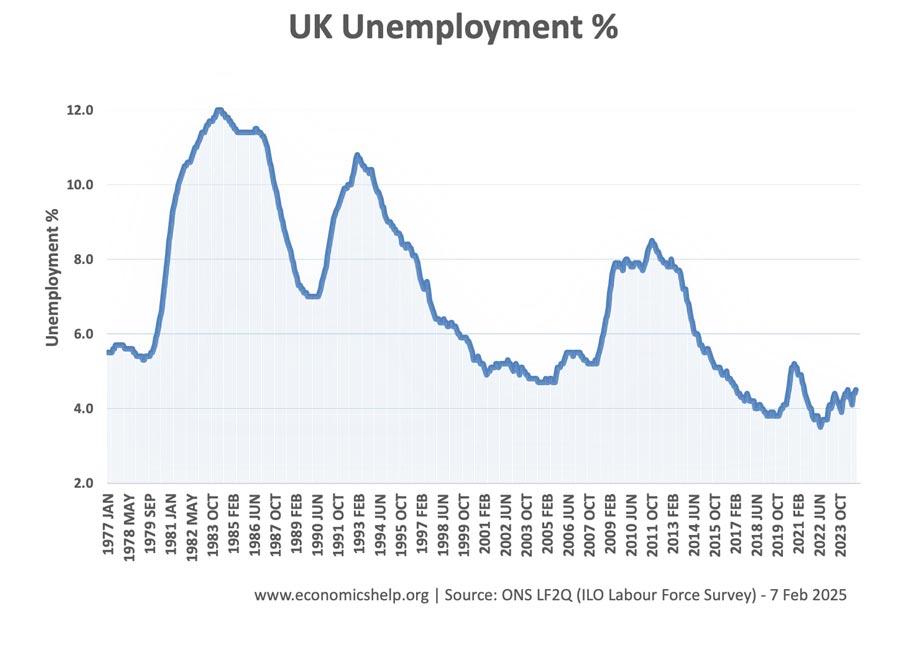
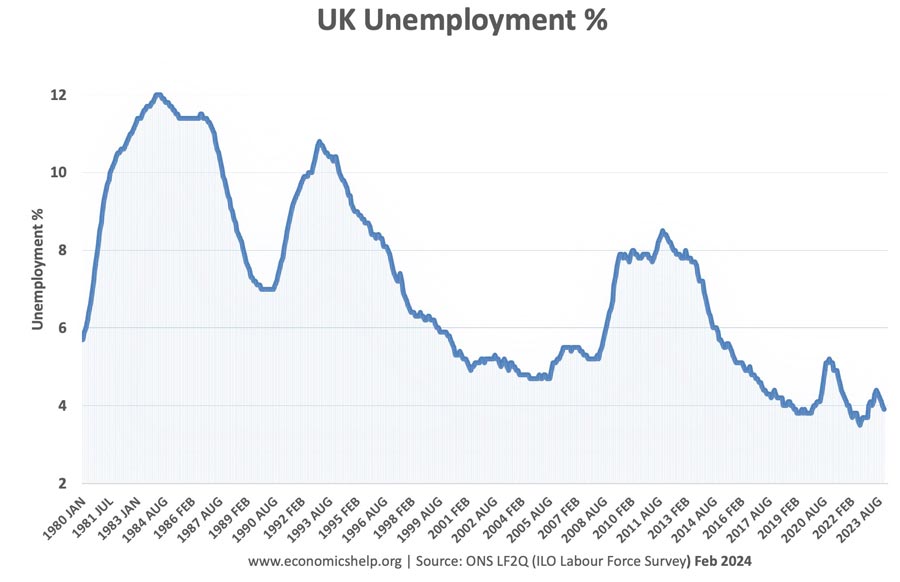
The latest figures released by the Office for National Statistics (ONS) paint a sobering picture of the UK’s economic landscape. The nation's unemployment rate has surged, reaching a level not seen in nearly five years, signaling a potential stall in the post-pandemic labour market recovery. Simultaneously, the crucial measure of wage growth has decelerated sharply, leaving millions of workers facing a real-terms pay squeeze.
For many households, the current situation feels like an economic engine sputtering. While headline inflation has eased slightly, the dual threat of fewer job opportunities and diminishing purchasing power is creating immense pressure on family finances. This trending news update breaks down the critical data points and explores the wider implications for UK workers and policymakers.
I recall speaking to a former colleague just last week—a highly skilled project manager—who was recently made redundant. He mentioned that six months ago, recruitment calls were flooding his inbox. Now? He finds himself competing fiercely for roles that previously had minimal applicant pools. His story is a microcosm of the broader shift we are now witnessing in the job market, moving from a period of high demand for labour to one defined by caution and cooling.
The Alarming Surge in Jobless Figures and Economic Inactivity
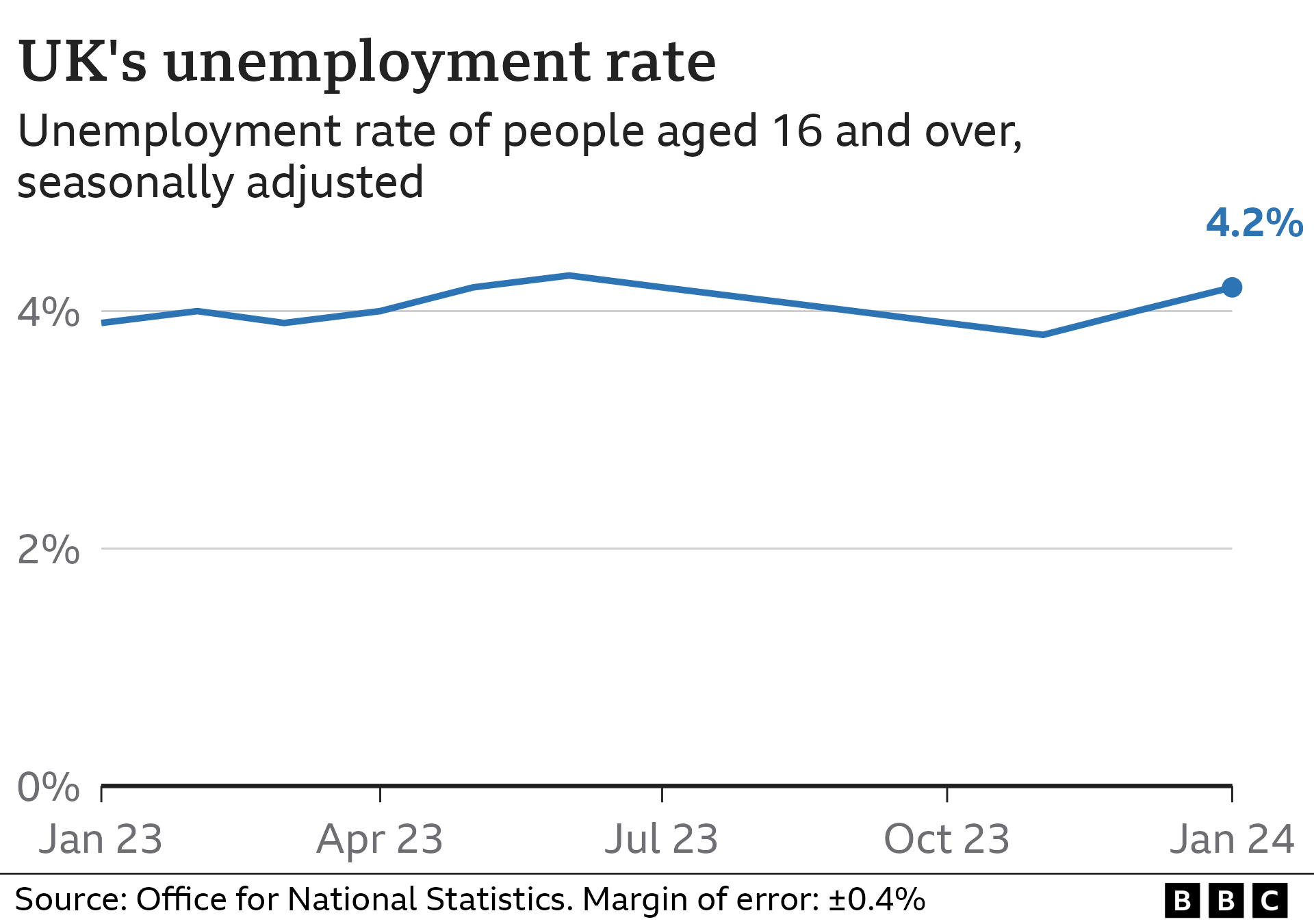
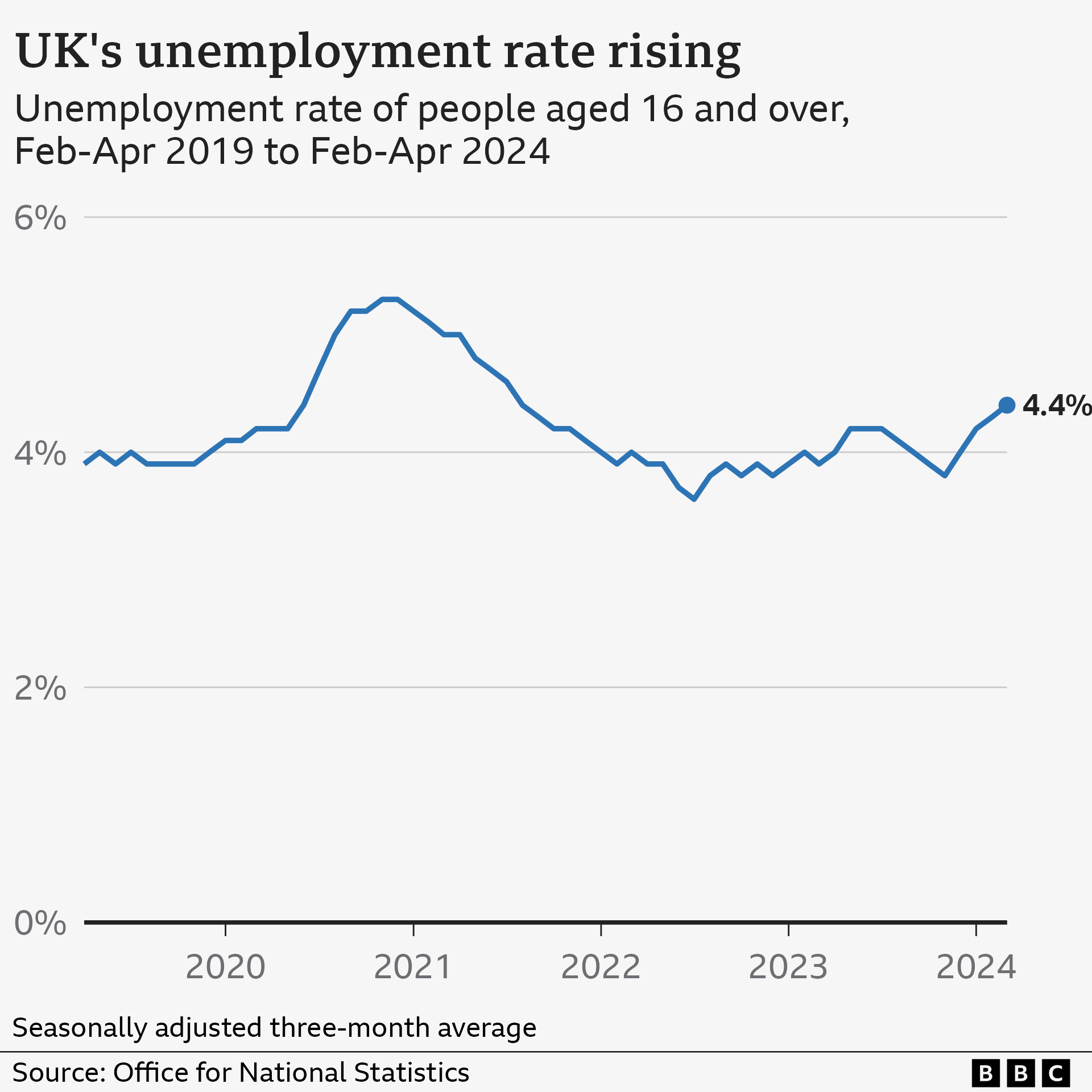
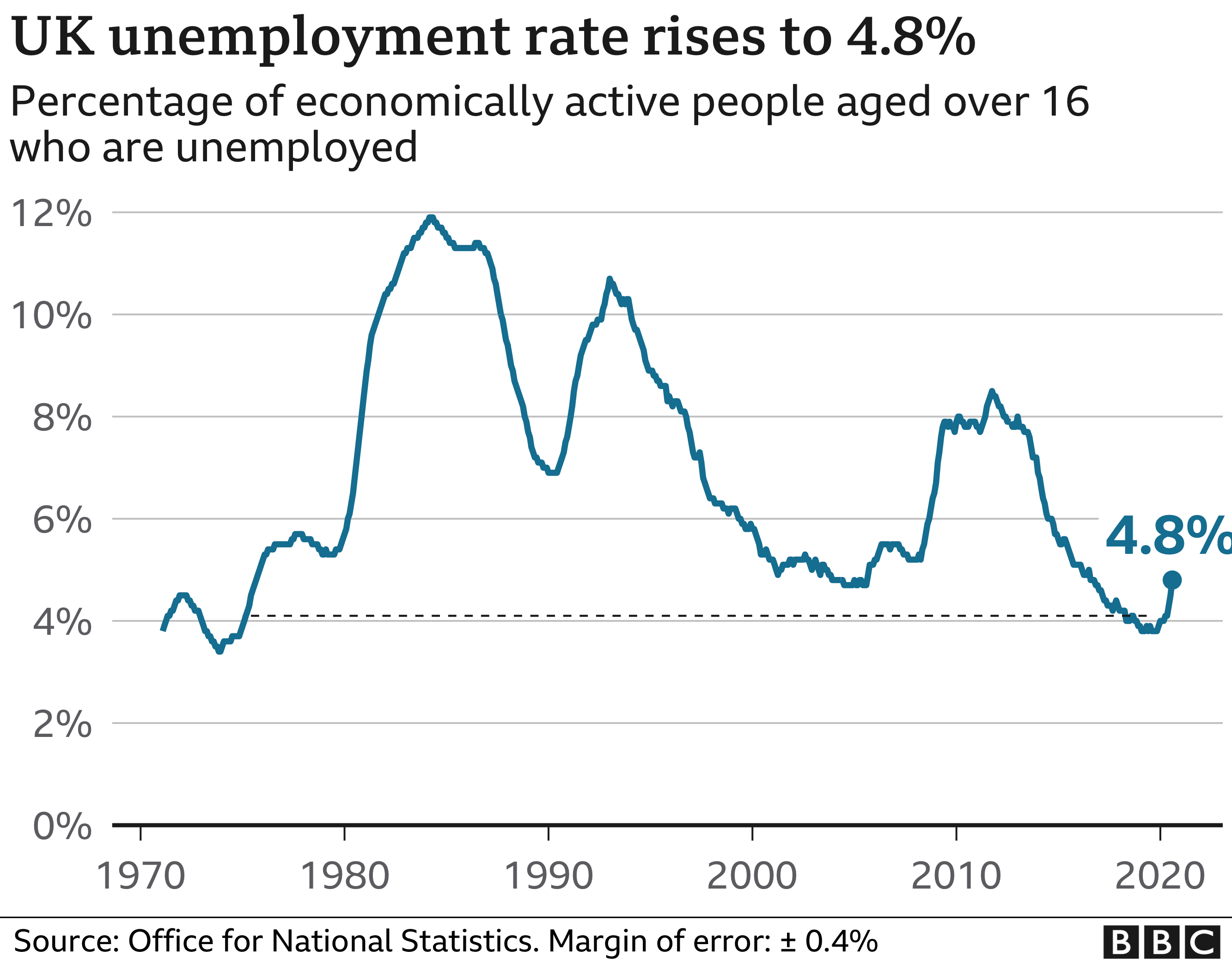
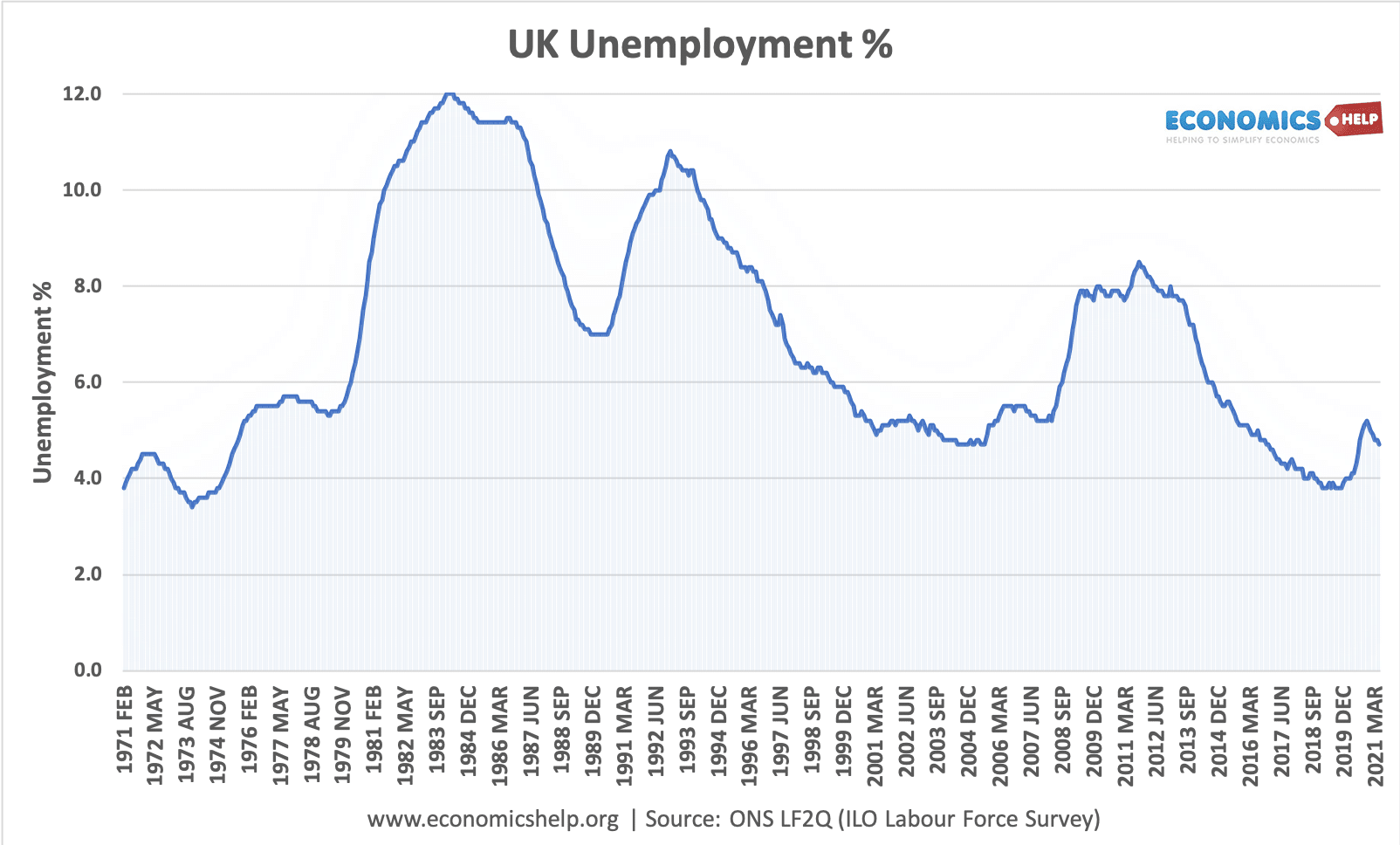
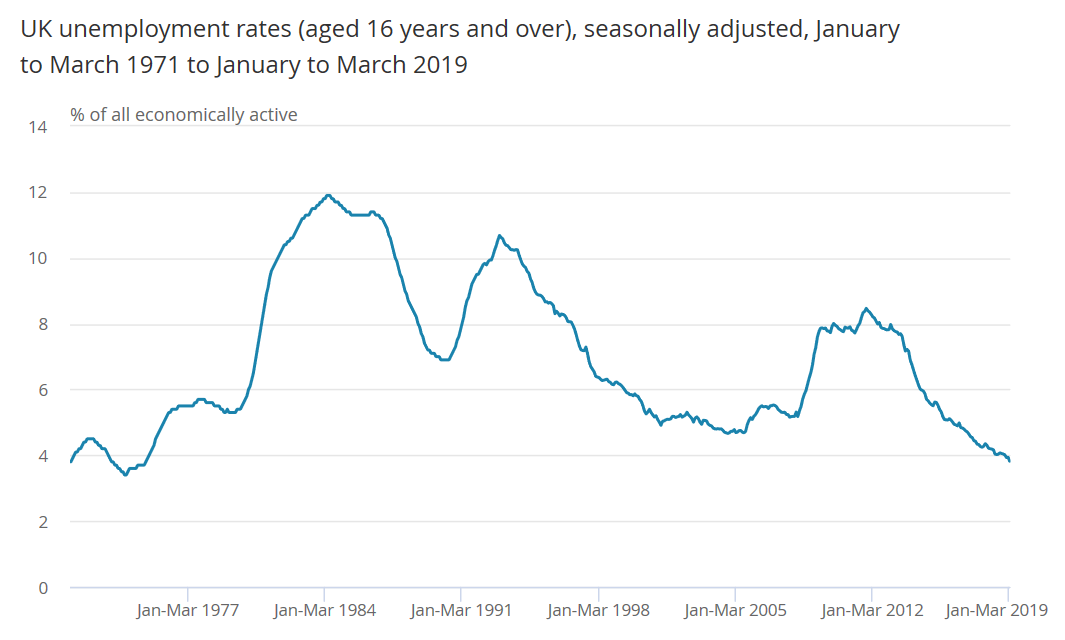
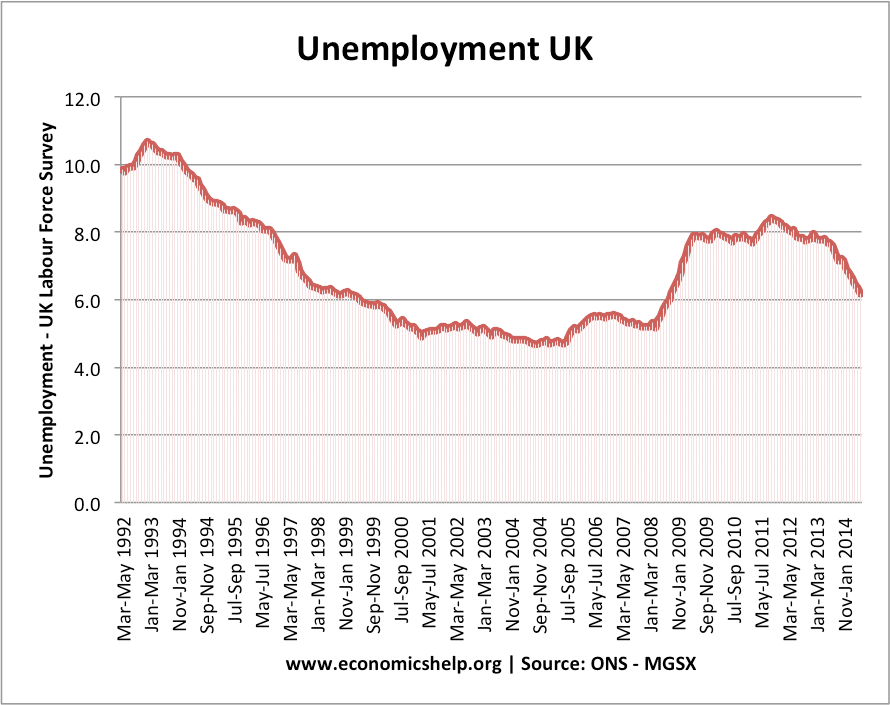
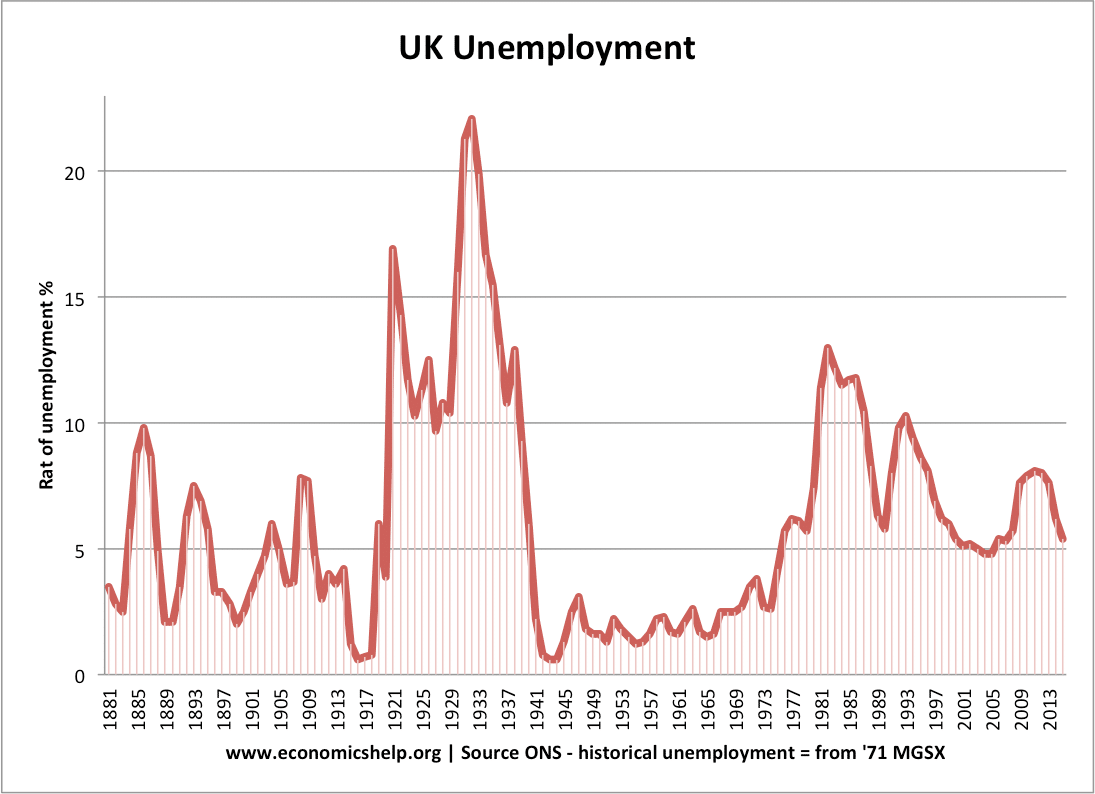
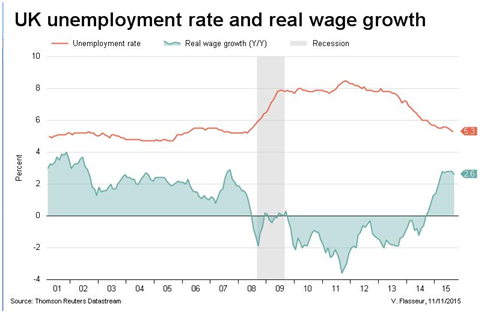
The most recent quarterly data confirms that the unemployment rate has jumped significantly, pushing it close to the 5.0% mark—a threshold last consistently breached in the middle of the previous decade. This rise is not merely statistical noise; it represents thousands of people being pushed out of work or struggling to enter the job market for the first time.
Economists are particularly concerned by the composition of the newly jobless. The data suggests an increased frequency of redundancies across several key sectors, particularly in areas sensitive to high interest rates, such as construction and specialized technology firms that relied heavily on cheap borrowing.
However, the unemployment figure only tells half the story. The UK also continues to grapple with persistently high levels of economic inactivity. This refers to those individuals who are neither employed nor actively seeking employment. This phenomenon is skewing the true health of the labour market.
Key drivers behind this structural economic inactivity include:
- **Long-Term Sickness:** A significant rise in people citing long-term health problems, often related to backlogs in the National Health Service (NHS), preventing them from working.
- **Early Retirement:** A portion of the older workforce, particularly those over 50, choosing to exit the labour force permanently post-pandemic.
- **Youth Disengagement:** A marginal but worrying increase in young people aged 16–24 who are neither in employment, education, nor training (NEET).
This persistent tightness in the labour supply, even as unemployment rises, creates a paradox for the Bank of England (BoE). While higher unemployment should naturally cool inflation by reducing wage pressure, the simultaneous high inactivity keeps the available labour pool small, hindering potential economic growth.
The ONS figures also highlighted regional disparities. While the South East and London showed some marginal resilience, areas in the North and Midlands experienced sharper rises in claimant counts, emphasizing a widening geographical gap in economic opportunity.
Wage Growth Deceleration: The Real Terms Pay Squeeze Intensifies
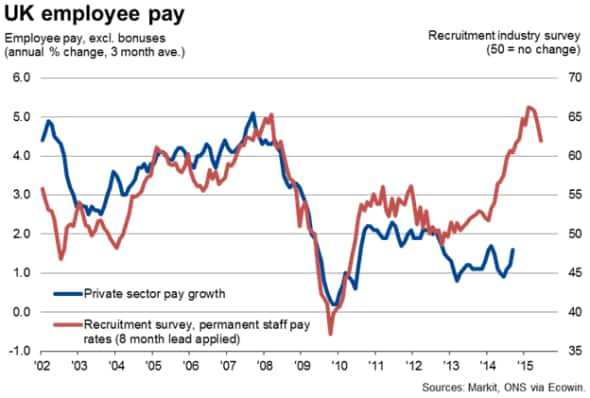
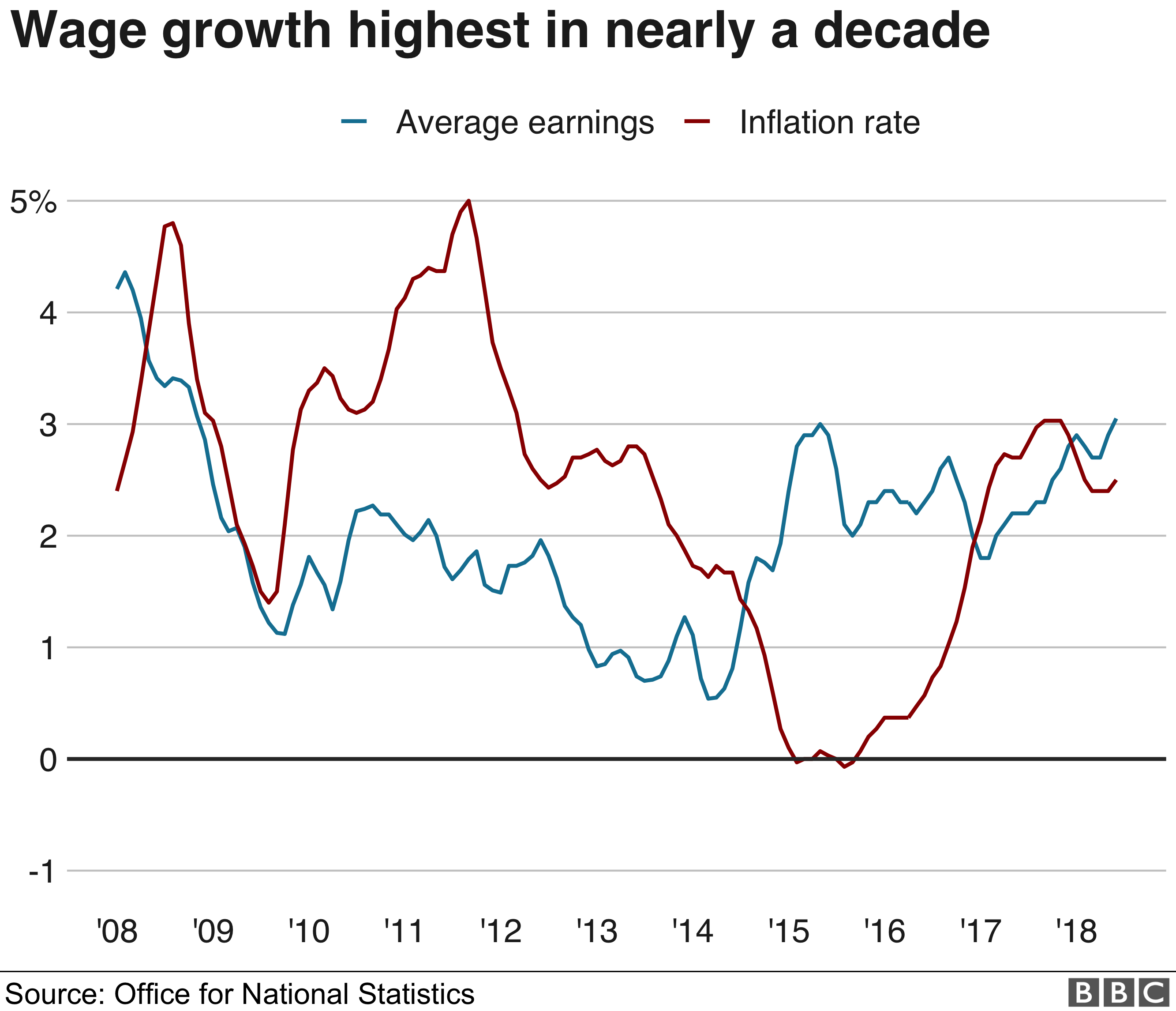
Perhaps the most immediate concern for the average British household is the dramatic slowdown in wage growth. After several quarters where nominal pay growth appeared robust (driven partly by high post-COVID hiring and subsequent inflation matching), the rate of increase has now begun to fall back towards pre-inflationary levels.
Average total pay growth (including bonuses) is dropping, and more critically, regular pay growth (excluding bonuses) is showing a pronounced deceleration. While any positive wage growth sounds good on paper, when viewed through the lens of current inflationary pressures, the picture darkens considerably.
The crucial concept here is *real terms pay*. When wage increases fail to keep pace with the Consumer Price Index (CPI) inflation rate, workers effectively become poorer. They can afford less goods and services despite earning more pounds on their paycheck.
This slowdown suggests that employers are becoming much more cautious about salary increases. Facing higher operational costs (energy, borrowing), businesses are prioritizing cost containment over competitive pay rises, indicating a significant shift in employer confidence.
The impact of this real terms pay squeeze is multi-faceted, hitting key areas of household spending:
- **Mortgage Stress:** Families on variable rates or those facing refinancing are dealing with high debt servicing costs, meaning less income is available for discretionary spending.
- **Savings Erosion:** The deceleration in wages, combined with the lingering high cost of utilities and groceries, prevents many from building up necessary emergency savings.
- **Consumer Confidence Decline:** As disposable income shrinks, consumer confidence falls, leading to reduced spending on non-essential items—a key driver of broader economic activity.
This weakening wage dynamic provides some relief for the Bank of England in their battle against inflation, but it comes at a steep social cost. Analysts believe this wage deceleration confirms that the economy is cooling rapidly, increasing the likelihood of a sharper economic contraction later this year.
Policy Response and the Future Outlook for the Labour Market
The new labour market data presents a significant headache for the Bank of England’s Monetary Policy Committee (MPC). The MPC has been clear that they need to see sustained loosening in the labour market—meaning higher unemployment and lower wage growth—before they can confidently consider interest rate cuts.
This report confirms part of that necessary loosening has arrived. However, cutting interest rates too soon risks reigniting inflationary pressures. Waiting too long, conversely, risks driving the UK into a deep recession characterized by prolonged high unemployment.
The consensus among financial market experts is that this data strengthens the case for the BoE to hold its nerve for a little longer, but that the window for rate cuts is opening sooner than initially expected. The focus will now shift intently to upcoming inflation reports to see if price rises are dropping fast enough to alleviate the pressure caused by slower wage increases.
Looking ahead, the outlook for the UK labour market remains challenging, primarily due to global headwinds and domestic structural issues.
We are likely to see continued difficulty in specific sectors:
- **Retail and Hospitality:** These areas face margin pressure and falling consumer spending, leading to further staff reductions or hiring freezes.
- **White-Collar Professional Services:** As corporate investment slows down, the demand for consultants, recruiters, and specialized administrative staff is expected to weaken.
- **Manufacturing:** While supply chains have improved, high energy costs and weaker external demand continue to curb manufacturing job creation.
However, there are pockets of resilience. The healthcare sector and certain specialized areas of green technology continue to show strong demand for labour, though these sectors are often constrained by skill shortages rather than lack of roles.
In conclusion, the surge in the unemployment rate and the concurrent slowdown in wage growth mark a critical turning point for the UK economy. It signals the end of the post-pandemic hiring spree and the return of structural challenges. For policymakers, the tightrope walk between fighting inflation and preventing a severe economic downturn has just become significantly narrower. Households must now brace for an extended period where job security is less certain and disposable income is increasingly stretched.
UK unemployment rate hits near five-year high as wage growth slows
UK unemployment rate hits near five-year high as wage growth slows Wallpapers
Collection of uk unemployment rate hits near five-year high as wage growth slows wallpapers for your desktop and mobile devices.

Vibrant Uk Unemployment Rate Hits Near Five-year High As Wage Growth Slows Photo Concept
Experience the crisp clarity of this stunning uk unemployment rate hits near five-year high as wage growth slows image, available in high resolution for all your screens.
Breathtaking Uk Unemployment Rate Hits Near Five-year High As Wage Growth Slows Design Illustration
Explore this high-quality uk unemployment rate hits near five-year high as wage growth slows image, perfect for enhancing your desktop or mobile wallpaper.

Spectacular Uk Unemployment Rate Hits Near Five-year High As Wage Growth Slows Design Photography
Immerse yourself in the stunning details of this beautiful uk unemployment rate hits near five-year high as wage growth slows wallpaper, designed for a captivating visual experience.

Mesmerizing Uk Unemployment Rate Hits Near Five-year High As Wage Growth Slows Landscape in HD
Experience the crisp clarity of this stunning uk unemployment rate hits near five-year high as wage growth slows image, available in high resolution for all your screens.
Captivating Uk Unemployment Rate Hits Near Five-year High As Wage Growth Slows Landscape for Desktop
Immerse yourself in the stunning details of this beautiful uk unemployment rate hits near five-year high as wage growth slows wallpaper, designed for a captivating visual experience.
Detailed Uk Unemployment Rate Hits Near Five-year High As Wage Growth Slows Moment for Your Screen
Experience the crisp clarity of this stunning uk unemployment rate hits near five-year high as wage growth slows image, available in high resolution for all your screens.
Stunning Uk Unemployment Rate Hits Near Five-year High As Wage Growth Slows Image for Mobile
Find inspiration with this unique uk unemployment rate hits near five-year high as wage growth slows illustration, crafted to provide a fresh look for your background.
High-Quality Uk Unemployment Rate Hits Near Five-year High As Wage Growth Slows Artwork Art
Explore this high-quality uk unemployment rate hits near five-year high as wage growth slows image, perfect for enhancing your desktop or mobile wallpaper.
Amazing Uk Unemployment Rate Hits Near Five-year High As Wage Growth Slows Image for Your Screen
Experience the crisp clarity of this stunning uk unemployment rate hits near five-year high as wage growth slows image, available in high resolution for all your screens.
Dynamic Uk Unemployment Rate Hits Near Five-year High As Wage Growth Slows Photo for Desktop
Find inspiration with this unique uk unemployment rate hits near five-year high as wage growth slows illustration, crafted to provide a fresh look for your background.

Captivating Uk Unemployment Rate Hits Near Five-year High As Wage Growth Slows Artwork Nature
Immerse yourself in the stunning details of this beautiful uk unemployment rate hits near five-year high as wage growth slows wallpaper, designed for a captivating visual experience.

Crisp Uk Unemployment Rate Hits Near Five-year High As Wage Growth Slows Moment in 4K
A captivating uk unemployment rate hits near five-year high as wage growth slows scene that brings tranquility and beauty to any device.
Artistic Uk Unemployment Rate Hits Near Five-year High As Wage Growth Slows Design for Desktop
A captivating uk unemployment rate hits near five-year high as wage growth slows scene that brings tranquility and beauty to any device.
Serene Uk Unemployment Rate Hits Near Five-year High As Wage Growth Slows Landscape for Your Screen
Experience the crisp clarity of this stunning uk unemployment rate hits near five-year high as wage growth slows image, available in high resolution for all your screens.
Spectacular Uk Unemployment Rate Hits Near Five-year High As Wage Growth Slows Moment Nature
Immerse yourself in the stunning details of this beautiful uk unemployment rate hits near five-year high as wage growth slows wallpaper, designed for a captivating visual experience.
Lush Uk Unemployment Rate Hits Near Five-year High As Wage Growth Slows Artwork Nature
Find inspiration with this unique uk unemployment rate hits near five-year high as wage growth slows illustration, crafted to provide a fresh look for your background.

Lush Uk Unemployment Rate Hits Near Five-year High As Wage Growth Slows Design in 4K
Immerse yourself in the stunning details of this beautiful uk unemployment rate hits near five-year high as wage growth slows wallpaper, designed for a captivating visual experience.
Beautiful Uk Unemployment Rate Hits Near Five-year High As Wage Growth Slows Capture Art
Experience the crisp clarity of this stunning uk unemployment rate hits near five-year high as wage growth slows image, available in high resolution for all your screens.
Serene Uk Unemployment Rate Hits Near Five-year High As Wage Growth Slows Scene Photography
Experience the crisp clarity of this stunning uk unemployment rate hits near five-year high as wage growth slows image, available in high resolution for all your screens.

Stunning Uk Unemployment Rate Hits Near Five-year High As Wage Growth Slows Moment Photography
This gorgeous uk unemployment rate hits near five-year high as wage growth slows photo offers a breathtaking view, making it a perfect choice for your next wallpaper.
Download these uk unemployment rate hits near five-year high as wage growth slows wallpapers for free and use them on your desktop or mobile devices.