Russia Plans to Block Telegram in April, Sources Say
Russia Plans to Block Telegram in April, Sources Say
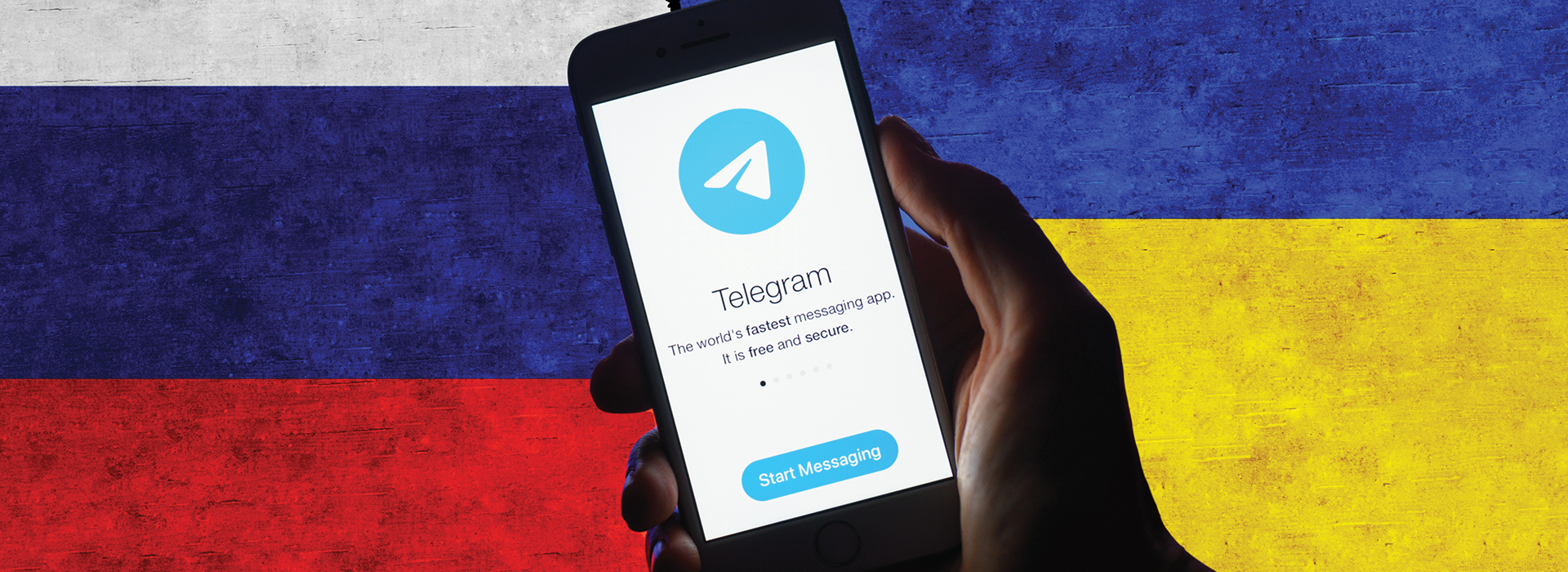
For millions of Russian users, Telegram isn't just another messaging app; it's a lifeline. It’s a primary source for independent news, a tool for organizing, and a secure platform for private conversations, especially in an increasingly restrictive digital landscape. Imagine waking up one morning to find your go-to communication channel, one that you rely on for everything from family chats to critical information, suddenly inaccessible. This stark reality may soon face users across Russia, as reports indicate the government is once again planning to block the popular Telegram messaging app, with April cited as the target month.
This isn't the first time Telegram has found itself in the crosshairs of Russian authorities. The platform, known for its encrypted messaging and channel features, has long been a thorn in the side of Moscow, which seeks greater control over digital communication within its borders. The whispers of an impending ban are creating significant concern among its vast user base, raising questions about freedom of information, digital rights, and the future of online discourse in Russia. Sources close to the Kremlin and those within Russia's digital oversight bodies suggest that the political will and technical capabilities for enforcing such a block are now deemed sufficient, setting the stage for a dramatic escalation in the ongoing battle for digital sovereignty. The implications extend far beyond simple inconvenience, touching upon the very fabric of how information flows and how citizens connect in a nation grappling with increasing geopolitical isolation.
The Persistent Battle: Russia's History with Telegram
The saga of Russia and Telegram is a long and convoluted one, marked by a history of attempted blocks, circumvention, and a game of digital cat-and-mouse. Telegram, founded by Russian-born Pavel Durov, has always championed privacy and free communication, often putting it at odds with state demands for data access and content moderation. The most significant clash occurred between 2018 and 2020, when Russia's internet regulator, Roskomnadzor, initiated a nationwide ban on the app. This drastic measure was prompted by Telegram's refusal to provide encryption keys to Russia's Federal Security Service (FSB), citing user privacy concerns.
During that period, Roskomnadzor attempted to enforce the ban by blocking millions of IP addresses, inadvertently disrupting countless other online services that shared the same network segments. Despite these extensive efforts, Telegram remained largely accessible to its users through the widespread use of VPN services and proxy servers. The technical savvy of Telegram's developers and its user base proved formidable, demonstrating the difficulty of enforcing a complete internet shutdown on a popular and resilient platform. The ban was eventually lifted in June 2020, with Roskomnadzor acknowledging that Telegram had shown a "readiness to cooperate" on issues related to combating extremism and terrorism, though many speculated that the ineffectiveness of the ban played a larger role.
This history underscores a critical point: blocking an application like Telegram, especially one deeply embedded in the daily lives of millions, is a monumental task. The previous failure to enforce a complete block highlights the technical challenges faced by authorities. However, technological advancements in state-level internet filtering and the evolving geopolitical landscape suggest that Russian authorities might now believe they possess more sophisticated tools and a stronger political mandate to achieve their objectives. The lessons learned from previous attempts are likely to inform the new strategy, potentially leading to a more targeted and effective approach.
Why Now? Escalating Pressure and Digital Sovereignty
The renewed push to block Telegram comes amidst a broader crackdown on independent information and digital platforms in Russia. The reasons for this escalation are multifaceted, stemming from both internal pressures and the ongoing geopolitical situation. One primary driver is the state's long-standing desire for "digital sovereignty." This concept involves gaining greater control over the internet infrastructure and content within its borders, aiming to insulate Russia's digital space from perceived external influences and ensure compliance with domestic laws. The narrative often revolves around national security, the fight against extremism, and preventing the spread of what the state deems "false information."
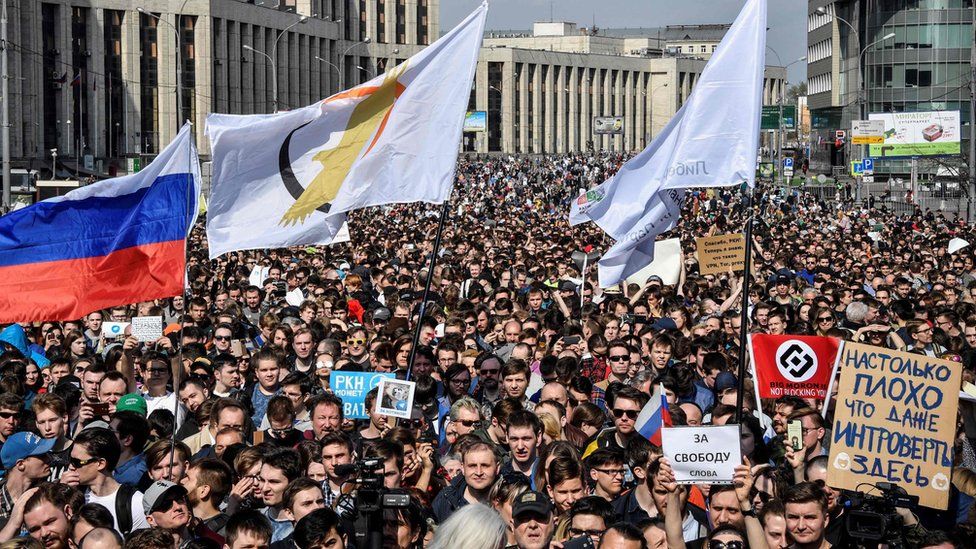
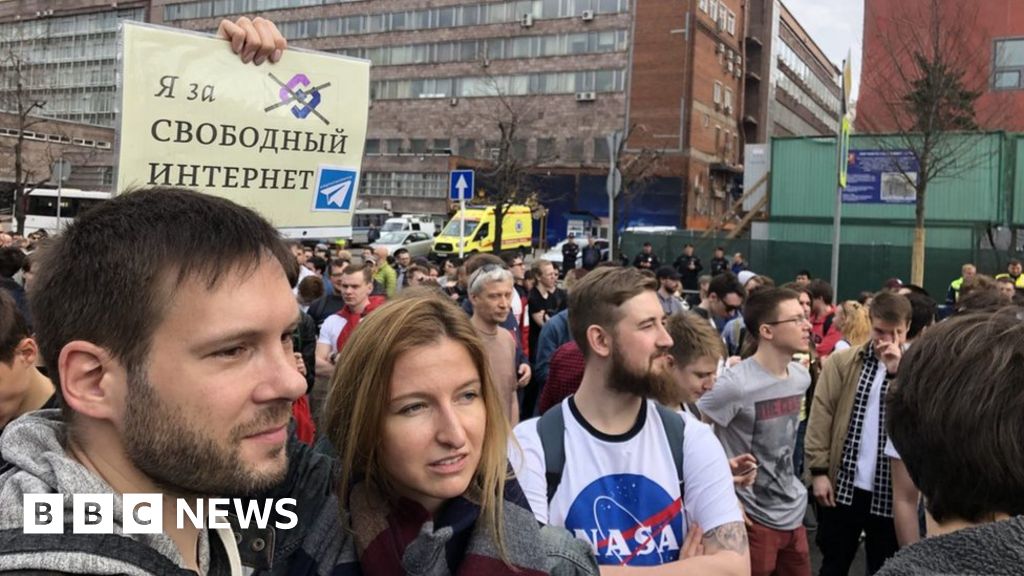
Telegram's popularity as a hub for critical commentary, independent news channels, and even coordination of protest activities makes it a particular target. In the current climate, where the Russian government is increasingly sensitive to dissenting voices and alternative narratives, a platform that facilitates uncensored communication is seen as a significant threat. Unlike other social media platforms that have either been completely banned (like Facebook and Instagram) or agreed to more stringent content moderation, Telegram has largely maintained its independent stance. Its encrypted chats make it incredibly difficult for authorities to monitor private communications, further fueling the government's frustration.
Furthermore, reports suggest that the technical capabilities of Russia's "sovereign internet" infrastructure have advanced significantly since the last attempt to block Telegram. The implementation of Deep Packet Inspection (DPI) technology at internet service provider (ISP) levels has become more widespread, potentially allowing for more precise and effective filtering of traffic. This improved technical infrastructure, coupled with a heightened political resolve to control information flows, forms the backdrop for the current blocking plans. The government may also be seeking to consolidate users onto state-controlled or more compliant domestic platforms, further centralizing its grip on online discourse.
What This Means for Users and the Digital Landscape
Should Russia successfully implement a block on Telegram in April, the ramifications for its citizens and the broader digital landscape will be profound. For millions of Russian users, Telegram is not just a chat app; it serves as a primary source for news, a networking tool for businesses, and a platform for education and entertainment. Its removal would create a significant void, disrupting daily communication and access to diverse information. Many rely on Telegram channels for real-time updates on a variety of topics, from local news to international events, often bypassing state-controlled media narratives.
Users will undoubtedly seek alternatives. While some may migrate to other messaging apps that are still available, such as VK Messenger (a domestic alternative) or WhatsApp (though owned by Meta, which is designated as extremist in Russia, the app itself hasn't been blocked), many are expected to turn to VPN services and proxy servers with renewed vigor. The demand for virtual private networks will likely surge, as users attempt to circumvent the block and maintain access to their preferred platform. This could lead to a cat-and-mouse game between authorities and tech-savvy users, similar to previous attempts, potentially pushing more individuals towards more obscure or less reliable circumvention tools.
The broader implications extend to the concept of internet freedom and the ability of citizens to access uncensored information. A successful block on Telegram would signal a further tightening of the digital noose in Russia, reinforcing the state's control over online spaces. It could set a precedent for even more aggressive filtering of internet content and services in the future, further isolating Russia's digital environment from the global internet. Businesses that rely on Telegram for internal communications or external marketing will need to adapt quickly, potentially facing disruptions. Ultimately, this move underscores the ongoing global battle between digital rights and state control, with Russia appearing determined to assert its digital sovereignty at the expense of open internet access for its citizens.
The looming threat to Telegram in Russia is more than just a technical challenge; it's a critical test of digital resilience, human rights, and the future of information access in an increasingly fractured global digital sphere.
Russia Plans to Block Telegram in April, Sources Say
Russia Plans to Block Telegram in April, Sources Say Wallpapers
Collection of russia plans to block telegram in april, sources say wallpapers for your desktop and mobile devices.
Serene Russia Plans To Block Telegram In April, Sources Say Moment in HD
Explore this high-quality russia plans to block telegram in april, sources say image, perfect for enhancing your desktop or mobile wallpaper.

Gorgeous Russia Plans To Block Telegram In April, Sources Say Abstract for Desktop
This gorgeous russia plans to block telegram in april, sources say photo offers a breathtaking view, making it a perfect choice for your next wallpaper.

Stunning Russia Plans To Block Telegram In April, Sources Say Abstract Illustration
Find inspiration with this unique russia plans to block telegram in april, sources say illustration, crafted to provide a fresh look for your background.

Spectacular Russia Plans To Block Telegram In April, Sources Say Picture Art
This gorgeous russia plans to block telegram in april, sources say photo offers a breathtaking view, making it a perfect choice for your next wallpaper.

Serene Russia Plans To Block Telegram In April, Sources Say Picture for Your Screen
Experience the crisp clarity of this stunning russia plans to block telegram in april, sources say image, available in high resolution for all your screens.

Vivid Russia Plans To Block Telegram In April, Sources Say Capture for Mobile
Explore this high-quality russia plans to block telegram in april, sources say image, perfect for enhancing your desktop or mobile wallpaper.

Spectacular Russia Plans To Block Telegram In April, Sources Say Photo Photography
Find inspiration with this unique russia plans to block telegram in april, sources say illustration, crafted to provide a fresh look for your background.
Vibrant Russia Plans To Block Telegram In April, Sources Say Design Illustration
Discover an amazing russia plans to block telegram in april, sources say background image, ideal for personalizing your devices with vibrant colors and intricate designs.
Vibrant Russia Plans To Block Telegram In April, Sources Say Artwork for Mobile
Discover an amazing russia plans to block telegram in april, sources say background image, ideal for personalizing your devices with vibrant colors and intricate designs.

Mesmerizing Russia Plans To Block Telegram In April, Sources Say Picture for Mobile
Explore this high-quality russia plans to block telegram in april, sources say image, perfect for enhancing your desktop or mobile wallpaper.
Detailed Russia Plans To Block Telegram In April, Sources Say Landscape Digital Art
Explore this high-quality russia plans to block telegram in april, sources say image, perfect for enhancing your desktop or mobile wallpaper.
Gorgeous Russia Plans To Block Telegram In April, Sources Say Artwork for Desktop
Find inspiration with this unique russia plans to block telegram in april, sources say illustration, crafted to provide a fresh look for your background.
Vivid Russia Plans To Block Telegram In April, Sources Say Photo Digital Art
Discover an amazing russia plans to block telegram in april, sources say background image, ideal for personalizing your devices with vibrant colors and intricate designs.

Crisp Russia Plans To Block Telegram In April, Sources Say Wallpaper Concept
Immerse yourself in the stunning details of this beautiful russia plans to block telegram in april, sources say wallpaper, designed for a captivating visual experience.
Lush Russia Plans To Block Telegram In April, Sources Say Background Collection
Immerse yourself in the stunning details of this beautiful russia plans to block telegram in april, sources say wallpaper, designed for a captivating visual experience.
Vivid Russia Plans To Block Telegram In April, Sources Say Abstract for Mobile
Explore this high-quality russia plans to block telegram in april, sources say image, perfect for enhancing your desktop or mobile wallpaper.
Dynamic Russia Plans To Block Telegram In April, Sources Say Moment for Your Screen
Immerse yourself in the stunning details of this beautiful russia plans to block telegram in april, sources say wallpaper, designed for a captivating visual experience.
Dynamic Russia Plans To Block Telegram In April, Sources Say Landscape Concept
A captivating russia plans to block telegram in april, sources say scene that brings tranquility and beauty to any device.
High-Quality Russia Plans To Block Telegram In April, Sources Say Wallpaper for Your Screen
Explore this high-quality russia plans to block telegram in april, sources say image, perfect for enhancing your desktop or mobile wallpaper.
Breathtaking Russia Plans To Block Telegram In April, Sources Say Moment for Desktop
Experience the crisp clarity of this stunning russia plans to block telegram in april, sources say image, available in high resolution for all your screens.
Download these russia plans to block telegram in april, sources say wallpapers for free and use them on your desktop or mobile devices.