RFK Jr says seed oils harm our health. We checked the science
RFK Jr Says Seed Oils Harm Our Health. We Checked the Science
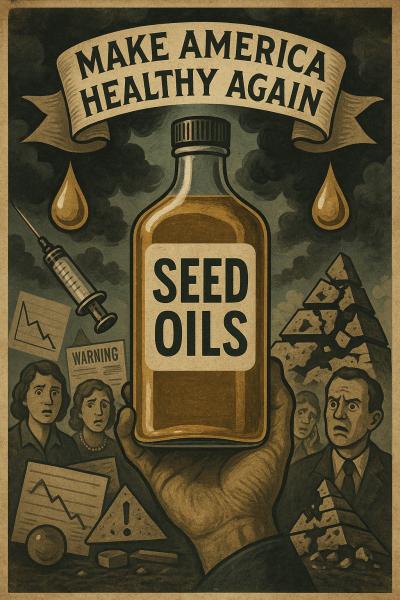
It was a quiet Tuesday evening, and I was making dinner—chicken stir-fry. As I reached for the bottle of vegetable oil, my phone buzzed with a viral clip. It was Robert F. Kennedy Jr., making a powerful, definitive claim: the seed oils in my pantry were not just unhealthy, they were "poison," responsible for everything from obesity to chronic inflammation. The claims hit like a nutrition bombshell, instantly sparking debates across social media platforms.
RFK Jr. is known for his skepticism regarding conventional public health recommendations, and his recent focus on dietary fats—specifically modern industrial seed oils—has amplified a conversation that has simmered in wellness circles for years. But when a high-profile political figure enters the dietary fray, we need to move past the rhetoric and look directly at the data. Are canola oil, soybean oil, and sunflower oil truly silent killers, or is this another instance of health misinformation gone viral? We reviewed the established scientific consensus on the controversial subject of **industrial vegetable oils**.
The Core Argument: Why Critics Call Seed Oils 'Toxic'
The term "seed oils" primarily refers to common cooking fats like corn, soy, cottonseed, and standard canola oil, which are high in polyunsaturated fatty acids (PUFAs). The critique popularized by RFK Jr. and other low-carb advocates centers on one key molecule: **linoleic acid** (an Omega-6 PUFA).
The argument suggests that historically, humans consumed far less Omega-6, and the modern diet—heavy in ultra-processed foods and takeout—has drastically skewed our Omega-6 to Omega-3 ratio. This imbalance is allegedly the root cause of widespread chronic diseases, fueling issues like insulin resistance and obesity.
Critics point to three main hazards inherent in modern vegetable oil consumption:
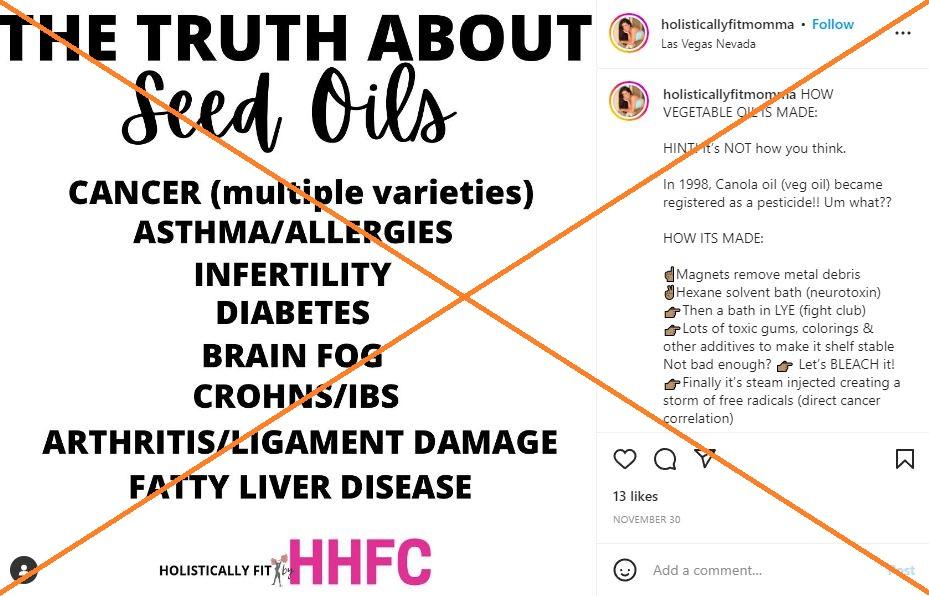
- **Oxidation During Processing:** Seed oils often require extensive processing, heating, and chemical treatment (degumming, bleaching, deodorizing). This process can create harmful oxidation products, potentially damaging the oil's molecular structure before it even reaches the consumer's home.
- **Increased Oxidative Stress:** Excessive linoleic acid, when stored in fat cells or cooked at high temperatures, is theorized to increase oxidative stress in the body. This stress is then linked to systemic inflammation and conditions like heart disease and **metabolic syndrome**.
- **High Heat Instability:** Many of these Omega-6 rich oils have a low smoke point. This means they break down rapidly during frying, releasing potentially toxic compounds known as aldehydes, which can be harmful if inhaled or consumed repeatedly.
This narrative provides a compelling, easy-to-digest explanation for modern health crises: the fat we were told was healthy (vegetable oil) is actually the hidden enemy. But does the definitive anti-seed oil stance hold up when scrutinized by large-scale, long-term human studies?
The Scientific Verdict: Do Controlled Trials Back the Warnings?
When the claims move from theoretical biochemistry to large-scale human epidemiology and **randomized controlled trials (RCTs)**, the picture becomes significantly more complex. Mainstream nutritional science does not currently support the blanket assertion that consuming common, high-quality seed oils leads directly to poor health outcomes, especially when they replace less healthy saturated fats.
Decades of research have investigated the role of replacing saturated fats (like butter and lard) with PUFA-rich vegetable oils. The results often contradict the 'toxic oil' narrative. Numerous long-term studies, including meta-analyses, suggest that swapping out animal fats for polyunsaturated fats actually improves markers for **cardiovascular disease** risk.
For example, substituting saturated fats with linoleic acid-rich oils consistently lowers harmful **LDL cholesterol** levels—a primary predictor of heart attack risk. While some critics argue that lowering LDL isn't the whole story, the established scientific consensus—upheld by organizations like the American Heart Association and the World Health Organization—views this substitution as a beneficial dietary strategy.
However, scientists agree with critics on one major point: the *state* of the oil matters immensely. Highly oxidized, repeatedly heated oils (like those used in deep fryers at fast-food restaurants) *do* generate dangerous compounds. The problem isn't necessarily the seed oil itself in its raw, bottled state, but the context of its consumption—excessive consumption through ultra-processed junk food, where the oil is already damaged or repeatedly heated beyond its capacity.
A central challenge in this debate is separating the effect of the oil from the "junk food matrix" it usually resides in. Are people getting sick because of the refined oil, or because they are consuming it inside a diet high in sugar, highly refined flour, sodium, and additives? Most dietitians argue that the latter scenario, the overall lack of nutrient density in the typical Western diet, is the dominant factor.
Nuance is Key: Not All Vegetable Oils Are Created Equal
The blanket term "seed oils" is scientifically misleading, as various fats have drastically different fatty acid profiles, processing methods, and thermal stability. Ignoring these differences is a significant flaw in the anti-seed oil rhetoric.
For instance, **Extra Virgin Olive Oil** (EVOO) is minimally processed and universally praised for its health benefits because it is rich in stable monounsaturated fats (oleic acid). Conversely, flaxseed oil is extremely high in fragile Omega-3 PUFAs, making it excellent nutritionally but wholly unsuitable for cooking.
Even among the high-Omega-6 oils, modern agricultural science has created significant differentiation. Many commercially available canola and sunflower oils are now "high oleic" varieties. These strains have been bred specifically to be richer in stable monounsaturated fats, mirroring the profile of olive oil, greatly improving their heat stability and resistance to oxidation.
For the average consumer, focusing on oil quality and cooking context is more important than wholesale elimination. Practical advice, supported by science, should center on moderation and appropriate use:
- **Cooking Temperature:** Avoid heating PUFA-rich oils (like standard soybean or corn oil) to their smoke point for prolonged periods. These oils are best used primarily for salad dressings, homemade mayonnaise, or light sautéing.
- **Choosing High Stability Fats:** For high-heat cooking (roasting, deep frying), opt for fats that are inherently more saturated or monounsaturated. This includes avocado oil, high-oleic safflower or sunflower oil, or traditional saturated fats like coconut oil or grass-fed tallow.
- **Reading Labels:** The real nutritional menace in fats comes from partially hydrogenated oils, which were widely used to make inexpensive processed foods. These create artificial **trans fats**, which genuine scientific consensus links directly to serious health risks.
The debate should shift from "seed oils are poison" to "which fats offer the best nutritional profile and stability for my intended use?" The focus needs to be on fat *quality*, not just its origin.
RFK Jr.'s powerful condemnation of seed oils certainly grabbed headlines and forced a necessary public discussion about what we put in our bodies. He is correct in highlighting that the rise of highly processed foods, often laden with cheaply produced, oxidized fats, is detrimental to health. However, the evidence does not support the extreme claim that all polyunsaturated fats found in modern cooking oils are inherently toxic.
The science points toward moderation, quality sourcing, and mindful cooking methods. Replacing unhealthy saturated fats with high-quality, unoxidized vegetable oils (especially those high in MUFAs or those used cold) remains a beneficial dietary strategy according to major health bodies. The real enemy isn't the seed, but the industrial processes that damage the oil and the excessive consumption of refined junk food.
Ultimately, while RFK Jr. correctly identifies the problem of modern processed diets, his diagnosis regarding the specific danger of all seed oils appears to overshoot the scientific consensus. Consumers should focus less on eliminating entire food groups and more on minimizing processed foods and choosing fats appropriate for their culinary application and health goals.
RFK Jr says seed oils harm our health. We checked the science
RFK Jr says seed oils harm our health. We checked the science Wallpapers
Collection of rfk jr says seed oils harm our health. we checked the science wallpapers for your desktop and mobile devices.

Stunning Rfk Jr Says Seed Oils Harm Our Health. We Checked The Science Photo for Mobile
Find inspiration with this unique rfk jr says seed oils harm our health. we checked the science illustration, crafted to provide a fresh look for your background.

Exquisite Rfk Jr Says Seed Oils Harm Our Health. We Checked The Science Abstract in 4K
Immerse yourself in the stunning details of this beautiful rfk jr says seed oils harm our health. we checked the science wallpaper, designed for a captivating visual experience.

Artistic Rfk Jr Says Seed Oils Harm Our Health. We Checked The Science Abstract for Mobile
A captivating rfk jr says seed oils harm our health. we checked the science scene that brings tranquility and beauty to any device.

Spectacular Rfk Jr Says Seed Oils Harm Our Health. We Checked The Science Landscape Digital Art
Find inspiration with this unique rfk jr says seed oils harm our health. we checked the science illustration, crafted to provide a fresh look for your background.

Vivid Rfk Jr Says Seed Oils Harm Our Health. We Checked The Science Artwork for Your Screen
Transform your screen with this vivid rfk jr says seed oils harm our health. we checked the science artwork, a true masterpiece of digital design.

Beautiful Rfk Jr Says Seed Oils Harm Our Health. We Checked The Science Picture Photography
Discover an amazing rfk jr says seed oils harm our health. we checked the science background image, ideal for personalizing your devices with vibrant colors and intricate designs.

Beautiful Rfk Jr Says Seed Oils Harm Our Health. We Checked The Science Capture Nature
Discover an amazing rfk jr says seed oils harm our health. we checked the science background image, ideal for personalizing your devices with vibrant colors and intricate designs.

Captivating Rfk Jr Says Seed Oils Harm Our Health. We Checked The Science Background Digital Art
Find inspiration with this unique rfk jr says seed oils harm our health. we checked the science illustration, crafted to provide a fresh look for your background.

Exquisite Rfk Jr Says Seed Oils Harm Our Health. We Checked The Science Artwork Nature
Immerse yourself in the stunning details of this beautiful rfk jr says seed oils harm our health. we checked the science wallpaper, designed for a captivating visual experience.

Captivating Rfk Jr Says Seed Oils Harm Our Health. We Checked The Science Background Concept
Immerse yourself in the stunning details of this beautiful rfk jr says seed oils harm our health. we checked the science wallpaper, designed for a captivating visual experience.

Amazing Rfk Jr Says Seed Oils Harm Our Health. We Checked The Science Photo in 4K
Explore this high-quality rfk jr says seed oils harm our health. we checked the science image, perfect for enhancing your desktop or mobile wallpaper.

High-Quality Rfk Jr Says Seed Oils Harm Our Health. We Checked The Science Scene for Desktop
Explore this high-quality rfk jr says seed oils harm our health. we checked the science image, perfect for enhancing your desktop or mobile wallpaper.

Gorgeous Rfk Jr Says Seed Oils Harm Our Health. We Checked The Science Design in 4K
A captivating rfk jr says seed oils harm our health. we checked the science scene that brings tranquility and beauty to any device.
Dynamic Rfk Jr Says Seed Oils Harm Our Health. We Checked The Science Moment Digital Art
A captivating rfk jr says seed oils harm our health. we checked the science scene that brings tranquility and beauty to any device.

Spectacular Rfk Jr Says Seed Oils Harm Our Health. We Checked The Science Wallpaper in HD
A captivating rfk jr says seed oils harm our health. we checked the science scene that brings tranquility and beauty to any device.
Vibrant Rfk Jr Says Seed Oils Harm Our Health. We Checked The Science Image Art
Explore this high-quality rfk jr says seed oils harm our health. we checked the science image, perfect for enhancing your desktop or mobile wallpaper.

Amazing Rfk Jr Says Seed Oils Harm Our Health. We Checked The Science Design in HD
Transform your screen with this vivid rfk jr says seed oils harm our health. we checked the science artwork, a true masterpiece of digital design.
Beautiful Rfk Jr Says Seed Oils Harm Our Health. We Checked The Science Landscape Concept
Transform your screen with this vivid rfk jr says seed oils harm our health. we checked the science artwork, a true masterpiece of digital design.

Stunning Rfk Jr Says Seed Oils Harm Our Health. We Checked The Science Picture Digital Art
A captivating rfk jr says seed oils harm our health. we checked the science scene that brings tranquility and beauty to any device.
Crisp Rfk Jr Says Seed Oils Harm Our Health. We Checked The Science Design Photography
Find inspiration with this unique rfk jr says seed oils harm our health. we checked the science illustration, crafted to provide a fresh look for your background.
Download these rfk jr says seed oils harm our health. we checked the science wallpapers for free and use them on your desktop or mobile devices.