Fasting Intention: Every Night or Just Once? Here's the Explanation.
Fasting Intention: Every Night or Just Once? Here's the Explanation.
Have you ever found yourself wide awake just before dawn, perhaps after a satisfying *suhoor* meal, suddenly gripped by a moment of panic? "Did I make my *niat* for fasting today?" you wonder, or worse, "Do I need to make *niat* every single night, or was that one time on the first night of Ramadan enough?" If this scenario sounds familiar, you're certainly not alone. This is one of the most frequently asked questions during the holy month of Ramadan and other times of voluntary fasting, often sparking lively discussions among friends and family, and even leading to a flurry of searches online.
The concept of *niat*, or intention, is fundamental in Islam. It's the silent, heartfelt resolve to perform an act of worship purely for the sake of Allah. Without a sincere intention, an act of worship, no matter how outwardly perfect, holds little spiritual value. For fasting, this intention is the spiritual engine that drives the physical abstention from food, drink, and other prohibitions. But the specifics – *when* and *how often* this intention needs to be made – have been a subject of scholarly discussion for centuries, leading to various interpretations and practices across different Islamic schools of thought. In an age where information is abundant but often confusing, understanding these nuances is crucial for every Muslim striving to fulfill their religious obligations correctly and with peace of mind. Let's dive into the details and unpack this often-debated topic, offering clarity on whether your fasting intention needs a nightly refresh or a one-time declaration.
The Core Question: Decoding the 'Niat' for Fasting
At its heart, the query about *niat* for fasting stems from a deep-seated desire to ensure our acts of worship are accepted. The Arabic word *niat* means intention or resolve. In the context of Islamic jurisprudence (Fiqh), it refers to the inner determination to perform an action, differentiating acts of worship (*ibadah*) from mere habits. For instance, eating to nourish yourself is a habit; eating with the intention of breaking your fast at *iftar* is an act of *ibadah*. The Prophet Muhammad (peace be upon him) famously said, "Actions are but by intentions, and every man shall have but that which he intended." This profound statement underscores the critical role of *niat* in all aspects of a Muslim's life, especially in acts of worship like prayer, charity, Hajj, and fasting.
When it comes to fasting, the *niat* is what transforms abstaining from food and drink into an act of devotion. Without it, the physical act of refraining from eating simply doesn't count as a fast in the religious sense. This much is universally agreed upon by all Islamic scholars and schools of thought. The confusion arises when we consider the *timing* and *frequency* of this intention. Is each day of an obligatory fast, like in Ramadan, a distinct act of worship requiring a separate, fresh intention? Or is Ramadan considered one continuous act of worship, where a single overarching intention made at the beginning suffices for the entire month? This divergence in understanding is what primarily fuels the ongoing debate and often leaves individuals feeling unsure about their religious practice. Understanding these different scholarly perspectives is not about finding a single "right" answer, but appreciating the richness and depth of Islamic intellectual tradition and finding a practice that brings you closer to Allah with certainty.
Scholarly Views: Every Night, Once for the Month, or Both?
The question of when and how often to make the fasting intention has been extensively discussed by Islamic scholars across various schools of thought. There isn't a monolithic answer, but rather nuanced interpretations rooted in different understandings of scriptural texts and their application. Let's explore the primary views that shape current practices.
View 1: Intention Every Night (Jumhur Ulama / Majority View)
The most widely held opinion, supported by the majority of Sunni scholars (including the Shafi'i, Hanbali, and Maliki schools in certain contexts), is that a specific intention must be made for each day of an obligatory fast, such as those during Ramadan. The reasoning behind this view is straightforward: each day of fasting is considered an independent act of worship. Just as each daily prayer requires a fresh intention, so too does each day of fasting.
Proponents of this view often cite a Hadith of the Prophet Muhammad (peace be upon him): "Whoever does not make the intention to fast before Fajr, there is no fast for him." (Narrated by Abu Dawud, Tirmidhi, Nasai, and Ibn Majah). This Hadith specifically mentions 'before Fajr,' implying a daily renewal of intent. For a Ramadan fast, this means that the intention for the next day's fast must be made after sunset (Maghrib) of the previous day and before the true dawn (Fajr) of the day one intends to fast. Practically, many Muslims find it convenient to make this intention during or after the *Isha* prayer, before going to bed, or even just before beginning their *suhoor* meal. The crucial aspect is the internal resolve. While some people verbalize their intention, the intention itself is a matter of the heart. Even the simple act of waking up for *suhoor* with the purpose of fasting for the day can be considered a valid daily intention. This approach ensures that each individual day's fasting is consciously dedicated as an act of *ibadah*.
View 2: Intention Once for the Entire Month (Hanafi School)
Contrasting with the majority view, the Hanafi school of thought holds that a single intention made on the first night of Ramadan can suffice for the entire month, provided the fast is not broken during the month. Their argument rests on the premise that Ramadan is considered one continuous act of worship. They liken it to Hajj, which is a continuous set of rituals, where an initial intention covers the entire pilgrimage. If one intends to fast the whole month of Ramadan from the outset, then this overarching intention is valid for all its days.
However, even within the Hanafi school, there's a nuance: if a person's fast is broken during the month (e.g., due to travel, illness, or menstruation), then upon resuming the fast, a new intention for the remaining days would be required. This view offers a degree of flexibility and alleviates the concern of forgetting the daily intention. It simplifies the process for many, ensuring that a lapse in daily remembrance doesn't invalidate their fast for that day. This understanding focuses on the comprehensive nature of Ramadan as a collective period of devotion rather than a series of disconnected daily fasts.
Reconciliation and a Precautionary Approach
Given these different scholarly opinions, what's a conscientious Muslim to do? Many contemporary scholars and Islamic institutions suggest a precautionary approach that harmonizes both views. This involves making the intention for the entire month of Ramadan on its first night, and then *also* renewing the intention each night or before Fajr for the following day's fast.
This combined method offers the best of both worlds. By making a general intention for the whole month, you cover the Hanafi position, ensuring continuity. By renewing the intention daily, you adhere to the majority view, which emphasizes the individual nature of each day's fast. This dual approach provides a strong sense of spiritual preparedness and offers peace of mind, knowing that you have addressed all valid scholarly opinions. It's a way of showing extra devotion and care in your religious practice, ensuring that your spiritual commitment is robust and unwavering throughout the holy month.
Practical Application and What It Means for You
Navigating the various scholarly opinions on *niat* might seem complex, but in practice, it boils down to understanding the purpose and choosing an approach that gives you confidence in your worship. Let's break down how this knowledge can be applied to your daily fasting routine.
For Ramadan Fasting: The Safest Path Forward
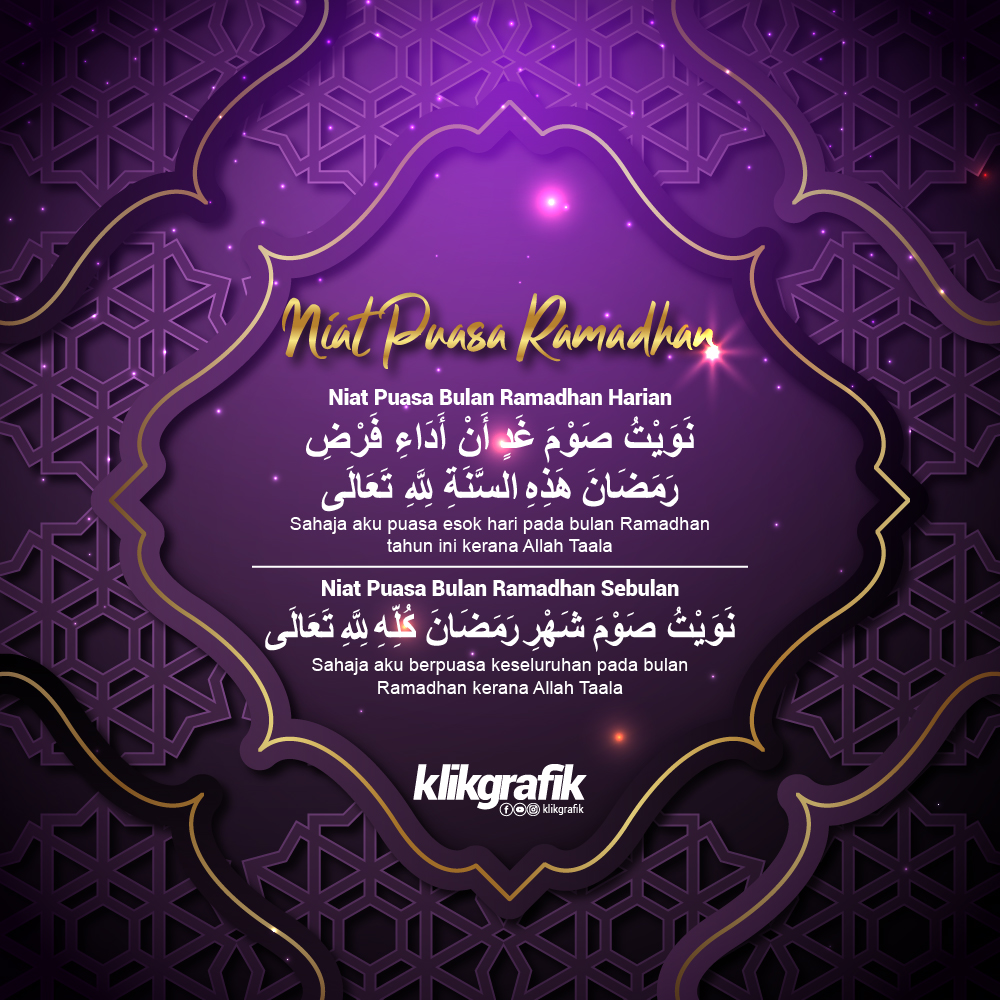
For the obligatory fasts of Ramadan, the generally recommended and safest approach is to renew your intention every night. As discussed, this covers the majority opinion and ensures your fast is valid by widely accepted standards. How do you do this? It's much simpler than it sounds. The intention is primarily an act of the heart. You don't need to recite a lengthy Arabic phrase, though many common supplications exist and can be helpful.
Your intention can be as simple as: "I intend to fast tomorrow for the sake of Allah during Ramadan." This intention should be made anytime between *Maghrib* (sunset) and *Fajr* (dawn) for the following day's fast. For many, waking up for *suhoor* with the conscious thought of fasting is itself a sufficient intention. If you typically eat *suhoor*, the very act of preparing and consuming that meal, knowing it's for the purpose of enduring the day's fast, intrinsically embodies the *niat*.
What if you forget? This is a common worry. If you genuinely forget to make a daily intention *before Fajr* and follow the majority view, that day's obligatory fast would generally be considered invalid and would need to be made up (qada) later. However, if you had made an initial intention for the entire month (following the Hanafi view), some scholars would argue that your fast for that day might still be valid, provided no deliberate act broke the fast. This highlights why the precautionary measure of combining both intentions—a general one for the month and a daily one—is highly advisable. It mitigates the risk of an invalidated fast due to forgetfulness, offering a greater sense of security in your *ibadah*.
For Other Fasts: Differentiating Requirements
It's important to remember that the rules regarding *niat* can vary slightly for different types of fasts:
* **Voluntary (Sunnah) Fasts:** For voluntary fasts (like Mondays and Thursdays, or the six days of Shawwal), the rules are often more lenient. According to many scholars, if you wake up in the morning and haven't eaten anything, you can still make the intention to fast for that day. This flexibility is a mercy from Allah, allowing Muslims to seize opportunities for extra reward even if they didn't plan it the night before. However, the intention must be made before a significant portion of the day has passed (e.g., before *Dhuhr* prayer time).
* **Obligatory Make-Up (Qada) Fasts:** If you missed any obligatory fasts during Ramadan (due to illness, travel, or menstruation) and need to make them up, the intention for these *qada* fasts is stricter. Similar to Ramadan, the intention for a make-up fast must be made *before Fajr* of the day you intend to fast. These are considered individual obligatory days, each requiring a specific pre-dawn intention.
* **Expiation (Kaffarah) Fasts:** Fasts performed as an expiation for certain transgressions (e.g., breaking an oath, unintentional killing, or specific violations during Hajj) also fall under the category of obligatory fasts. Therefore, the intention for *kaffarah* fasts must likewise be made *before Fajr* for each day.
In essence, for all obligatory fasts (Ramadan, Qada, Kaffarah), the general consensus leans towards making the intention before Fajr. For voluntary fasts, there's more leeway. This distinction emphasizes the different levels of obligation and the spiritual diligence required for each.
Embracing Sincerity and Diligence
Ultimately, the spirit behind the *niat* is sincerity and consciousness of Allah. While scholarly differences provide valuable insights into the depth of Islamic jurisprudence, the underlying message is always about devotion and intention. Whether you choose to renew your intention daily, rely on a monthly intention, or adopt a combined approach, ensure that your fasting is a heartfelt act performed purely for the pleasure of Allah. Consult local reputable scholars if you have specific doubts or wish to adhere to a particular school of thought. The beauty of Islam lies in its flexibility and the emphasis on the inner state of the worshipper. Focus on cultivating that sincere intention, and Allah will accept your efforts, insha'Allah.
The question of "Niat Puasa Harus Tiap Malam atau Cukup Sekali?" (Fasting Intention: Every Night or Just Once?) truly encapsulates a broader theological discussion about the nature of worship and individual responsibility. By understanding the diverse scholarly opinions, we gain a richer appreciation for Islamic law and empower ourselves to fulfill our religious duties with greater confidence and spiritual reward. May Allah accept our fasts and intentions, and guide us in all our endeavors.
Niat Puasa Harus Tiap Malam atau Cukup Sekali? Ini Penjelasannya
Niat Puasa Harus Tiap Malam atau Cukup Sekali? Ini Penjelasannya Wallpapers
Collection of niat puasa harus tiap malam atau cukup sekali? ini penjelasannya wallpapers for your desktop and mobile devices.

Exquisite Niat Puasa Harus Tiap Malam Atau Cukup Sekali? Ini Penjelasannya Abstract Photography
Immerse yourself in the stunning details of this beautiful niat puasa harus tiap malam atau cukup sekali? ini penjelasannya wallpaper, designed for a captivating visual experience.

Crisp Niat Puasa Harus Tiap Malam Atau Cukup Sekali? Ini Penjelasannya Image Photography
Find inspiration with this unique niat puasa harus tiap malam atau cukup sekali? ini penjelasannya illustration, crafted to provide a fresh look for your background.

Gorgeous Niat Puasa Harus Tiap Malam Atau Cukup Sekali? Ini Penjelasannya Design in HD
This gorgeous niat puasa harus tiap malam atau cukup sekali? ini penjelasannya photo offers a breathtaking view, making it a perfect choice for your next wallpaper.

Detailed Niat Puasa Harus Tiap Malam Atau Cukup Sekali? Ini Penjelasannya Artwork in HD
Explore this high-quality niat puasa harus tiap malam atau cukup sekali? ini penjelasannya image, perfect for enhancing your desktop or mobile wallpaper.

Vivid Niat Puasa Harus Tiap Malam Atau Cukup Sekali? Ini Penjelasannya Photo Art
Discover an amazing niat puasa harus tiap malam atau cukup sekali? ini penjelasannya background image, ideal for personalizing your devices with vibrant colors and intricate designs.

Breathtaking Niat Puasa Harus Tiap Malam Atau Cukup Sekali? Ini Penjelasannya Wallpaper Photography
Explore this high-quality niat puasa harus tiap malam atau cukup sekali? ini penjelasannya image, perfect for enhancing your desktop or mobile wallpaper.

Serene Niat Puasa Harus Tiap Malam Atau Cukup Sekali? Ini Penjelasannya Landscape for Mobile
Discover an amazing niat puasa harus tiap malam atau cukup sekali? ini penjelasannya background image, ideal for personalizing your devices with vibrant colors and intricate designs.
Gorgeous Niat Puasa Harus Tiap Malam Atau Cukup Sekali? Ini Penjelasannya Image in 4K
Immerse yourself in the stunning details of this beautiful niat puasa harus tiap malam atau cukup sekali? ini penjelasannya wallpaper, designed for a captivating visual experience.

Detailed Niat Puasa Harus Tiap Malam Atau Cukup Sekali? Ini Penjelasannya Picture Digital Art
Experience the crisp clarity of this stunning niat puasa harus tiap malam atau cukup sekali? ini penjelasannya image, available in high resolution for all your screens.

Exquisite Niat Puasa Harus Tiap Malam Atau Cukup Sekali? Ini Penjelasannya Capture Nature
Find inspiration with this unique niat puasa harus tiap malam atau cukup sekali? ini penjelasannya illustration, crafted to provide a fresh look for your background.

Mesmerizing Niat Puasa Harus Tiap Malam Atau Cukup Sekali? Ini Penjelasannya View Concept
Discover an amazing niat puasa harus tiap malam atau cukup sekali? ini penjelasannya background image, ideal for personalizing your devices with vibrant colors and intricate designs.

High-Quality Niat Puasa Harus Tiap Malam Atau Cukup Sekali? Ini Penjelasannya Moment Collection
Discover an amazing niat puasa harus tiap malam atau cukup sekali? ini penjelasannya background image, ideal for personalizing your devices with vibrant colors and intricate designs.

Spectacular Niat Puasa Harus Tiap Malam Atau Cukup Sekali? Ini Penjelasannya Design Nature
Immerse yourself in the stunning details of this beautiful niat puasa harus tiap malam atau cukup sekali? ini penjelasannya wallpaper, designed for a captivating visual experience.

Lush Niat Puasa Harus Tiap Malam Atau Cukup Sekali? Ini Penjelasannya Picture Digital Art
Find inspiration with this unique niat puasa harus tiap malam atau cukup sekali? ini penjelasannya illustration, crafted to provide a fresh look for your background.

Crisp Niat Puasa Harus Tiap Malam Atau Cukup Sekali? Ini Penjelasannya Image for Your Screen
This gorgeous niat puasa harus tiap malam atau cukup sekali? ini penjelasannya photo offers a breathtaking view, making it a perfect choice for your next wallpaper.

Mesmerizing Niat Puasa Harus Tiap Malam Atau Cukup Sekali? Ini Penjelasannya Artwork Nature
Transform your screen with this vivid niat puasa harus tiap malam atau cukup sekali? ini penjelasannya artwork, a true masterpiece of digital design.

Gorgeous Niat Puasa Harus Tiap Malam Atau Cukup Sekali? Ini Penjelasannya Landscape Collection
A captivating niat puasa harus tiap malam atau cukup sekali? ini penjelasannya scene that brings tranquility and beauty to any device.

Dynamic Niat Puasa Harus Tiap Malam Atau Cukup Sekali? Ini Penjelasannya Moment in 4K
A captivating niat puasa harus tiap malam atau cukup sekali? ini penjelasannya scene that brings tranquility and beauty to any device.

Serene Niat Puasa Harus Tiap Malam Atau Cukup Sekali? Ini Penjelasannya Moment Art
Discover an amazing niat puasa harus tiap malam atau cukup sekali? ini penjelasannya background image, ideal for personalizing your devices with vibrant colors and intricate designs.

Amazing Niat Puasa Harus Tiap Malam Atau Cukup Sekali? Ini Penjelasannya Photo Photography
Experience the crisp clarity of this stunning niat puasa harus tiap malam atau cukup sekali? ini penjelasannya image, available in high resolution for all your screens.
Download these niat puasa harus tiap malam atau cukup sekali? ini penjelasannya wallpapers for free and use them on your desktop or mobile devices.