Paint Realism
Paint Realism: The Ultimate Guide to Hyper-Realistic Art
Have you ever stood in front of a painting and genuinely questioned whether it was a photograph? If so, you've experienced the awe-inspiring power of Paint Realism. This artistic movement isn't just about drawing things accurately; it's about transcending the canvas to create an immersive, lifelike illusion that captivates the viewer. We're diving deep into this fascinating world, exploring everything from its historical roots to the intricate techniques needed to master it.
Whether you are an aspiring artist hoping to improve your craft or simply an art lover keen to understand how this magic happens, this guide is designed specifically for you. Get ready to uncover the secrets behind some of the most stunningly accurate artwork ever created.
What Exactly is Paint Realism?
At its core, Paint Realism is an umbrella term describing artwork that strives for verisimilitude—the quality of appearing true or real. Unlike impressionism or abstract art, realism prioritizes the objective representation of subject matter, aiming for fidelity to life.
However, true realism goes beyond mere photographic accuracy. A realistic painting attempts to capture the subtle nuances of light, shadow, texture, and color in such a way that the painted object feels tangible and present. It requires meticulous observation and technical skill far surpassing a basic drawing.
Often, when we talk about contemporary Paint Realism, we are specifically referring to movements like Photorealism and Hyperrealism, which take this commitment to accuracy to an extreme level, often working from reference photographs to achieve impossibly precise details.
Historical Roots and Evolution of Realism
Realism isn't a modern invention; the drive to depict the world accurately has been around for millennia. From ancient Roman portraiture to Renaissance masters, artists have consistently tried to mimic reality. The Renaissance brought huge leaps in technique, particularly with the discovery of linear perspective and improved understanding of human anatomy.
The 17th century saw further development, especially with Dutch Masters like Vermeer, whose startling use of light gives his paintings an almost photographic quality, even before the invention of the camera. Later, the 19th-century Realist movement championed subjects from everyday life, rejecting the idealized forms of Romanticism.
Classical Realism vs. Modern Paint Realism
It's important to differentiate between classical and modern approaches to Paint Realism. Classical Realism, often rooted in 19th-century traditions, typically emphasizes traditional methods, careful drawing, and often focuses on academic subjects like still life, portraiture, and figurative work.
Modern Paint Realism, however, is often driven by technical innovation and influenced heavily by photography. While classical painters often work directly from life, modern realists frequently rely on high-resolution reference photos, allowing them to achieve a level of detail that the human eye might miss in a single sitting.
The Rise of Photorealism and Hyperrealism
Photorealism emerged in the late 1960s, primarily in America. These artists aimed to reproduce a photograph as accurately as possible, often blurring the line between the camera lens and the paintbrush. Think of artists like Chuck Close or Richard Estes, known for their stunning urban landscapes and monumental portraits.
Hyperrealism, which is a modern extension of Photorealism, takes this concept even further. Hyperrealistic artists often enhance the reality presented in the source photograph, making textures and details even sharper, sometimes even adding elements of heightened detail or emotional intensity that weren't present in the original reference. This is where Paint Realism truly hits its peak technical mastery.
Essential Techniques for Mastering Paint Realism
Achieving realistic results isn't about luck; it's about patience, practice, and methodical execution. If you want your artwork to look truly realistic, you need to commit to building your painting slowly, layer by layer, paying obsessive attention to geometry and light.
Here are some fundamental techniques employed by masters of Paint Realism:
Materials That Make a Difference
The choice of materials can significantly impact your realistic outcome. High-quality paints and proper surface preparation are non-negotiable for achieving fine detail and rich color depth.
- Oil Paints: Often favored for realism due to their slow drying time, allowing for seamless blending (sfumato) and subtle gradients.
- Fine-Weave Canvas or Panel: Unlike rough canvas, a smooth surface is essential for executing the tiny details required in Paint Realism. Many artists prefer sanded wood panels or smooth linen.
- Tiny Brushes and Liners: You will need brushes with extremely fine points (like 00 or 000) for the final hair, pores, or highlights.
- High-Resolution References: Whether using a camera obscura, a projector, or freehand drawing, having a sharp, detailed reference image is key.
Layering and Glazing Techniques
Realistic paintings are almost always built up in layers, following the principle of "fat over lean" if using oils. This foundational process ensures the painting remains structurally sound and allows light to penetrate the surface, increasing luminosity.
Glazing involves applying thin, transparent layers of paint over dried layers. This technique is crucial for achieving the subtle color shifts and luminosity characteristic of skin tones, glass, or polished metal. The use of multiple glazes adds incredible depth that cannot be achieved with single, opaque applications.
Achieving Perfect Detail and Texture
Detail work is what truly separates great Paint Realism from basic accuracy. This often involves careful mapping out of shadows and highlights—a technique known as chiaroscuro—to give objects a three-dimensional feel. Without correct lighting, even perfectly drawn details look flat.
For texture, artists often use specific mediums to thicken paint (impasto) or scratch into layers (sgraffito) to simulate rough surfaces like wood or fabric. The goal is to make the viewer feel like they could reach out and touch the subject. This requires tireless observation of the way light behaves on different material surfaces.
Here is the typical sequence for building a realistic painting:
- **The Block-In:** Establishing large masses and accurate foundational drawing.
- **Underpainting (Grisaille/Verdaccio):** Creating a monochrome layer that establishes all the values (lights and darks).
- **First Color Pass:** Applying local color, usually in thin, opaque layers.
- **Glazing and Refining:** Applying multiple transparent layers to adjust hue, saturation, and depth.
- **Final Details and Highlights:** Adding the smallest, sharpest details and pure highlights (like the reflection in an eye).
Why Does Paint Realism Captivate Us?
The impact of realistic art is visceral. When we see a hyper-realistic portrait, we are often struck by a sense of intimacy or connection. It makes us pause and analyze the world around us with renewed intensity. Why is this movement so endlessly engaging?
Firstly, it challenges our perception of reality. The mastery required to mimic the real world using simple pigments is deeply impressive. We are fascinated by skill, and the skill displayed in top-tier Paint Realism is arguably among the highest technical achievements in art.
Secondly, realism serves as a powerful form of documentation. Before photography became ubiquitous, realism was the only way to preserve an accurate visual record of people, places, and events. Even today, realistic paintings can convey an emotional depth that sometimes surpasses the cold mechanical capture of a camera.
It ultimately satisfies a deeply human desire for recognition and identification. When the subject stares back at us with such clarity, the emotional resonance is profound.
Conclusion
Paint Realism is far more than just "copying." It is a demanding discipline that marries historical techniques with modern precision, pushing the boundaries of what a painting can achieve. From the classical masters meticulously rendering human form to contemporary hyperrealists blurring the lines with photography, the commitment to objective truth remains constant.
Mastering Paint Realism requires boundless patience, intense study of light and form, and dedication to technical execution. If you embark on this journey, be prepared for a rewarding challenge that results in truly breathtaking, lifelike art. The world of realistic painting continues to evolve, constantly reminding us of the endless potential of the human hand and eye.
Frequently Asked Questions About Paint Realism (FAQ)
- What is the difference between Realism and Photorealism?
- Realism is a broad category focused on objective representation, often working from direct observation. Photorealism is a specific, modern movement where the artist explicitly uses a photograph as the primary reference and strives to replicate the photo's appearance, including any camera-specific effects like shallow depth of field.
- What types of paint are best for Paint Realism?
- While acrylics can be used, oil paints are generally considered superior for high-level realism. Their slow drying time allows artists to blend colors seamlessly over long periods, which is essential for subtle gradients like skin tones and atmospheric effects.
- How long does a realistic painting typically take?
- The timeline varies significantly based on size and complexity, but due to the extensive layering and minute detail required, realistic paintings often take weeks or even months. A single large-scale hyperrealistic portrait might require 200 to 500 hours of focused work.
- Is tracing or projecting references acceptable in Paint Realism?
- In modern Photorealism and Hyperrealism, the use of tools like projectors or grids to establish accurate foundational drawing is common and widely accepted. The true artistry lies in the subsequent technical mastery, texture rendering, and color work, not just the initial drawing phase.
Paint Realism
Paint Realism Wallpapers
Collection of paint realism wallpapers for your desktop and mobile devices.
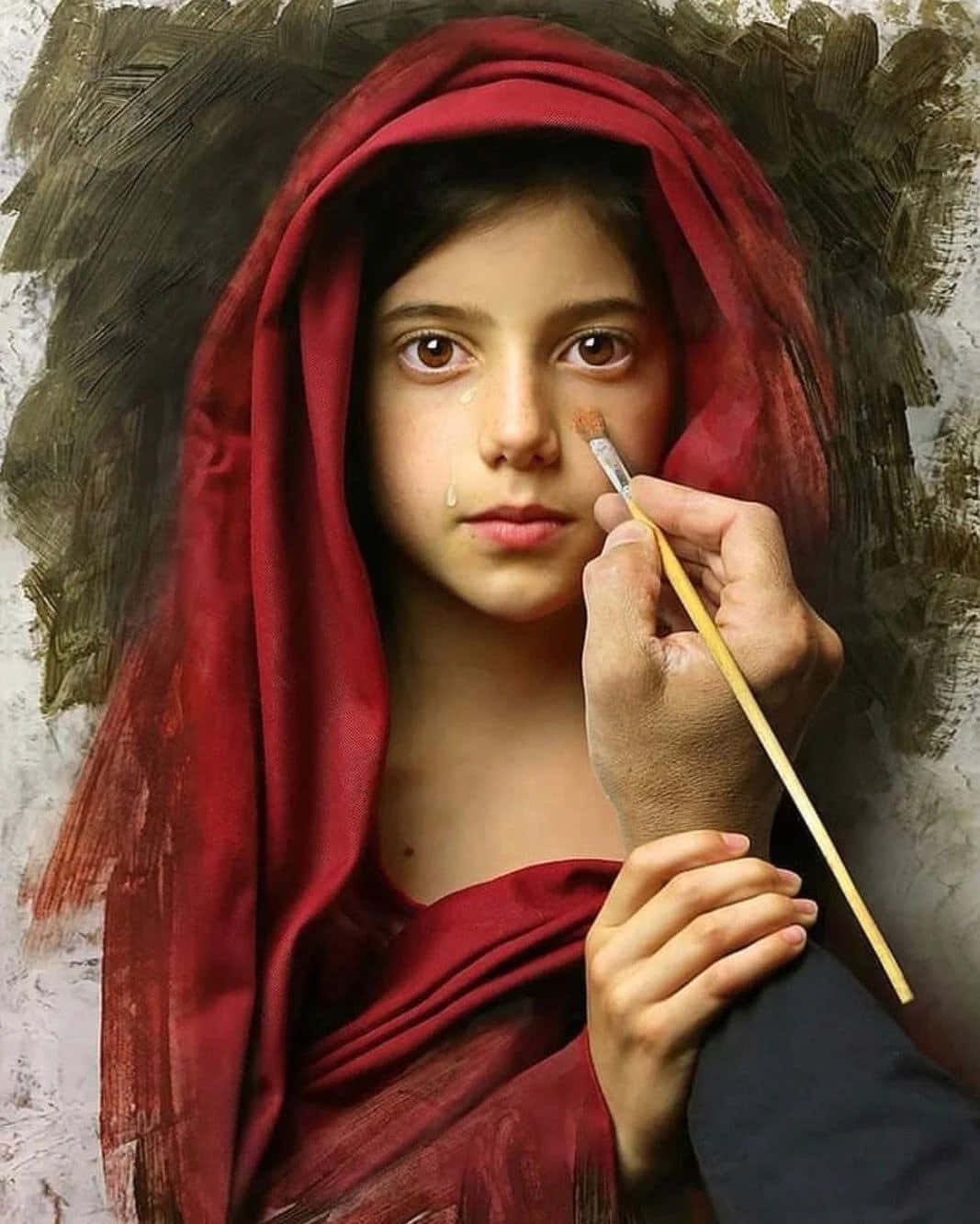
Captivating Paint Realism Artwork Art
Find inspiration with this unique paint realism illustration, crafted to provide a fresh look for your background.
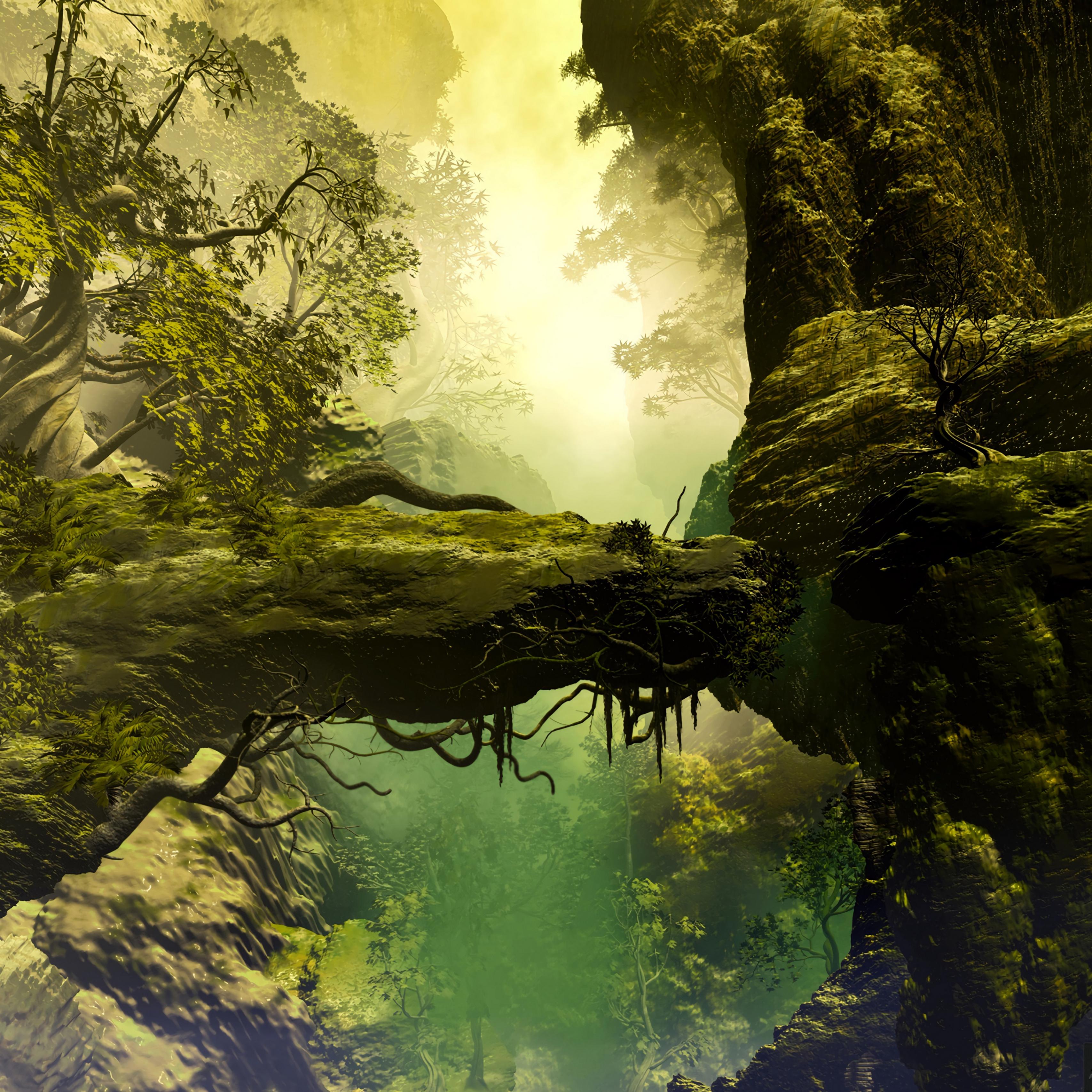
Vivid Paint Realism Design Digital Art
Transform your screen with this vivid paint realism artwork, a true masterpiece of digital design.
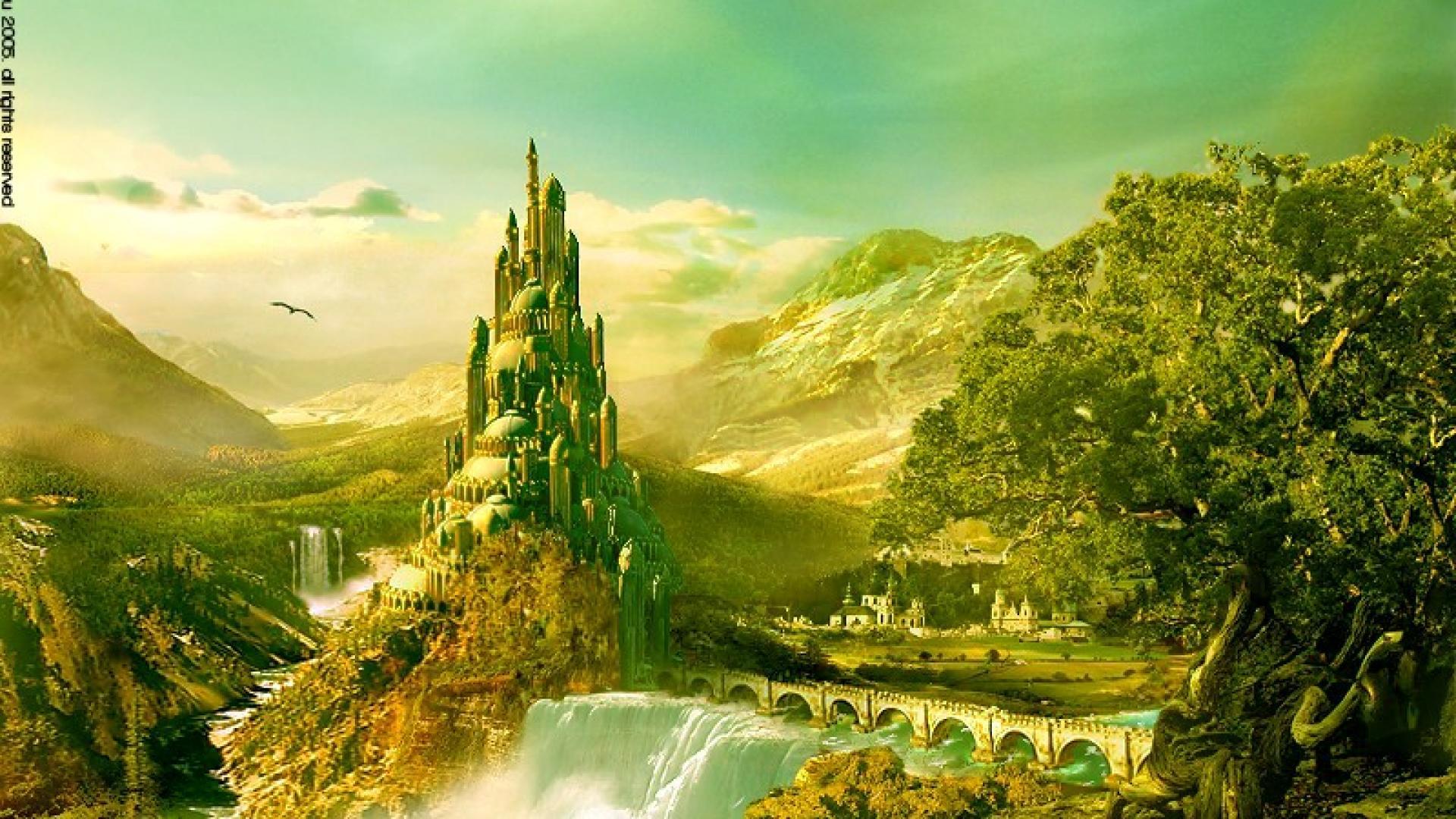
Detailed Paint Realism Wallpaper Art
Transform your screen with this vivid paint realism artwork, a true masterpiece of digital design.

Gorgeous Paint Realism Abstract in 4K
Immerse yourself in the stunning details of this beautiful paint realism wallpaper, designed for a captivating visual experience.

Amazing Paint Realism Picture Photography
Discover an amazing paint realism background image, ideal for personalizing your devices with vibrant colors and intricate designs.
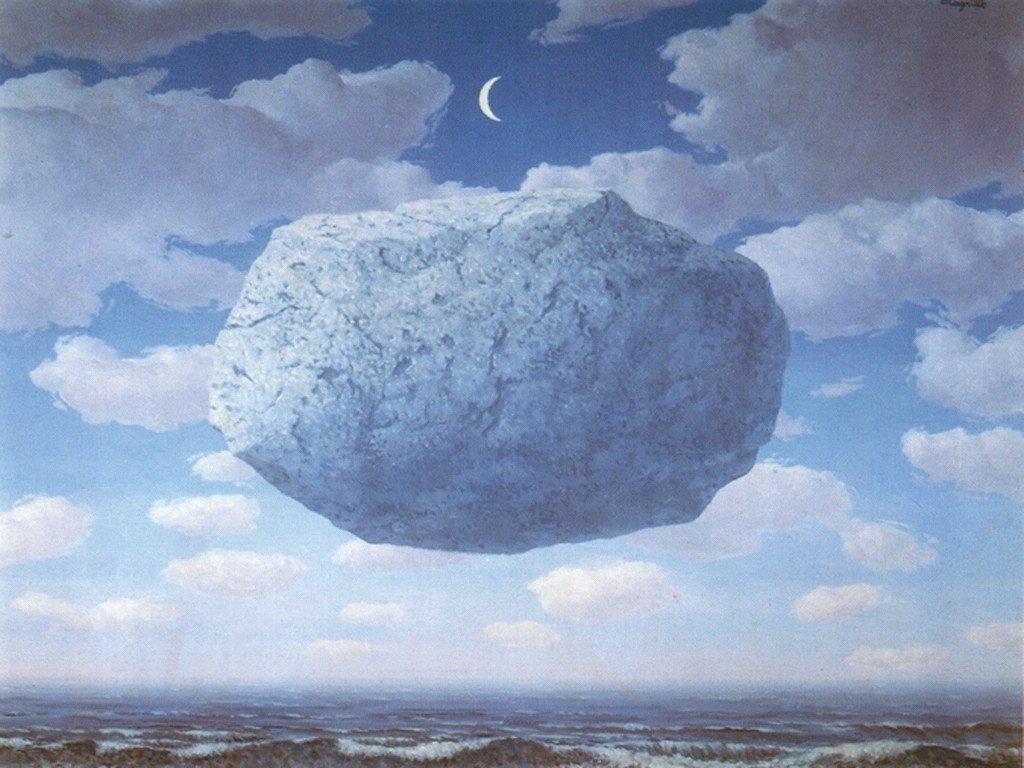
Exquisite Paint Realism Design Digital Art
Find inspiration with this unique paint realism illustration, crafted to provide a fresh look for your background.
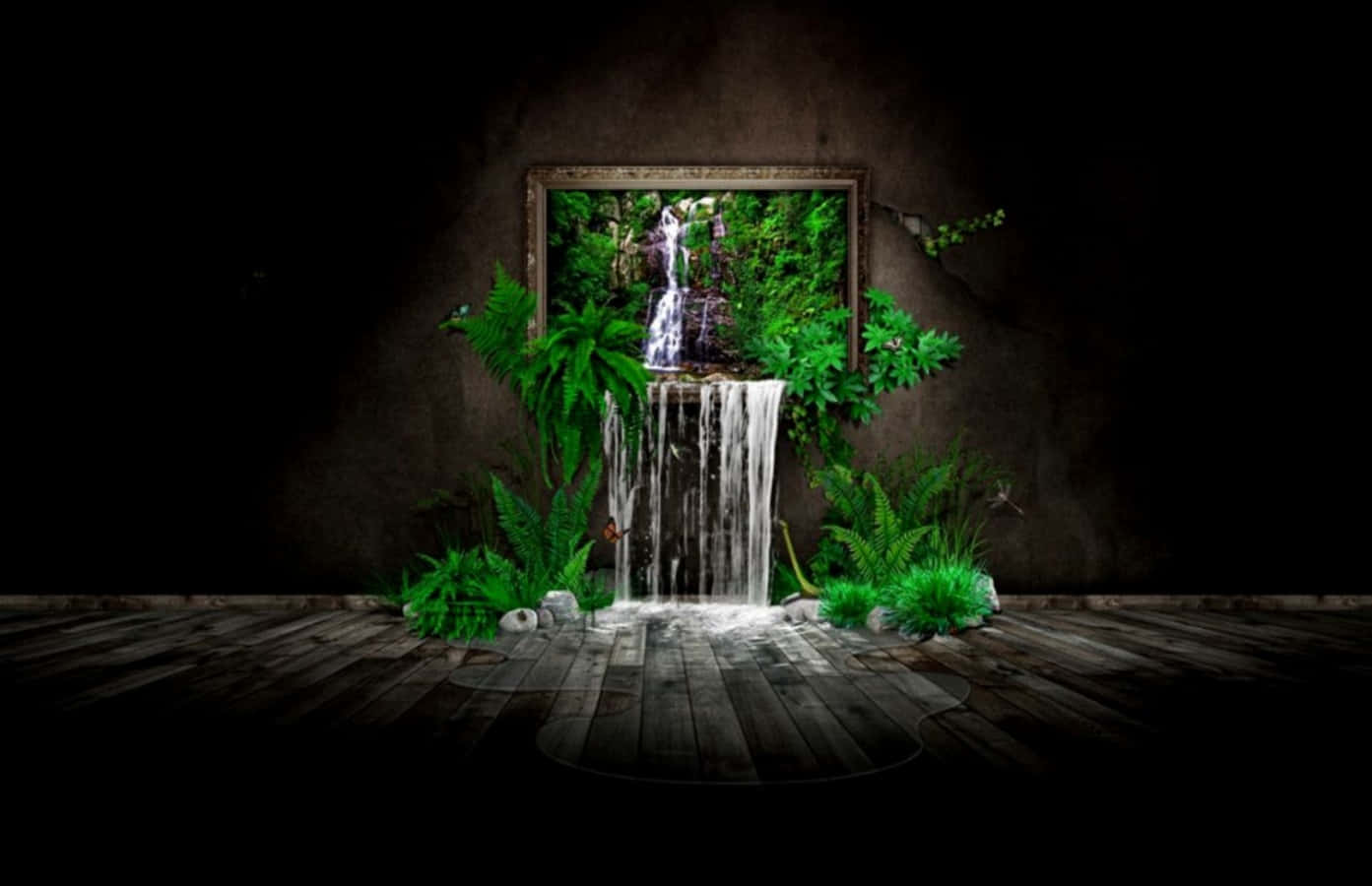
Artistic Paint Realism Capture Concept
This gorgeous paint realism photo offers a breathtaking view, making it a perfect choice for your next wallpaper.
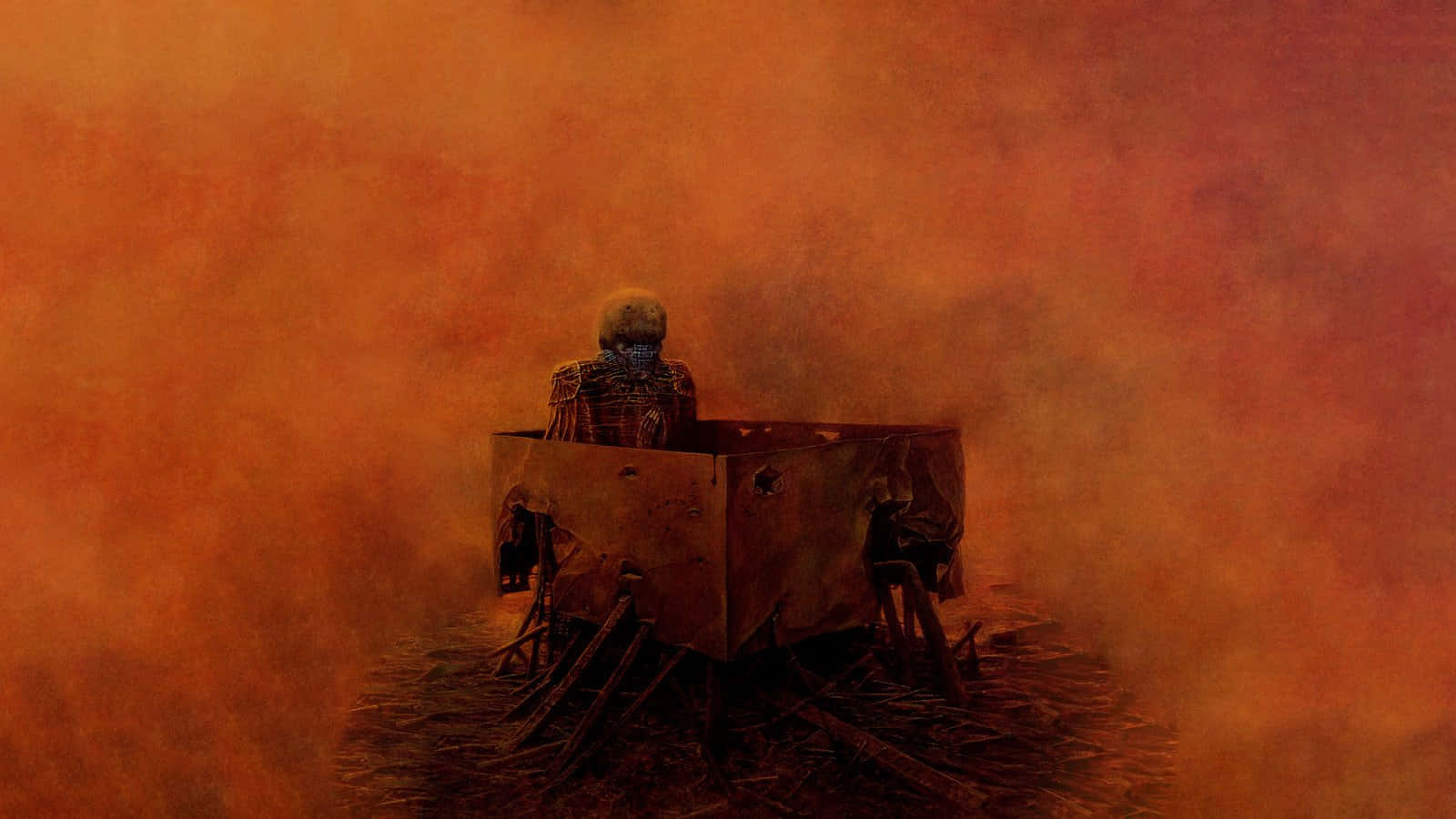
Vivid Paint Realism View for Mobile
Transform your screen with this vivid paint realism artwork, a true masterpiece of digital design.
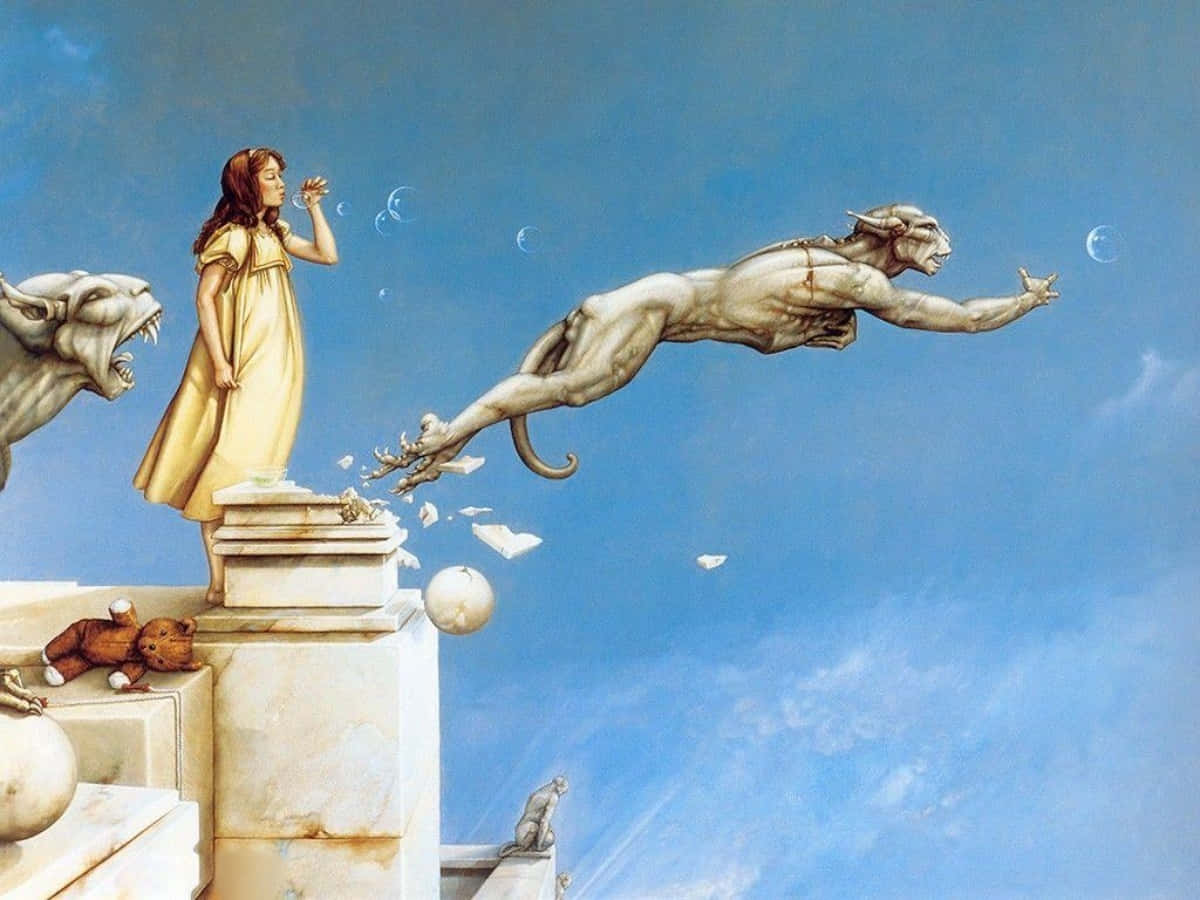
Crisp Paint Realism Scene Digital Art
This gorgeous paint realism photo offers a breathtaking view, making it a perfect choice for your next wallpaper.
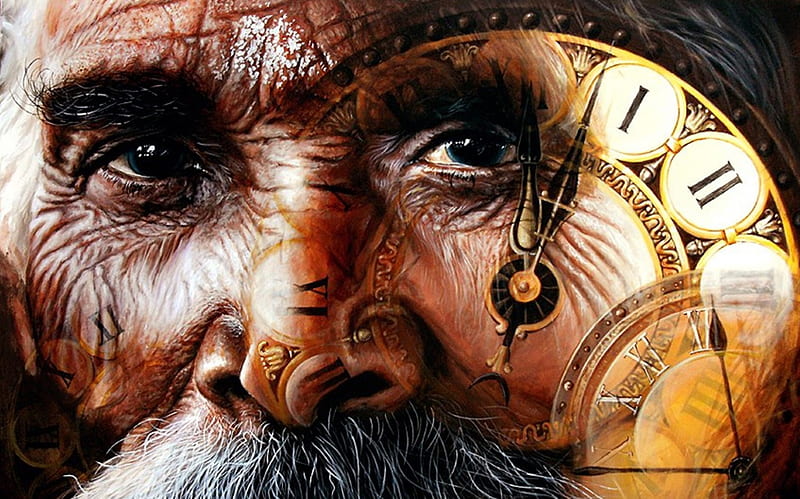
Lush Paint Realism Moment Art
This gorgeous paint realism photo offers a breathtaking view, making it a perfect choice for your next wallpaper.

Dynamic Paint Realism Scene in 4K
This gorgeous paint realism photo offers a breathtaking view, making it a perfect choice for your next wallpaper.
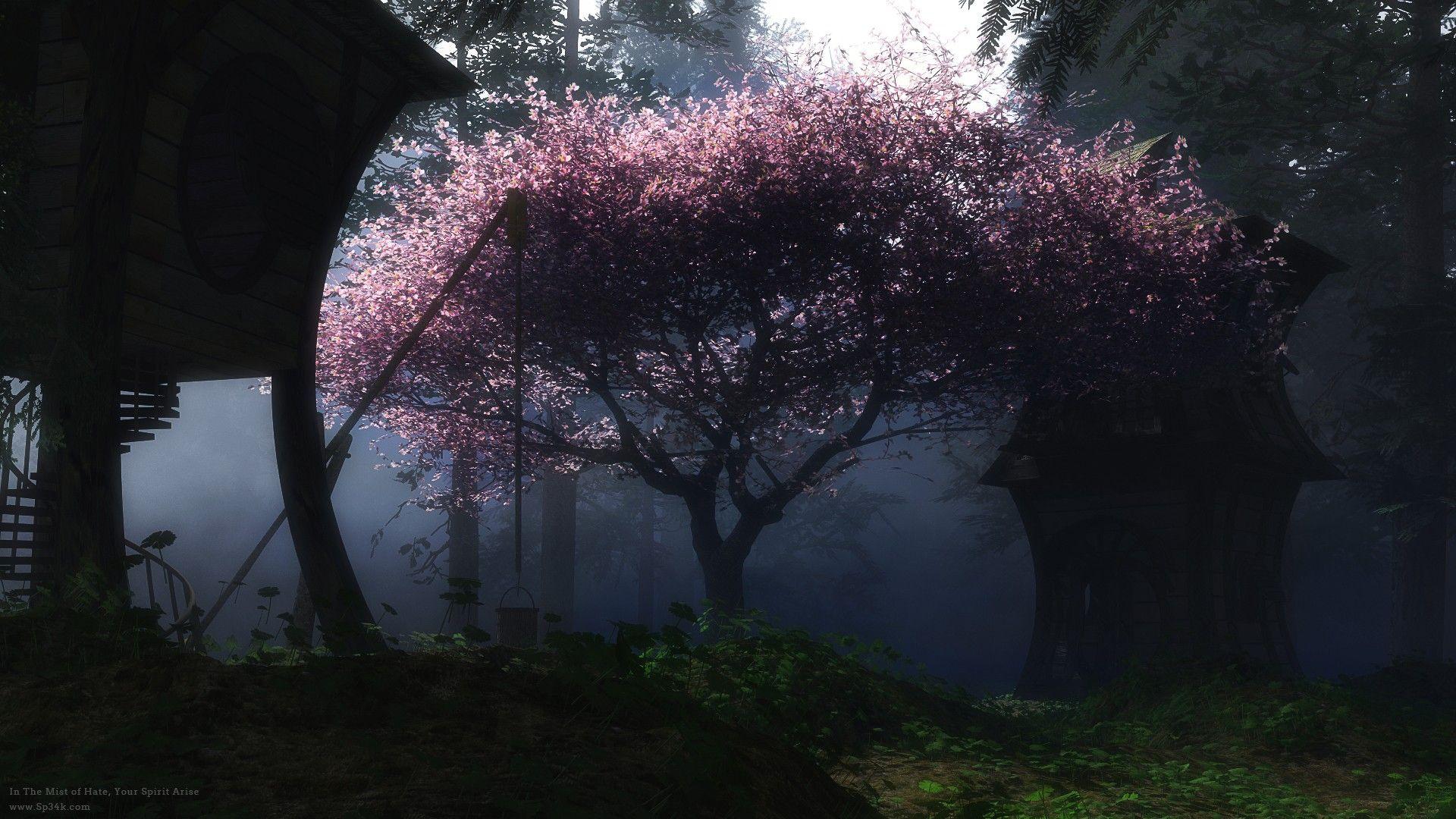
Breathtaking Paint Realism Design Illustration
Experience the crisp clarity of this stunning paint realism image, available in high resolution for all your screens.
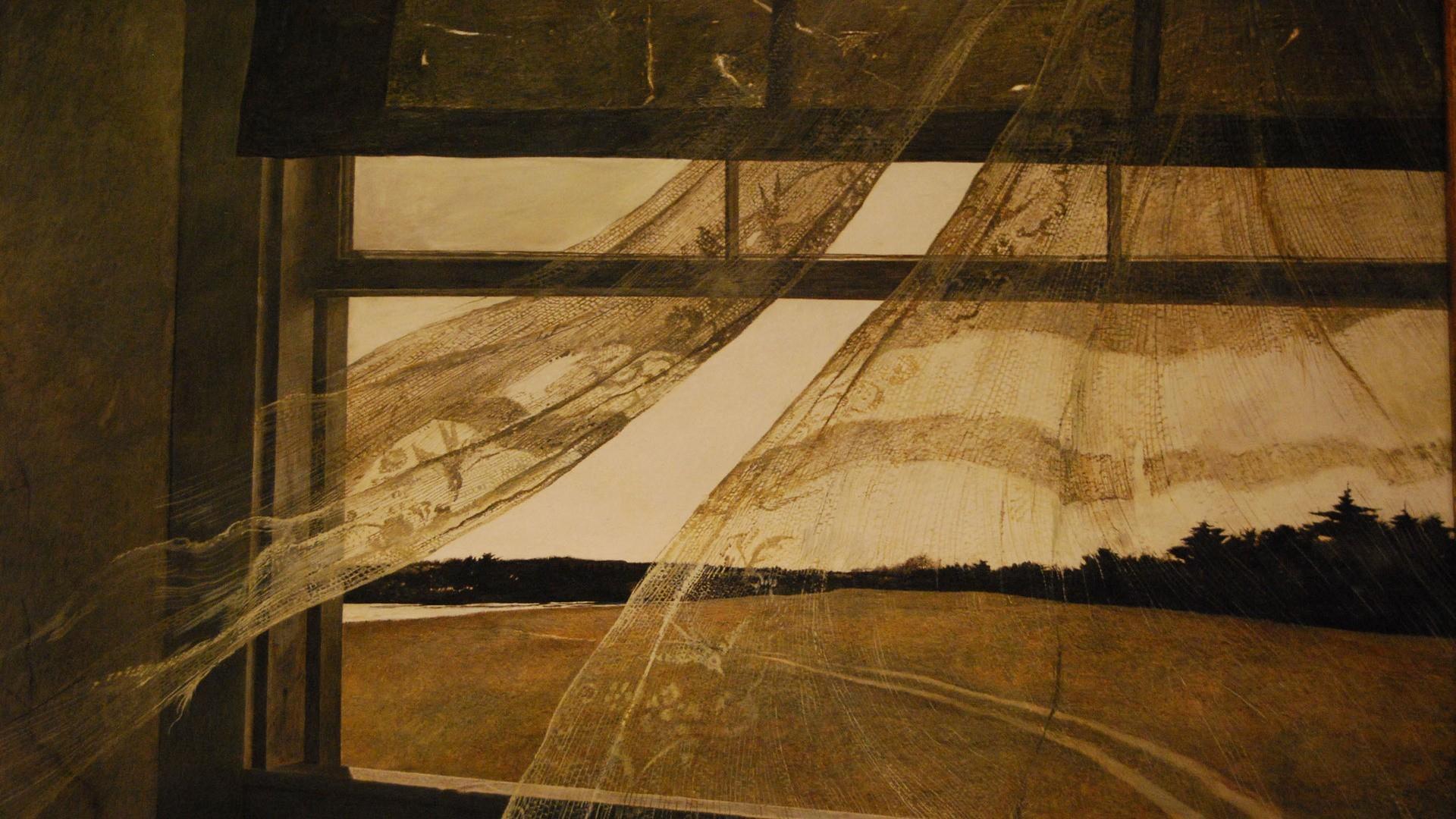
Detailed Paint Realism Capture Concept
Discover an amazing paint realism background image, ideal for personalizing your devices with vibrant colors and intricate designs.
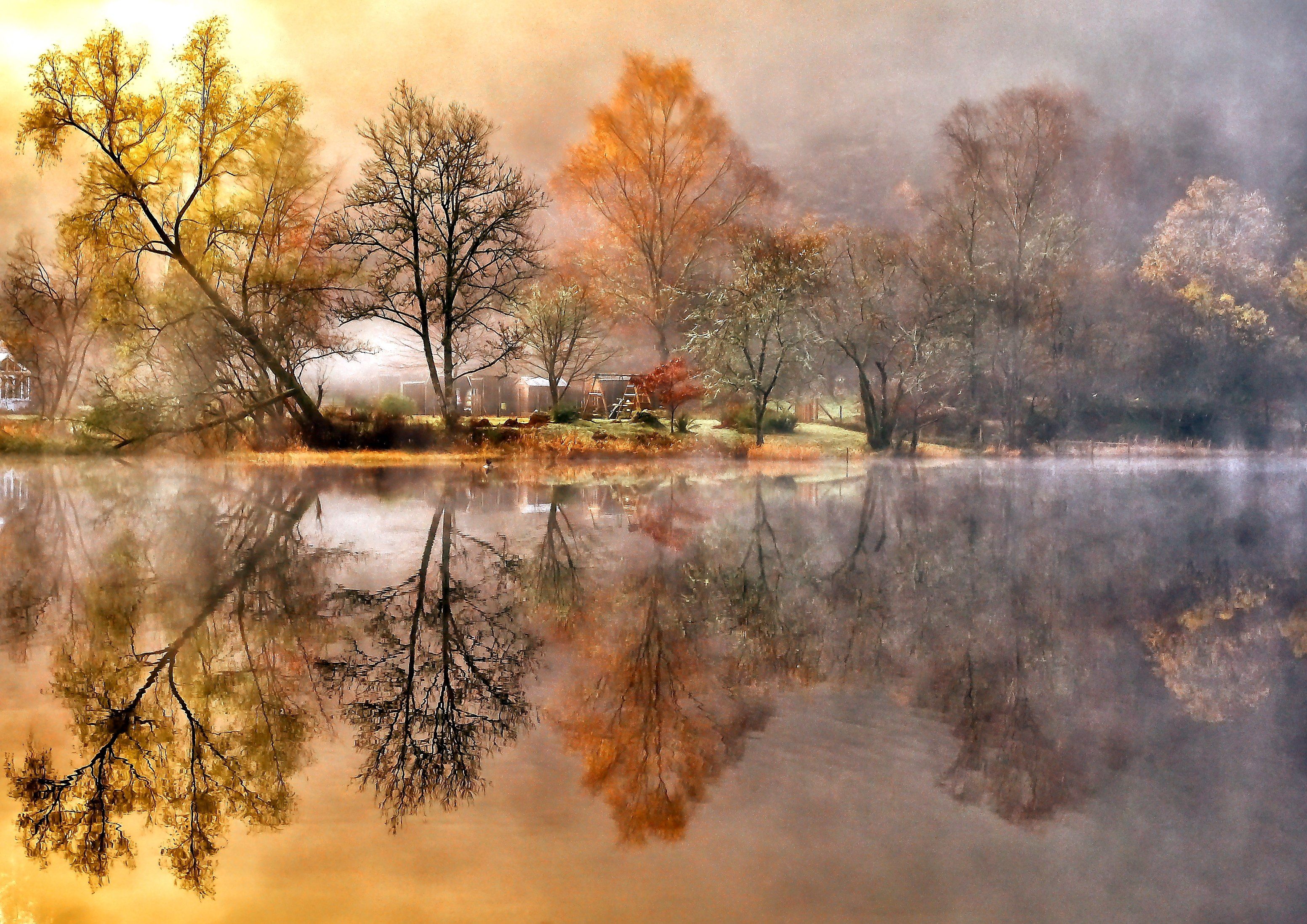
Stunning Paint Realism Artwork Nature
A captivating paint realism scene that brings tranquility and beauty to any device.
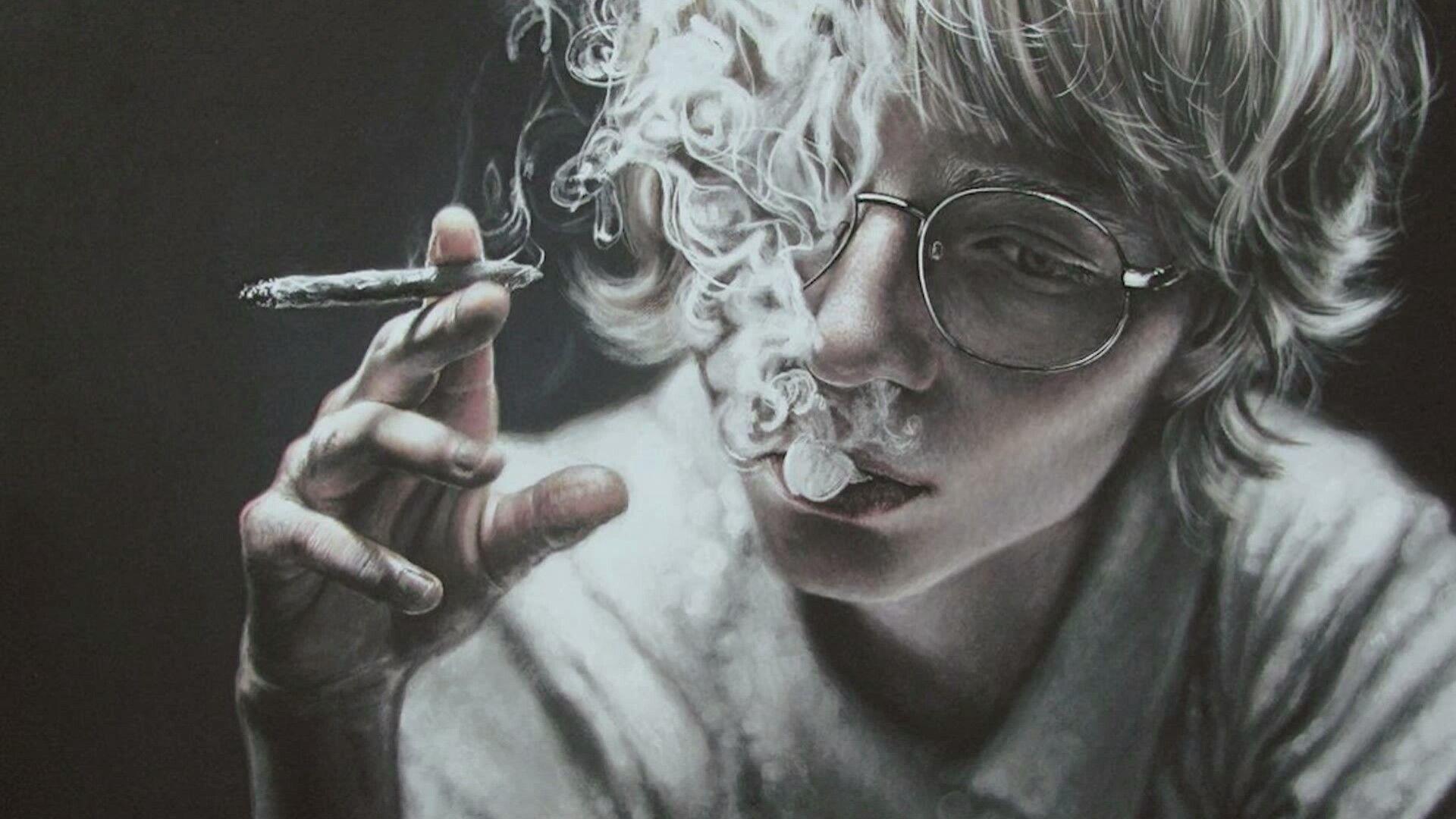
Stunning Paint Realism Abstract in HD
Find inspiration with this unique paint realism illustration, crafted to provide a fresh look for your background.
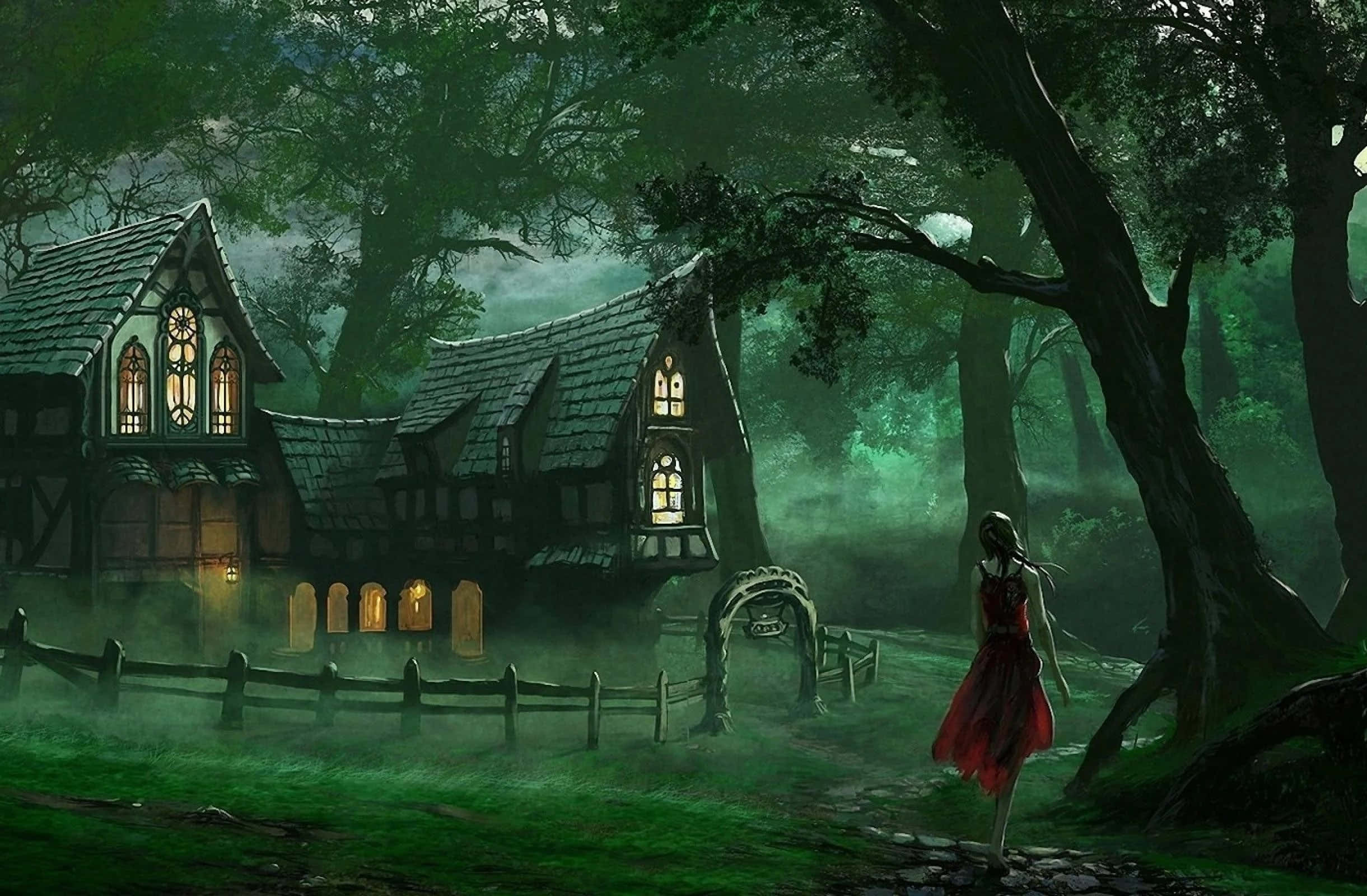
Artistic Paint Realism Design for Mobile
Find inspiration with this unique paint realism illustration, crafted to provide a fresh look for your background.
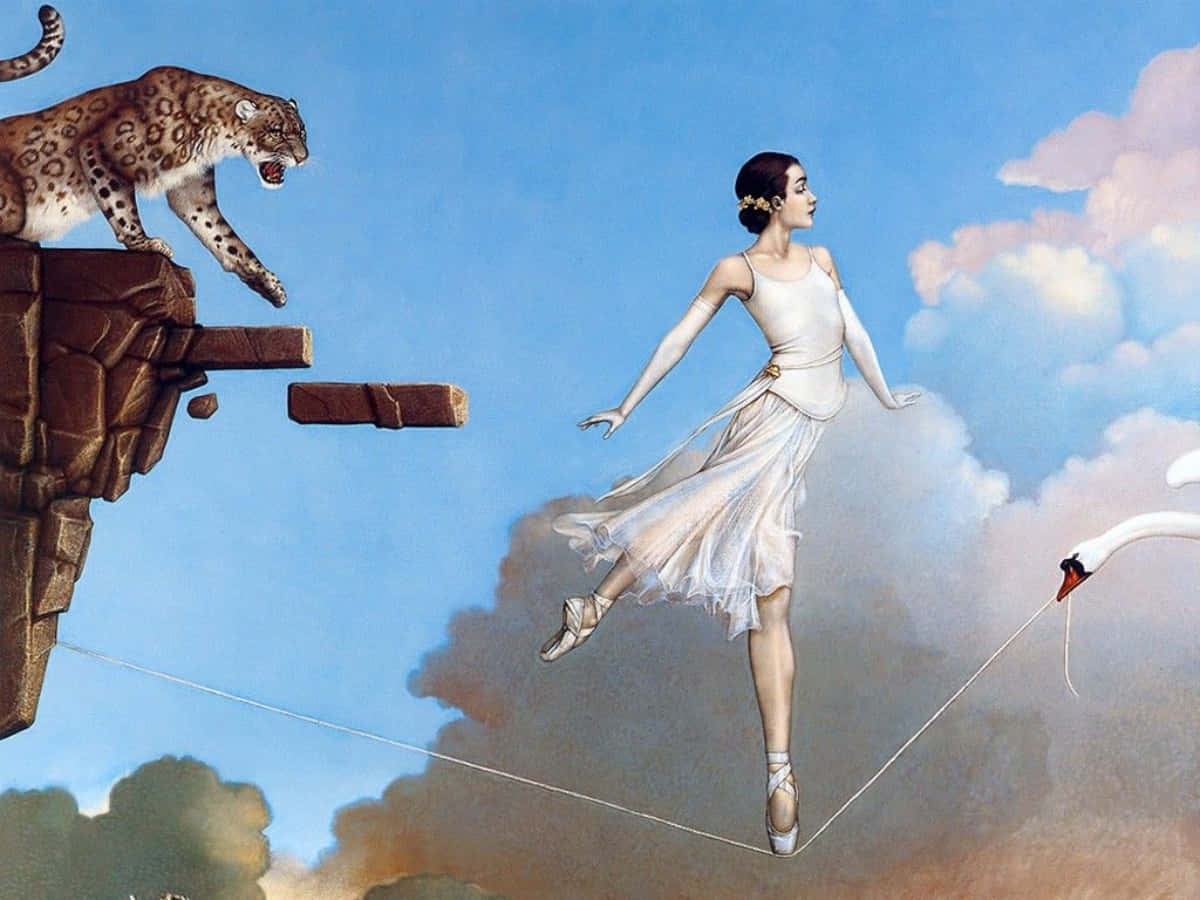
Crisp Paint Realism Moment Collection
A captivating paint realism scene that brings tranquility and beauty to any device.

Captivating Paint Realism Background Art
This gorgeous paint realism photo offers a breathtaking view, making it a perfect choice for your next wallpaper.
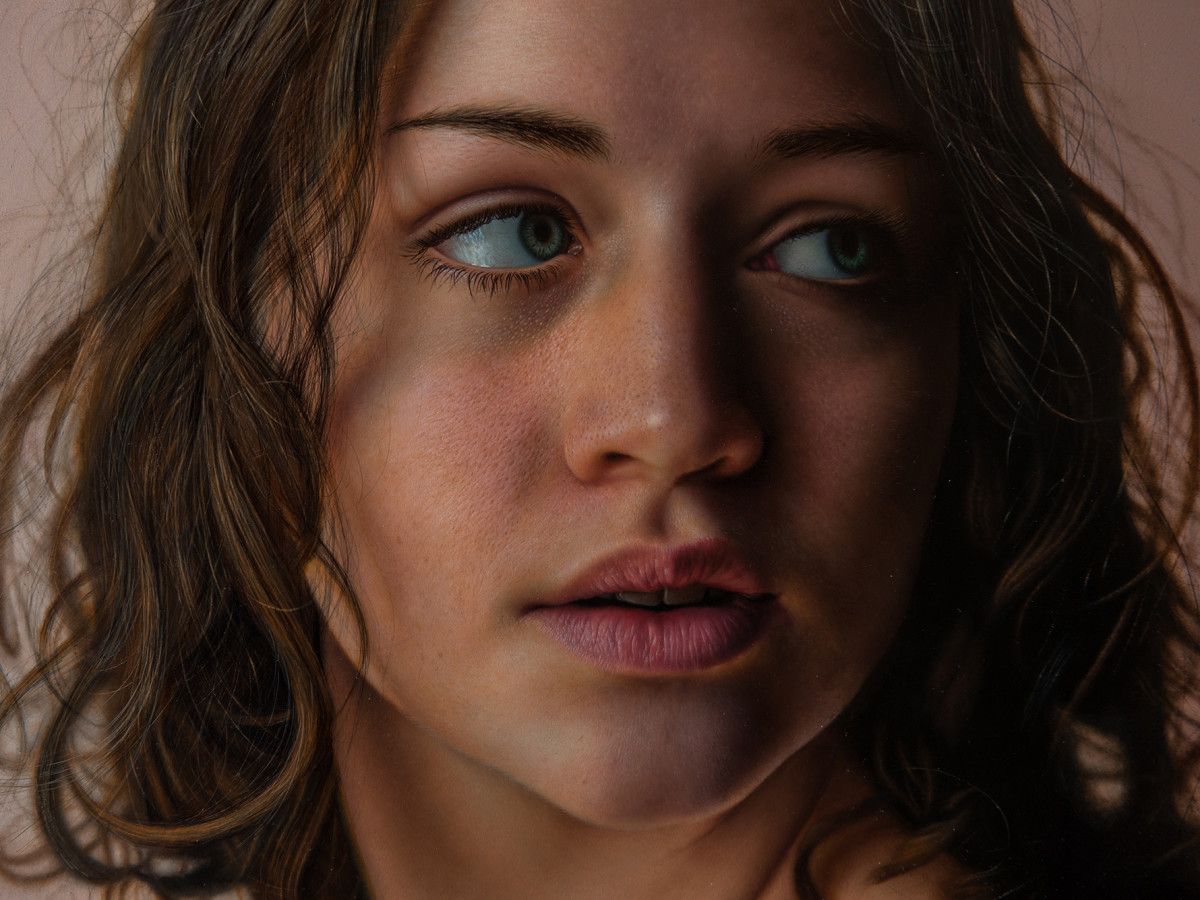
Mesmerizing Paint Realism View Concept
Discover an amazing paint realism background image, ideal for personalizing your devices with vibrant colors and intricate designs.
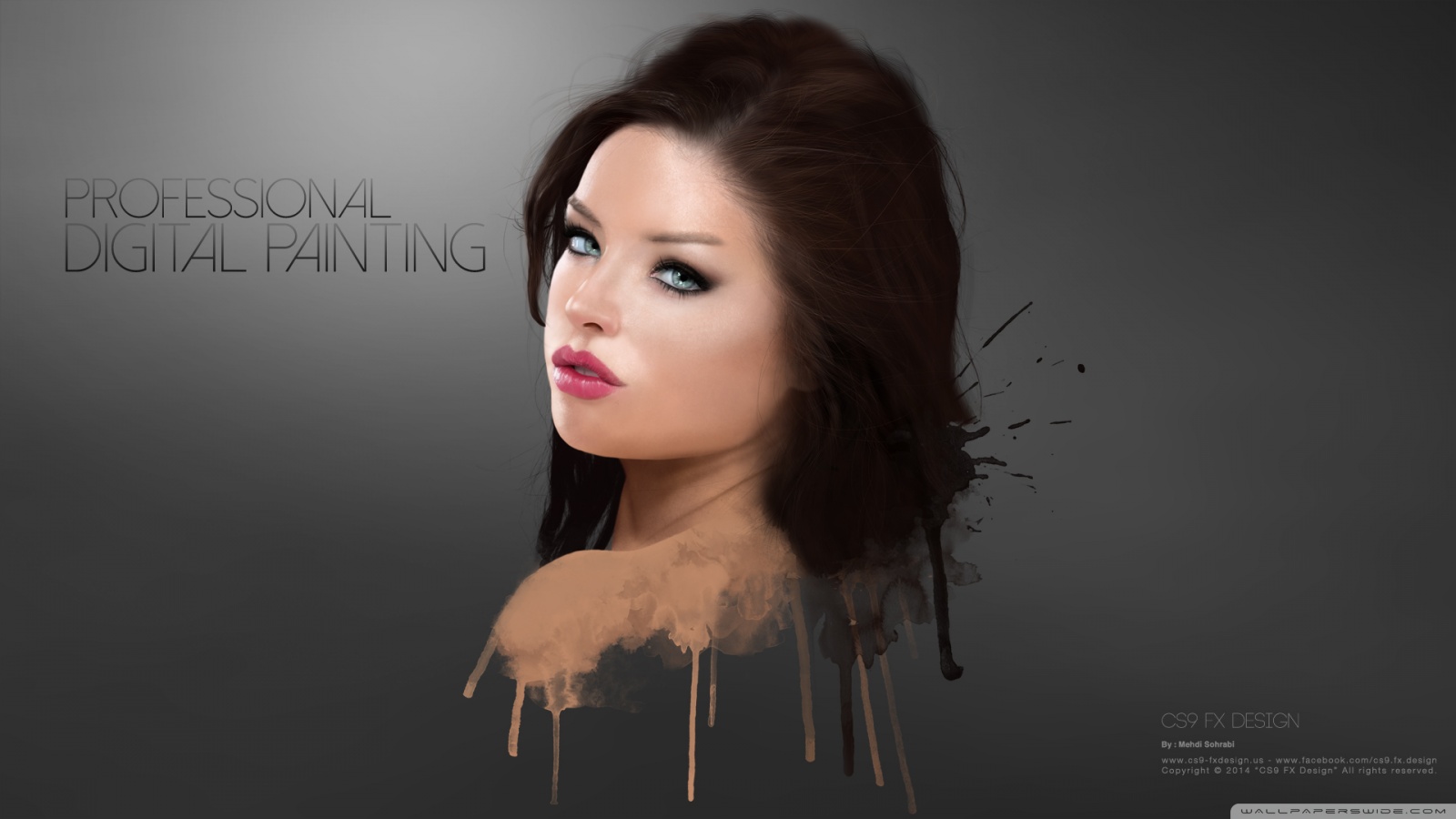
Lush Paint Realism Landscape Concept
This gorgeous paint realism photo offers a breathtaking view, making it a perfect choice for your next wallpaper.
Download these paint realism wallpapers for free and use them on your desktop or mobile devices.