How To Remediate Lead Paint
How To Remediate Lead Paint: Your Essential Guide to Safety and Home Restoration
Dealing with lead paint can feel like opening a hazardous time capsule in your home. If your property was built before 1978, the chances are high that lead-based paint is lurking somewhere beneath those newer layers. But don't panic! Taking proactive steps to address this dangerous hazard is crucial for the health of everyone living there.
This comprehensive guide walks you through exactly How To Remediate Lead Paint safely, whether you choose to hire professionals or utilize methods suitable for DIY enthusiasts under strict safety guidelines. We'll cover everything from testing to choosing the right strategy—be it encapsulation, enclosure, or full removal.
Understanding the Risks: Why Lead Paint Remediation is Non-Negotiable
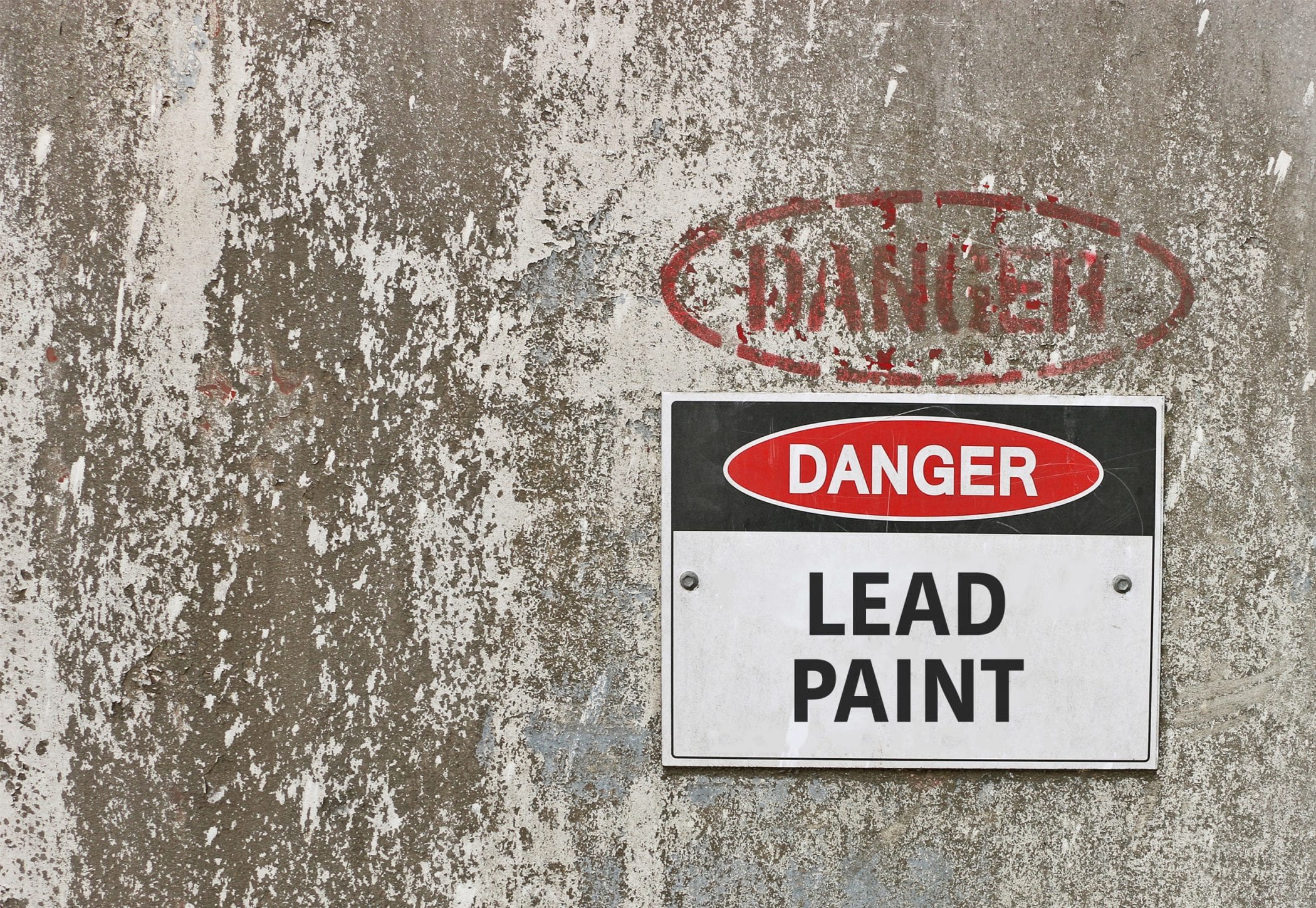
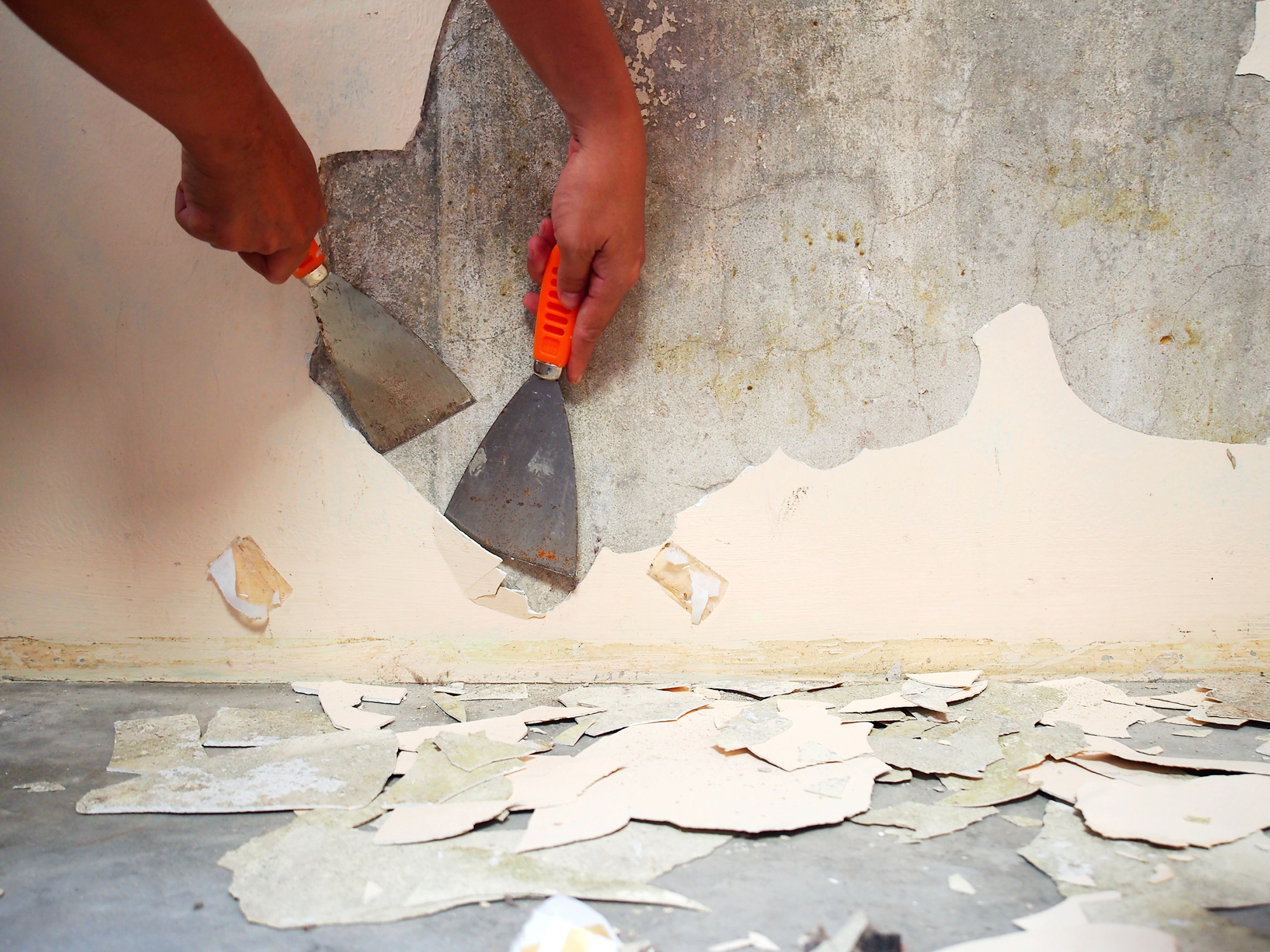
Lead exposure, even at low levels, can have devastating health consequences, particularly for young children and pregnant women. Lead dust is invisible and odorless, making it a silent danger. When old lead paint chips, flakes, or is disturbed during renovations, it creates this toxic dust that settles everywhere.
The primary goal of remediation isn't just to hide the paint; it's to eliminate or permanently control the sources of lead dust and exposure. Ignoring peeling or deteriorating lead paint is simply not an option for protecting your family.
The Health Hazards of Lead Exposure
Exposure can lead to a variety of serious issues. Children are especially vulnerable because their developing nervous systems absorb lead more easily than adults. This can result in permanent learning disabilities and behavioral problems.
For adults, high exposure can cause kidney damage, high blood pressure, and issues with the reproductive system. Therefore, understanding how to remediate lead paint properly is an act of preventative healthcare.
Preparation is Key: Getting Ready for Lead Paint Remediation
Before you even pick up a brush or scraper, you need to properly assess the situation and ensure you are legally compliant. Remediation is serious work and requires a strategic approach.
Testing and Assessment: Confirming the Presence of Lead
You cannot effectively fix a problem until you know the extent of it. Professional testing provides accurate data on where the lead is located and how severe the concentration is. This helps you prioritize your remediation efforts.
- Risk Assessment: A professional inspector identifies areas of deteriorated paint and takes dust samples to determine immediate hazards.
- Lead Inspection: This pinpoints all surfaces that contain lead paint, regardless of condition.
- XRF Testing: Highly recommended, this non-destructive method uses X-ray fluorescence to quickly measure lead content in paint layers.
Regulatory Compliance: Navigating EPA RRP and Local Laws
If you plan to hire contractors, ensure they are certified by the EPA's Lead Renovation, Repair, and Painting (RRP) program. This certification mandates specific work practices that minimize lead dust creation. If you choose to DIY, remember that the EPA highly recommends leaving major remediation work to certified professionals.
Choosing the Right Remediation Strategy
There are generally three primary methods when figuring out how to remediate lead paint. The best choice depends on the condition of the paint, the location, and your budget.
Encapsulation: The Quickest Control Method
Encapsulation involves applying a specialized liquid coating over the existing lead paint. This coating bonds tightly to the surface, creating a durable, watertight, and airtight barrier that seals the lead in place. It's often the least intrusive and most affordable option.
- Pros: Low cost, minimal disruption, and fast application.
- Cons: It's a temporary fix (typically lasts 10–20 years) and requires the underlying paint to be in good, stable condition.
- Best Used For: Stable walls and non-friction surfaces.
Enclosure: Creating a Permanent Barrier
Enclosure means covering the lead-painted surface with a new, durable material. This essentially seals the lead away completely. Examples include installing drywall over a lead-painted wall or applying aluminum cladding over an exterior window casing.
This method provides a more long-lasting solution than simple encapsulation, but it does change the aesthetic and often requires minor construction work.
Removal: The Most Intensive but Permanent Solution
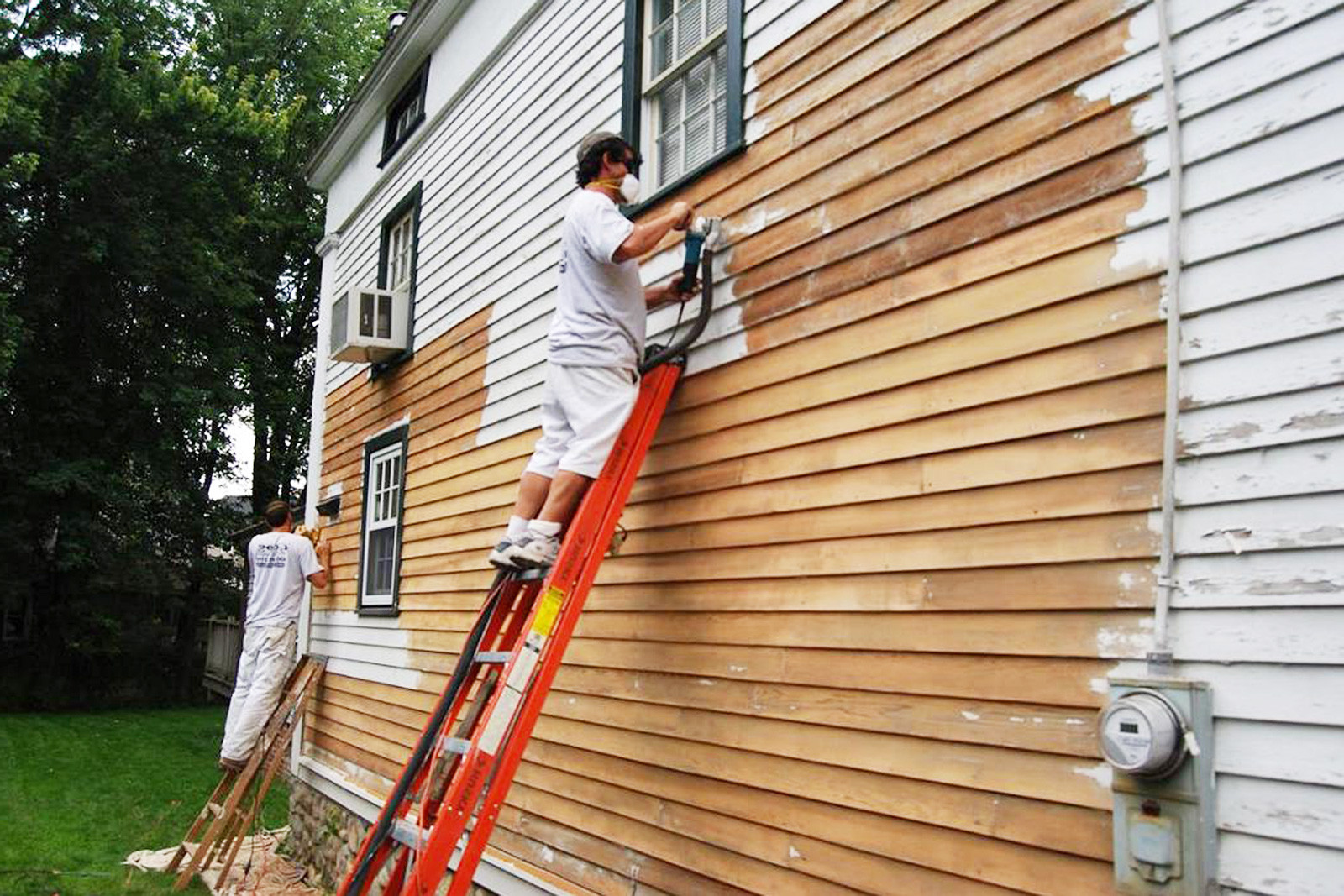
Lead paint removal is the process of physically stripping the paint from the surface. While it eliminates the hazard entirely, it is the most hazardous, time-consuming, and expensive route, as it generates large amounts of toxic dust.
Safety Protocols During Removal
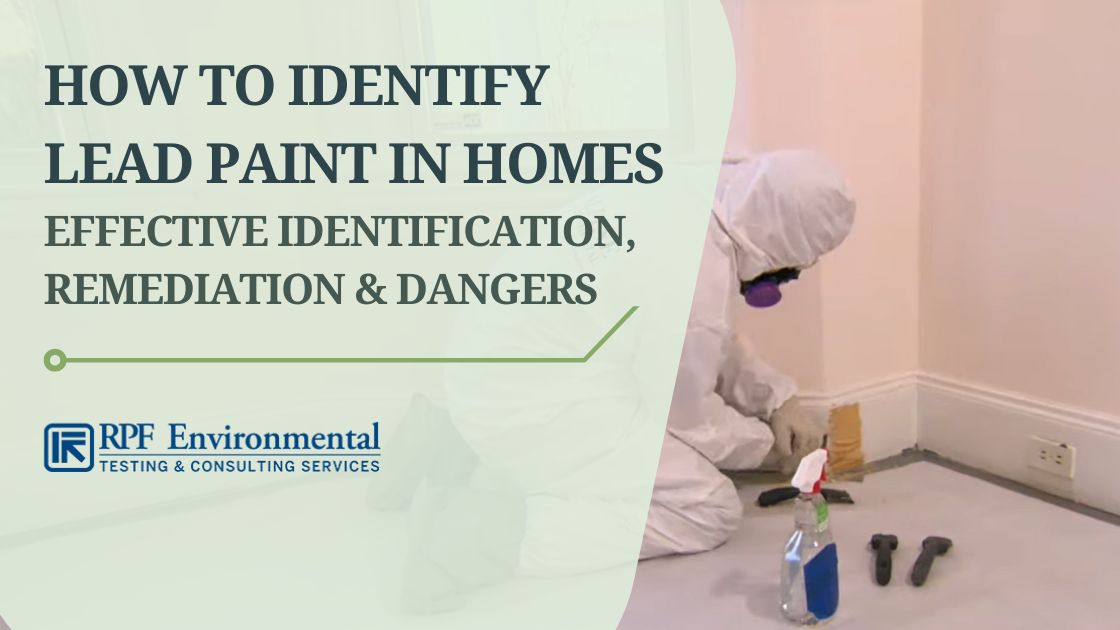
If removal is necessary (especially for surfaces subject to wear and tear, like windows and doors), it must be done by professionals following strict EPA guidelines. Safety protocols are non-negotiable to minimize lead dust contamination.
Key precautions include:
- Using wet methods (wet scraping/sanding) to keep dust levels down.
- Using HEPA filter vacuums—standard household vacuums will just spread the dust.
- Establishing critical barriers (plastic sheeting) to seal off the work area entirely.
- Ensuring workers wear full Personal Protective Equipment (PPE), including respirators.
Post-Remediation Steps and Verification
Once the work is done, don't celebrate yet! The cleanup phase is just as important as the remediation itself. Any lingering lead dust could re-contaminate the entire area.
Thorough Cleanup and Disposal
All debris, plastic sheeting, and waste materials contaminated with lead must be sealed and disposed of according to local hazardous waste regulations. This is often handled solely by the certified abatement contractor.
The work area must be meticulously cleaned using HEPA vacuums and specialized lead-cleaning detergents. Remember, lead dust clings to surfaces, so wiping down walls, floors, and horizontal surfaces multiple times is essential.
Clearance Testing
The final, most critical step in learning how to remediate lead paint is verification. A certified clearance examiner must conduct a visual inspection and take dust swipe samples to ensure the lead levels are safely below regulatory limits. If the results pass, the area is officially "clear."
Conclusion
Remediating lead paint is a serious investment in health and property value. Whether you opt for encapsulation to stabilize minor hazards or hire a licensed abatement contractor for full removal, prioritizing safety and following regulatory guidelines are paramount. Remember that lead paint is only dangerous when disturbed or deteriorating. By learning How To Remediate Lead Paint effectively and verifying your results with clearance testing, you ensure your home is a safe environment for years to come.
Frequently Asked Questions (FAQ) About Lead Paint Remediation
- Is it always necessary to remove lead paint?
- No. If the paint is stable (not chipping or flaking) and is on a non-friction surface, encapsulation or enclosure can be a safe and effective control method. Removal is typically reserved for badly damaged paint or high-contact surfaces like windows and doors.
- Can I safely remediate lead paint myself (DIY)?
- The EPA strongly recommends that lead abatement (full removal) only be performed by certified professionals. Small repairs involving lead paint can sometimes be managed by homeowners following strict RRP safety procedures, but larger projects increase the risk of massive contamination and should be left to the experts.
- How much does professional lead paint remediation cost?
- Costs vary widely based on the method chosen and the scale of the project. Encapsulation is the least expensive, starting potentially around $5–$15 per square foot. Full abatement (removal) can cost significantly more, often ranging from $10 to $35 per square foot, depending on local labor rates and disposal fees.
- What is the difference between Abatement and RRP?
- Abatement refers to the permanent elimination of lead hazards (e.g., full removal or enclosure). RRP (Renovation, Repair, and Painting) refers to safety practices required during renovation work that disturbs lead paint, ensuring dust generation is minimized, even if the primary goal isn't full abatement.
How To Remediate Lead Paint
How To Remediate Lead Paint Wallpapers
Collection of how to remediate lead paint wallpapers for your desktop and mobile devices.
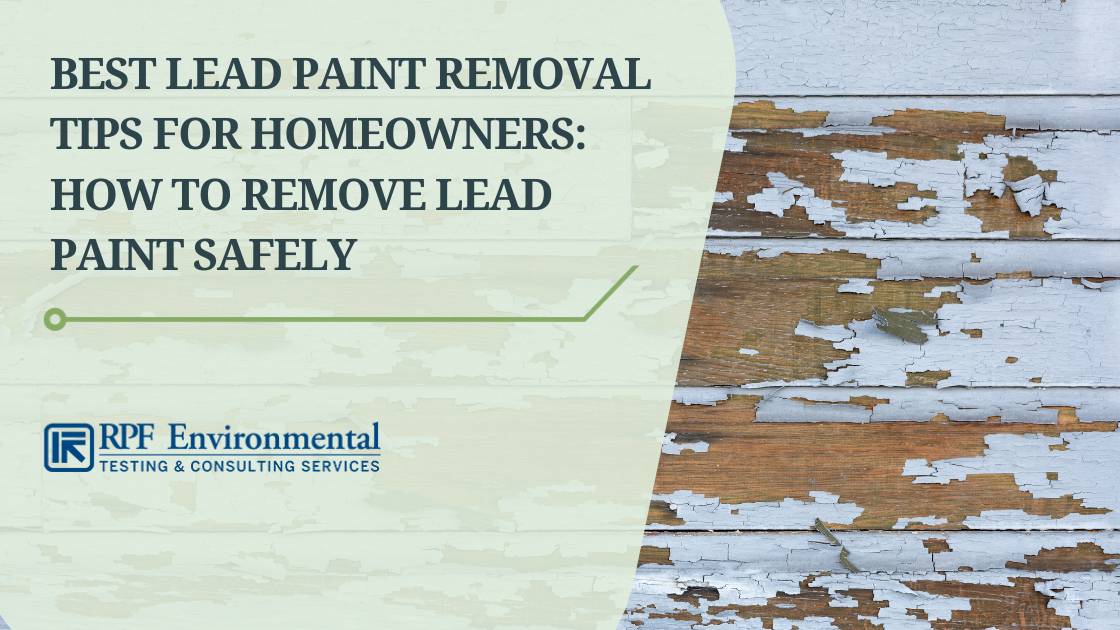
Exquisite How To Remediate Lead Paint Design Digital Art
Find inspiration with this unique how to remediate lead paint illustration, crafted to provide a fresh look for your background.

Exquisite How To Remediate Lead Paint View Concept
A captivating how to remediate lead paint scene that brings tranquility and beauty to any device.
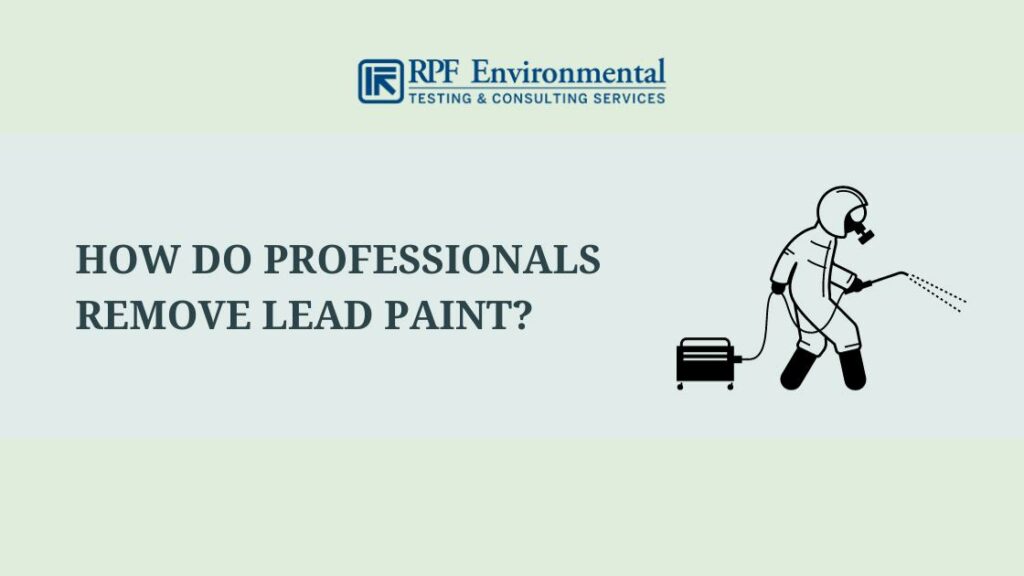
Vibrant How To Remediate Lead Paint Image Illustration
Transform your screen with this vivid how to remediate lead paint artwork, a true masterpiece of digital design.

Lush How To Remediate Lead Paint Image for Mobile
A captivating how to remediate lead paint scene that brings tranquility and beauty to any device.
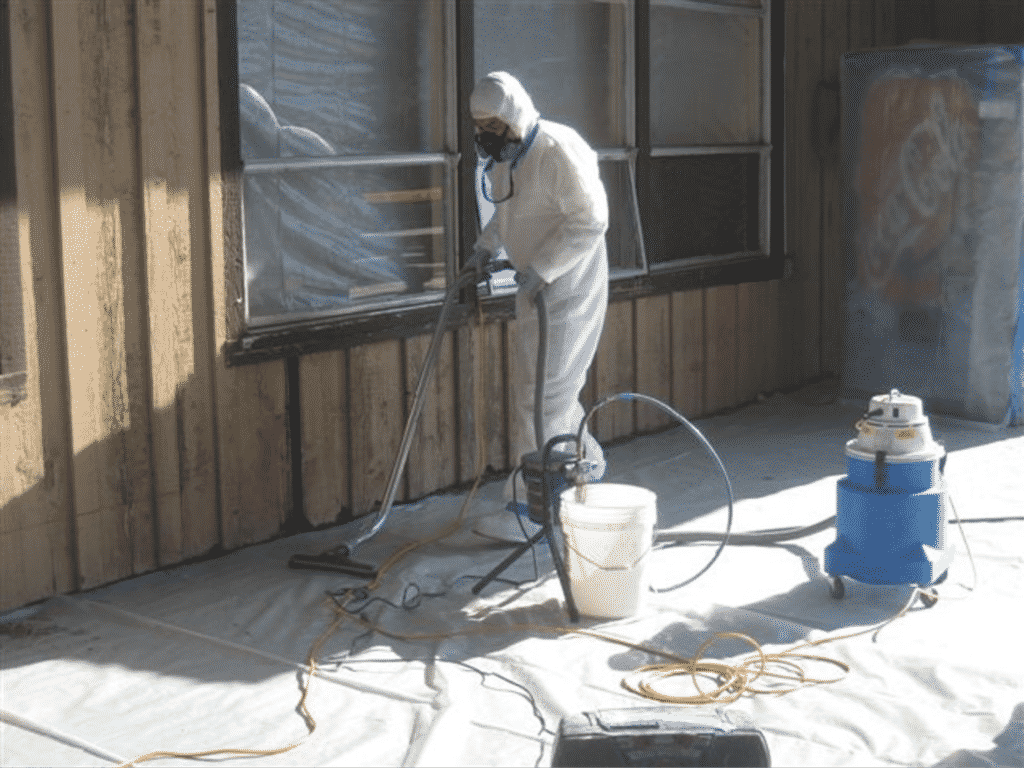
Artistic How To Remediate Lead Paint Abstract for Desktop
This gorgeous how to remediate lead paint photo offers a breathtaking view, making it a perfect choice for your next wallpaper.
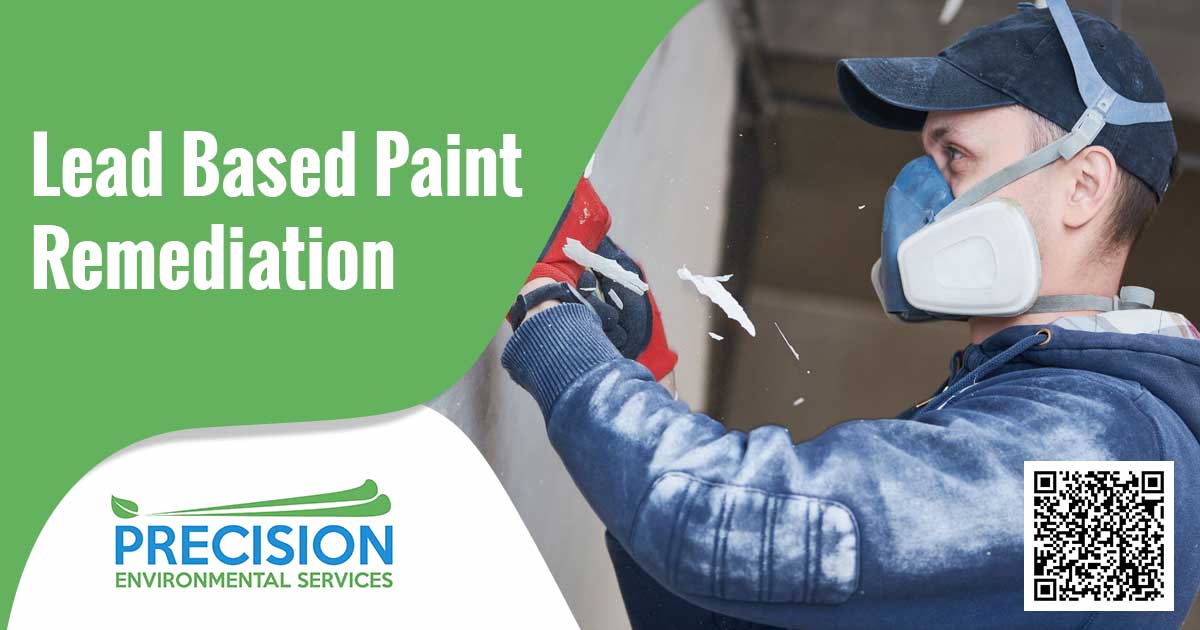
Beautiful How To Remediate Lead Paint View in HD
Transform your screen with this vivid how to remediate lead paint artwork, a true masterpiece of digital design.

Beautiful How To Remediate Lead Paint Capture in HD
Transform your screen with this vivid how to remediate lead paint artwork, a true masterpiece of digital design.

High-Quality How To Remediate Lead Paint Picture Concept
Explore this high-quality how to remediate lead paint image, perfect for enhancing your desktop or mobile wallpaper.

Amazing How To Remediate Lead Paint Moment for Mobile
Experience the crisp clarity of this stunning how to remediate lead paint image, available in high resolution for all your screens.

Crisp How To Remediate Lead Paint Design for Your Screen
Immerse yourself in the stunning details of this beautiful how to remediate lead paint wallpaper, designed for a captivating visual experience.

High-Quality How To Remediate Lead Paint Picture Art
Experience the crisp clarity of this stunning how to remediate lead paint image, available in high resolution for all your screens.

Detailed How To Remediate Lead Paint Design Art
Transform your screen with this vivid how to remediate lead paint artwork, a true masterpiece of digital design.

Mesmerizing How To Remediate Lead Paint Moment in 4K
Discover an amazing how to remediate lead paint background image, ideal for personalizing your devices with vibrant colors and intricate designs.
Breathtaking How To Remediate Lead Paint Image Digital Art
Explore this high-quality how to remediate lead paint image, perfect for enhancing your desktop or mobile wallpaper.
Spectacular How To Remediate Lead Paint Image for Your Screen
A captivating how to remediate lead paint scene that brings tranquility and beauty to any device.
Amazing How To Remediate Lead Paint Abstract in HD
Explore this high-quality how to remediate lead paint image, perfect for enhancing your desktop or mobile wallpaper.
:max_bytes(150000):strip_icc()/scraping-before-paint-92264154-7d288005b33f476784972831c82eea43.jpg "High-Quality How To Remediate Lead Paint Abstract Digital Art")
High-Quality How To Remediate Lead Paint Abstract Digital Art
Experience the crisp clarity of this stunning how to remediate lead paint image, available in high resolution for all your screens.

Lush How To Remediate Lead Paint Capture Art
Find inspiration with this unique how to remediate lead paint illustration, crafted to provide a fresh look for your background.
Stunning How To Remediate Lead Paint Landscape Photography
Immerse yourself in the stunning details of this beautiful how to remediate lead paint wallpaper, designed for a captivating visual experience.
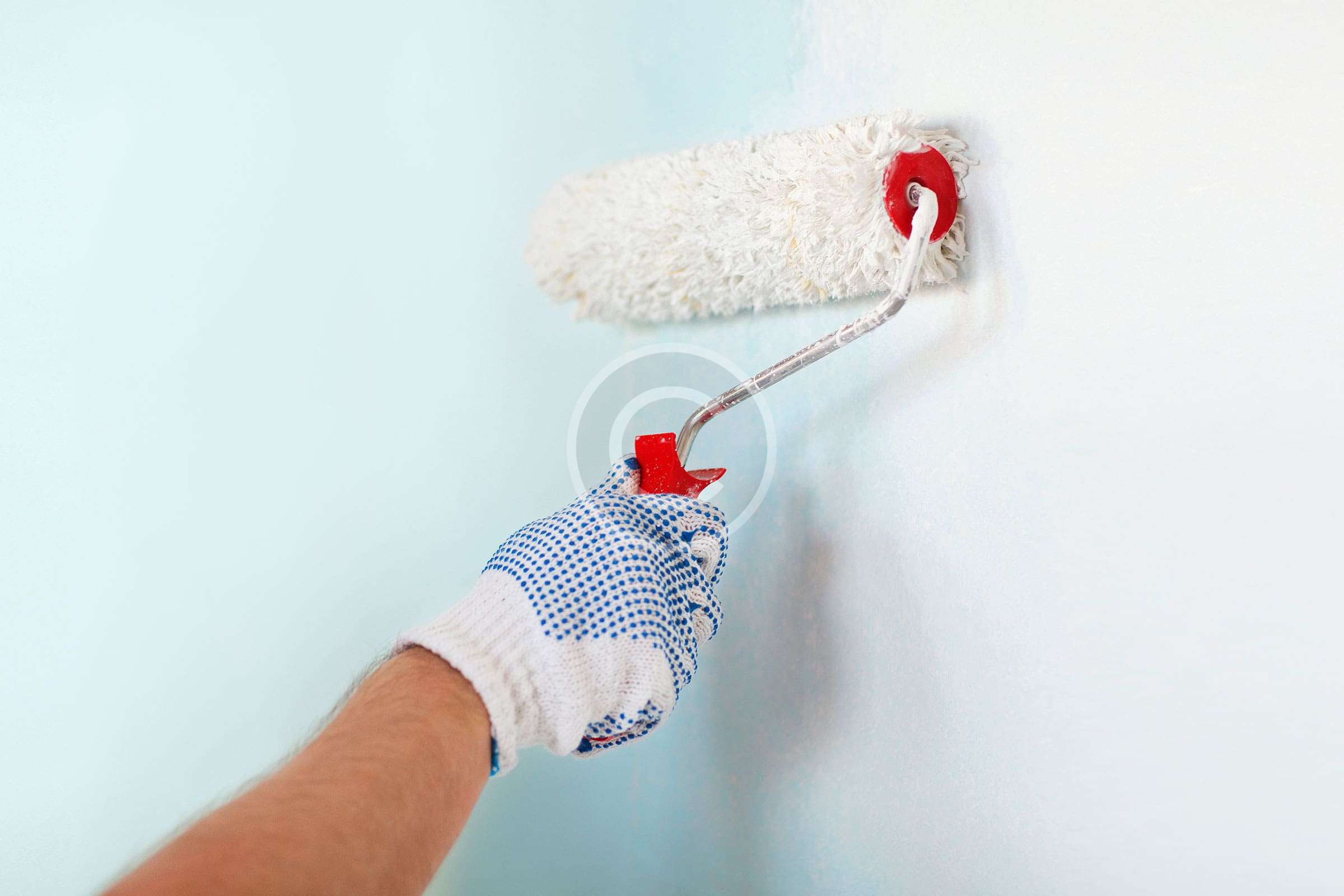
Artistic How To Remediate Lead Paint Capture Digital Art
Find inspiration with this unique how to remediate lead paint illustration, crafted to provide a fresh look for your background.
Download these how to remediate lead paint wallpapers for free and use them on your desktop or mobile devices.