Cherry-picking influence: Why China is cautious about filling gaps left by US global retreat
Cherry-picking influence: Why China is cautious about filling gaps left by US global retreat
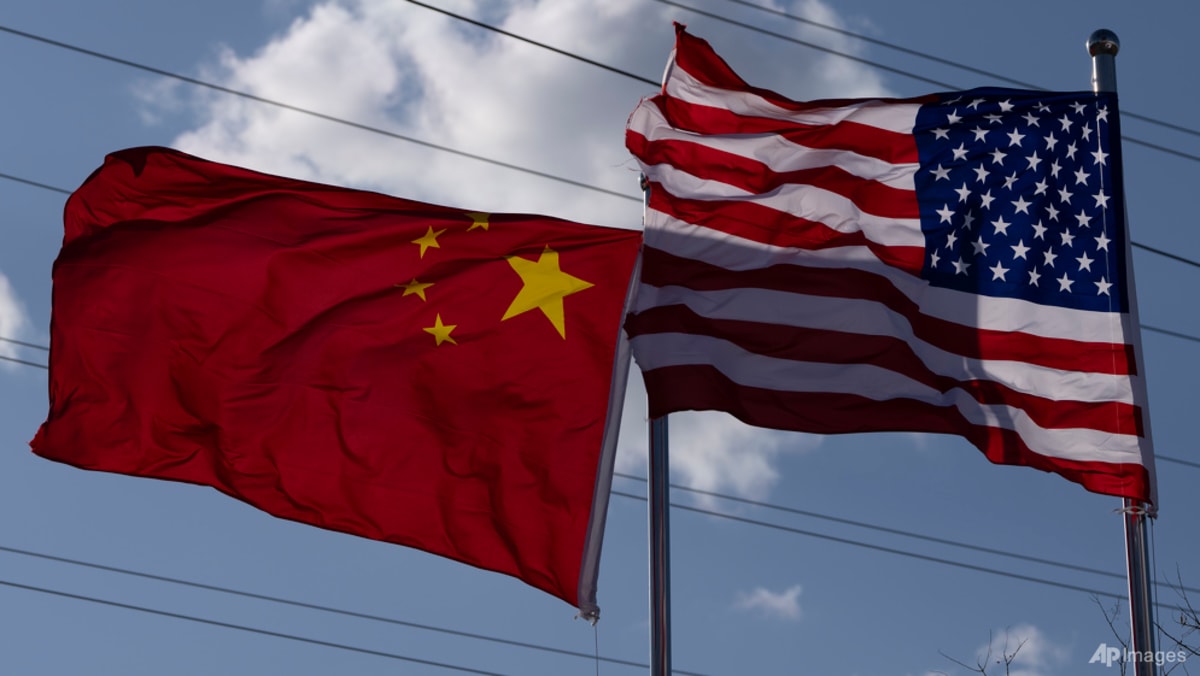
It was a tense evening in Jakarta as the news filtered through: another multilateral treaty, quietly abandoned by Washington. The immediate reaction from regional analysts wasn't relief, but confusion. "Who steps in now?" asked a seasoned diplomat. The assumption was simple: when the US retreats from its long-held role as global anchor, China, the burgeoning superpower, would instinctively fill the void. But Beijing's response has been anything but instinctive. It has been surgical.
The narrative of an inevitable Chinese takeover following US global retreat is misleadingly simple. While the vacuum created by shifting American priorities is real—be it in international trade agreements, security architecture, or development finance—China is exercising profound strategic patience. Beijing is not rushing to become the next global policeman or the universal guarantor of stability. Instead, it is engaging in a careful, highly selective process: cherry-picking influence.
This calculated caution is rooted in a deep understanding of the tremendous costs associated with sustaining comprehensive global leadership. China is learning from the perceived overextension that plagued the United States, choosing influence based on utility and resource efficiency rather than ideological supremacy.
The Lure of the Vacuum Versus the Weight of Responsibility
The allure of seizing the mantle of leadership is powerful, especially for a nation eager to reshape the international order to better reflect its interests. Yet, filling the security and development gaps left by the US comes with an immense, immediate cost. Historically, US leadership involved not just economic treaties but also costly military presence, humanitarian intervention, and the maintenance of global stability. This is the definition of global governance that China seeks to avoid.
China's immediate calculus focuses sharply on the difference between gaining 'influence' and assuming 'burden.' True global leadership, as Washington learned, requires managing intractable conflicts, coordinating refugee crises, and upholding human rights standards—areas where Beijing openly prefers a policy of non-intervention.
The internal political demands on Beijing remain paramount. Despite its economic muscle, China must continuously prioritize domestic stability, managing regional inequalities, and securing long-term resource supply. Taking on the immense logistical and financial obligations of US-style global leadership directly competes with these core domestic priorities.
- Financial Drain: Covering the global security and development funding gaps requires resources that could otherwise be channeled into domestic infrastructure or managing internal economic slowdowns.
- Political Exposure: Stepping into complex geopolitical disputes (like prolonged conflicts in the Middle East or humanitarian emergencies in Africa) risks drawing China into long-term liabilities and unwanted international scrutiny.
- Reputational Risk: Failure to solve complex international problems the US struggled with would severely undermine China's meticulously crafted narrative of superior governance and efficiency.
- The Anti-Hegemony Stance: Rushing to fill every vacuum would contradict China's long-standing diplomatic position that it is opposed to any single global hegemony.
Strategic Patience and the "Cherry-Picking" Doctrine
The core of China's current foreign policy doctrine is defined by two principles: strategic patience and utility. Rather than attempting a comprehensive, immediate overhaul of the existing order, Beijing targets specific domains where its strengths align perfectly with immediate geopolitical returns. This is the essence of selective engagement.
The most visible manifestation of this strategy is the massive Belt and Road Initiative (BRI). BRI projects are inherently selective; they prioritize connectivity, trade harmonization, and resource security, consistently avoiding commitments that require direct security guarantees or deep involvement in judicial or political reform of partner countries. This is influence built on tangible assets—ports, railways, digital infrastructure—not abstract, costly ideals of democracy promotion.
China's engagement is heavily skewed towards economic multilateralism—forums like the Asian Infrastructure Investment Bank (AIIB), the New Development Bank, and RCEP. These institutions reinforce a state-centric model of development that Beijing favors, providing high-leverage lending while simultaneously steering clear of international bodies heavily focused on political liberalization or collective defense mandates.
Beijing understands that simply replicating the American model of intervention and alliance structures is counterproductive. Instead, it seeks asymmetrical influence. Why patrol the high seas everywhere when you can strategically control the critical choke points and ports? Why commit billions to rebuilding entire public health infrastructures when you can strategically supply vital medical technology and vaccines in times of crisis?
This careful cultivation of influence allows China to shape critical aspects of the global economy—especially standards setting and infrastructure financing—without inheriting the security headaches that historically plagued US foreign policy.
Avoiding the US Trap: Redefining Global Governance
A primary driver for China's extreme caution is the deliberate desire to avoid the "US Trap"—the perceived overextension that eventually led to public fatigue, isolationist sentiment, and calls for retrenchment in Washington. China observes that decades of expensive, values-driven interventions ultimately eroded American soft power rather than solidifying it.
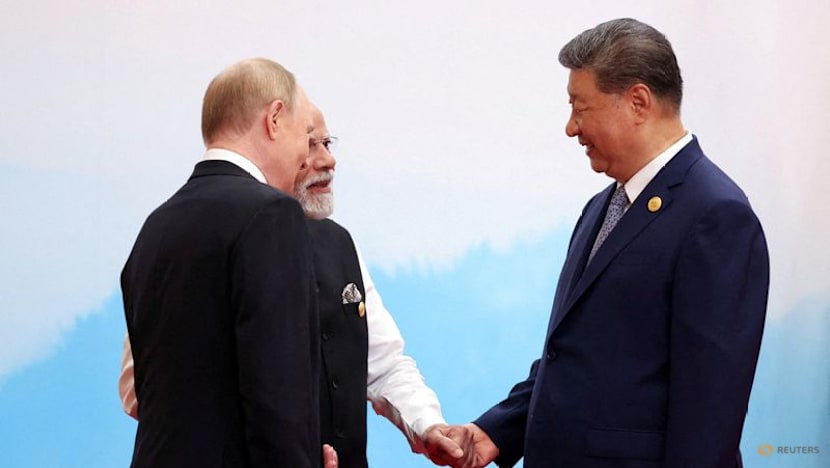
China's model for global governance is fundamentally different. It is centered on strict non-interference in the internal affairs of sovereign states, a foundational principle that simplifies its diplomatic relations significantly. While this stance draws strong criticism from Western democracies concerned with human rights, it makes China an attractive partner for regimes seeking investment without political preconditions or pressure for internal reform.
Furthermore, China is increasingly promoting a concept of "burden sharing" rather than burden assumption. It utilizes existing multilateral mechanisms like the United Nations Security Council (UNSC), leveraging its veto power and financial contributions to specific peacekeeping missions without committing large numbers of ground troops or becoming the primary mediator in every global crisis. This is calculated diplomatic hedging designed to project responsibility without incurring overwhelming cost.
The key differences in approach highlight why the retreat of the US does not guarantee the automatic advance of China:
- Military Caution: Unlike the US's network of hundreds of foreign bases, China's foreign military presence remains minimal, primarily focused on securing vital maritime trade routes (anti-piracy operations) rather than enforcing regional security architecture.
- Values vs. Commerce: Chinese influence prioritizes transactional commerce, resource extraction, and infrastructure development over the promotion of political ideology or democracy.
- Focus on the Near Abroad: While BRI is global, China's most intense strategic focus remains on its immediate periphery (Central Asia, South China Sea), ensuring regional stability that directly impacts its core national security interests, leaving distant conflicts largely untouched.
- Debt and Risk Management: China is actively learning from early BRI mistakes, shifting from massive, potentially risky loans to more carefully vetted projects, indicating an aversion to becoming the global lender of last resort.
The gaps left by the US global retreat are not uniform holes waiting to be filled, but complex, high-risk terrains requiring long-term, often unprofitable investment. China's cautious, selective strategy is not born of weakness, but of a calculated long-term view that prioritizes internal stability and efficient resource allocation above the desire for immediate, comprehensive global dominance.
By carefully cherry-picking influence—focusing on economic connectivity and avoiding the costly baggage of universal military and political leadership—Beijing aims to redefine global leadership on its own pragmatic terms. For the foreseeable future, the world should expect China to continue engaging where the return on investment is highest, leaving the most politically volatile and economically burdensome challenges to be managed by others.
Cherry-picking influence: Why China is cautious about filling gaps left by US global retreat
Cherry-picking influence: Why China is cautious about filling gaps left by US global retreat Wallpapers
Collection of cherry-picking influence: why china is cautious about filling gaps left by us global retreat wallpapers for your desktop and mobile devices.
Beautiful Cherry-picking Influence: Why China Is Cautious About Filling Gaps Left By Us Global Retreat Design Collection
Discover an amazing cherry-picking influence: why china is cautious about filling gaps left by us global retreat background image, ideal for personalizing your devices with vibrant colors and intricate designs.

Lush Cherry-picking Influence: Why China Is Cautious About Filling Gaps Left By Us Global Retreat Photo Collection
Immerse yourself in the stunning details of this beautiful cherry-picking influence: why china is cautious about filling gaps left by us global retreat wallpaper, designed for a captivating visual experience.
Lush Cherry-picking Influence: Why China Is Cautious About Filling Gaps Left By Us Global Retreat Moment Art
Immerse yourself in the stunning details of this beautiful cherry-picking influence: why china is cautious about filling gaps left by us global retreat wallpaper, designed for a captivating visual experience.

Spectacular Cherry-picking Influence: Why China Is Cautious About Filling Gaps Left By Us Global Retreat View Digital Art
This gorgeous cherry-picking influence: why china is cautious about filling gaps left by us global retreat photo offers a breathtaking view, making it a perfect choice for your next wallpaper.
Beautiful Cherry-picking Influence: Why China Is Cautious About Filling Gaps Left By Us Global Retreat Moment for Desktop
Explore this high-quality cherry-picking influence: why china is cautious about filling gaps left by us global retreat image, perfect for enhancing your desktop or mobile wallpaper.
Gorgeous Cherry-picking Influence: Why China Is Cautious About Filling Gaps Left By Us Global Retreat Picture Art
Find inspiration with this unique cherry-picking influence: why china is cautious about filling gaps left by us global retreat illustration, crafted to provide a fresh look for your background.

Amazing Cherry-picking Influence: Why China Is Cautious About Filling Gaps Left By Us Global Retreat Landscape Digital Art
Explore this high-quality cherry-picking influence: why china is cautious about filling gaps left by us global retreat image, perfect for enhancing your desktop or mobile wallpaper.

Mesmerizing Cherry-picking Influence: Why China Is Cautious About Filling Gaps Left By Us Global Retreat Abstract Collection
Discover an amazing cherry-picking influence: why china is cautious about filling gaps left by us global retreat background image, ideal for personalizing your devices with vibrant colors and intricate designs.

Beautiful Cherry-picking Influence: Why China Is Cautious About Filling Gaps Left By Us Global Retreat Background Illustration
Explore this high-quality cherry-picking influence: why china is cautious about filling gaps left by us global retreat image, perfect for enhancing your desktop or mobile wallpaper.

Gorgeous Cherry-picking Influence: Why China Is Cautious About Filling Gaps Left By Us Global Retreat Image Nature
A captivating cherry-picking influence: why china is cautious about filling gaps left by us global retreat scene that brings tranquility and beauty to any device.

Mesmerizing Cherry-picking Influence: Why China Is Cautious About Filling Gaps Left By Us Global Retreat Abstract Digital Art
Transform your screen with this vivid cherry-picking influence: why china is cautious about filling gaps left by us global retreat artwork, a true masterpiece of digital design.
High-Quality Cherry-picking Influence: Why China Is Cautious About Filling Gaps Left By Us Global Retreat Abstract Collection
Discover an amazing cherry-picking influence: why china is cautious about filling gaps left by us global retreat background image, ideal for personalizing your devices with vibrant colors and intricate designs.
Amazing Cherry-picking Influence: Why China Is Cautious About Filling Gaps Left By Us Global Retreat Artwork Nature
Experience the crisp clarity of this stunning cherry-picking influence: why china is cautious about filling gaps left by us global retreat image, available in high resolution for all your screens.
Stunning Cherry-picking Influence: Why China Is Cautious About Filling Gaps Left By Us Global Retreat Wallpaper Illustration
This gorgeous cherry-picking influence: why china is cautious about filling gaps left by us global retreat photo offers a breathtaking view, making it a perfect choice for your next wallpaper.

Breathtaking Cherry-picking Influence: Why China Is Cautious About Filling Gaps Left By Us Global Retreat Scene for Your Screen
Experience the crisp clarity of this stunning cherry-picking influence: why china is cautious about filling gaps left by us global retreat image, available in high resolution for all your screens.

Vivid Cherry-picking Influence: Why China Is Cautious About Filling Gaps Left By Us Global Retreat Wallpaper Photography
Experience the crisp clarity of this stunning cherry-picking influence: why china is cautious about filling gaps left by us global retreat image, available in high resolution for all your screens.

Captivating Cherry-picking Influence: Why China Is Cautious About Filling Gaps Left By Us Global Retreat Background Photography
This gorgeous cherry-picking influence: why china is cautious about filling gaps left by us global retreat photo offers a breathtaking view, making it a perfect choice for your next wallpaper.
Artistic Cherry-picking Influence: Why China Is Cautious About Filling Gaps Left By Us Global Retreat Picture in HD
A captivating cherry-picking influence: why china is cautious about filling gaps left by us global retreat scene that brings tranquility and beauty to any device.

Breathtaking Cherry-picking Influence: Why China Is Cautious About Filling Gaps Left By Us Global Retreat Picture Photography
Explore this high-quality cherry-picking influence: why china is cautious about filling gaps left by us global retreat image, perfect for enhancing your desktop or mobile wallpaper.
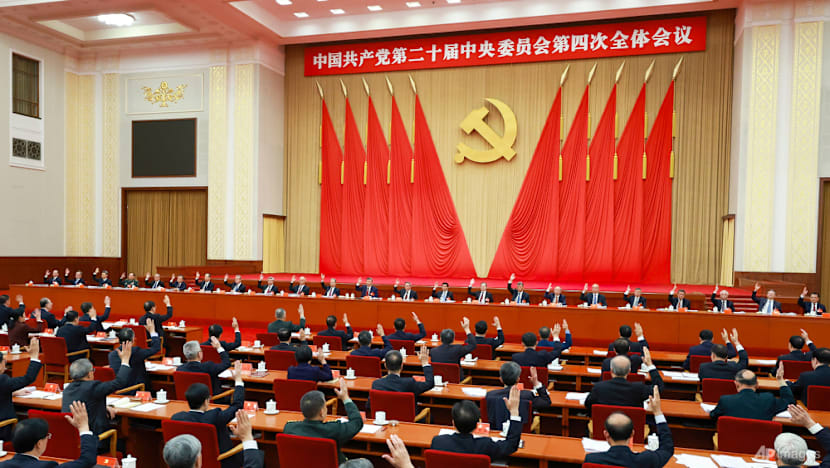
Amazing Cherry-picking Influence: Why China Is Cautious About Filling Gaps Left By Us Global Retreat Capture Collection
Transform your screen with this vivid cherry-picking influence: why china is cautious about filling gaps left by us global retreat artwork, a true masterpiece of digital design.
Download these cherry-picking influence: why china is cautious about filling gaps left by us global retreat wallpapers for free and use them on your desktop or mobile devices.