When Is It Too Hot To Paint
When Is It Too Hot To Paint? The Ultimate Guide to Safe Summer Painting
Ah, summer! The perfect time to tackle those home improvement projects you've been putting off. But when the temperatures soar, you might find yourself wondering: When is it too hot to paint? It's a crucial question, because rushing a paint job in extreme heat can lead to a disastrous, flaky finish that requires expensive repair work later on.
Painting is a chemical process, and like any chemical reaction, it relies heavily on specific environmental factors. While painting in the cold poses its own problems, extreme heat can be equally damaging, if not worse, because it accelerates drying time uncontrollably. If you want a smooth, durable, and professional-looking result, understanding the temperature limits is essential. Let's dive into the ideal temperature range and the warning signs that tell you it's time to put the brush down.
Why High Heat Is the Enemy of a Perfect Paint Job
Most professional painters agree that the absolute maximum temperature for successful exterior painting is around 85°F (30°C) to 90°F (32°C). However, simply checking the weather app often isn't enough. Heat affects the paint's chemistry primarily through two key mechanisms: rapid solvent evaporation and premature curing.
When the air or the surface is too hot, the solvents (in oil-based paint) or the water (in latex paint) evaporate far too quickly. This doesn't give the paint enough time to flow, level out, and adhere properly to the substrate. The result is a messy, uneven finish that looks unprofessional and won't last as long as it should.
Understanding Temperature Thresholds for Different Paints
The type of paint you choose greatly impacts its maximum temperature tolerance. Always check the manufacturer's recommendations printed on the can, but generally, these are the accepted upper limits:
- Latex (Acrylic) Paints: These are water-based and typically have a maximum threshold between 85°F and 90°F. When it gets hotter, the water evaporates almost instantly, preventing the acrylic binders from fusing together properly.
- Oil-Based (Alkyd) Paints: Oil paints can sometimes handle slightly higher temperatures, often up to 95°F. However, intense heat makes the paint thicker and more difficult to apply smoothly, leading to visible brush marks and ropiness.
Remember that these limits are based on air temperature, not the actual temperature of the surface you are painting, which is often much hotter, especially if it's dark-colored material exposed to direct sunlight.
The Dangers of Painting When It's Too Hot
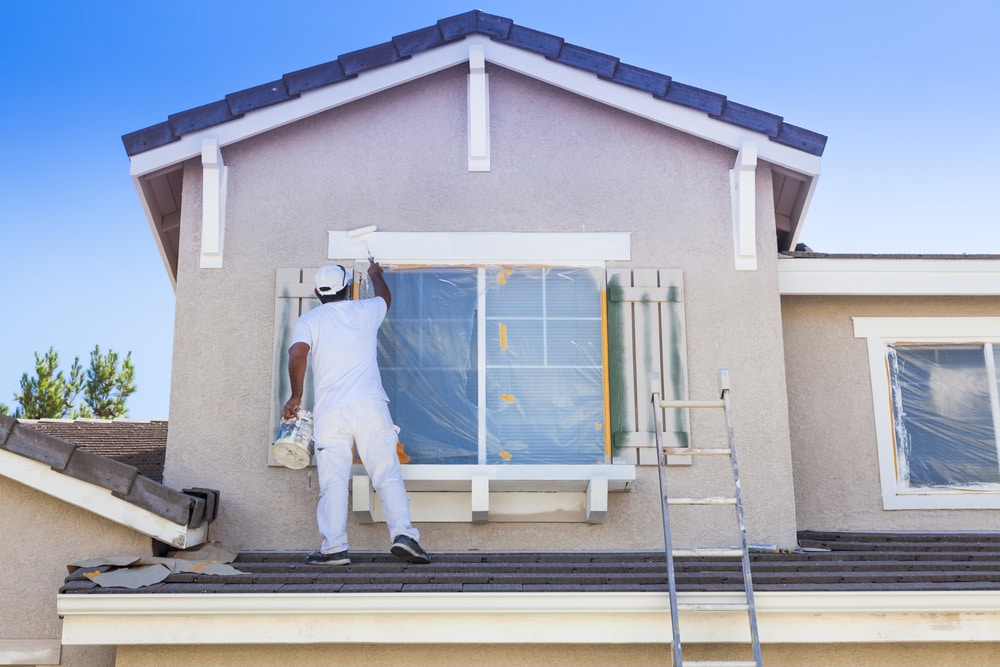
Ignoring the warning signs and painting in high heat can lead to several common painting failures. These issues usually become apparent almost immediately after application and can ruin the look of your newly painted exterior.
Here are the primary problems you encounter when you try to paint when it is too hot to paint:
- Blistering and Bubbling: If the outer layer of the paint dries and skins over while the interior layer is still wet, the evaporating moisture or solvent beneath the surface will force its way out, causing ugly bubbles.
- Poor Adhesion (Flaking): When paint dries too fast, the binders don't get sufficient time to properly adhere or "grip" the substrate. This results in the paint flaking or peeling prematurely, sometimes within just a few weeks.
- Lap Marks and Flashing: Paint needs time to flow and level itself out. In high heat, the edges of a painted section dry before you can blend the next section into it. This leaves obvious overlap marks, known as "flashing," which are highly visible when the surface is viewed from an angle.
- Ropey Texture: The paint becomes thick and tacky, making it impossible to spread thinly and evenly. This creates a textured, unattractive finish that looks amateurish.
Optimal Conditions: Finding the Sweet Spot for Painting
If high heat is the enemy, what are the ideal conditions? Generally, the sweet spot for exterior painting lies between 50°F (10°C) and 85°F (29°C), with moderate humidity (around 50%). These conditions allow the paint to cure slowly and evenly, maximizing its durability and aesthetic appeal.
However, we often have to work with less than ideal weather. If you must paint during a hot spell, focus heavily on preparation and timing to mitigate the heat effects.
Monitoring Surface Temperature vs. Air Temperature
This is perhaps the most critical piece of advice when assessing when is it too hot to paint. Your house siding, deck, or trim can easily be 20°F to 30°F warmer than the ambient air temperature, especially if the material is dark or faces direct sunlight.
For instance, if the air temperature is a sunny 85°F, a dark vinyl siding could easily reach 110°F or higher. Painting on a surface that hot is guaranteed to fail.
How do you check this? Investing in an inexpensive infrared thermometer (often called a non-contact thermometer) is highly recommended. Use it to measure the temperature of the actual surface you plan to paint. The surface temperature should ideally never exceed 90°F, regardless of what the air temperature is.
The Role of Humidity in High Temperatures
While we often worry about rain or high humidity slowing down the drying process, high humidity combined with high heat creates a tricky situation. High heat causes rapid surface evaporation, but high humidity slows the overall curing of the lower layers of the paint. This can trap solvents or moisture, contributing to blistering and poor adhesion. A balance is key.
Practical Tips for Painting in Warmer Weather
If the weather forecast shows high temperatures, don't panic. You can still paint successfully by adjusting your schedule and technique. These tips help mitigate the risks associated with heat and ensure a successful application.
Timing Your Paint Job: The Sun's Position Matters
The cardinal rule for painting in hot weather is simple: always follow the shade. Never paint a surface that is currently being hit by direct sunlight.
Start your workday early in the morning, focusing on the west or north sides of your home. These areas will still be relatively cool from the night air. Once the sun moves and hits the wall you are working on, it's time to move to the next section that is now in the shade (usually the east side in the afternoon).
By late afternoon (around 3 PM to 5 PM), the air temperature might still be hot, but the surfaces facing west are beginning to cool down again. Always stop painting at least two hours before sunset to allow the paint to skin over before dew sets in.
Adjusting Your Painting Technique for Heat
When the thermometer starts climbing, you need to change how you approach the application. Speed and consistency are key to avoiding lap marks.
Here are three crucial adjustments to make when painting in high heat:
- Use a Paint Extender (Conditioner): For latex paints, consider adding a paint conditioner like Floetrol. This additive slows down the drying process, allowing the paint to level out more smoothly and reducing the risk of lap marks. For oil-based paints, use a product like Penetrol.
- Mist the Surface (Carefully): Before applying water-based paint to a very porous, warm surface (like bare wood), lightly mist the surface with water. This slight dampness cools the substrate and prevents the paint from being sucked dry immediately upon application. Be careful not to leave any standing water!
- Work in Small Sections: Break up large walls into smaller, manageable areas (like 3 ft by 3 ft). The faster you can complete a section and merge it with the next while the edge is still wet, the less likely you are to get visible lap marks.
Remember also to keep your actual paint cans stored out of direct sunlight. Paint that sits in the sun all day will heat up, making it thinner and harder to control, which exacerbates drying problems.
Conclusion: Knowing Your Limits Keeps Your Paint Perfect
Determining when is it too hot to paint isn't just about reading the air temperature; it's about understanding chemistry and monitoring the surface you are working on. Generally, air temperatures consistently above 90°F (32°C) signal a definite pause in painting operations.
To ensure a professional and lasting finish, always aim for surface temperatures below 90°F. Use an infrared thermometer, follow the shade, use paint extenders, and work quickly and methodically. By respecting the heat limits, you guarantee that your hard work results in a beautiful, durable coat that will look fantastic for years to come.
Frequently Asked Questions (FAQ)
- What is the absolute maximum surface temperature I should paint on?
- While paint cans might list 90°F as the maximum air temperature, the absolute maximum surface temperature you should apply paint to is 90°F (32°C). Above this point, the risk of flashing, blistering, and poor adhesion becomes very high.
- Does the color of the paint affect how it handles the heat?
- Yes, indirectly. Dark colors absorb significantly more heat than light colors. If you are painting a dark surface, the surface temperature will rise much faster and stay hotter longer than if you were painting a light color. This means you must be extra vigilant about timing when applying dark paint.
- Can I add water to my latex paint to slow down the drying?
- While you can slightly thin paint with water, relying on excessive water to slow drying is not recommended as it drastically weakens the paint film and compromises the binding properties. It is always better to use a dedicated paint conditioner or extender (like Floetrol) which is designed to slow drying without compromising the structural integrity of the paint.
- Is it better to paint on a cloudy, hot day or a sunny, moderately hot day?
- A cloudy day is usually safer because the surface temperature will stay closer to the ambient air temperature. Even if the air is 85°F, the cloud cover prevents the surface from overheating and reaching critical failure points (above 90°F) due to direct solar radiation.
When Is It Too Hot To Paint
When Is It Too Hot To Paint Wallpapers
Collection of when is it too hot to paint wallpapers for your desktop and mobile devices.

Dynamic When Is It Too Hot To Paint View Photography
Immerse yourself in the stunning details of this beautiful when is it too hot to paint wallpaper, designed for a captivating visual experience.
Gorgeous When Is It Too Hot To Paint Image Illustration
A captivating when is it too hot to paint scene that brings tranquility and beauty to any device.

High-Quality When Is It Too Hot To Paint Artwork for Mobile
Discover an amazing when is it too hot to paint background image, ideal for personalizing your devices with vibrant colors and intricate designs.

Stunning When Is It Too Hot To Paint Design for Mobile
Find inspiration with this unique when is it too hot to paint illustration, crafted to provide a fresh look for your background.

Serene When Is It Too Hot To Paint Photo Art
Transform your screen with this vivid when is it too hot to paint artwork, a true masterpiece of digital design.

Dynamic When Is It Too Hot To Paint Design Nature
This gorgeous when is it too hot to paint photo offers a breathtaking view, making it a perfect choice for your next wallpaper.

Spectacular When Is It Too Hot To Paint Artwork Nature
Immerse yourself in the stunning details of this beautiful when is it too hot to paint wallpaper, designed for a captivating visual experience.
Exquisite When Is It Too Hot To Paint Background Photography
Immerse yourself in the stunning details of this beautiful when is it too hot to paint wallpaper, designed for a captivating visual experience.

Serene When Is It Too Hot To Paint Abstract for Mobile
Experience the crisp clarity of this stunning when is it too hot to paint image, available in high resolution for all your screens.
Crisp When Is It Too Hot To Paint Image Illustration
This gorgeous when is it too hot to paint photo offers a breathtaking view, making it a perfect choice for your next wallpaper.

Dynamic When Is It Too Hot To Paint Wallpaper Concept
Immerse yourself in the stunning details of this beautiful when is it too hot to paint wallpaper, designed for a captivating visual experience.

Breathtaking When Is It Too Hot To Paint Wallpaper for Your Screen
Transform your screen with this vivid when is it too hot to paint artwork, a true masterpiece of digital design.
Stunning When Is It Too Hot To Paint Image Nature
This gorgeous when is it too hot to paint photo offers a breathtaking view, making it a perfect choice for your next wallpaper.
Detailed When Is It Too Hot To Paint Photo Art
Discover an amazing when is it too hot to paint background image, ideal for personalizing your devices with vibrant colors and intricate designs.

Spectacular When Is It Too Hot To Paint Background Nature
Immerse yourself in the stunning details of this beautiful when is it too hot to paint wallpaper, designed for a captivating visual experience.
Beautiful When Is It Too Hot To Paint Image Collection
Experience the crisp clarity of this stunning when is it too hot to paint image, available in high resolution for all your screens.

Amazing When Is It Too Hot To Paint View for Desktop
Discover an amazing when is it too hot to paint background image, ideal for personalizing your devices with vibrant colors and intricate designs.
Gorgeous When Is It Too Hot To Paint Wallpaper Digital Art
A captivating when is it too hot to paint scene that brings tranquility and beauty to any device.

Artistic When Is It Too Hot To Paint Design Digital Art
Immerse yourself in the stunning details of this beautiful when is it too hot to paint wallpaper, designed for a captivating visual experience.

Spectacular When Is It Too Hot To Paint Picture Illustration
Find inspiration with this unique when is it too hot to paint illustration, crafted to provide a fresh look for your background.
Download these when is it too hot to paint wallpapers for free and use them on your desktop or mobile devices.