The Difference Between Oil And Acrylic Paint
The Difference Between Oil And Acrylic Paint: A Beginner's Guide
Starting your artistic journey can be incredibly exciting, but sometimes the sheer variety of materials is overwhelming. One of the first major decisions you'll face is choosing your paint medium. Should you go for oil or acrylic? Understanding the difference between oil and acrylic paint is absolutely vital for any beginner, as these two popular mediums offer wildly different experiences and results.
Don't worry, we're here to break it down simply. While both oil and acrylic allow you to create stunning works of art, their chemical compositions dictate everything from drying speed and blending capability to clean-up method. By the time you finish this guide, you'll know exactly which brush to reach for!
Why Understanding Your Paint Matters
Choosing the wrong medium for your project can lead to frustration and wasted materials. Imagine trying to achieve subtle, soft blends with a paint that dries in minutes—it simply won't work well! Your choice impacts the techniques you can use, the time you have available for painting, and even the necessary ventilation in your studio space.
This decision goes beyond just color selection. It's about matching the medium's inherent properties to your personal workflow and artistic goals. Let's dive into the core differences that separate these two painting giants.
The Fundamental Difference: Solvents and Drying Time
At the heart of the difference between oil and acrylic paint lies their base component. This base determines how the paint handles, how it dries, and what you need to clean up.
Oil Paint: The Slow, Luxurious Approach
Oil paints consist of pigment suspended in an oil binder, usually linseed oil. The key characteristic here is the drying process. Oil paint does not "dry" through evaporation; it cures or oxidizes when exposed to air.
This curing process is exceptionally slow. Depending on the thickness of the application, humidity, and the specific pigment used, oil paints can take days, weeks, or even months to fully dry. This extended drying time is the source of oil painting's greatest strength: unparalleled blending capabilities.
Advantages of Oil Paint:
- Allows extensive time for blending and subtle color transitions.
- Creates deep, luminous colors that resist fading over time.
- Excellent for detailed realism and classical techniques.
Acrylic Paint: Quick, Versatile, and Water-Based
Acrylic paints are made of pigment suspended in an acrylic polymer emulsion. Since the binder is water-soluble when wet, you can thin acrylics with plain water, and they clean up easily with soap and water.
The crucial distinction is how fast they dry. Acrylics dry primarily through water evaporation, meaning they are often touch-dry within minutes. This rapid drying time makes acrylics excellent for artists who work quickly or who enjoy layering colors without waiting a long time in between.
Advantages of Acrylic Paint:
- Dries quickly, allowing for fast layering and immediate progress.
- Water-soluble and requires no specialized, toxic solvents for clean-up.
- Extremely durable and adheres to almost any surface (canvas, wood, fabric).
Working Properties and Techniques
When comparing the difference between oil and acrylic paint from a practical standpoint, we must look at how the materials behave on the palette and on the canvas.
Texture and Consistency
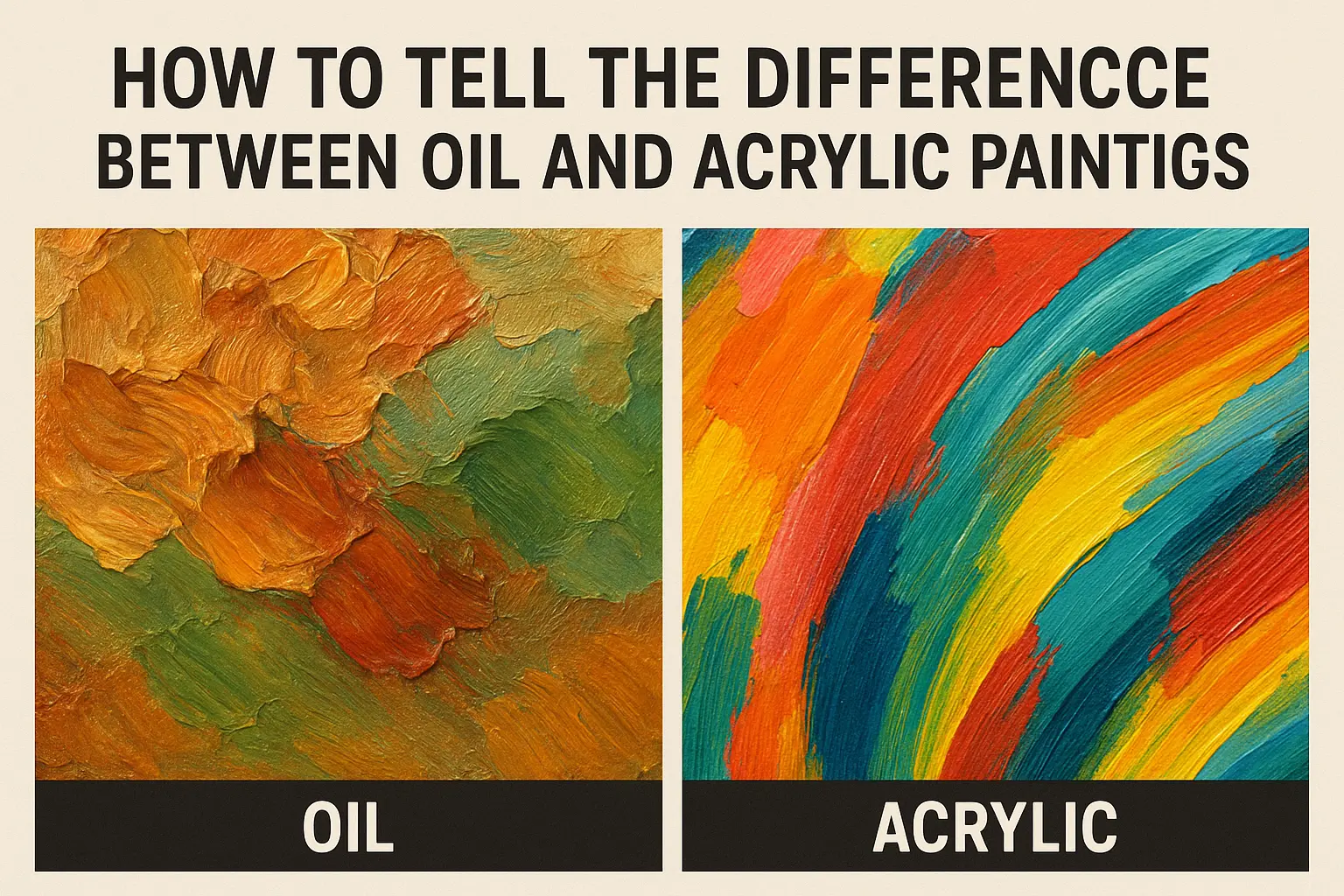
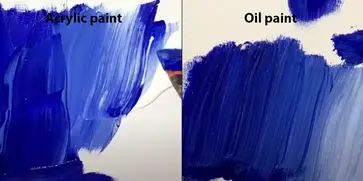
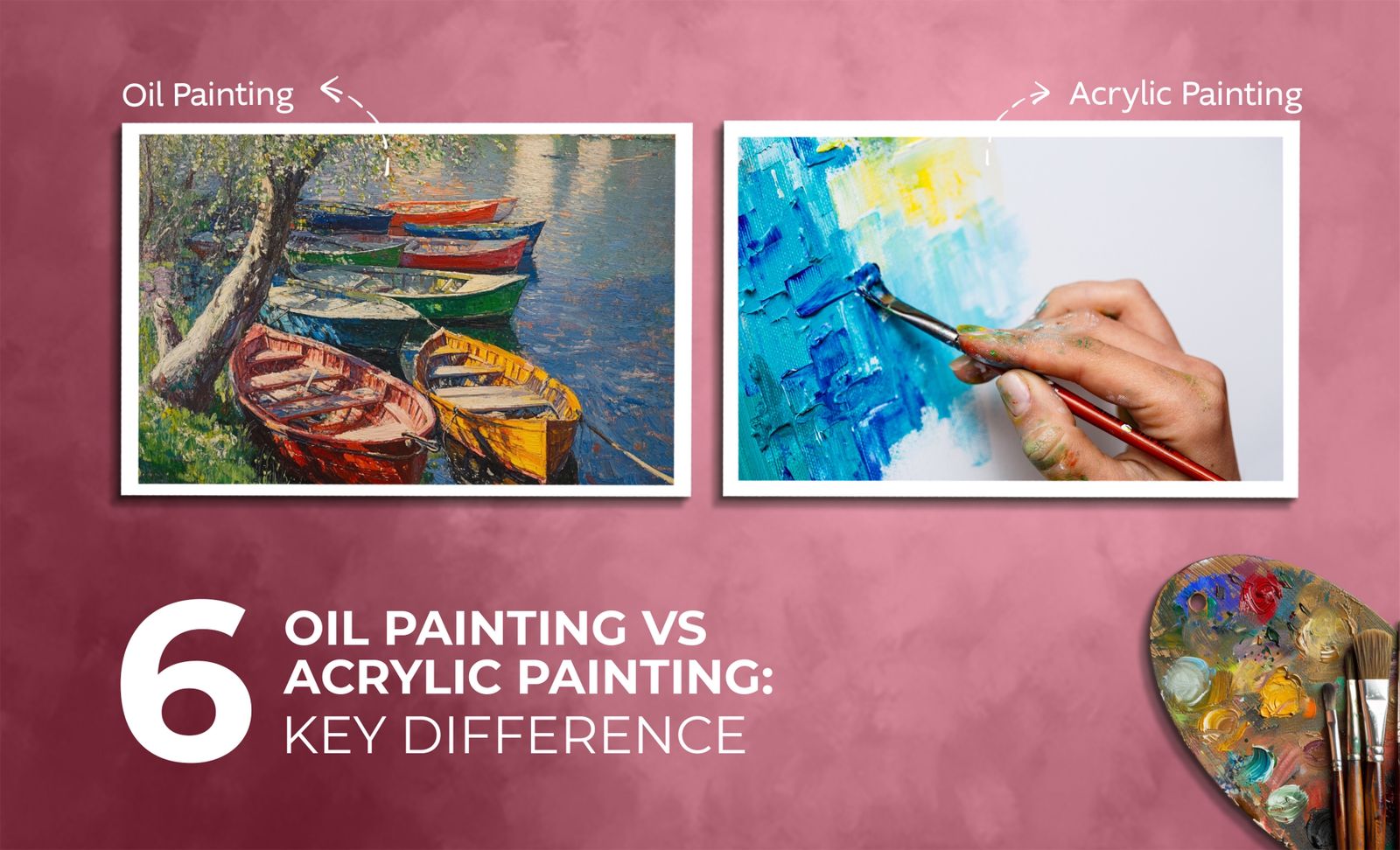
Out of the tube, professional-grade oils often feel buttery and rich. They maintain a specific structure and can be manipulated into thick impasto strokes that hold their shape indefinitely while wet.
Acrylics, while capable of high viscosity, tend to have a slightly plastic or rubbery consistency when fully dry. They are incredibly flexible, which prevents cracking, but they don't always offer the same deep, soft texture as oils straight away. However, acrylic mediums can easily change their texture, flow, and drying speed dramatically.
Layering and Blending Capabilities
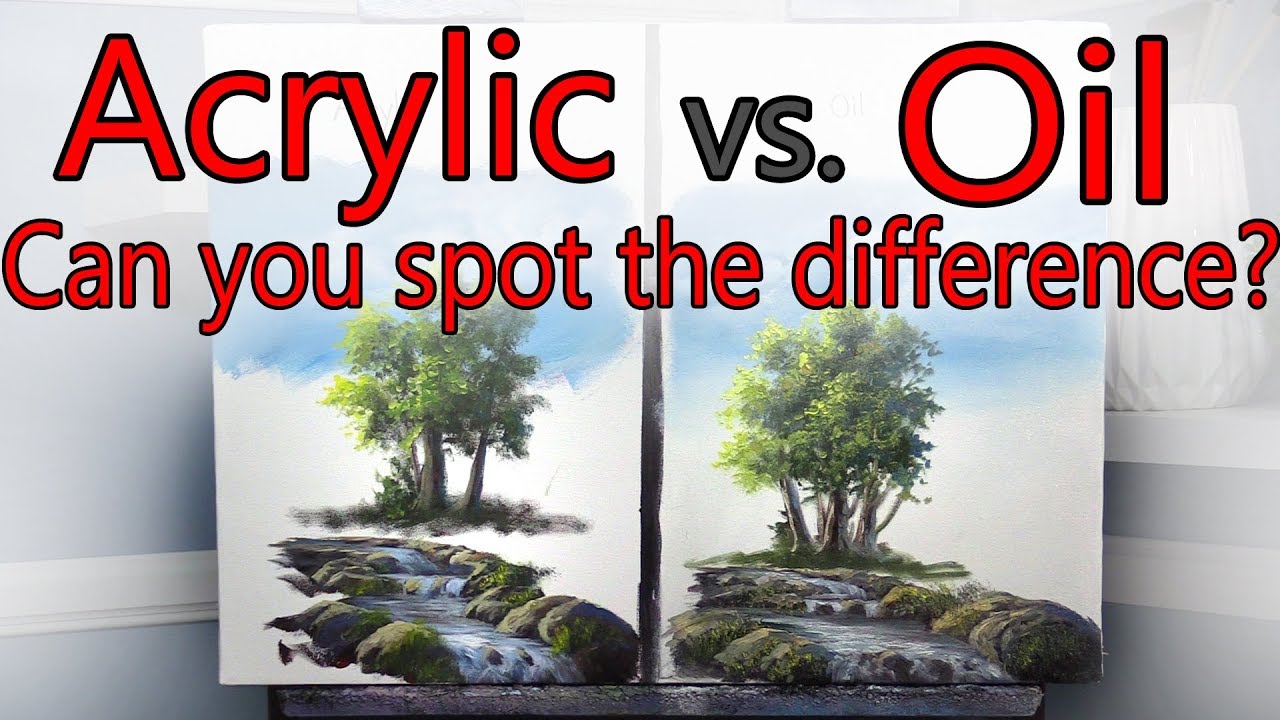
Blending is where oils truly shine. Since they stay wet for so long, you can continuously manipulate the paint on the canvas, blending subtle transitions seamlessly. This wet-on-wet technique (or alla prima) is characteristic of oil painting.
Acrylics require faster blending. If you want a soft gradient, you must work quickly, or use specialized slow-drying mediums. The upside is that when an acrylic layer is dry, it is completely permanent and cannot be reactivated by the next wet layer, allowing you to build up clean, distinct layers rapidly.
Mastering Glazing with Both Mediums
Glazing—applying thin, transparent layers of color over a dried layer—is essential in both oil and acrylic painting. In oil painting, glazing is traditional and uses thinners like turpentine or specialized oily mediums.
When glazing with acrylics, the fast drying time can be beneficial. You can apply multiple glazes in an hour, whereas the oil painter might have to wait days between layers. However, be aware that oil paintings tend to retain a greater vibrancy and depth in their final glazed appearance due to the way light interacts with the oil binder.
Practical Considerations: Clean-Up, Health, and Cost
Beyond the canvas, the practical logistics often define the difference between oil and acrylic paint for a working artist.
1. Clean-Up Process
This is arguably the most significant practical contrast. Acrylics are water-based; brushes and palettes are easily cleaned with soap and water before the paint dries. Oil paints, however, require specialized solvents (like mineral spirits or turpentine) to break down the oil binder. These solvents often produce fumes and require careful disposal, making oil painting a more complicated process in a home environment.
2. Health and Safety
Because traditional oil painting relies heavily on solvents, good ventilation is crucial to protect your health from inhaling fumes. While modern "solvent-free" oil options exist (like water-mixable oils), traditional techniques carry a higher health risk.
Acrylics are generally considered safer and are odorless. They are ideal for use in shared spaces, classrooms, or small apartments where strong ventilation isn't possible.
3. Cost and Accessibility
Acrylics are usually more affordable than equivalent-quality oil paints, especially when considering student grades. Furthermore, acrylics require minimal additional supplies—just water and basic brushes.
Oil painting requires not only paint but also a range of expensive additives like solvents, oils, and varnishes. While the initial investment might be similar, the long-term supply cost for oil painting is generally higher.
Making Your Choice: Which Paint Is Right for You?
Ultimately, there is no right or wrong answer; it depends entirely on your style and environment. If you are still confused about the difference between oil and acrylic paint, consider these scenarios:
Choose Acrylics If:
- You need speed, perhaps finishing a project in one session.
- You are highly sensitive to strong smells or lack proper ventilation.
- You want an easy clean-up process using only soap and water.
- You are experimenting with mixed media or painting on unconventional surfaces.
Choose Oils If:
- You enjoy the process of continuous blending and soft gradients.
- You want the deep, rich luminosity characteristic of classical masters.
- You have access to a well-ventilated studio space and don't mind the clean-up process.
- You prefer working slowly and meticulously, taking breaks between sessions.
Conclusion
The core difference between oil and acrylic paint boils down to their base: oils are solvent-based and slow-drying, while acrylics are water-based and fast-drying. Oils grant you superior working time for blending and deep textural finishes, but they demand specific solvents and more patience. Acrylics offer unmatched versatility, speed, and easy clean-up, making them an excellent choice for beginners and those working in domestic environments.
Don't be afraid to try both! Many contemporary artists utilize both mediums, sometimes even on the same piece (using acrylics for the fast-drying underpainting before switching to oils for the final layers). Experimentation is the key to finding your favorite medium and truly mastering your craft.
Frequently Asked Questions About Paint Differences (FAQ)
- Is it true that oil paint lasts longer than acrylic paint?
- Not necessarily. While historical oil paintings have proven longevity, modern professional-grade acrylic paints are made with durable polymers and are highly permanent and resistant to water damage once cured. Acrylics are also more flexible than oils, making them less prone to cracking over time.
- Can I mix oil and acrylic paint?
- No, this is a rule you should always follow: oil and acrylic cannot be mixed together. They adhere to the rule "Fats over lean." However, you can paint oil over completely dried acrylic, but you should never paint acrylic over oil.
- Do acrylic paints change color when they dry?
- Yes, slightly. Because acrylics dry as the water evaporates, they often experience "color shift," where the wet color appears slightly darker or duller once dry. Oil paints tend to remain closer to their wet appearance, though they may yellow slightly over many decades.
- Which type of paint is better for detailed work?
- Both can be used for detailed work. Oils offer superior blendability for subtle realistic details (like skin tones). Acrylics are fantastic for sharp lines and quick details because of their fast drying time and ability to maintain permanence layer over layer.
The Difference Between Oil And Acrylic Paint
The Difference Between Oil And Acrylic Paint Wallpapers
Collection of the difference between oil and acrylic paint wallpapers for your desktop and mobile devices.

Stunning The Difference Between Oil And Acrylic Paint Scene Collection
This gorgeous the difference between oil and acrylic paint photo offers a breathtaking view, making it a perfect choice for your next wallpaper.

Vivid The Difference Between Oil And Acrylic Paint Design for Your Screen
Explore this high-quality the difference between oil and acrylic paint image, perfect for enhancing your desktop or mobile wallpaper.
Beautiful The Difference Between Oil And Acrylic Paint Background Illustration
Discover an amazing the difference between oil and acrylic paint background image, ideal for personalizing your devices with vibrant colors and intricate designs.
Dynamic The Difference Between Oil And Acrylic Paint Scene in HD
Find inspiration with this unique the difference between oil and acrylic paint illustration, crafted to provide a fresh look for your background.

Stunning The Difference Between Oil And Acrylic Paint Moment for Desktop
Immerse yourself in the stunning details of this beautiful the difference between oil and acrylic paint wallpaper, designed for a captivating visual experience.
Gorgeous The Difference Between Oil And Acrylic Paint Photo Concept
Find inspiration with this unique the difference between oil and acrylic paint illustration, crafted to provide a fresh look for your background.
Artistic The Difference Between Oil And Acrylic Paint Image Illustration
Find inspiration with this unique the difference between oil and acrylic paint illustration, crafted to provide a fresh look for your background.
Amazing The Difference Between Oil And Acrylic Paint Scene in 4K
Experience the crisp clarity of this stunning the difference between oil and acrylic paint image, available in high resolution for all your screens.
Breathtaking The Difference Between Oil And Acrylic Paint Moment Digital Art
Discover an amazing the difference between oil and acrylic paint background image, ideal for personalizing your devices with vibrant colors and intricate designs.
Lush The Difference Between Oil And Acrylic Paint Artwork Collection
Immerse yourself in the stunning details of this beautiful the difference between oil and acrylic paint wallpaper, designed for a captivating visual experience.

Lush The Difference Between Oil And Acrylic Paint Background Concept
This gorgeous the difference between oil and acrylic paint photo offers a breathtaking view, making it a perfect choice for your next wallpaper.

Lush The Difference Between Oil And Acrylic Paint Wallpaper in 4K
Immerse yourself in the stunning details of this beautiful the difference between oil and acrylic paint wallpaper, designed for a captivating visual experience.
Mesmerizing The Difference Between Oil And Acrylic Paint Capture for Your Screen
Experience the crisp clarity of this stunning the difference between oil and acrylic paint image, available in high resolution for all your screens.

Mesmerizing The Difference Between Oil And Acrylic Paint Abstract for Desktop
Experience the crisp clarity of this stunning the difference between oil and acrylic paint image, available in high resolution for all your screens.

Vivid The Difference Between Oil And Acrylic Paint Photo for Your Screen
Experience the crisp clarity of this stunning the difference between oil and acrylic paint image, available in high resolution for all your screens.

Captivating The Difference Between Oil And Acrylic Paint Wallpaper for Desktop
Immerse yourself in the stunning details of this beautiful the difference between oil and acrylic paint wallpaper, designed for a captivating visual experience.

Breathtaking The Difference Between Oil And Acrylic Paint View Digital Art
Discover an amazing the difference between oil and acrylic paint background image, ideal for personalizing your devices with vibrant colors and intricate designs.

High-Quality The Difference Between Oil And Acrylic Paint Abstract in HD
Experience the crisp clarity of this stunning the difference between oil and acrylic paint image, available in high resolution for all your screens.
Exquisite The Difference Between Oil And Acrylic Paint View for Mobile
Find inspiration with this unique the difference between oil and acrylic paint illustration, crafted to provide a fresh look for your background.

Beautiful The Difference Between Oil And Acrylic Paint Abstract Art
Transform your screen with this vivid the difference between oil and acrylic paint artwork, a true masterpiece of digital design.
Download these the difference between oil and acrylic paint wallpapers for free and use them on your desktop or mobile devices.