Removing Bottom Paint From Gelcoat
Removing Bottom Paint From Gelcoat: Your Step-by-Step DIY Guide
So, you've decided it's time for a serious overhaul beneath the waterline. Maybe you're unhappy with the current antifouling, or perhaps you bought a used boat and want to return that hull to its original, glorious shine. Whatever the reason, tackling the task of removing bottom paint from gelcoat can seem daunting. Don't worry; while it requires elbow grease and patience, it is absolutely achievable right in your driveway or boatyard.
This guide breaks down the process, helping you choose the right method, stay safe, and successfully strip away that old paint without damaging the precious gelcoat underneath. Let's dive in and get that hull looking brand new!
Why Do You Need to Remove Bottom Paint?
You might be wondering why you can't just slap a new coat of antifouling paint over the old one. While sometimes that is an option, there are several compelling reasons why a full strip is necessary for long-term hull health and performance.
Often, older ablative paints start peeling or flaking, creating an uneven surface that compromises both speed and the effectiveness of the new coating. Furthermore, switching paint types (e.g., going from soft ablative to hard epoxy) requires a clean slate to ensure proper adhesion. Ultimately, if you want to restore the hull to its original, smooth finish, removing bottom paint from gelcoat is the only way to go.
Identifying Your Bottom Paint Type
Before you start scraping or stripping, you must identify what kind of paint you are dealing with. Different antifouling paints require different removal strategies.
A simple test is the solvent test. Take a rag and apply some paint thinner or acetone to a small, inconspicuous area. If the paint comes off easily, it's likely a softer, ablative paint. If it resists the solvent, you are dealing with a harder, epoxy-based paint that will require more aggressive mechanical or chemical methods.
Essential Safety Precautions
Bottom paints, especially older ones, can contain toxic materials like copper and tin. Your health and the environment are top priority during this messy process.
Always work in a well-ventilated area, and ensure you have proper containment for all waste, especially if you are sanding. Many marinas require specific plastic sheeting setup to catch paint dust and debris.
- Wear an approved respirator (P100 cartridges are recommended).
- Use safety glasses or goggles to protect against flying debris.
- Wear chemical-resistant gloves and protective clothing (long sleeves and pants).
- Contain all waste materials; do not let paint dust or chemical runoff reach the ground or water.
Choosing the Right Removal Method
When approaching the task of removing bottom paint from gelcoat, you generally have two main paths: chemical stripping or mechanical removal. Each has pros and cons regarding time, cost, and damage risk to the gelcoat.
Chemical Stripping (The Easy Way?)
Chemical strippers are often viewed as the easiest way to remove multiple layers of antifouling paint. Modern marine strippers are usually solvent-based or bio-degradable, designed to lift the paint without attacking the underlying fiberglass or gelcoat. Look for strippers specifically labeled as "gelcoat safe."
This method minimizes the risk of sanding damage and is excellent for removing stubborn layers. However, it can be expensive for large areas, and the process is still very messy.
- Preparation: Mask off the waterline and any areas you don't want the stripper to touch.
- Application: Apply a thick, even layer of the stripper using a brush or roller. Ensure the entire area is covered.
- Wait: Allow the stripper to sit for the manufacturer-recommended time (often several hours). You should see the paint begin to bubble and lift.
- Scrape: Use a plastic or dull metal scraper to gently remove the softened paint. Work in small sections.
- Rinse and Repeat: Clean the area thoroughly with water (or the solvent recommended by the stripper manufacturer) and repeat the process on any remaining paint spots.
Mechanical Removal (Sanding and Scraping)
Mechanical removal is the most common method, involving scraping, sanding, or specialized planing tools. While this method is faster and cheaper in terms of materials, the greatest risk is accidentally gouging or damaging the gelcoat.
If the antifouling is thick and flaking, start with a good, sharp, curved scraper. Always use gentle pressure and push the scraper, never pull, to minimize the chance of digging into the fiberglass.
Once the bulk of the paint is off, switch to sanding. You must use a dust-extracting sander to keep the mess down and, crucially, to maintain a safe working environment. Start with coarse paper (around 80-grit) to remove residual paint, then move up to 120-grit to smooth the surface before applying barrier coat or primer.
Wet Sanding Techniques
If you find dry sanding too dusty or worry about heat buildup, wet sanding is a great alternative for the final stages of paint removal or smoothing out the gelcoat.
Wet sanding minimizes dust, lubricates the abrasive action, and keeps the gelcoat cooler. However, remember that the resulting sludge must still be contained and disposed of properly. Use sandpaper designed for wet use and lots of clean water.
For smoothing residual paint marks without damaging the gelcoat, moving up to 220-grit or 320-grit wet sandpaper often gives you a professional, pre-primer finish.
Final Gelcoat Preparation and Restoration
Once you have successfully finished removing bottom paint from gelcoat, the job isn't quite done. You need to inspect the gelcoat carefully. Look for any sanding scars, blisters, or areas where the bottom paint may have slightly stained the surface.
If you found any small blisters, grind them out, fill them with an epoxy filler, and then sand them flush. If the gelcoat is in good shape, a thorough cleaning with a de-waxer or mild solvent will prepare the surface for a moisture barrier coat.
Applying an epoxy barrier coat (typically 3 to 5 coats) is highly recommended. This layer seals the fiberglass, preventing future osmotic blistering, and provides a perfect foundation for whatever new antifouling system you choose to apply.
Remember, the smoothness of your final prep work directly impacts the adhesion of the barrier coat and the ultimate performance of your boat. Take your time, inspect frequently, and ensure that every inch of that hull is clean, smooth, and ready for its new life.
Conclusion
Removing bottom paint from gelcoat is one of the biggest maintenance jobs a boat owner can undertake, but the results—a smooth, clean hull—are well worth the effort. Whether you opt for the targeted action of chemical stripping or the elbow grease of mechanical sanding, patience and careful preparation are key to avoiding damage to your gelcoat.
Always prioritize safety by wearing appropriate protective gear and ensuring environmental containment. Once the old paint is off, take the necessary steps to inspect and repair the gelcoat, followed by applying a high-quality epoxy barrier coat. You'll be rewarded with a faster, healthier hull that is ready for many more seasons on the water.
Frequently Asked Questions (FAQ) About Removing Bottom Paint
- What is the biggest risk when removing bottom paint?
- The biggest risk is damaging the gelcoat or the fiberglass layer underneath. This usually happens during mechanical removal (sanding or scraping) if too coarse sandpaper is used or if the scraper digs too deep. Always stop sanding when you see the gelcoat color appear.
- Can I use regular household paint stripper on my boat?
- No. Household paint strippers often contain harsh chemicals like methylene chloride or potent solvents that can severely damage or melt the polyester resin in your gelcoat and fiberglass. Always use marine-specific strippers labeled as "gelcoat safe."
- How long does the entire process take?
- The time required depends heavily on the size of the boat and the number of paint layers. For a typical 30-foot boat, the removal process alone can take anywhere from 20 to 60 hours of active labor. Always factor in extra time for drying, barrier coat application, and curing.
- Do I need to apply a barrier coat after removing the paint?
- While technically optional, applying an epoxy barrier coat (like Interprotect or equivalent) is highly recommended. The gelcoat is porous, and a barrier coat prevents water intrusion, which protects the fiberglass core and drastically reduces the risk of osmotic blistering.
Removing Bottom Paint From Gelcoat
Removing Bottom Paint From Gelcoat Wallpapers
Collection of removing bottom paint from gelcoat wallpapers for your desktop and mobile devices.
Serene Removing Bottom Paint From Gelcoat Moment Collection
Transform your screen with this vivid removing bottom paint from gelcoat artwork, a true masterpiece of digital design.

Gorgeous Removing Bottom Paint From Gelcoat Design for Desktop
This gorgeous removing bottom paint from gelcoat photo offers a breathtaking view, making it a perfect choice for your next wallpaper.

Serene Removing Bottom Paint From Gelcoat Photo in HD
Discover an amazing removing bottom paint from gelcoat background image, ideal for personalizing your devices with vibrant colors and intricate designs.
Spectacular Removing Bottom Paint From Gelcoat Design Photography
A captivating removing bottom paint from gelcoat scene that brings tranquility and beauty to any device.

Lush Removing Bottom Paint From Gelcoat View for Your Screen
A captivating removing bottom paint from gelcoat scene that brings tranquility and beauty to any device.
Amazing Removing Bottom Paint From Gelcoat Abstract Concept
Discover an amazing removing bottom paint from gelcoat background image, ideal for personalizing your devices with vibrant colors and intricate designs.
Breathtaking Removing Bottom Paint From Gelcoat Capture Digital Art
Explore this high-quality removing bottom paint from gelcoat image, perfect for enhancing your desktop or mobile wallpaper.

Dynamic Removing Bottom Paint From Gelcoat Design for Desktop
Find inspiration with this unique removing bottom paint from gelcoat illustration, crafted to provide a fresh look for your background.
Gorgeous Removing Bottom Paint From Gelcoat Landscape for Your Screen
A captivating removing bottom paint from gelcoat scene that brings tranquility and beauty to any device.
Dynamic Removing Bottom Paint From Gelcoat Moment Collection
This gorgeous removing bottom paint from gelcoat photo offers a breathtaking view, making it a perfect choice for your next wallpaper.
Detailed Removing Bottom Paint From Gelcoat Picture for Desktop
Explore this high-quality removing bottom paint from gelcoat image, perfect for enhancing your desktop or mobile wallpaper.
Mesmerizing Removing Bottom Paint From Gelcoat Wallpaper for Mobile
Transform your screen with this vivid removing bottom paint from gelcoat artwork, a true masterpiece of digital design.
Artistic Removing Bottom Paint From Gelcoat Design for Mobile
Find inspiration with this unique removing bottom paint from gelcoat illustration, crafted to provide a fresh look for your background.
Stunning Removing Bottom Paint From Gelcoat Photo for Desktop
Immerse yourself in the stunning details of this beautiful removing bottom paint from gelcoat wallpaper, designed for a captivating visual experience.
Beautiful Removing Bottom Paint From Gelcoat Wallpaper Digital Art
Experience the crisp clarity of this stunning removing bottom paint from gelcoat image, available in high resolution for all your screens.

Vivid Removing Bottom Paint From Gelcoat Moment for Your Screen
Explore this high-quality removing bottom paint from gelcoat image, perfect for enhancing your desktop or mobile wallpaper.

Serene Removing Bottom Paint From Gelcoat Photo for Your Screen
Discover an amazing removing bottom paint from gelcoat background image, ideal for personalizing your devices with vibrant colors and intricate designs.
Exquisite Removing Bottom Paint From Gelcoat Photo for Your Screen
Immerse yourself in the stunning details of this beautiful removing bottom paint from gelcoat wallpaper, designed for a captivating visual experience.
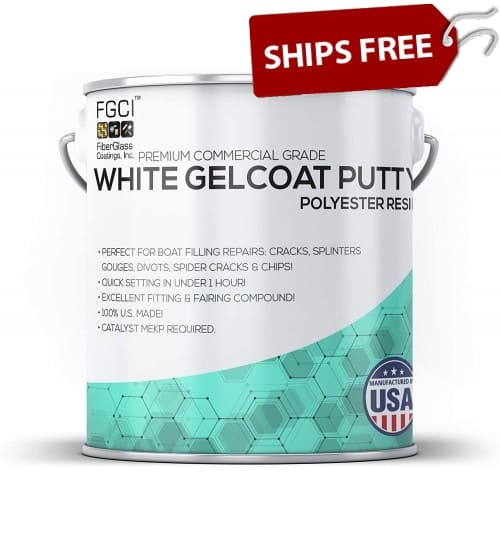
Vibrant Removing Bottom Paint From Gelcoat Design Illustration
Discover an amazing removing bottom paint from gelcoat background image, ideal for personalizing your devices with vibrant colors and intricate designs.
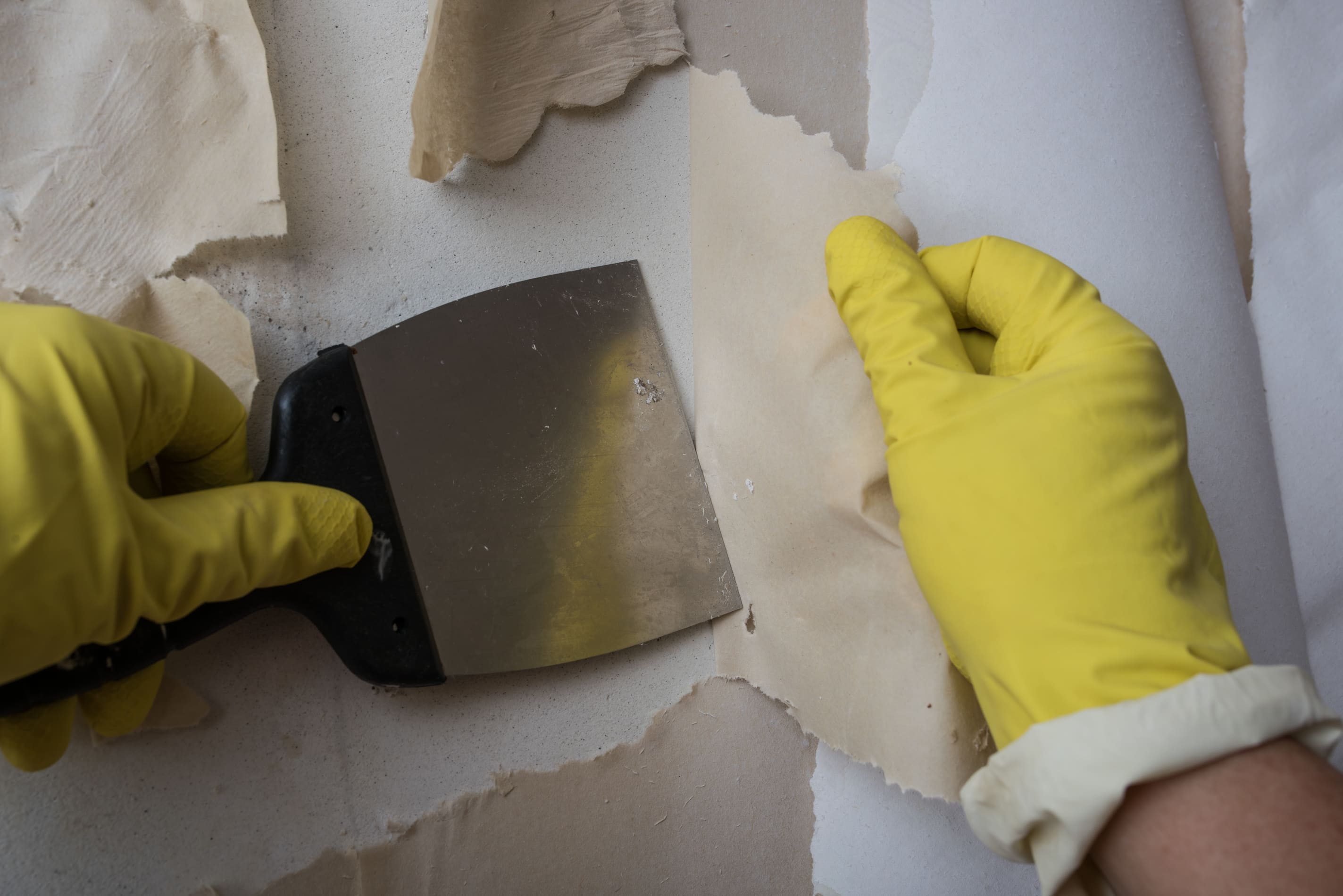
Exquisite Removing Bottom Paint From Gelcoat Design in 4K
Immerse yourself in the stunning details of this beautiful removing bottom paint from gelcoat wallpaper, designed for a captivating visual experience.
Download these removing bottom paint from gelcoat wallpapers for free and use them on your desktop or mobile devices.