Cell Paint
Ever Wondered How Scientists Color Life? Understanding the Power of Cell Paint
If you've ever imagined peering into a cell and seeing the tiny machinery whirring away in vibrant colors, then you've grasped the fundamental concept behind Cell Paint. This isn't just a fun concept; it's a revolutionary tool transforming the world of biological research and drug discovery.
In simple terms, Cell Paint is a sophisticated cocktail of fluorescent stains designed to highlight various cellular compartments simultaneously. It's like giving scientists a microscopic, multi-colored map of the cell's interior.
Ready to unlock the secrets behind this powerful technique? Let's dive into what Cell Paint is, why it's so important, and how it's speeding up the search for new medicines.
What Exactly is Cell Paint? The Science Behind the Color
When we talk about Cell Paint, we are usually referring to a standardized, multi-parametric staining protocol developed specifically for High-Content Screening (HCS). Unlike traditional staining, which might focus on just one component, Cell Paint aims to capture a comprehensive phenotypic snapshot of the entire cell.
Think of it as taking multiple high-resolution photos of a city simultaneously, each photo highlighting a different infrastructure—roads, power lines, and water pipes. By combining these images, you get a full picture of how the city operates.
The beauty of this technique lies in its simplicity and reproducibility. Scientists use a fixed panel of fluorescent dyes that penetrate the cell membrane and bind specifically to key organelles, proteins, or structures. This creates a quantifiable, multi-channel image dataset ready for analysis.
Why Do Scientists Use Cell Paint? The Unmatched Benefits
The primary reason for adopting Cell Paint is its ability to extract massive amounts of functional data from every single cell being studied. This high informational density is crucial, especially in fields where researchers need to test thousands of potential drug compounds quickly.
Traditional assays often focus on a single mechanism, like measuring the activity of one specific enzyme. If a compound fails that test, it's discarded, even if it might have positive effects elsewhere in the cell.
Cell Paint flips this approach. By looking at the cell's entire appearance—its phenotype—researchers can identify subtle changes caused by a drug candidate, even if those changes weren't the initial target of the study. This makes drug discovery far more efficient and less prone to missing important discoveries.
High-Content Screening (HCS) Made Easy
High-Content Screening, or HCS, involves automatically imaging and analyzing cells treated with thousands of different compounds. Before Cell Paint, setting up complex HCS assays was time-consuming and required highly specialized reagents for each target.
Cell Paint standardizes the imaging process. Because the staining protocol remains the same across countless experiments, the focus shifts to the data analysis. This allows labs to perform rapid, large-scale screens with less variability and greater throughput.
It significantly accelerates the initial screening phase, allowing researchers to quickly filter through ineffective compounds and focus their efforts on the most promising candidates.
Unlocking Complex Cellular Secrets
Cell Paint excels at uncovering phenotypic changes—the overall physical or functional characteristics of the cell. These changes often reveal how a drug affects multiple cellular pathways simultaneously, not just the intended target.
For example, a compound might be intended to inhibit a protein in the nucleus, but Cell Paint data could reveal that it also causes mitochondria to fragment or the cytoskeleton to collapse. This multi-faceted view is invaluable for understanding toxicity and off-target effects early in the research pipeline.
Moreover, the data generated by Cell Paint are quantitative. Using sophisticated machine learning algorithms, researchers can convert the visual patterns into measurable features, allowing them to compare the effects of different compounds with high precision.
How Does Cell Paint Work? A Peek Inside the Lab
The process of using Cell Paint is surprisingly straightforward, relying on chemistry and advanced microscopy. Generally, the cells are first treated with the compounds being tested, then fixed (preserved), and finally stained.
The core of the method involves combining multiple dyes, each chosen for its ability to illuminate a specific cellular structure. These dyes are selected to fluoresce at different wavelengths, meaning they emit distinct colors when excited by specific light filters.
When the resulting images are captured by automated microscopes and analyzed by software, the computer sees dozens or even hundreds of measurable features per cell, such as the size of the nucleus, the texture of the cytoplasm, or the distance between organelles.
The Magic of Fluorescent Stains
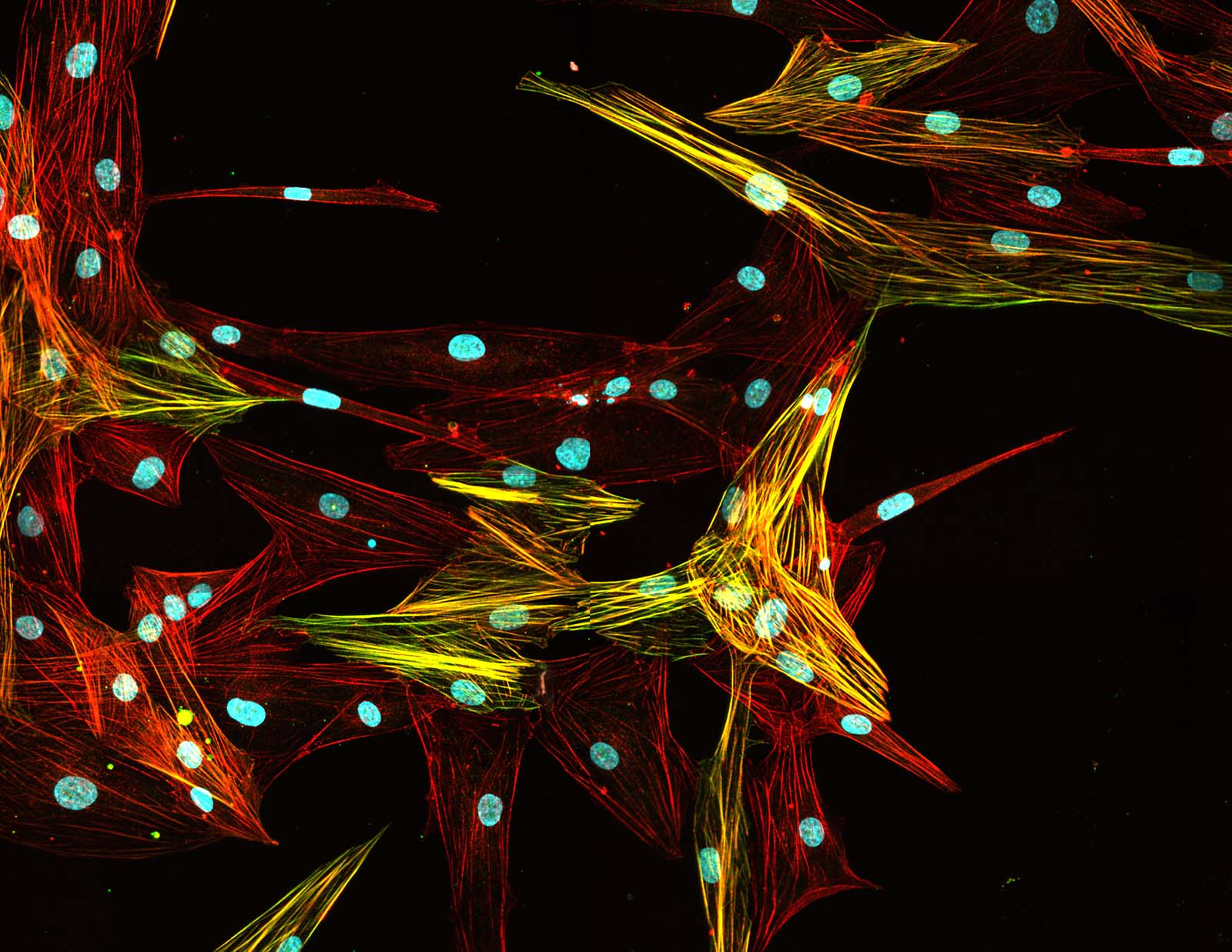
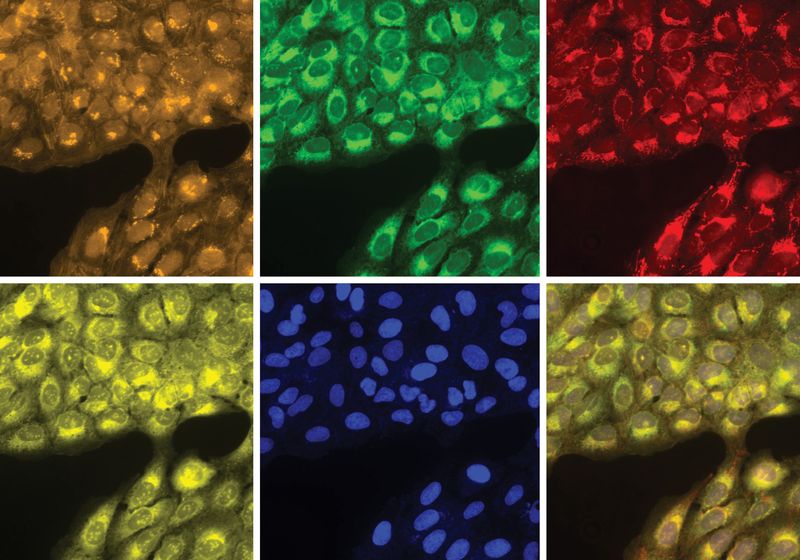
The stains used in Cell Paint are not random; they are carefully selected molecules that target essential components. Some dyes bind to DNA, highlighting the nucleus in blue, while others might react with the lipids that form the mitochondrial membranes, causing them to glow red.
By using multiple colors (often 5 to 7 different stains), researchers can multiplex their assays. This means they are gathering data on five to seven distinct cellular pathways or locations simultaneously from the exact same cells.
This efficiency saves both time and precious biological samples, which is a major benefit when working with rare or primary cell lines.
Key Cellular Features Targeted by Cell Paint
A typical Cell Paint protocol is designed to cover structures crucial for survival, replication, and overall health. Here are some of the key features routinely targeted:
- Nucleus (DNA): Provides information on cell cycle progression, nuclear size, and DNA damage.
- Endoplasmic Reticulum (ER): Essential for protein synthesis and folding; changes here can indicate stress responses.
- Mitochondria: The cell's powerhouses; structural changes often flag toxicity or metabolic issues.
- F-actin/Cytoskeleton: Reveals details about cell shape, migration, and structural integrity.
- Golgi Apparatus: Involved in modifying, sorting, and packaging proteins; critical for transport.
- Lysosomes: The recycling centers of the cell; changes indicate issues with waste removal or autophagy.
Each of these components, when stained and measured, contributes hundreds of unique data points that form the overall "phenotypic profile" of the cell under treatment.
Limitations and Future of Cell Paint
While Cell Paint is a game-changer, it's important to note that it primarily uses fixed cells. This means the cells are dead when imaged, offering a snapshot rather than a continuous, dynamic view of cellular activity in real-time. This limits its application for studying highly transient processes.
Furthermore, managing the massive datasets generated by Cell Paint requires significant computational infrastructure and expertise in machine learning and bioinformatics. The real challenge often lies not in generating the pictures, but in interpreting the millions of data points they contain.
Current Challenges
One of the main hurdles is standardization across different labs. Although the concept of Cell Paint is standardized, minor differences in reagents, imaging equipment, and analysis software can lead to variability in results. Efforts are ongoing to create truly robust and universally reproducible protocols.
Another challenge involves scaling the analysis to complex 3D cellular models, such as organoids, which mimic real tissues better than simple 2D cell cultures. Applying Cell Paint successfully to these models requires even more advanced imaging and computational techniques.
Looking ahead, we can expect to see live-cell versions of Cell Paint, using less toxic dyes and genetically encoded reporters, which will allow scientists to monitor dynamic changes in cells continuously. Integrating this phenotypic data with genomic data (what genes are expressed) promises to create an even more complete picture of cellular function.
Conclusion
Cell Paint represents a massive leap forward in cellular biology and drug discovery. By providing a rich, standardized, and quantifiable phenotypic profile of cells under stress or treatment, it drastically speeds up the identification of promising drug candidates and helps flag potential toxicity early on.
This technique transforms microscopic observations into massive datasets, bridging the gap between traditional histology and artificial intelligence-driven research. If you hear about groundbreaking research in pharmaceutical screening or toxicological studies, chances are, Cell Paint played a central role in coloring the findings.
Its ease of use, coupled with its high informational yield, ensures that Cell Paint will remain a cornerstone technique, helping scientists around the globe uncover the complex biology of health and disease for years to come.
Frequently Asked Questions (FAQ) About Cell Paint
- What is the difference between Cell Paint and traditional staining?
- Traditional staining usually uses one or two dyes to highlight specific, pre-determined targets. Cell Paint uses a standardized cocktail of multiple dyes (often 5 to 7) to simultaneously stain various organelles, providing a comprehensive, multi-parametric view (a phenotype) of the entire cell.
- Is Cell Paint used only for drug discovery?
- No. While drug screening is a major application, Cell Paint is also used extensively in toxicology studies, basic cell biology research (to understand how organelles interact), and in studies related to gene function, where researchers examine how knocking out a gene changes the cell's overall appearance.
- Does Cell Paint work on live cells?
- The classic Cell Paint protocol involves fixing the cells (killing and preserving them) before staining. However, modified versions and related techniques using less toxic, biocompatible dyes are being developed for live-cell imaging to capture dynamic processes in real-time.
- What is phenotypic profiling?
- Phenotypic profiling is the process of measuring hundreds of characteristics (such as size, shape, intensity, and location of organelles) from a cell or population of cells. Cell Paint enables this profiling by providing the visual data required, which is then analyzed by specialized software to create a quantifiable signature.
Cell Paint
Cell Paint Wallpapers
Collection of cell paint wallpapers for your desktop and mobile devices.

Spectacular Cell Paint Background for Mobile
Find inspiration with this unique cell paint illustration, crafted to provide a fresh look for your background.
Serene Cell Paint Design Art
Transform your screen with this vivid cell paint artwork, a true masterpiece of digital design.
Dynamic Cell Paint Wallpaper for Your Screen
Find inspiration with this unique cell paint illustration, crafted to provide a fresh look for your background.

Lush Cell Paint Capture Illustration
This gorgeous cell paint photo offers a breathtaking view, making it a perfect choice for your next wallpaper.

Vibrant Cell Paint Background Concept
Explore this high-quality cell paint image, perfect for enhancing your desktop or mobile wallpaper.
Crisp Cell Paint Photo Photography
Immerse yourself in the stunning details of this beautiful cell paint wallpaper, designed for a captivating visual experience.
Dynamic Cell Paint Design in HD
Find inspiration with this unique cell paint illustration, crafted to provide a fresh look for your background.

Vivid Cell Paint Image Illustration
Transform your screen with this vivid cell paint artwork, a true masterpiece of digital design.
Artistic Cell Paint Artwork Concept
A captivating cell paint scene that brings tranquility and beauty to any device.

Beautiful Cell Paint Abstract in HD
Transform your screen with this vivid cell paint artwork, a true masterpiece of digital design.

Serene Cell Paint Landscape for Desktop
Explore this high-quality cell paint image, perfect for enhancing your desktop or mobile wallpaper.
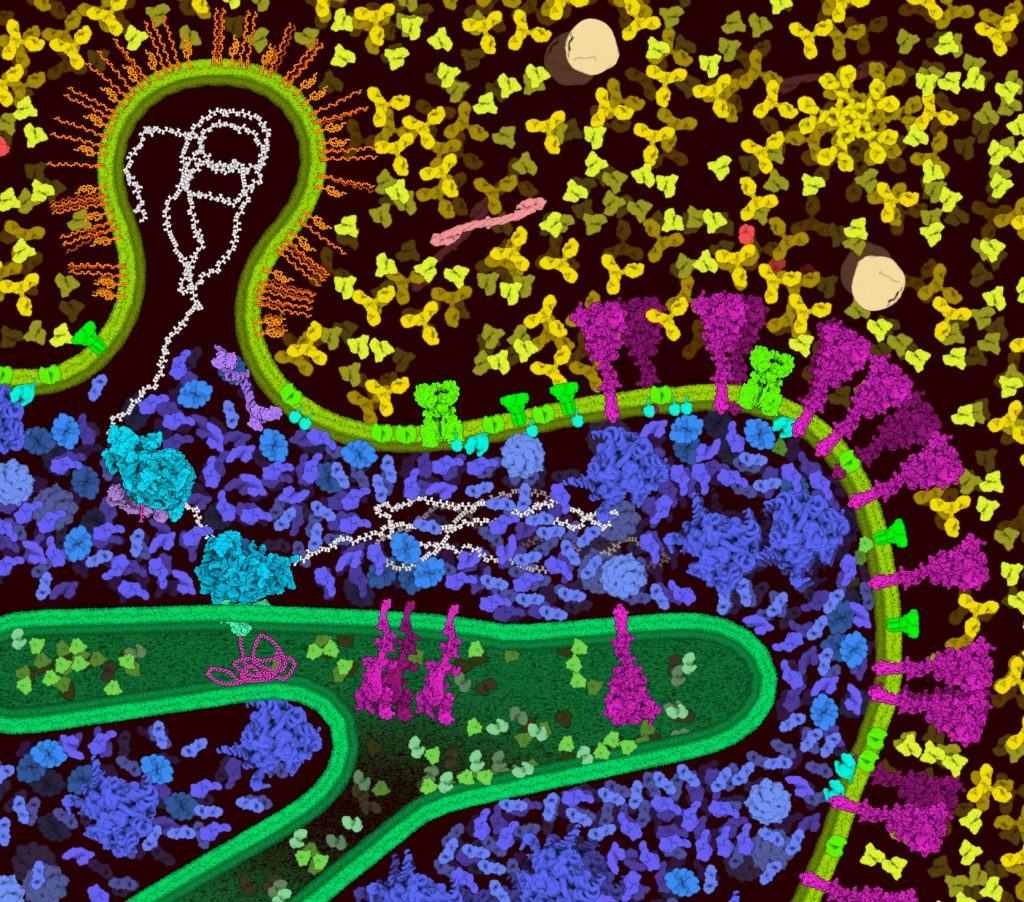
Vibrant Cell Paint Capture Concept
Transform your screen with this vivid cell paint artwork, a true masterpiece of digital design.

Mesmerizing Cell Paint Capture Photography
Experience the crisp clarity of this stunning cell paint image, available in high resolution for all your screens.

Amazing Cell Paint Moment Nature
Explore this high-quality cell paint image, perfect for enhancing your desktop or mobile wallpaper.

Gorgeous Cell Paint Image for Mobile
A captivating cell paint scene that brings tranquility and beauty to any device.

Beautiful Cell Paint Wallpaper Photography
Transform your screen with this vivid cell paint artwork, a true masterpiece of digital design.

Gorgeous Cell Paint Background Concept
Find inspiration with this unique cell paint illustration, crafted to provide a fresh look for your background.
Exquisite Cell Paint Moment Digital Art
Immerse yourself in the stunning details of this beautiful cell paint wallpaper, designed for a captivating visual experience.

Beautiful Cell Paint Capture Concept
Experience the crisp clarity of this stunning cell paint image, available in high resolution for all your screens.
Serene Cell Paint View Nature
Transform your screen with this vivid cell paint artwork, a true masterpiece of digital design.
Download these cell paint wallpapers for free and use them on your desktop or mobile devices.