Best Weather To Paint Exterior
Best Weather To Paint Exterior: Your Ultimate Guide
Planning to give your home a fresh, vibrant exterior? That's fantastic! Painting the outside of your house is a massive project, and the key to a long-lasting, flawless finish often boils down to one critical factor: the weather. You can buy the best paint in the world, but if you apply it during poor conditions, you'll end up with peeling, bubbling, and wasted effort.
So, what exactly is the Best Weather To Paint Exterior? It's not just about avoiding rain; it involves a delicate balance of temperature, humidity, and sunlight. Let's dive into the specifics so you can plan your painting project for guaranteed success.
Why Weather Matters So Much for Exterior Paint
Exterior paint needs time to cure and bond properly to the siding. This curing process relies heavily on specific environmental conditions. If the weather is too hot, too cold, or too humid, the paint will dry unevenly, causing structural weaknesses that shorten its lifespan.
Understanding these climate constraints ensures that the investment you make in materials and labor truly pays off. Rushing the job or ignoring the forecast is the fastest route to needing a repaint sooner than expected.
The Goldilocks Zone: Ideal Temperature Range
When searching for the Best Weather To Paint Exterior, temperature is your number one consideration. Most paint manufacturers recommend a sweet spot, often referred to as the "Goldilocks Zone," where the conditions are just right—not too hot and not too cold.
For latex (water-based) paints, which are the most common exterior choice today, the general recommendation is between 50°F (10°C) and 85°F (29°C). This range applies to both the air temperature and the surface temperature of the material you are painting.
Why is this range so important? If the temperature drops below 50°F, the paint film struggles to form properly. This leads to poor adhesion and an inability to resist cracking and dirt pick-up later on. Conversely, excessive heat can cause the paint to dry too quickly, leading to brush marks, poor flow, and potential blistering.
Dealing with Heat and Direct Sunlight
High temperatures are often accompanied by intense sunlight, which can be detrimental to your painting project. Painting a surface that is hot to the touch is a recipe for disaster, even if the air temperature is reasonable.
When paint dries too rapidly, it skins over before it can properly adhere to the substrate. This issue is known as "flash drying." To combat this, always follow the sun around the house. Start painting the shady side of your home in the morning, and transition to the sunny side as the sun moves and the walls cool down.
Remember that dark colors absorb more heat, making them significantly hotter than light colors. If you are applying a deep hue, be extra vigilant about the surface temperature.
Humidity and Dew Point: Silent Killers
While temperature grabs all the attention, humidity often plays an equally disruptive role. Humidity is the amount of water vapor in the air. High humidity significantly slows down the drying time of latex paints, as the air is already saturated with moisture.
More crucial than humidity itself is the dew point. The dew point is the temperature at which air becomes fully saturated and moisture begins to condense, forming dew or frost. You absolutely must avoid painting when the surface temperature is close to the dew point. If the surface is too cool, condensation will form, causing immediate adhesion failure.
What Happens When Humidity is Too High?
If humidity exceeds 85%, painting becomes extremely risky. When the air is overly saturated, the solvents in oil-based paints and the water in latex paints cannot evaporate quickly enough. This extended wet time leaves your paint film vulnerable.
Consequences of painting in excessively high humidity include:
- Sagging or running of the paint coat.
- A reduction in gloss level (dull finish).
- Poor adhesion, especially if moisture gets trapped between coats.
- Increased likelihood of mildew or mold growth under the paint film.
For the optimal result, aim for relative humidity levels between 40% and 70%. This gives the paint enough time to flow and level, but also allows it to dry efficiently.
The Best Season for Exterior Painting
Many homeowners assume summer is the Best Weather To Paint Exterior, but that is often inaccurate due to intense heat, high humidity, and afternoon thunderstorms. In most temperate regions, the transitional seasons offer the best conditions.
Late spring and early fall are generally ideal. These periods offer stable weather patterns, lower humidity levels, and consistent daytime temperatures that stay comfortably within the optimal 50°F to 85°F range without excessive heat spikes.
Spring vs. Fall: A Closer Look
Both spring and fall have their advantages, but you must be aware of the pitfalls specific to each season.
Painting in Spring
Spring offers the advantage of warming temperatures. However, beware of early spring showers and fluctuating temperatures. Morning dew can also be heavy and persistent. Always check the long-range forecast to ensure a clear week of warm, stable days.
Painting in Fall
Fall often provides the most stable and dry conditions, making it an excellent time to paint. The main challenge in the fall is the dramatically shorter daylight hours and the risk of early evening dew. You must stop painting much earlier—usually by 4:00 PM—to allow the paint to dry before the temperatures drop below 50°F and dew sets in.
Crucially, you need the paint to cure completely overnight. If you are applying a second coat, ensure the first coat has had ample time (usually 24 hours, depending on the product) to dry fully before reapplying.
Avoiding Disaster: Conditions to Steer Clear Of
To summarize, knowing the ideal weather is one thing, but knowing the absolute deal-breakers is just as important. Never risk painting if any of these conditions are present or imminent:
- Rain or Fog: Paint cannot dry or adhere properly if the surface is wet or if high humidity mimics dampness. Wait at least 24 to 48 hours after a heavy rain before starting your prep work.
- High Winds: Wind carries dust, debris, and insects, embedding them directly into your wet paint finish. Strong winds also accelerate drying too much, leading to poor brush work and uneven curing.
- Freezing Temperatures: If the temperature drops below 35°F, even overnight, latex paint molecules will not coalesce properly, leading to chalking and flaking once the paint dries.
- Threat of Thunderstorms: Even if it looks sunny now, sudden, intense downpours can ruin hours of work in minutes. Always consult an hourly forecast.
Modern paint technology has improved dramatically, with some specific "low-temp" formulas available. However, even these advanced products perform best when used within a specific temperature window. Always read the manufacturer's label to confirm their exact requirements for the product you choose.
A Quick Pre-Paint Weather Checklist
Before you even open a can of paint, ensure you can tick off every item on this preparation list:
- Temperature is consistently between 50°F and 85°F (day and night).
- Humidity levels are below 70%.
- The forecast shows a minimum of three clear, dry days ahead.
- No heavy morning dew is predicted.
- The surface you are painting is completely dry and clean.
Conclusion: Finding Your Ideal Painting Window
The quest for the Best Weather To Paint Exterior boils down to patience, planning, and stability. You are looking for a few consecutive days of moderate temperatures, low humidity, and minimal wind. This typically places late spring and early fall as the optimal seasons for most regions.
By respecting the temperature limits—especially the critical minimum curing temperature—and ensuring the surface stays dry, you will achieve a professional, durable finish that protects and beautifies your home for years to come. Don't rush the forecast; the success of your exterior paint job depends on it!
Frequently Asked Questions (FAQ)
- What is the absolute minimum temperature to paint exterior walls?
- Most standard latex paints require a minimum temperature of 50°F (10°C) for both the air and the surface being painted. This temperature must be maintained for at least four hours after application and ideally overnight while the paint cures.
- Can I paint if it looks like rain later?
- No. You should have a minimum of 24 hours of dry weather following the application of the final coat. If rain is expected within 24 hours, postpone the job. Moisture interrupts the curing process, leading to wash-off or blistering.
- Is morning dew a problem for exterior painting?
- Yes, absolutely. Do not start painting until the morning dew has completely evaporated and the surface is bone dry. Painting over condensation severely compromises adhesion, often causing the paint to peel prematurely.
- Should I paint when it's windy?
- It's best to avoid high winds. Light breezes are fine and can help evaporation, but strong winds (above 15 mph) introduce airborne debris into the wet paint film and can cause the paint to dry too quickly, resulting in lap marks.
Best Weather To Paint Exterior
Best Weather To Paint Exterior Wallpapers
Collection of best weather to paint exterior wallpapers for your desktop and mobile devices.

Dynamic Best Weather To Paint Exterior Wallpaper Concept
Immerse yourself in the stunning details of this beautiful best weather to paint exterior wallpaper, designed for a captivating visual experience.

Beautiful Best Weather To Paint Exterior Background for Your Screen
Transform your screen with this vivid best weather to paint exterior artwork, a true masterpiece of digital design.
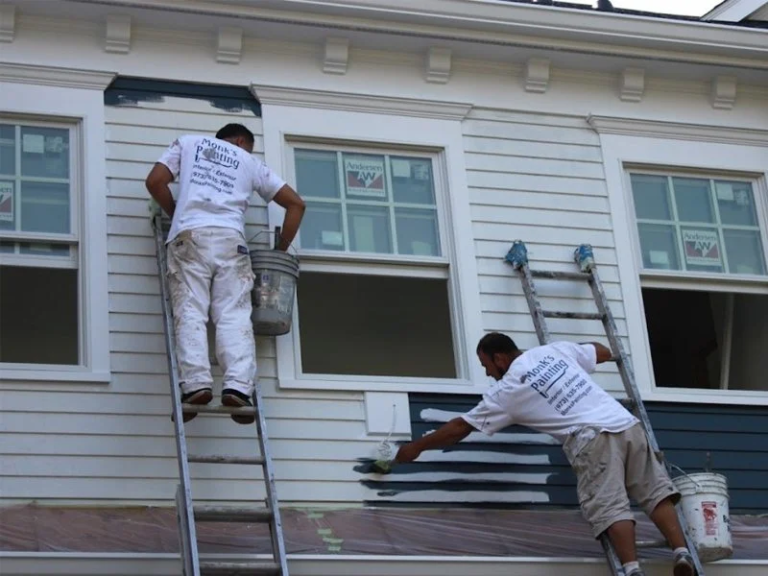
Spectacular Best Weather To Paint Exterior View in 4K
This gorgeous best weather to paint exterior photo offers a breathtaking view, making it a perfect choice for your next wallpaper.

Mesmerizing Best Weather To Paint Exterior Image for Mobile
Explore this high-quality best weather to paint exterior image, perfect for enhancing your desktop or mobile wallpaper.

Breathtaking Best Weather To Paint Exterior Capture in 4K
Explore this high-quality best weather to paint exterior image, perfect for enhancing your desktop or mobile wallpaper.

Beautiful Best Weather To Paint Exterior Moment Photography
Discover an amazing best weather to paint exterior background image, ideal for personalizing your devices with vibrant colors and intricate designs.
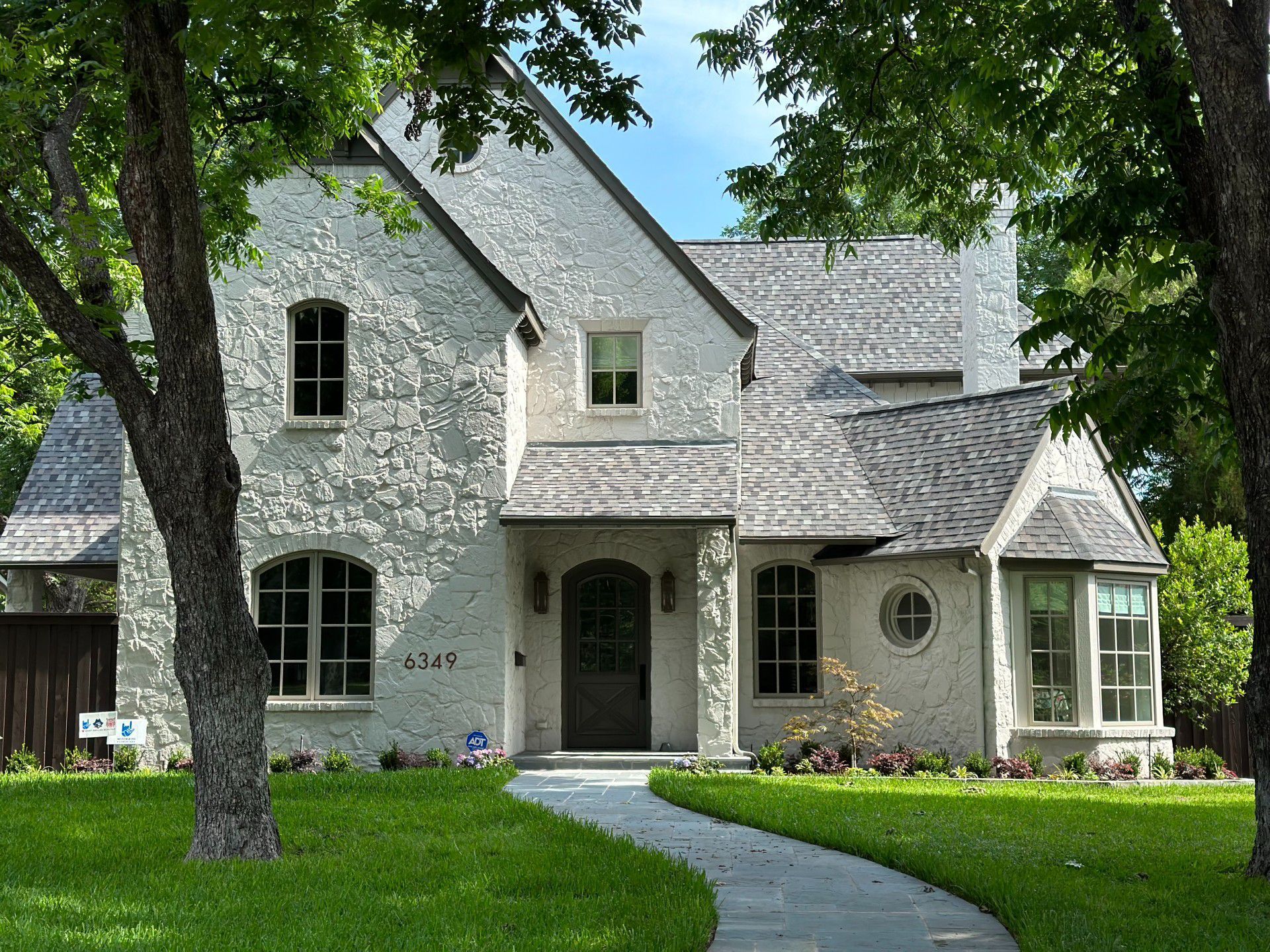
Crisp Best Weather To Paint Exterior Moment for Mobile
This gorgeous best weather to paint exterior photo offers a breathtaking view, making it a perfect choice for your next wallpaper.

Breathtaking Best Weather To Paint Exterior Background Digital Art
Explore this high-quality best weather to paint exterior image, perfect for enhancing your desktop or mobile wallpaper.
Spectacular Best Weather To Paint Exterior Image Nature
Find inspiration with this unique best weather to paint exterior illustration, crafted to provide a fresh look for your background.
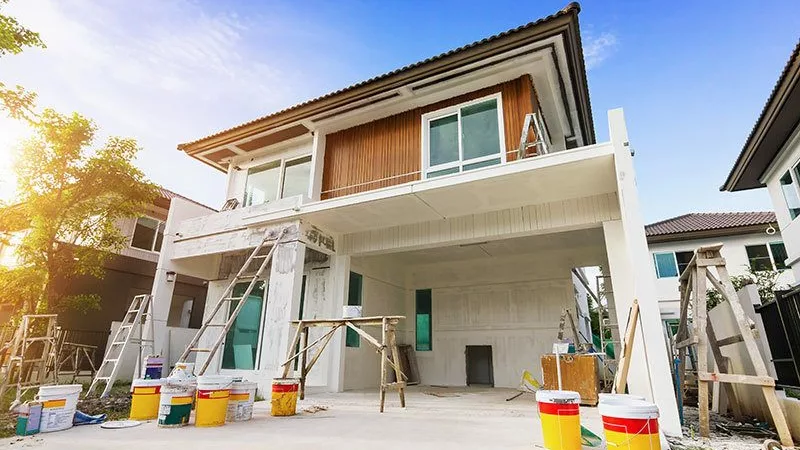
Vibrant Best Weather To Paint Exterior Wallpaper Concept
Explore this high-quality best weather to paint exterior image, perfect for enhancing your desktop or mobile wallpaper.
.webp "Exquisite Best Weather To Paint Exterior View Concept")
Exquisite Best Weather To Paint Exterior View Concept
This gorgeous best weather to paint exterior photo offers a breathtaking view, making it a perfect choice for your next wallpaper.
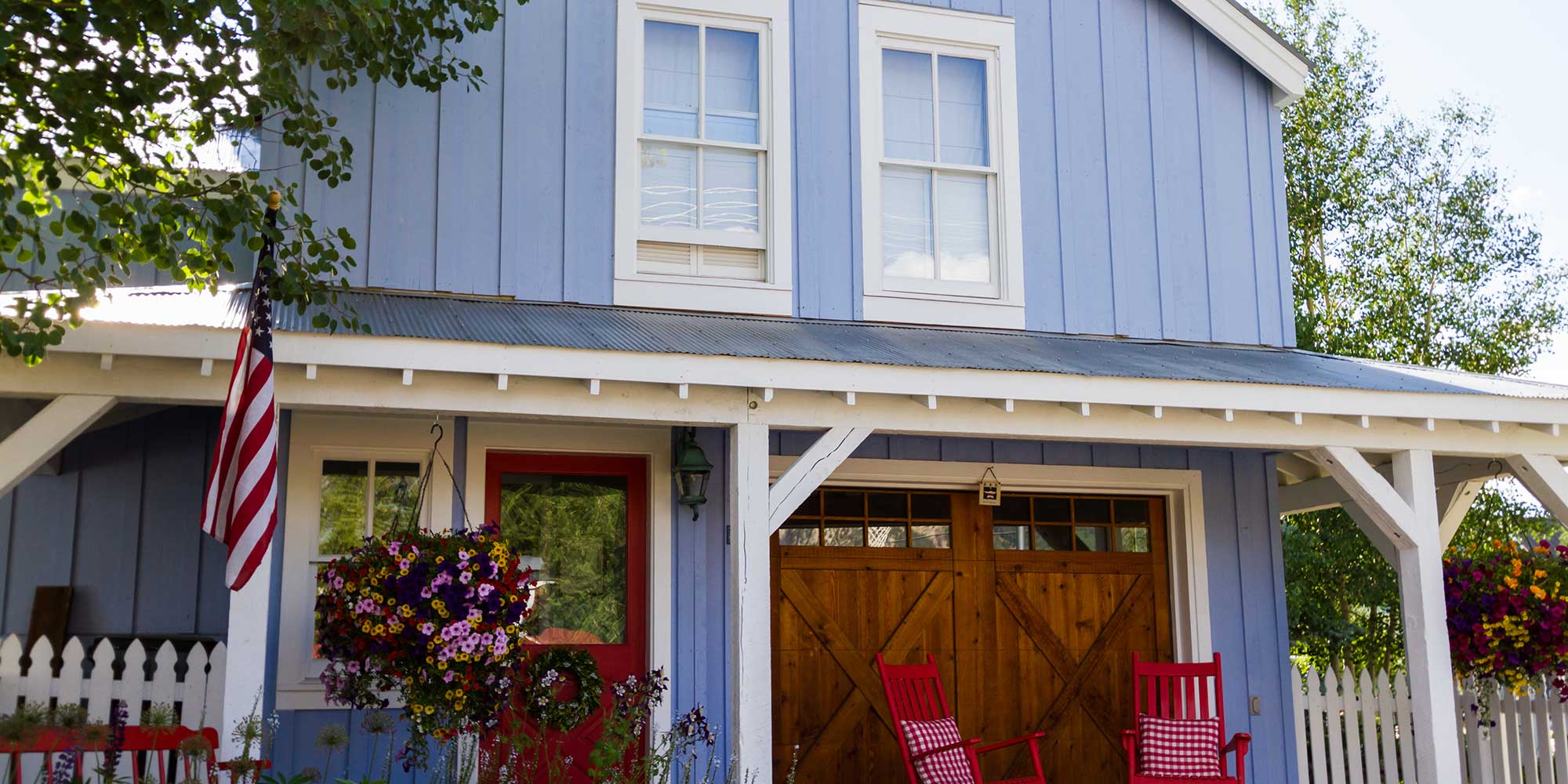
Lush Best Weather To Paint Exterior Scene in 4K
Find inspiration with this unique best weather to paint exterior illustration, crafted to provide a fresh look for your background.
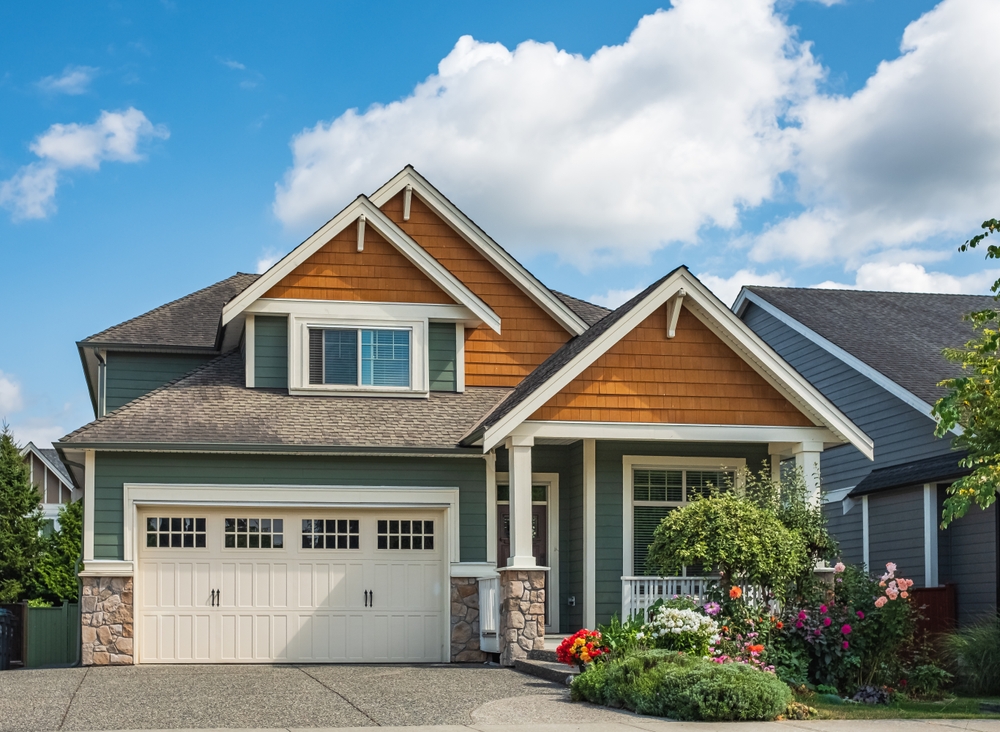
Breathtaking Best Weather To Paint Exterior Background for Mobile
Experience the crisp clarity of this stunning best weather to paint exterior image, available in high resolution for all your screens.

Stunning Best Weather To Paint Exterior Picture Illustration
Find inspiration with this unique best weather to paint exterior illustration, crafted to provide a fresh look for your background.
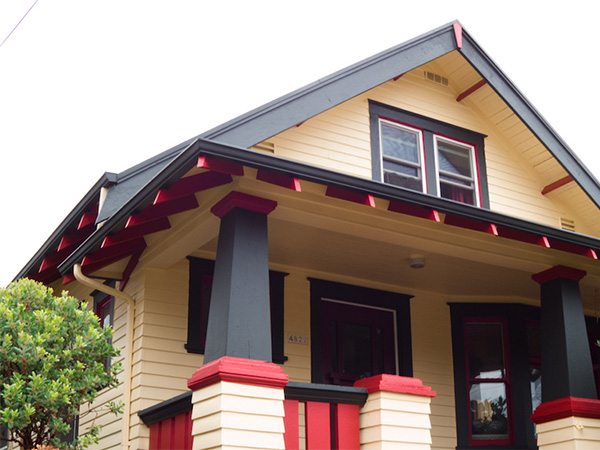
Exquisite Best Weather To Paint Exterior Capture Art
This gorgeous best weather to paint exterior photo offers a breathtaking view, making it a perfect choice for your next wallpaper.

High-Quality Best Weather To Paint Exterior View in HD
Transform your screen with this vivid best weather to paint exterior artwork, a true masterpiece of digital design.
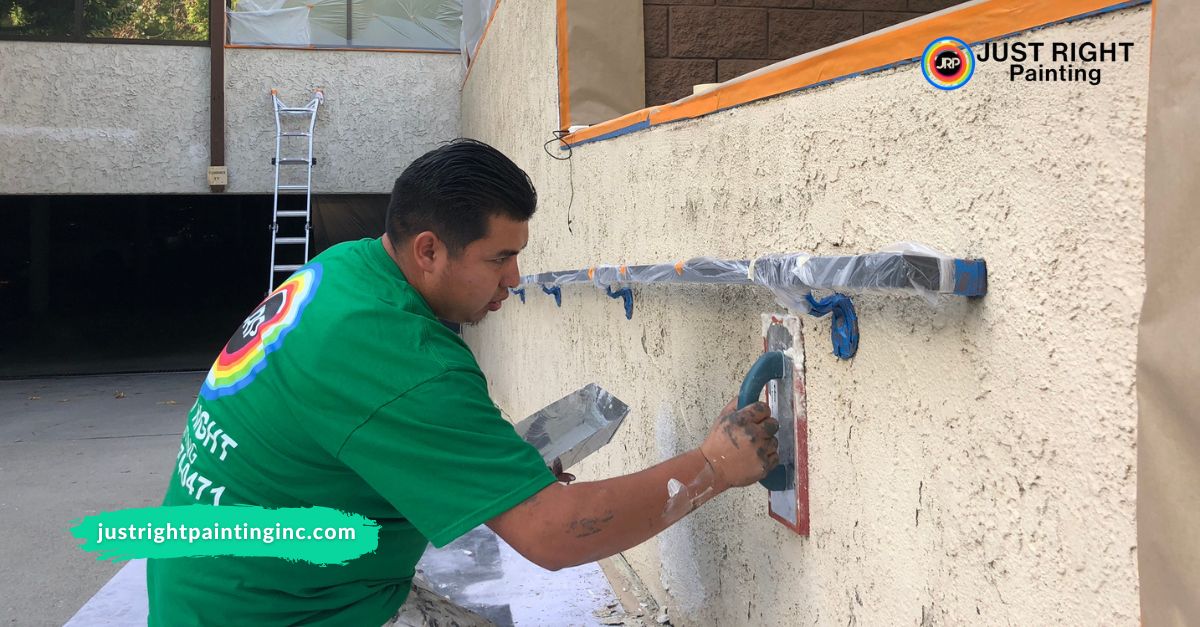
Vivid Best Weather To Paint Exterior Capture Digital Art
Discover an amazing best weather to paint exterior background image, ideal for personalizing your devices with vibrant colors and intricate designs.
Lush Best Weather To Paint Exterior Photo in HD
Immerse yourself in the stunning details of this beautiful best weather to paint exterior wallpaper, designed for a captivating visual experience.
Vivid Best Weather To Paint Exterior Image Photography
Transform your screen with this vivid best weather to paint exterior artwork, a true masterpiece of digital design.

Spectacular Best Weather To Paint Exterior Abstract Nature
This gorgeous best weather to paint exterior photo offers a breathtaking view, making it a perfect choice for your next wallpaper.
Download these best weather to paint exterior wallpapers for free and use them on your desktop or mobile devices.