What Colors Make Sage Green Paint
What Colors Make Sage Green Paint: Your DIY Guide to Mixing Tranquility
Are you dreaming of that perfect, calming, earthy shade? Sage green has become a staple in interior design and crafts, offering a sophisticated neutral that feels both fresh and grounded. But when you look at a standard color wheel, the specific combination for this muted beauty might seem elusive. If you're ready to ditch the pre-mixed cans and dive into customizing your own hue, you're in the right place.
The secret to answering the question, "What colors make sage green paint?" isn't just mixing green. It's about understanding saturation and tone. Sage green is fundamentally a low-saturation color. This means we need to take a bright green and tone it down significantly. It's easier than you think, and with a little patience, you can mix the precise shade of tranquility you're looking for.
We're going to walk through the exact components you need, the steps to mix them, and how to troubleshoot your mixture if it's too bright, too dark, or too blue.
Understanding Sage Green: More Than Just Green
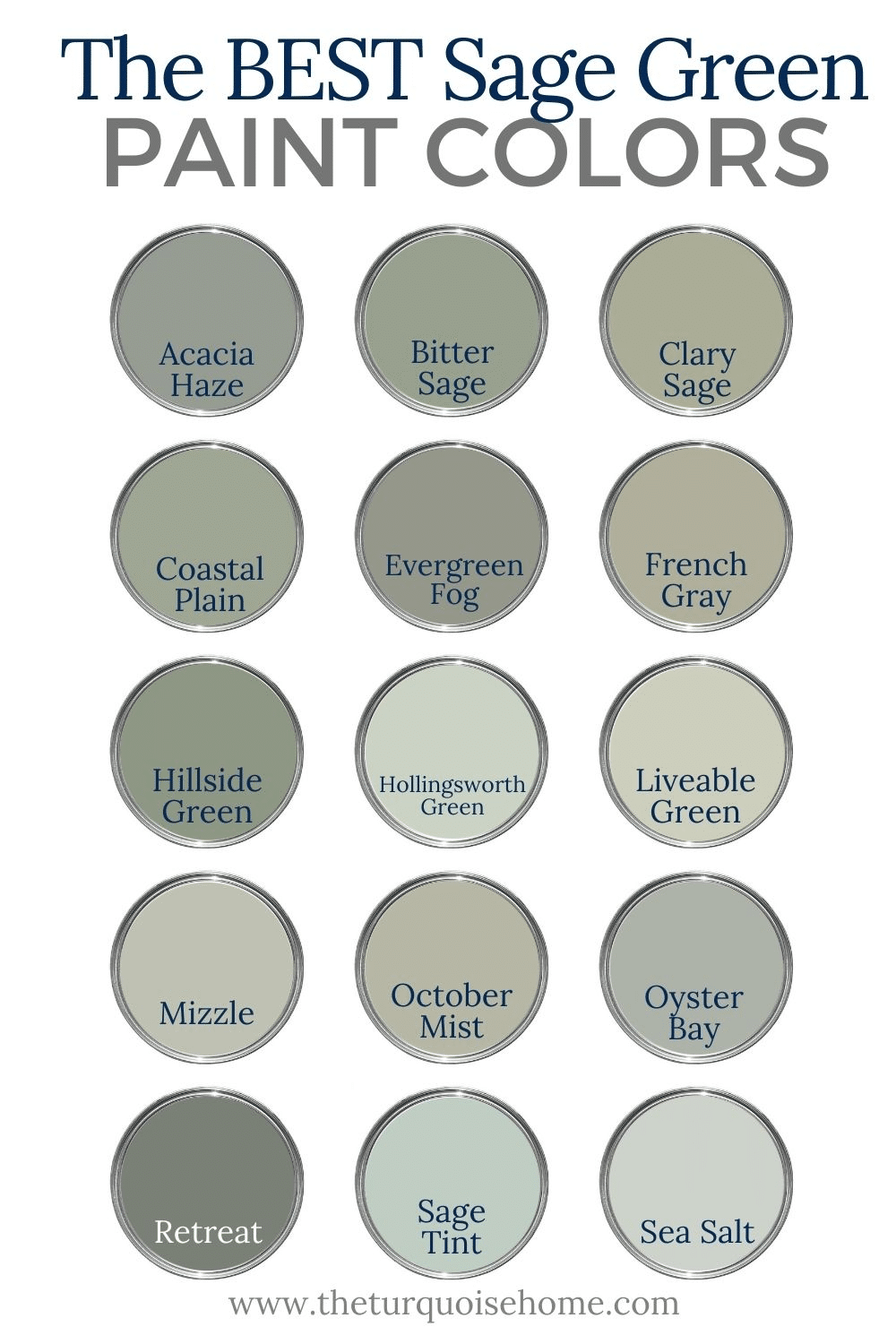
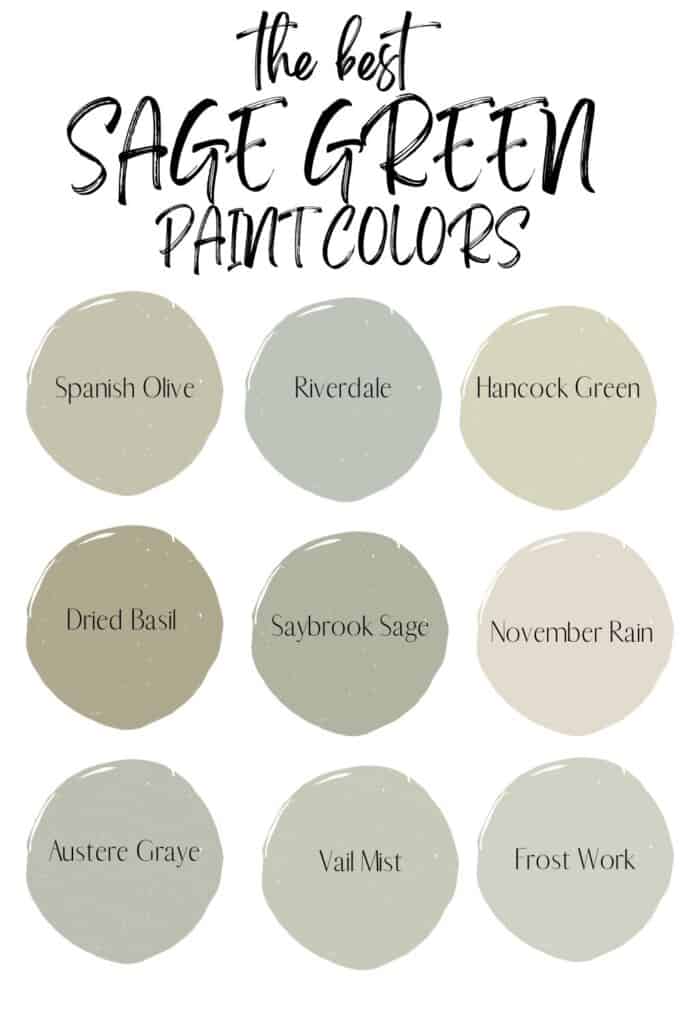
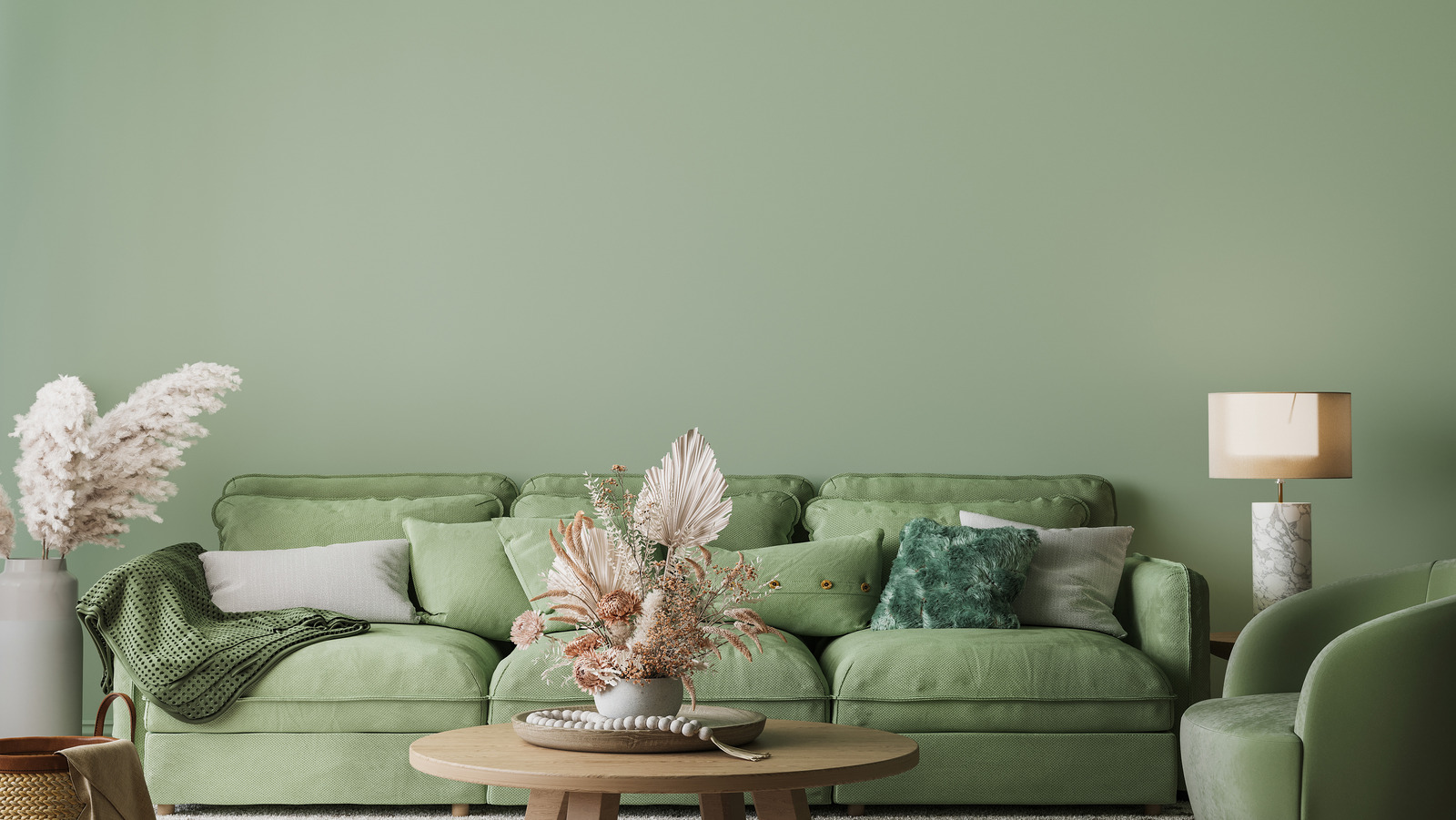
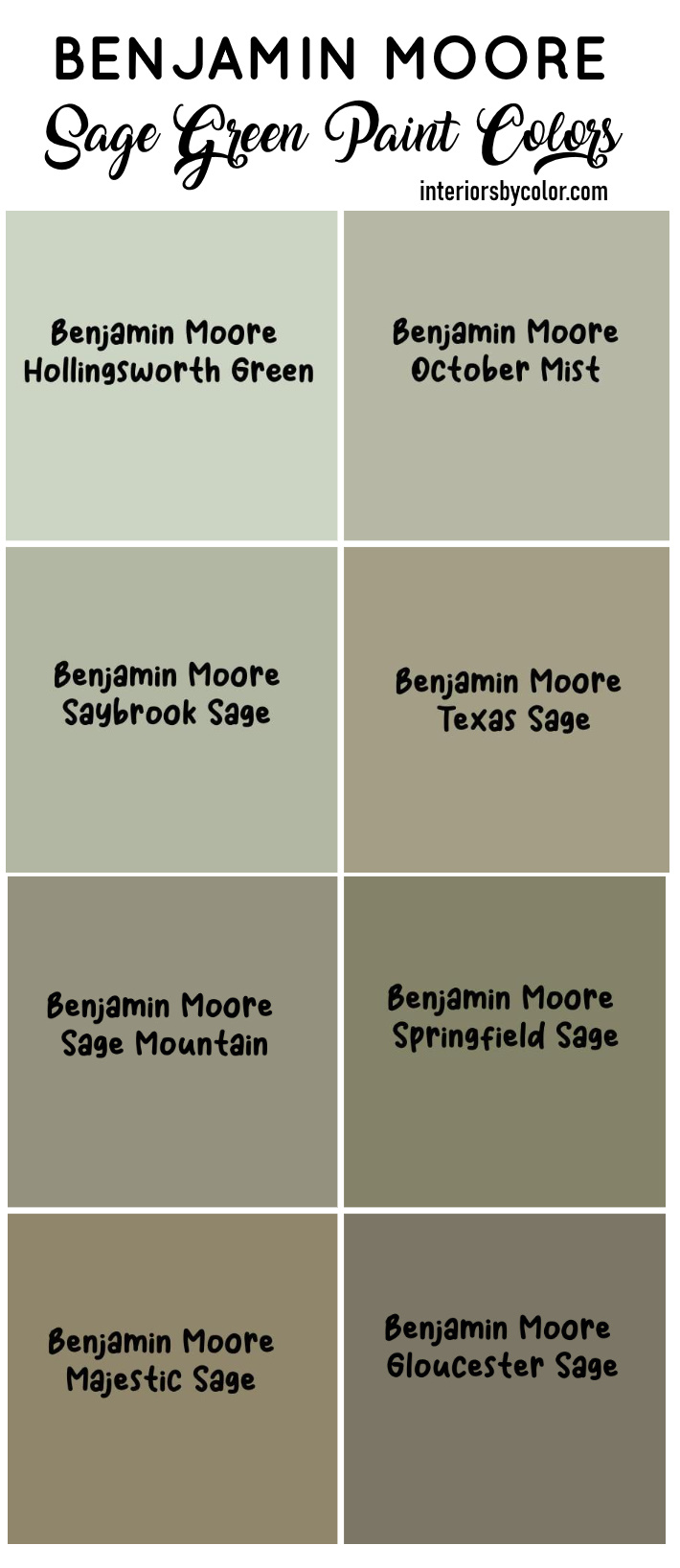
Before mixing, let's define sage. Sage green is named after the herb, Salvia officinalis. It's characterized by its dusty, grayish-green appearance. It's never neon or highly saturated. To achieve this dusty quality, you cannot simply mix blue and yellow.
The key to achieving the distinctive look of sage green lies in introducing a neutralizing agent. This agent knocks the vibrancy out of the primary green, giving it that soft, aged quality. Without this step, you'll end up with a grass green, mint green, or forest green—but not sage.
Think of sage green as a highly desaturated green, often leaning slightly warm. This means the overall color temperature is critical for success.
The Core Recipe: What Colors Make Sage Green Paint
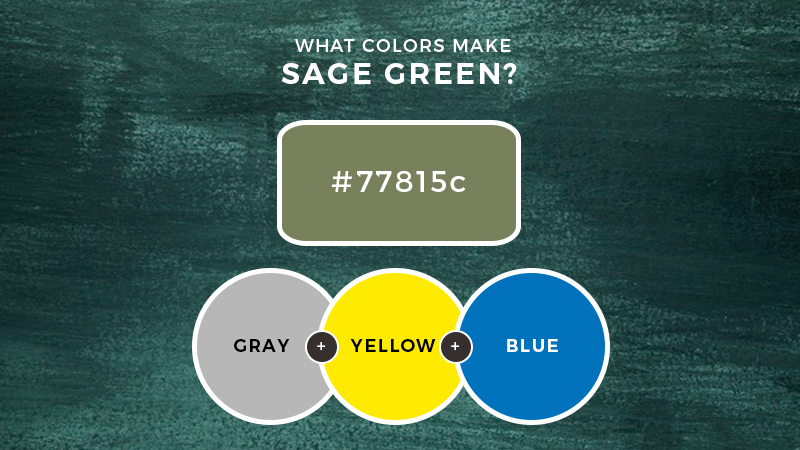
If you're wondering precisely what colors make sage green paint, here is the essential three-part formula. You will need a base green, a neutralizing color, and often white to adjust the value (lightness).
- Primary Colors: Yellow and Blue (or pre-mixed Green)
- Muting Agent: Gray, Brown (Burnt Umber), or sometimes Red
- Lightener: White
Let's break down how to use these components effectively to achieve a beautiful, customizable sage hue.
Step 1: Starting with the Base Green
You have two main options for creating your initial green base. You can use a tube of premixed green, or you can mix it yourself using primary colors.
Option A: Pre-mixed Green
If you have a standard green paint, use that. Just remember that the brighter the green, the more muting agent you will need in the next step.
Option B: Mixing Your Own Green
Mixing your own green base gives you more control over the final temperature of the sage:
- For a cooler green base: Mix Phthalo Blue with Cadmium Yellow.
- For a warmer green base: Mix Ultramarine Blue with Yellow Ochre (or a warmer yellow).
Start with 2 parts yellow and 1 part blue to achieve a general mid-tone green. Remember to mix more paint than you think you need, especially if painting a large area!
Step 2: The Magic of Gray or Brown (The Muting Agents)
This is the most crucial step that defines your answer to what colors make sage green paint. You need to reduce the vibrancy. You should add this agent very slowly—a small amount goes a very long way.
Using Gray: Gray is the most reliable desaturator. You can buy gray paint, or you can mix black and white yourself. Add tiny amounts of gray to your green base until the color looks "dusty" and no longer vibrant. This creates a clean, traditional sage.
Using Brown (Burnt Umber): If you want a deeper, earthier, and slightly warmer sage (often preferred for rustic or vintage looks), use a touch of Burnt Umber (a reddish-brown). Brown is the complementary color to green (or close to it), so it effectively neutralizes the green while deepening the tone.
Using Red: If you don't have brown or gray, a tiny drop of red can also act as a neutralizer because red is the complement of green. Be extremely careful, as too much red will quickly turn your mixture muddy or brown.
Once you've added the muting agent, your paint should look noticeably duller, but still distinctly green.
Adjusting Your Sage: Achieving the Perfect Hue
Mixing paint is all about incremental adjustments. Now that you have a muted green base, you need to refine the lightness and temperature to perfectly match your vision.
Lightening or Darkening Your Sage
Most common sage colors are relatively light. White is the key ingredient here.
- Lightening: Add white paint incrementally. Adding white will make the color paler and increase the "dusty" appearance, making it look softer and airier.
- Darkening: If your sage is too light, you need to carefully add more of your original base colors. A tiny touch of black or deep brown (like Burnt Umber) can also deepen the value, but be cautious—black is highly pigmented and can overwhelm the color quickly.
Remember, the color will look slightly darker when wet. Always test a small swatch and let it dry before finalizing a large batch!
Adding Warmth or Coolness
Depending on the style of your space, you may want your sage to lean slightly warm (more yellow/brown) or cool (more blue/gray). This subtle adjustment makes a massive difference in the final result.
To adjust the temperature:
- To make it Warmer: Add a tiny hint of Yellow Ochre or even a minuscule drop of orange paint. This gives it a Mediterranean or sun-baked feel.
- To make it Cooler: Add a small amount of blue or deep cool gray. This is perfect for a more modern, Nordic-inspired sage.
The beauty of mixing your own paint is this ability to custom-tune the exact tone you need.
Common Pitfalls When Mixing Sage Green
While the process of determining what colors make sage green paint is straightforward, execution can be tricky. Here are the most common mistakes DIY painters make:
1. Using Too Much Base Color: If you start with a highly pigmented, saturated green and try to neutralize it, you will need vast amounts of gray or brown, leading to a much larger volume of paint than intended. Start with less base green than you think you need.
2. Adding Too Much Black: Black is a dangerous color in color mixing. It doesn't lighten well and can create a very muddy, murky shade instead of a soft, dusty sage. Use premixed gray whenever possible, or only the smallest pin-drop of black.
3. Incorrect Muting Agent: If your sage looks too cold, you likely used too much blue-based gray. If it looks too muddy, you may have used too much brown or a harsh black. Adjust accordingly using white (to lighten) and the opposing base color (to balance the temperature).
4. Not Mixing Enough: Trying to recreate a custom color later is nearly impossible. Always mix a test batch first, measure your ratios (e.g., 5 parts Green, 3 parts White, 1 part Gray), and then mix the entire volume needed in one go.
Taking your time and adding pigments in small, controlled amounts will ensure your final sage green looks professional and balanced.
***
Conclusion
Mixing your own sage green paint is a rewarding process that allows for total customization. The fundamental answer to "What colors make sage green paint?" is simple: Green, muted by Gray or Brown, and lifted by White. Sage green isn't about complexity; it's about controlling saturation.
Remember to start with a standard green base, carefully introduce your neutralizing agent (gray for a cool sage, brown for a warm sage), and then use white to adjust the final value. By focusing on these three steps, you can create a perfectly tailored, tranquil sage shade that brings a sense of calm and sophistication to any project.
Happy mixing!
Frequently Asked Questions (FAQ) About Mixing Sage Green
- Is Sage Green considered a warm or cool color?
Sage green is generally considered a neutral, but it can be adjusted to be slightly warm or cool. If you use a yellow-based green or brown to mute it, it will be warm. If you use a blue-based gray, it will lean cool.
- Can I use just red and green to make sage?
Yes, since red is the complement of green, mixing them creates a muddy, desaturated color. However, using red alone without white or a secondary muting agent often results in a muddy brown or dark olive, not the light, dusty quality of true sage. It's safer to use gray or brown.
- Why does my sage green look too bright?
If your sage looks too bright, it means you haven't added enough of your muting agent (gray or brown). You need to reduce the chroma (saturation). Slowly add more gray until the color looks dusty and subdued. If it's too dark after adding the gray, lift the value again with white.
- What is the easiest way to make a large batch of sage paint?
Start by mixing a small test batch and precisely measuring your ratios (using measuring spoons or drops). Once you have the perfect ratio (e.g., 10 parts white, 5 parts green base, 2 parts gray), scale those measurements up to the larger volume you need for your project.
What Colors Make Sage Green Paint
What Colors Make Sage Green Paint Wallpapers
Collection of what colors make sage green paint wallpapers for your desktop and mobile devices.

Mesmerizing What Colors Make Sage Green Paint Abstract Digital Art
Discover an amazing what colors make sage green paint background image, ideal for personalizing your devices with vibrant colors and intricate designs.

Exquisite What Colors Make Sage Green Paint Image in 4K
Immerse yourself in the stunning details of this beautiful what colors make sage green paint wallpaper, designed for a captivating visual experience.
Exquisite What Colors Make Sage Green Paint Picture Photography
A captivating what colors make sage green paint scene that brings tranquility and beauty to any device.

Gorgeous What Colors Make Sage Green Paint Background Digital Art
Find inspiration with this unique what colors make sage green paint illustration, crafted to provide a fresh look for your background.
Exquisite What Colors Make Sage Green Paint Background Photography
Immerse yourself in the stunning details of this beautiful what colors make sage green paint wallpaper, designed for a captivating visual experience.

Vivid What Colors Make Sage Green Paint Wallpaper Illustration
Transform your screen with this vivid what colors make sage green paint artwork, a true masterpiece of digital design.

Crisp What Colors Make Sage Green Paint Picture Concept
A captivating what colors make sage green paint scene that brings tranquility and beauty to any device.

Vivid What Colors Make Sage Green Paint Picture Concept
Discover an amazing what colors make sage green paint background image, ideal for personalizing your devices with vibrant colors and intricate designs.

Vivid What Colors Make Sage Green Paint Moment Photography
Experience the crisp clarity of this stunning what colors make sage green paint image, available in high resolution for all your screens.

High-Quality What Colors Make Sage Green Paint Landscape for Desktop
Experience the crisp clarity of this stunning what colors make sage green paint image, available in high resolution for all your screens.

High-Quality What Colors Make Sage Green Paint Abstract Illustration
Explore this high-quality what colors make sage green paint image, perfect for enhancing your desktop or mobile wallpaper.
High-Quality What Colors Make Sage Green Paint Image Concept
Experience the crisp clarity of this stunning what colors make sage green paint image, available in high resolution for all your screens.

Detailed What Colors Make Sage Green Paint Abstract Digital Art
Transform your screen with this vivid what colors make sage green paint artwork, a true masterpiece of digital design.
Exquisite What Colors Make Sage Green Paint Capture Illustration
Find inspiration with this unique what colors make sage green paint illustration, crafted to provide a fresh look for your background.
Spectacular What Colors Make Sage Green Paint Picture Illustration
Find inspiration with this unique what colors make sage green paint illustration, crafted to provide a fresh look for your background.
Vibrant What Colors Make Sage Green Paint Abstract Nature
Experience the crisp clarity of this stunning what colors make sage green paint image, available in high resolution for all your screens.

Artistic What Colors Make Sage Green Paint Design Photography
A captivating what colors make sage green paint scene that brings tranquility and beauty to any device.

Dynamic What Colors Make Sage Green Paint Moment for Your Screen
Immerse yourself in the stunning details of this beautiful what colors make sage green paint wallpaper, designed for a captivating visual experience.
Crisp What Colors Make Sage Green Paint Image Concept
Immerse yourself in the stunning details of this beautiful what colors make sage green paint wallpaper, designed for a captivating visual experience.

Breathtaking What Colors Make Sage Green Paint Photo for Mobile
Transform your screen with this vivid what colors make sage green paint artwork, a true masterpiece of digital design.
Download these what colors make sage green paint wallpapers for free and use them on your desktop or mobile devices.