Spray Paint Sample
Spray Paint Sample: Your Ultimate Guide to Perfect Color Matching
Hey there, fellow DIY enthusiast! Ever found yourself staring at a wall of hundreds of spray paint cans, totally unsure which shade will *actually* look right on your project? We've all been there. That's why understanding how to create and use a perfect Spray Paint Sample isn't just helpful—it's absolutely essential for achieving professional results.
Getting the color wrong after you've applied a full coat is frustrating, time-consuming, and expensive. It can quickly turn an exciting weekend project into a grueling chore. But don't worry! This comprehensive guide will walk you through everything you need to know, ensuring your next paint job is color-accurate and flawless, starting with that critical first sample.
We'll cover preparation, technique, and evaluation tips. By the end of this article, you'll be a master at testing colors and finding that perfect hue before you ever commit to the full piece.
Why Taking a Spray Paint Sample is Crucial
A color chip in the store is deceiving. The lighting is often harsh and fluorescent, and the material underneath is usually a standard white card, not the material you are actually painting. You need a realistic preview, and a high-quality Spray Paint Sample provides exactly that.
This sample serves multiple vital purposes. First and foremost, it confirms the hue, saturation, and sheen before you commit to the entire project. Paint tends to look darker or lighter depending on the substrate and the ambient light, and only a real sample can reveal the truth.
Second, the sample allows you to test adhesion and compatibility with your base material. Not all spray paints stick well to every surface (especially plastics or galvanized metals), and a sample lets you confirm proper bonding before you ruin the actual item.
Finally, if you are attempting a color match for a repair or restoration, the sample provides a physical, cured swatch to compare against existing colors in real-world lighting. Think of the sample as your insurance policy against major color blunders. Taking 15 minutes to create a quality sample can save you hours of sanding, scraping, or repainting later on.
Preparing Your Surface for the Perfect Sample
A paint sample is only as good as the surface it's sprayed onto. If you spray a beautiful metallic color onto rough, uncoated cardboard, you won't get an accurate representation of the final finish. Preparation is non-negotiable here, just as it is for the final project.
Choosing the Right Sample Material
Ideally, you should spray the sample onto a spare piece of the actual project material. For instance, if you are painting exterior PVC trim, use a small piece of scrap PVC. If using the exact material isn't possible, choose a substitute that closely mimics the texture and porosity of your final surface. Smooth surfaces showcase sheen and metallic flake better than rough ones.
Here are some great, reliable options for testing your spray paint:
- Plastic Swatch Cards: These are ideal for highly glossy, automotive, or detailed hobby projects where the surface must be perfectly smooth.
- Scrap Metal or Aluminum: Excellent for testing adhesion, especially when using paints intended for harsh environments or high heat.
- Primed MDF or Smooth Plywood: Good substitutes for finished furniture, cabinet doors, or interior architectural features.
- Sturdy Cardboard (Primed): Only use this if you apply a sealing primer first. Raw cardboard can soak up the paint, changing the color density and sheen dramatically.
Surface Cleaning and Priming
Dust, dirt, fingerprints, and oils can severely alter how the spray paint adheres and cures. Always clean the sample surface first, even if it looks immaculate. A quick wipe-down with isopropyl alcohol or a dedicated degreaser works perfectly for most non-porous materials.
Crucially, if your final project requires a primer for durability, adhesion, or color vibrancy, your Spray Paint Sample must also utilize that same primer. The primer color significantly affects the final topcoat color, especially when using translucent paints or lighter hues. Use the same brand, the same color, and apply it in the same approximate thickness for maximum consistency.
The Art of Applying a Flawless Spray Paint Sample
Applying the sample isn't just about randomly covering the material; it's about meticulously replicating the exact conditions and technique you will use on the full project. If your technique is sloppy on the sample, you won't get an accurate representation of the paint's true color, texture, or durability.
Distance, Temperature, and Technique
Environmental factors are huge. Try to spray your sample in conditions (temperature and humidity) similar to where you will be painting the full piece. Extreme temperature differences drastically change the viscosity of the paint, which impacts both the drying rate and the final finish significantly.
Here's the step-by-step procedure for a perfect sample application:
- Shake Vigorously: Shake the can for a minimum of two full minutes after you hear the mixing ball rattling. This ensures all pigments and binders are fully blended, which is critical for accurate color.
- Test Spray: Always spray a quick burst off-sample first onto a piece of scrap material to clear the nozzle and check that the spray pattern is even and smooth.
- Maintain Distance: Hold the can consistently 8 to 12 inches away from the surface, moving in steady, overlapping horizontal passes. Too close causes drips; too far causes a dry, dusty, textured finish.
- Apply Thin Coats: Apply two to three thin, even coats, rather than one thick layer. Heavy coats risk running and significantly extend curing time. Wait the recommended recoat time (usually 5-15 minutes) between coats.
- Replicate Layers: If your project requires a clear coat, lacquer, or sealant for protection and desired sheen, apply that same topcoat to the sample. This is the final and often missed step for evaluating the true color depth and gloss level of the Spray Paint Sample.
Drying and Curing: Patience is Key
Do not be fooled by paint that is dry to the touch. Spray paint colors deepen, change tone, and achieve their final sheen as they fully cure. This curing process involves more than just the surface drying; it's the complete evaporation of solvents and hardening of the resins.
For most standard acrylic and enamel spray paints, you must wait at least 24 hours before making a definitive color assessment. If you are using specialized lacquer, epoxy, or two-part automotive paints, the cure time might be even longer—sometimes up to a week. Always check the manufacturer's recommendations carefully before comparing.
Evaluating Your Spray Paint Sample for Perfect Matching
You have your perfectly cured sample—now what? The single most important rule of color matching is to check the sample under the lighting conditions where the final piece will reside. Paint colors are notorious for shifting dramatically depending on the light source, a phenomenon known as metamerism.
Testing in Various Lighting Conditions
If the final piece will live indoors, check the sample under warm (incandescent or warm LED) light, as well as cool (daylight or fluorescent) light. Colors that look great in the shop might turn muddy or too saturated under home lighting.
If the item is outdoor furniture or automotive, observe the sample in direct noon sunlight, in the shade (north-facing light), and on an overcast day. This comprehensive testing ensures the color looks fantastic regardless of the time of day or weather.
If you are matching an existing color, hold the sample directly against the original surface. Look at the surfaces from different angles. Step back a few feet and squint slightly—this technique helps your eyes focus purely on the color difference rather than being distracted by slight texture or gloss variations. If you can't tell the difference, congratulations! You've found your perfect Spray Paint Sample match.
Conclusion: The Value of a Quality Spray Paint Sample
Taking the time to create a thorough, well-applied Spray Paint Sample is the most critical and often overlooked step in any successful spray painting project. By preparing the surface correctly, using proper technique for thin coats, and giving the paint enough time to fully cure, you eliminate guesswork and dramatically increase your chances of achieving a successful, vibrant, and perfectly matched finish.
Don't fall victim to color regrets. Skip the stress of guessing what the cap really looks like and embrace the sample process. It's a small investment of time that pays huge dividends in the final quality, durability, and sheer satisfaction of your DIY masterpiece. Happy spraying!
Frequently Asked Questions (FAQ) About Spray Paint Samples
- Why does my Spray Paint Sample look different than the can cap?
- The color shown on the spray paint cap is only a mass-produced approximation. The true final color is influenced by several factors including the underlying primer color, the number of coats you apply, the application thickness, and, most importantly, the specific lighting in your environment. Always test before committing to the full project.
- How large should a Spray Paint Sample be?
- A sample should be large enough to clearly see the color and finish without visual interference, usually at least 4x4 inches (10x10 cm). This size allows you to apply multiple layers and provides enough surface area for a clear evaluation of the sheen.
- Can I skip primer if I'm just doing a sample?
- No, absolutely not. If your final project requires primer for adhesion or color enhancement (which is often the case), your sample must also use the exact same primer. Skipping the primer on the sample will result in an inaccurate representation of the final color, as the primer significantly affects the topcoat hue.
- How long should I wait before evaluating the color match?
- You must wait until the paint is fully cured, not just dry to the touch. For most standard paints, wait a minimum of 24 hours. The solvent evaporation process continues long after the surface is dry, which subtly changes the final hue and sheen level.
- Should I sand my sample between coats?
- If your final project requires sanding between coats for smoothness or defect removal (often required in automotive painting), then yes, you should also sand the sample using the same grit sandpaper. This ensures the texture and subsequent color depth are accurately represented.
Spray Paint Sample
Spray Paint Sample Wallpapers
Collection of spray paint sample wallpapers for your desktop and mobile devices.
Serene Spray Paint Sample Scene for Mobile
Experience the crisp clarity of this stunning spray paint sample image, available in high resolution for all your screens.
Stunning Spray Paint Sample Moment Nature
A captivating spray paint sample scene that brings tranquility and beauty to any device.
Mesmerizing Spray Paint Sample Artwork in HD
Experience the crisp clarity of this stunning spray paint sample image, available in high resolution for all your screens.
Dynamic Spray Paint Sample Abstract Photography
Find inspiration with this unique spray paint sample illustration, crafted to provide a fresh look for your background.
Vivid Spray Paint Sample Picture Digital Art
Explore this high-quality spray paint sample image, perfect for enhancing your desktop or mobile wallpaper.

Exquisite Spray Paint Sample Background Art
A captivating spray paint sample scene that brings tranquility and beauty to any device.
Stunning Spray Paint Sample Design Art
A captivating spray paint sample scene that brings tranquility and beauty to any device.
Amazing Spray Paint Sample Design Collection
Explore this high-quality spray paint sample image, perfect for enhancing your desktop or mobile wallpaper.

Beautiful Spray Paint Sample Design Concept
Explore this high-quality spray paint sample image, perfect for enhancing your desktop or mobile wallpaper.
Crisp Spray Paint Sample Abstract Concept
Find inspiration with this unique spray paint sample illustration, crafted to provide a fresh look for your background.
Vivid Spray Paint Sample Photo Photography
Experience the crisp clarity of this stunning spray paint sample image, available in high resolution for all your screens.
Mesmerizing Spray Paint Sample Abstract in 4K
Explore this high-quality spray paint sample image, perfect for enhancing your desktop or mobile wallpaper.
Stunning Spray Paint Sample Artwork in 4K
This gorgeous spray paint sample photo offers a breathtaking view, making it a perfect choice for your next wallpaper.
Beautiful Spray Paint Sample Artwork for Your Screen
Explore this high-quality spray paint sample image, perfect for enhancing your desktop or mobile wallpaper.
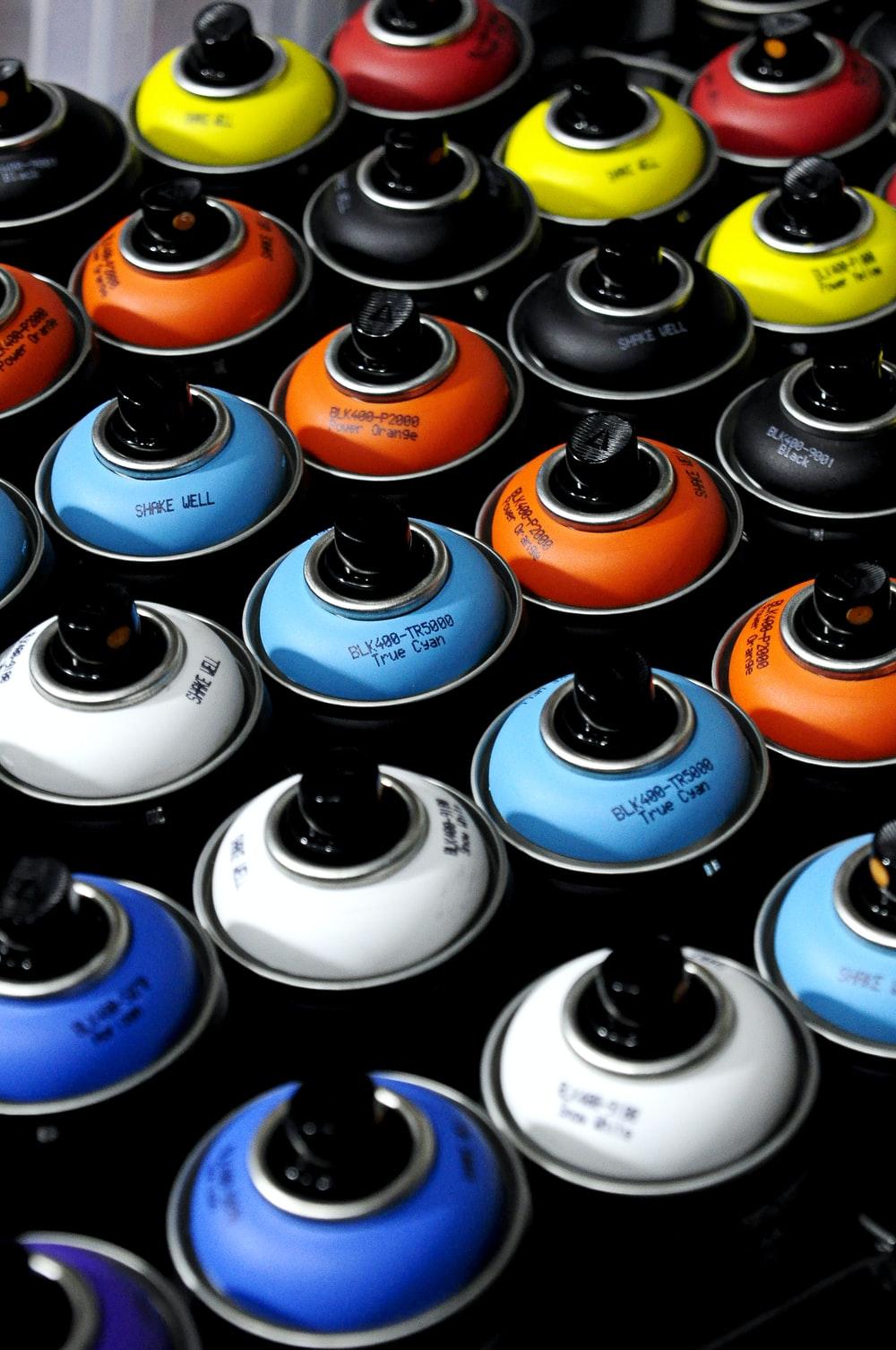
Dynamic Spray Paint Sample Image Art
A captivating spray paint sample scene that brings tranquility and beauty to any device.
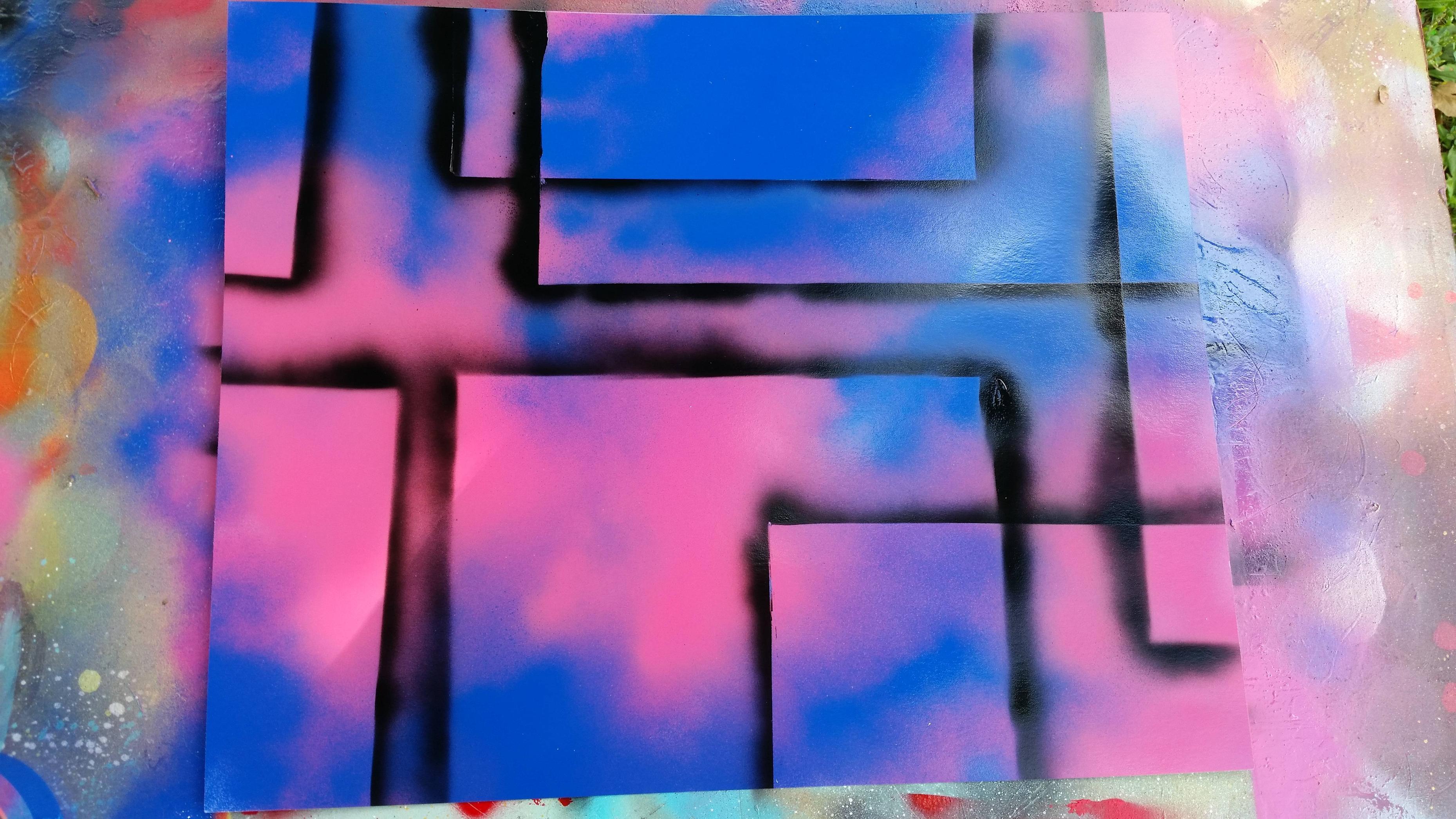
Mesmerizing Spray Paint Sample Abstract for Desktop
Experience the crisp clarity of this stunning spray paint sample image, available in high resolution for all your screens.
Gorgeous Spray Paint Sample View for Mobile
A captivating spray paint sample scene that brings tranquility and beauty to any device.
Spectacular Spray Paint Sample Abstract for Desktop
A captivating spray paint sample scene that brings tranquility and beauty to any device.
Detailed Spray Paint Sample Wallpaper in HD
Discover an amazing spray paint sample background image, ideal for personalizing your devices with vibrant colors and intricate designs.
Gorgeous Spray Paint Sample Landscape Nature
Find inspiration with this unique spray paint sample illustration, crafted to provide a fresh look for your background.
Download these spray paint sample wallpapers for free and use them on your desktop or mobile devices.