Paint Like Van Gogh
Paint Like Van Gogh: Your Step-by-Step Guide to Mastering Post-Impressionist Style
Have you ever stood before "The Starry Night" or "Sunflowers" and felt a genuine desire to channel that raw, emotional energy onto your own canvas? You are not alone! Vincent Van Gogh's unique style—characterized by vivid colors, thick texture, and powerful movement—is one of the most recognizable and beloved in the history of art.
Learning how to Paint Like Van Gogh might seem intimidating, but it is fundamentally about embracing expression over perfection. This guide will break down his signature techniques, essential materials, and practical steps so you can start creating your own masterpiece brimming with vitality and color. Let's dive in and unlock your inner Post-Impressionist master!
Deciphering the Genius: What Defines Van Gogh's Style?
To truly Paint Like Van Gogh, you must first understand the fundamental pillars of his artistic approach. Van Gogh did not aim for photographic realism; he used color and texture to convey deep emotional experiences and mental states. His work is a window into his soul.
The Power of Impasto and Texture
The first thing that strikes viewers of Van Gogh's work is the texture. He used a technique called impasto, which means applying paint so thickly that it stands proud from the canvas.
This technique adds a dynamic, sculptural quality to the work. When you observe his pieces up close, you can literally see the journey of his brush and palette knife, making the art feel immediately intimate and powerful.
Key characteristics of Van Gogh's impasto include:
- The paint is rarely blended smoothly; it's laid down in deliberate strokes.
- He sometimes used paint straight from the tube for maximum color intensity.
- The direction of the texture often mirrors the form of the object (e.g., swirling strokes for the sky, straight lines for tree trunks).
Colors That Sing: Emotional Palettes
Van Gogh's use of color was revolutionary. He moved away from the subtle, muted tones popular at the time and embraced vibrant, saturated hues. He often employed complementary colors (like yellow and blue, or orange and purple) right next to each other to create maximum visual vibration and intensity.
Remember, for Van Gogh, yellow wasn't just the color of the sun; it represented hope, happiness, and life. Blue and white often conveyed a feeling of vastness or sorrow. When you Paint Like Van Gogh, you are painting emotions, not just objects.
Essential Materials to Paint Like Van Gogh
While Van Gogh was known for being impoverished and often used inexpensive materials, recreating his look requires quality tools, especially robust oil paints to achieve that thick texture. Skip the student-grade paint for this project!
Here are the necessary supplies to get started:
- Oil Paints: Professional-grade oils are preferred because they have a higher pigment load and a thicker consistency, perfect for impasto. Stock up on Yellow Ochre, Cadmium Yellow, Cobalt Blue, Ultramarine Blue, Viridian Green, and strong reds.
- Turpentine/Solvent: Needed for thinning paint for initial washes and cleaning brushes.
- Stiff Bristle Brushes: Hog hair or similar stiff brushes (flats and rounds) are essential. Soft brushes will bend under the weight of thick paint. Sizes 6, 8, and 12 are a good starting point.
- Palette Knife: A flexible metal palette knife is crucial not only for mixing but also for applying thick, broad areas of paint.
- Rigid Surface: Use a canvas board or heavy, primed linen canvas. Thin cotton canvas might sag under the weight of heavy impasto.
Mastering the Swirling Brushstrokes: Techniques Breakdown
The hallmark of Van Gogh's work is undoubtedly the distinctive application of paint. It's not just thick; it's active. Every stroke conveys movement and energy, making the scene feel alive.
Short, Energetic Strokes
Forget smooth transitions. Van Gogh employed short, distinct strokes, almost like dashes or commas. These strokes run parallel to each other, creating a dynamic surface that captures light beautifully.
Practice applying the paint with confidence and speed. Don't worry about blending two colors perfectly on the canvas; instead, let them meet side-by-side or overlap slightly. This technique allows the viewer's eye to optically mix the colors, resulting in a more luminous effect.
Dynamic Composition and Movement
Van Gogh's paintings often have a strong sense of directionality. Notice how the strokes in his skies swirl, pulling your eye across the canvas. In fields or grass, the strokes follow the growth direction, conveying the feeling of wind or heat.
When planning your composition, intentionally choose the direction of your brushwork to emphasize the subject's form and flow. Use sweeping, curved lines in the background to contrast with more tightly packed strokes in the foreground, guiding the viewer through the scene.
Practical Steps: How to Start Your Van Gogh Masterpiece
Now that you understand the materials and techniques, let's outline a simple process for starting your painting. Remember, the goal is not to copy, but to assimilate his style into your own creative expression.
Choosing Your Subject Wisely
Van Gogh found beauty in the mundane and the ordinary. His subjects were often close to home—self-portraits, common flowers, fields, and olive trees.
Choose a subject that evokes a strong emotional reaction in you. Do you love the way light hits a specific tree? Do you feel intense joy from a bouquet of simple flowers? Strong emotion will translate into strong brushwork.
Start with a simple sketch or a thin wash of color to block out the major areas and composition. Use a diluted color like Burnt Umber or a thin blue.
Layering and Building Intensity
The trick to successful impasto is working in layers. You can't achieve that thickness and texture in a single go.
First, lay down a mid-tone layer using medium-consistency paint. This helps establish the general color relationships.
Next, start building the texture using thicker paint, applying it with the stiff bristle brushes or the palette knife. This is where you bring in those signature short, parallel strokes. Work quickly and confidently; hesitation often leads to muddy colors.
Finally, for maximum impact, use paint straight from the tube (or minimally mixed) for highlights and small, distinct details, such as the famous yellow dots in "The Starry Night." This final touch of pure color sitting atop the previous layers will really make your painting pop.
Conclusion: Embrace the Emotion
Learning how to Paint Like Van Gogh is an exploration into passion and emotional honesty. It requires confidence, bold color choices, and a willingness to embrace texture. Don't worry about painting perfectly; focus instead on expressing the feeling of your subject.
By using the impasto technique, choosing complementary colors, and mastering the energetic, swirling brushstrokes, you can capture the essence of Post-Impressionism and create art that truly sings. Grab your stiff brushes, squeeze out that cadmium yellow, and start painting your own vibrant world!
Frequently Asked Questions (FAQ) About Painting Like Van Gogh
- Can I use acrylics to achieve the Van Gogh look?
- Yes, you absolutely can! However, traditional acrylics dry faster and tend to flatten out more than oils. To achieve true impasto, look for "heavy body" acrylics or mix regular acrylics with an acrylic modeling paste or gel medium to give them volume and slow the drying time.
- What specific colors should I buy to Paint Like Van Gogh?
- Van Gogh relied heavily on intense pigments. Must-haves include Cadmium Yellow (for brilliance), Cobalt Blue or Ultramarine Blue, Chrome Yellow, Viridian Green, and strong reds like Vermillion. Focus on having vibrant, unmixed primary and secondary colors.
- How do I prevent my impasto technique from looking muddy?
- The key is minimizing blending on the canvas. Apply fresh, thick paint onto a dry or semi-dry base layer, using clean brushes for distinct color zones. Work quickly and deliberately to ensure the colors sit side-by-side rather than mixing into a muddy mess.
- Did Van Gogh use any mediums to thin or thicken his paint?
- Van Gogh often used very little medium, frequently applying paint straight from the tube for maximum thickness. When he did use a medium for thinner strokes, it was usually turpentine or simple linseed oil.
Paint Like Van Gogh
Paint Like Van Gogh Wallpapers
Collection of paint like van gogh wallpapers for your desktop and mobile devices.

Serene Paint Like Van Gogh Capture for Desktop
Explore this high-quality paint like van gogh image, perfect for enhancing your desktop or mobile wallpaper.

Captivating Paint Like Van Gogh Design in 4K
Find inspiration with this unique paint like van gogh illustration, crafted to provide a fresh look for your background.
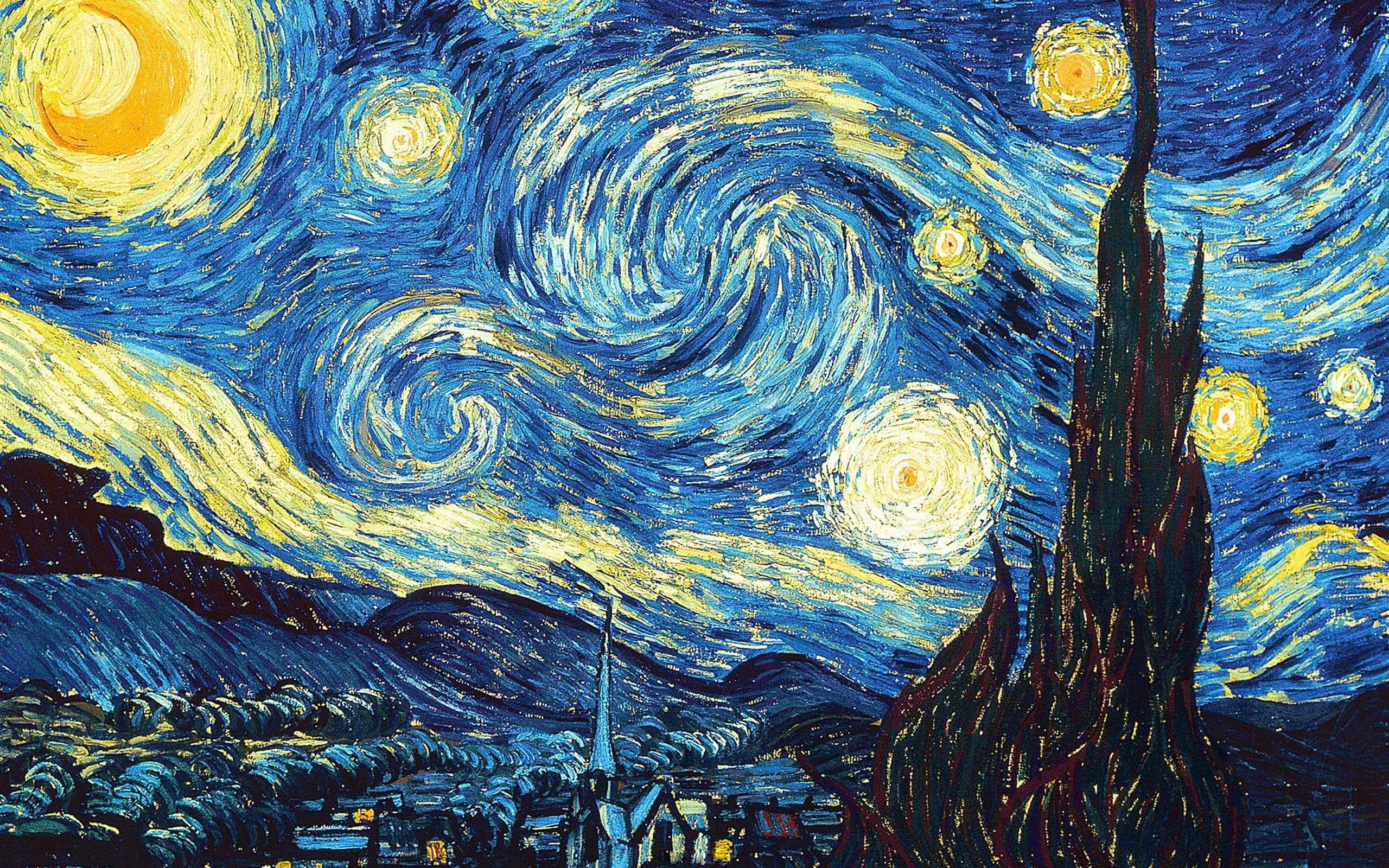
Beautiful Paint Like Van Gogh Landscape Nature
Experience the crisp clarity of this stunning paint like van gogh image, available in high resolution for all your screens.
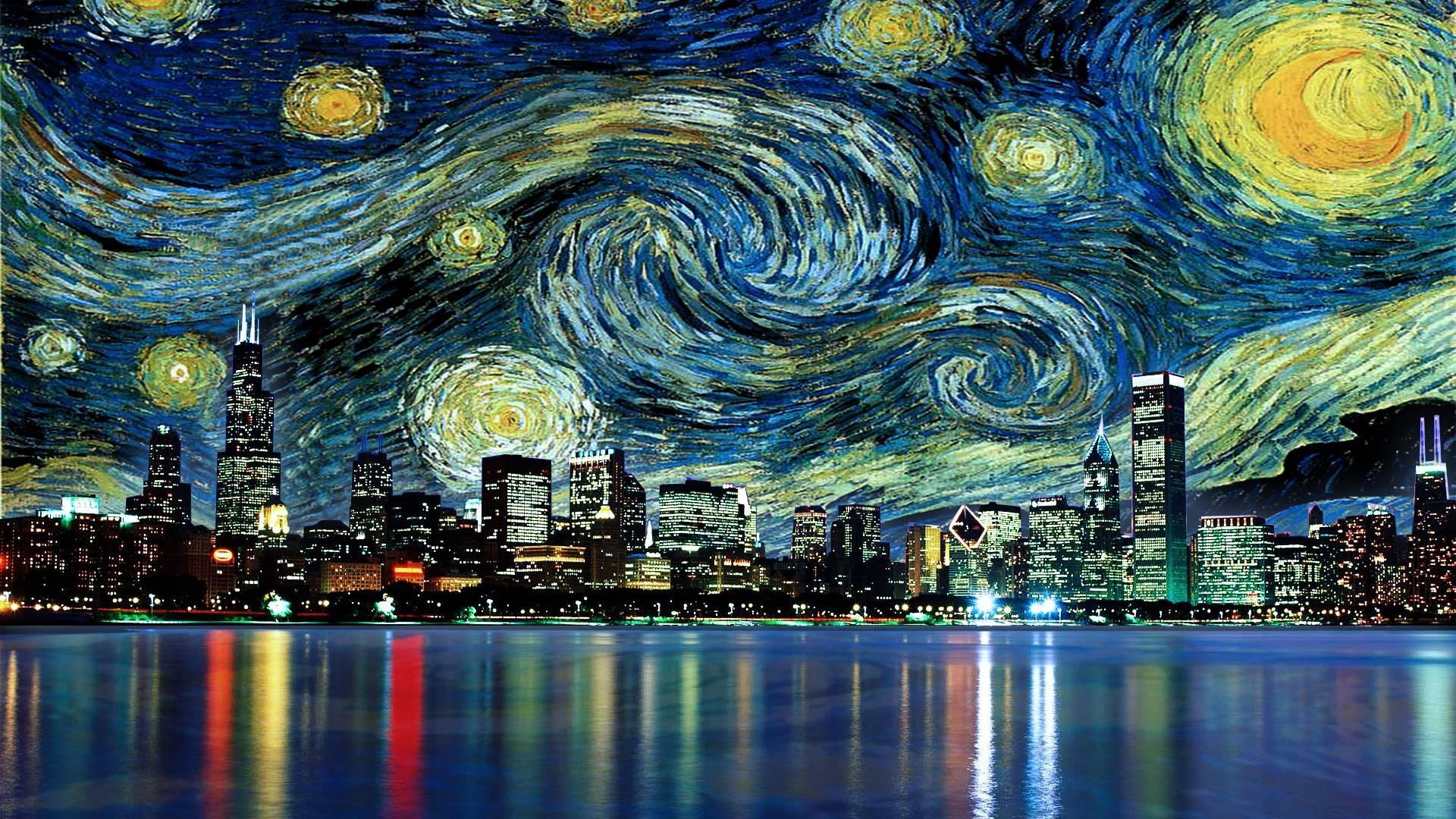
Mesmerizing Paint Like Van Gogh Moment Nature
Discover an amazing paint like van gogh background image, ideal for personalizing your devices with vibrant colors and intricate designs.

Mesmerizing Paint Like Van Gogh Abstract for Your Screen
Experience the crisp clarity of this stunning paint like van gogh image, available in high resolution for all your screens.

Amazing Paint Like Van Gogh Background Collection
Transform your screen with this vivid paint like van gogh artwork, a true masterpiece of digital design.
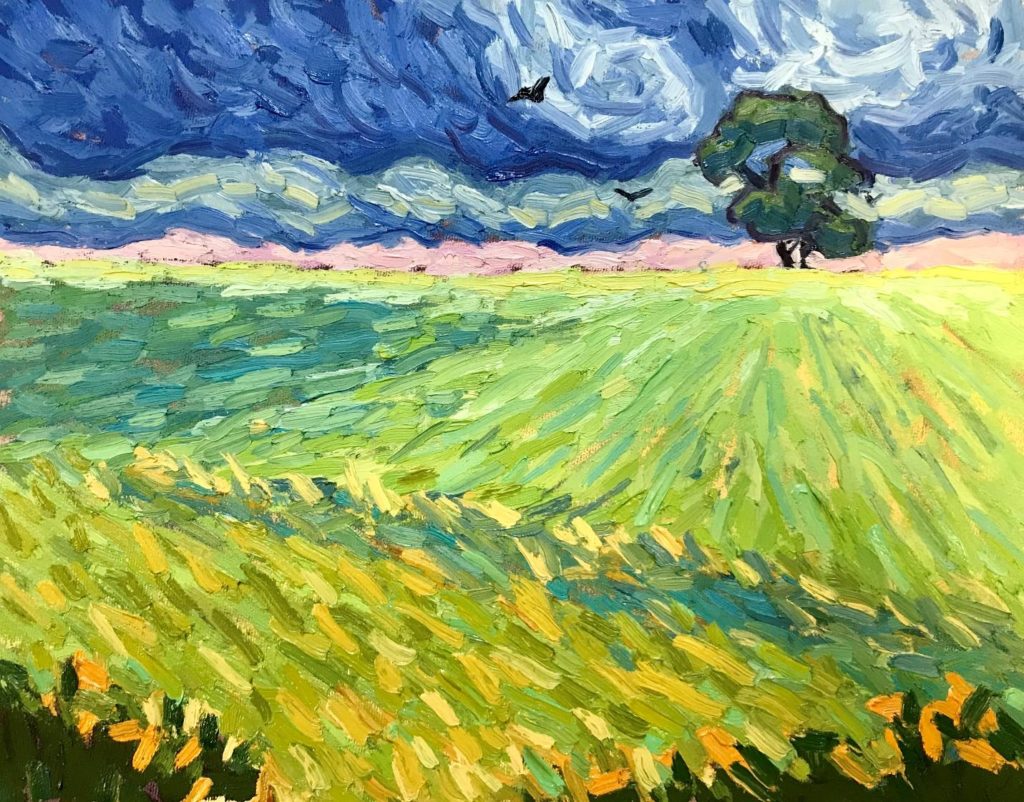
Spectacular Paint Like Van Gogh Image Nature
Find inspiration with this unique paint like van gogh illustration, crafted to provide a fresh look for your background.

High-Quality Paint Like Van Gogh Design in HD
Transform your screen with this vivid paint like van gogh artwork, a true masterpiece of digital design.
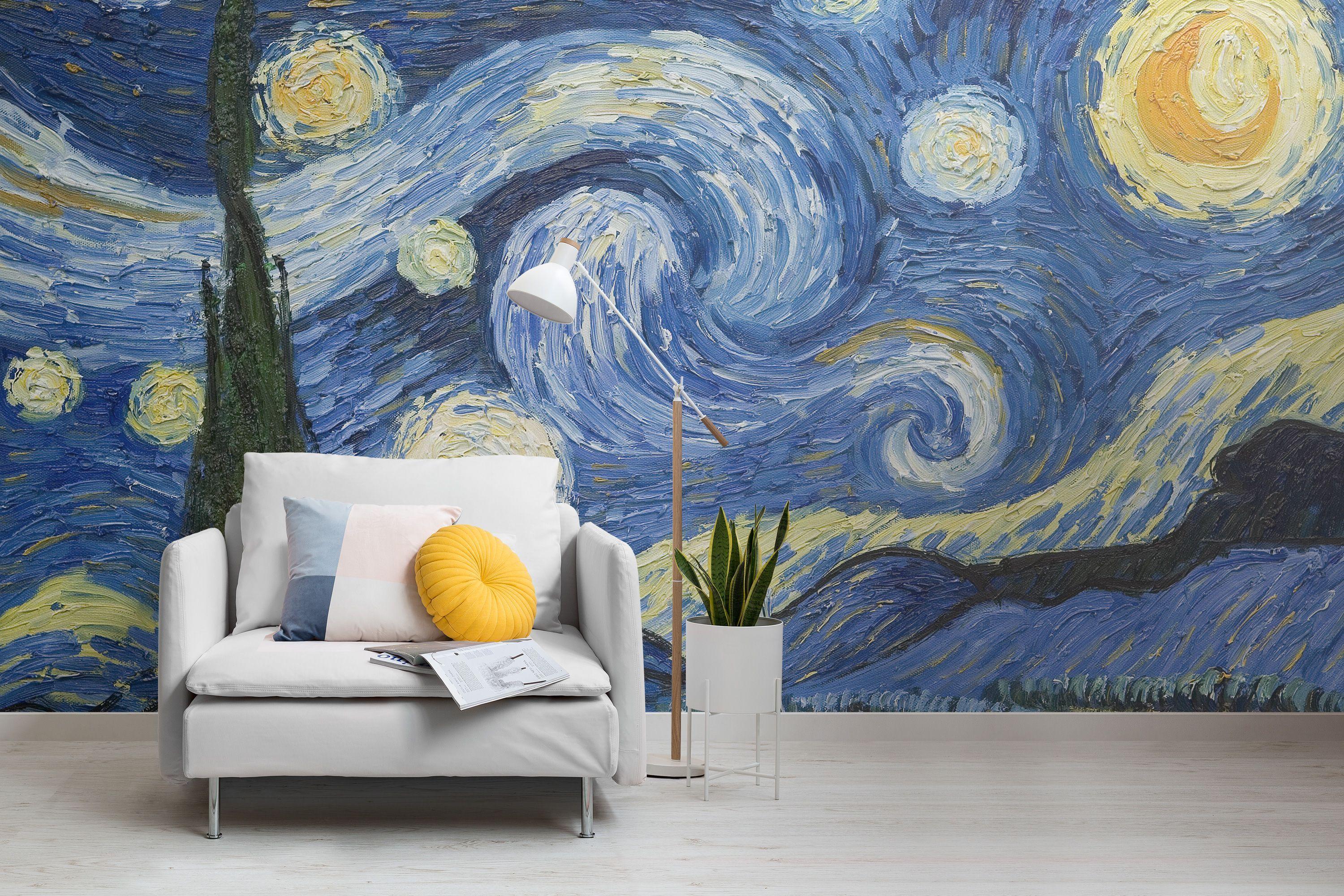
Gorgeous Paint Like Van Gogh Wallpaper Concept
Find inspiration with this unique paint like van gogh illustration, crafted to provide a fresh look for your background.

Dynamic Paint Like Van Gogh Capture Digital Art
A captivating paint like van gogh scene that brings tranquility and beauty to any device.
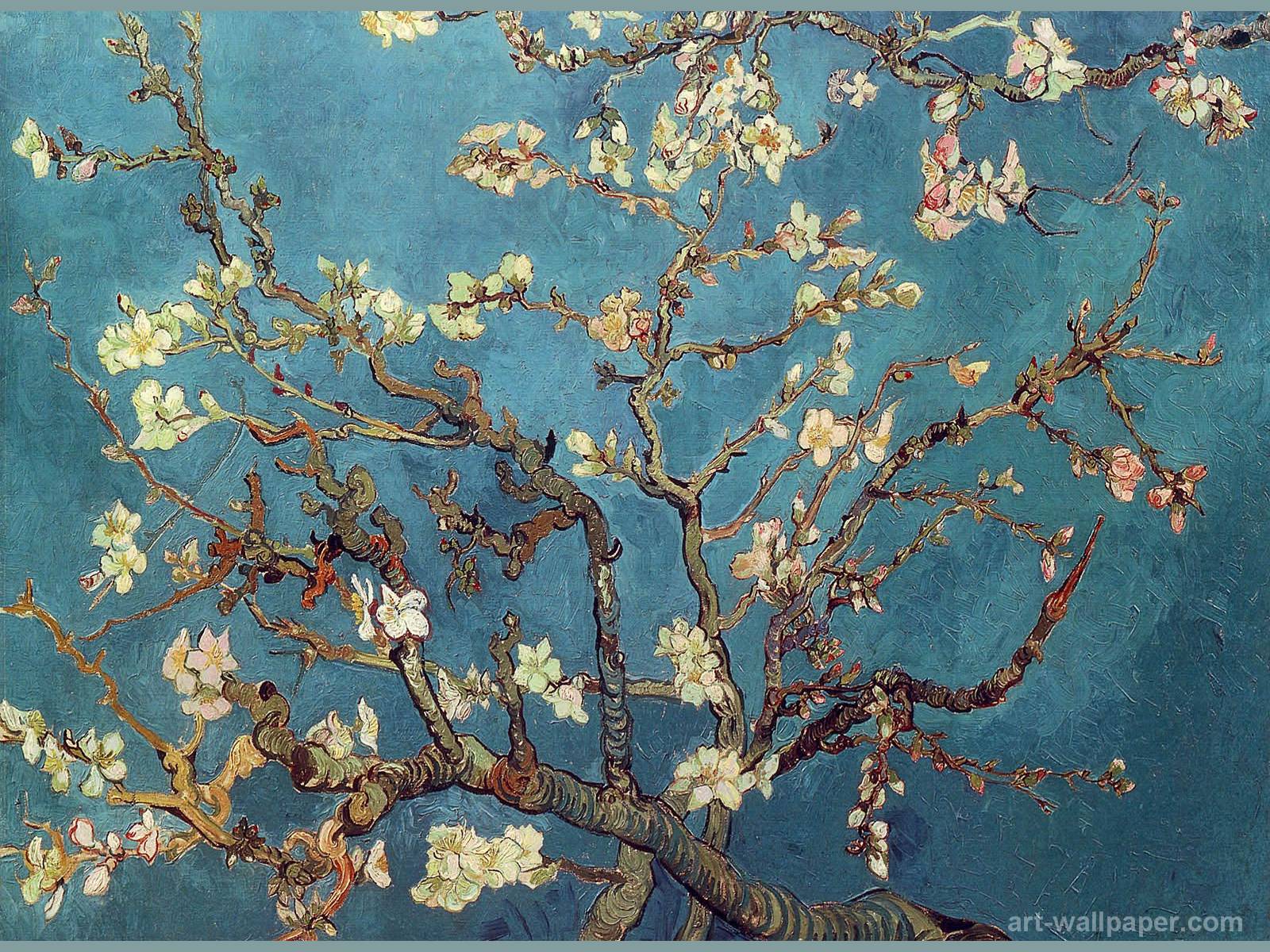
Mesmerizing Paint Like Van Gogh Image Art
Experience the crisp clarity of this stunning paint like van gogh image, available in high resolution for all your screens.
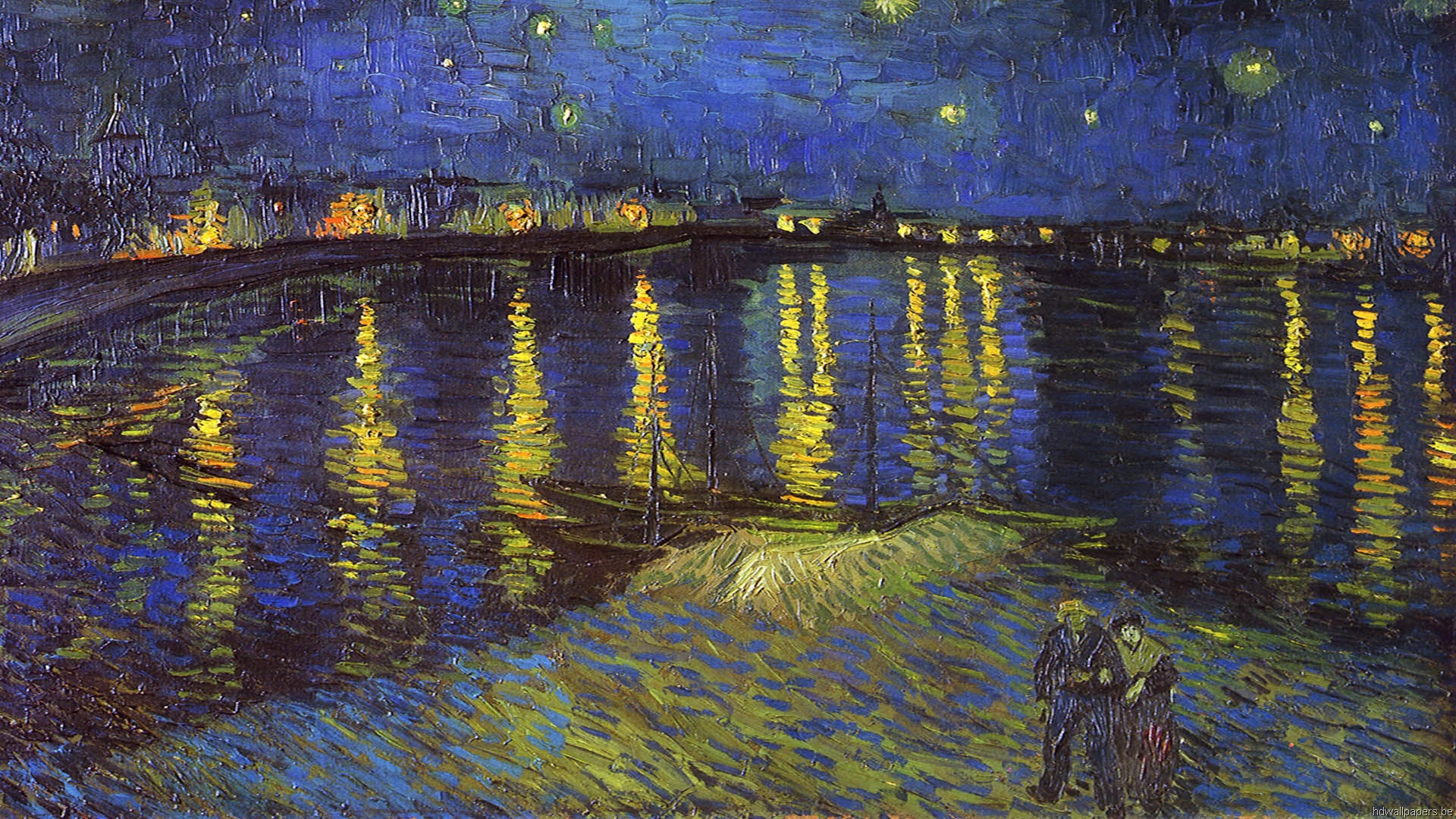
Vibrant Paint Like Van Gogh Moment Digital Art
Discover an amazing paint like van gogh background image, ideal for personalizing your devices with vibrant colors and intricate designs.

Vivid Paint Like Van Gogh Photo Concept
Experience the crisp clarity of this stunning paint like van gogh image, available in high resolution for all your screens.
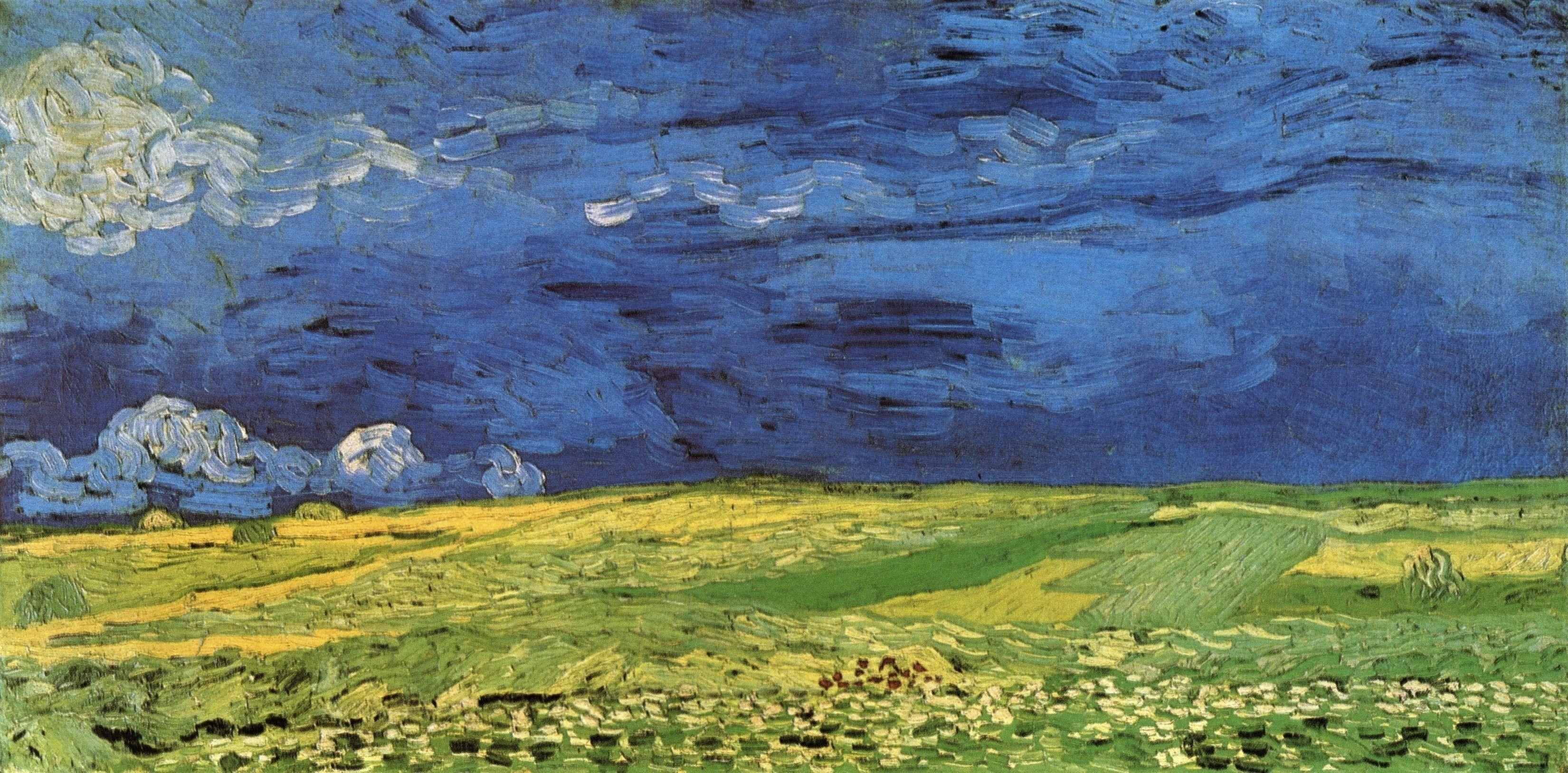
Captivating Paint Like Van Gogh Landscape Collection
Find inspiration with this unique paint like van gogh illustration, crafted to provide a fresh look for your background.
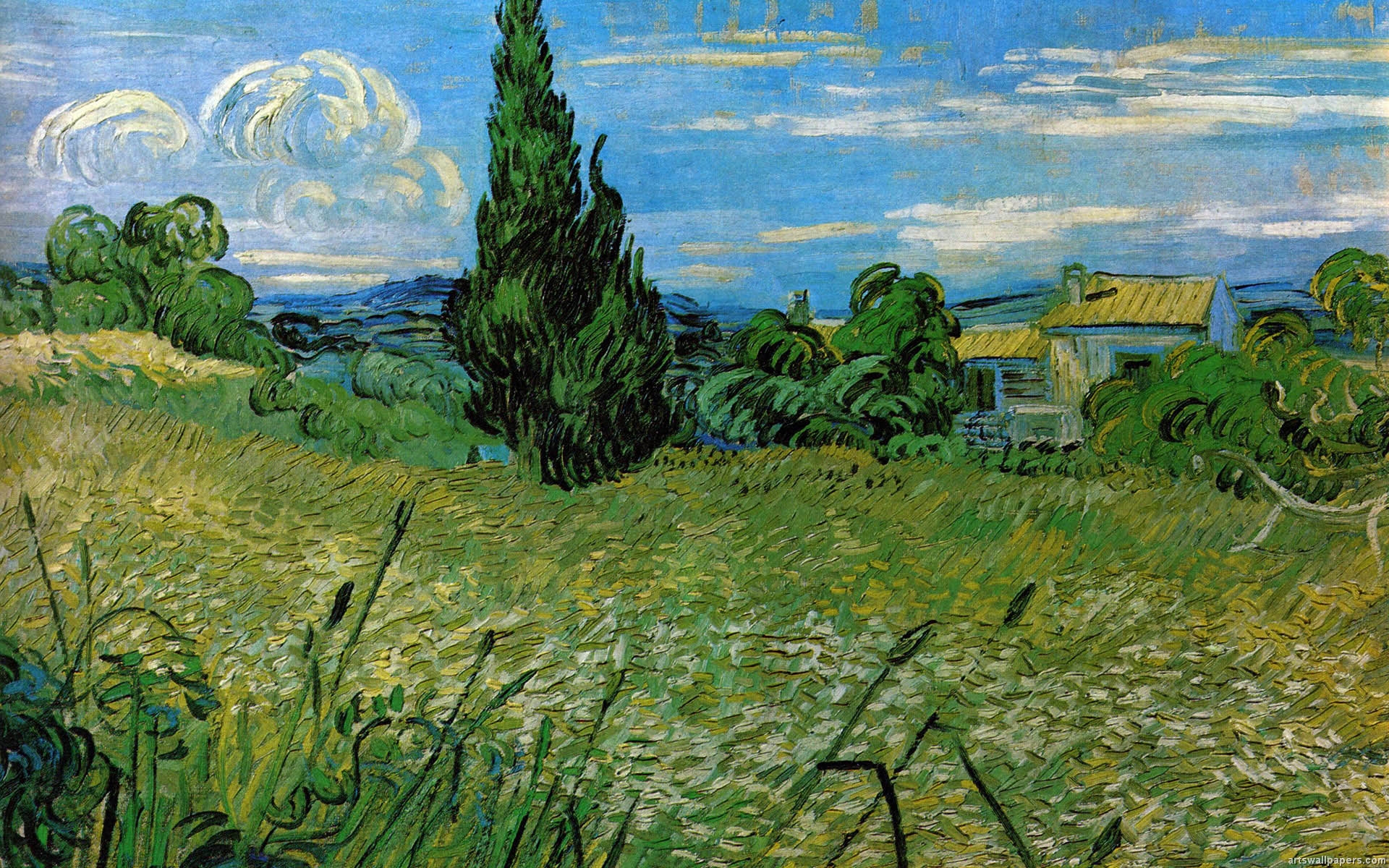
Spectacular Paint Like Van Gogh Picture Digital Art
This gorgeous paint like van gogh photo offers a breathtaking view, making it a perfect choice for your next wallpaper.
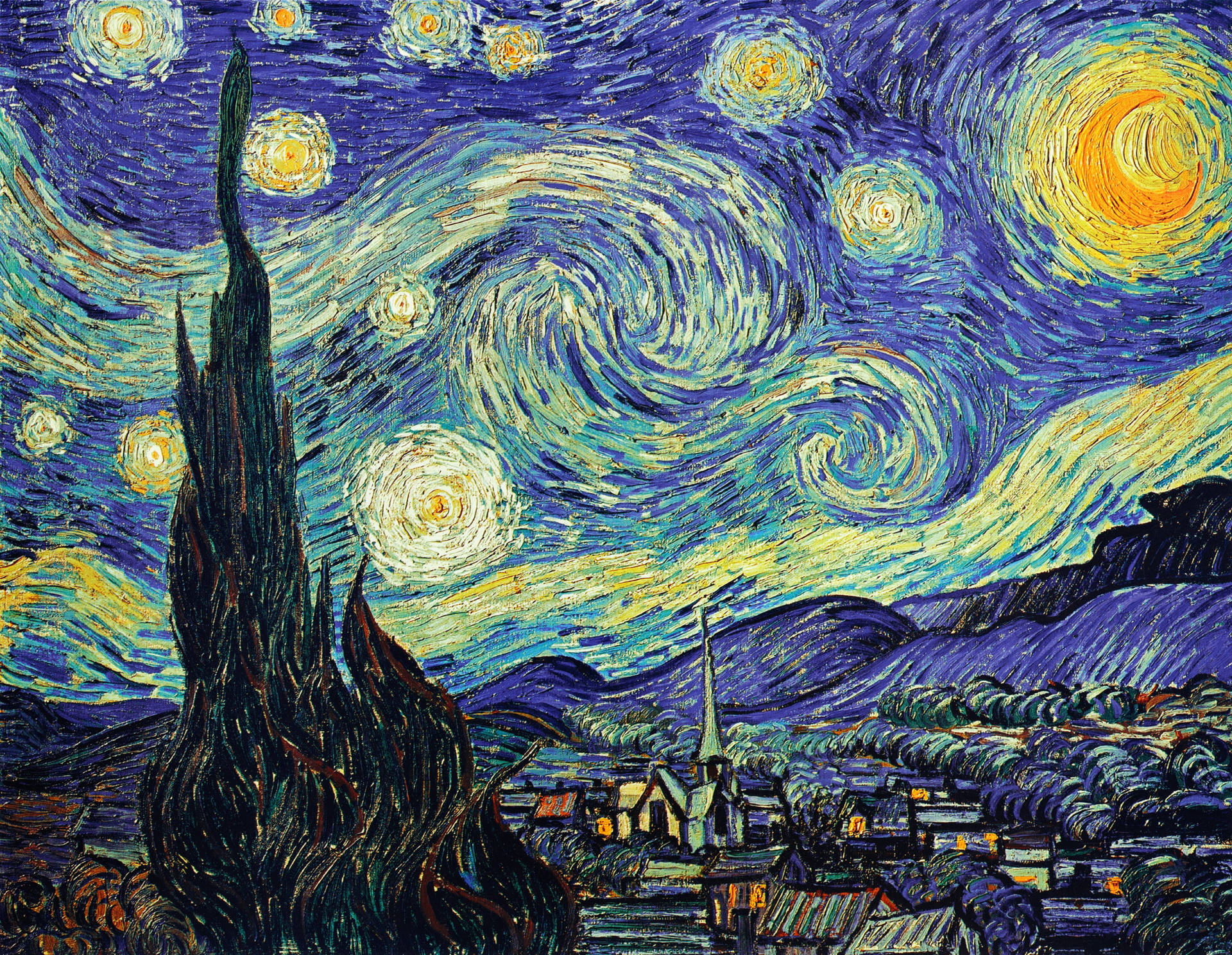
Captivating Paint Like Van Gogh Scene in 4K
A captivating paint like van gogh scene that brings tranquility and beauty to any device.
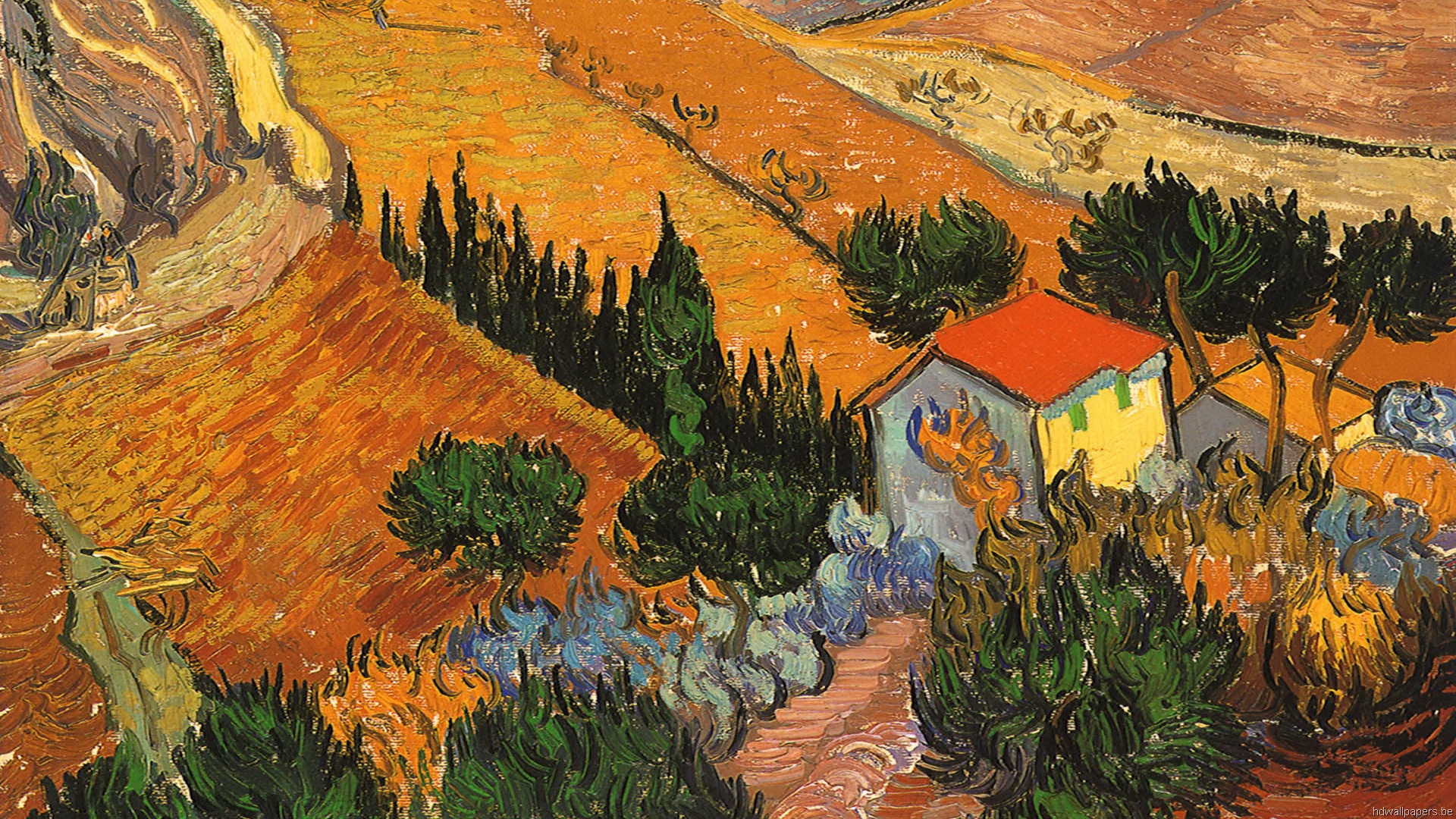
Breathtaking Paint Like Van Gogh Scene for Mobile
Transform your screen with this vivid paint like van gogh artwork, a true masterpiece of digital design.
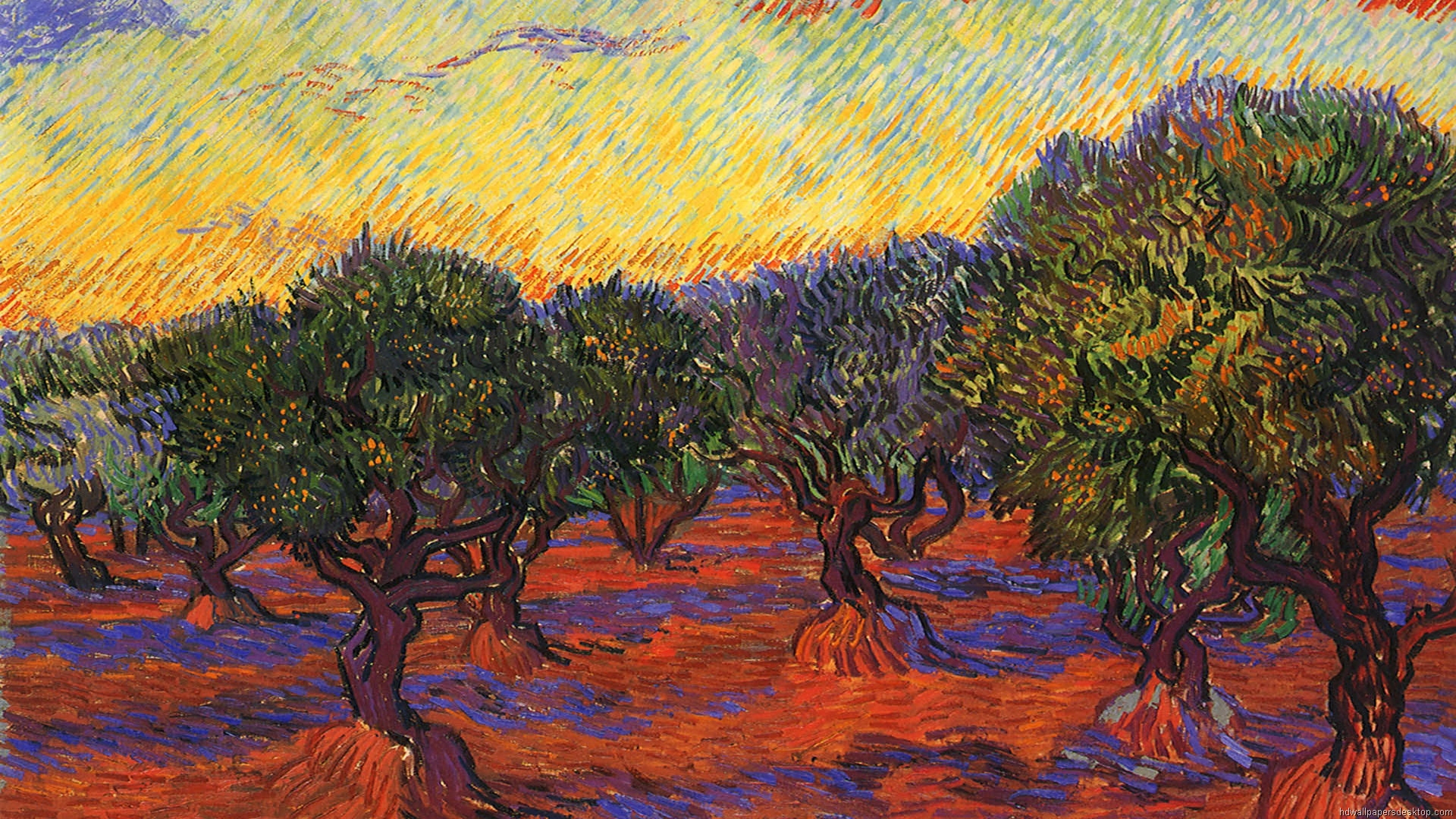
Spectacular Paint Like Van Gogh Landscape in 4K
Immerse yourself in the stunning details of this beautiful paint like van gogh wallpaper, designed for a captivating visual experience.
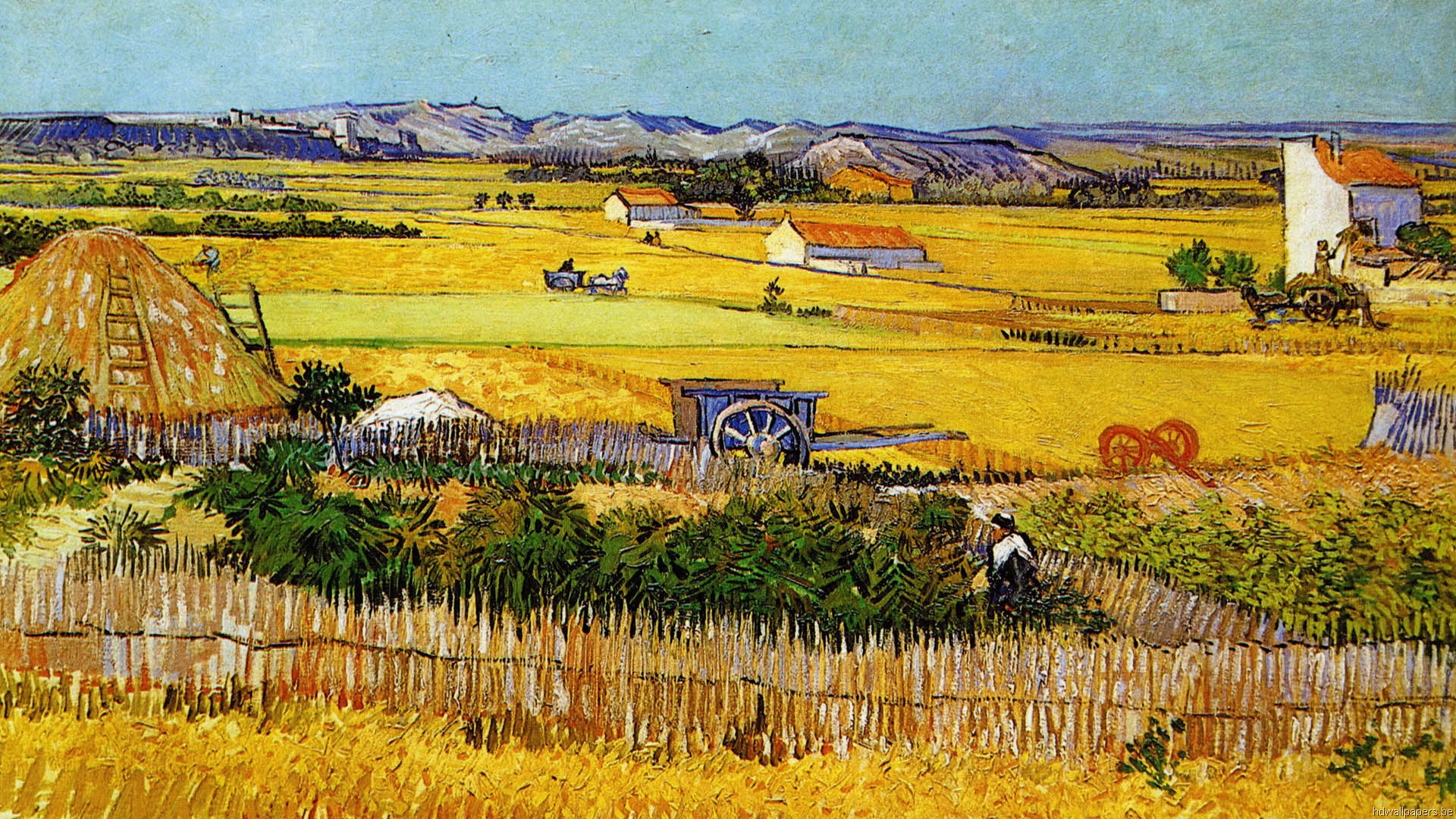
Detailed Paint Like Van Gogh Scene Concept
Discover an amazing paint like van gogh background image, ideal for personalizing your devices with vibrant colors and intricate designs.

Gorgeous Paint Like Van Gogh Wallpaper Art
Immerse yourself in the stunning details of this beautiful paint like van gogh wallpaper, designed for a captivating visual experience.
Download these paint like van gogh wallpapers for free and use them on your desktop or mobile devices.