Paint Coat Thickness Gauge
Paint Coat Thickness Gauge: The Essential Tool for Protecting Your Investment
Have you ever wondered if that used car you're eyeing has hidden bodywork secrets? Or maybe you're a meticulous detailer striving for absolute perfection in your paint correction process? The secret weapon you need in your arsenal is the Paint Coat Thickness Gauge (PCTG).
This handy device is not just a simple gadget; it's a precise diagnostic tool that gives you a crystal-clear picture of the paint health and history of any vehicle. Understanding exactly how thick the paint is can reveal accident repairs, unauthorized repaints, or simply warn you before you sand through the clear coat.
In the automotive world, paint thickness equals history. By measuring this invisible layer, you gain crucial data. Let's dive deep into why this small instrument holds so much power, how it works, and how you can use it to become a true paint detective.
Why You Absolutely Need a Paint Coat Thickness Gauge
Whether you're a professional car buyer, a passionate detailer, or just a savvy consumer, the PCTG offers invaluable benefits that save you time and, more importantly, money. It provides concrete, measurable data that human eyes simply cannot detect.
Knowing the integrity of the paint layer is fundamental to making informed decisions, whether purchasing a vehicle or working on its finish.
Detecting Accident History
This is arguably the most common and vital reason people rely on a Paint Coat Thickness Gauge. If a panel has been repaired or repainted after an accident, the thickness of the paint layers will be significantly higher than the factory standard (which typically sits around 80 to 150 microns).
Spotting inconsistencies—like one door reading 350 microns (µm) while the rest of the car reads 110 µm—is a huge red flag. This disparity indicates that serious bodywork or heavy filling may have been performed to cover previous damage.
Ensuring Safety During Detailing
For professional detailers and hobbyists performing paint correction, knowing the precise thickness is absolutely crucial. Before aggressive compounding or heavy machine polishing, you must know how much clear coat material you have left.
If the clear coat is already thin, aggressive polishing can quickly lead to "burning" through the paint layer, resulting in costly and irreparable damage. The PCTG tells you exactly how much material you have to work with, allowing you to choose the safest method for buffing out scratches and swirls.
Types of Paint Coat Thickness Gauges
When selecting a gauge, it's important to remember that they are specialized tools. They utilize different measurement principles based on the material underneath the paint, known as the substrate. Most modern vehicles use either steel (ferrous) or aluminum (non-ferrous).
Magnetic Gauges (Ferrous Substrates)
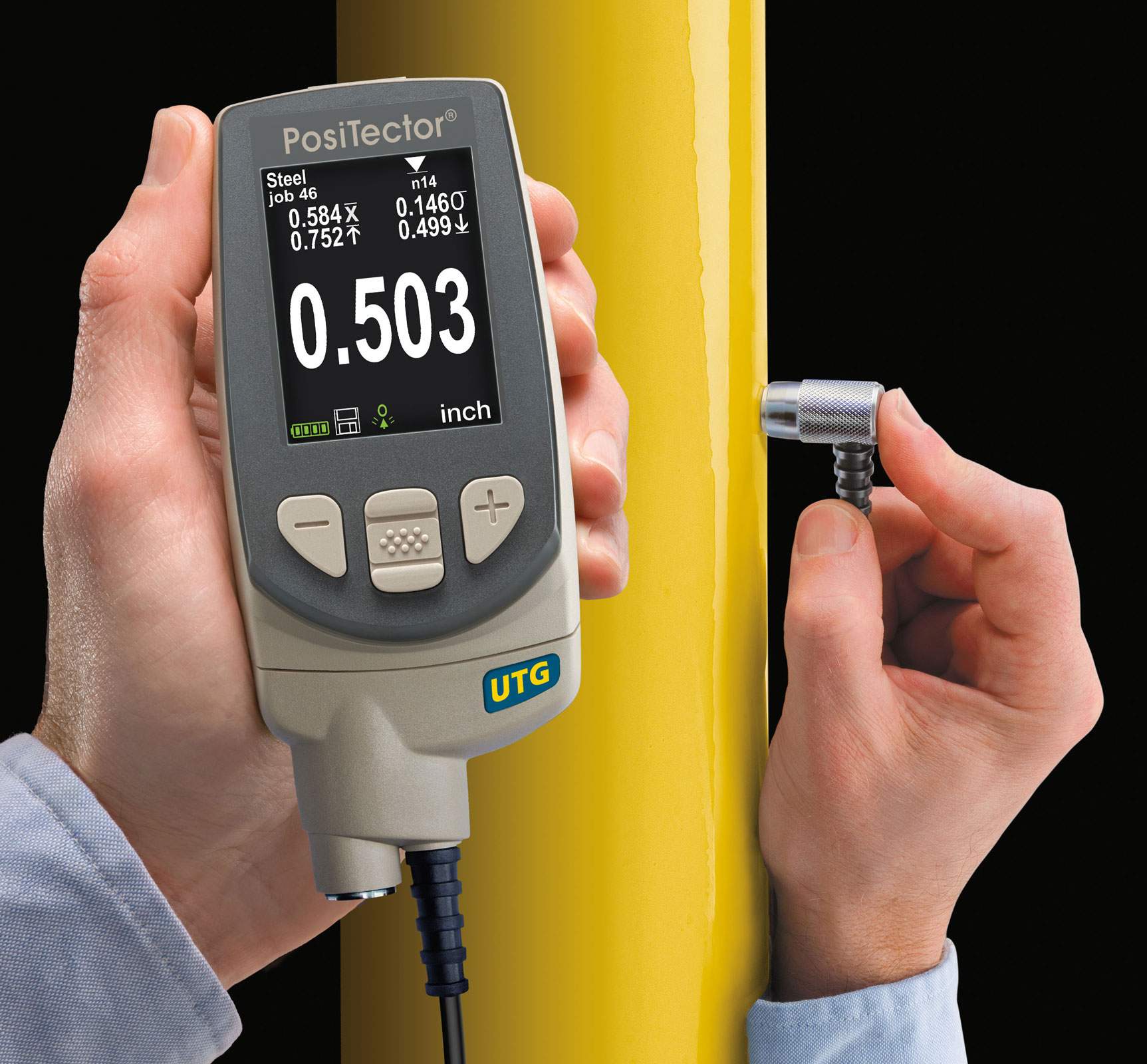
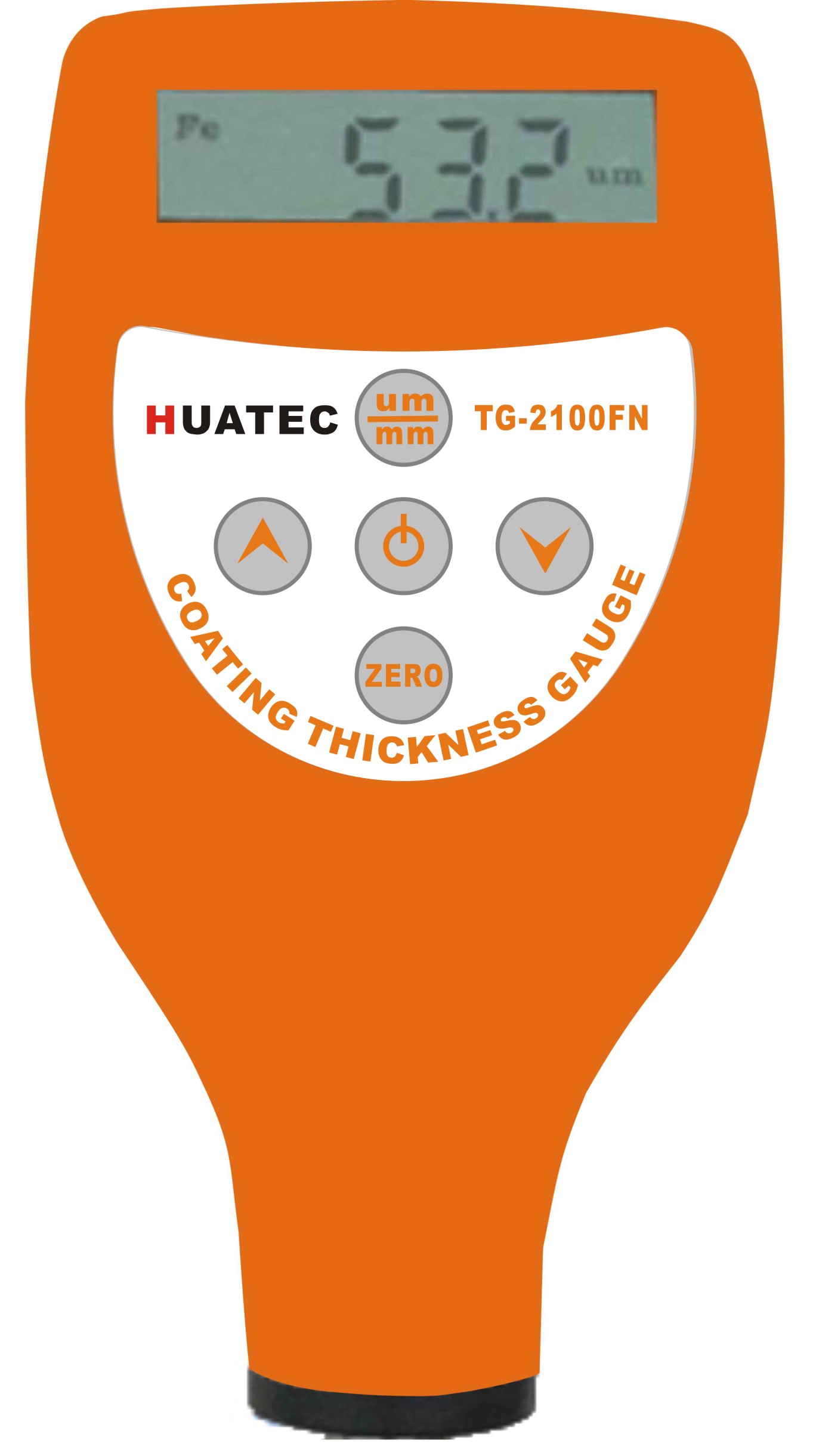
These gauges are designed specifically for steel panels, which contain iron and are magnetic. They operate using the principle of magnetic induction.
The gauge measures the change in the magnetic field strength caused by the distance between the probe and the steel surface. Simply put, the thicker the non-magnetic paint coating, the weaker the magnetic pull detected, resulting in a higher measurement reading.
Magnetic gauges are generally the most affordable and common option, perfect for testing classic steel-bodied cars and older vehicles.
Eddy Current Gauges (Non-Ferrous Substrates)
If you are frequently working with aluminum panels (common in high-end or newer electric vehicles), you absolutely need an eddy current gauge. These gauges rely on the principles of electromagnetic induction rather than magnetism.
They generate a changing magnetic field that induces tiny electrical currents, known as eddy currents, in the conductive aluminum substrate. The intensity of these currents, which is affected by the distance of the probe (the paint thickness), determines the precise measurement.
Combination/Dual Gauges
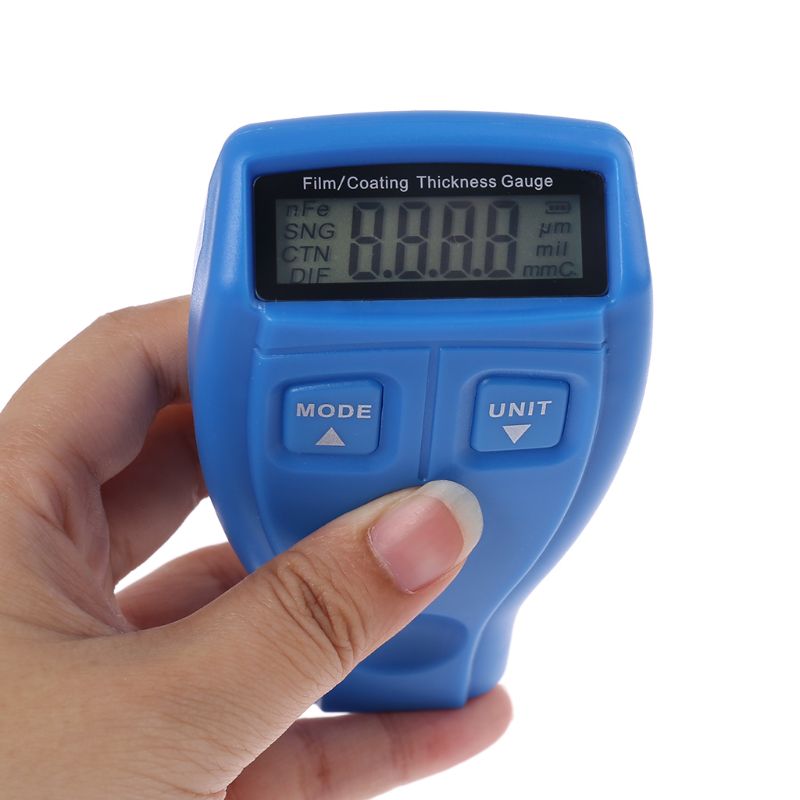
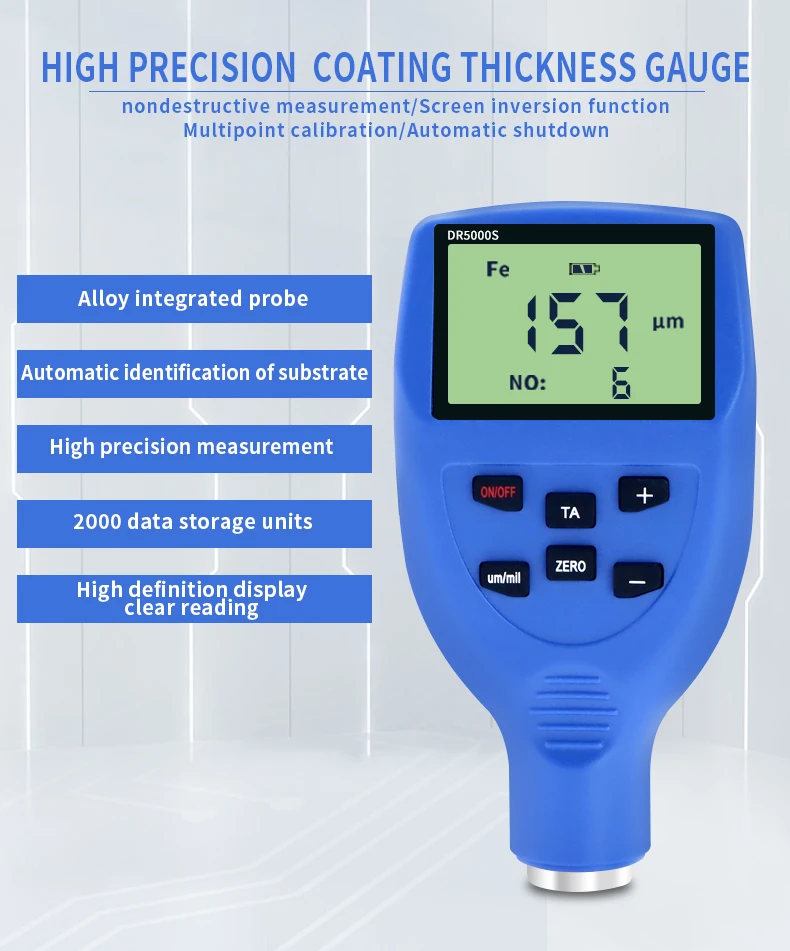
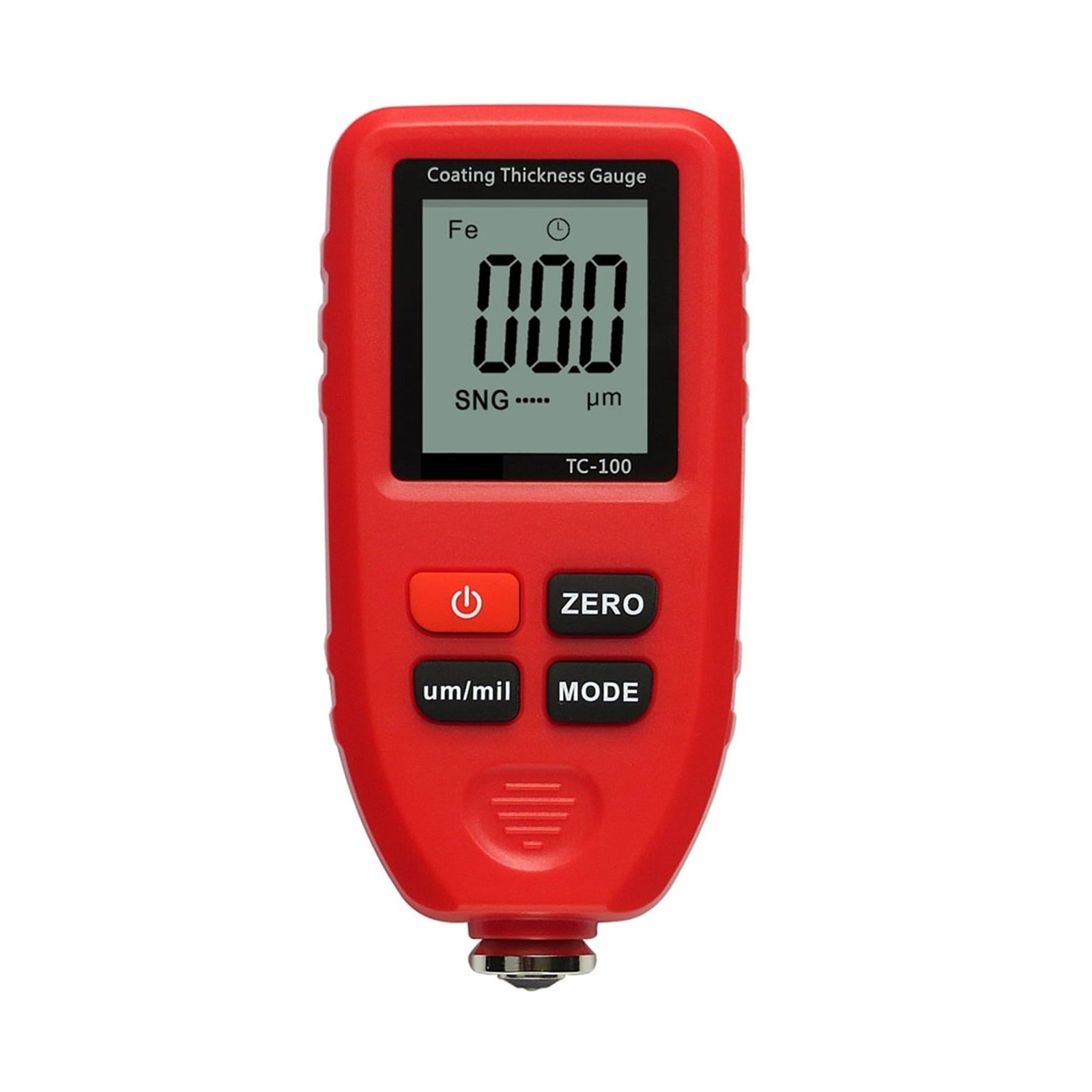
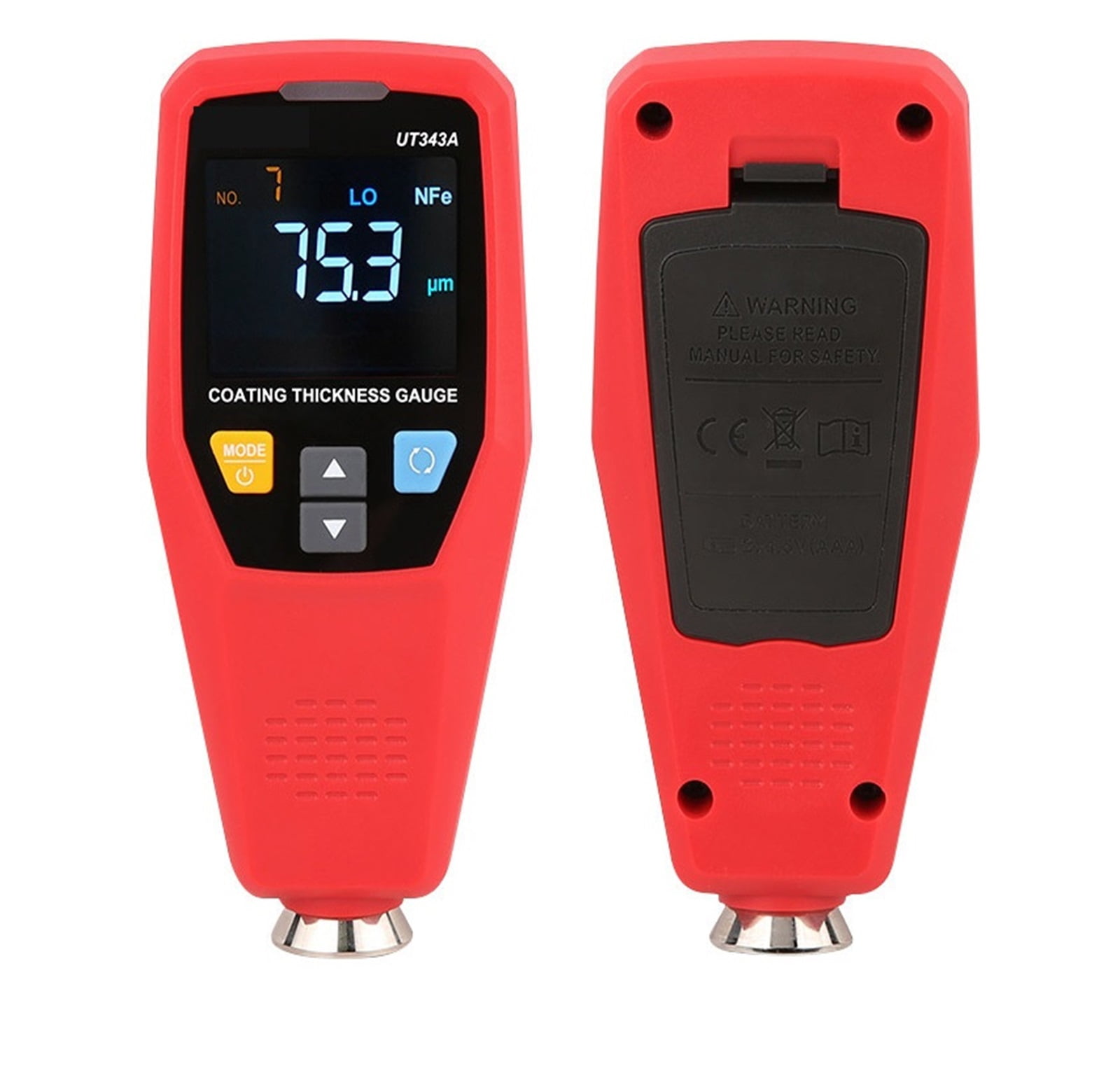
For maximum versatility and ease of use, a dual or combination gauge is your best bet. These devices are highly versatile and automatically detect the substrate material—whether it's steel (Fe) or aluminum (NFe)—and instantly switch to the appropriate measurement method.
If you frequently inspect different vehicle makes and models, especially those built post-2010 that increasingly utilize aluminum panels for weight savings, investing in a high-quality dual Paint Coat Thickness Gauge is highly recommended for accuracy and efficiency.
How to Use Your Paint Thickness Gauge Like a Pro
While using a PCTG is generally intuitive, achieving reliable and professional results requires proper technique. Here is the step-by-step process used by experts in the field.
Calibration: Don't Skip This Step!
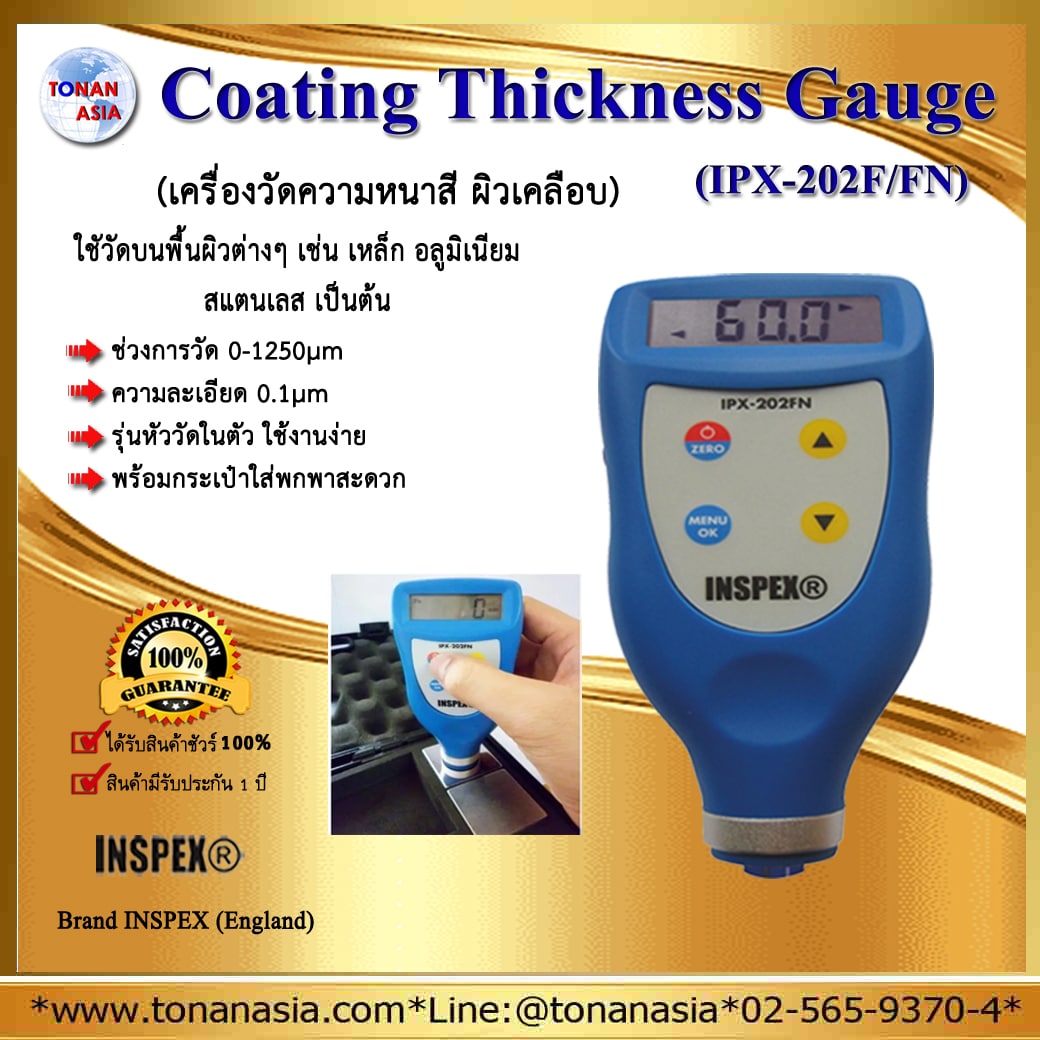
Calibration is the most important step before any inspection. It ensures your gauge is reading accurately against a known standard. Most quality gauges come complete with specialized calibration plates and shims.
- Start by performing a "zero calibration" directly on the supplied bare metal plate. This resets the gauge to zero thickness.
- Next, place the supplied shims (e.g., 100 micron, 250 micron, etc.) onto the bare metal plate.
- Test the gauge on the shims. If the reading doesn't match the shim thickness perfectly, adjust the gauge settings according to the user manual until it does.
Proper calibration eliminates reading errors caused by probe wear, temperature fluctuations, or environmental factors, ensuring maximum reliability when assessing a vehicle.
Reading and Interpreting the Results
When measuring a vehicle, always take multiple readings on different parts of the same panel (top, middle, edge) and then compare results across all panels. Look keenly for consistency and variation.
- Factory Paint (OEM): Typically reads between 80 to 150 µm (microns) or 3 to 6 mils. These measurements should be very tight and consistent across the vehicle (excluding plastic bumpers or sometimes the roof).
- Repaired/Repainted Panel: Readings often jump to 200–500 µm. This is a tell-tale sign of a second layer of base coat and clear coat, sometimes applied over the original paint.
- Excessive Thickness (Above 600 µm): This usually signifies the presence of heavy Bondo or body filler underneath the paint layer. This indicates serious previous damage. Proceed with extreme caution if detailing, or consider this a major negotiating point when buying.
Remember, consistency is key. A single panel that deviates significantly from the rest of the car requires further, detailed investigation.
Choosing the Best Paint Coat Thickness Gauge for Your Needs
Selecting the right gauge depends heavily on your specific application and, of course, your budget. If your livelihood depends on accurate inspections, it is wise not to settle for the cheapest option.
For DIY enthusiasts and basic car buyers primarily dealing with older vehicles, a reliable magnetic gauge might suffice. However, if you are tackling modern luxury vehicles, trucks, or performance cars that frequently utilize aluminum or carbon fiber structures, a dual function gauge is practically mandatory.
What to Look for Before Buying:
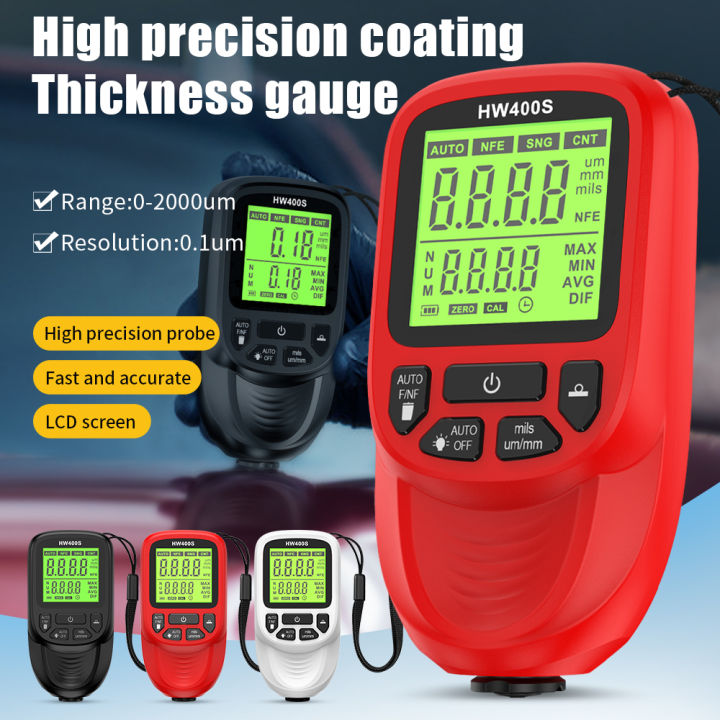
- Measurement Range and Accuracy: Professional units offer high precision (often within ±1 to 3 µm) and a broad measurement range, allowing you to measure both thin factory paint and thick bondo.
- Substrate Compatibility: Make sure the gauge clearly handles both Fe (Ferrous/Steel) and NFe (Non-Ferrous/Aluminum).
- Unit Conversion: The ability to switch easily between microns (µm) and mils/thou is a huge benefit, as different industries and countries favor different units.
- Data Logging/Memory: If you perform many inspections daily, a gauge with memory storage or Bluetooth connectivity simplifies documentation and reporting significantly.
Investing in a high-quality Paint Coat Thickness Gauge pays for itself quickly, either through successfully detecting and negotiating over hidden accident damage or by preventing catastrophic detailing mistakes.
Conclusion: Your New Best Friend in Automotive Inspection
The Paint Coat Thickness Gauge is truly an indispensable tool that elevates your expertise in automotive assessment. It completely takes the guesswork out of assessing paint quality, revealing hidden repair history, and protecting the integrity of the finish during critical detailing work.
By understanding the different types of gauges—magnetic, eddy current, and combination—and mastering the proper calibration and interpretation techniques, you gain a massive advantage. You transform from an ordinary observer into an informed expert, capable of making smart, data-driven decisions about any vehicle's paintwork.
So, the next time you inspect a potential purchase or prepare a car for paint correction, make sure your PCTG is calibrated, charged, and ready. Happy measuring!
Frequently Asked Questions (FAQ) about Paint Coat Thickness Gauges
- What is the standard factory paint thickness?
- Factory paint thickness generally ranges between 80 to 150 microns (µm) or 3 to 6 mils. Readings significantly above 200 µm usually indicate a repaint or previous body repair.
- Can a Paint Coat Thickness Gauge measure paint on plastic bumpers?
- No, standard electromagnetic or eddy current gauges rely on a conductive metal substrate (steel or aluminum) underneath the paint. They cannot accurately measure paint thickness on non-conductive materials like plastic bumpers, carbon fiber, or fiberglass parts.
- Is a cheap magnetic gauge enough for occasional use?
- For occasional use on older, solely steel-bodied cars, a budget magnetic gauge may be adequate for detecting obvious repaints. However, if you are inspecting newer vehicles (which often mix steel and aluminum panels) or need professional reliability, investing in a calibrated dual-function gauge is always the safer choice.
- What does 'µm' stand for?
- 'µm' stands for micrometers or microns, which is the standard unit of measurement used worldwide in paint thickness measurement (one-millionth of a meter). Sometimes results are also displayed in 'mils' or 'thou' (thousandths of an inch).
Paint Coat Thickness Gauge
Paint Coat Thickness Gauge Wallpapers
Collection of paint coat thickness gauge wallpapers for your desktop and mobile devices.
Vivid Paint Coat Thickness Gauge Landscape Digital Art
Explore this high-quality paint coat thickness gauge image, perfect for enhancing your desktop or mobile wallpaper.

Dynamic Paint Coat Thickness Gauge Design Concept
Immerse yourself in the stunning details of this beautiful paint coat thickness gauge wallpaper, designed for a captivating visual experience.

Artistic Paint Coat Thickness Gauge Wallpaper in 4K
Find inspiration with this unique paint coat thickness gauge illustration, crafted to provide a fresh look for your background.
Dynamic Paint Coat Thickness Gauge Abstract for Your Screen
This gorgeous paint coat thickness gauge photo offers a breathtaking view, making it a perfect choice for your next wallpaper.

Stunning Paint Coat Thickness Gauge Moment in HD
Find inspiration with this unique paint coat thickness gauge illustration, crafted to provide a fresh look for your background.
Artistic Paint Coat Thickness Gauge Image for Your Screen
A captivating paint coat thickness gauge scene that brings tranquility and beauty to any device.
Captivating Paint Coat Thickness Gauge Landscape for Mobile
This gorgeous paint coat thickness gauge photo offers a breathtaking view, making it a perfect choice for your next wallpaper.

Artistic Paint Coat Thickness Gauge Photo for Desktop
This gorgeous paint coat thickness gauge photo offers a breathtaking view, making it a perfect choice for your next wallpaper.

Serene Paint Coat Thickness Gauge Background in 4K
Experience the crisp clarity of this stunning paint coat thickness gauge image, available in high resolution for all your screens.

Detailed Paint Coat Thickness Gauge Background for Desktop
Explore this high-quality paint coat thickness gauge image, perfect for enhancing your desktop or mobile wallpaper.
Stunning Paint Coat Thickness Gauge Image Illustration
Find inspiration with this unique paint coat thickness gauge illustration, crafted to provide a fresh look for your background.
Breathtaking Paint Coat Thickness Gauge Wallpaper Collection
Explore this high-quality paint coat thickness gauge image, perfect for enhancing your desktop or mobile wallpaper.
Gorgeous Paint Coat Thickness Gauge Image Concept
Immerse yourself in the stunning details of this beautiful paint coat thickness gauge wallpaper, designed for a captivating visual experience.

Spectacular Paint Coat Thickness Gauge Abstract Art
A captivating paint coat thickness gauge scene that brings tranquility and beauty to any device.

Beautiful Paint Coat Thickness Gauge Image for Desktop
Experience the crisp clarity of this stunning paint coat thickness gauge image, available in high resolution for all your screens.
Spectacular Paint Coat Thickness Gauge Photo Photography
Find inspiration with this unique paint coat thickness gauge illustration, crafted to provide a fresh look for your background.

High-Quality Paint Coat Thickness Gauge Capture Digital Art
Discover an amazing paint coat thickness gauge background image, ideal for personalizing your devices with vibrant colors and intricate designs.
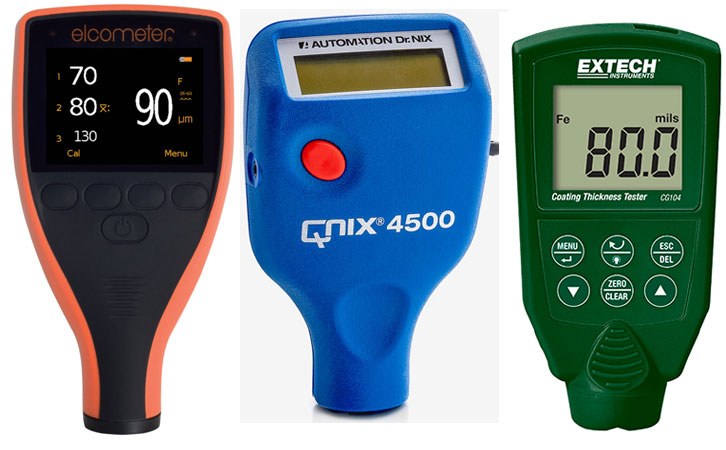
Gorgeous Paint Coat Thickness Gauge Wallpaper Nature
A captivating paint coat thickness gauge scene that brings tranquility and beauty to any device.
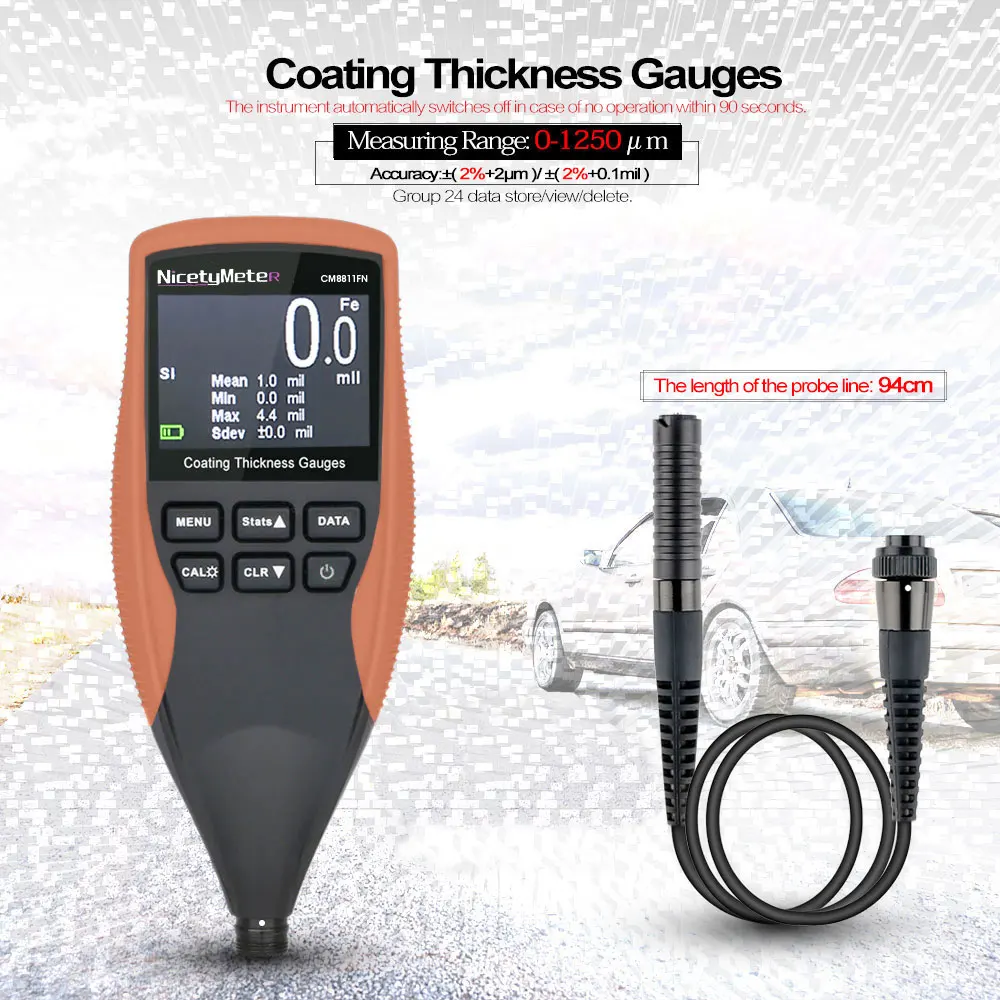
Exquisite Paint Coat Thickness Gauge Photo for Mobile
Find inspiration with this unique paint coat thickness gauge illustration, crafted to provide a fresh look for your background.
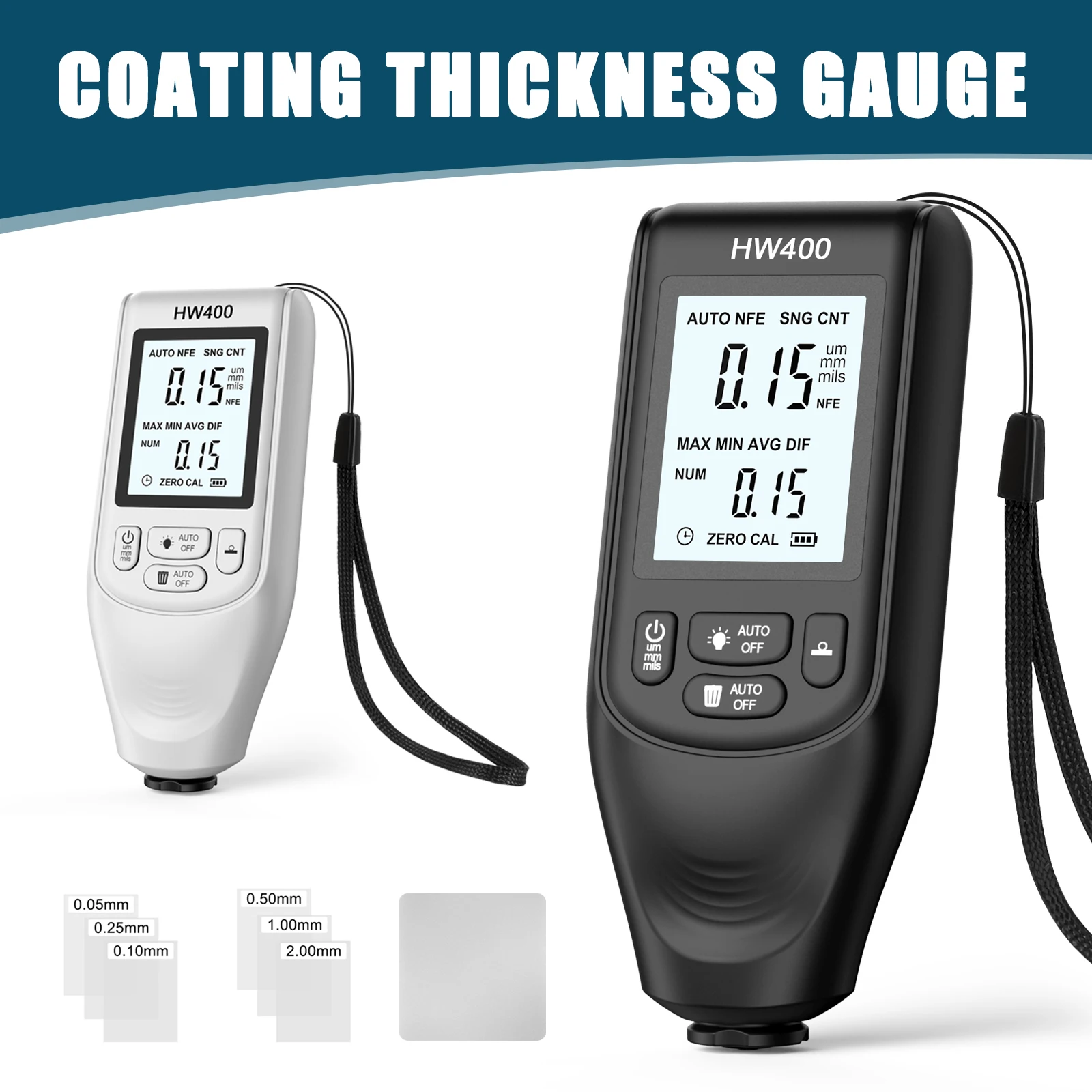
Exquisite Paint Coat Thickness Gauge Photo Collection
This gorgeous paint coat thickness gauge photo offers a breathtaking view, making it a perfect choice for your next wallpaper.
Download these paint coat thickness gauge wallpapers for free and use them on your desktop or mobile devices.