Paint Can Coverage
Understanding Paint Can Coverage: Your Go-To Guide for Perfect Painting Estimates
Hey there, fellow DIY enthusiast! Ever stared at a wall, then looked at a can of paint, and wondered, "How much of this stuff do I actually need?" Calculating proper Paint Can Coverage can feel like a tricky math problem, but don't worry. Getting this right is the secret to a stress-free project—it means you won't run out halfway through, nor will you be stuck with five extra gallons gathering dust in the garage.
We're here to break down the mystery of square feet, gallons, and that little number printed on the side of the can. By the end of this article, you'll be estimating your paint needs like a seasoned pro, ensuring your project stays on budget and on schedule. Let's get painting!
Why Calculating Paint Can Coverage Matters So Much
Think of Paint Can Coverage as your financial safety net. Underestimating the amount of paint required leads to frustrating emergency trips to the store, and sometimes, you risk not finding the exact color batch again—leading to color discrepancies known as "flashing." That's the last thing you want after hours of hard work!
Conversely, buying too much paint is a waste of money and a burden to store. Furthermore, unused paint eventually expires, becoming chunky and unusable. Therefore, accurately calculating how far one gallon goes is truly essential for efficiency and quality.
Decoding the Paint Can Label: What the Numbers Mean
When you pick up a standard one-gallon can, the label will usually provide a coverage range, often stated as "Covers approximately 350 to 400 square feet." This number is based on ideal conditions—a smooth, pre-primed, and non-porous surface. It's the theoretical maximum.
It's important to treat that maximum number with a healthy dose of skepticism. The true amount of paint you use will almost always fall toward the lower end of that range, sometimes even lower, depending on external factors we'll discuss shortly. Understanding this range is the first step in mastering your Paint Can Coverage needs.
The Magic Formula: Square Footage vs. Paint Can Coverage
Calculating the total area of your walls is surprisingly simple. You just need a tape measure and a calculator. The basic method involves measuring the length and height of each wall, then multiplying those two numbers together to get the square footage.
If you are painting a standard room (four walls), here is the streamlined approach:
- Measure the perimeter of the room (add the lengths of all four walls).
- Measure the height of the room (floor to ceiling).
- Multiply the perimeter by the height to get the total square footage.
- Subtract non-painted areas (windows and doors).
- Divide the net square footage by the paint's expected coverage (usually 350 sq. ft. per gallon for safety).
- Multiply that result by the number of coats you plan to apply (usually two).
Remember, this calculation is for one coat. Since most professional jobs require two coats for durability and color saturation, you must double your required gallon count!
Factors That Devour Your Paint (The Hidden Costs)
The biggest reason people get their Paint Can Coverage wrong is forgetting about the variables. Not all walls are created equal! These hidden factors can quickly reduce your effective coverage by 20% or more.
Surface Texture and Condition
Surface texture is a huge factor. A slick, previously painted surface will require less paint than a rough or porous surface, like unprimed drywall or heavily textured stucco.
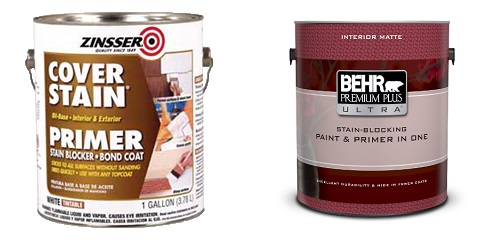
Porous surfaces soak up the first coat like a sponge, demanding more material just to achieve a base layer. If you are painting new drywall, always count on needing an extra 10-15% of paint, or use a dedicated primer first. Primer coverage is usually slightly higher than paint coverage, saving you money in the long run.
Here's a breakdown of how surfaces affect coverage:
- Smooth, Glossy Surfaces: Highest coverage (closest to 400 sq. ft. per gallon).
- Previously Painted Walls (Flat/Eggshell): Standard coverage (around 350 sq. ft. per gallon).
- New Drywall or Heavily Textured Walls: Lowest coverage (potentially down to 250-300 sq. ft. per gallon on the first coat).
Color Choice and Number of Coats
Are you painting a dark wall white, or a light wall deep navy? The contrast between the existing color and your new color dramatically impacts how many coats you need, thus directly affecting your total Paint Can Coverage.
When switching from a very dark color to a very light color (or vice versa), expect to apply at least three coats, or use a high-hiding primer tinted close to your final color. Deep, saturated colors often require more coats because the pigments used in them, particularly reds, blues, and purples, have less inherent covering power.
Furthermore, your application technique matters. If you apply the paint too thinly, you'll definitely need three coats to eliminate streaks. If you overload your roller, you waste paint through drips and runs, reducing the overall spread rate.
Practical Steps for Accurate Estimation
To avoid guesswork and ensure you nail your required quantity, follow this step-by-step process:
- Measure Everything: Get the exact square footage of the total area, including ceilings if you plan to paint them. Don't forget to measure the square footage of doors and windows, even though you will subtract them later.
- Subtract Openings: Calculate the area of all doors and windows and subtract that from the total wall area.
- Choose Your Coverage Factor: Assume a conservative coverage rate (e.g., 350 sq. ft./gallon for typical walls, 300 sq. ft./gallon for rough or unprimed surfaces).
- Calculate Per Coat: Divide your net square footage by your chosen coverage factor. This is the number of gallons needed for one coat.
- Apply the Two-Coat Rule: Multiply your per-coat requirement by two (or three, if switching drastically between dark/light colors).
- Add a Safety Margin: Always round up to the nearest whole gallon. If your calculation suggests 4.1 gallons, buy 5. That extra amount is perfect for touch-ups later!
Remember that the quality of your paint matters significantly. Premium paints usually have better solids content, offering superior Paint Can Coverage compared to cheaper alternatives.
Conclusion: Wrapping Up Your Paint Can Coverage Journey
Getting your paint estimate right doesn't have to be a headache. By carefully measuring your space, understanding the variables like surface porosity and color change, and using a conservative coverage rate (like 350 sq. ft. per gallon), you can confidently purchase the right amount of paint.
Accurate Paint Can Coverage calculation saves you time, money, and hassle, ensuring your painting project is completed smoothly from start to finish. Now go ahead—measure twice, buy once, and enjoy your beautiful new walls!
Frequently Asked Questions (FAQ) about Paint Coverage
- How much square footage does a one-gallon can of paint usually cover?
- Most one-gallon cans state a theoretical coverage of 350 to 400 square feet. However, due to surface imperfections, roller application, and needing two coats, a practical working coverage is usually closer to 300–350 square feet per gallon per coat.
- Should I factor doors and windows into my square footage calculation?
- Yes, you should initially calculate the entire wall area, but then subtract the area of large non-painted openings like doors and windows. Generally, if the opening is less than 20 square feet, many people just leave it in the calculation as a built-in safety buffer, but for accuracy, it's best to subtract it.
- Does the type of paint finish affect Paint Can Coverage?
- Yes, slightly. Higher-gloss paints (semi-gloss or gloss) generally offer slightly better coverage than flat paints because they contain higher ratios of binding resins. However, the difference is minimal compared to factors like surface texture or color change.
- Why do I need two coats of paint?
- Two coats are essential for achieving the color depth, consistency, and durability expected in a professional finish. The first coat provides adhesion and a base color, while the second coat smooths out inconsistencies and ensures full opacity, giving the final color its true vibrancy.
- Does primer count toward my total Paint Can Coverage?
- No, primer should be calculated separately, as it has its own coverage rate (often slightly higher than paint). Primer is used to seal the surface and provide a consistent base coat, allowing your actual paint to perform optimally and improving the final Paint Can Coverage efficiency.
Paint Can Coverage
Paint Can Coverage Wallpapers
Collection of paint can coverage wallpapers for your desktop and mobile devices.

Serene Paint Can Coverage Image Nature
Transform your screen with this vivid paint can coverage artwork, a true masterpiece of digital design.

Detailed Paint Can Coverage Moment in 4K
Transform your screen with this vivid paint can coverage artwork, a true masterpiece of digital design.
Lush Paint Can Coverage Image Collection
Immerse yourself in the stunning details of this beautiful paint can coverage wallpaper, designed for a captivating visual experience.
Serene Paint Can Coverage Moment in HD
Explore this high-quality paint can coverage image, perfect for enhancing your desktop or mobile wallpaper.
Beautiful Paint Can Coverage Scene Photography
Explore this high-quality paint can coverage image, perfect for enhancing your desktop or mobile wallpaper.

Dynamic Paint Can Coverage Picture Concept
Find inspiration with this unique paint can coverage illustration, crafted to provide a fresh look for your background.

Detailed Paint Can Coverage Abstract Collection
Explore this high-quality paint can coverage image, perfect for enhancing your desktop or mobile wallpaper.

Vibrant Paint Can Coverage Scene in 4K
Experience the crisp clarity of this stunning paint can coverage image, available in high resolution for all your screens.

Exquisite Paint Can Coverage Wallpaper in 4K
Find inspiration with this unique paint can coverage illustration, crafted to provide a fresh look for your background.

Beautiful Paint Can Coverage Wallpaper Nature
Experience the crisp clarity of this stunning paint can coverage image, available in high resolution for all your screens.
Lush Paint Can Coverage Artwork in 4K
Find inspiration with this unique paint can coverage illustration, crafted to provide a fresh look for your background.

Crisp Paint Can Coverage Image Photography
Find inspiration with this unique paint can coverage illustration, crafted to provide a fresh look for your background.
Vivid Paint Can Coverage Design Digital Art
Transform your screen with this vivid paint can coverage artwork, a true masterpiece of digital design.
Lush Paint Can Coverage Image in 4K
A captivating paint can coverage scene that brings tranquility and beauty to any device.
Captivating Paint Can Coverage Image Nature
Find inspiration with this unique paint can coverage illustration, crafted to provide a fresh look for your background.
Vibrant Paint Can Coverage Image Photography
Discover an amazing paint can coverage background image, ideal for personalizing your devices with vibrant colors and intricate designs.
High-Quality Paint Can Coverage Artwork Illustration
Discover an amazing paint can coverage background image, ideal for personalizing your devices with vibrant colors and intricate designs.
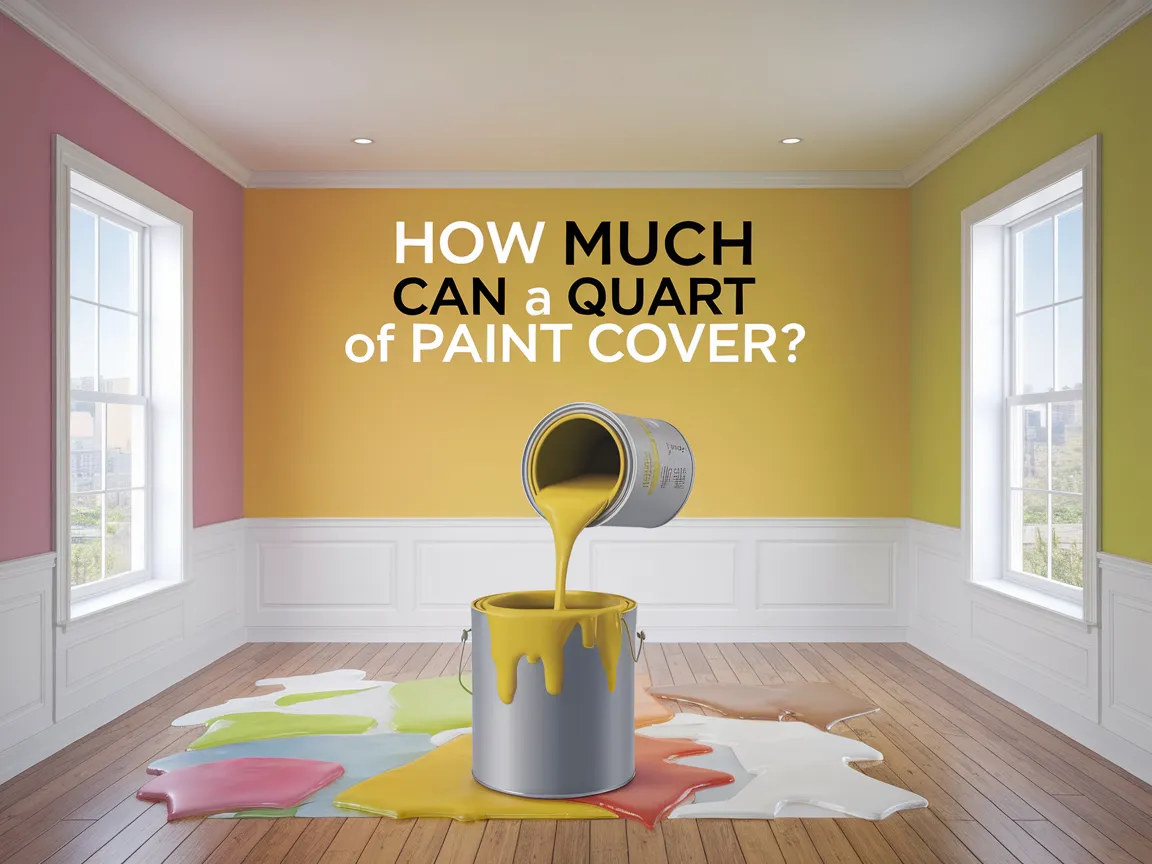
Crisp Paint Can Coverage Abstract Art
A captivating paint can coverage scene that brings tranquility and beauty to any device.

Crisp Paint Can Coverage Scene for Desktop
A captivating paint can coverage scene that brings tranquility and beauty to any device.
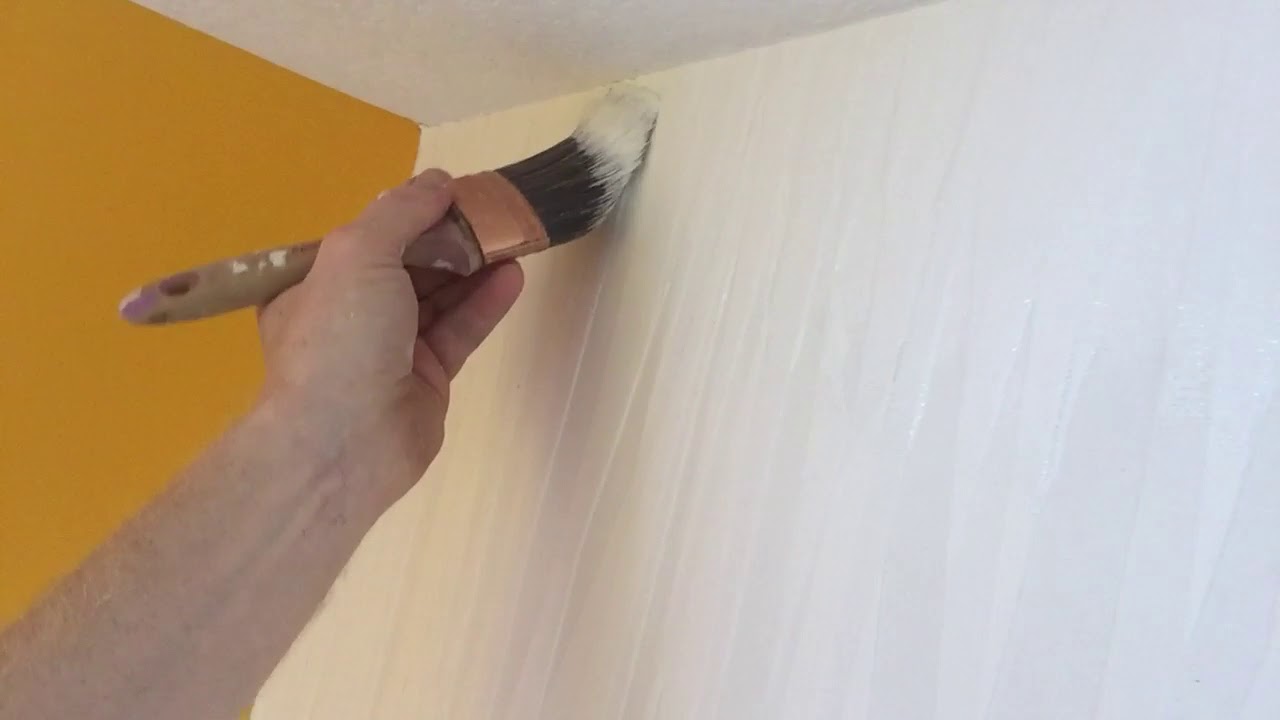
Serene Paint Can Coverage Photo Art
Discover an amazing paint can coverage background image, ideal for personalizing your devices with vibrant colors and intricate designs.
Download these paint can coverage wallpapers for free and use them on your desktop or mobile devices.