Paint Booth Air Filter Systems
Paint Booth Air Filter Systems: Your Essential Guide to Clean Air and Perfect Finishes
If you run a professional paint shop or maintain an industrial finishing line, you know that the quality of your paint job is directly tied to the cleanliness of your environment. That's where robust Paint Booth Air Filter Systems come into play.
These sophisticated systems are much more than just simple screens; they are the lungs of your operation, ensuring safety, efficiency, and flawless results. Getting the filtration right is the secret ingredient that separates a professional finish from a disaster filled with dust and defects.
We're here to walk you through everything you need to know about these critical systems, from the components involved to essential maintenance tips.
Why Proper Filtration is Non-Negotiable
Operating a paint booth without high-quality filtration is like trying to bake a cake in a dust storm—it simply won't work. Filtration protects three crucial things: your product, your personnel, and your pocketbook.
First and foremost, clean air flow eliminates contaminants, preventing frustrating imperfections like fish eyes or pinholes in the final coating. Secondly, proper exhaust filtering removes harmful volatile organic compounds (VOCs) and overspray particulates, safeguarding your workers and ensuring compliance with local environmental regulations.
Ignoring your filtration needs ultimately leads to costly reworks, decreased throughput, and potential fines. Investing in quality Paint Booth Air Filter Systems is a foundational business decision.
Breaking Down the Components of Paint Booth Air Filter Systems
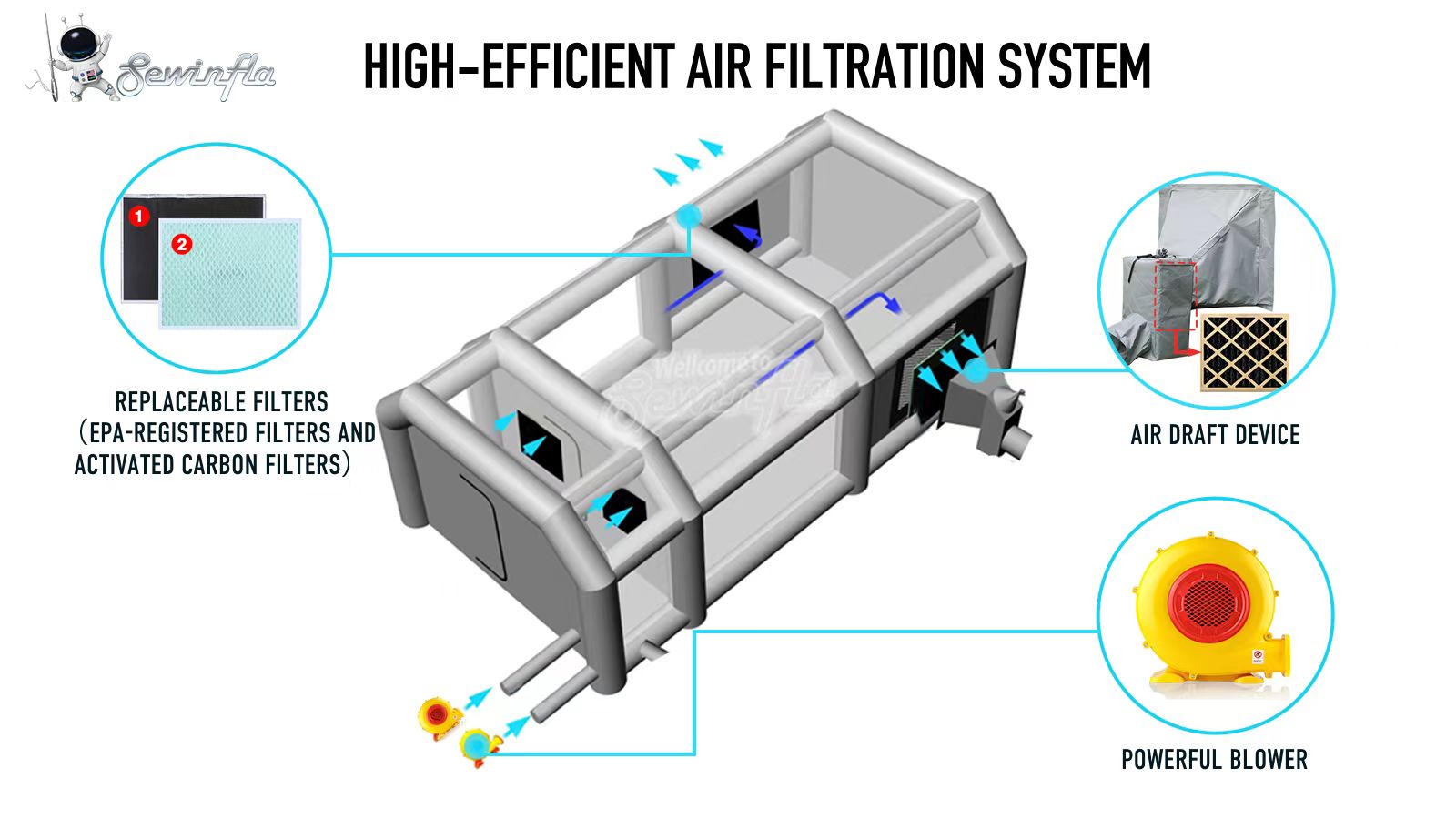
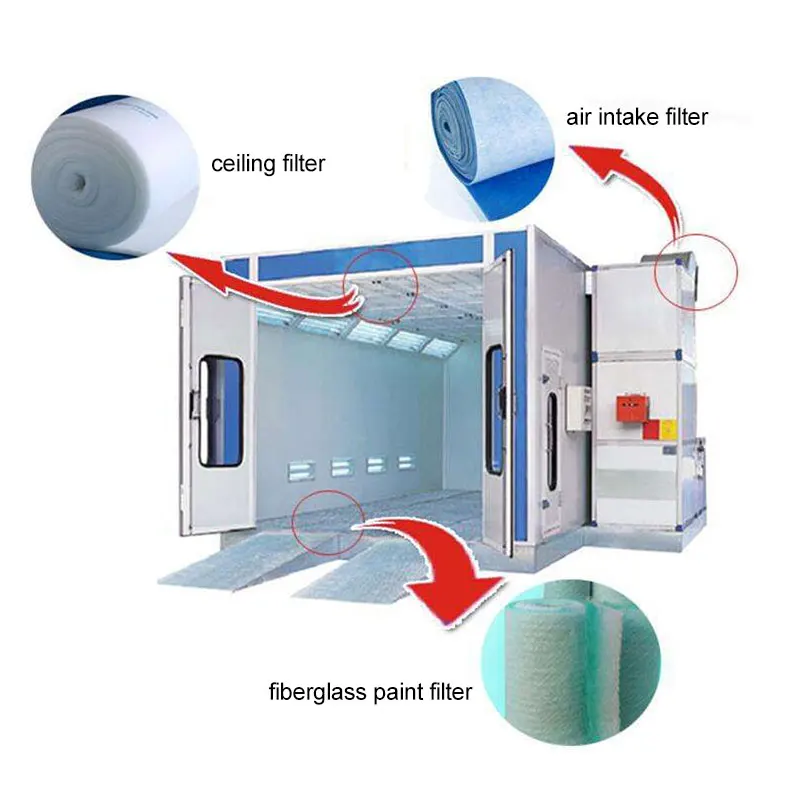
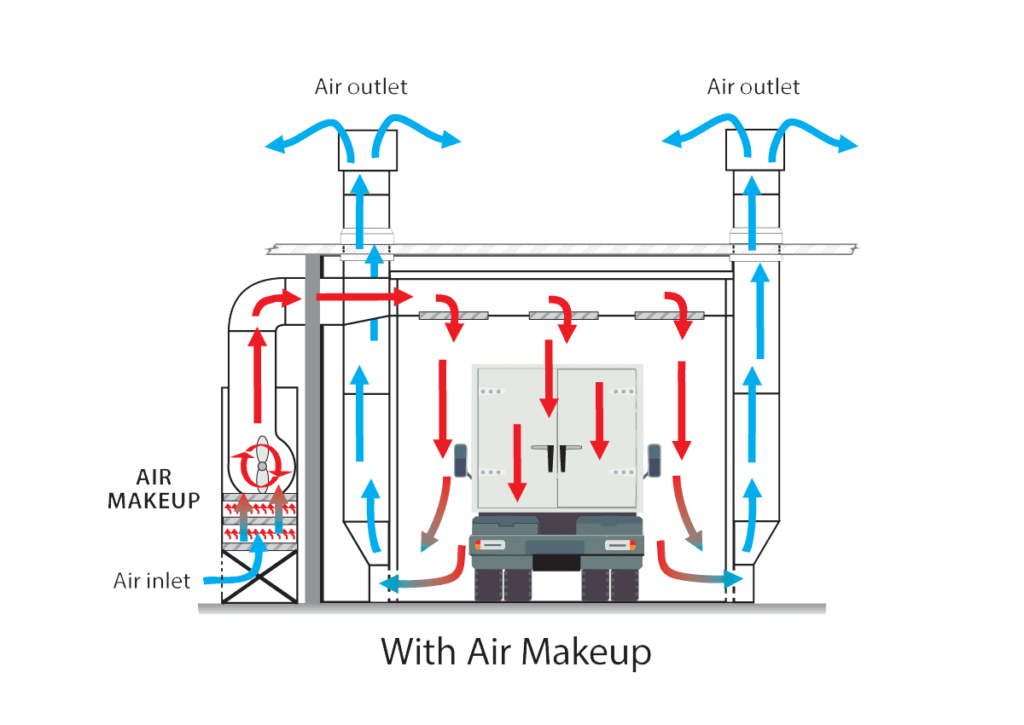
A typical paint booth system operates using a multi-stage approach, where air is cleaned progressively as it moves through the booth. Each stage has a specific job designed to capture particulates of varying sizes.
The Importance of Intake Filters
The air entering your booth, whether it's fresh air from outside or recycled air from your facility, must be cleaned before it even hits the plenum. Intake filters are the first line of defense.
These filters typically handle the largest particles, acting as pre-filters to extend the life of your more expensive final filters. They protect the booth's internal mechanisms, like fans and heating coils, from large dust and debris.
Ceiling Filters: The Heart of Clean Air Flow
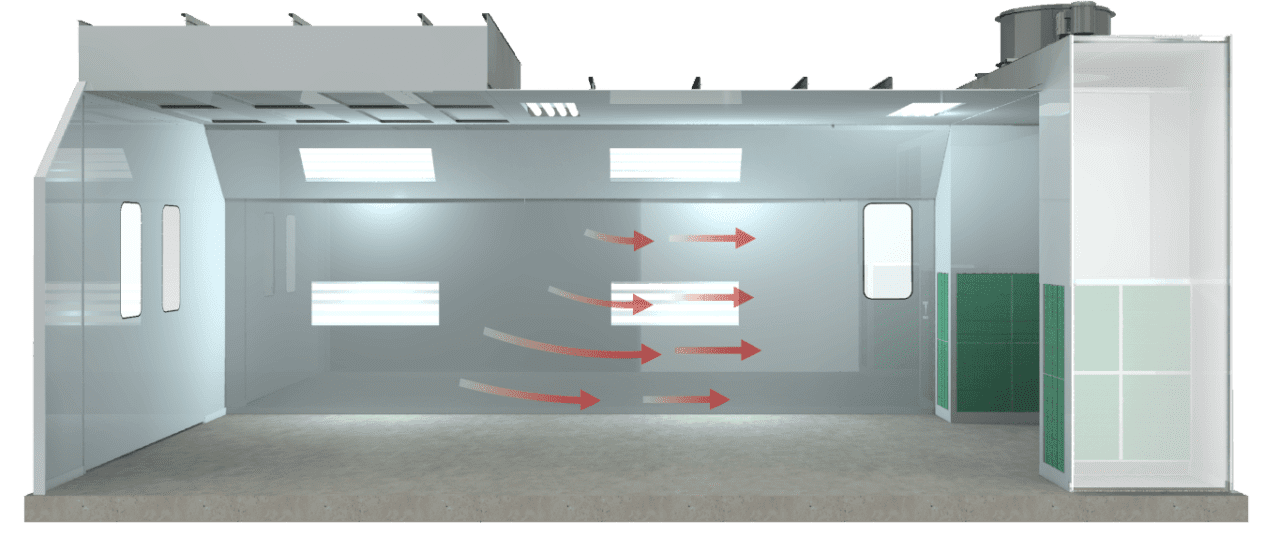
If the intake filters are the first line of defense, the ceiling filters are the finishing touch. Mounted directly above the work area, these filters ensure laminar airflow—a smooth, consistent downward flow of ultra-clean air.
Laminar airflow is critical because it carries paint overspray and airborne dirt away from the surface being painted, minimizing contamination and ensuring uniform drying. They are usually high-efficiency filters designed to catch fine particles.
Key features of quality ceiling filters include:
- High tack adhesive to lock in even the smallest dust particles.
- Uniform density for consistent airflow across the entire booth ceiling.
- Compatibility with the specific temperature and humidity requirements of your finishing process.
- A robust structure to prevent tearing or blow-out under high pressure.
Exhaust Filtration: Protecting the Environment (and Your Booth)
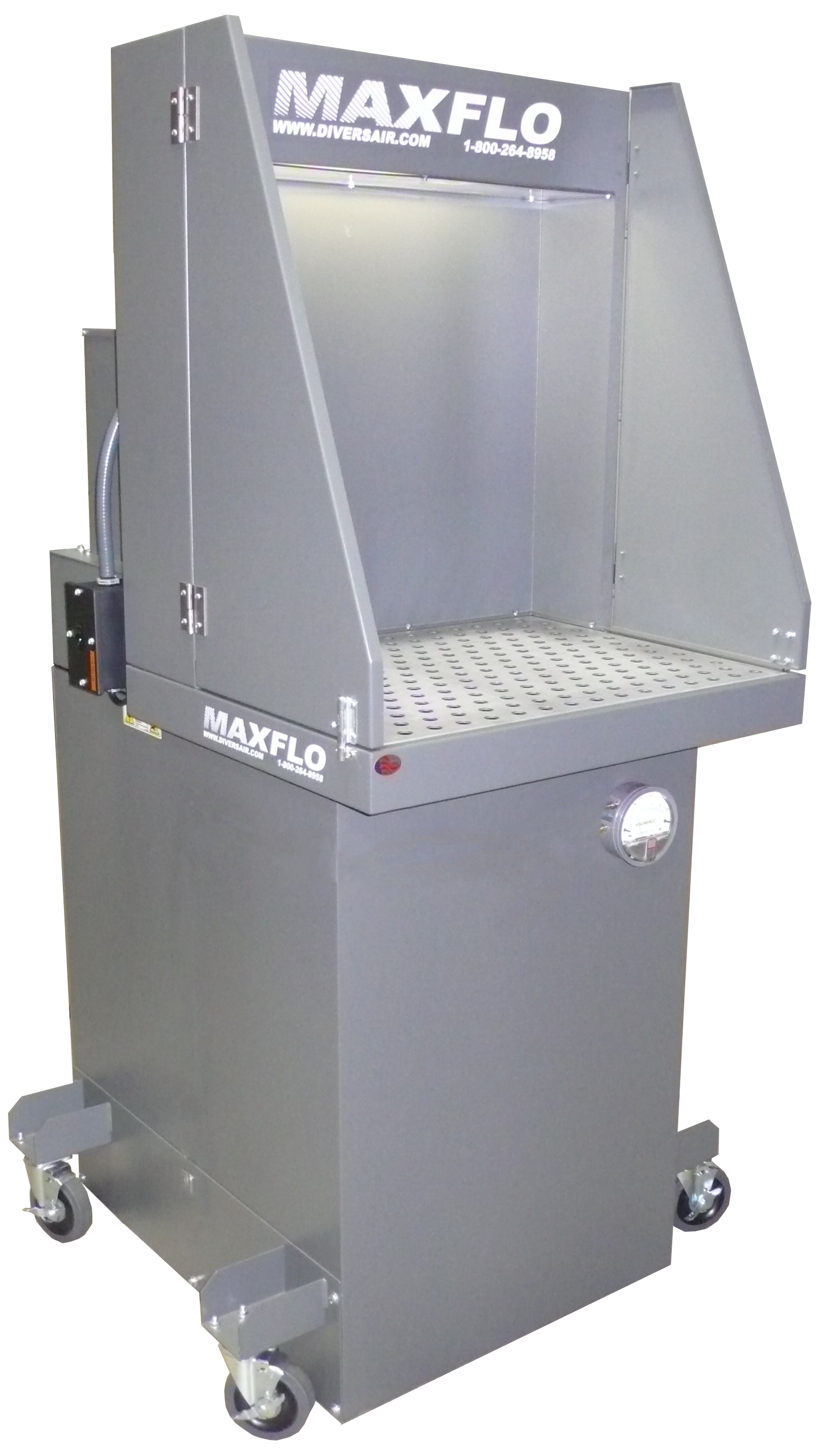
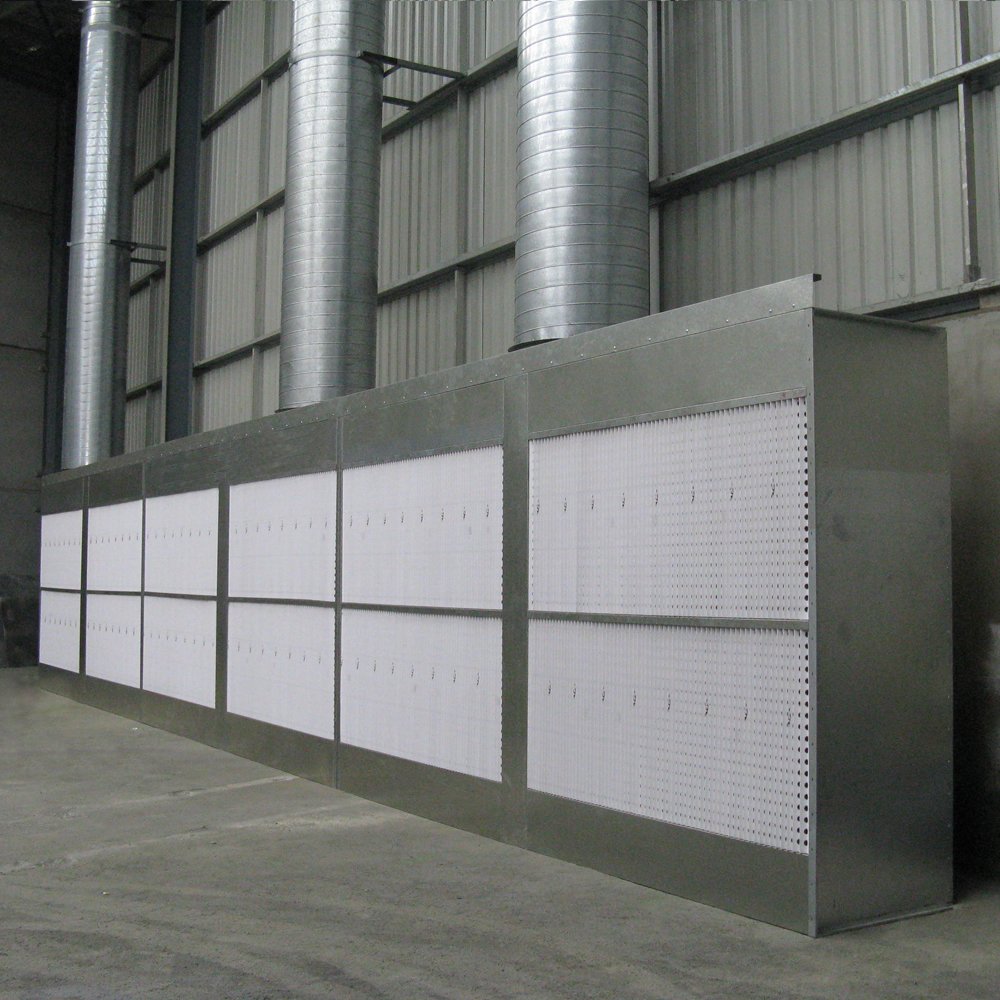
Once the air has traveled through the booth, it is saturated with paint overspray and solvent vapors. Before this air is released, it must pass through the exhaust filters, often located in the pit or the rear wall.
Exhaust filters primarily focus on capturing paint solids. By effectively capturing overspray, they prevent environmental pollution and protect the exhaust fan and ductwork from heavy buildup, which can cause costly maintenance issues and fire hazards.
Maintaining Peak Performance: Tips for Your Filter System
Even the best Paint Booth Air Filter Systems are useless if they aren't maintained correctly. Regular monitoring and timely replacement are crucial for sustaining optimal airflow and filtration efficiency.
When Do I Need to Change My Filters?
Knowing when to change a filter isn't always obvious, but relying solely on visual inspection is a mistake. As filters load up with debris, they restrict airflow, causing static pressure to increase inside the booth.
This pressure imbalance leads to turbulence, which drags contaminants back onto your painted surfaces. Luckily, most professional setups have gauges to help you monitor this performance metric accurately.
- Monitor Pressure Drop: Use the manometer or pressure gauge installed in your system. Manufacturers specify a maximum acceptable pressure drop (measured in inches of water column). Once you hit that restriction point, it's time for a change.
- Visual Inspection: Look for heavy loading, especially on exhaust filters, and check ceiling filters for any signs of sagging or tearing.
- Air Flow Speed: If the air speed inside your booth significantly drops, your filters are likely saturated and choking the system.
Best Practices for Filter Replacement
Changing filters requires careful attention to detail. Always ensure the booth is completely clean before installation, as replacing dirty filters in a dirty booth defeats the purpose.
Make sure you handle the new filters carefully to avoid introducing contamination. Wear gloves and ensure the filter media is installed facing the correct direction, following the manufacturer's instructions explicitly.
Selecting the Right Filters for Your Specific Needs
Filter efficiency is typically measured using the Minimum Efficiency Reporting Value (MERV) rating system, though some paint booth filters use specific industry standards.
Intake and ceiling filters often have higher MERV ratings (MERV 13 to MERV 16) because they handle the final air entering the workspace. Exhaust filters are rated based on their ability to capture sticky overspray, often using paint arrestor technology.
Always choose filters rated for the type of coating you are using. For example, powder coating booths require filtration designed for fine dry powders, while wet spray booths need media capable of handling sticky liquid aerosols.
Consulting with your equipment supplier can ensure you are using the precise media required for optimal performance and regulatory compliance.
Conclusion
Effective Paint Booth Air Filter Systems are indispensable tools for achieving high-quality finishes and maintaining a safe operational environment. By understanding the role of intake, ceiling, and exhaust filters, and committing to a rigorous replacement schedule based on pressure monitoring, you can significantly reduce defects and extend the life of your equipment.
Remember that filtration is not an area to cut corners. Investing in the right filter media ensures that your paint jobs come out looking professional every single time, giving you the edge in a competitive market.
Frequently Asked Questions (FAQ) About Paint Booth Air Filter Systems
- What is the difference between intake and exhaust filters?
- Intake (or supply) filters clean the incoming air to protect the painted surface from environmental debris. Exhaust filters capture overspray and solvent particles before air is released, protecting the environment and the booth's internal machinery.
- How often should I change my ceiling filters?
- Ceiling filter lifespan depends entirely on the usage rate and the quality of your pre-filters. Generally, they must be changed when the pressure gauge indicates maximum acceptable pressure drop (usually around 0.5 inches of water column), or if you notice a drop in air speed and laminar flow.
- Can I clean and reuse my paint booth filters?
- Generally, no. Most paint booth filters (especially ceiling and exhaust filters) are designed for single use. Attempting to clean them often damages the filter media, reducing their efficiency and potentially releasing captured particles back into the air stream. Always follow manufacturer recommendations for replacement.
- What happens if I delay changing my exhaust filters?
- Delaying exhaust filter replacement leads to severe airflow restriction, which can compromise the balance of the entire booth. This causes poor containment, increases the risk of fire due to heavy paint buildup in ductwork, and may lead to non-compliance with environmental regulations.
Paint Booth Air Filter Systems
Paint Booth Air Filter Systems Wallpapers
Collection of paint booth air filter systems wallpapers for your desktop and mobile devices.
Dynamic Paint Booth Air Filter Systems Scene for Your Screen
This gorgeous paint booth air filter systems photo offers a breathtaking view, making it a perfect choice for your next wallpaper.

Vibrant Paint Booth Air Filter Systems Artwork Art
Experience the crisp clarity of this stunning paint booth air filter systems image, available in high resolution for all your screens.

Amazing Paint Booth Air Filter Systems Design for Mobile
Discover an amazing paint booth air filter systems background image, ideal for personalizing your devices with vibrant colors and intricate designs.

Vibrant Paint Booth Air Filter Systems Image for Desktop
Experience the crisp clarity of this stunning paint booth air filter systems image, available in high resolution for all your screens.
Crisp Paint Booth Air Filter Systems Scene for Desktop
Immerse yourself in the stunning details of this beautiful paint booth air filter systems wallpaper, designed for a captivating visual experience.

Vivid Paint Booth Air Filter Systems Moment Nature
Explore this high-quality paint booth air filter systems image, perfect for enhancing your desktop or mobile wallpaper.
Dynamic Paint Booth Air Filter Systems Image for Your Screen
Find inspiration with this unique paint booth air filter systems illustration, crafted to provide a fresh look for your background.

Beautiful Paint Booth Air Filter Systems View Art
Explore this high-quality paint booth air filter systems image, perfect for enhancing your desktop or mobile wallpaper.
Breathtaking Paint Booth Air Filter Systems Wallpaper Nature
Transform your screen with this vivid paint booth air filter systems artwork, a true masterpiece of digital design.

Beautiful Paint Booth Air Filter Systems Design for Your Screen
Transform your screen with this vivid paint booth air filter systems artwork, a true masterpiece of digital design.

Exquisite Paint Booth Air Filter Systems Landscape Art
A captivating paint booth air filter systems scene that brings tranquility and beauty to any device.
Serene Paint Booth Air Filter Systems Wallpaper Concept
Transform your screen with this vivid paint booth air filter systems artwork, a true masterpiece of digital design.

High-Quality Paint Booth Air Filter Systems Image Art
Transform your screen with this vivid paint booth air filter systems artwork, a true masterpiece of digital design.

Artistic Paint Booth Air Filter Systems Wallpaper Collection
Find inspiration with this unique paint booth air filter systems illustration, crafted to provide a fresh look for your background.

Vibrant Paint Booth Air Filter Systems View Illustration
Transform your screen with this vivid paint booth air filter systems artwork, a true masterpiece of digital design.

Mesmerizing Paint Booth Air Filter Systems Background for Your Screen
Explore this high-quality paint booth air filter systems image, perfect for enhancing your desktop or mobile wallpaper.

Beautiful Paint Booth Air Filter Systems Photo in HD
Transform your screen with this vivid paint booth air filter systems artwork, a true masterpiece of digital design.
Vivid Paint Booth Air Filter Systems Capture for Mobile
Transform your screen with this vivid paint booth air filter systems artwork, a true masterpiece of digital design.

Serene Paint Booth Air Filter Systems Capture Photography
Experience the crisp clarity of this stunning paint booth air filter systems image, available in high resolution for all your screens.
Crisp Paint Booth Air Filter Systems Picture Illustration
Immerse yourself in the stunning details of this beautiful paint booth air filter systems wallpaper, designed for a captivating visual experience.
Download these paint booth air filter systems wallpapers for free and use them on your desktop or mobile devices.