Mold Behind Paint
Dealing with the Sneaky Problem of Mold Behind Paint
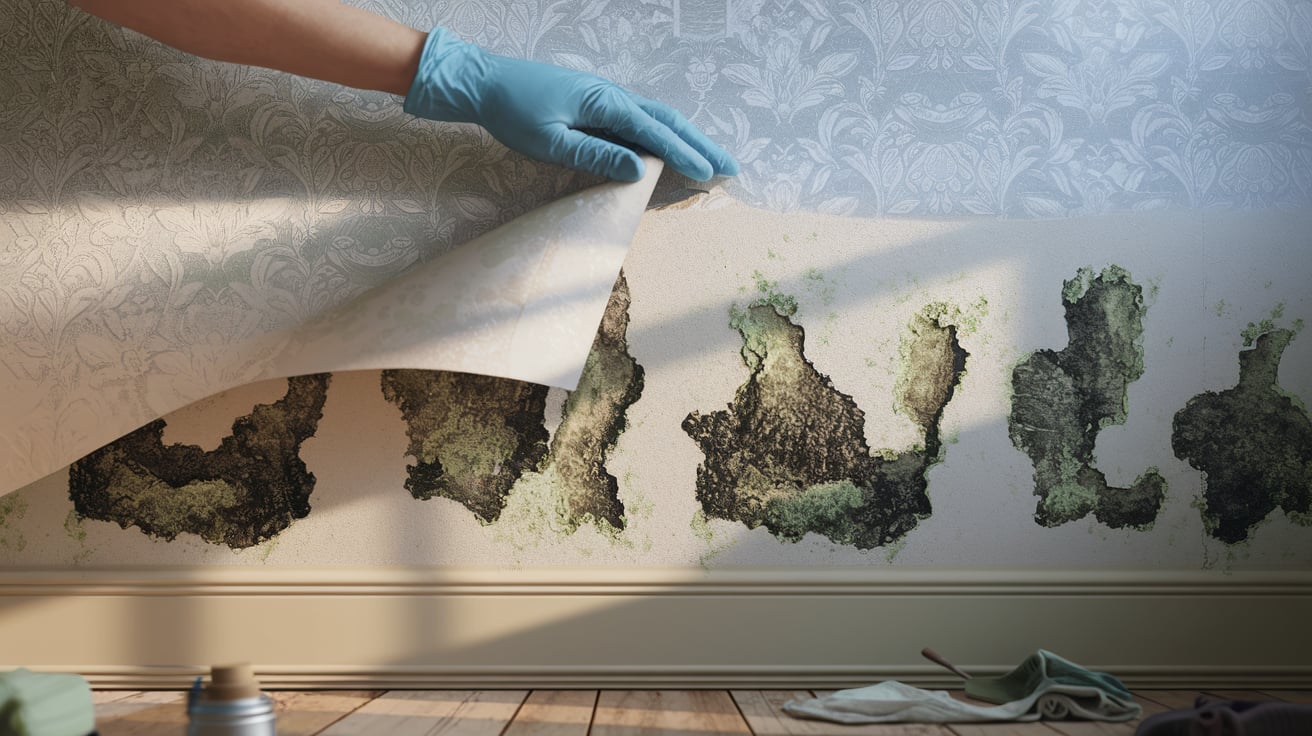
There are few things more disheartening for a homeowner than spotting that tell-tale discoloration or strange texture on what should be a perfectly painted wall. If you've ever wondered, "Could that be mold behind paint?", you're already on the right track. This hidden menace is not just an aesthetic issue; it's a serious indicator of moisture problems lurking within your home's structure.
Don't panic! We're going to walk through exactly what causes this issue, how to spot it before it gets worse, and the best steps you can take for safe and effective removal. Understanding this problem is the first step toward a healthier, safer home.
What Causes Mold Behind Paint to Flourish?
Mold spores are everywhere, floating harmlessly through the air. However, they only become a problem when they find the perfect environment to settle down and multiply. For mold to thrive, it needs three things: food, darkness, and most crucially, moisture.
When discussing mold behind paint, the paint itself often acts as the food source (especially latex paints), and the wall cavity provides the darkness. Therefore, the key variable is always excess moisture infiltrating the wall structure.
Identifying the Source of Wall Moisture
Pinpointing the exact source of moisture is essential because merely treating the visible mold without addressing the underlying water issue guarantees recurrence. Think of the mold as the symptom, not the disease. What is allowing water to seep into your walls?
Common culprits are generally categorized into internal issues and external leaks. Ignoring these leaks means the mold will simply come back, even if you repaint the affected area.
- Plumbing Leaks: Slow, hidden leaks in pipes running through interior walls are silent killers, providing a constant water supply for hidden mold colonies.
- High Humidity/Condensation: Poor ventilation, especially in bathrooms, kitchens, and basements, leads to chronic condensation which dampens the drywall from the inside out.
- Roof or Exterior Wall Leaks: Damaged flashing, cracked siding, or leaky window seals allow rainwater to wick directly into the wall cavity.
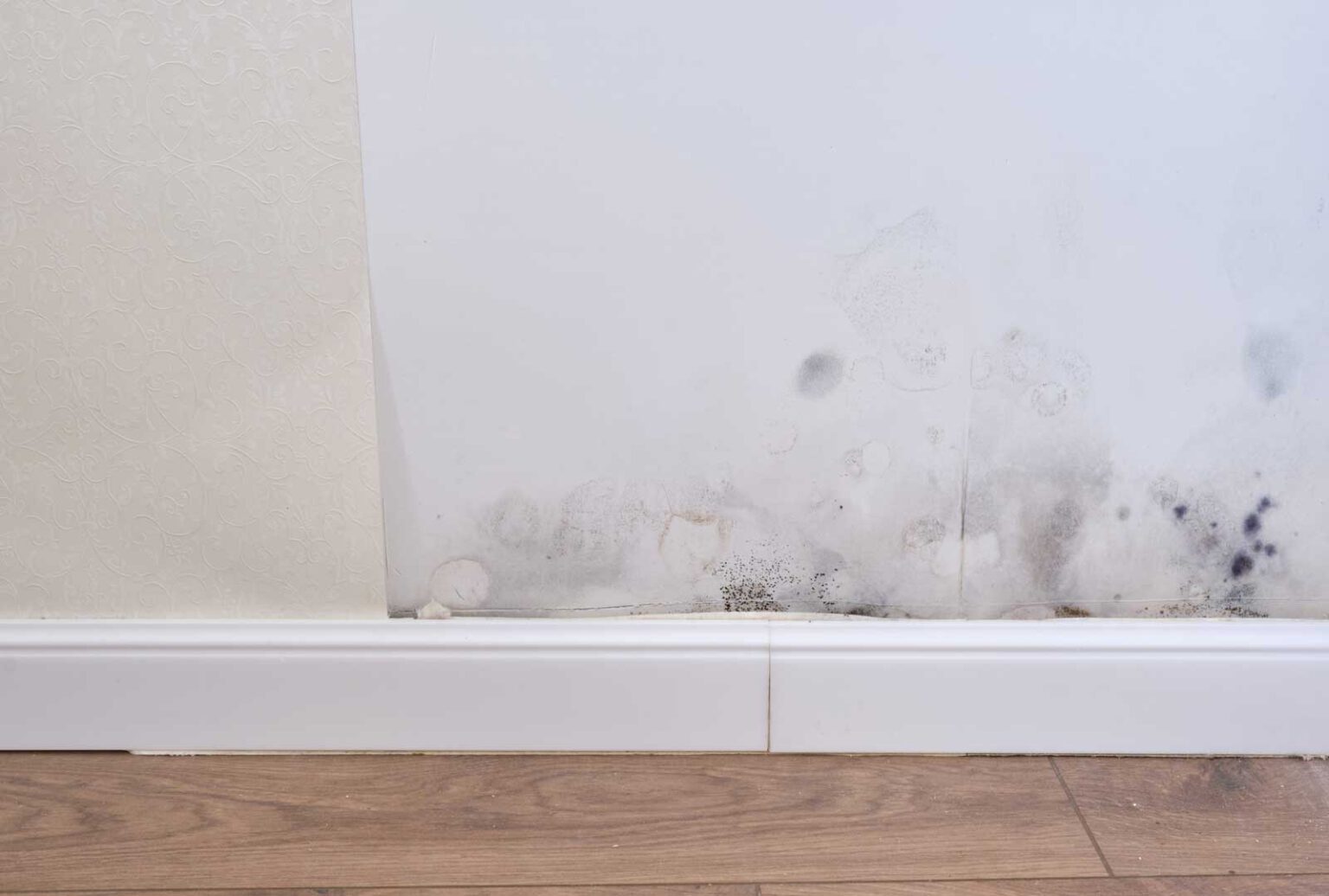
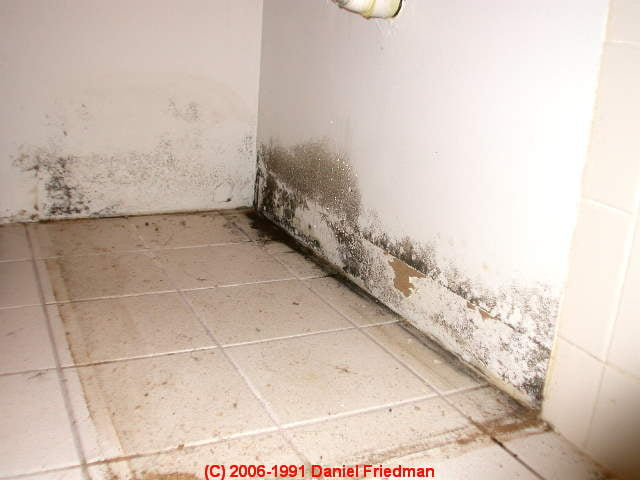
- Poor Drainage: Water pooling near the foundation can seep up into the lower walls and drywall via capillary action, starting mold growth near the baseboards.
The Telltale Signs: How to Spot Mold Behind Paint
Since the mold is often hidden beneath layers of paint and drywall, you usually can't see the entire colony right away. Instead, you need to look for subtle indicators that suggest hidden activity. Learning these signs can save you a huge remediation headache later.
If you suspect an issue, pay close attention to areas that consistently hold moisture or are located near potential leak points in the structure.
Visual and Textural Clues on Your Walls
If the mold is extensive enough, it will start pushing through the paint, causing visible defects. Look closely at areas near water sources, windows, or exterior walls, as these are hot spots for moisture intrusion.
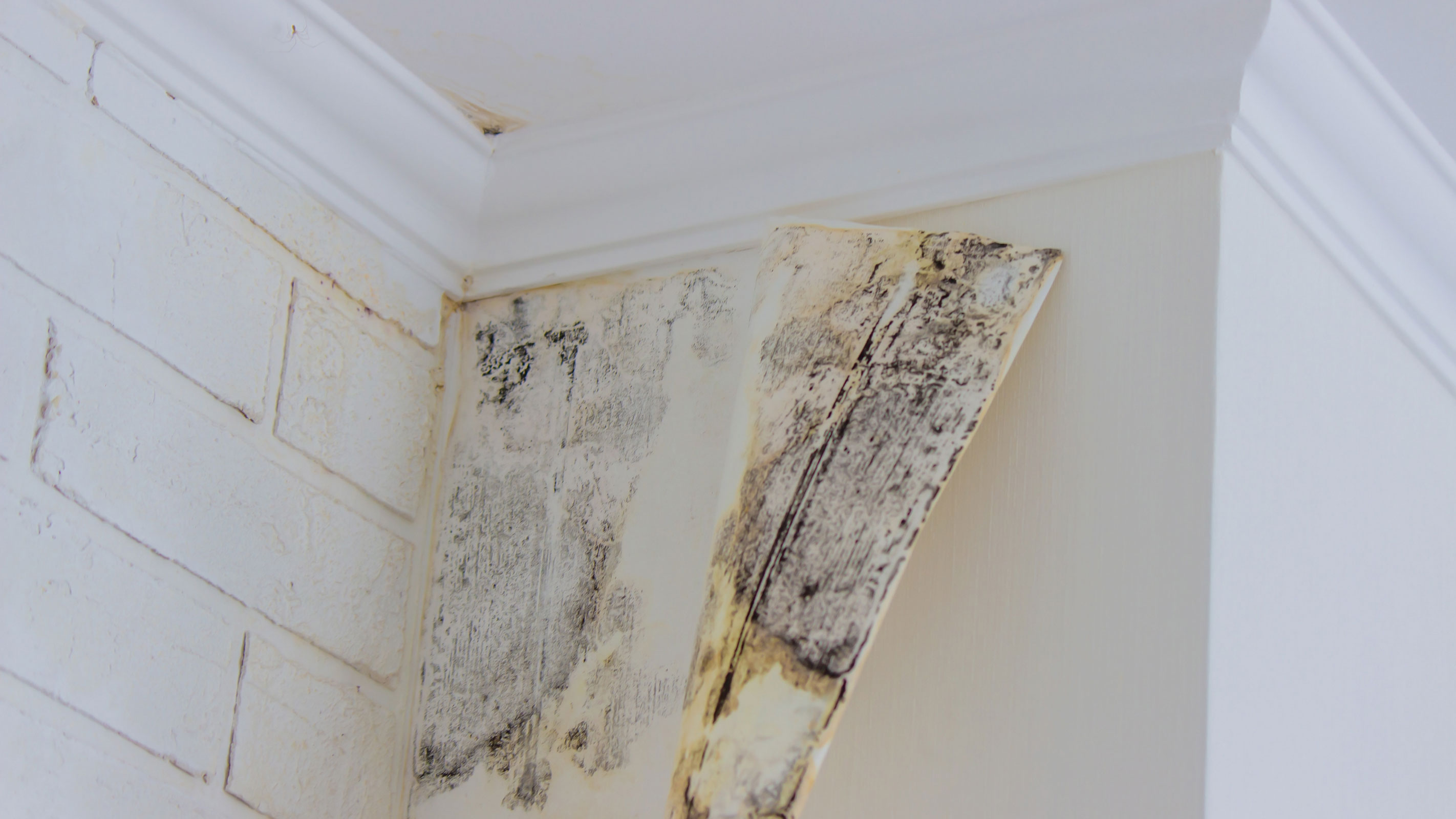
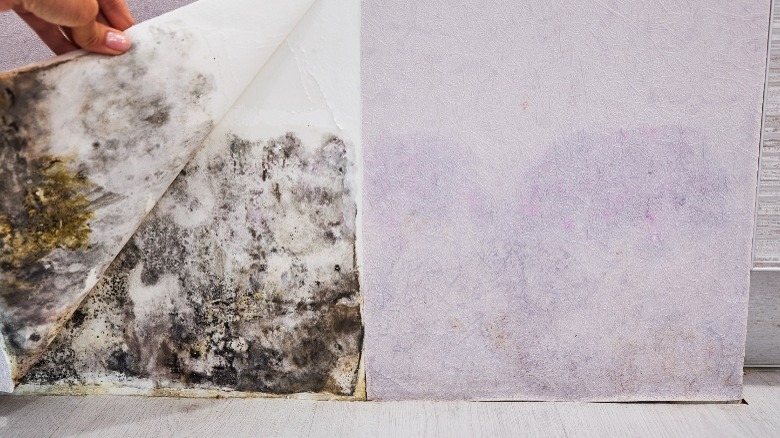
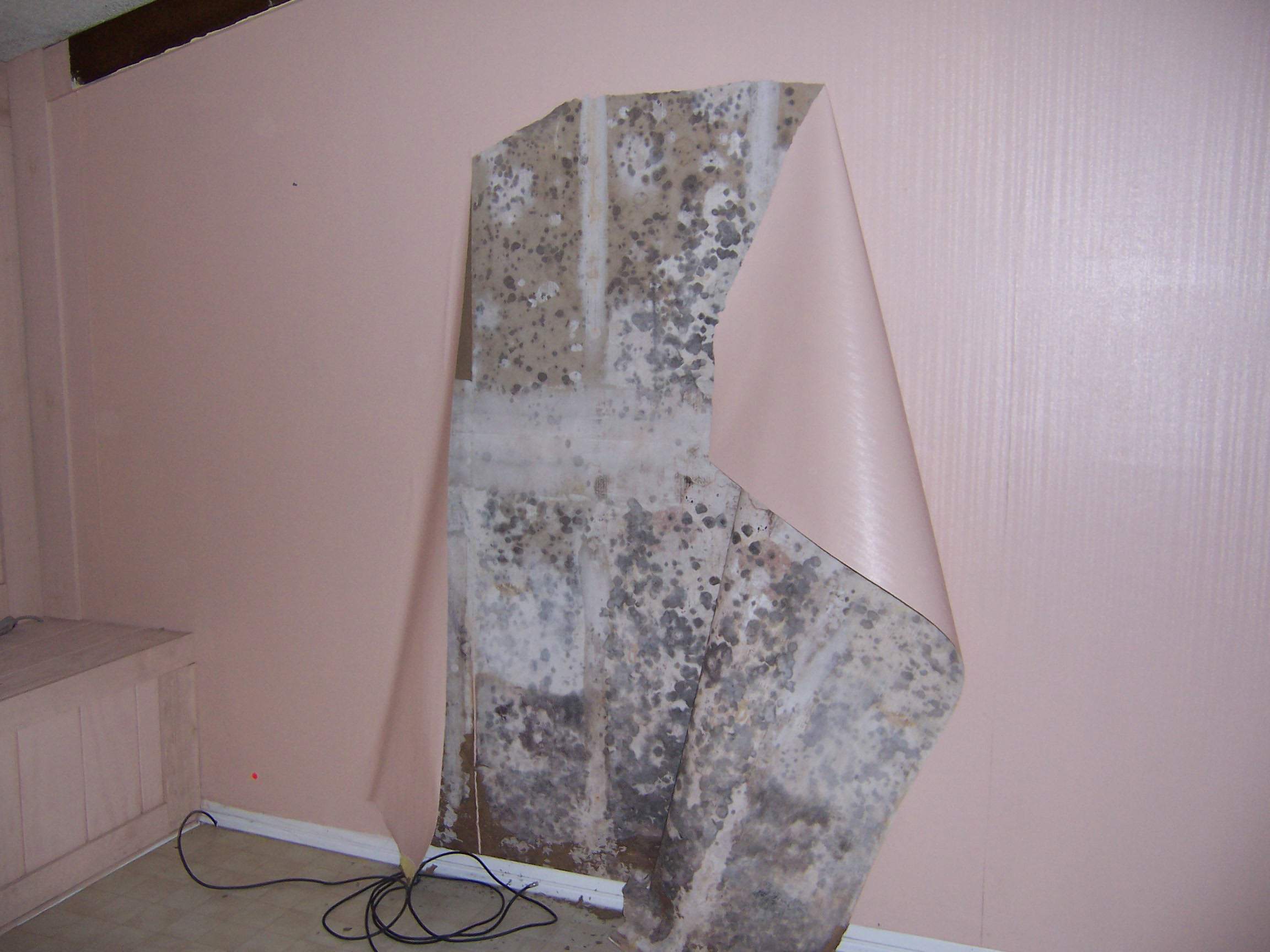
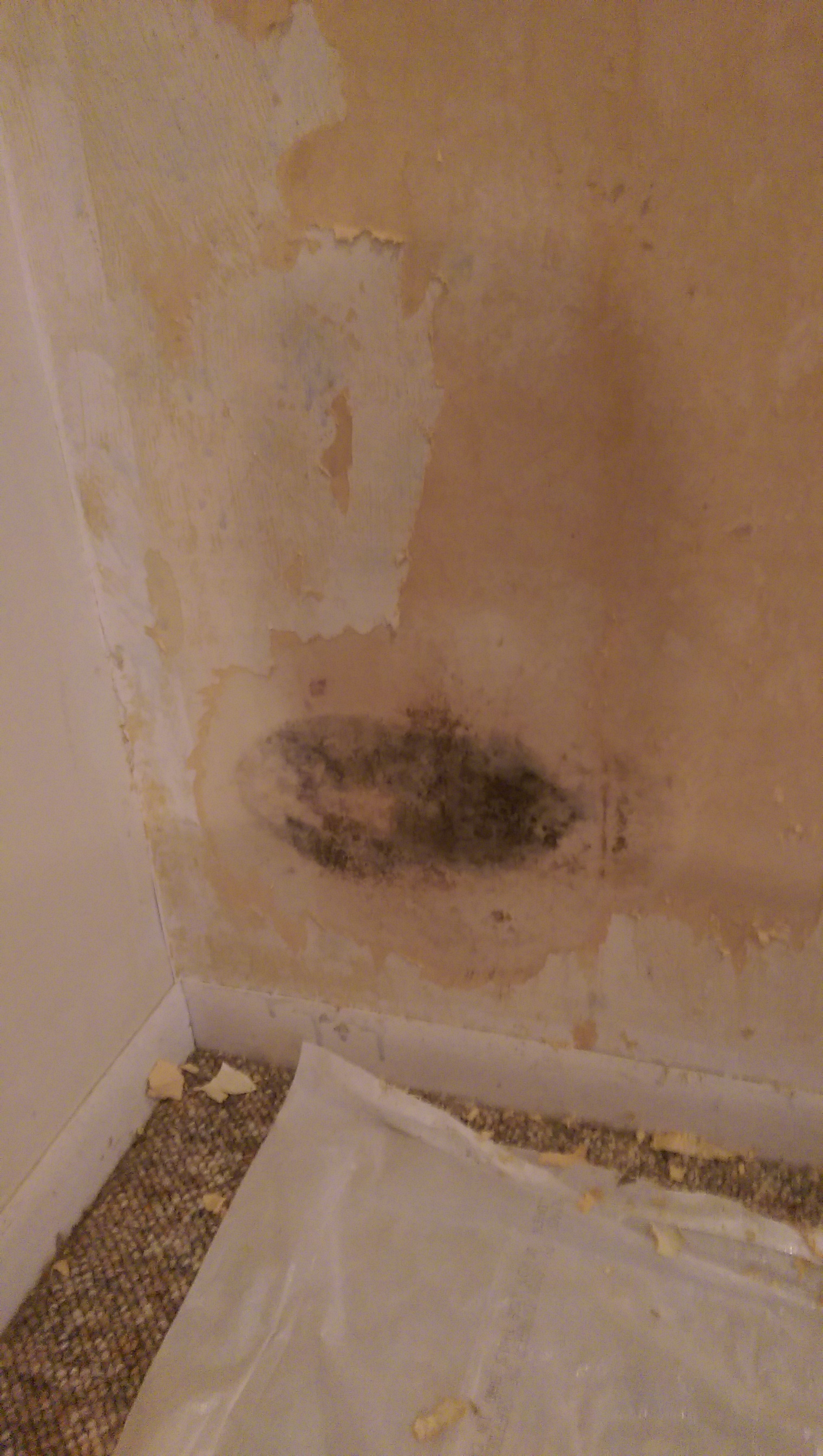
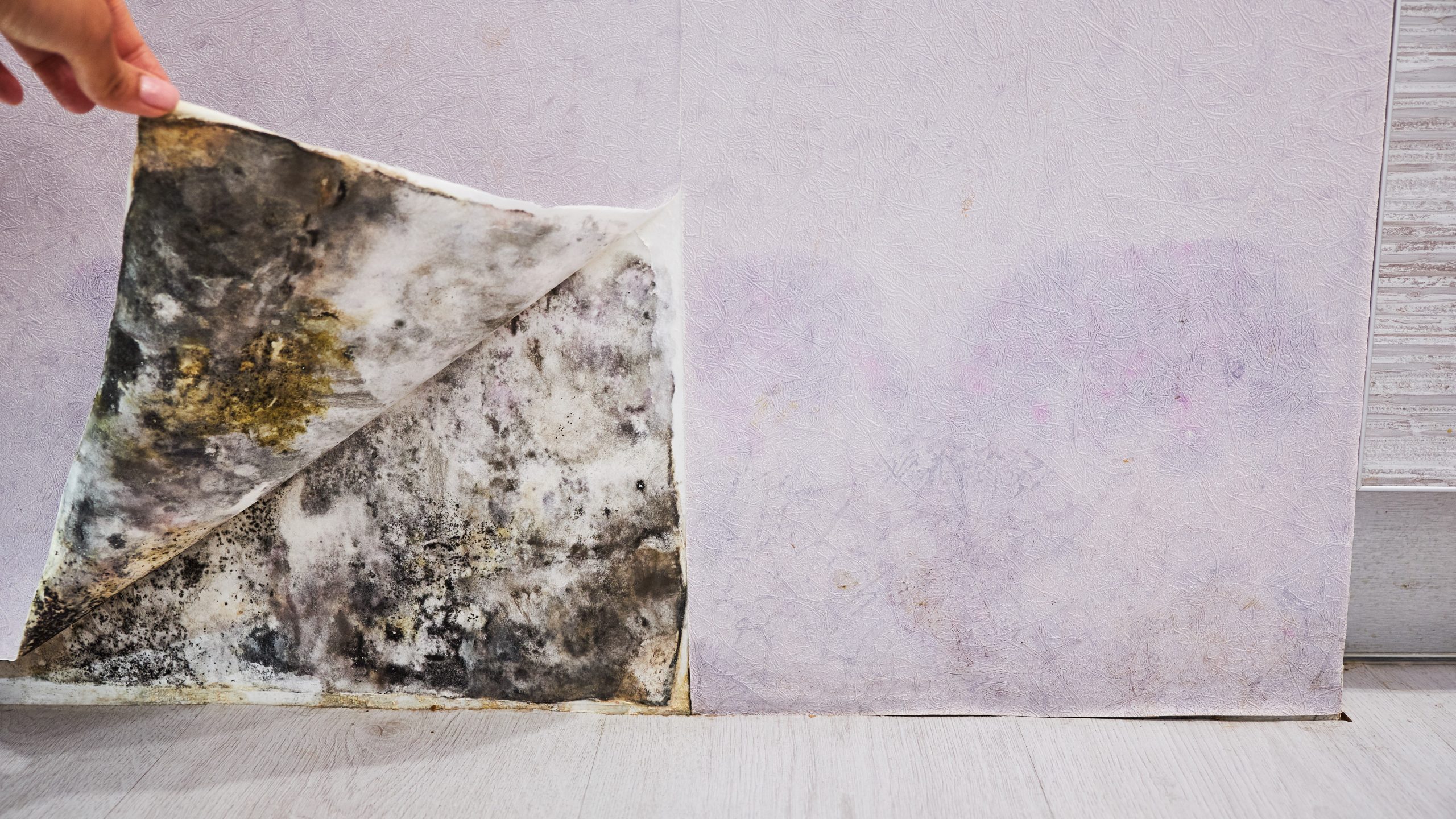
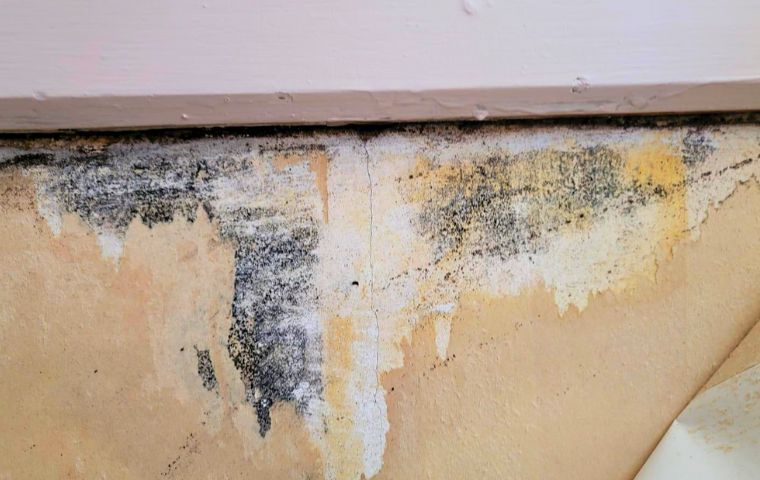
- Peeling or Bubbling Paint: Mold growth creates both moisture and pressure beneath the surface, causing the paint to blister, bubble, or peel away from the wall substrate.
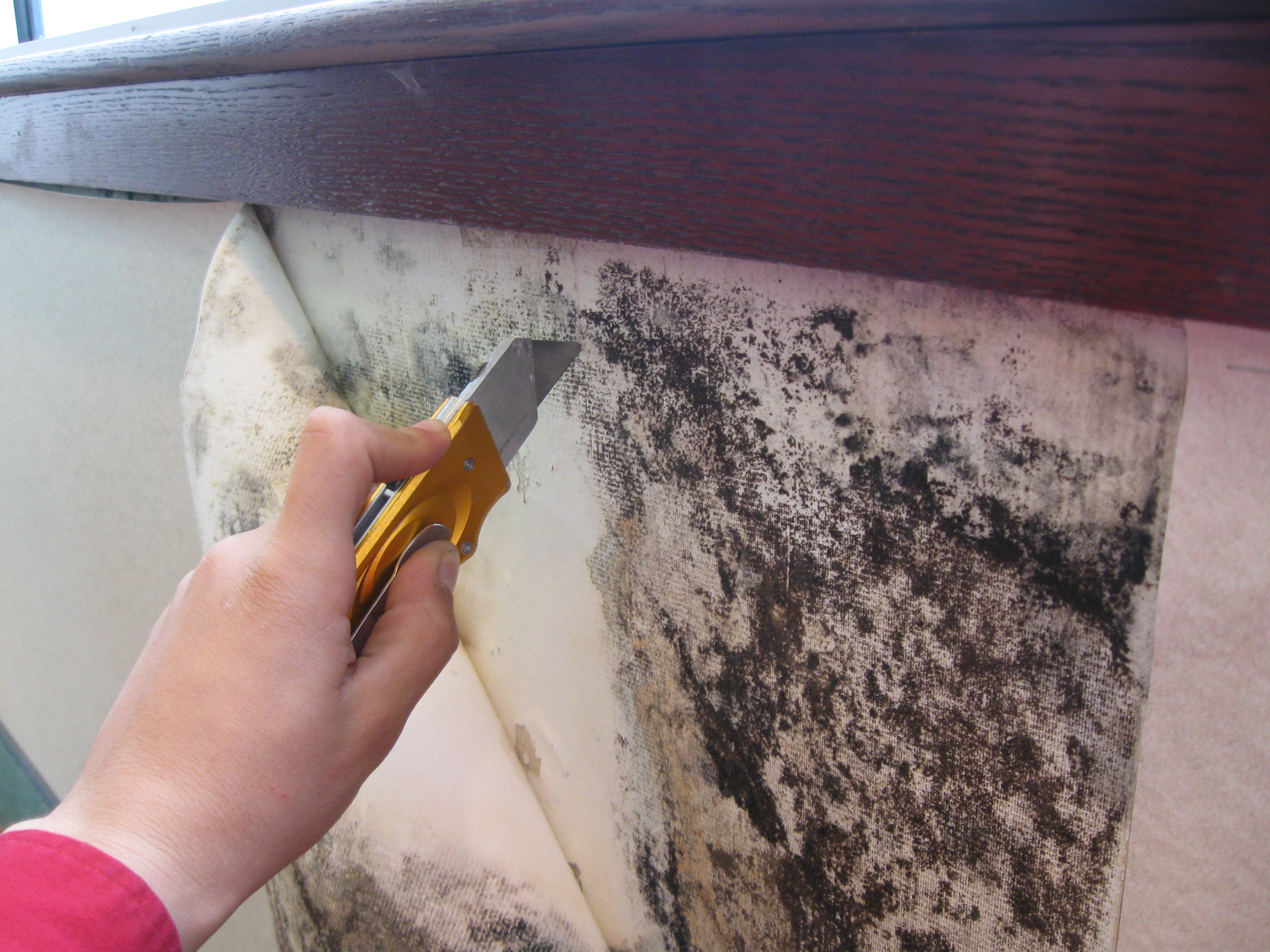
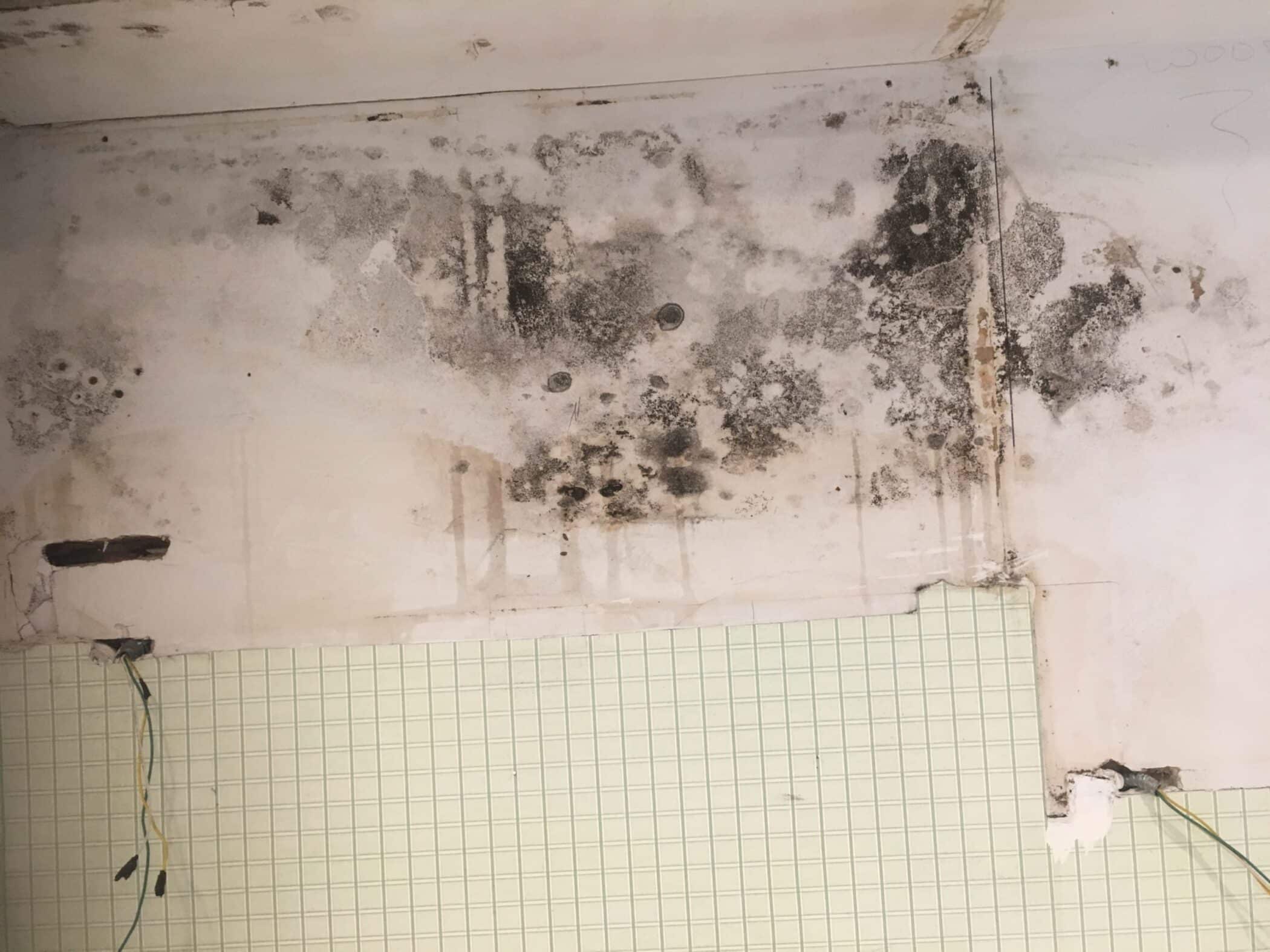
- Discoloration: Even if you don't see the classic fuzzy black mold, look for strange gray, brown, or green stains or speckles on the wall surface.
- Wall Surface Deterioration: Drywall that feels spongy, damp, or crumbly when touched is likely compromised by prolonged moisture and internal mold activity.
Don't Forget Your Nose: Olfactory Warning Signs
Often, the first sign of hidden mold is a persistent, unmistakable odor that permeates the room. Mold emits microbial volatile organic compounds (MVOCs) as it feeds and grows deep within the wall cavity.
If you notice a strong, musty, earthy, or generally damp smell that intensifies near a specific wall or area, chances are high that you have mold behind paint or drywall. This smell won't go away with air fresheners; you need to investigate and find the source of the dampness.
Why Ignoring Mold Behind Paint Is a Bad Idea
Some homeowners might be tempted to just scrape the area, bleach it, and repaint, thinking they have solved the problem. Unfortunately, when mold is growing behind the paint, it means the issue is structural and deep-seated.
Ignoring this subsurface growth has significant consequences for both the longevity of your property and the well-being of its inhabitants. It's a risk not worth taking.
Health Risks Associated with Hidden Mold
Even if the mold is hidden, its spores and fragments are continually released into the air, negatively impacting indoor air quality. Exposure affects people differently, but sensitive individuals can suffer severe reactions.
Common symptoms include chronic respiratory issues, recurrent asthma attacks, persistent sneezing, coughing, itchy eyes, and skin irritation. Children, the elderly, and those with compromised immune systems are particularly vulnerable to these airborne toxins.
Structural Integrity and Repair Costs
Mold feeds on organic materials like drywall paper, wood framing, and insulation. Over time, this feeding process breaks down these materials, which can severely weaken your home's structure.
What starts as a small spot of mold behind paint can quickly turn into a massive remediation project requiring replacement of entire wall sections, compromised insulation, and even structural wood components, resulting in costly repairs.
Removing Mold Behind Paint: Safe Steps to Take
Before any removal takes place, you must absolutely fix the underlying moisture source. If you skip this step, the mold will simply regrow within weeks or months, completely undermining your cleanup efforts.
Remediation requires caution because disturbing mold releases millions of spores into the air, potentially spreading the contamination. Proper containment and personal protective equipment (PPE) are therefore non-negotiable elements of the cleanup process.
Containment and Personal Protective Equipment (PPE)
Always assume that the mold you uncover is toxic or allergenic and protect your lungs, eyes, and skin throughout the remediation process. Safety first is the golden rule here.
Your PPE checklist should include: N-95 or P-100 respirators, disposable gloves, and full eye protection. Remember to seal off the work area using plastic sheeting and duct tape to prevent spore spread to uncontaminated parts of the house.
When to Call the Pros: DIY vs. Professional Remediation
For very small, superficial patches of mold (less than 10 square feet), careful DIY removal might be feasible. This involves cutting out and safely bagging all affected drywall and insulation.
However, if the mold is extensive, covers a large area, or if you suspect it has spread deep into the structural wood framing, calling a certified mold remediation specialist is the safest choice. They have the training and specialized equipment to handle complex removal and ensure complete structural drying and post-remediation clearance testing.
Conclusion: Taking Control of Mold Behind Paint
Finding mold behind paint is certainly unsettling, but it is a manageable problem when approached correctly and systematically. The most critical takeaway is this: moisture is the root cause, and remediation must start by completely eliminating that water source.
By learning the subtle signs, taking the necessary safety precautions, and knowing when to call a professional, you can effectively eliminate this unwelcome houseguest and restore the health and integrity of your home. Don't cover it up—diagnose it, dry it out, and cut it out!
Frequently Asked Questions About Mold Behind Paint
- Can mold behind paint make me sick?
- Yes. Hidden mold releases spores and toxins (mycotoxins) into the air. Inhaling these can cause allergic reactions, respiratory irritation, and worsen asthma symptoms, especially in sensitive individuals.
- Does bleaching the wall kill mold behind paint?
- Bleach is generally ineffective on porous materials like drywall or wood, as it only kills surface mold. The water content in the bleach solution can actually feed the deeper mold roots. You must physically remove the affected material rather than just trying to kill it chemically.
- How fast does mold spread behind the wall?
- If conditions are ideal (high humidity and food source), mold can begin growing within 24 to 48 hours. Once established, a colony can spread rapidly across a wet surface, making early intervention critical to limiting damage.
- Should I test for black mold?
- While visual identification or professional testing can confirm the type of mold, most experts advise against spending money on testing initially. If you see or smell mold, treat it as dangerous and proceed with removal immediately, regardless of the specific species found.
Mold Behind Paint
Mold Behind Paint Wallpapers
Collection of mold behind paint wallpapers for your desktop and mobile devices.
Captivating Mold Behind Paint Image Concept
Find inspiration with this unique mold behind paint illustration, crafted to provide a fresh look for your background.

Captivating Mold Behind Paint Landscape in 4K
A captivating mold behind paint scene that brings tranquility and beauty to any device.
Lush Mold Behind Paint Image Art
This gorgeous mold behind paint photo offers a breathtaking view, making it a perfect choice for your next wallpaper.
High-Quality Mold Behind Paint Picture for Mobile
Transform your screen with this vivid mold behind paint artwork, a true masterpiece of digital design.
Serene Mold Behind Paint Scene for Desktop
Transform your screen with this vivid mold behind paint artwork, a true masterpiece of digital design.

Beautiful Mold Behind Paint Scene Nature
Discover an amazing mold behind paint background image, ideal for personalizing your devices with vibrant colors and intricate designs.
Breathtaking Mold Behind Paint Background for Mobile
Explore this high-quality mold behind paint image, perfect for enhancing your desktop or mobile wallpaper.

Exquisite Mold Behind Paint Artwork in 4K
This gorgeous mold behind paint photo offers a breathtaking view, making it a perfect choice for your next wallpaper.

Stunning Mold Behind Paint Design in 4K
A captivating mold behind paint scene that brings tranquility and beauty to any device.
Breathtaking Mold Behind Paint Landscape Photography
Experience the crisp clarity of this stunning mold behind paint image, available in high resolution for all your screens.

Vibrant Mold Behind Paint Abstract Photography
Explore this high-quality mold behind paint image, perfect for enhancing your desktop or mobile wallpaper.

Detailed Mold Behind Paint Capture Photography
Experience the crisp clarity of this stunning mold behind paint image, available in high resolution for all your screens.
Crisp Mold Behind Paint Abstract Collection
A captivating mold behind paint scene that brings tranquility and beauty to any device.
Amazing Mold Behind Paint Background in 4K
Transform your screen with this vivid mold behind paint artwork, a true masterpiece of digital design.
Detailed Mold Behind Paint Capture Collection
Transform your screen with this vivid mold behind paint artwork, a true masterpiece of digital design.
Gorgeous Mold Behind Paint Moment in HD
Find inspiration with this unique mold behind paint illustration, crafted to provide a fresh look for your background.
Exquisite Mold Behind Paint Scene in 4K
Immerse yourself in the stunning details of this beautiful mold behind paint wallpaper, designed for a captivating visual experience.

Lush Mold Behind Paint View Nature
Immerse yourself in the stunning details of this beautiful mold behind paint wallpaper, designed for a captivating visual experience.

Exquisite Mold Behind Paint Design for Mobile
A captivating mold behind paint scene that brings tranquility and beauty to any device.
Gorgeous Mold Behind Paint Moment for Desktop
Immerse yourself in the stunning details of this beautiful mold behind paint wallpaper, designed for a captivating visual experience.
Download these mold behind paint wallpapers for free and use them on your desktop or mobile devices.