Hunter syndrome: Boy with rare condition amazes doctors after world-first gene therapy
Defying the Odds: The Boy with Hunter Syndrome Who Amazes Doctors After World-First Gene Therapy Success
The medical world is buzzing with extraordinary news surrounding a young patient suffering from one of the rarest genetic disorders. The story of this boy, diagnosed with Hunter syndrome (MPS II), provides a staggering testament to the promise of cutting-edge biotechnology.
Specifically, the success achieved after he underwent a world-first, investigational gene therapy has fundamentally shifted the outlook for this devastating condition. The results are not just encouraging; they have genuinely allowed the boy to defy expectations, leading experts to declare the trial an unprecedented breakthrough.
This article dives deep into the science, the patient's journey, and what this victory means for the thousands of families globally awaiting a cure.
The Silent Struggle: Understanding Hunter Syndrome (MPS II)
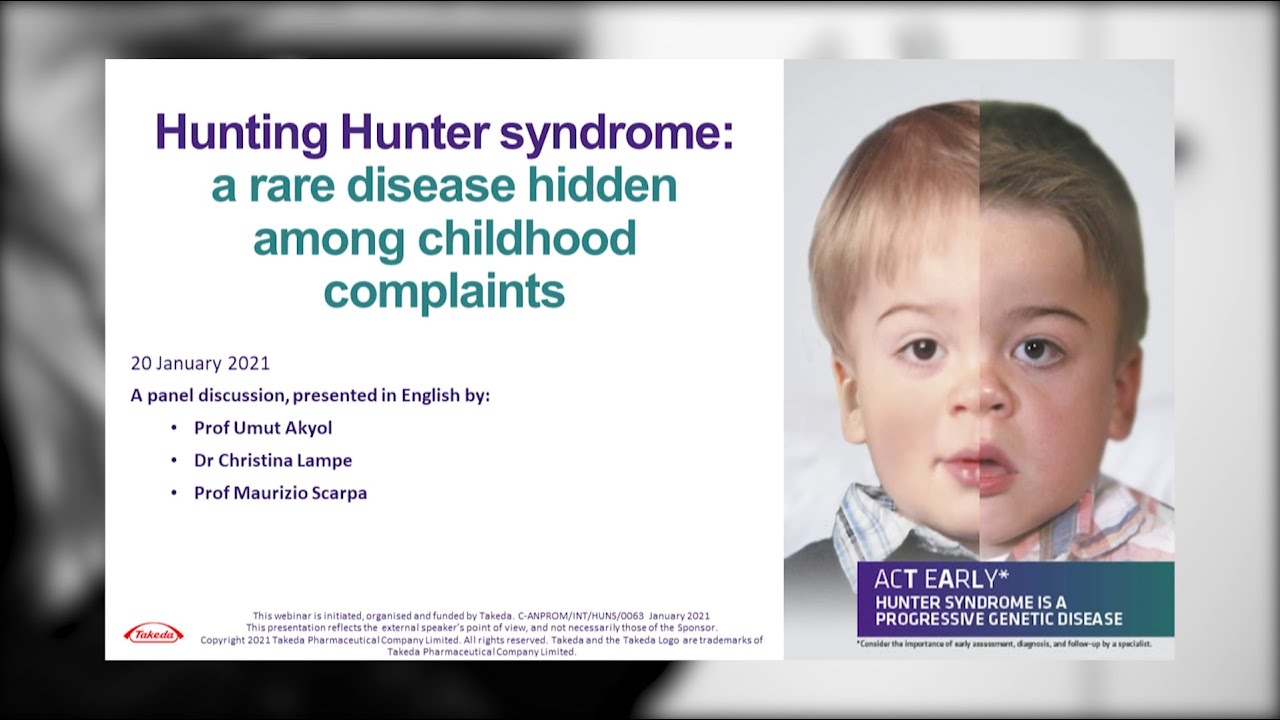
Hunter syndrome, or Mucopolysaccharidosis Type II (MPS II), is a severe, life-limiting genetic disorder that primarily affects boys. It is characterized by the body's inability to break down specific complex sugars called glycosaminoglycans (GAGs).
Because these GAGs accumulate in cells, organs, and tissues, they cause progressive damage throughout the body, including the skeletal system, respiratory system, and—crucially—the central nervous system (CNS).
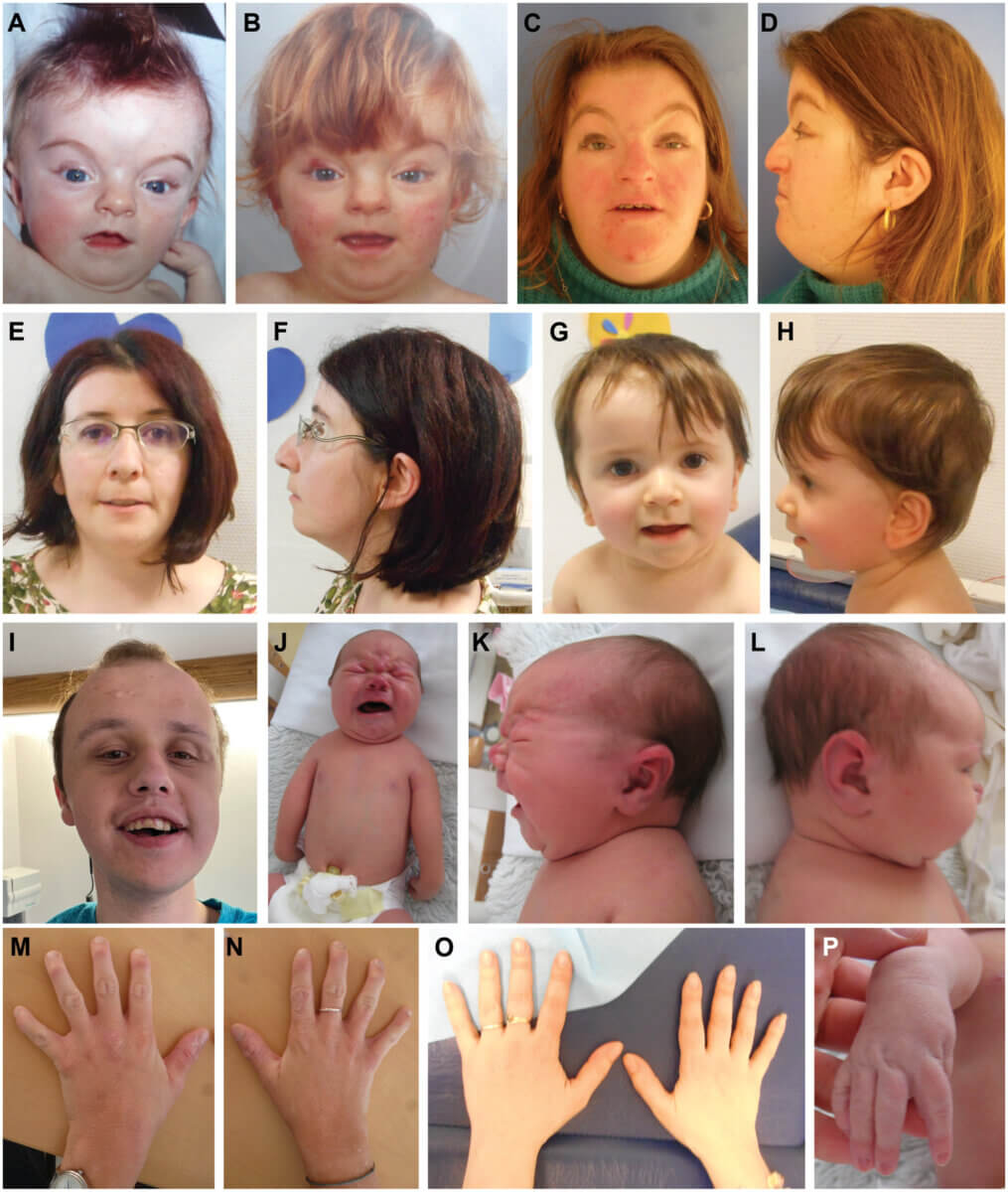
This accumulation leads to a range of debilitating symptoms, often including coarsening facial features, joint stiffness, enlarged organs (hepatosplenomegaly), and significant cognitive decline in the most severe forms.
The Underlying Cause: Deficiency of Iduronate-2-Sulfatase
The root cause of Hunter syndrome is a defect in the IDS gene, which is responsible for producing the essential enzyme Iduronate-2-Sulfatase. Without this functional enzyme, the body cannot process the accumulating GAGs. While Enzyme Replacement Therapy (ERT) exists, it is an ongoing and invasive treatment that often struggles to cross the critical blood-brain barrier to treat neurological damage.
This failure to address CNS involvement is why the condition remains so challenging and why the success of this new therapy is so pivotal. This gene therapy specifically targeted the systemic and neurological aspects of the disease simultaneously.
For more detailed medical information on the pathology of MPS II, consult authoritative sources. (External Link: NIH Genetic Home Reference)
The Breakthrough: Details of the World-First Gene Therapy
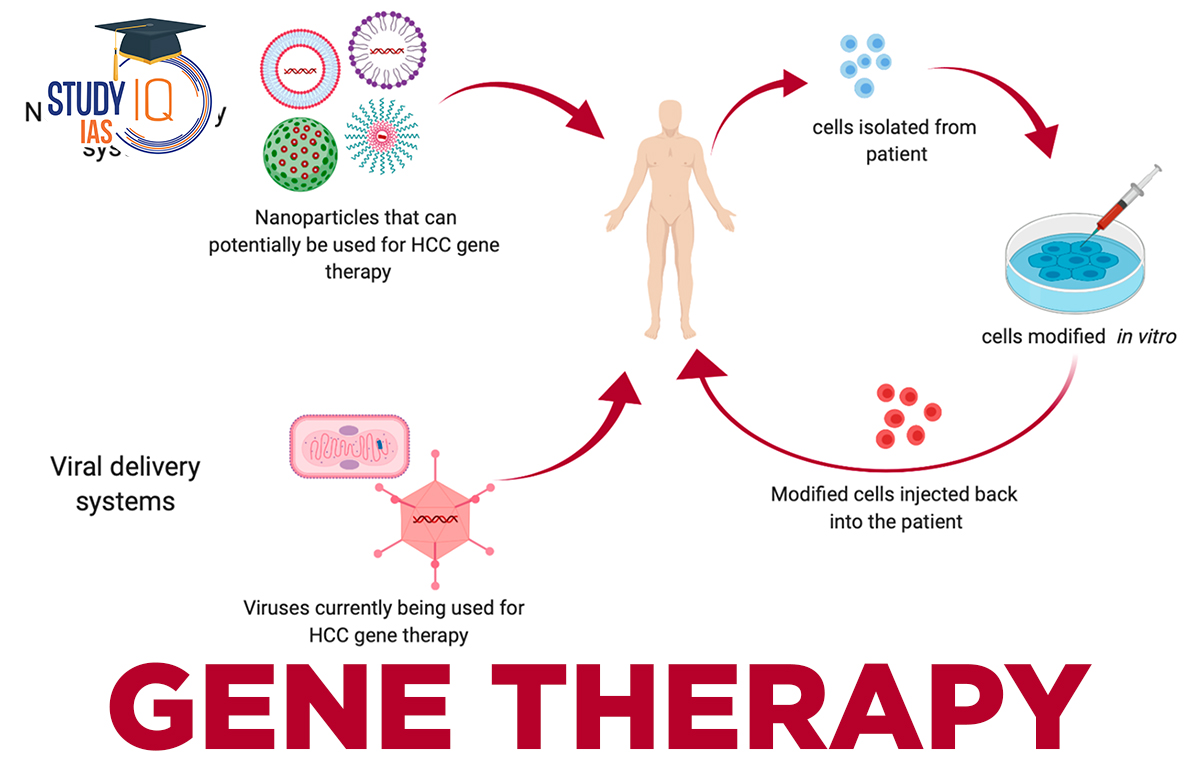
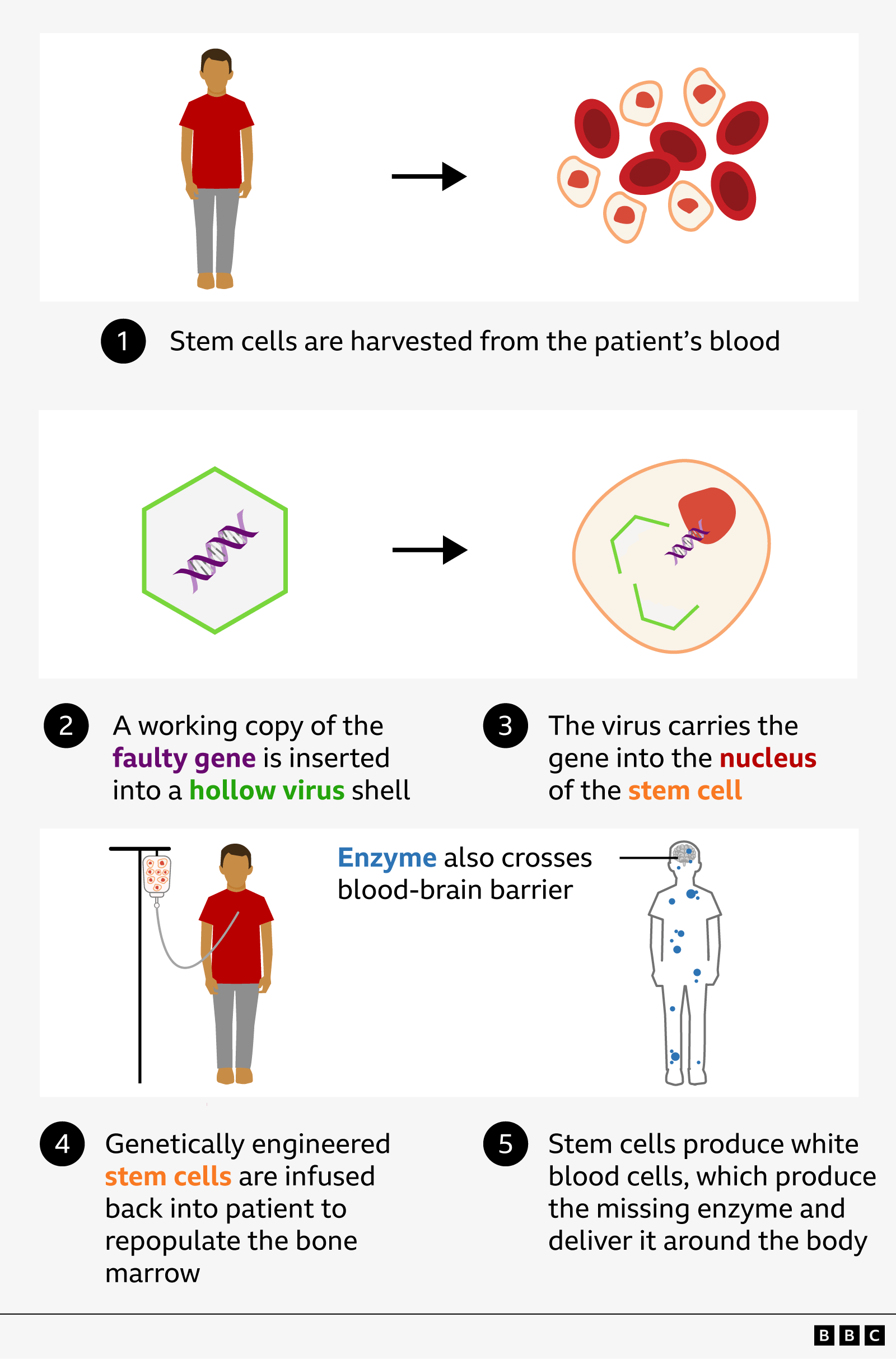
The procedure that delivered success for the boy with Hunter syndrome centered on an advanced form of AAV (Adeno-Associated Virus) vector delivery. This therapy aimed to introduce a functional copy of the IDS gene directly into the patient's cells.
Unlike traditional treatments, this therapy required only a single infusion, offering the potential for a permanent, one-time fix. The goal was for the corrected genes to start producing the missing Iduronate-2-Sulfatase enzyme.
How the Therapy Works: AAV Vectors and Enzyme Delivery
The key innovation lies in the delivery mechanism. Researchers utilized a specially engineered AAV vector, which acts as a harmless vehicle. This vehicle was injected intravenously and designed to target the liver and, critically, cross the blood-brain barrier—a feat traditional enzyme replacement therapy rarely accomplishes effectively.
Once delivered, the new gene copy integrates itself into the cells, turning them into micro-factories that continuously produce the necessary enzyme. This continuous, systemic production allows the GAGs to be cleared, halting or even reversing the progressive damage.
This method represents a significant shift in treating storage disorders like Hunter syndrome, moving from palliative maintenance to functional correction.
[Baca Juga: Understanding AAV Vector Technology in Gene Therapy]
Astonishing Results: Why Doctors Are Amazed
The term "amazed" is used by doctors because the boy's response far exceeded the most optimistic projections for the world-first treatment. Within months of the infusion, significant biochemical and clinical markers showed dramatic improvement.
Biochemically, the patient demonstrated a marked reduction in GAG levels in both urine and cerebrospinal fluid (CSF). The latter is crucial, confirming that the therapy successfully crossed the blood-brain barrier and was active in the CNS, addressing the neurological component of Hunter syndrome.
Clinically, parents and physicians observed improvements in mobility, reduction in organ size, and, most importantly, stabilization or even mild improvement in developmental milestones, which typically decline rapidly in untreated patients.
Quantitative Measures of Success
The following table summarizes the key areas of improvement observed in the young patient compared to the natural progression of severe Hunter syndrome.
| Metric | Typical MPS II Progression (Untreated) | Post-Gene Therapy Observation |
|---|---|---|
| Urinary GAG Levels | High (Progressive accumulation) | Normalized or Near-Normalized (Sustained clearance) |
| Cognitive Function | Rapid decline | Stabilization; evidence of halting CNS progression |
| Hepatomegaly (Liver Size) | Progressive enlargement | Significant reduction in size |
Implications and the Road Ahead
The success of this world-first gene therapy for the boy with Hunter syndrome marks a monumental leap not only for MPS II patients but for the entire field of rare disease therapeutics. It confirms the potential of in vivo gene therapy to correct systemic enzyme deficiencies permanently.
This achievement validates decades of research into AAV vectors and their application in crossing challenging physiological barriers like the blood-brain barrier. The early data suggests that this could be a curative approach, rather than just a chronic management solution.
Expanding Access and Future Trials
While this is incredible news, experts caution that this success stems from an early-stage clinical trial. The long-term safety and efficacy still need rigorous evaluation in larger patient cohorts.
However, the positive outcome is expected to accelerate regulatory approval processes and funding for expanded trials, potentially reaching more children afflicted by this cruel disease sooner. It also paves the way for similar genetic correction strategies targeting other lysosomal storage disorders.
The medical community is actively sharing data and methodology to ensure ethical and safe expansion of these world-first procedures. (External Link: Relevant Clinical Study/Journal)
[Baca Juga: Advances in Treating Other Lysosomal Storage Disorders]
Conclusion
The boy with Hunter syndrome who amazed doctors after receiving the world-first gene therapy is more than a single success story; he is a beacon of hope. His progress underscores a paradigm shift in genetic medicine, demonstrating that complex, multi-system rare disorders can be effectively managed and potentially cured through precise genetic intervention. While caution remains necessary, this achievement is a clear signal that the future of medicine is fundamentally changing, offering life-altering opportunities to those previously facing terminal prognoses.
Frequently Asked Questions (FAQ) about Hunter Syndrome and Gene Therapy
- What is the typical life expectancy for someone with severe Hunter syndrome?
In the most severe forms, especially those involving the CNS, life expectancy is often limited, typically not extending beyond the teenage years without treatment. Management focuses on managing symptoms and slowing disease progression.
- Is this gene therapy approved for all Hunter syndrome patients?
No. This therapy is currently considered investigational and is only available through controlled clinical trials. Regulatory bodies like the FDA or EMA have not yet granted widespread approval, but successful trials significantly move it closer to commercial availability.
- How is this "world-first" therapy different from standard Enzyme Replacement Therapy (ERT)?
ERT requires lifelong, regular infusions of the missing enzyme, and it is often ineffective at reaching the brain. The gene therapy is designed as a single-dose treatment that enables the patient's own body (specifically the liver cells) to continuously produce the enzyme, effectively crossing the blood-brain barrier to treat both physical and neurological symptoms.
- Are there risks associated with AAV vector gene therapy?
Yes. As with any gene therapy, potential risks include immune responses to the viral vector, unwanted integration of the gene, and potential long-term side effects related to sustained high enzyme production. However, AAV vectors are generally considered safer compared to retroviral vectors.
Hunter syndrome: Boy with rare condition amazes doctors after world-first gene therapy
Hunter syndrome: Boy with rare condition amazes doctors after world-first gene therapy Wallpapers
Collection of hunter syndrome: boy with rare condition amazes doctors after world-first gene therapy wallpapers for your desktop and mobile devices.

Crisp Hunter Syndrome: Boy With Rare Condition Amazes Doctors After World-first Gene Therapy Capture Digital Art
This gorgeous hunter syndrome: boy with rare condition amazes doctors after world-first gene therapy photo offers a breathtaking view, making it a perfect choice for your next wallpaper.

Crisp Hunter Syndrome: Boy With Rare Condition Amazes Doctors After World-first Gene Therapy View for Mobile
Find inspiration with this unique hunter syndrome: boy with rare condition amazes doctors after world-first gene therapy illustration, crafted to provide a fresh look for your background.

Exquisite Hunter Syndrome: Boy With Rare Condition Amazes Doctors After World-first Gene Therapy Scene Art
A captivating hunter syndrome: boy with rare condition amazes doctors after world-first gene therapy scene that brings tranquility and beauty to any device.
Captivating Hunter Syndrome: Boy With Rare Condition Amazes Doctors After World-first Gene Therapy Background Digital Art
Find inspiration with this unique hunter syndrome: boy with rare condition amazes doctors after world-first gene therapy illustration, crafted to provide a fresh look for your background.

Detailed Hunter Syndrome: Boy With Rare Condition Amazes Doctors After World-first Gene Therapy Background for Mobile
Experience the crisp clarity of this stunning hunter syndrome: boy with rare condition amazes doctors after world-first gene therapy image, available in high resolution for all your screens.
Mesmerizing Hunter Syndrome: Boy With Rare Condition Amazes Doctors After World-first Gene Therapy View Photography
Experience the crisp clarity of this stunning hunter syndrome: boy with rare condition amazes doctors after world-first gene therapy image, available in high resolution for all your screens.

Stunning Hunter Syndrome: Boy With Rare Condition Amazes Doctors After World-first Gene Therapy Moment Photography
Find inspiration with this unique hunter syndrome: boy with rare condition amazes doctors after world-first gene therapy illustration, crafted to provide a fresh look for your background.

Crisp Hunter Syndrome: Boy With Rare Condition Amazes Doctors After World-first Gene Therapy Scene Art
Immerse yourself in the stunning details of this beautiful hunter syndrome: boy with rare condition amazes doctors after world-first gene therapy wallpaper, designed for a captivating visual experience.

Amazing Hunter Syndrome: Boy With Rare Condition Amazes Doctors After World-first Gene Therapy Image Digital Art
Experience the crisp clarity of this stunning hunter syndrome: boy with rare condition amazes doctors after world-first gene therapy image, available in high resolution for all your screens.

Gorgeous Hunter Syndrome: Boy With Rare Condition Amazes Doctors After World-first Gene Therapy Capture in 4K
A captivating hunter syndrome: boy with rare condition amazes doctors after world-first gene therapy scene that brings tranquility and beauty to any device.
Serene Hunter Syndrome: Boy With Rare Condition Amazes Doctors After World-first Gene Therapy Capture Photography
Discover an amazing hunter syndrome: boy with rare condition amazes doctors after world-first gene therapy background image, ideal for personalizing your devices with vibrant colors and intricate designs.

Breathtaking Hunter Syndrome: Boy With Rare Condition Amazes Doctors After World-first Gene Therapy Capture for Mobile
Explore this high-quality hunter syndrome: boy with rare condition amazes doctors after world-first gene therapy image, perfect for enhancing your desktop or mobile wallpaper.
Stunning Hunter Syndrome: Boy With Rare Condition Amazes Doctors After World-first Gene Therapy Photo Concept
Find inspiration with this unique hunter syndrome: boy with rare condition amazes doctors after world-first gene therapy illustration, crafted to provide a fresh look for your background.

Detailed Hunter Syndrome: Boy With Rare Condition Amazes Doctors After World-first Gene Therapy Wallpaper in 4K
Explore this high-quality hunter syndrome: boy with rare condition amazes doctors after world-first gene therapy image, perfect for enhancing your desktop or mobile wallpaper.

Captivating Hunter Syndrome: Boy With Rare Condition Amazes Doctors After World-first Gene Therapy Wallpaper Art
Immerse yourself in the stunning details of this beautiful hunter syndrome: boy with rare condition amazes doctors after world-first gene therapy wallpaper, designed for a captivating visual experience.
Mesmerizing Hunter Syndrome: Boy With Rare Condition Amazes Doctors After World-first Gene Therapy Picture Illustration
Transform your screen with this vivid hunter syndrome: boy with rare condition amazes doctors after world-first gene therapy artwork, a true masterpiece of digital design.

Captivating Hunter Syndrome: Boy With Rare Condition Amazes Doctors After World-first Gene Therapy Landscape Illustration
A captivating hunter syndrome: boy with rare condition amazes doctors after world-first gene therapy scene that brings tranquility and beauty to any device.
Beautiful Hunter Syndrome: Boy With Rare Condition Amazes Doctors After World-first Gene Therapy Photo in 4K
Discover an amazing hunter syndrome: boy with rare condition amazes doctors after world-first gene therapy background image, ideal for personalizing your devices with vibrant colors and intricate designs.

Serene Hunter Syndrome: Boy With Rare Condition Amazes Doctors After World-first Gene Therapy Moment Art
Discover an amazing hunter syndrome: boy with rare condition amazes doctors after world-first gene therapy background image, ideal for personalizing your devices with vibrant colors and intricate designs.
Lush Hunter Syndrome: Boy With Rare Condition Amazes Doctors After World-first Gene Therapy View Photography
A captivating hunter syndrome: boy with rare condition amazes doctors after world-first gene therapy scene that brings tranquility and beauty to any device.
Download these hunter syndrome: boy with rare condition amazes doctors after world-first gene therapy wallpapers for free and use them on your desktop or mobile devices.