Automotive Paint Line
The Ultimate Guide to Understanding the Automotive Paint Line Process
Ever wondered what gives a new car that deep, glossy shine and protects it from the elements for years? It all comes down to the complex, highly optimized journey through the Automotive Paint Line. This process is far more sophisticated than simply spraying on some color; it's a critical engineering feat that ensures both aesthetics and long-term durability.
Think of the paint job as the skin of the vehicle—it's the first line of defense against rust, UV radiation, and general wear and tear. If you are involved in manufacturing, quality control, or just curious about automotive engineering, understanding the intricacies of this line is essential. Let's dive deep into the layers of science and technology that create that perfect factory finish.
The Importance of a Flawless Finish
A flawless finish isn't just about making the car look good on the showroom floor. The paint system needs to withstand extreme temperatures, stone chips, car washes, and constant exposure to pollutants. The quality of the finish directly impacts the perceived value and longevity of the vehicle.
A poorly executed paint job can lead to premature rusting, peeling, and a significant drop in resale value. Therefore, manufacturers invest heavily in advanced robotics and strict quality control measures throughout the entire Automotive Paint Line. This dedication ensures every body shell meets rigorous global standards.
Pre-Treatment: The Foundation of Quality
Before any paint touches the metal, the vehicle body must be surgically clean. This pre-treatment stage is arguably the most crucial step because it determines how well the subsequent paint layers will adhere. If there is any oil, dirt, or residue left on the surface, adhesion will fail.
The body shell goes through multiple cleaning and rinsing stages, often involving high-pressure sprays and chemical baths. Next, a phosphate layer is applied. This layer acts as a corrosion barrier and creates an ideal bonding surface for the primer and E-coat layers that follow.
Step-by-Step Through the Modern Automotive Paint Line
The journey through the paint shop is highly automated, minimizing human error and ensuring consistent coverage. The entire process consists of specialized booths, ovens, and robotic application systems. Let's explore the typical sequence of application.
The Magic of Electrocoating (E-Coat)
After pre-treatment, the body shell is dipped into the E-Coat tank. E-Coating, or Electrodeposition coating, is a process where the car body acts as one electrode and the paint bath acts as the other. When voltage is applied, the paint particles are electrically attracted to the metal surface.
E-Coat provides unparalleled protection against rust because it coats every nook, cranny, and internal cavity of the vehicle, even those areas inaccessible to traditional spray guns. It ensures comprehensive corrosion resistance—a non-negotiable requirement for any modern vehicle.
Sealers and Primers: Building the Color Base
Once the E-Coat is baked and cured, the body moves on to sealing. Sealers are often applied to joints and seams using automated dispensers. Their primary job is preventing water penetration into the cabin, reducing noise, and further protecting seams from corrosion.
Following the sealing process, the primer surfacer is applied. This layer serves multiple vital functions. It smooths out any minor imperfections or texture from the E-coat layer, provides additional chip resistance, and prepares the surface color-wise for the basecoat.
Why Primer Thickness Matters
Controlling the thickness of the primer is essential for achieving optimal visual quality. If the primer is too thin, the color coat might look patchy or dull. If it is too thick, it can be prone to cracking or peeling later down the line.
Precise robotic spray equipment ensures uniform coverage and film thickness across all panels. This is a crucial checkpoint in the overall consistency of the Automotive Paint Line. After application, the primer is typically baked again to harden it completely.
Applying the Beauty: Basecoat and Clearcoat
Now we reach the stage everyone thinks of when they imagine painting a car: the color application. This is handled in specialized, clean, pressurized paint booths to prevent dust or contaminants from settling on the wet surface. High-speed rotary atomizers are typically used by robots to apply the paint.
The basecoat provides the desired color, whether it's a solid, metallic, or pearlescent finish. Achieving consistency across different panels, especially with metallic flake paints, requires incredible precision from the robotic applicators. Manufacturers minimize material waste by utilizing sophisticated recirculation systems.
Once the basecoat is applied and has dried slightly (flash-off), the clearcoat immediately follows. This is the final, transparent layer that delivers the deep gloss, protects the color from UV fading, and provides the ultimate scratch resistance.
The Typical Paint Layer Structure
A modern automotive finish is a multi-layer system designed for maximum durability. Each layer plays a specific role in the protection and aesthetics of the vehicle. Here is the standard progression from metal to exterior shine:
- Metal Substrate: The bare body shell.
- Pre-treatment (Phosphate/Zirconium): Provides adhesion and initial corrosion resistance.
- Electrocoat (E-Coat): Primary anti-corrosion barrier, covering all interior and exterior surfaces.
- Primer/Sealer: Smooths the surface, provides chip resistance, and color compatibility.
- Basecoat: The layer that contains the visible color pigment.
- Clearcoat: The final protective, glossy layer that resists UV and abrasion.
All these layers, when combined, are surprisingly thin—often measuring less than the thickness of a human hair! Yet, this thin shell is engineered to last for decades.
Baking and Inspection: Finalizing the Automotive Paint Line
After the clearcoat is applied, the car body enters large, industrial ovens for the final curing process. This baking ensures that all the solvents evaporate and the polymer chains in the paint fully cross-link and harden. The temperature and timing of this bake are crucial for achieving maximum durability and gloss.
Once cooled, the body exits the Automotive Paint Line and undergoes rigorous inspection. This stage uses highly specialized lights and sometimes automated optical inspection systems to check for any imperfections, such as dust nibs, drips, or areas of inconsistent thickness.
Minor defects are often corrected through careful sanding and polishing by skilled technicians in designated repair zones. However, the goal of the modern paint line is to achieve 'first-run quality,' minimizing the need for rework.
Conclusion: The Art and Science of the Perfect Finish
The journey through the Automotive Paint Line is a complex marriage of chemistry, robotics, and electrical engineering. From the initial phosphate bath to the final clearcoat bake, every step is designed to maximize protection, minimize waste, and deliver a stunning aesthetic finish that lasts.
The next time you admire the deep luster of a new car, remember the dozens of highly controlled processes and layers that contribute to that perfect exterior. It truly is one of the most technologically impressive stages of modern vehicle manufacturing.
Frequently Asked Questions About the Automotive Paint Line
- What is the most important step in the Automotive Paint Line?
- The pre-treatment and E-Coat stages are generally considered the most critical. If the surface is not perfectly clean and the E-coat is not uniformly applied, the vehicle is vulnerable to immediate corrosion, regardless of the quality of the top coats.
- How long does the entire paint process take?
- The process can vary significantly depending on the manufacturer and the type of paint used, but generally, the entire process—from bare metal pre-treatment to the final bake and inspection—takes around 6 to 10 hours per vehicle body.
- What are the key components of an E-Coat system?
- Key components include the E-Coat bath (containing the paint solids), rectifiers (to supply the necessary electrical current), ultrafiltration systems (to maintain bath purity), and rinsing stages after dipping.
- Are waterborne paints used in the Automotive Paint Line?
- Yes, absolutely. Most modern automotive manufacturing facilities have transitioned to waterborne (water-based) paints for the basecoat. This shift significantly reduces Volatile Organic Compounds (VOCs) emissions, making the process much more environmentally friendly compared to older solvent-based systems.
Automotive Paint Line
Automotive Paint Line Wallpapers
Collection of automotive paint line wallpapers for your desktop and mobile devices.
Spectacular Automotive Paint Line Photo Collection
Immerse yourself in the stunning details of this beautiful automotive paint line wallpaper, designed for a captivating visual experience.
Captivating Automotive Paint Line Design in 4K
A captivating automotive paint line scene that brings tranquility and beauty to any device.
Gorgeous Automotive Paint Line View in 4K
Find inspiration with this unique automotive paint line illustration, crafted to provide a fresh look for your background.
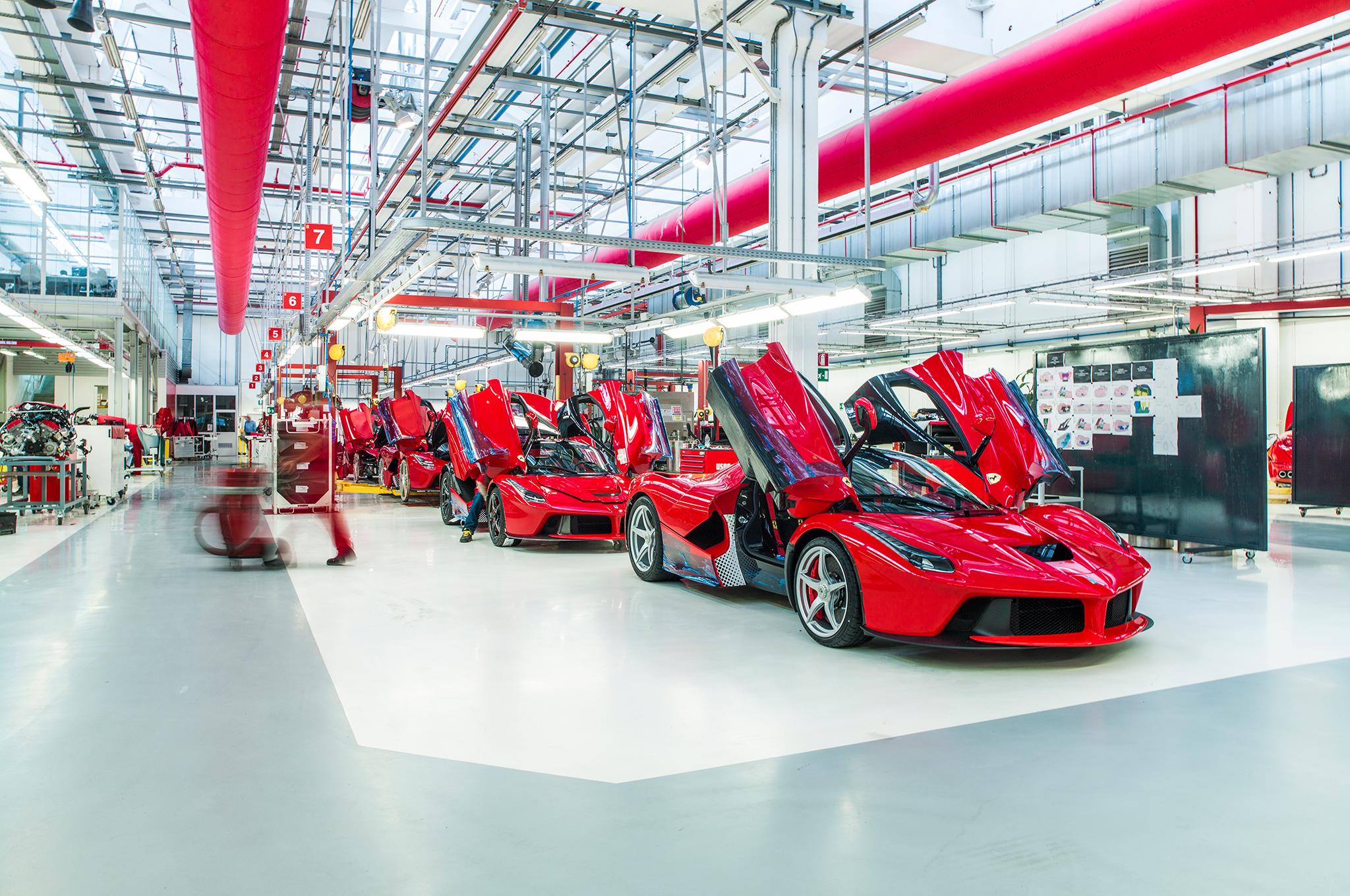
Dynamic Automotive Paint Line Moment Illustration
Find inspiration with this unique automotive paint line illustration, crafted to provide a fresh look for your background.

Dynamic Automotive Paint Line Artwork Nature
A captivating automotive paint line scene that brings tranquility and beauty to any device.

Mesmerizing Automotive Paint Line Scene Digital Art
Transform your screen with this vivid automotive paint line artwork, a true masterpiece of digital design.

Detailed Automotive Paint Line Photo in HD
Explore this high-quality automotive paint line image, perfect for enhancing your desktop or mobile wallpaper.

Mesmerizing Automotive Paint Line Scene Collection
Transform your screen with this vivid automotive paint line artwork, a true masterpiece of digital design.
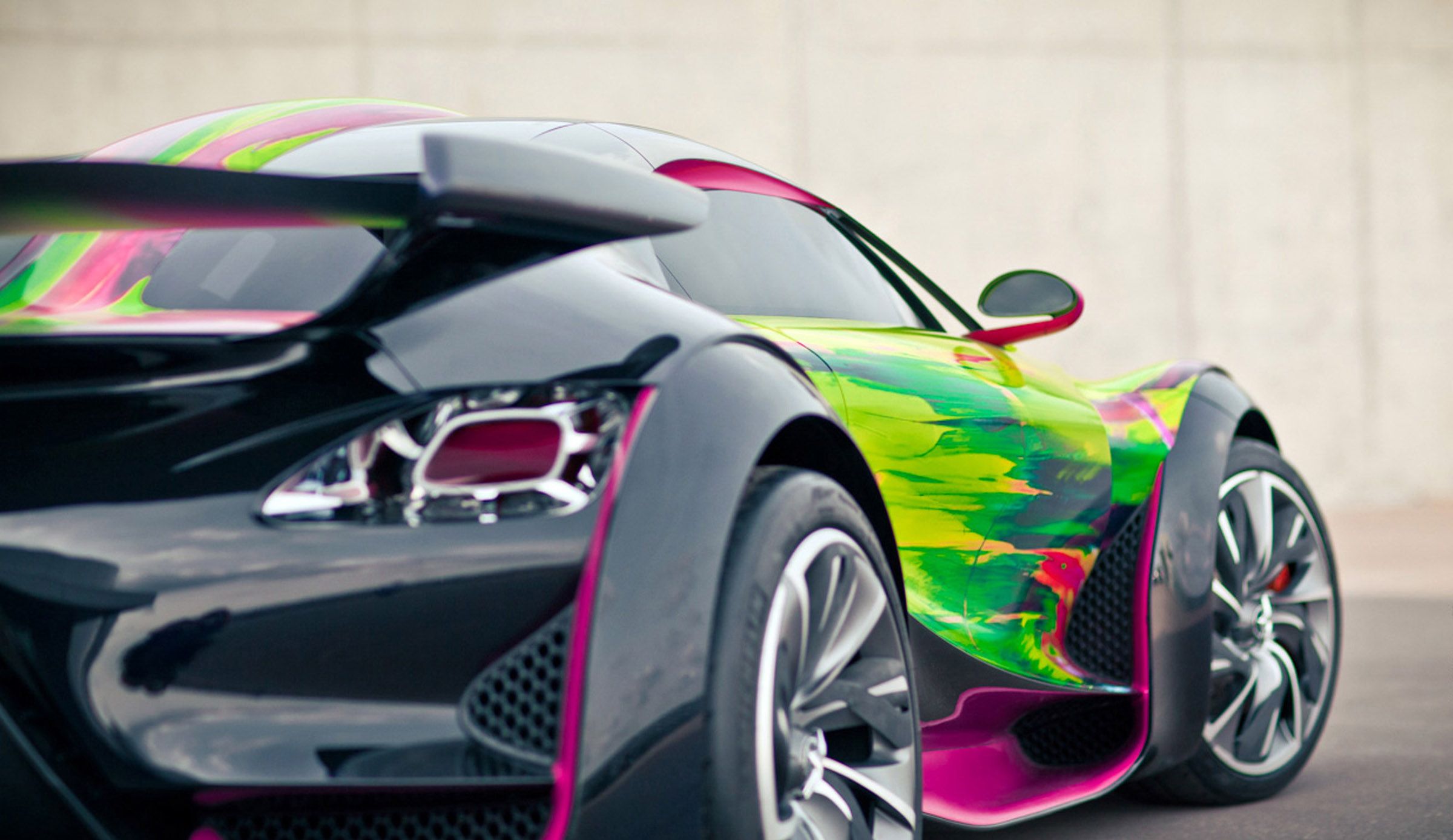
Dynamic Automotive Paint Line Scene in HD
A captivating automotive paint line scene that brings tranquility and beauty to any device.

Breathtaking Automotive Paint Line Capture for Desktop
Experience the crisp clarity of this stunning automotive paint line image, available in high resolution for all your screens.
Vibrant Automotive Paint Line Design Art
Transform your screen with this vivid automotive paint line artwork, a true masterpiece of digital design.

Detailed Automotive Paint Line Capture Photography
Discover an amazing automotive paint line background image, ideal for personalizing your devices with vibrant colors and intricate designs.

Detailed Automotive Paint Line Picture Digital Art
Experience the crisp clarity of this stunning automotive paint line image, available in high resolution for all your screens.
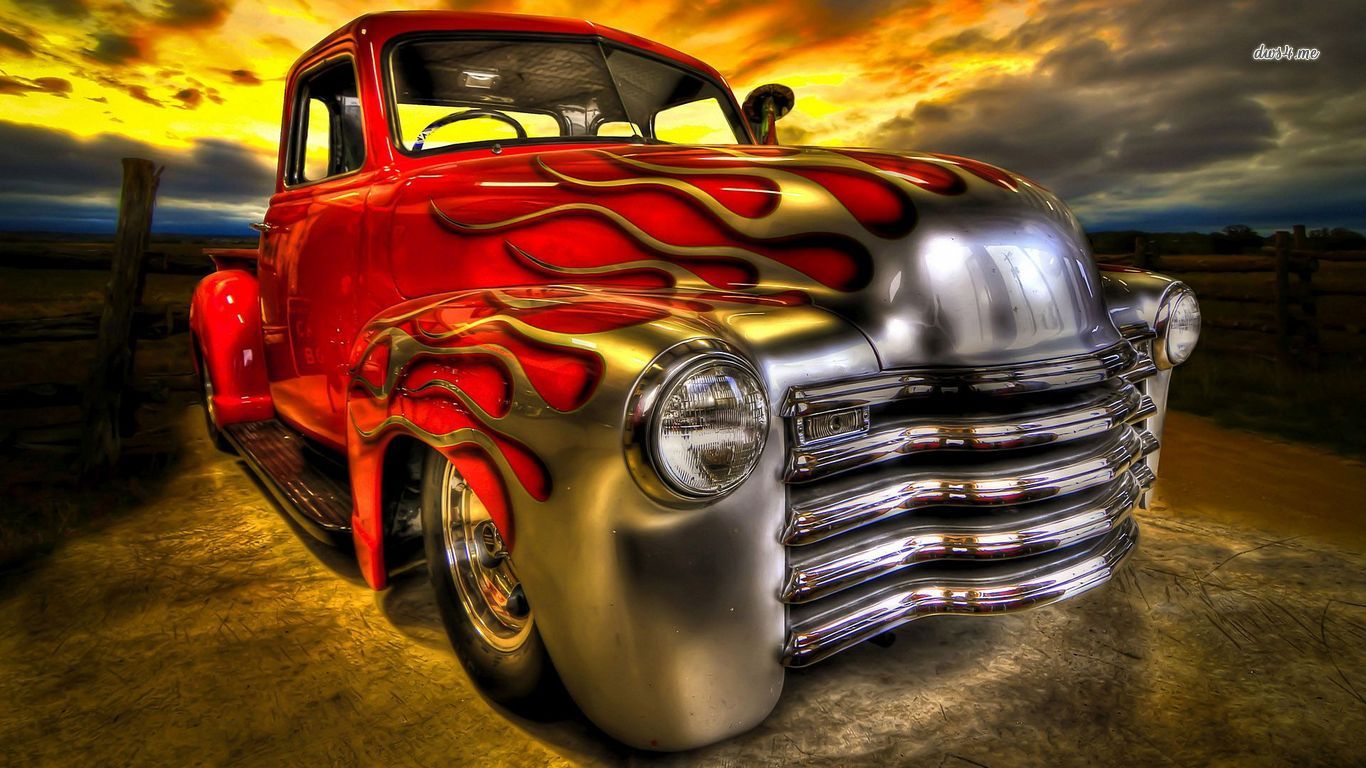
Artistic Automotive Paint Line Capture Nature
Immerse yourself in the stunning details of this beautiful automotive paint line wallpaper, designed for a captivating visual experience.

Artistic Automotive Paint Line Landscape Art
This gorgeous automotive paint line photo offers a breathtaking view, making it a perfect choice for your next wallpaper.
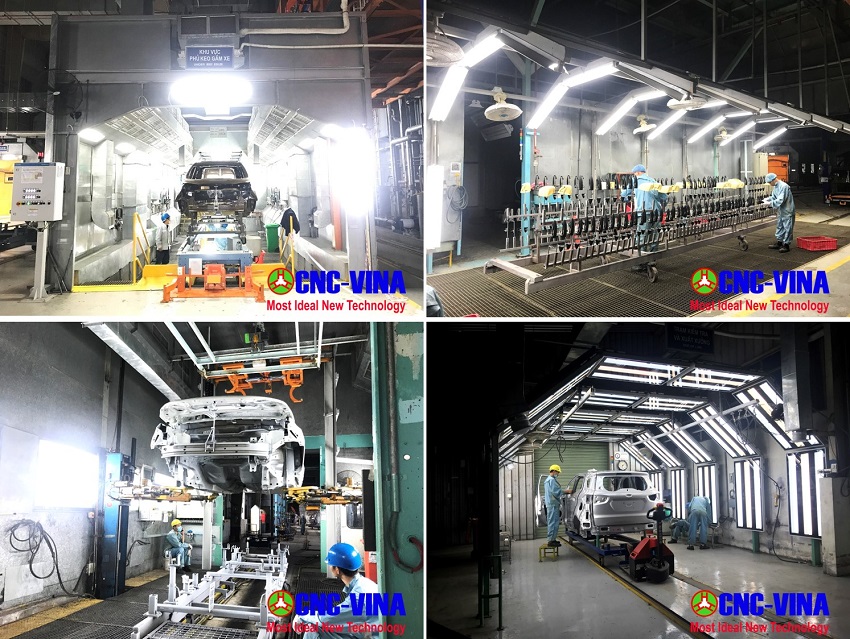
Breathtaking Automotive Paint Line Background Nature
Discover an amazing automotive paint line background image, ideal for personalizing your devices with vibrant colors and intricate designs.

Artistic Automotive Paint Line Picture in 4K
This gorgeous automotive paint line photo offers a breathtaking view, making it a perfect choice for your next wallpaper.
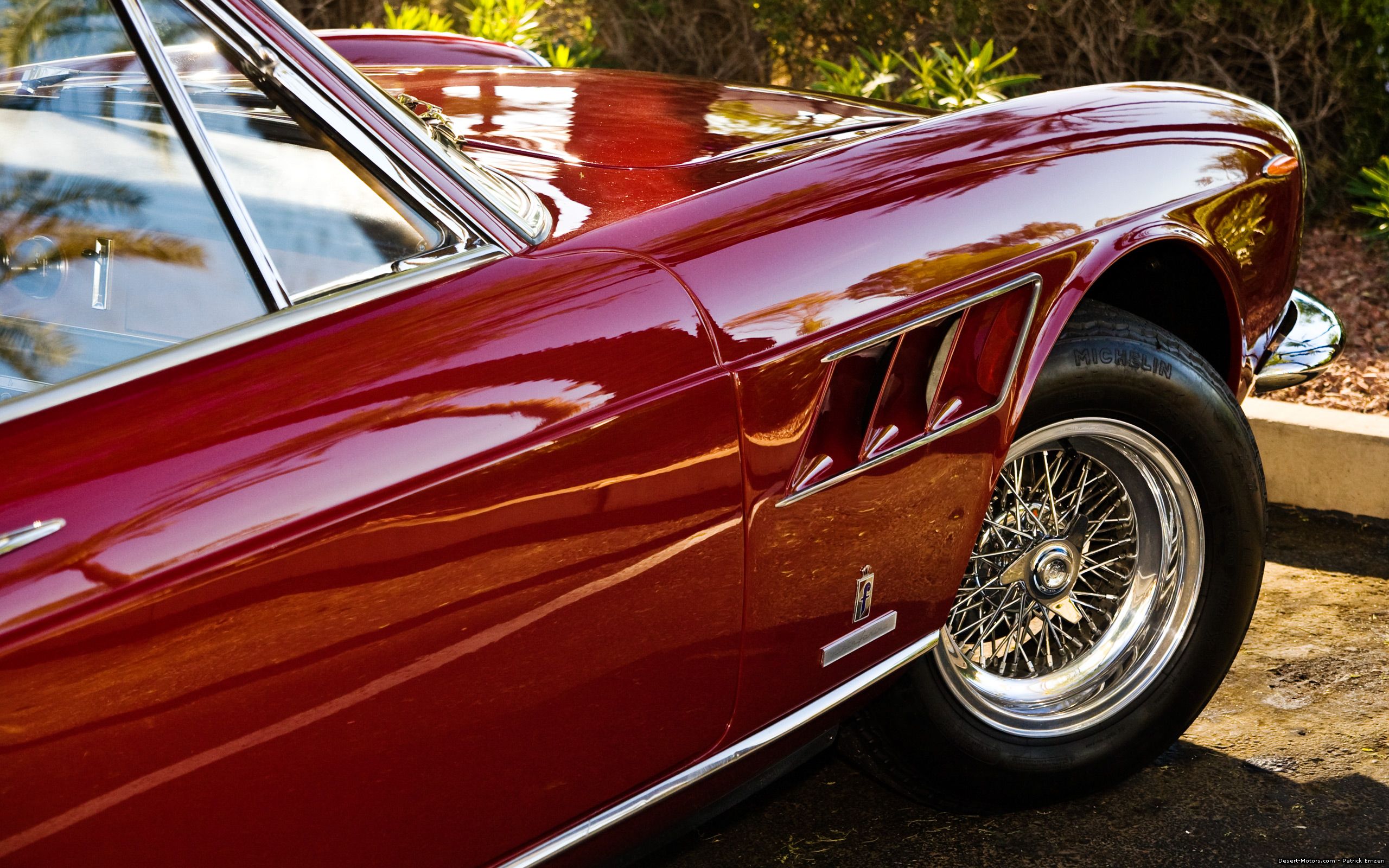
Dynamic Automotive Paint Line Wallpaper Art
A captivating automotive paint line scene that brings tranquility and beauty to any device.
Artistic Automotive Paint Line Picture Illustration
A captivating automotive paint line scene that brings tranquility and beauty to any device.
Vibrant Automotive Paint Line Scene Illustration
Discover an amazing automotive paint line background image, ideal for personalizing your devices with vibrant colors and intricate designs.
Download these automotive paint line wallpapers for free and use them on your desktop or mobile devices.