Acrylic Paint Blending Techniques
Acrylic Paint Blending Techniques: Your Ultimate Guide to Smooth Transitions
Are you struggling to achieve those smooth, professional-looking gradients with acrylic paints? You are definitely not alone! Acrylics are famous for their vibrancy and permanence, but their super-speedy drying time can make blending feel like a frustrating race against the clock. If you've ever ended up with choppy, striped transitions instead of a seamless sky or horizon, this guide is here to help.
Mastering effective Acrylic Paint Blending Techniques is the key to elevating your artwork from amateur sketches to stunning masterpieces. We are going to dive into the essential supplies, debunk the common myths, and walk you through the most powerful techniques used by professional artists. Get ready to slow down the process and finally take control of your color transitions!
Why Blending Acrylics Can Be Tricky
The primary challenge when learning Acrylic Paint Blending Techniques is the fast-drying nature of the paint. Unlike oils, which can stay workable for days, standard acrylics often set within minutes or even seconds, especially in dry or warm environments.
When the paint starts to dry, it becomes tacky. Attempting to blend tacky paint only results in lifting the previous layer, creating a muddy or patchy appearance. Therefore, all successful blending techniques focus heavily on either slowing down the drying time or manipulating the paint while it is still wet.
We need strategies that keep the surface slick and cooperative. By understanding this fundamental issue, we can better utilize the tools and mediums designed to give us more working time.
Essential Supplies for Seamless Blending
Before you even dip your brush, making sure you have the right tools is crucial for successful Acrylic Paint Blending Techniques. You wouldn't try to frost a cake with a screwdriver, and you shouldn't try to blend acrylics without these essential helpers.
- Quality Brushes: Opt for soft, synthetic brushes (like Filbert or flat shapes). Stiff, cheap brushes will drag the paint and create harsh lines.
- Water Misters/Spray Bottle: A fine mist can keep the paint surface moist without turning your paint into a runny mess.
- Palette Paper/Stay-Wet Palette: A stay-wet palette is a game-changer as it keeps your paint workable for hours, ensuring the colors on your palette are just as fresh as the colors on your canvas.
- Blending Mediums (Retarders): These are additives specifically designed to slow the evaporation of water, thus extending the working time of your paint.
- High-Quality Paint: Artist-grade paints typically have a higher pigment load and sometimes a slightly longer open time than student-grade acrylics.
Mastering Core Acrylic Paint Blending Techniques
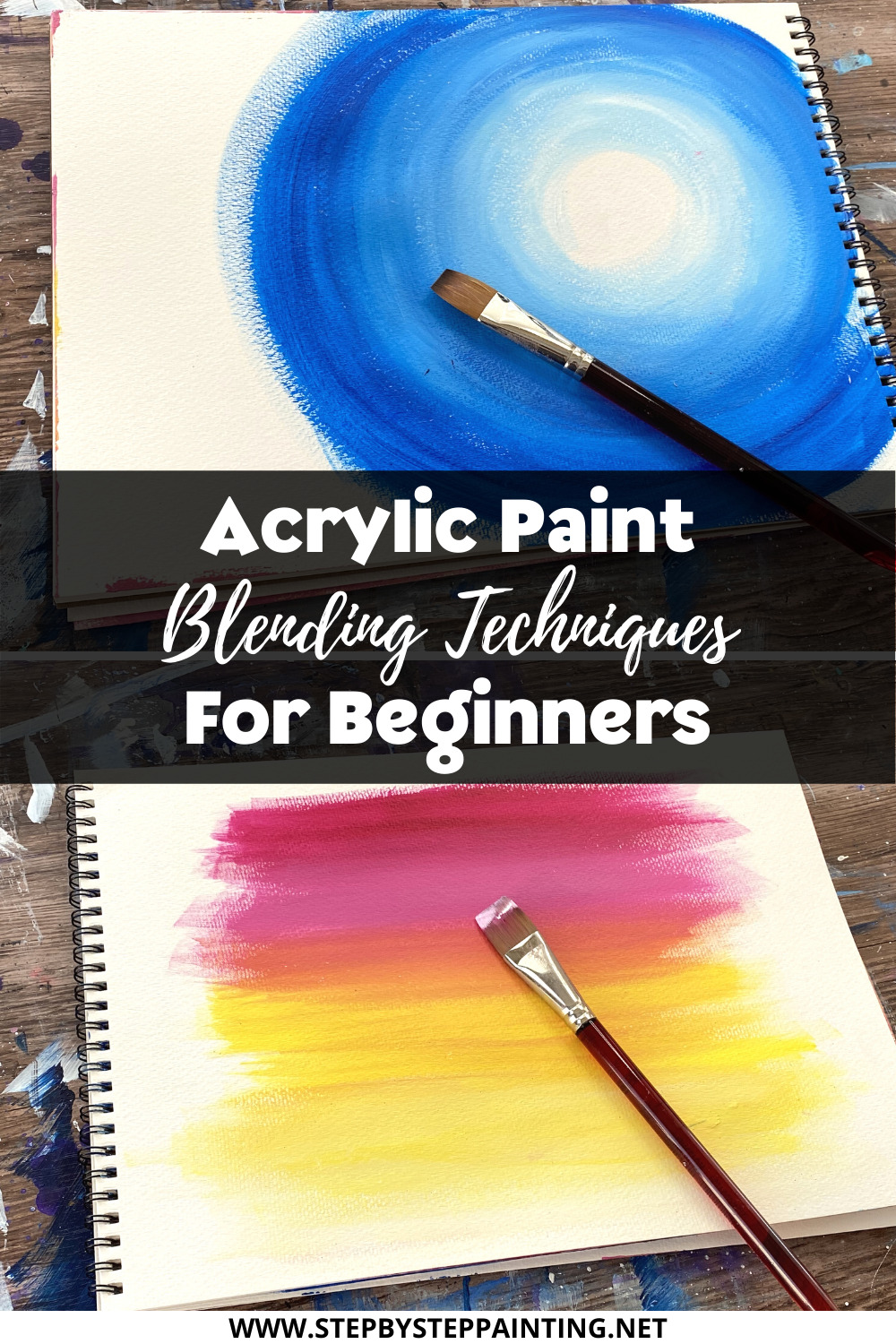
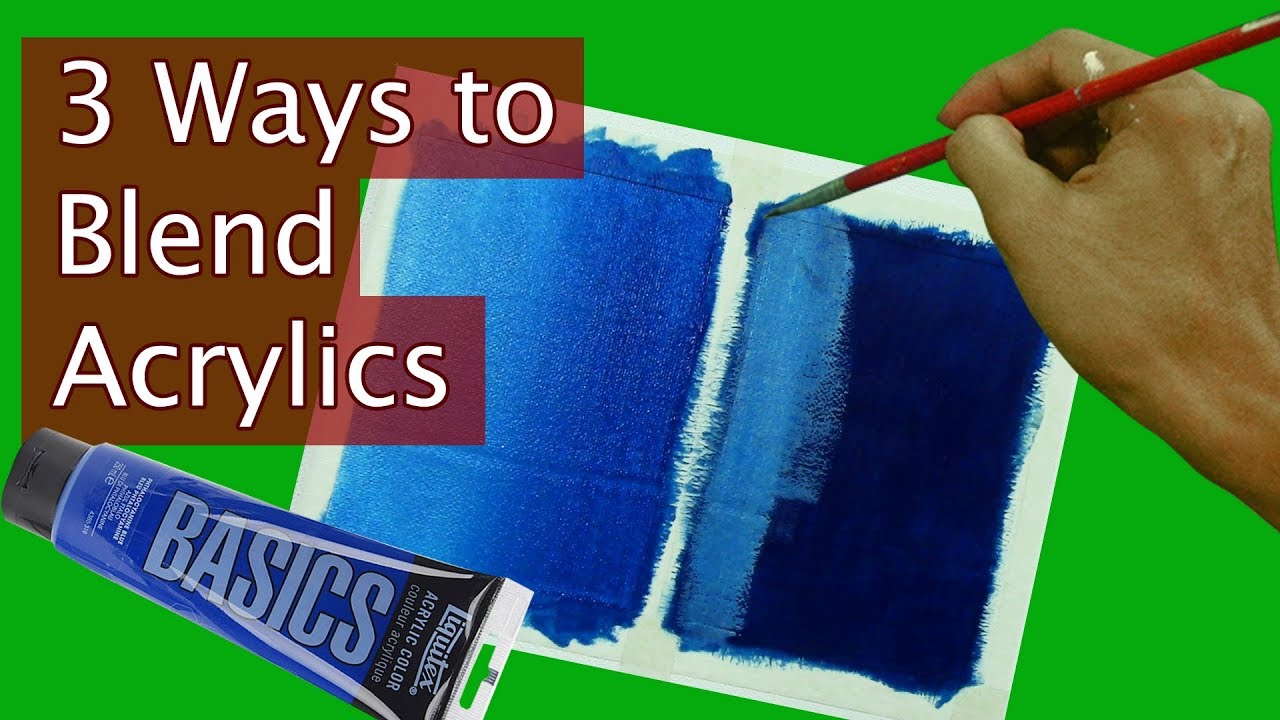
Let's explore the three most common and effective Acrylic Paint Blending Techniques. Each technique offers a different solution to the drying problem, resulting in unique textures and effects.
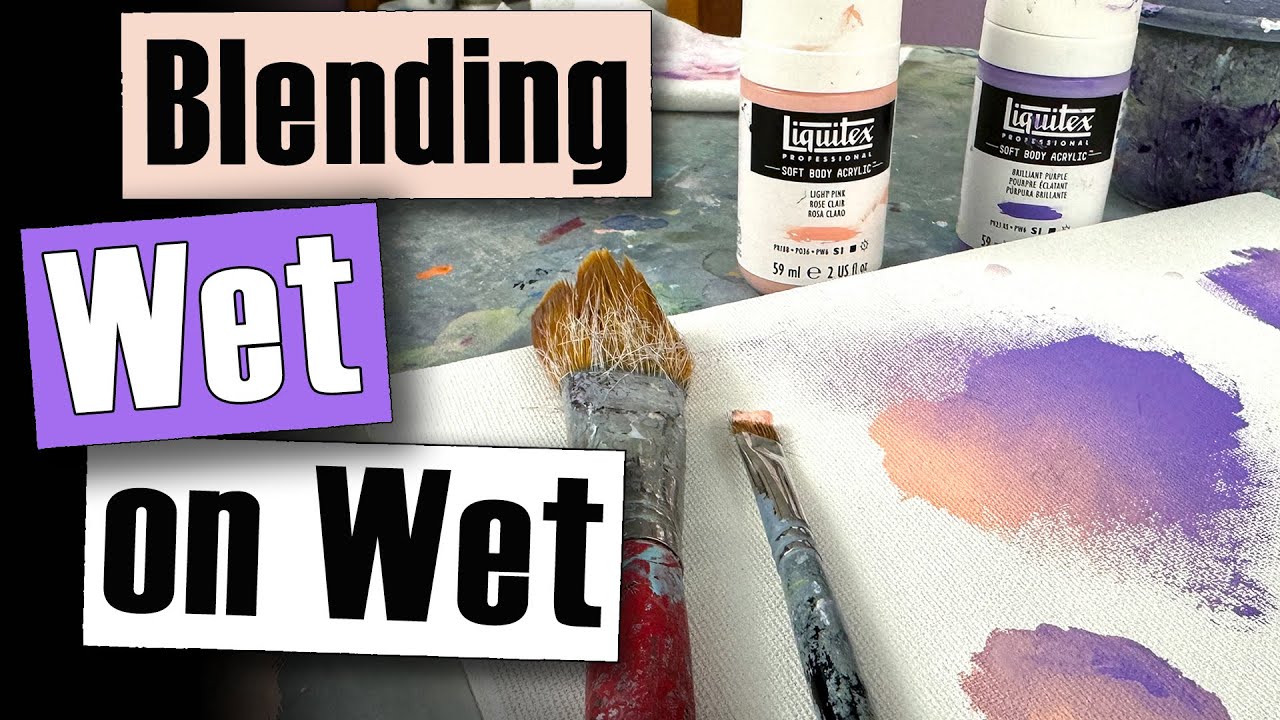
Wet-on-Wet Blending (Open/Direct Blending)
This is the fastest method and requires the most speed. Wet-on-wet means applying a new color directly onto another color that is still wet. This method is often used for skies, backgrounds, or achieving quick, soft transitions.
To execute this, load your brush with the first color and lay down your area. Immediately, introduce the second color right next to the first one. Now, using a clean, dry, or slightly damp blending brush, use small, circular, or cross-hatching motions where the two colors meet. Work quickly and efficiently!
Dry Brush Blending
Dry brush blending is a technique where you use minimal moisture and a very small amount of paint on your brush. This method is fantastic for creating textured, soft edges, often seen in fur, clouds, or fog.
Dip your brush lightly into the paint and then wipe most of it off onto a towel—this is known as "scumbling." Apply the remaining color over a dried area, using quick, light, circular strokes. Because the brush is mostly dry, the paint deposits unevenly, creating a feathered, subtle blend that avoids mudding the underlying color.
Glazing and Layering Techniques
Glazing is arguably the most reliable method for achieving deep, complex, and professional blends, especially when dealing with large areas. Instead of trying to blend wet paint, you build up the transition using multiple thin, transparent layers of dried color.
A glaze is a mixture of paint heavily diluted with a clear medium (like clear glazing medium or water). Since each layer is transparent, the colors underneath shine through, slowly shifting the overall hue. This technique takes time and patience, but the results are worth the effort.
Here is how to create a flawless transition using glazing:
- Start with your darkest dried base color.
- Mix your transitional color with a large ratio of glazing medium (80% medium, 20% paint).
- Apply a very thin, even coat of this glaze over the area you want to shift.
- Allow the layer to dry completely (this is crucial!).
- Repeat steps 2 and 3, gradually increasing the saturation or changing the hue with each layer until the blend is perfectly smooth.
Tips and Tricks from the Pros
Beyond the core techniques, experienced artists utilize special tools and habits to maximize their blending potential. These small adjustments can dramatically improve your results when practicing Acrylic Paint Blending Techniques.
Using Mediums to Extend Working Time
Retarders and specialized blending mediums are your best friends in the acrylic world. These products contain ingredients that actively slow down the drying process, often giving you an extra 15 to 30 minutes of workable time, depending on the environment.
Be careful not to overuse retarder; adding too much can compromise the paint's ability to dry completely or even cause adhesion problems. A pea-sized amount mixed into your puddle of paint is usually enough to make a significant difference. Furthermore, look into "Open Acrylics," which are specially formulated to stay wet for much longer periods than standard heavy body paint.
The Importance of Practice and Patience
Blending is a learned skill that requires muscle memory and an understanding of how quickly your specific paints and mediums dry in your studio environment. Don't expect perfection on your first try. Dedicate time just to practicing gradients on scrap paper or canvas boards.
Focus on maintaining consistent pressure and direction with your blending brush. Remember that a clean, dry blending brush is usually the secret weapon; it lifts and distributes the wet paint without introducing excess color or moisture.
Troubleshooting Common Blending Issues
Even with the best preparation, you might encounter issues. Don't panic! Most problems have simple fixes that come down to timing and amount of moisture.
- Issue: Patchy or striped blends. Solution: You waited too long. The paint was already tacky. Next time, work faster or use more blending medium.
- Issue: Muddy colors where they meet. Solution: Your blending brush had too much paint or water on it, mixing the colors too thoroughly. Use a clean, dry brush or a light touch.
- Issue: Paint lifting off the canvas. Solution: You are blending dry paint! Stop blending and wait for the entire area to dry. Then use the glazing method to gradually fix the transition.
Additionally, consider working in small sections rather than tackling an entire large background at once. This ensures that you can successfully blend one area before the next one dries out.
Conclusion
Achieving smooth transitions with acrylics is entirely possible once you understand the challenges posed by their fast drying time and choose the appropriate strategy. Whether you opt for the speed required by the wet-on-wet method, the layered patience of glazing, or the textured approach of dry brushing, incorporating these Acrylic Paint Blending Techniques will dramatically improve the depth and quality of your artwork.
Grab your blending mediums, keep your water mister handy, and remember that practice makes perfect. Now go forth and create some beautiful, seamless blends!
Frequently Asked Questions (FAQ)
- What is the best type of brush for blending acrylics?
- The best brushes are generally soft, synthetic brushes, like Filberts or rounded flat brushes. Their flexible bristles allow you to move the paint without creating harsh brushstrokes or scratching the underlying layers.
- Can I use water to blend acrylics instead of a medium?
- While water is necessary, relying solely on water can weaken the binder in the paint, leading to chalky results or adhesion issues. Using a specialized blending or flow medium is highly recommended, as it maintains the paint's integrity while slowing the drying time.
- What is the 'open time' of acrylic paint?
- The 'open time' is the period during which the paint remains wet and workable on your surface. Standard heavy-body acrylics have a very short open time (sometimes just 1-5 minutes), but using retarders or specialized 'Open Acrylics' can extend this significantly.
- How do I fix a harsh line in my blending?
- If the line is already dry, do not try to scrub it out. Wait for it to be completely dry, and then use the glazing technique. Apply a thin, highly diluted layer of the mid-tone color over the harsh edge, slowly blurring the transition over several layers.
Acrylic Paint Blending Techniques
Acrylic Paint Blending Techniques Wallpapers
Collection of acrylic paint blending techniques wallpapers for your desktop and mobile devices.
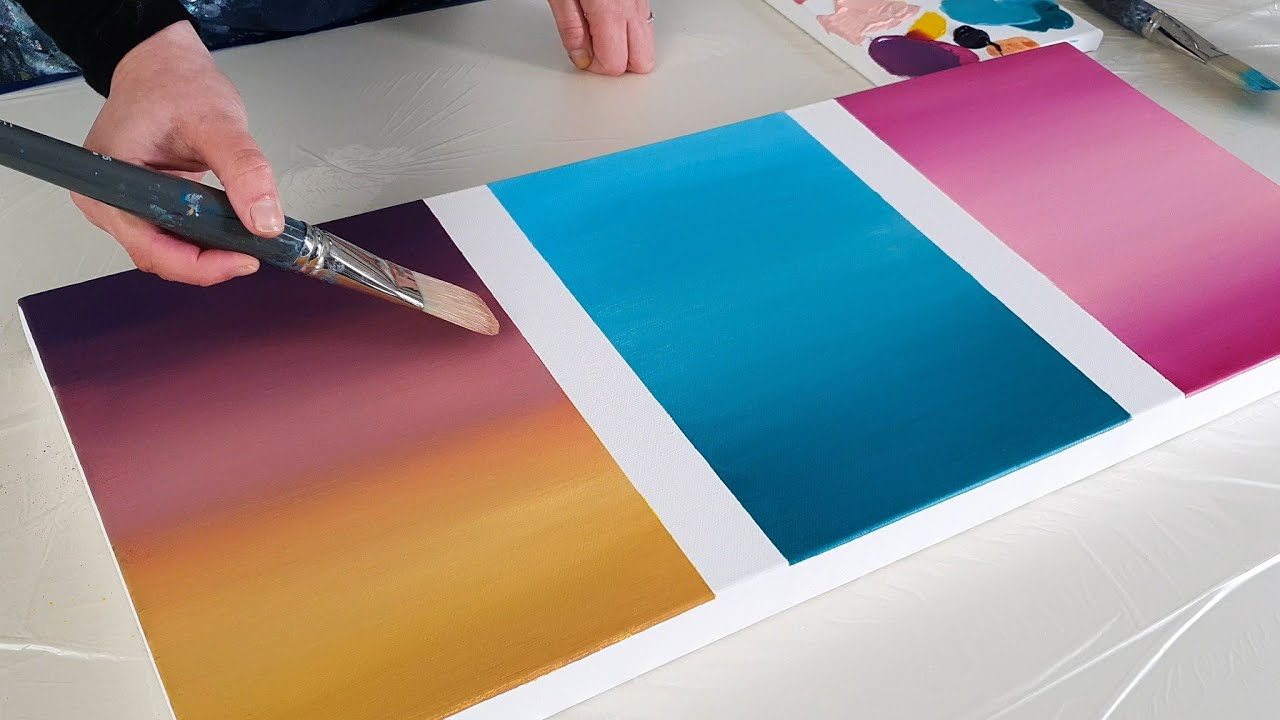
Vibrant Acrylic Paint Blending Techniques Design Art
Explore this high-quality acrylic paint blending techniques image, perfect for enhancing your desktop or mobile wallpaper.

Artistic Acrylic Paint Blending Techniques Moment Nature
Find inspiration with this unique acrylic paint blending techniques illustration, crafted to provide a fresh look for your background.
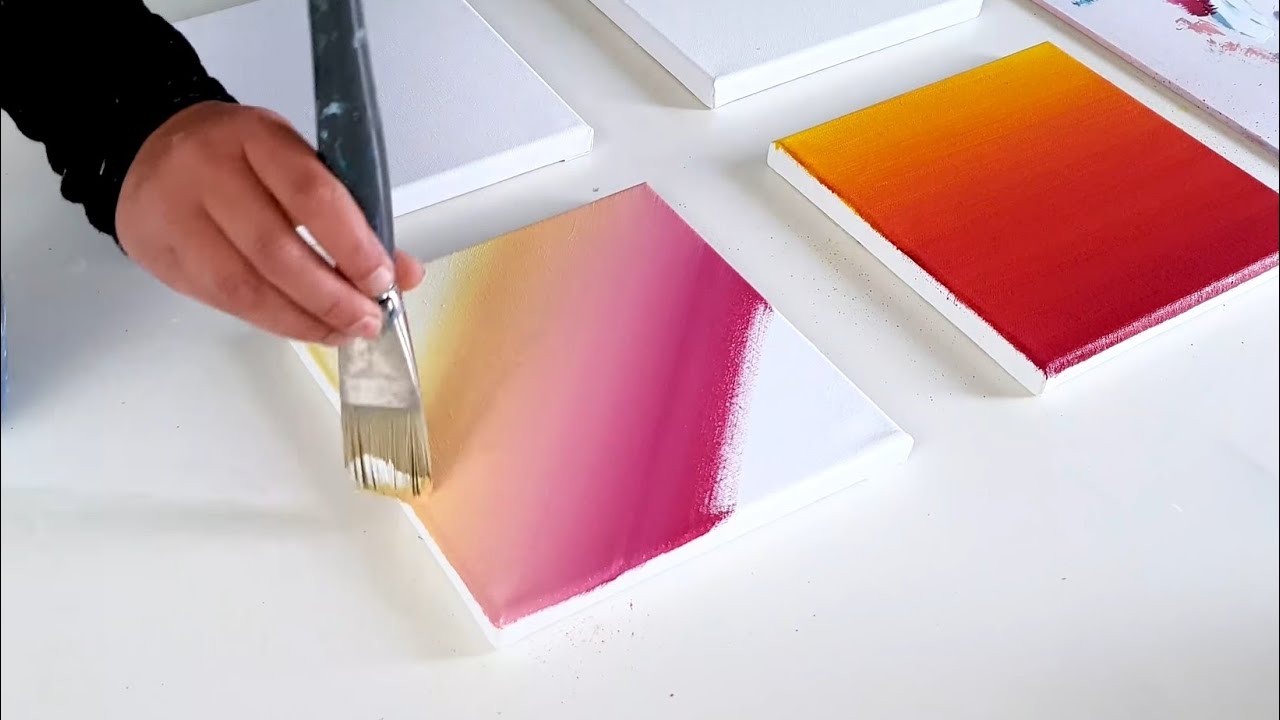
Detailed Acrylic Paint Blending Techniques Capture in 4K
Explore this high-quality acrylic paint blending techniques image, perfect for enhancing your desktop or mobile wallpaper.
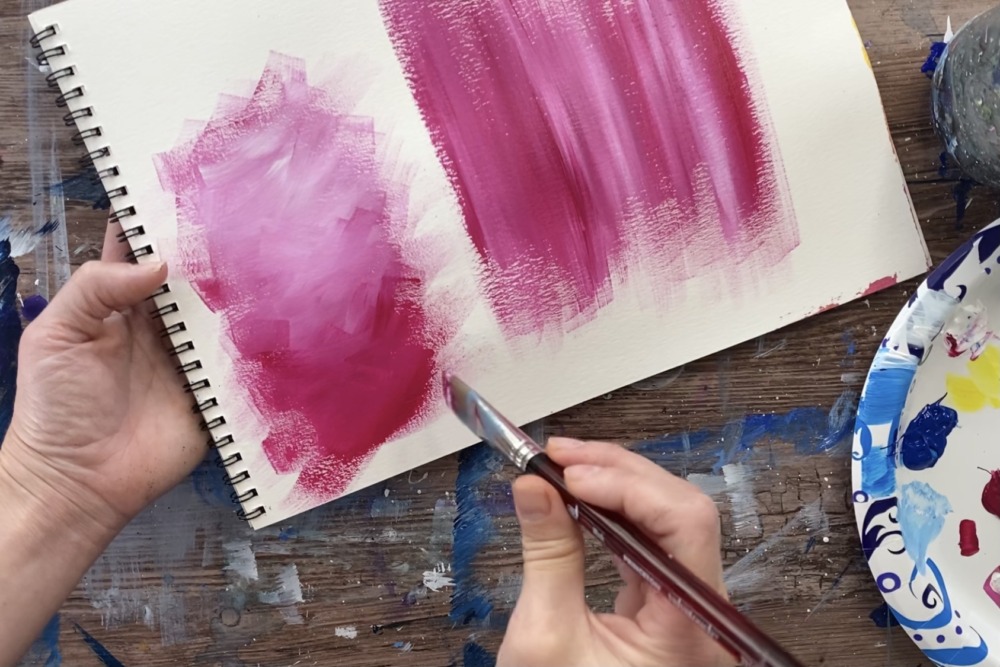
Captivating Acrylic Paint Blending Techniques Wallpaper for Desktop
Immerse yourself in the stunning details of this beautiful acrylic paint blending techniques wallpaper, designed for a captivating visual experience.
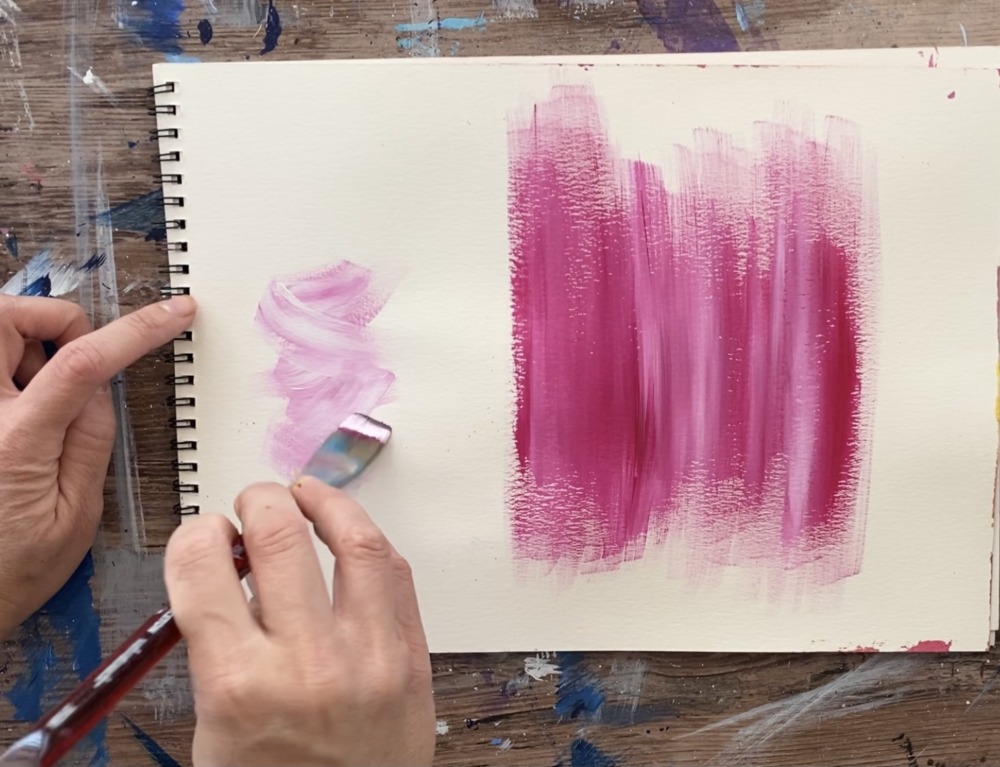
High-Quality Acrylic Paint Blending Techniques Background for Desktop
Experience the crisp clarity of this stunning acrylic paint blending techniques image, available in high resolution for all your screens.

Lush Acrylic Paint Blending Techniques Wallpaper in HD
Immerse yourself in the stunning details of this beautiful acrylic paint blending techniques wallpaper, designed for a captivating visual experience.
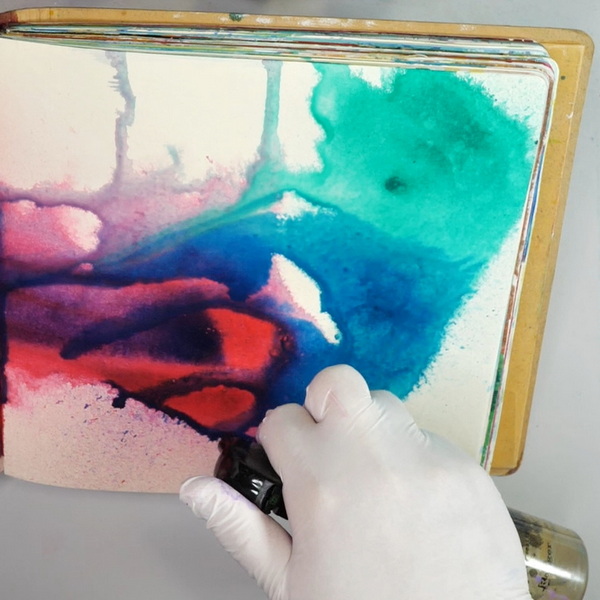
Captivating Acrylic Paint Blending Techniques Picture Digital Art
Find inspiration with this unique acrylic paint blending techniques illustration, crafted to provide a fresh look for your background.

Captivating Acrylic Paint Blending Techniques Wallpaper in 4K
Find inspiration with this unique acrylic paint blending techniques illustration, crafted to provide a fresh look for your background.

Vivid Acrylic Paint Blending Techniques Image for Mobile
Explore this high-quality acrylic paint blending techniques image, perfect for enhancing your desktop or mobile wallpaper.
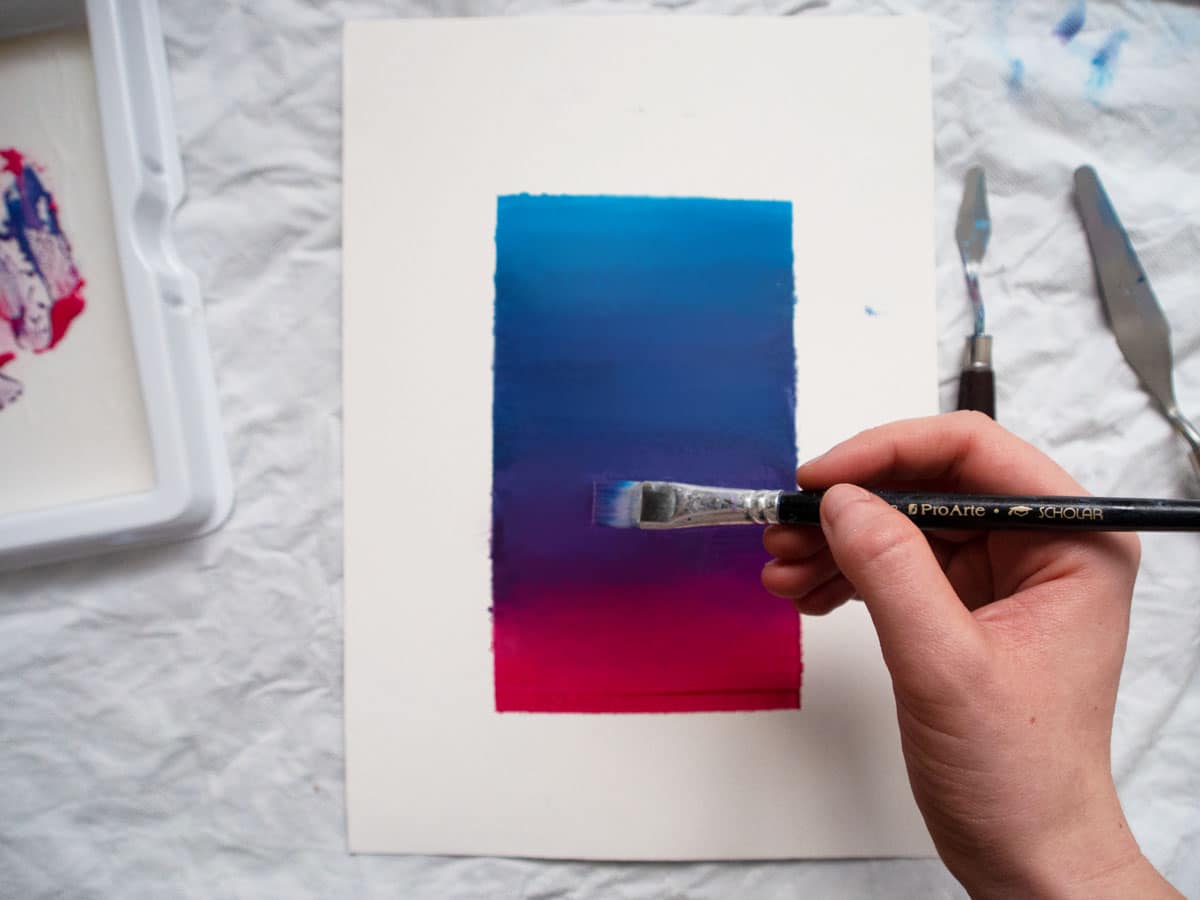
Vibrant Acrylic Paint Blending Techniques Design Concept
Transform your screen with this vivid acrylic paint blending techniques artwork, a true masterpiece of digital design.

Detailed Acrylic Paint Blending Techniques Abstract Collection
Explore this high-quality acrylic paint blending techniques image, perfect for enhancing your desktop or mobile wallpaper.
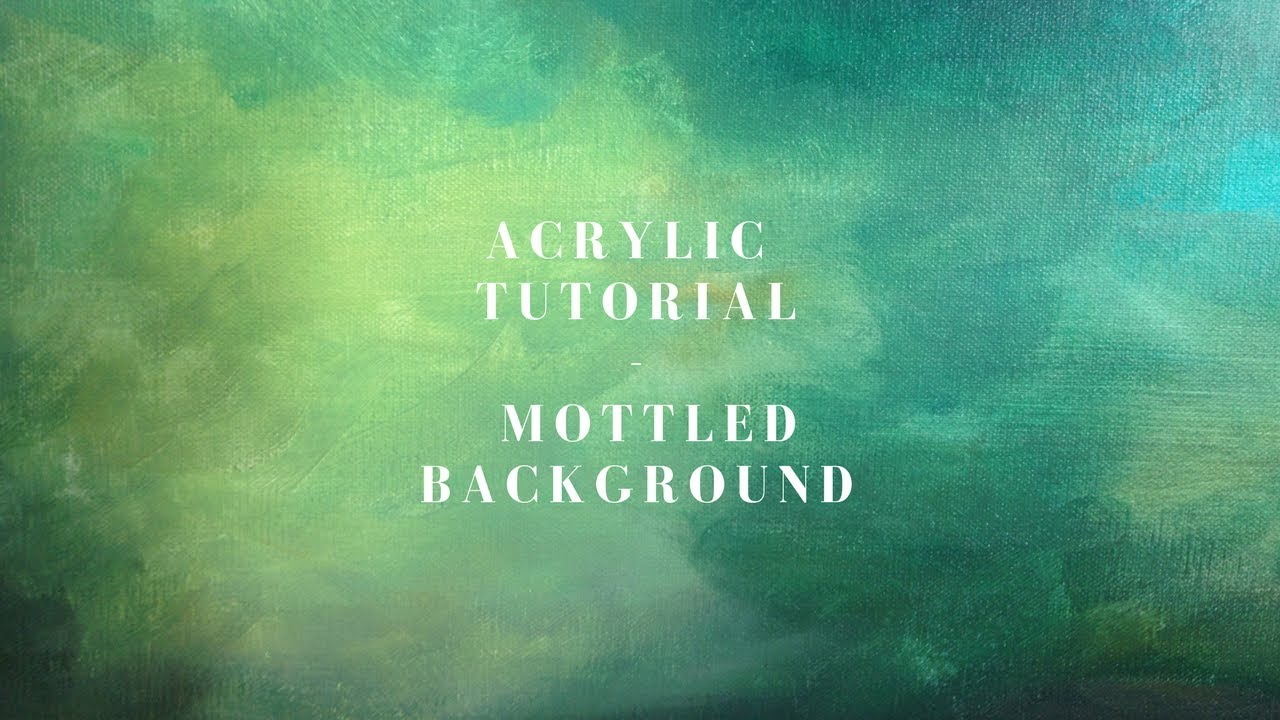
Vivid Acrylic Paint Blending Techniques Image Photography
Experience the crisp clarity of this stunning acrylic paint blending techniques image, available in high resolution for all your screens.
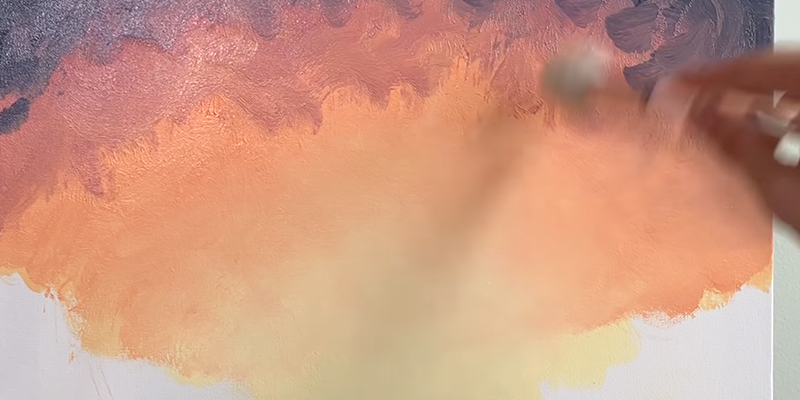
Spectacular Acrylic Paint Blending Techniques Photo Illustration
Immerse yourself in the stunning details of this beautiful acrylic paint blending techniques wallpaper, designed for a captivating visual experience.

High-Quality Acrylic Paint Blending Techniques Moment Concept
Experience the crisp clarity of this stunning acrylic paint blending techniques image, available in high resolution for all your screens.

Spectacular Acrylic Paint Blending Techniques Artwork Concept
A captivating acrylic paint blending techniques scene that brings tranquility and beauty to any device.
Vivid Acrylic Paint Blending Techniques Image Illustration
Transform your screen with this vivid acrylic paint blending techniques artwork, a true masterpiece of digital design.
Beautiful Acrylic Paint Blending Techniques Design Art
Transform your screen with this vivid acrylic paint blending techniques artwork, a true masterpiece of digital design.

Beautiful Acrylic Paint Blending Techniques Wallpaper Illustration
Discover an amazing acrylic paint blending techniques background image, ideal for personalizing your devices with vibrant colors and intricate designs.
Serene Acrylic Paint Blending Techniques Capture Digital Art
Transform your screen with this vivid acrylic paint blending techniques artwork, a true masterpiece of digital design.

Detailed Acrylic Paint Blending Techniques Capture Collection
Experience the crisp clarity of this stunning acrylic paint blending techniques image, available in high resolution for all your screens.
Download these acrylic paint blending techniques wallpapers for free and use them on your desktop or mobile devices.