What is the new EU border system EES, and how will it work?
What is the new EU border system EES, and how will it work?
Are you planning a trip to the European Union soon? If so, you need to be aware of a significant change coming to EU border control. The EU is rolling out a new Entry/Exit System (EES), a digital automated IT system designed to register non-EU citizens each time they cross an external EU border. This system promises to revolutionize how third-country nationals, including many British, American, and other non-Schengen travellers, enter and exit the Schengen Area.
Understanding what is the new EU border system EES, and how will it work is crucial for a smooth travel experience. This comprehensive guide will walk you through the ins and outs of EES, explaining who it affects, what data it collects, and how it will impact your journey. Get ready to ditch those passport stamps and embrace a more digital border crossing process.
Understanding the Entry/Exit System (EES)
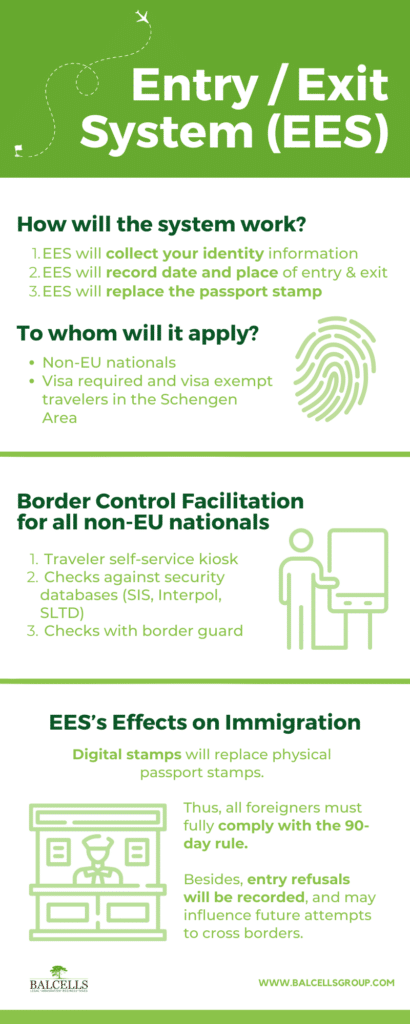
The Entry/Exit System (EES) is a sophisticated IT system that will register entry and exit data and refusal of entry data of third-country nationals crossing the external borders of the Schengen area. This includes those subject to a visa requirement and those exempt from it, who are admitted for a short stay (maximum 90 days in any 180-day period).
Its primary goal is to enhance border management, increase internal security, and improve the efficiency of border checks. EES marks a significant step towards modernizing the Schengen Area's external border control, moving away from manual passport stamping towards a more automated and centralized digital record.
Why is the EU Introducing EES Now?
The introduction of the EES is driven by several factors aimed at strengthening the Schengen Area's security and operational efficiency. The current manual stamping system has inherent limitations, making it challenging to accurately monitor overstays and identify individuals who might pose a security risk.
With EES, the EU seeks to improve the identification of overstayers, detect document fraud more effectively, and streamline border crossing for legitimate travellers. It's part of a broader push towards interoperable EU information systems for security, borders, and migration management.
How Will the EES Work in Practice? Your Step-by-Step Guide
For travellers, the operational aspects of the EES are what truly matter. The new system is designed to be user-friendly, albeit with a slight change to the traditional border crossing routine. Here's what you can expect when you encounter the new EU border system EES, and how will it work from your perspective.
First-Time Entry with EES
Your first entry into the Schengen area under the EES will involve a new, digital registration process. Instead of a manual stamp, your arrival will be recorded electronically, linking your biometric and biographic data to your travel document.
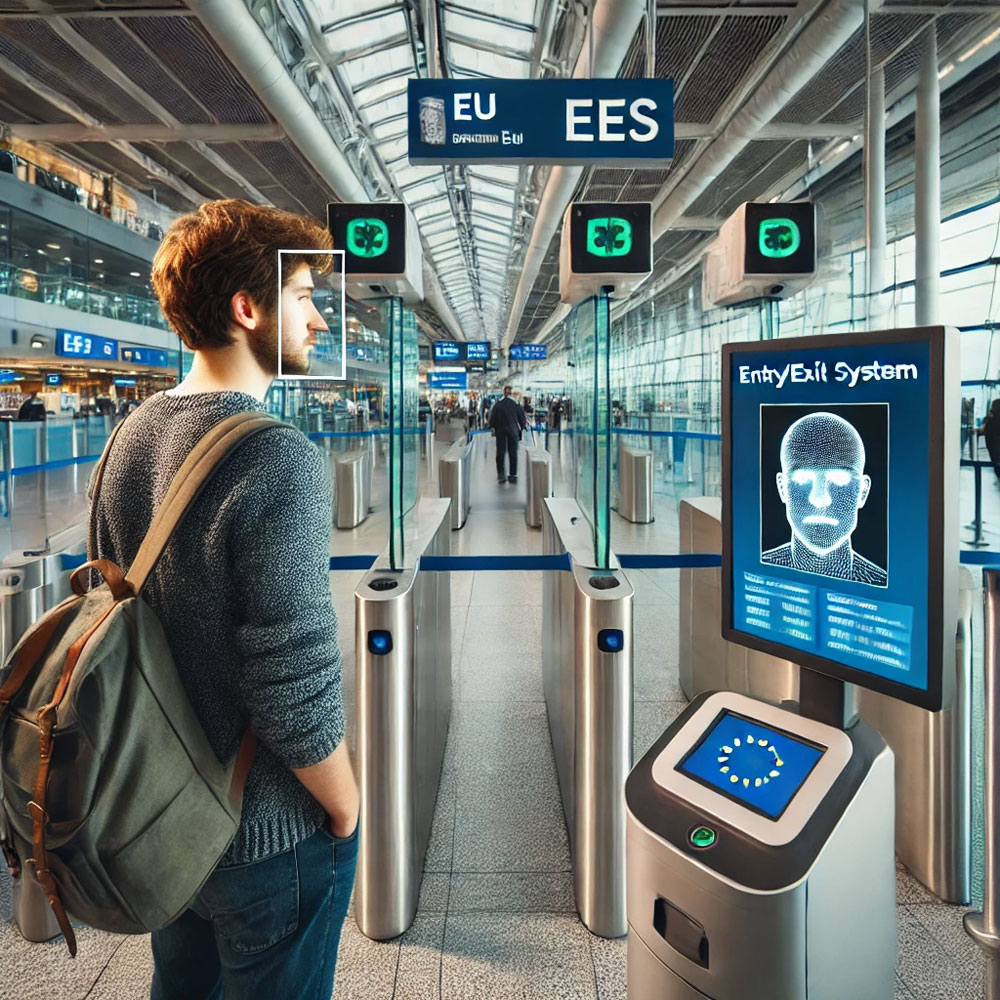
You'll likely use self-service kiosks at major airports and ports, or you'll be processed by a border guard at a counter. The system will capture your facial image and four fingerprints, alongside your passport details. This data then forms your entry record.
What Data Will Be Collected?
The EES will collect several key pieces of information to create your digital travel record. This data is essential for monitoring your short-stay compliance and for security purposes across the Schengen Area. Rest assured, data protection regulations are in place.
- Your full name and date of birth
- Type of travel document (e.g., passport) and its number
- Biometric data: four fingerprints and a facial image
- Date and place of entry and exit
- Any refusal of entry information
The Role of Automated Kiosks and Border Guards
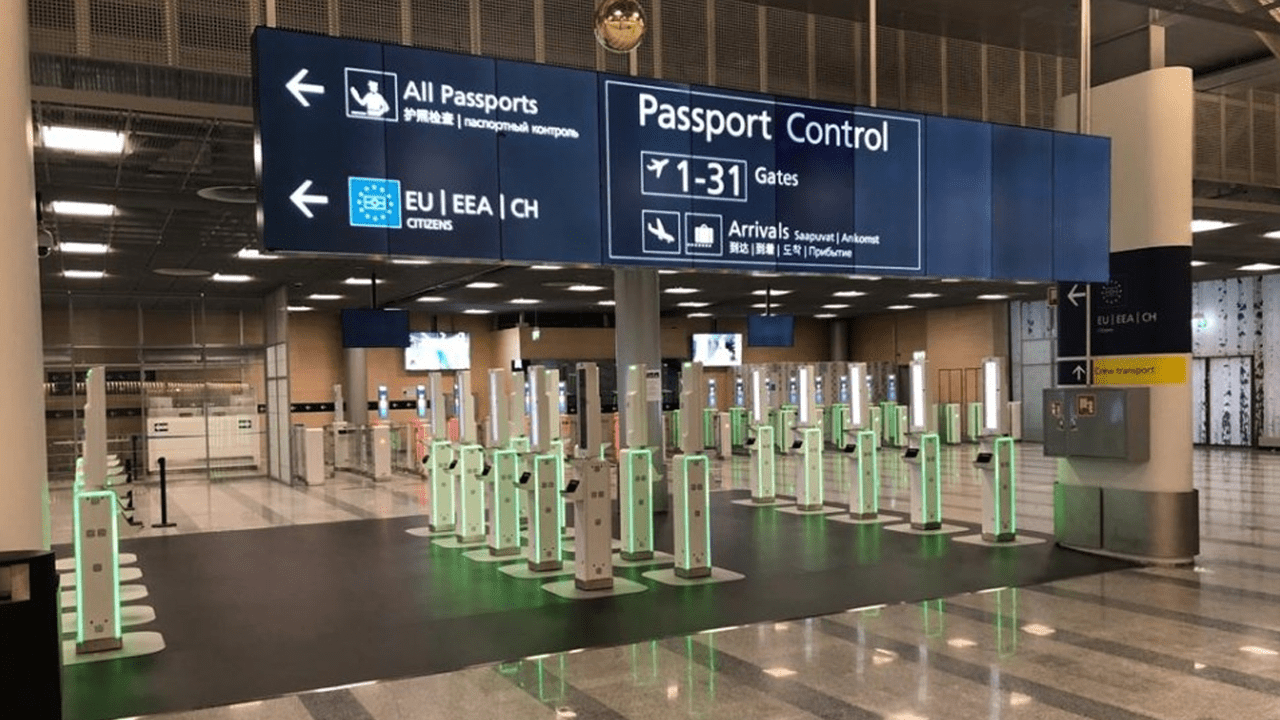
Automated kiosks are expected to play a significant role in expediting the border crossing process. At these self-service terminals, you will scan your passport, provide your fingerprints, and have your facial image taken. This initial data capture prepares your entry record for finalization.
After using a kiosk, you will still briefly interact with a border guard. Their role will be to verify your identity against the data collected, conduct any necessary checks, and grant or refuse entry. This two-step process aims to balance efficiency with security, ensuring robust scrutiny while minimizing delays.
Subsequent Entries and Exits
Once your initial registration is complete, subsequent entries and exits are expected to be much faster. The system will already hold your biometric data, meaning fewer steps are required on future visits. This significantly streamlines the process for frequent travellers to the Schengen Area.
The EES will automatically track your entry and exit dates, making it easier to monitor your adherence to the 90-day short-stay limit within any 180-day period. This real-time monitoring helps both travellers and authorities ensure compliance without complex manual calculations.
Who Will Be Affected by the EES?
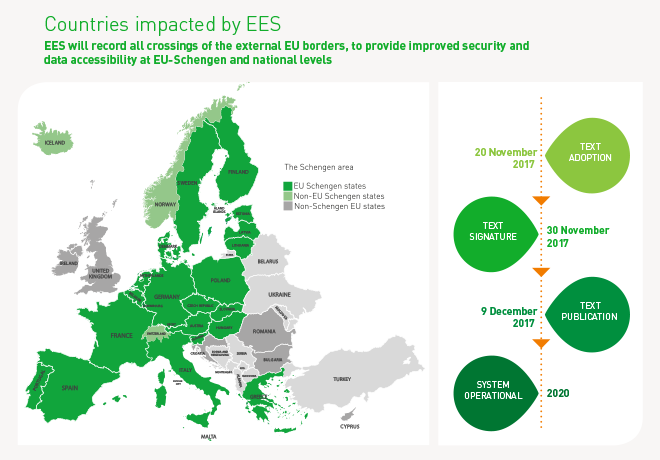
The EES is specifically designed for "third-country nationals" – meaning citizens of countries outside the European Union and the Schengen Area. This includes a vast number of travellers from popular destinations like the United States, Canada, Australia, and, importantly, the United Kingdom post-Brexit.
However, it's crucial to note that EU citizens and those holding a residence permit or a long-stay visa for an EU member state are exempt from EES registration. The system focuses on short-stay visitors, ensuring a clearer picture of non-Schengen nationals entering and leaving the bloc.
Benefits and Challenges of the New EES
Like any major system overhaul, the EES brings a mix of advantages and potential hurdles. Understanding both sides will help you appreciate the bigger picture of what is the new EU border system EES, and how will it work in the long run.
Potential Benefits for Travellers and Border Authorities
The EES promises significant improvements for both travellers and the authorities managing borders. For travellers, the biggest gain will be speed. Once registered, the digital system should enable faster, more efficient border crossings, reducing queues and wait times, especially for frequent visitors.
For border authorities, the system offers enhanced security by providing a more accurate record of entries and exits, making it easier to detect irregular migration and overstays. It also standardizes border check procedures across the Schengen Area, leading to greater consistency and control.
Anticipated Challenges and Concerns
While the benefits are clear, the rollout of EES is not without its challenges. Initial implementation could lead to increased waiting times as travellers and border staff adjust to the new procedures and technology. There's also the potential for technical glitches and system integration issues, especially in the early stages.
Data privacy is another common concern, given the collection of biometric data. The EU has robust data protection laws (like GDPR), but public assurance and transparency are key. Additionally, clear communication to travellers about the changes is vital to prevent confusion and delays at borders.
Preparing for Your Next EU Trip: EES Checklist
To ensure a smooth journey under the new EES, a little preparation goes a long way. Understanding what is the new EU border system EES, and how will it work, helps you avoid any unexpected hurdles.
Here's a quick checklist to help you get ready:
- **Check Passport Validity:** Ensure your passport is valid for at least three months beyond your intended departure date from the Schengen Area and was issued within the last 10 years.
- **Understand the 90/180-Day Rule:** Be mindful of the short-stay limit. The EES will automatically track your days, so accurately plan your trips.
- **Expect Biometric Data Collection:** Be prepared to provide fingerprints and a facial image upon your first entry. This is a standard part of the new process.
- **Allow Extra Time:** Especially during the initial rollout, factor in some additional time for border checks, just in case of unforeseen delays.
- **Stay Informed:** Keep an eye on official EU travel advice and news updates regarding the EES implementation dates and any specific guidelines.
Conclusion
The new EU border system EES represents a significant modernization of how third-country nationals interact with the Schengen Area's external borders. By digitizing entry and exit records and incorporating biometric data, the system aims to enhance security, improve efficiency, and ensure better compliance with short-stay rules.
While the transition might involve some initial adjustments, understanding what is the new EU border system EES, and how will it work will empower you to navigate these changes confidently. Staying informed and prepared will help ensure your future trips to the EU remain as smooth and enjoyable as ever. Embrace the digital future of travel!
FAQ
- What is the EES?
- The EES (Entry/Exit System) is a new automated IT system implemented by the European Union to register non-EU citizens each time they cross an external EU border, collecting biometric and biographic data for short-stay visitors.
- When will EES start?
- The exact launch date has been subject to delays but is anticipated to go live in 2024. Travellers should check official EU and national border authority websites for the latest updates.
- Do I need to register for EES before my trip?
- No, there is no pre-registration required for the EES. Your data will be collected at the border upon your first entry into the Schengen Area under the new system.
- What about the 90/180-day rule?
- The EES will automatically track your entry and exit dates, making it easier for both you and border authorities to monitor your compliance with the 90 days in any 180-day period short-stay limit within the Schengen Area.
- Will EES replace manual passport stamps?
- Yes, for third-country nationals, the EES will largely replace manual passport stamps. Your entry and exit will be recorded digitally.
- What data will be collected by EES?
- The system will collect biographic data (like name, passport number, and date of birth) and biometric data, specifically four fingerprints and a facial image.
- Does EES apply to UK citizens?
- Yes, following Brexit, UK citizens are considered third-country nationals and will be subject to the EES when travelling to the Schengen Area for short stays.
What is the new EU border system EES, and how will it work?
What is the new EU border system EES, and how will it work? Wallpapers
Collection of what is the new eu border system ees, and how will it work? wallpapers for your desktop and mobile devices.

Crisp What Is The New Eu Border System Ees, And How Will It Work? Wallpaper Concept
A captivating what is the new eu border system ees, and how will it work? scene that brings tranquility and beauty to any device.
Vibrant What Is The New Eu Border System Ees, And How Will It Work? Background in HD
Transform your screen with this vivid what is the new eu border system ees, and how will it work? artwork, a true masterpiece of digital design.

Dynamic What Is The New Eu Border System Ees, And How Will It Work? Image Art
A captivating what is the new eu border system ees, and how will it work? scene that brings tranquility and beauty to any device.

Dynamic What Is The New Eu Border System Ees, And How Will It Work? Wallpaper in HD
Immerse yourself in the stunning details of this beautiful what is the new eu border system ees, and how will it work? wallpaper, designed for a captivating visual experience.

Captivating What Is The New Eu Border System Ees, And How Will It Work? View Concept
This gorgeous what is the new eu border system ees, and how will it work? photo offers a breathtaking view, making it a perfect choice for your next wallpaper.

Vivid What Is The New Eu Border System Ees, And How Will It Work? Capture Collection
Transform your screen with this vivid what is the new eu border system ees, and how will it work? artwork, a true masterpiece of digital design.
Serene What Is The New Eu Border System Ees, And How Will It Work? Scene for Mobile
Experience the crisp clarity of this stunning what is the new eu border system ees, and how will it work? image, available in high resolution for all your screens.

Serene What Is The New Eu Border System Ees, And How Will It Work? Picture in 4K
Experience the crisp clarity of this stunning what is the new eu border system ees, and how will it work? image, available in high resolution for all your screens.

Captivating What Is The New Eu Border System Ees, And How Will It Work? Abstract for Desktop
Find inspiration with this unique what is the new eu border system ees, and how will it work? illustration, crafted to provide a fresh look for your background.
Stunning What Is The New Eu Border System Ees, And How Will It Work? Wallpaper for Mobile
Immerse yourself in the stunning details of this beautiful what is the new eu border system ees, and how will it work? wallpaper, designed for a captivating visual experience.

Vibrant What Is The New Eu Border System Ees, And How Will It Work? Scene Illustration
Explore this high-quality what is the new eu border system ees, and how will it work? image, perfect for enhancing your desktop or mobile wallpaper.
Artistic What Is The New Eu Border System Ees, And How Will It Work? Background for Mobile
A captivating what is the new eu border system ees, and how will it work? scene that brings tranquility and beauty to any device.
Stunning What Is The New Eu Border System Ees, And How Will It Work? Artwork in HD
A captivating what is the new eu border system ees, and how will it work? scene that brings tranquility and beauty to any device.
Breathtaking What Is The New Eu Border System Ees, And How Will It Work? Picture Nature
Transform your screen with this vivid what is the new eu border system ees, and how will it work? artwork, a true masterpiece of digital design.

Mesmerizing What Is The New Eu Border System Ees, And How Will It Work? View Photography
Explore this high-quality what is the new eu border system ees, and how will it work? image, perfect for enhancing your desktop or mobile wallpaper.
High-Quality What Is The New Eu Border System Ees, And How Will It Work? Wallpaper for Your Screen
Transform your screen with this vivid what is the new eu border system ees, and how will it work? artwork, a true masterpiece of digital design.

Vivid What Is The New Eu Border System Ees, And How Will It Work? Wallpaper Illustration
Explore this high-quality what is the new eu border system ees, and how will it work? image, perfect for enhancing your desktop or mobile wallpaper.
Beautiful What Is The New Eu Border System Ees, And How Will It Work? Abstract for Desktop
Explore this high-quality what is the new eu border system ees, and how will it work? image, perfect for enhancing your desktop or mobile wallpaper.
Serene What Is The New Eu Border System Ees, And How Will It Work? Artwork Concept
Transform your screen with this vivid what is the new eu border system ees, and how will it work? artwork, a true masterpiece of digital design.

Vivid What Is The New Eu Border System Ees, And How Will It Work? Scene Photography
Experience the crisp clarity of this stunning what is the new eu border system ees, and how will it work? image, available in high resolution for all your screens.
Download these what is the new eu border system ees, and how will it work? wallpapers for free and use them on your desktop or mobile devices.