Only One Element Tensors Can Be Converted To Python Scalars
only one element tensors can be converted to python scalars
Only One Element Tensors Can Be Converted to Python Scalars: Understanding This Common Error
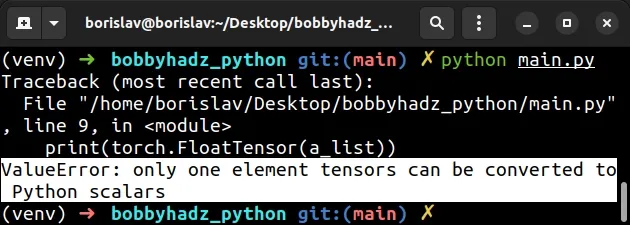
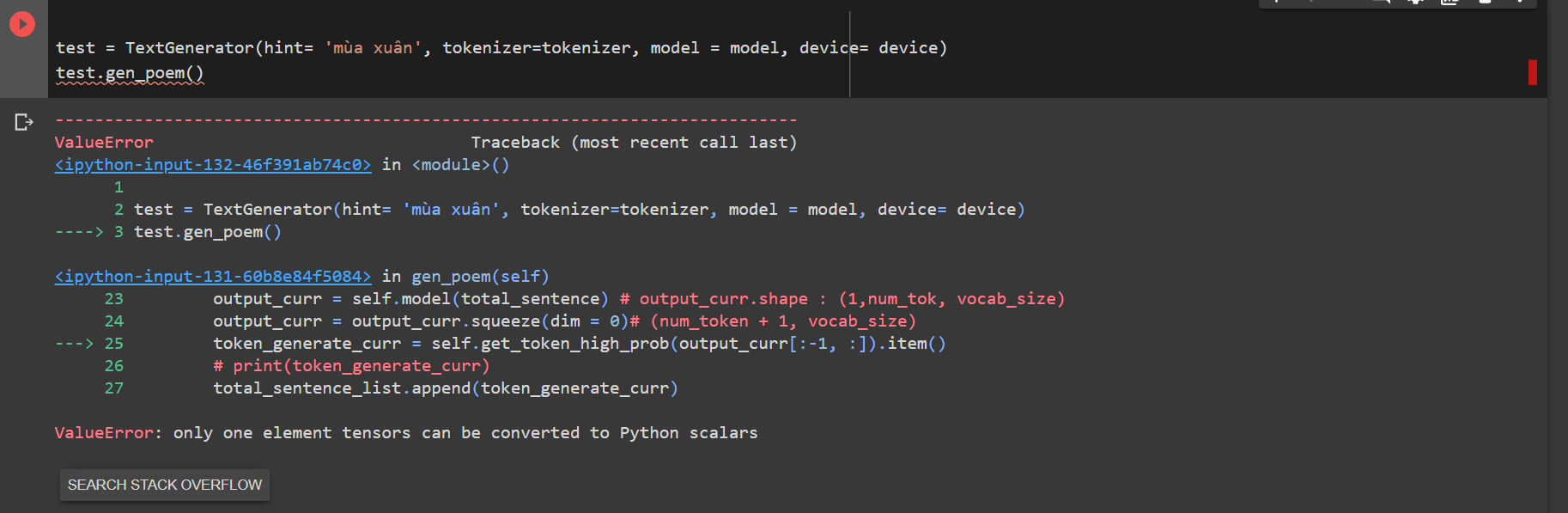
If you're diving into the world of machine learning with frameworks like TensorFlow or PyTorch, you've probably encountered a seemingly cryptic error message: "only one element tensors can be converted to python scalars." Don't worry, you're not alone! This is a very common hurdle for beginners and even experienced practitioners. Essentially, this error pops up when you try to treat a collection of numbers (a tensor) as if it were a single, standalone number (a Python scalar). Let's break down what this means, why it happens, and most importantly, how to fix it with simple steps.
What Exactly Does "Only One Element Tensors Can Be Converted to Python Scalars" Mean?
In deep learning, data is typically represented using tensors. Think of a tensor as a generalized matrix or multi-dimensional array. A scalar, on the other hand, is just a single number, like 5 or 3.14. Python has its own native data types for single numbers (integers, floats), which are called scalars. The error "only one element tensors can be converted to python scalars" means you're attempting to take a tensor that contains more than one numerical value and directly assign it to a Python variable that expects just one single number. It's like trying to fit a whole bookshelf into a single book slot â€" it just doesn't fit!
Common Scenarios Where This Error Appears
This error frequently surfaces in situations where you might expect a single numerical output but end up with a tensor that, while small, still technically has a "shape" or multiple elements. Here are a few common culprits:
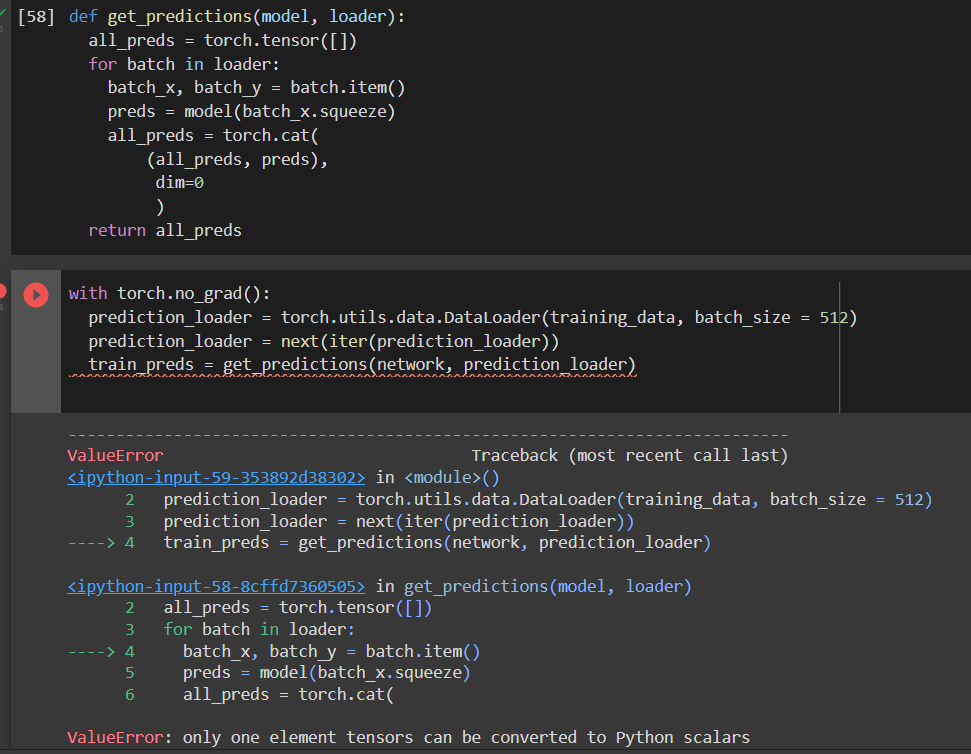
- Calculating Loss or Accuracy: When you compute your model's loss or accuracy, the result is often a single numerical value. However, the framework might return it as a 1-element tensor (e.g., a tensor like
[0.123]instead of just0.123). - Accessing Single Elements: If you index a tensor to get a specific value (e.g.,
my_tensor[0]), the result might still be a 0-dimensional tensor instead of a scalar, especially if your tensor had more than one dimension originally. - Model Predictions: Sometimes, a model might output predictions as tensors, even if it's predicting a single class probability or a single regression value.
How to Resolve This Error: Your Practical Guide
The good news is that fixing this error is usually quite straightforward! The key is to explicitly tell your framework that you only want the single numerical value contained within that 1-element tensor. Here are the most common solutions:
- Use
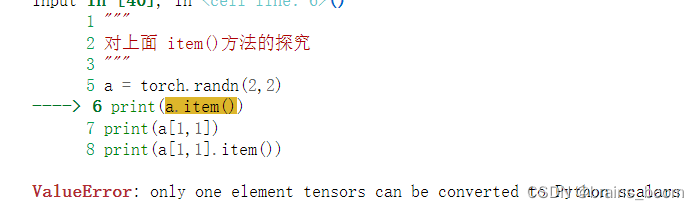
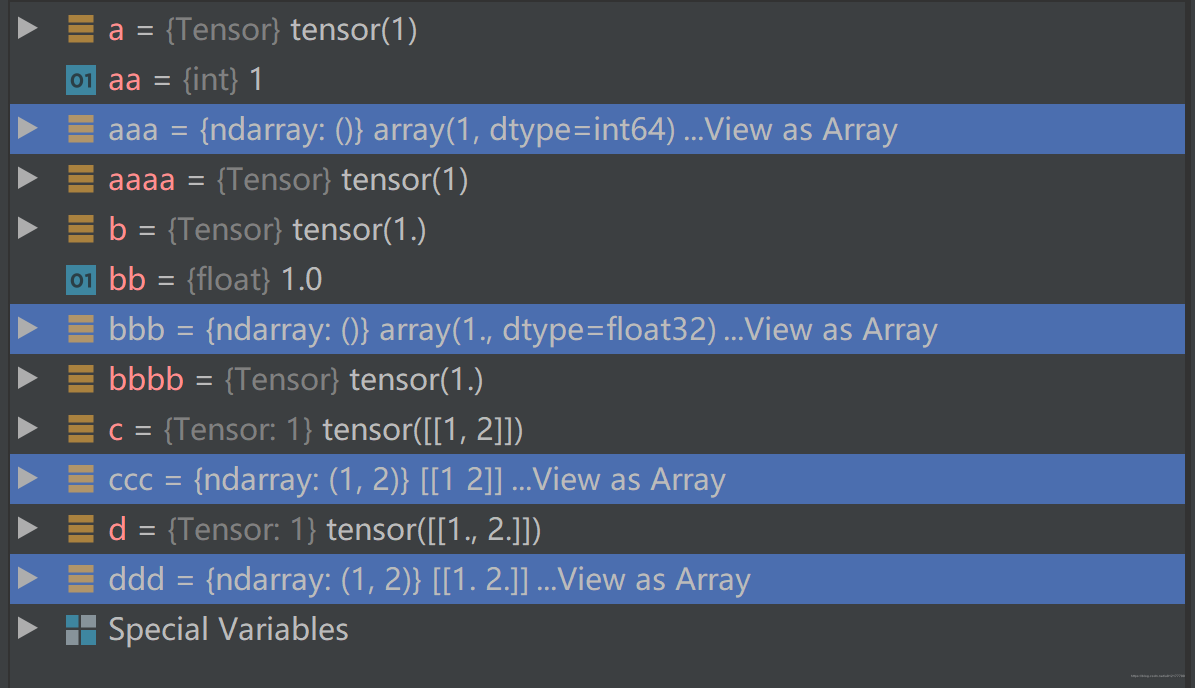
.item(): This is by far the most common and direct solution. If you have a tensor that you know contains only one element, calling.item()on it will extract that single value as a standard Python scalar (int or float).# Instead of: python_scalar = my_tensorpython_scalar = my_tensor.item()
- Use
.numpy()then.item()(TensorFlow/PyTorch compatibility): In some cases, especially when dealing with TensorFlow tensors that you want to convert to NumPy arrays first, you might do.numpy().item(). This converts the tensor to a NumPy array, then extracts the scalar from that array.# For TensorFlow: python_scalar = my_tensor.numpy().item() - Slicing/Indexing Carefully: Ensure that your indexing truly results in a single value. Sometimes, even
my_tensor[0]can return a 0-dimensional tensor if the original tensor had more dimensions. Always check the.shapeof your tensor to understand its structure.
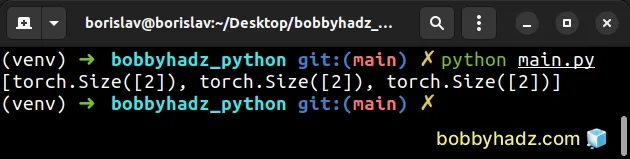
Before applying .item(), it's always a good practice to check the tensor's shape using my_tensor.shape. If it returns something like torch.Size([]) (PyTorch) or TensorShape([]) (TensorFlow), it's a scalar tensor and .item() is perfect. If it's torch.Size([1]) or TensorShape([1]), it's a 1-element tensor, and .item() is still your go-to.
Why Can't Multi-Element Tensors Be Scalars? The "Why" Behind the "What"
The reason for this restriction is fundamental to how data is handled in numerical computing. A tensor can hold one or many values arranged in a specific shape. A Python scalar can only hold one value. If a tensor had multiple values (e.g., [1, 2, 3]) and you tried to convert it to a scalar, which value would it choose? The first? The last? Their sum? This ambiguity could lead to unexpected behavior and data loss. By forcing you to explicitly extract the single element with .item(), the frameworks ensure that you are intentionally choosing how to handle the data and avoid any silent misinterpretations of your tensor's content.
Conclusion
Encountering the "only one element tensors can be converted to python scalars" error is a rite of passage for many venturing into machine learning. It's a clear signal from your framework that you're trying to squeeze a multi-dimensional data structure into a single-value slot. By understanding the difference between tensors and Python scalars, and by knowing when and how to use methods like .item(), you can easily navigate this common issue. Remember to always be mindful of your tensor's shape, and you'll be well on your way to smoother coding in your deep learning projects!
Frequently Asked Questions (FAQ)
- What exactly is a tensor?
- A tensor is a multi-dimensional array, similar to a NumPy array, used to represent data in machine learning. It can be a scalar (0 dimensions), a vector (1 dimension), a matrix (2 dimensions), or have even more dimensions.
- What is a Python scalar?
- A Python scalar refers to a single numerical value in Python, such as an integer (e.g.,
5) or a float (e.g.,3.14). It has no dimensions or shape beyond being a single value. - When should I use
.item()? - You should use
.item()when you have a tensor that you are absolutely sure contains only a single numerical value, and you need to use that value as a standard Python integer or float (e.g., for printing, calculations outside the tensor graph, or comparisons). - Can I convert any tensor to a Python scalar?
- No. The error message explicitly states "only one element tensors can be converted to python scalars." If a tensor has more than one element (e.g.,
[1, 2, 3]or a 2x2 matrix), you cannot convert it directly to a single Python scalar using.item(). You would need to select a specific element first or perform an aggregation (like sum or mean) to get a single value. - Is "only one element tensors can be converted to python scalars" specific to a library?
- While the exact wording might vary slightly, the underlying concept and error are common in deep learning frameworks like TensorFlow and PyTorch because they both use tensors as their primary data structure and need to differentiate them from native Python scalars.
only one element tensors can be converted to python scalars
only one element tensors can be converted to python scalars Wallpapers
Collection of only one element tensors can be converted to python scalars wallpapers for your desktop and mobile devices.
Captivating Only One Element Tensors Can Be Converted To Python Scalars Landscape Illustration
This gorgeous only one element tensors can be converted to python scalars photo offers a breathtaking view, making it a perfect choice for your next wallpaper.

Beautiful Only One Element Tensors Can Be Converted To Python Scalars Abstract Collection
Experience the crisp clarity of this stunning only one element tensors can be converted to python scalars image, available in high resolution for all your screens.
Stunning Only One Element Tensors Can Be Converted To Python Scalars Photo Collection
This gorgeous only one element tensors can be converted to python scalars photo offers a breathtaking view, making it a perfect choice for your next wallpaper.
Exquisite Only One Element Tensors Can Be Converted To Python Scalars Design Illustration
A captivating only one element tensors can be converted to python scalars scene that brings tranquility and beauty to any device.
Vibrant Only One Element Tensors Can Be Converted To Python Scalars Photo Illustration
Explore this high-quality only one element tensors can be converted to python scalars image, perfect for enhancing your desktop or mobile wallpaper.
Crisp Only One Element Tensors Can Be Converted To Python Scalars Moment for Desktop
Immerse yourself in the stunning details of this beautiful only one element tensors can be converted to python scalars wallpaper, designed for a captivating visual experience.
Captivating Only One Element Tensors Can Be Converted To Python Scalars Photo Concept
Immerse yourself in the stunning details of this beautiful only one element tensors can be converted to python scalars wallpaper, designed for a captivating visual experience.
Lush Only One Element Tensors Can Be Converted To Python Scalars Background Illustration
This gorgeous only one element tensors can be converted to python scalars photo offers a breathtaking view, making it a perfect choice for your next wallpaper.

Beautiful Only One Element Tensors Can Be Converted To Python Scalars Scene in HD
Explore this high-quality only one element tensors can be converted to python scalars image, perfect for enhancing your desktop or mobile wallpaper.
Vibrant Only One Element Tensors Can Be Converted To Python Scalars View for Desktop
Explore this high-quality only one element tensors can be converted to python scalars image, perfect for enhancing your desktop or mobile wallpaper.
Exquisite Only One Element Tensors Can Be Converted To Python Scalars Design for Your Screen
A captivating only one element tensors can be converted to python scalars scene that brings tranquility and beauty to any device.

Dynamic Only One Element Tensors Can Be Converted To Python Scalars Design for Your Screen
Find inspiration with this unique only one element tensors can be converted to python scalars illustration, crafted to provide a fresh look for your background.

Dynamic Only One Element Tensors Can Be Converted To Python Scalars Background Digital Art
A captivating only one element tensors can be converted to python scalars scene that brings tranquility and beauty to any device.
Exquisite Only One Element Tensors Can Be Converted To Python Scalars Wallpaper Photography
Immerse yourself in the stunning details of this beautiful only one element tensors can be converted to python scalars wallpaper, designed for a captivating visual experience.

Lush Only One Element Tensors Can Be Converted To Python Scalars Artwork Art
This gorgeous only one element tensors can be converted to python scalars photo offers a breathtaking view, making it a perfect choice for your next wallpaper.

Crisp Only One Element Tensors Can Be Converted To Python Scalars Landscape for Mobile
Find inspiration with this unique only one element tensors can be converted to python scalars illustration, crafted to provide a fresh look for your background.
Lush Only One Element Tensors Can Be Converted To Python Scalars Landscape Collection
Find inspiration with this unique only one element tensors can be converted to python scalars illustration, crafted to provide a fresh look for your background.

Crisp Only One Element Tensors Can Be Converted To Python Scalars Scene Digital Art
This gorgeous only one element tensors can be converted to python scalars photo offers a breathtaking view, making it a perfect choice for your next wallpaper.
Stunning Only One Element Tensors Can Be Converted To Python Scalars Image Digital Art
A captivating only one element tensors can be converted to python scalars scene that brings tranquility and beauty to any device.

Captivating Only One Element Tensors Can Be Converted To Python Scalars Photo in 4K
A captivating only one element tensors can be converted to python scalars scene that brings tranquility and beauty to any device.
Download these only one element tensors can be converted to python scalars wallpapers for free and use them on your desktop or mobile devices.