European Driving Licence
The European Driving Licence: A Comprehensive Analysis of its Framework, Requirements, and Evolving Landscape
Executive Summary
The European driving licence represents a cornerstone of mobility within the European Economic Area (EEA), encompassing all 27 EU member states, alongside Iceland, Liechtenstein, and Norway. Far from being a singular document issued by a central authority, it is a harmonized format designed to replace a multitude of disparate national licences, thereby significantly reducing fraud and enhancing road safety across the bloc.
1. Introduction to the European Driving Licence Framework
The European driving licence is a pivotal instrument facilitating free movement and ensuring road safety across a vast geographical area. Its establishment marked a significant step towards deeper integration within Europe, standardizing a document critical for millions of drivers.
1.1. Definition, Purpose, and Harmonization
The European driving licence is a standardized document issued by individual member states of the European Economic Area (EEA), which includes all 27 EU countries and the EFTA states of Iceland, Liechtenstein, and Norway.
The evolution from a multitude of national licences to a single, harmonized format signifies a profound regulatory trend towards deeper European integration. This is not merely an administrative convenience but a strategic move to address cross-border challenges, including the integrity of official documents and security. The ongoing push for digitalization further reinforces this direction, aiming for enhanced security, interoperability, and administrative efficiency. While the European driving licence aims to facilitate free movement by ensuring mutual recognition across the EEA, the fact that it is still issued by individual member states, rather than a centralized EU body, indicates a careful balance between supranational harmonization and national sovereignty. This arrangement allows for some flexibility within national administrative processes while upholding common standards for the document's format and vehicle categories.
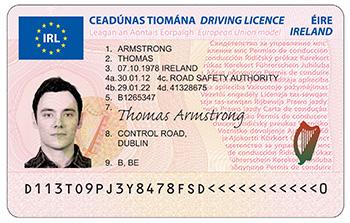
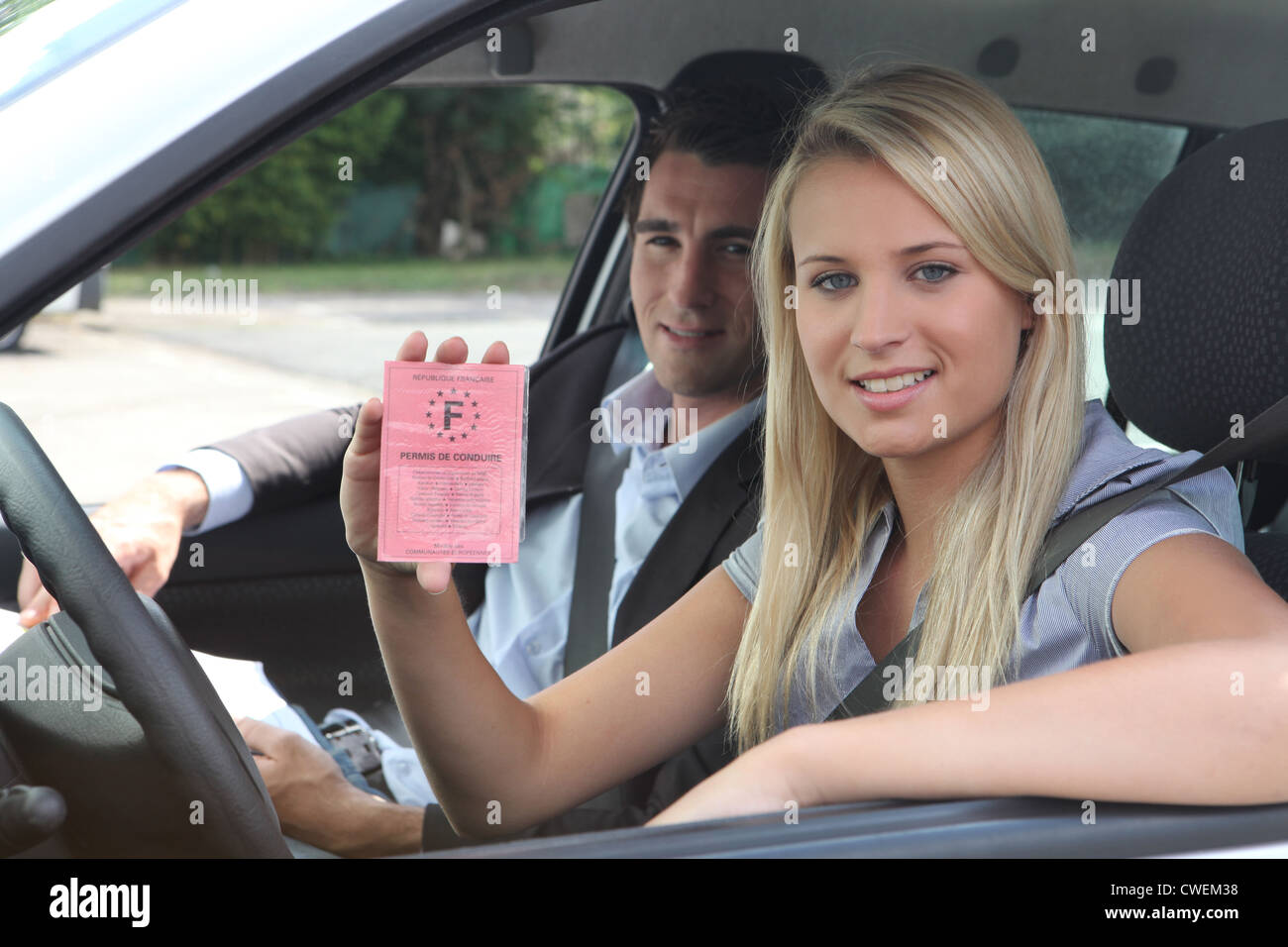
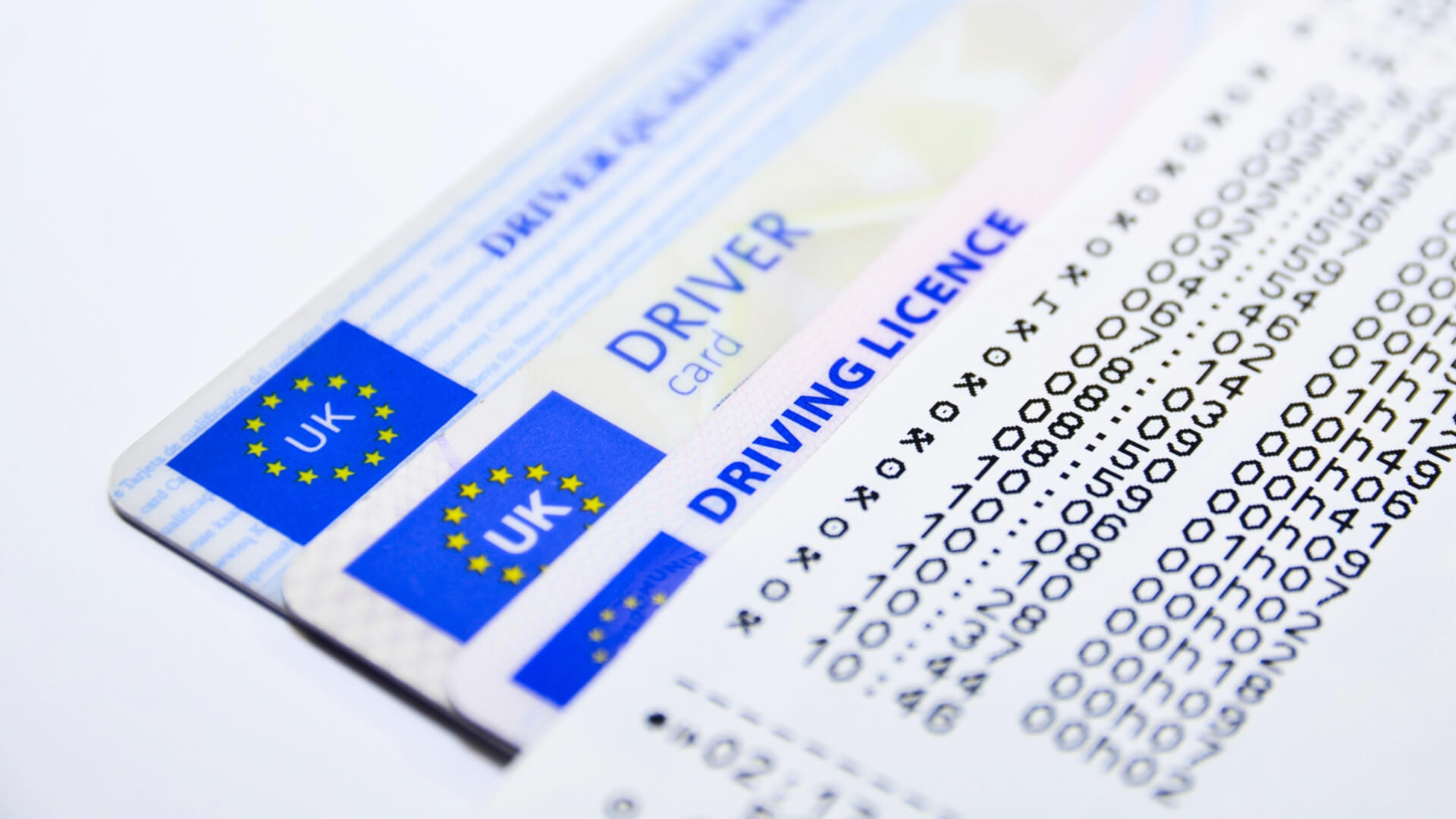
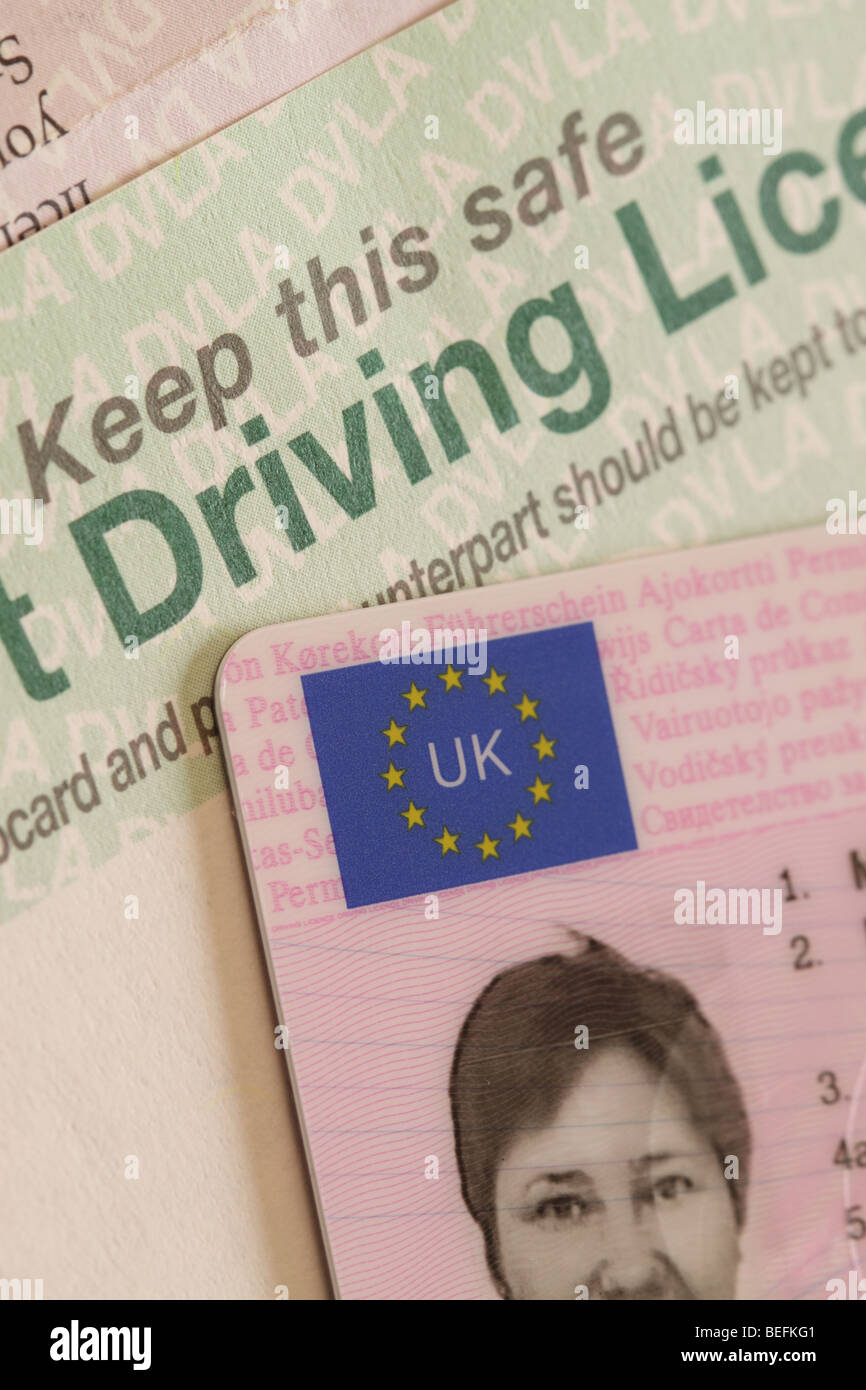
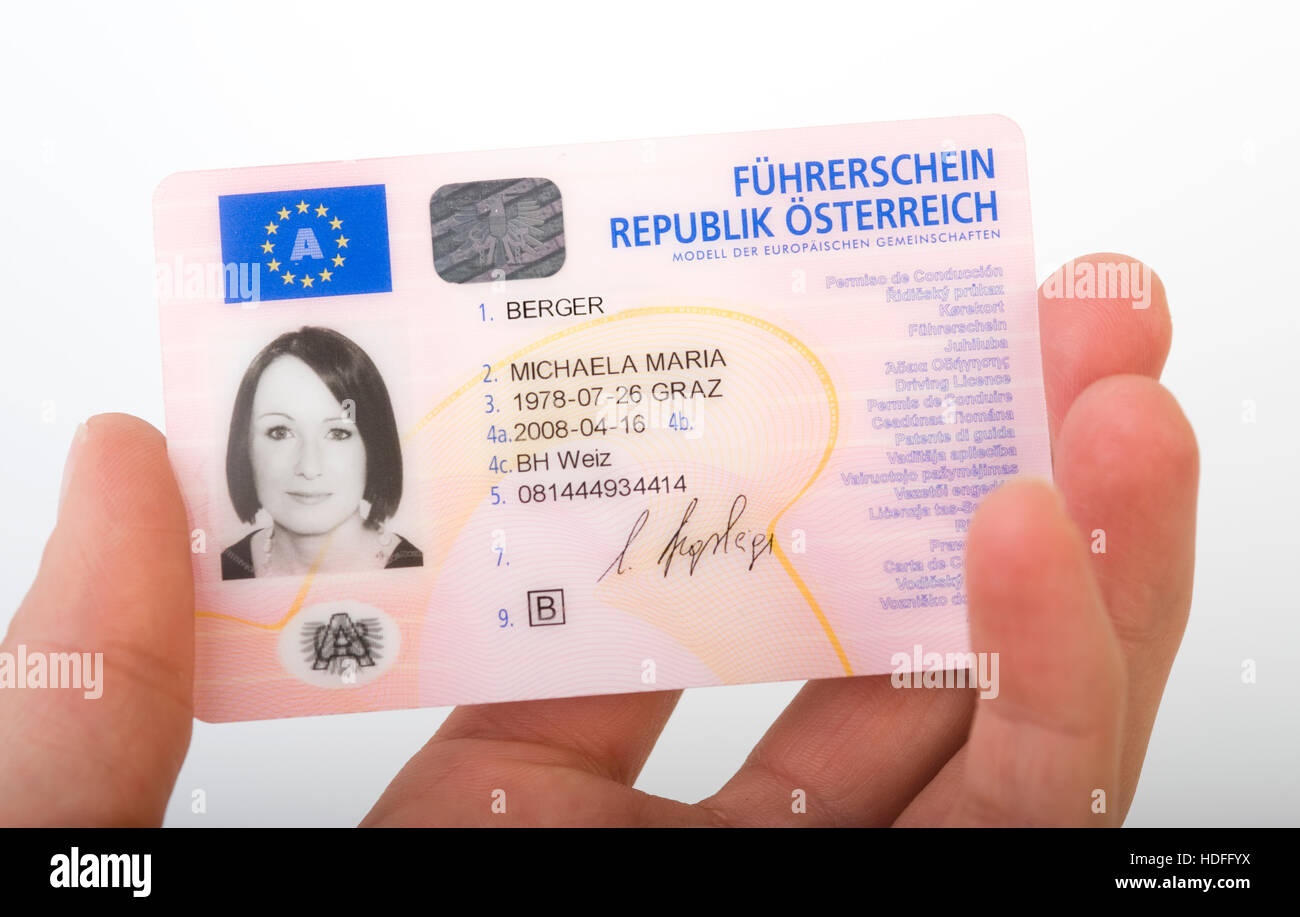
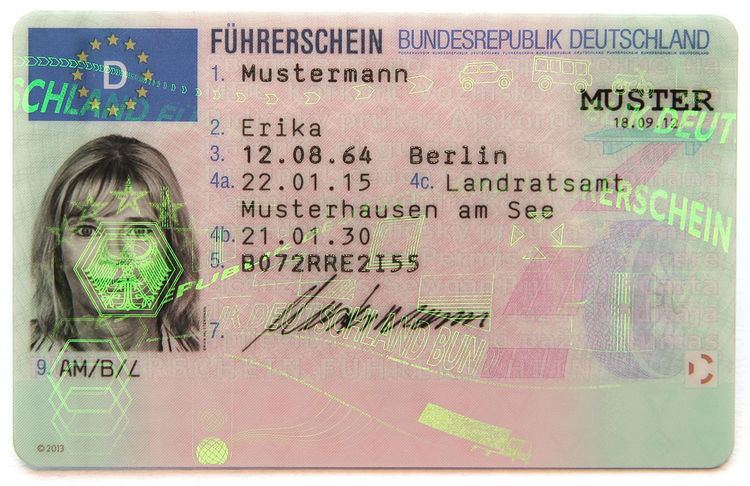
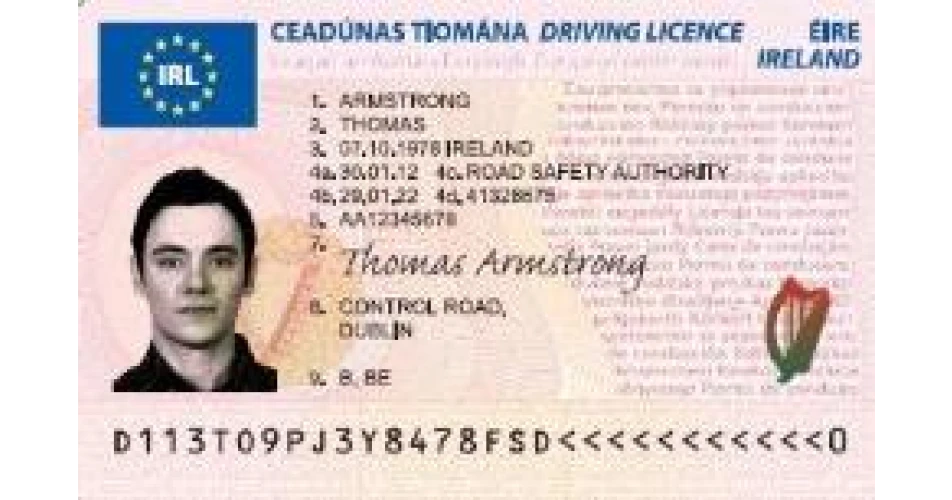
The standardized format is a credit-card style document featuring a photograph, incorporating special components and security features designed to prevent counterfeiting.
1.2. Geographical Scope: EU, EEA, and Bilateral Agreements (e.g., Switzerland, UK)
A driving licence issued by any EEA member state is recognized throughout the entire EEA. This means that its holder can drive in any EEA country as long as the licence remains valid, the driver meets the minimum age requirements for the equivalent vehicle category, and the licence has not been suspended, restricted, or revoked in the issuing country.
Switzerland: Although Switzerland is a member state of the European Free Trade Association (EFTA), it is not a contracting party to the EEA Agreement. Nevertheless, Switzerland has largely adopted much of the harmonized EU legislation concerning driving licences through a series of bilateral agreements with the EU. This includes using vehicle categories similar to the EU system since the 2000s and issuing Swiss driving licences that resemble EEA-style credit-card licences.
United Kingdom (Post-Brexit): Following its departure from the European Union, the recognition of driving licences between the UK and the EU/EEA has been specifically addressed. As of January 1, 2021, European licences are recognized by the UK if the driving test was passed in an EU/EEA country. These licences can be used by holders visiting or residing in the UK and can also be exchanged for a UK driving licence. Conversely, UK driving licences can generally be used when visiting EU/EEA countries, though certain exceptions apply. In some cases, International Driving Permits (IDPs) might be required, depending on which international convention (1949 Geneva or 1968 Vienna) a specific country has ratified. However, it is important to note that currently, no EEA country requires IDPs for visitors staying shorter than 12 months.
2. Structure and Categories of the European Driving Licence
The European driving licence is characterized by its standardized physical format and a harmonized classification system for vehicle types, ensuring consistency and recognition across the EEA.
2.1. Standardized Format and Security Features
The European driving licence is issued as a credit-card style, single plastic-coated document, specifically designed to be highly resistant to counterfeiting.
The European Union is progressively moving towards the creation of a European digital driving licence, which would be valid throughout the EU and accessible via a smartphone using EU-wide digital wallet technology.
2.2. Harmonized Vehicle Categories and Sub-categories
The European driving licence system, updated significantly in 2013 by Directive 2006/126/EC, includes harmonized categories for various vehicle types, ensuring their recognition across all EEA member states.
The main categories include:
- Mopeds (AM): This category covers two-wheel, three-wheel, and four-wheel vehicles (quadricycles) with a maximum design speed not exceeding 45 km/h and a cylinder capacity not exceeding 50 cubic centimeters.
- Motorcycles (A1, A2, A): These categories are progressive. A1 is for motorcycles up to 125cc and 11 kW, and motor tricycles up to 15 kW. A2 is for motorcycles up to 35 kW with a specific power/weight ratio. Category A covers any motorcycle or motor tricycle not falling into A1 or A2.
- Motor Vehicles (Cars) (B, BE, B1): Category B is for motor vehicles with a maximum authorized mass (MAM) not exceeding 3,500 kg and designed for no more than eight passengers in addition to the driver. These vehicles can be combined with a trailer having a MAM not exceeding 750 kg, or heavier trailers if the total MAM of the vehicle and trailer is not more than 3,500 kg.
- Large Goods Vehicles (C1, C1E, C, CE): C1 is for large goods vehicles with a MAM of up to 7.5 tonnes, with or without a light trailer. C1E is for combinations where the tractor is C1 and the combined mass does not exceed 12,000 kg. Category C covers large goods vehicles with a MAM over 3.5 tonnes and up to 8+1 seats, with a light trailer. CE is for other combinations of Category C tractor vehicles with heavier trailers.
- Buses (D1, D1E, D, DE): D1 is for light buses with up to 16+1 seats and a maximum length of 8 meters. D1E is for combinations involving a D1 tractor vehicle and a trailer over 750 kg MAM, with a combined mass not exceeding 12,000 kg. Category D covers vehicles with more than 8+1 seats (buses). DE is for combinations of a Category D tractor vehicle with a trailer over 750 kg MAM.
2.3. Minimum Age Requirements for Each Category
While the EU system aims for harmonization, minimum ages for acquiring different licence categories are standardized at the EU level but allow for some national variations. For instance, the minimum age for Category AM (mopeds) is generally 16 years, but can vary from 14 years in Estonia, Latvia, France, Italy, Poland, and Hungary, to 18 years in Denmark and Malta.
This persistence of national variations in minimum ages, despite harmonized categories, highlights a tension between full standardization and allowing member states to adapt regulations to their specific contexts, such as differing road safety records, cultural driving norms, or educational systems. This suggests that "harmonization" in the EU often means setting a common floor or framework, within which national authorities retain some degree of discretion.
Recent legislative proposals have also addressed the shortage of professional drivers in the EU by lowering the minimum age for obtaining a driving licence for trucks (Category C) from 21 to 18, and for buses (Category D) from 24 to 21, provided that drivers hold a certificate of professional qualification.
The following table provides a detailed overview of the European Driving Licence Categories and their associated minimum acquisition ages, highlighting key specifications and national variations.
European Driving Licence Categories and Minimum Acquisition Ages
| Category | Vehicle Type & Key Specifications | General Minimum Age | Notable National Variations & Conditions |
|---|---|---|---|
| AM | Mopeds (2, 3, or 4 wheels); Max speed ≤ 45 km/h; Cyl. capacity ≤ 50cc | 16 years | 14 years (Estonia, Latvia, France, Italy, Poland, Hungary); 15 years (Austria, Lithuania, Czech Republic, Finland, Germany, Slovenia, Spain, Sweden); 18 years (Denmark, Malta) |
| A1 | Motorcycles ≤ 125cc, ≤ 11 kW; Motor tricycles ≤ 15 kW | 16 years | 18 years (Denmark, Greece, Belgium, Netherlands) |
| A2 | Motorcycles ≤ 35 kW, power/weight ratio ≤ 0.2 kW/kg | 18 years | 20 years (Denmark, Greece, Belgium, Netherlands) |
| A | Any motorcycle or motor tricycle | 20 years (with 2 yrs A2 experience) or 24 years (direct access) | 22 years (Denmark, Greece, Belgium, Netherlands) |
| B | Motor vehicles ≤ 3,500 kg MAM, ≤ 8 passengers + driver; with/without trailer ≤ 750 kg MAM (or >750kg if combined MAM ≤ 3,500 kg) | 18 years | 17 years (Ireland, France, Hungary); 17 years under supervision (Germany, Netherlands, Greece); 16 years under supervision (Iceland) |
| BE | Category B tractor vehicle with trailer(s) ≤ 3,500 kg MAM | 18 years | 17 years (Ireland) |
| B1 | Heavy quadricycles (Optional category) | 16 years | Not implemented by all countries |
| C1 | Large goods vehicles ≤ 7.5 tonnes MAM; with/without trailer ≤ 750 kg MAM | 18 years | Requires Category B |
| C1E | Category C1 tractor vehicle with trailer(s) > 750 kg MAM; combined MAM ≤ 12,000 kg | 18 years | Requires Category C1 |
| C | Large goods vehicles > 3.5 tonnes MAM, ≤ 8+1 seats; with trailer ≤ 750 kg MAM | 21 years | 18 years (Sweden, Finland, Ireland, Germany for non-commercial/apprenticeship; Belgium for professional drivers) |
| CE | Category C tractor vehicle with trailer(s) > 750 kg MAM | 21 years | 18 years (Belgium for professional drivers) |
| D1 | Light buses ≤ 16+1 seats, length ≤ 8 meters; with/without trailer ≤ 750 kg MAM | 21 years | 18 years (Belgium for professional drivers) |
| D1E | Category D1 tractor vehicle with trailer(s) > 750 kg MAM; combined MAM ≤ 12,000 kg | 21 years | 18 years (Belgium for professional drivers) |
| D | Vehicles > 8+1 seats (buses); with/without trailer ≤ 750 kg MAM | 24 years | 21 years (Ireland, Belgium for professional drivers) |
| DE | Category D tractor vehicle with trailer(s) > 750 kg MAM | 24 years | 21 years (Ireland, Belgium for professional drivers) |
3. Validity, Renewal, and Exchange for EU/EEA Citizens
The European driving licence framework includes specific regulations governing the validity periods, renewal processes, and exchange procedures for citizens residing within the EEA. These rules are designed to maintain high safety standards while facilitating seamless mobility.
3.1. Standard Validity Periods and Renewal Procedures
The physical European driving licence document is typically renewable every 10 or 15 years, with the exact period dependent on the specific member state.
New EU rules, which have been formally approved by the European Parliament and Council, stipulate a 15-year validity period for driving licences covering motorcycles and cars. Member states retain the option to reduce this period to 10 years if the licence also serves as a national identification document. Licences for trucks and buses will maintain a 5-year validity period.
The shorter validity periods for professional categories and the requirement for medical checks upon renewal indicate a clear emphasis on ongoing fitness to drive for those operating larger or passenger vehicles. This reflects the higher safety risk associated with these categories. Similarly, the flexibility for member states to set shorter validity periods and require medical examinations for drivers aged 65 and over underscores a proactive, age-specific risk management approach to road safety, acknowledging potential changes in physical and mental fitness with age. While renewals for most categories are primarily administrative measures, generally not requiring new medical examinations or driving tests unless there is specific doubt about a licence-holder's fitness to drive
3.2. Mandatory Conversion of Older Licences (Pre-2013)
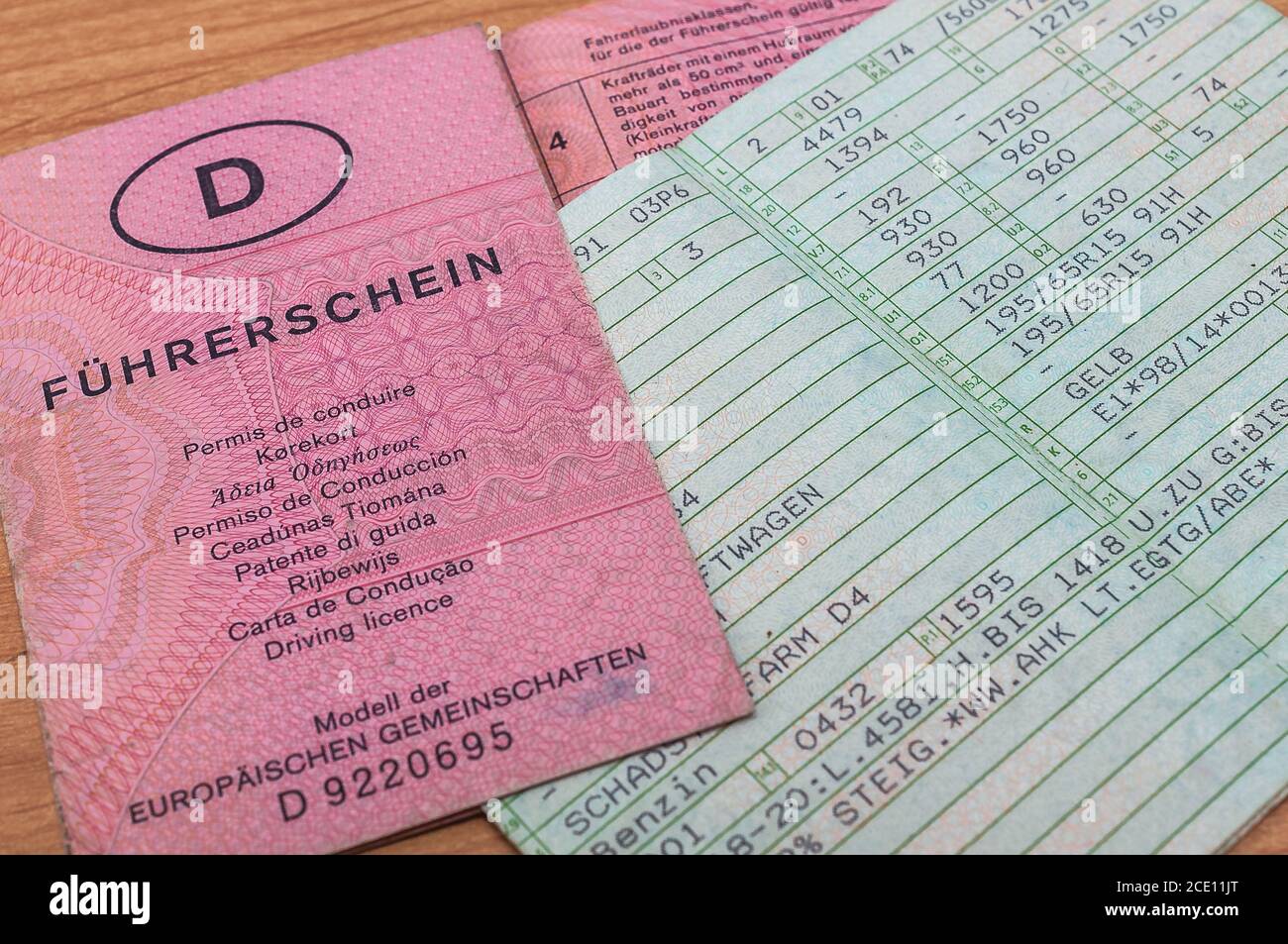
To ensure uniformity and enhance security across the EEA, all paper licences and photocard licences issued before January 19, 2013, will remain valid until January 19, 2033. However, they must be converted to the new EU photocard format by this deadline.
Certain exemptions exist for older category 2 driving licences and class 3 driving licences for special combinations up to a gross vehicle weight of 18.5 tonnes. These specific licences must be exchanged for a card driving licence by the age of 50, and proof of fitness to drive is required at that point.
The 2033 deadline for converting older licences demonstrates a common EU regulatory strategy: phased implementation. This extended transition period allows for gradual administrative updates across member states and minimizes disruption for citizens, while ensuring that by a specific future date, all active licences conform to the latest harmonized standards, thereby bolstering the fraud reduction objective. This mandatory conversion, even if purely administrative, is crucial for establishing a consistent, digitally readable, and secure database of driving licences across the EU. This consistency is vital for effective cross-border enforcement of traffic laws and driving bans, as well as for verifying driver credentials for purposes like car rental or employment. The potential for problems arising from "outdated photos or illegible information" on older licences underscores the practical benefits of this conversion for both authorities and drivers.
3.3. Mutual Recognition and Exchange Procedures for Residents Moving within the EEA
A driving licence issued by an EEA member state is recognized throughout the entire EEA. Consequently, if a holder of an EEA driving licence moves to another EEA country, it is generally not necessary to exchange the licence before it expires, as it remains valid for use.
Despite the general principle of mutual recognition, specific conditions necessitate mandatory exchange. If a driving licence has an indefinite period of validity (i.e., no expiry date) or an exceptionally long validity period (e.g., more than 15 years for Group 1 categories like AM, A, B, BE, or more than 5 years for Group 2 categories like C, D, CE, DE), it must be renewed or exchanged two years after the holder establishes their ordinary residence in another EEA country.
"Ordinary residence" is generally defined as the place where a person can prove they have spent at least 185 days during the last 12 months, or where they intend to reside for at least 185 days.
The exchange process typically involves submitting an official application form, valid identity documents (such as a passport or ID card), and the original foreign driving licence.
The principle of mutual recognition is a cornerstone of EU mobility, allowing citizens to move freely without immediate re-licensing. However, the requirement to exchange indefinite or very long-validity licences after two years of residency introduces a nuance. This indicates that while short-term mobility is seamless, long-term residency implies a deeper integration into the host country's administrative and regulatory system. This ensures that all drivers eventually fall under the host country's full oversight, including its specific renewal cycles and medical checks, thereby maintaining consistent safety standards. The distinction between "not necessary to exchange before it expires" and the practical benefits of voluntary exchange highlights that legal compliance is not always the sole consideration. Practical advantages, such as the ease of obtaining duplicates in case of loss or theft, or simply possessing a locally recognized document for various administrative purposes, can encourage voluntary compliance, even when not legally mandated. This implies that the effectiveness of EU harmonization extends beyond mere legal recognition to encompass practical utility and administrative convenience for citizens.
4. Driving in Europe for Non-EU/EEA Citizens
For individuals from outside the EU/EEA, the requirements for driving in Europe differ significantly, with distinct rules for short-term visitors (tourists) and long-term residents.
4.1. Requirements for Tourists and Short-Term Visitors: The Role of International Driving Permits (IDPs)
For non-EU citizens visiting Europe, the rules regarding driving licence recognition can vary by country. While some EU countries may accept a valid driving licence from the visitor's country of origin, others may require an International Driving Permit (IDP).
An IDP is not a standalone driving licence; rather, it serves as an official translation of the national driving licence and is only valid when carried in conjunction with the original licence.
While some EEA countries might technically require a 1949 or 1968 IDP based on their ratified international conventions, none of the EEA countries currently mandate IDPs for visitors staying shorter than 12 months.
In addition to driving documents, non-EU citizens visiting Europe typically need a passport valid for at least three months beyond their intended departure date from the EU and issued within the last ten years. Depending on their country of origin, a visa may also be required for entry into the EU.
4.2. Rules for Long-Term Residents: Recognition Periods and Mandatory Conversion Requirements
Holders of non-EEA driving licences who establish "normal residence" in an EU/EEA country are generally permitted to continue driving using their foreign licence for a limited period, typically six months.
The mandatory conversion of non-EEA licences after a short grace period upon establishing "normal residence" demonstrates a clear causal link: the act of becoming a long-term resident triggers a requirement for full integration into the host country's regulatory framework. This is crucial for legal oversight, ensuring that all long-term drivers comply with EU standards for fitness, testing, and periodic renewal, unlike short-term tourists. For instance, for UK citizens taking up residence in Germany post-Brexit, their UK licence must be converted into an EU/EEA driving licence after a maximum of six months.
4.3. Application and Conversion Process for Non-EU/EEA Licences (e.g., required tests, documentation)
The conversion procedure for non-EEA driving licences is mandatory once an individual has established normal residence in an EU/EEA country.
The required documentation for conversion is often extensive and may include:
- A valid passport or national identity card.
- The original foreign driving licence.
- A recent biometric passport-sized photograph.
- A medical certificate or report of mental and physical fitness, often issued by an authorized driving test centre.
- In some instances, a certified translation of the foreign driving licence may be required.
- Proof of normal residence in the EU/EEA country, such as a registration confirmation or proof of address.
- A criminal record extract from the country of origin, covering a specified period (e.g., Luxembourg requires for the last 5 years).
- Payment of an application fee.
A practical driving test is usually a mandatory component for converting non-EU/EEA driving licences, unlike the administrative exchange for EU/EEA licences.
The following table summarizes the key requirements for non-EU/EEA citizens driving and converting licences in the EU, distinguishing between short-term visitors and long-term residents.
Key Requirements for Non-EU/EEA Citizens Driving and Converting Licences in the EU
| Scenario | Requirement/Document | Purpose/Rationale |
|---|---|---|
| Tourists/Short-Term Visitors | Valid National Driving Licence: Issued by country of origin. | Legal authorization to drive in home country. |
| International Driving Permit (IDP): Recommended for most non-EU citizens, often required by rental companies. | Official translation of national licence; overcomes language barriers with authorities/rental agencies; practical risk mitigation. | |
| Passport: Valid for at least 3 months after leaving EU, issued within last 10 years. | Standard international travel identification and entry requirement. | |
| Visa (if applicable): Depending on nationality. | Legal entry authorization for EU travel. | |
| Long-Term Residents (after establishing "normal residence") | Grace Period (typically 6 months): Foreign licence valid for a limited period. | Allows time for administrative transition upon residency establishment. |
| Mandatory Conversion: Required after grace period. | Ensures full integration into host country's regulatory framework for legal oversight and safety compliance. | |
| Application Form: Submitted to national driving licence authority. | Formal initiation of the conversion process. | |
| Passport/ID Card: Proof of identity. | Verification of applicant's identity. | |
| Original Foreign Driving Licence: For exchange. | Verification of existing driving privileges. | |
| Biometric Passport Photo: For new EU licence. | Standard photographic identification for official documents. | |
| Medical Certificate (Physical & Mental Fitness): Often required. | Ensures driver meets health standards for road safety. | |
| Translation of Foreign Licence (if applicable): Certified translation. | Ensures legibility and understanding of foreign document details. | |
| Proof of Normal Residence: E.g., registration confirmation, proof of address. | Confirms eligibility based on residency requirements. | |
| Criminal Record Extract (e.g., for Luxembourg): From country of origin. | Part of comprehensive vetting process for public safety. | |
| Practical Driving Test (usually required): | Ensures driver meets host country's practical driving standards. | |
| Application Fee: | Administrative cost for processing the conversion. |
5. Recent and Future Developments in EU Driving Licence Legislation
The European Union's driving licence framework is not static; it is continually evolving to adapt to technological advancements, address societal needs, and enhance road safety. Recent and upcoming legislative changes highlight the EU's strategic direction.
5.1. Towards Digital Driving Licences and Streamlined Administrative Procedures
The EU is actively pursuing the creation of a European digital driving licence, which is intended to be valid throughout the entire EU and accessible via a smartphone utilizing EU-wide digital wallet technology.
Despite the emphasis on digitalization, drivers will retain the right to request a physical licence.
5.2. Changes to Minimum Age for Professional Driving Categories
In a significant legislative adjustment, the minimum age for obtaining a driving licence for trucks (Category C) has been lowered from 21 to 18 years, and for buses (Category D) from 24 to 21 years.
Furthermore, member states may now permit 17-year-olds to drive trucks within their national territory, provided they are under the supervision of an experienced driver. This "accompanied driving" system is also slated for broader application to car drivers across the EU.
5.3. Introduction of Probationary Periods and Enhanced Road Safety Measures
New EU rules will introduce a mandatory probationary period of at least two years for all new drivers.
In addition to stricter enforcement, new training requirements are being introduced to better prepare drivers for real-world situations. These include modules on the risks associated with mobile phone usage while driving, safe driving in dangerous conditions (e.g., snow, slippery roads), awareness of blind spots, proper use of driver-assistance systems, and safe door opening procedures.
The introduction of mandatory probationary periods and stricter rules for new drivers, coupled with enhanced training requirements, signals a shift towards a more proactive and preventative road safety policy across the EU. This aims to instill safer driving habits from the outset and specifically target high-risk behaviors, demonstrating a commitment to reducing accidents and fatalities, aligning with "Vision Zero" goals.
5.4. Cross-Border Enforcement of Driving Bans
A significant advancement in EU driving licence legislation is the new agreement ensuring that driving bans imposed on a driver in one EU country will apply across the entire EU.
However, certain exemptions have been included in the agreement. For example, drivers banned for excessive speeding may be exempted from a home country and EU-wide ban if they exceeded the speed limit by less than 50 km/h.
6. Conclusion and Strategic Considerations
The European driving licence framework stands as a testament to the European Union's ongoing commitment to facilitating mobility and enhancing road safety across its member states and the broader European Economic Area. Through a harmonized credit-card style format, standardized vehicle categories, and mutual recognition principles, the system significantly reduces administrative burdens and the risk of fraud, enabling seamless travel for millions of citizens.
However, the analysis reveals a nuanced landscape where harmonization coexists with national flexibility. While EU/EEA citizens benefit from broad recognition and streamlined exchange procedures, particularly for short-term mobility, long-term residency triggers specific requirements for licence conversion, ensuring integration into the host country's regulatory oversight. For non-EU/EEA citizens, the requirements are notably more complex, necessitating careful consideration of International Driving Permits for short visits and often mandating comprehensive re-qualification processes, including practical tests and medical assessments, upon establishing long-term residence. These variations underscore the differing levels of integration and scrutiny applied based on residency status and origin.
The regulatory environment surrounding the European driving licence is dynamic, with significant legislative developments underway. The strategic shift towards a European digital driving licence, coupled with the digitalization of administrative procedures, signals a clear move towards a more modern, efficient, and secure system, aligning with the broader vision of a digital single market. However, the success of this transition will depend on robust cybersecurity measures and achieving true cross-border interoperability for digital documents. Simultaneously, adjustments to minimum age limits for professional driving categories, driven by economic needs, highlight a critical policy trade-off with road safety concerns, which the EU seeks to mitigate through measures like accompanied driving and enhanced training. The introduction of mandatory probationary periods for new drivers and strengthened cross-border enforcement of driving bans further exemplify the EU's proactive approach to fostering responsible driving behavior and ensuring accountability across borders.
For individuals and organizations navigating this intricate framework, a thorough understanding of both the overarching EU directives and specific national implementations is paramount. The continuous evolution of EU legislation, particularly with the emphasis on digitalization and road safety enhancements, necessitates ongoing monitoring and adaptation. Ultimately, the European driving licence, in its current form and future trajectory, embodies the EU's commitment to balancing the facilitation of free movement with the continuous pursuit of higher safety standards and administrative efficiency for all road users.
European driving licence Wallpapers
Collection of european driving licence wallpapers for your desktop and mobile devices.
European Driving Licence Shot
High quality european driving licence image perfect for desktop or mobile wallpaper.

European Driving Licence Photo
High quality european driving licence image perfect for desktop or mobile wallpaper.
European Driving Licence Scenery
Beautiful european driving licence wallpaper with stunning details and colors.
European Driving Licence Backdrop
High quality european driving licence image perfect for desktop or mobile wallpaper.

European Driving Licence Photograph
High quality european driving licence image perfect for desktop or mobile wallpaper.
European Driving Licence Picture
Beautiful european driving licence wallpaper with stunning details and colors.
European Driving Licence Scenery
Beautiful european driving licence wallpaper with stunning details and colors.
European Driving Licence Background
Gorgeous european driving licence photo that makes a perfect wallpaper.

European Driving Licence Backdrop
Beautiful european driving licence wallpaper with stunning details and colors.
European Driving Licence Wallpaper
High quality european driving licence image perfect for desktop or mobile wallpaper.
European Driving Licence Photograph
Gorgeous european driving licence photo that makes a perfect wallpaper.
European Driving Licence Scenery
High quality european driving licence image perfect for desktop or mobile wallpaper.
European Driving Licence Background
High quality european driving licence image perfect for desktop or mobile wallpaper.

European Driving Licence Wallpaper
Amazing european driving licence background image for your devices.

European Driving Licence Shot
Gorgeous european driving licence photo that makes a perfect wallpaper.

European Driving Licence Scenery
High quality european driving licence image perfect for desktop or mobile wallpaper.
European Driving Licence Background
Stunning european driving licence image with high resolution quality.
European Driving Licence Picture
Amazing european driving licence background image for your devices.
European Driving Licence View
Gorgeous european driving licence photo that makes a perfect wallpaper.

European Driving Licence View
Amazing european driving licence background image for your devices.

European Driving Licence Scenery
High quality european driving licence image perfect for desktop or mobile wallpaper.

European Driving Licence Background
Beautiful european driving licence wallpaper with stunning details and colors.

European Driving Licence Photo
Amazing european driving licence background image for your devices.
Download these european driving licence wallpapers for free and use them on your desktop or mobile devices.
