Which Camera Is Best For Photography And Videography?
The Ultimate Guide to Hybrid Cameras: Best Choices for Photography and Videography in 2025
1. Executive Summary
2. Understanding Hybrid Cameras: Mirrorless vs. DSLR vs. Compact
The evolution of digital cameras has led to distinct categories, each with unique design philosophies and performance characteristics. For individuals seeking a camera proficient in both photography and videography, understanding these foundational differences is essential.
Evolution of Camera Types
- DSLRs (Digital Single-Lens Reflex): These cameras gained widespread popularity in the early 2000s, offering professional-grade image quality and versatility through interchangeable lenses. The core of a DSLR is its optical viewfinder (OVF), which uses a mirror and pentaprism system to reflect light from the lens directly to the photographer's eye.
- Mirrorless Cameras: Emerging as a compelling alternative, mirrorless cameras fundamentally differ by eliminating the mirror mechanism and optical viewfinder.
- Compact Cameras: These cameras are generally smaller and often feature fixed lenses, prioritizing portability. While many compacts target casual users, a growing segment of high-end compact cameras offers impressive photo and video capabilities within a highly portable form factor, sometimes even incorporating larger sensors.
Key Differences for Hybrid Shooters
The fundamental design differences between mirrorless and DSLR cameras translate into significant performance disparities for hybrid shooters.
- Size and Weight: Mirrorless cameras are inherently more compact and lightweight due to the absence of the bulky mirror box and pentaprism.
- Autofocus Capabilities: Mirrorless cameras generally boast advanced, sensor-based autofocus systems. These often combine both contrast-detection and phase-detection (known as hybrid AF) directly on the image sensor, leading to fast and accurate focusing, particularly in continuous shooting and video recording scenarios.
- Video Performance: Mirrorless cameras are unequivocally superior in video recording. They commonly offer high-quality video capture at 4K resolution and beyond, including 6K and 8K, along with advanced video-centric features such as precise focus tracking, extensive manual controls, and external microphone inputs.
- Viewfinders: DSLRs utilize an Optical Viewfinder (OVF), which provides a direct, real-time, and unlagged view of the scene through the lens via mirrors and prisms.
- Continuous Shooting: The absence of a mechanical mirror flip in mirrorless cameras allows them to achieve significantly faster continuous shooting speeds. Some models can reach 15 frames per second (fps) with a mechanical shutter, and even higher speeds (20-30fps, or up to 120fps in certain modes) with an electronic shutter, all while maintaining continuous autofocus.
- Battery Life: DSLRs generally boast longer battery life due to their simpler electronic systems and lower power consumption. They primarily draw significant power only when capturing an image or reviewing photos on the LCD screen, as they lack electronic viewfinders and continuous live view usage.
- Durability and Reliability: DSLRs have a long-standing reputation for robustness and reliability, often designed to withstand heavy use and challenging environments, including extreme temperatures.
Compact Cameras for Hybrid Use
Table: Mirrorless vs. DSLR: Key Differences for Hybrid Shooters
| Feature | Mirrorless Cameras | DSLR Cameras |
| Size & Weight | Smaller, Lighter (no mirror box) | Larger, Heavier (due to mirror mechanism) |
| Viewfinder | Electronic Viewfinder (EVF) - live preview, digital aids | Optical Viewfinder (OVF) - direct, no delay |
| Autofocus | Faster, More Advanced (sensor-based, eye/face/subject tracking) | Slower for video/live view (contrast-based) |
| Video Performance | Superior (4K+, high frame rates, advanced features) | Limited (lower res, fewer features, 8-bit codecs) |
| Continuous Shooting | Very Fast (no mirror flip) | Slower (mirror flip cycle) |
| Battery Life | Shorter (due to EVF/continuous AF power draw) | Longer (lower power consumption) |
| Durability | Evolving (improving, but some perceive less rugged) | Robust, Reliable (proven track record) |
| Lens Ecosystem | Growing & Diverse (native & 3rd party options) | Mature (wide range of native lenses, but declining focus) |
3. Key Photography Considerations for Hybrid Shooters
Selecting a camera for hybrid use necessitates a thorough understanding of key photographic specifications and their real-world impact. These elements collectively determine image quality, performance, and creative flexibility.
Sensor Size
- Full-Frame (36x24mm): This sensor size is often considered the benchmark, mirroring the dimensions of traditional 35mm film. Full-frame sensors offer the highest image quality, exceptional low-light performance (producing less noise even at high ISO sensitivities like 6400+), a wider dynamic range, and the most pronounced ability to achieve shallow depth of field (bokeh).
- APS-C (approx. 22x15mm to 23.6x15.8mm): This is a widely popular sensor size, striking a commendable balance between image quality, system portability, and cost. APS-C sensors introduce a "crop factor" (typically 1.5x or 1.6x, depending on the manufacturer), which effectively magnifies the focal length of a lens. This can be advantageous for telephoto shooting, such as wildlife or sports, as it provides more "reach" from a given lens.
- Micro Four Thirds (MFT, approx. 18x13mm): Developed by Olympus and Panasonic, MFT is the smallest interchangeable lens format. Its primary advantage lies in enabling extremely compact and lightweight camera bodies and lenses, making it ideal for travel and discreet street photography.
- 1-inch Type (approx. 13.2x8.8mm): Commonly found in many high-end compact cameras, this sensor size optimizes portability. It delivers good image quality for general use and travel, but its performance in very dim light may be less robust compared to larger sensor formats.
Megapixels (MP)
- Practical Importance: A higher megapixel count can provide finer detail in an image and offer greater flexibility for cropping or producing very large prints. However, for the vast majority of users, who view their photographs on digital screens (social media, websites, mobile devices) or print up to A2 size, a resolution of around 24MP is often more than sufficient.
- Diminishing Returns: The pursuit of ever-higher megapixel counts has largely reached a point of diminishing returns for most photographers. Increasing resolution beyond 24MP (e.g., to 50MP or 60MP) can introduce several practical disadvantages. These include significantly larger file sizes, which demand more storage space and slower processing times during editing. Furthermore, higher-resolution sensors place greater demands on the quality of lenses and necessitate more careful shooting technique to fully realize the benefits of the increased detail.
Dynamic Range
- Importance: A wider dynamic range is crucial for maintaining detail in challenging lighting conditions, such as high-contrast scenes with bright skies and deep shadows. It provides greater flexibility in post-production, allowing photographers to recover lost detail from underexposed shadows or overexposed highlights without introducing excessive noise or color shifts.
Autofocus (AF) Systems
- Types of AF Systems:
- Phase-Detection AF (PDAF): This method is generally faster and more effective for tracking moving subjects. It works by analyzing the phase difference of light rays entering the lens, allowing the camera to quickly determine both focus and the direction and distance to adjust the lens.
- Contrast-Detection AF (CDAF): This method achieves focus by detecting the highest contrast within a sensor field. While it can be very accurate for stationary subjects, it is inherently slower as it needs to "hunt" for maximum contrast, and it struggles significantly with continuously moving subjects or in low-light conditions.
- Hybrid AF: Modern mirrorless cameras often employ hybrid AF systems, combining the speed of phase-detection with the precision of contrast-detection. This synergistic approach leverages the strengths of both methods to deliver fast and accurate focusing across a wide range of scenarios.
- Performance for Stills:
- Speed and Accuracy: Modern mirrorless systems, particularly those with advanced hybrid AF and dedicated processors, offer exceptional speed and pinpoint accuracy.
- Tracking and Subject Detection: A significant advancement in recent years is the integration of AI-driven autofocus, which allows cameras to reliably detect and track specific subjects. Leading hybrid cameras feature advanced subject tracking modes (AF-C) and can precisely lock onto and follow human eyes, faces, and even animals (including birds).
Table: Essential Photography Specifications Explained
| Specification | Definition/Impact |
| Sensor Size | Physical dimensions of the light-gathering component. Larger sensors capture more light, leading to better image quality, lower noise in dim light, and shallower depth of field. Also impacts lens size and system portability. |
| Megapixels (MP) | Number of individual pixels in an image. Affects detail, ability to crop, and maximum print size. Beyond ~24MP, practical benefits diminish for most users, while file sizes and processing demands increase. |
| Dynamic Range | The range of tones (from darkest shadows to brightest highlights) a camera can capture. Higher dynamic range allows for more detail retention in challenging lighting and greater flexibility in post-production. |
| Autofocus System | Mechanism for achieving sharp focus. Modern hybrid systems combine phase-detection (speed) and contrast-detection (accuracy). Key aspects include speed, tracking ability, and advanced subject detection (eye/face/animal AF). |
4. Key Videography Considerations for Hybrid Shooters
For hybrid content creators, a camera's video capabilities are as critical as its photographic prowess. Several key specifications dictate the quality, flexibility, and workflow efficiency of video capture.
Video Resolution
- Full HD (1920x1080p): This resolution remains widely sufficient for most common uses, including content intended for social media platforms. It offers the advantage of smaller file sizes and requires less processing power for editing, making it a practical choice for many creators.
- 4K UHD (3840x2160p): 4K resolution provides a significant leap in detail compared to Full HD. This increased data offers greater flexibility in post-production, allowing for tasks such as cropping, reframing, or zooming into footage without a noticeable loss of quality. However, 4K footage results in much larger file sizes, necessitating more storage space and more powerful hardware for editing. Many modern mirrorless cameras offer uncropped 4K recording, whereas DSLRs often apply a heavy crop to achieve 4K, limiting the field of view.
- 6K and 8K: At the high end, many leading hybrid mirrorless cameras now offer 6K (e.g., Fujifilm X-H2s, Panasonic Lumix S5 II/IIx, Nikon Z6 III) and even 8K (e.g., Nikon Z8, Canon EOS R5 Mark II, Sony Alpha a7R V) recording capabilities.
The choice of video resolution presents a direct trade-off between visual quality and flexibility versus the demands on storage and processing resources. While higher resolutions offer more creative freedom, they require a robust workflow to manage the increased data.
Frame Rates (FPS)
- Standard Frame Rates:
- 24fps: This is the established industry standard for cinematic movies and many video productions. It is widely preferred for achieving a classic, film-like look and feel.
- 30fps: Offering a slightly different aesthetic with six more frames per second than 24fps, 30fps is often considered the most realistic-looking frame rate. It is widely used for television broadcasts, online videos, and social media content.
- High Frame Rates for Slow Motion: High frame rates are essential for capturing fast-moving action or creating smooth slow-motion effects in post-production.
- 60fps: Commonly used for recording fast-paced action. When footage shot at 60fps is slowed down by 50% in post-processing to a 30fps timeline, it yields a smooth 2x slow-motion effect.
- 120fps: For even slower motion, 120fps is ideal. When slowed down to 25% on a 30fps timeline, it produces a 4x slow-motion effect, perfect for capturing very rapid movements.
- 240fps+: These ultra-high frame rates are typically found in more professional-grade cameras and are used for achieving super slow-motion effects (e.g., 8x slow motion from 240fps). Often, achieving these extreme frame rates may require a reduction in video resolution.
- Shutter Speed Rule: For optimal video quality with natural motion blur, the shutter speed should ideally be set to approximately 1/(2 x frame rate). For instance, shooting at 30fps would ideally use a 1/60th of a second shutter speed.
The widespread availability of high frame rates, particularly 4K 120fps, in leading hybrid cameras represents a significant advancement. This capability democratizes advanced video techniques, allowing hybrid shooters to capture professional-looking slow-motion footage without sacrificing detail, a feature previously exclusive to specialized cinema cameras.
Internal Recording, Codecs, and Bit Depth
These technical aspects are crucial for the quality and flexibility of video footage, especially in post-production.
- Internal Recording: This refers to the camera's ability to record high-quality video directly to its internal memory card. Many modern hybrid cameras support internal recording of high-bitrate, high-resolution footage, reducing the need for external recorders for many projects.
- Codecs: Video codecs are compression methods used to reduce video file sizes. Most codecs are "lossy," meaning some detail is lost during compression, with the amount of loss depending on the compression level. The choice of codec involves a trade-off between file size and video quality.
- Bit Depth (Color Depth): Bit depth defines the number of bits used to represent the color information for each pixel in a digital image or video. This directly influences the precision and quality of colors, shades, and overall visual clarity.
- 8-bit vs. 10-bit: A higher bit depth, such as 10-bit compared to 8-bit, allows for richer color gradations, smoother transitions between colors (reducing visible "banding"), and a broader range of brightness levels. This significantly enhances detail in both shadows and highlights. Crucially, higher bit depths provide much greater flexibility and precision during color grading and editing in post-production.
- Log Profiles (e.g., V-Log, N-Log, S-Log3, C-Log): These are specialized flat gamma curves designed to compress a wider dynamic range into the video file. By doing so, they preserve maximum detail in both highlights and shadows, providing a "flat" image that is ideal for professional color grading in post-production.
Image Stabilization (IS)
Image stabilization is a critical feature for achieving smooth, stable video footage, particularly when shooting handheld.
- In-Body Image Stabilization (IBIS): This system moves the camera's image sensor itself along multiple axes (typically 5-axis: X, Y, Roll, Yaw, Pitch) to counteract camera movement.
- Optical Image Stabilization (OIS/Lens Stabilization): This system is built into specific lenses and works by moving optical elements within the lens to compensate for camera movement.
- Combined Benefits: The combination of in-body image stabilization (IBIS) and lens-based optical stabilization (OIS) in modern mirrorless systems offers superior shake compensation. When a stabilized lens is paired with a camera featuring IBIS, they can often work together (synchronization) to provide even greater stabilization, leading to exceptionally smooth handheld footage.
Table: Essential Videography Specifications Explained
| Specification | Definition/Impact |
| Video Resolution | Pixel dimensions of the video (e.g., Full HD, 4K, 6K, 8K). Higher resolution means more detail, flexibility for cropping/reframing, but larger files and higher processing demands. |
| Frame Rates (FPS) | Number of frames per second. Affects motion smoothness (24/30fps for cinematic/realistic) and slow-motion capabilities (60/120/240fps+ for 2x, 4x, 8x slow-mo). |
| Internal Recording | Ability to record high-quality video directly to memory card. Impacts workflow and external gear needs. |
| Bit Depth | Number of bits representing color per pixel (e.g., 8-bit, 10-bit). Higher bit depth provides richer colors, smoother gradients, and greater flexibility for color grading. |
| Log Profiles | Flat color profiles (e.g., S-Log, C-Log, V-Log) that maximize dynamic range for professional color grading in post-production. |
| Image Stabilization | Reduces camera shake. IBIS (in-body) works with all lenses, OIS (optical) is lens-specific. Essential for smooth handheld video. |
5. Top Hybrid Camera Recommendations for 2025
The market for hybrid cameras in 2025 offers a diverse and highly capable selection, catering to various needs, skill levels, and budgets. The following recommendations highlight leading models that excel in both photography and videography, providing a strong foundation for any hybrid content creator.
Overall Best Hybrid Cameras
These models represent the pinnacle of balanced performance for both stills and video, making them excellent all-rounders for discerning professionals and enthusiasts.
- Nikon Z6 III: Positioned as a top-tier full-frame hybrid, the Nikon Z6 III offers an exceptional balance of speed, autofocus performance, and overall image quality for both photography and videography. It features a 24MP full-frame sensor, capable of recording 6K video at 60p, and delivers particularly fast frame rates for stills. Its excellent autofocus system and impressive video specifications make it a superb all-rounder for covering diverse scenarios.
- Panasonic Lumix S5 IIx: This model is a balanced all-rounder, sharing the brilliant 24.2MP full-frame sensor and the highly effective Phase Hybrid AF system with its sibling, the S5 II. A standout feature of the S5 IIx is its ability to record 5.8K Apple ProRes video directly to an external SSD, offering virtually unlimited recording time. Combined with best-in-class image stabilization, this makes it a formidable tool for serious filmmakers and hybrid shooters.
- Canon EOS R6 Mark II: The Canon EOS R6 Mark II stands out as an excellent full-frame mirrorless all-rounder. It is highly praised for its "scarily good" AI autofocus system, which effortlessly locks onto subjects, and Canon's renowned color science, which produces "dreamy" skin tones and vibrant, natural colors.
- Sony Alpha a7 IV: The Sony Alpha a7 IV is a highly versatile full-frame option, featuring a 33MP sensor that delivers excellent image quality. It boasts a class-leading autofocus system, inherited from Sony's high-end models, with real-time tracking and precise eye/animal/bird AF.
Best for Specific Needs
Beyond the general-purpose powerhouses, several cameras are particularly well-suited for specialized hybrid workflows.
- Vlogging and Content Creation:
- Fujifilm X-S20: An outstanding APS-C hybrid camera, the X-S20 features a dedicated vlogging mode and impressive video capabilities, including 6.2K 30p uncropped recording. Its excellent image quality and improved subject tracking make it a highly versatile all-rounder for content creators.
- Sony ZV-E10 II: A top recommendation for vloggers, this APS-C camera packs a 26MP sensor and is specifically designed with content creators in mind. It offers 4K 120fps video, 10-bit 4:2:2 color depth, and log profiles for extended dynamic range. Its rotating LCD screen is ideal for self-recording, and its strong autofocus performance is a significant asset.
- Canon R50: This camera is highlighted as a good hybrid option for those seeking quality video footage alongside capable photography features, particularly for beginners in content creation.
- DJI Osmo Pocket 3: For ultimate portability and ease of use, the Osmo Pocket 3 is a compact, gimbal-stabilized camera featuring a 1-inch sensor and 4K 120p video recording. It's an excellent choice for quick, high-quality vlogs and cinematic shots on the go.
- Low Light Performance:
- Sony Alpha 7S III: This camera is specifically engineered for low-light performance, offering exceptional capabilities in challenging lighting conditions.
- Sony Alpha a7 IV: Known for its strong low-light performance, the a7 IV features multiple native ISO settings that are particularly advantageous for video work in dimly lit environments, producing clean footage with minimal noise.
- Canon EOS R8: A full-frame alternative in a more affordable price bracket, the Canon R8 is noted for its superior low-light recording capabilities, making it a strong contender for those prioritizing performance in dim conditions.
- Budget-Friendly Options (Under $1,500):
- Fujifilm X-S20: Offers impressive features for its price point, making it a strong value for enthusiasts and creators.
- Canon EOS R8: Stands out as the best affordable full-frame option, providing access to Canon's full-frame system at a competitive price.
- Nikon Z50 II: An excellent mirrorless camera available for under $1,000, offering solid performance for its segment.
- Sony ZV-E10 II: An outstanding choice for vlogging and content creation, often available under $1,000, providing advanced video features at an accessible price point.
- Sony Alpha A7 II (Used): For those on a very tight budget, a used Sony A7 II can be a viable option for under $1,000, primarily for stills but still offering capable video features.
- Sports and Wildlife Photography/Videography: These genres demand high-speed capture, robust autofocus, and durable builds.
- Nikon Z8: An absolute powerhouse for wildlife and sports, balancing high resolution (45.7MP) with incredible speed (20fps RAW, 30fps JPEG, 120fps at 11MP crop) and killer autofocus. Its 8K 60p and 4K 120p video capabilities further solidify its position as a top choice for demanding action.
- Canon EOS R5 (Mark II): A highly versatile "wildlife king" with a 45MP full-frame sensor, 20fps burst shooting, and Canon's highly effective Dual Pixel AF II for tracking people and animals. It offers 8K 30fps video, and the Mark II version has notably resolved previous overheating concerns, making it a robust hybrid choice.
- Sony A9 III: This camera is a technological marvel, being the first full-frame camera with a global shutter. This innovation eliminates rolling shutter distortion and enables blackout-free bursts at an astonishing 120fps, making it ideal for professional sports and extremely fast action where precision is paramount.
- Fujifilm X-H2s: A powerful APS-C option for action shooters, delivering impressive shooting speeds (up to 40fps electronic), AI-powered autofocus, and high-quality 6.2K open-gate video. Its compact size relative to full-frame flagships makes it a compelling choice for those seeking a lighter, yet powerful, setup.
- OM System OM-1 Mark II: A Micro Four Thirds option that delivers impressive speeds (50fps with continuous AF, 120fps with AF locked) and versatile performance, particularly appealing for its compact system size and telephoto reach with smaller lenses.
- Landscape Photography/Videography: These genres often prioritize resolution, dynamic range, and image quality, alongside features like weather sealing.
- Sony A7R V: Considered best for high-resolution stills, it features a 61MP full-frame sensor and highly accurate AI-powered autofocus, making it exceptionally well-suited for capturing detailed landscapes. Its 8-stop in-body image stabilization further aids in sharp handheld shots.
- Panasonic S1R II: A high-resolution full-frame hybrid camera with a 44MP BSI sensor. While not the highest resolution, it compensates with a highly capable 177MP high-resolution multi-shot mode, which can even account for some movement, making it excellent for stunning landscapes.
- Fujifilm X-T5: A photo-centric APS-C camera featuring a 40.2MP sensor and traditional dial-based controls, offering a tactile and enjoyable shooting experience. Its impressive resolution and effective IBIS make it an excellent choice for detailed landscape images.
Table: Comparative Overview of Top Hybrid Cameras (Key Specs & Strengths)
| Camera Model | Sensor Size | Resolution (MP) | Max Stills FPS (Electronic) | Max Video Resolution/FPS | Autofocus System | Image Stabilization | Key Strengths |
| Fujifilm X-H2s | APS-C | 26.1 | 40 | 6.2K 30p | AI-driven | 7-stop IBIS | Speed, Video Features, APS-C Lens Ecosystem |
| Nikon Z8 | Full-Frame | 45.7 | 120 (11MP crop) | 8K 60p | Excellent AI-driven | 5.5-stop IBIS | Resolution, Video Power, AF, Robust Build |
| Panasonic Lumix S5 IIx | Full-Frame | 24.2 | 30 | 5.8K ProRes | Phase Hybrid AF | 6.5-stop IBIS | Value, Video Features (SSD), IBIS |
| Sony Alpha a7 IV | Full-Frame | 33 | 10 | 4K 60p | Real-time Tracking/Eye AF | 5-axis IBIS | All-Rounder, AF, Low Light, Video Quality |
| Canon EOS R6 Mark II | Full-Frame | 24.2 | 40 | 4K 60p (oversampled) | AI-driven | IBIS | AF, Color Science, Battery Life |
| Sony ZV-E10 II | APS-C | 26 | 23 | 4K 120p | AI-driven | No IBIS | Portability, Vlogging Features, Value |
6. Deep Dive: Leading Hybrid Camera Models
This section provides a more detailed analysis of some of the most compelling hybrid camera models in 2025, delving into their specific performance metrics, user experience, and the crucial aspect of their respective lens ecosystems.
Fujifilm X-H2s
The Fujifilm X-H2s stands as a testament to the advanced capabilities achievable within an APS-C format, challenging the traditional full-frame dominance in high-end hybrid work.
- Photography Performance: At its core, the X-H2s features a 26.1MP APS-C stacked sensor, coupled with the powerful X-Processor 5. This combination enables extraordinarily fast continuous shooting, reaching up to 40 uncompressed RAW frames per second with continuous autofocus and no electronic viewfinder (EVF) blackout.
- Videography Performance: The X-H2s is a formidable tool for videographers. It supports internal 10-bit 4:2:2 recording in DCI 4K at up to 120fps, and even higher frame rates of 240fps in 1080 HD.
- User Experience: The X-H2s features a comfortable, robust body that is noticeably larger than other Fujifilm X-T series cameras, providing a substantial grip that feels like a "professional tool without the bulk of a DSLR".
- Lens Ecosystem: The Fujifilm X-H2s benefits from access to Fujifilm's extensive X-mount lens range, which is widely regarded as one of the finest for any APS-C mirrorless system.
Nikon Z8
The Nikon Z8 is a professional-grade hybrid powerhouse, effectively a more compact and affordable version of the flagship Z9, designed to excel in both high-resolution photography and advanced videography.
- Photography Performance: The Z8 is built around a 45.7MP BSI stacked sensor, which boasts an exceptionally fast readout speed of 1/270th of a second. This speed allows Nikon to completely remove the mechanical shutter, enabling silent shooting and minimizing potential mechanical failures.
- Videography Performance: The Nikon Z8 offers video specifications that are "unmatched by any other hybrid camera on the market" in its class.
- User Experience: The Z8 features a robust grip and a larger profile, offering ergonomic handling that blends the feel of a mirrorless camera with a DSLR, preferred by some for its substantial feel.
- Lens Ecosystem: The Nikon Z8 operates within Nikon's growing Z-mount ecosystem, which features a strong lineup of high-quality native "S" line lenses known for their optical performance.
Panasonic Lumix S5 II / S5 IIx
The Panasonic Lumix S5 II and its sibling, the S5 IIx, represent a significant leap forward for Panasonic in the hybrid camera market, particularly with the long-awaited implementation of phase-detection autofocus.
- Photography Performance: The Lumix S5 II features a 24.2MP BSI full-frame sensor.
- Videography Performance: The Lumix S5 II excels in video, offering open-gate 6K 10-bit 4:2:0 recording up to 29.97p, and 4K DCI/UHD up to 60p with 4:2:2 10-bit internal recording.
- User Experience: The S5 II offers excellent ergonomics and handling, providing a solid and comfortable grip that is often compared favorably to a DSLR, albeit in a more compact form factor.
- Lens Ecosystem: The Panasonic Lumix S5 II/IIx is part of the L-Mount Alliance, a collaborative effort with Leica and Sigma. This alliance provides cross-brand compatibility, allowing users to pair Panasonic bodies with lenses from Leica (high-end optics) and Sigma (sharp, affordable lenses).
Sony Alpha a7 IV
The Sony Alpha a7 IV is lauded as a highly versatile full-frame hybrid camera, offering a balanced blend of high-quality photography and robust videography capabilities, making it a strong choice for diverse professional and enthusiast applications.
- Photography Performance: The a7 IV features a 33MP full-frame sensor, which provides ample detail for a wide range of photographic projects.
- Videography Performance: For videographers, the a7 IV is highly capable. It records 4K 10-bit 4:2:2 footage internally, offering extensive flexibility for dynamic color grading in post-production.
- User Experience: The a7 IV strikes an excellent balance between durability and comfort, feeling solid without being excessively heavy, and its grip is well-designed for extended shooting sessions.
- Lens Ecosystem: The Sony Alpha a7 IV operates within the highly mature and extensive Sony E-mount lens ecosystem. This ecosystem offers a "fantastic mix" of high-quality Sony-made lenses and a robust selection of third-party options from manufacturers like Sigma, Tamron, and Samyang.
Canon EOS R6 Mark II
The Canon EOS R6 Mark II is a highly capable full-frame mirrorless camera designed as a "hybrid shooter's best friend," excelling in both still photography and video capture with an intuitive user experience.
- Photography Performance: The R6 Mark II features a 24.2MP full-frame sensor that delivers pristine image quality. Its AI autofocus is described as "scarily good," capable of locking onto subjects effortlessly and maintaining focus even with moving subjects, making it incredibly reliable for various genres.
- Videography Performance: The R6 Mark II is well-equipped for video. It can record 4K 60p video oversampled from 6K, providing high-quality, detailed footage.
- User Experience: For users familiar with the Canon ecosystem, the R6 Mark II offers a highly intuitive and familiar experience, feeling like "home" from the moment it's picked up.
- Lens Ecosystem: The Canon EOS R6 Mark II uses the RF mount. While Canon's native RF lenses are generally considered exceptional in optical performance, they tend to be pricey.
7. Conclusion: Making Your Choice
The quest for the "best" camera for both photography and videography in 2025 ultimately leads to a nuanced understanding: there is no single universal answer. Instead, the optimal choice is highly dependent on an individual's specific needs, budget, and primary use cases. The market has decisively shifted, with mirrorless cameras now dominating the landscape as the superior platform for hybrid content creation. This dominance is not merely a trend but a consequence of their inherent design advantages, which enable advancements in autofocus, high-speed capture, and sophisticated video capabilities that DSLRs, as a legacy technology, cannot match.
For any serious hybrid shooter, a modern mirrorless camera is the recommended path forward. These cameras excel by offering advanced sensor-based autofocus systems, often augmented by AI-driven subject tracking, which dramatically improves the success rate for capturing dynamic subjects in both stills and video. Their ability to record high-resolution video (4K, 6K, 8K) at high frame rates (up to 120fps and beyond), coupled with professional-grade internal recording options (10-bit, ProRes, RAW) and highly effective in-body image stabilization, provides unparalleled creative flexibility and post-production potential.
When making a selection, several critical factors should guide the decision-making process:
- Prioritize Use Case: Determine whether photography or videography is the primary focus, or if a truly balanced performance is essential. Cameras like the Nikon Z8 and Fujifilm X-H2s excel in high-speed, demanding hybrid scenarios, while models like the Sony ZV-E10 II and Fujifilm X-S20 are tailored for content creation and vlogging.
- Sensor Size and Image Quality: Decide between the ultimate image quality, low-light performance, and shallow depth of field of full-frame sensors, or the portability, cost-effectiveness, and telephoto reach benefits of APS-C systems. The analysis indicates that while higher megapixel counts are often marketed, 24MP is sufficient for most uses, and excessive resolution can introduce workflow burdens.
- Autofocus Prowess: For any dynamic shooting, whether fast-paced stills or moving video, the camera's autofocus system is paramount. Look for models with advanced, AI-driven subject tracking (eye, face, animal detection) for reliable performance.
- Video Specifications: Assess the required video resolution (4K is a strong standard, 6K/8K for future-proofing), desired frame rates for slow motion, and the importance of professional codecs (10-bit, ProRes, RAW) for post-production flexibility.
- Image Stabilization: In-body image stabilization (IBIS) is a significant advantage, providing stabilization for all lenses and enhancing handheld shooting capabilities for both photo and video.
- Lens Ecosystem: Consider the maturity, diversity, and third-party support of the camera system's lens mount. Sony's E-mount and the L-Mount Alliance offer broad third-party options, providing flexibility and value. Nikon's Z-mount is rapidly expanding its native and third-party offerings. Canon's RF mount, while featuring excellent native lenses, has historically been more restrictive regarding third-party autofocus lenses, which can impact long-term investment and choice.
Ultimately, the "best" camera is the one that aligns most closely with an individual's creative aspirations, technical demands, and practical workflow. By carefully evaluating these factors and leveraging the detailed insights provided, content creators can confidently select a hybrid camera that will serve as a powerful tool for their photography and videography endeavors in 2025 and beyond.
Which Camera Is Best For Photography And Videography? Wallpapers
Collection of Which Camera Is Best For Photography And Videography? wallpapers for your desktop and mobile devices.








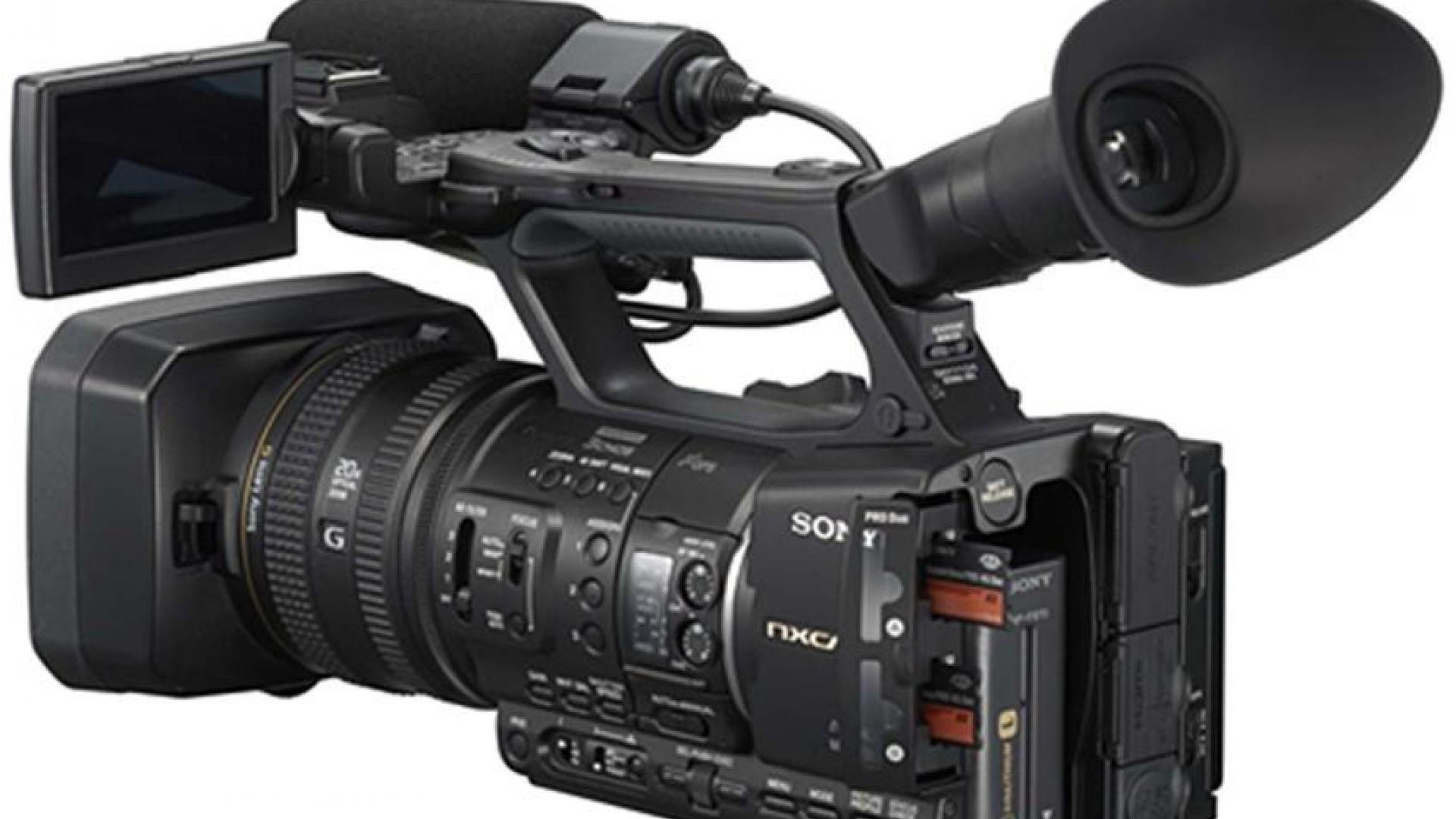
Download these Which Camera Is Best For Photography And Videography? wallpapers for free and use them on your desktop or mobile devices.
