Skip to content Skip to sidebar Skip to footer

How Roy Halladay went from one of the worst ERAs to greatest Baseball pitchers of last 25 years

The Unprecedented Ascent of Doc Halladay: From Record ERA to Hall of Fame Ace

Executive Summary: The Unprecedented Ascent of Doc Halladay

Roy Halladay's trajectory in Major League Baseball represents one of the most remarkable transformations in modern sports history. From a promising first-round draft pick who nearly threw a no-hitter in his second career start, Halladay endured a catastrophic performance decline, culminating in a historically poor earned run average (ERA) in the year 2000. Yet, rather than fading into obscurity, he meticulously rebuilt his career, ascending to become one of the greatest baseball pitchers of the last 25 years. His journey is punctuated by two Cy Young Awards, a perfect game, and a postseason no-hitter, culminating in his induction into the National Baseball Hall of Fame.   

This report posits that Halladay's unparalleled comeback was not merely a stroke of luck or a sudden burst of talent, but a deliberate, multi-faceted overhaul. This comprehensive approach encompassed profound mechanical adjustments, a rigorous mental conditioning regimen, an unparalleled work ethic, and the strategic development of his pitch repertoire. These interdependent pillars allowed him to unlock his full potential and redefine the very essence of pitching excellence. Halladay's story stands as a powerful testament to the transformative power of resilience, unwavering discipline, and the profound impact of comprehensive self-improvement in elite athletic pursuits.

Chapter 1: The Rocky Start – A Prospect's Perilous Path (1998-2001)

Roy Halladay entered professional baseball with significant expectations, yet his initial foray into the major leagues was marked by an unexpected and severe downturn in performance, leading to a personal and professional crisis.

Early Promise and MLB Debut

Drafted 17th overall by the Toronto Blue Jays in 1995, Roy Halladay was recognized as a highly touted prospect. His early minor league statistics provided glimpses of his potential, notably a 2.73 ERA in 1996 with the Dunedin Blue Jays. This promising development led to his Major League Baseball debut in September 1998. In only his second career start, on September 27, 1998, against the Detroit Tigers, Halladay famously came within one out of pitching a no-hitter, a feat broken up by a solo home run in the ninth inning. This immediate, near-historic achievement generated immense early hype and likely solidified a belief in his raw, innate talent. However, this early success, while impressive, may have inadvertently obscured underlying mechanical or mental vulnerabilities that would later manifest. The stark contrast between such a promising debut and his subsequent struggles would render his eventual performance decline even more profound and psychologically damaging.   

The Infamous 2000 Season: A Statistical Anomaly

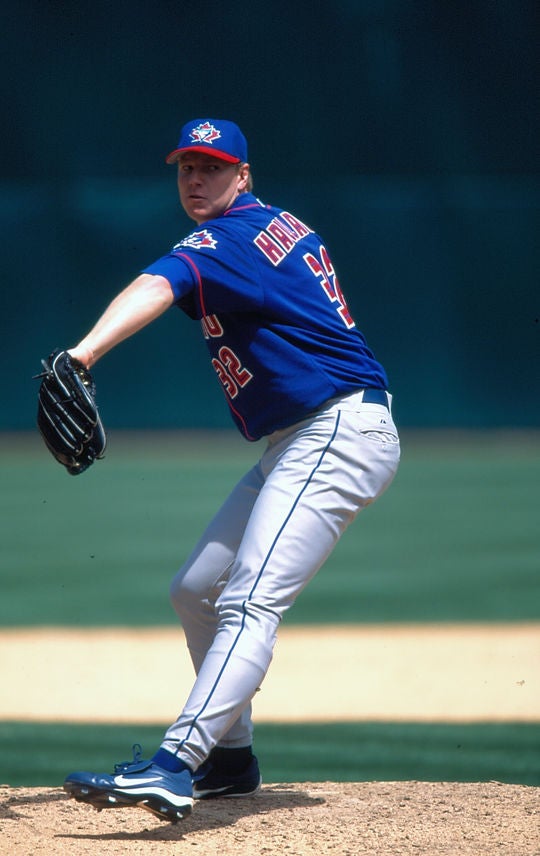
Following a full season in 1999 where he posted an 8-7 record with a 3.92 ERA over 149.1 innings for Toronto , Halladay's performance experienced a precipitous decline in the year 2000. During this season, he recorded a "dismal 10.64 ERA" across 19 games, 13 of which were starts, for the Blue Jays. This figure was not merely a poor showing; it was widely cited as "one of the worst ever for a pitcher with more than 10 starts" and, more specifically, "the worst in history for any pitcher with at least 50 innings pitched". This level of statistical underperformance was a critical indicator of the catastrophic nature of his breakdown. It suggested fundamental flaws in his pitching approach or mechanics, going beyond a typical slump. Analysis of his pitching at the time revealed that despite his fastball being clocked as high as 95 mph, it lacked significant movement and was frequently located high in the strike zone, rendering it largely ineffective against major league hitters. The historical context of this ERA amplifies the immense challenge he faced and underscores the extraordinary nature of his subsequent ascent.   

Demotion and the Brink of Quitting

The severity of Halladay's struggles in 2000 necessitated drastic action, leading to his demotion to Class-A Dunedin at the outset of the 2001 season. Such a move is exceedingly rare for a former first-round draft pick who had already established a presence in the major leagues. Throughout 2001, Halladay navigated various minor league affiliates, pitching for Dunedin (0-1, 3.97 ERA), Tennessee (2-1, 2.12 ERA), and Syracuse (1-0, 3.21 ERA) before eventually returning to Toronto, where he finished with a 5-3 record and a 3.16 ERA.   

The psychological toll of this period was immense. Halladay openly admitted to "considering quitting baseball" due to his profound struggles and the embarrassment associated with his performance. His wife, Brandy, further elaborated on his state, describing him as "so depressed and embarrassed" that he contemplated not returning home. This complete psychological breakdown, however, proved to be a pivotal turning point. As Brandy Halladay observed, he "needed to learn how to fail". This period of extreme adversity compelled him to confront his deep-seated fear of failure and fundamentally re-evaluate his entire approach to the game. This openness to radical change, which he might otherwise have resisted, became the crucible for his transformation, highlighting the profound human element underlying his statistical comeback.   

Table 1: Roy Halladay's Early Career MLB Struggles (1998-2001)

YearTeamWLERAGGSIPSOWHIP
1998TOR101.932214.0130.79
1999TOR873.923618149.1821.57
2000TOR4710.64191367.2442.20
2001TOR533.161716105.1961.16

Data derived from    

This table visually quantifies the severity of Halladay's early career struggles, particularly the unprecedented 10.64 ERA in 2000, which serves as a stark baseline against which his subsequent achievements are measured.

Chapter 2: The Blueprint for Greatness – A Multi-faceted Transformation

Halladay's resurgence was not a singular event but a deliberate, interconnected series of strategic adjustments and commitments that collectively formed the blueprint for his future dominance.

Rebuilding Mechanics: The Mel Queen Influence

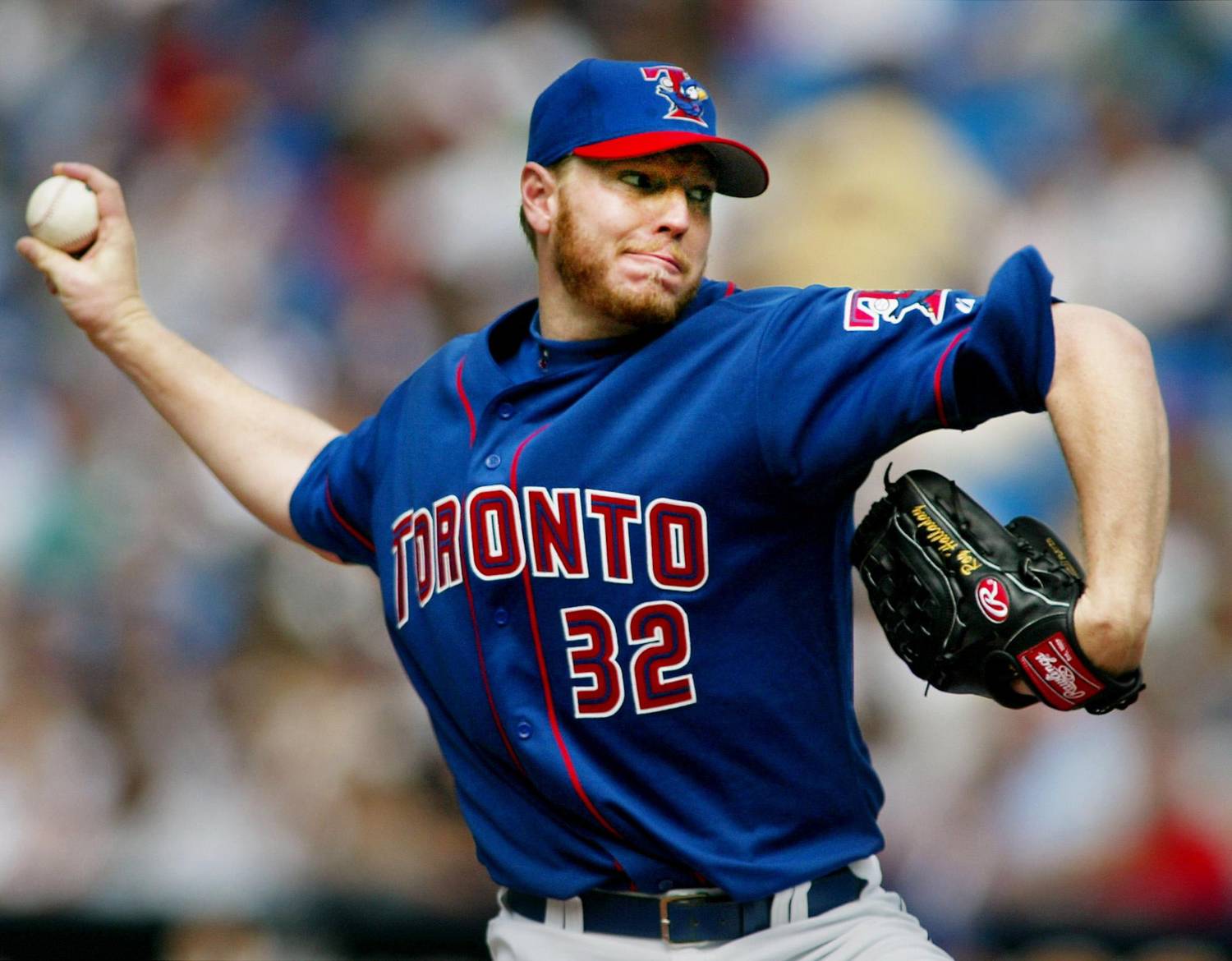
Following his demotion, a critical component of Halladay's overhaul involved working extensively with former Blue Jays pitching coach Mel Queen. Queen was renowned for his direct, no-nonsense coaching style, famously greeting Halladay with the blunt assessment, "a stupid idiot with no guts". Despite this confrontational introduction, Halladay, at his career's nadir, "embraced the idea of starting over".   

The fundamental mechanical adjustment they implemented was altering Halladay's arm angle to a "three-quarters delivery". This modification was designed to impart "more movement" on his pitches. As Halladay developed this new motion, he discovered he could "bend pitches either way," making them effective against both right-handed and left-handed batters. Queen's subsequent advice was to simplify his approach: "aim for the middle" and allow the inherent movement of the baseball to do the work. This guidance represented a profound shift from attempting to overpower batters with velocity to a more refined strategy focused on inducing weak contact and ground balls through deception and movement. The instruction to "aim for the middle" after changing his arm angle suggests that the mechanical adjustment was not about gaining more precise control over pitch location, but rather about cultivating inherent movement that would make a centrally-aimed pitch effective. This counter-intuitive simplicity, allowing the "baseball to do the work," signifies a transition from raw force to sophisticated artistry, a common thread in the development of elite athletes. This mechanical refinement unlocked a new level of pitch effectiveness, reducing the need for pinpoint accuracy and making his pitching more efficient and deceptive.   

Mastering the Mind: The Wisdom of Harvey Dorfman

Complementing his mechanical overhaul, Halladay's mental transformation was equally, if not more, crucial. His wife, Brandy, played a pivotal role in this process, discovering Harvey Dorfman's book, The Mental ABC's of Pitching. This book became Halladay's "instruction manual," and Brandy also encouraged him to maintain personal and professional journals to define and track his goals.   

Dorfman, a renowned sports psychologist, was instrumental in helping Halladay rebuild his shattered confidence and cultivate a more positive outlook toward performance. He taught Halladay to "focus on one thing at a time" and to simplify his mental approach, emphasizing the execution of individual pitches rather than becoming overwhelmed by the larger context of innings or opponents. Brandy Halladay highlighted that Roy "needed to learn how to fail" and overcome his deep-seated fear of adversity, a key lesson imparted by Dorfman. Halladay himself later acknowledged the indispensable nature of both influences, stating that he "couldn't have gotten it done without either". This statement underscores that his transformation was not merely a singular mechanical fix or a purely mental adjustment, but a deeply integrated process. The physical changes provided the tools for dominance, while the mental training provided the resilience and focus necessary to wield those tools effectively under pressure. This symbiotic relationship between physical and mental conditioning was fundamental to the completeness and sustainability of his remarkable comeback.   

The Relentless Work Ethic: Dedication Beyond Compare

Roy Halladay's commitment to his craft evolved into a legendary "freakish" and "obsessive" work ethic that became a hallmark of his career. He was renowned for his early morning routines, consistently waking "at the crack of dawn" to perform grueling workouts, often being the first individual to arrive at the training facility. His dedication was so profound that in Toronto, he was given his own swipe card to access the clubhouse because he would arrive before the staff.   

His training regimen was meticulously consistent: he adhered to the same "marathon-length running routine" after every start, regardless of his performance. He precisely calculated the number of pitches he would throw each week and followed his program "as if it were written law". Anecdotes from teammates reveal the intensity of his physical conditioning; many attempted his lower-body regimen, performed the day after starts, but "None of them made it halfway". Halladay also limited his annual off-season to a mere two weeks. This extraordinary dedication was not just a personal discipline; it served as a strategic competitive advantage. By consistently out-training his peers and maintaining an unparalleled physical and mental regimen, he not only maximized his performance but also cultivated exceptional durability. This allowed him to shoulder a heavier workload and sustain elite performance over extended periods, distinguishing him from many of his contemporaries. His tireless approach enabled him to be "the most tireless pitcher of his generation," leading his respective league in innings pitched on four separate occasions and concluding his career with an astonishing 67 complete games.   

Evolving the Arsenal: New Pitches, New Dominance

Halladay's transformed pitching style, a direct result of his mechanical overhaul, featured a refined repertoire designed for efficiency and deception. This included a two-seam fastball, primarily used to induce ground balls, a cutter, which became a key strikeout pitch with late movement, and a curveball, serving as a deceptive off-speed option to complement his fastballs.   

A notable addition to his arsenal came at the 2008 All-Star Game, where Halladay famously sought advice from Mariano Rivera, widely regarded as the "master of the cutter". Rivera, in a rare display of inter-rivalry mentorship, traced his grip onto a baseball for Halladay, an artifact Halladay cherished and his widow later donated to the Hall of Fame. Rivera's specific guidance on thumb placement proved transformative, converting Halladay's previously inconsistent cutter into a "big pitch". Following this interaction, Halladay's cutter usage dramatically increased from 33.2% in 2008 to 41.5% in 2009, correlating with a notable jump in his strikeout-per-nine-innings (K/9) ratio.   

Further demonstrating his commitment to continuous improvement, Halladay dedicated significant time during spring training in 2010 to developing his changeup. With the assistance of pitching coach Rich Dubee, he modified his grip from a palm-hold to a split-finger grip. This refinement elevated the changeup from a "distant fourth option" to a more effective and reliable pitch in his repertoire. The strategic acquisition of these micro-improvements in his pitch arsenal, even as an already elite pitcher, illustrates a crucial aspect of his sustained dominance. These were not wholesale changes but rather targeted refinements or additions of highly effective pitches. The impact of the perfected cutter, leading to increased usage and a higher K/9, demonstrates how even seemingly small enhancements in pitch effectiveness can have a cascading effect on a pitcher's overall command, rendering an already formidable pitcher nearly unhittable. This approach reflects a continuous learning mindset, even at the pinnacle of his profession.   

Chapter 3: The Pinnacle of Performance – Sustained Excellence and Historic Milestones (2002-2011)

Halladay's years of dominance are characterized by consistent elite performance and historic achievements that solidified his legacy as one of baseball's premier pitchers.

Breakout and First Cy Young: Establishing Dominance with the Blue Jays

The 2002 season marked Halladay's definitive "breakout" year. He concluded the season with an impressive 19–7 win-loss record, a 2.93 ERA, and 168 strikeouts over 239.1 innings, earning his first American League All-Star selection. Building on this success, he delivered an even more remarkable performance in 2003, achieving a 22–7 record with a 3.25 ERA across a league-leading 266 innings.   

In 2003, Halladay demonstrated exceptional command, recording 204 strikeouts while issuing only 32 walks, resulting in an outstanding 6.38 strikeout-to-walk ratio. This pinpoint control was a direct outcome of his refined mechanics and mental focus. His stellar performance culminated in winning the American League Cy Young Award in 2003, a definitive validation of his comprehensive transformation. He also led the AL in complete games, a testament to his newfound durability and efficiency. The dramatic statistical turnaround from a 10.64 ERA in 2000 to a 2.93 ERA in 2002 and a Cy Young-winning 3.25 ERA in 2003 represents a complete reversal of fortune, directly correlating with the implementation of his mechanical, mental, and work ethic changes.   

Philadelphia Phillies: A New Chapter, Unmatched Achievements (2010-2011)

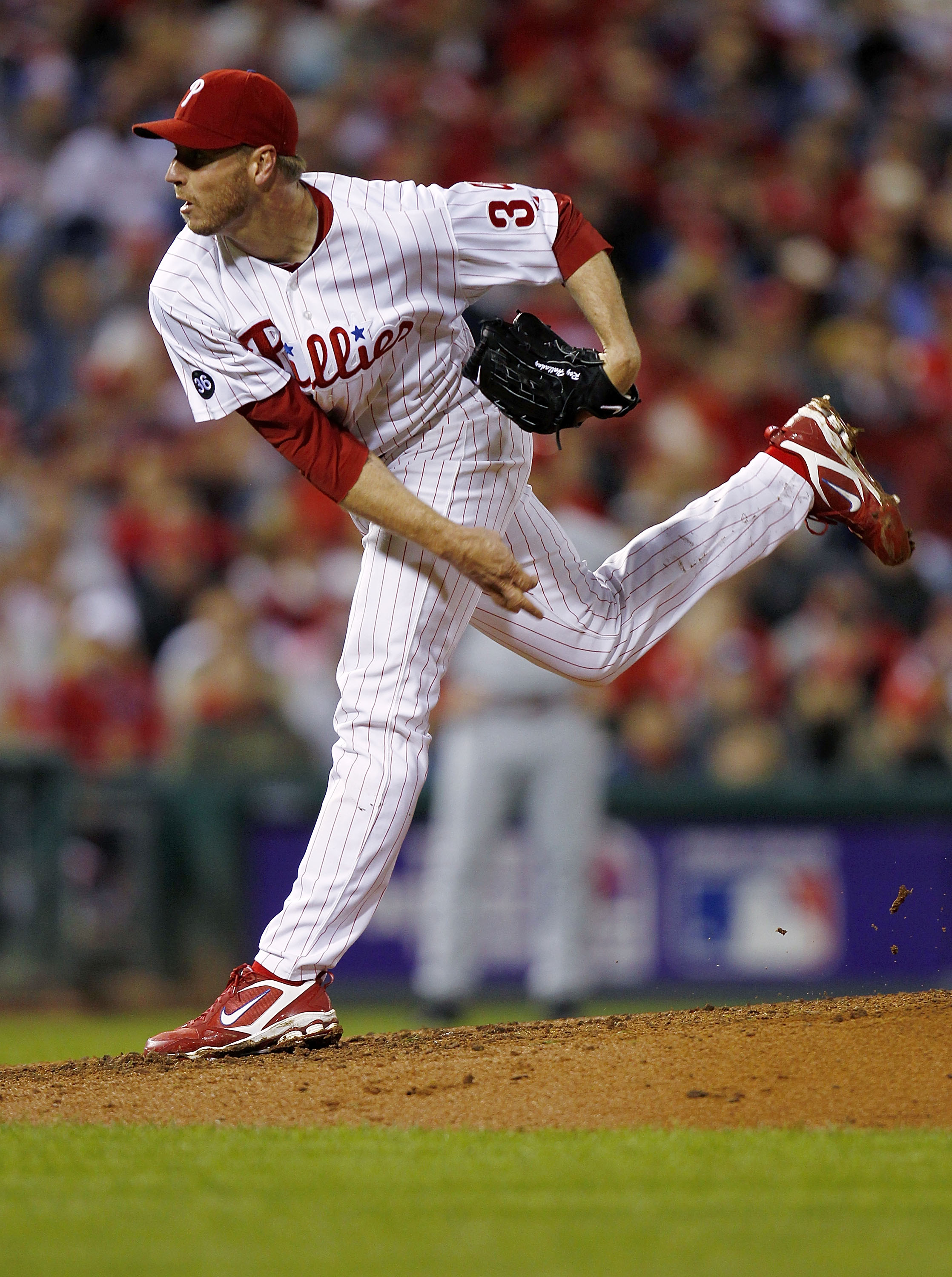
Halladay's career entered a new phase when he was traded to the Philadelphia Phillies prior to the 2010 season. His 2010 campaign with the Phillies is widely considered his finest. He posted a 21–10 record with a 2.44 ERA, accumulating 219 strikeouts and just 30 walks over 250.2 innings. He led the National League in wins, innings pitched, and complete games (9), which included four shutouts.   

This exceptional season earned him his second Cy Young Award in 2010, making him only the fifth pitcher in MLB history to win the award in both the American and National Leagues. Winning the Cy Young Award in both leagues is a rare and significant achievement, demonstrating not only sustained elite performance but also Halladay's exceptional adaptability to different league environments, hitter tendencies, and potentially varied pitching philosophies. This accomplishment highlights his intellectual mastery of the game, showcasing his ability to dominate regardless of the competitive landscape.   

Perfect Game (May 29, 2010)

On May 29, 2010, Halladay etched his name into baseball history by pitching the 20th perfect game in Major League Baseball history against the Florida Marlins. In this flawless performance, he retired all 27 batters he faced, striking out 11 of them. He executed 115 pitches, with 72 strikes, and attributed much of his success to the effectiveness of his sinker. The only run scored in the game was unearned.   

This historic event marked the first time in the modern era that two perfect games were thrown in the same calendar month, as Dallas Braden had pitched one just 20 days prior. A perfect game represents the pinnacle of control, command, and execution in pitching. Halladay's achievement is a direct manifestation of the mechanical and mental discipline he cultivated. The detail that he only shook off his catcher Carlos Ruiz once during the entire game indicates an almost telepathic understanding and trust, a result of his meticulous preparation and consistent delivery. This event serves as a powerful narrative peak, showcasing the absolute zenith of his refined craft.   

Postseason No-Hitter (October 6, 2010)

Just months after his perfect game, Halladay made his first postseason appearance on October 6, 2010, by pitching the second no-hitter in MLB postseason history against the Cincinnati Reds in Game 1 of the National League Division Series. This feat placed him alongside Don Larsen, who achieved the first postseason no-hitter in the 1956 World Series. Halladay came within one walk of a perfect game, allowing only Jay Bruce to reach base in the fifth inning. This remarkable achievement made him the first pitcher in MLB history to throw a perfect game and another no-hitter in the same calendar year, including the postseason.   

Achieving both a perfect game and a postseason no-hitter in the same calendar year is a feat of unprecedented big-game dominance. The postseason no-hitter is particularly impactful because it occurred under the immense pressure of playoff baseball, against the National League's best offensive team that season. This demonstrates that his transformation led not just to regular-season excellence but to the ability to perform at a historic level when the stakes were highest, solidifying his reputation as a "big-game pitcher."   

Statistical Validation: A Legacy of Elite Performance

Halladay concluded his illustrious career with an impressive 203-105 win-loss record and a 3.38 ERA over 2749.1 innings pitched, complemented by 2117 strikeouts and a 1.18 WHIP. A defining characteristic of his post-transformation career was his exceptional durability and efficiency, consistently leading his league in complete games (9 in 2003, 9 in 2008, 9 in 2010) and frequently in innings pitched. His high number of complete games (67 total) and consistent innings leadership stand out in an era increasingly defined by pitch counts and bullpen specialization. This suggests that his mechanical overhaul and mental approach, which emphasized aiming for the middle, inducing weak contact, and efficient pitch usage, allowed him to minimize pitches per inning and extend his outings. This represents a broader implication for pitching philosophy, demonstrating that dominance does not always necessitate overwhelming velocity but can be achieved through precision, movement, and efficiency, a model that contrasts sharply with many of his contemporaries.   

Table 2: Roy Halladay's Peak Performance Metrics (2002-2011)

YearTeamWLERAGGSCGSHOIPSOWHIPSO/BB Ratio
2002TOR1972.93343421239.11681.192.71
2003TOR2273.25363692266.02041.076.38
2004TOR884.20212111133.0951.352.44
2005TOR1242.41191952141.21080.966.00
2006TOR1653.19323240220.01321.103.88
2007TOR1673.71313171225.11391.242.90
2008TOR20112.78343392246.02061.055.28
2009TOR17102.79323294239.02081.135.94
2010PHI21102.44333394250.22191.047.30
2011PHI1962.35323281233.22201.046.29

Data derived from    

This table provides quantitative evidence of Halladay's consistent excellence during his peak years, showcasing his dominance across key pitching metrics following his transformation.

Table 3: Key Career Milestones and Awards

Achievement/AwardYear(s)Details
MLB Debut (near no-hitter)1998Came within one out of a no-hitter in his second career start.
AL Cy Young Award2003Led AL in wins (22) and complete games (9).
AL All-Star2002, 2003, 2005, 2006, 2008, 2009Six selections with the Blue Jays.
Perfect GameMay 29, 201020th perfect game in MLB history vs. Florida Marlins.
Postseason No-HitterOct 6, 20102nd no-hitter in MLB postseason history vs. Cincinnati Reds.
NL Cy Young Award2010Unanimous selection; 5th pitcher to win in both leagues.
NL All-Star2010, 2011Two selections with the Phillies.
Career Wins203Finished with 203 MLB wins.
Toronto Blue Jays No. 32 Retired2018Honored by his original team.
National Baseball Hall of Fame2019Posthumously inducted on first ballot.
Philadelphia Phillies No. 34 Retired2021Honored by his second team.
  

Data derived from    

This table provides a concise summary of Halladay's most significant achievements and recognitions, clearly illustrating his status as one of baseball's all-time greats.

Chapter 4: Enduring Legacy: Beyond the Mound

Roy Halladay's impact on baseball extends far beyond his remarkable playing statistics, encompassing his posthumous recognition and his lasting influence on the game and its aspiring athletes.

Hall of Fame Induction and Post-Retirement Contributions

The ultimate validation of Roy Halladay's exceptional career came with his posthumous induction into the National Baseball Hall of Fame in 2019, in his first year of eligibility. This honor, coupled with the retirement of his number 32 by the Toronto Blue Jays in 2018 and his number 34 by the Philadelphia Phillies in 2021, signifies the indelible mark he left on both franchises and the sport at large. These are not merely accolades; they are symbols of immortality in baseball, confirming that his impact transcended statistical achievements and left an enduring legacy.   

Even after his retirement from active play, Halladay remained deeply involved in baseball. He served as a guest instructor for both the Phillies and Blue Jays, and contributed as a volunteer coach at Calvary Christian High School. This continued dedication to the sport, particularly in mentoring younger talent, underscores his passion and commitment to the game that shaped his life.   

Influence on Teammates and the Game

Halladay's profound "work ethic and dedication to his craft deeply inspired teammates and fans alike," establishing a demanding standard within the clubhouse. His former Phillies teammate, Chase Utley, famously described Halladay as the "prototypical guy you'd build" in a video game, specifically citing his unparalleled mental toughness and determination. This sentiment highlights that Halladay's influence was not solely based on his physical prowess but also on his exemplary character and approach to competition.   

His career narrative serves as compelling "proof of determination, discipline, and brilliance on the mound". The comprehensive approach he adopted—integrating mechanical, mental, and physical mastery—offers a valuable blueprint for aspiring athletes and sports organizations. His willingness to completely rebuild his craft, even after reaching the major leagues, and his obsessive dedication to preparation provide a compelling case study in achieving and sustaining peak performance. This suggests that his legacy extends beyond his individual achievements, influencing how future generations might approach player development, mental conditioning, and the relentless pursuit of excellence in sports.   

Conclusion: A Testament to Perseverance and Mastery

The career of Roy Halladay stands as an extraordinary narrative of transformation within professional sports. His journey began with the promise of a top prospect, quickly followed by a catastrophic decline that saw him record a historically poor 10.64 ERA in 2000. Yet, through a deliberate and multi-faceted overhaul, he ascended to become one of the most dominant pitchers of his era, culminating in two Cy Young Awards, a perfect game, and a postseason no-hitter.

His resurgence was meticulously engineered through several interdependent pillars. The mechanical overhaul, guided by pitching coach Mel Queen, fundamentally altered his arm angle and delivery, imparting crucial movement to his pitches and shifting his focus to efficiency and deception. Concurrently, his mental conditioning, heavily influenced by sports psychologist Harvey Dorfman, helped him confront and overcome his fear of failure, fostering a resilient mindset and an ability to focus on executing individual pitches rather than being overwhelmed by the broader context. This mental fortitude, coupled with an unparalleled work ethic characterized by obsessive preparation and rigorous physical conditioning, allowed him to achieve exceptional durability and consistency. Furthermore, his continuous development of his pitch arsenal, notably refining his cutter with advice from Mariano Rivera and enhancing his changeup, ensured his continued evolution and dominance.

Roy Halladay's enduring legacy is not merely defined by his impressive statistics or his Hall of Fame induction. It is a powerful testament to the transformative power of perseverance, discipline, and a holistic approach to self-improvement. His career serves as a compelling blueprint for how dedication, even in the face of profound adversity, can lead to unprecedented heights of achievement and a lasting impact on the sport.

How Roy Halladay went from one of the worst ERAs to greatest Baseball pitchers of last 25 years Wallpapers

Collection of How Roy Halladay went from one of the worst ERAs to greatest Baseball pitchers of last 25 years wallpapers for your desktop and mobile devices.

How Roy Halladay Went From One Of The Worst Eras To Greatest Baseball Pitchers Of Last 25 Years Scenery

How Roy Halladay Went From One Of The Worst Eras To Greatest Baseball Pitchers Of Last 25 Years Scenery

High quality how roy halladay went from one of the worst eras to greatest baseball pitchers of last 25 years image perfect for desktop or mobile wallpaper.

How Roy Halladay Went From One Of The Worst Eras To Greatest Baseball Pitchers Of Last 25 Years Background

How Roy Halladay Went From One Of The Worst Eras To Greatest Baseball Pitchers Of Last 25 Years Background

High quality how roy halladay went from one of the worst eras to greatest baseball pitchers of last 25 years image perfect for desktop or mobile wallpaper.
How Roy Halladay Went From One Of The Worst Eras To Greatest Baseball Pitchers Of Last 25 Years Scenery

How Roy Halladay Went From One Of The Worst Eras To Greatest Baseball Pitchers Of Last 25 Years Scenery

Amazing how roy halladay went from one of the worst eras to greatest baseball pitchers of last 25 years background image for your devices.

How Roy Halladay Went From One Of The Worst Eras To Greatest Baseball Pitchers Of Last 25 Years Photograph

How Roy Halladay Went From One Of The Worst Eras To Greatest Baseball Pitchers Of Last 25 Years Photograph

High quality how roy halladay went from one of the worst eras to greatest baseball pitchers of last 25 years image perfect for desktop or mobile wallpaper.

How Roy Halladay Went From One Of The Worst Eras To Greatest Baseball Pitchers Of Last 25 Years Photo

How Roy Halladay Went From One Of The Worst Eras To Greatest Baseball Pitchers Of Last 25 Years Photo

Gorgeous how roy halladay went from one of the worst eras to greatest baseball pitchers of last 25 years photo that makes a perfect wallpaper.
How Roy Halladay Went From One Of The Worst Eras To Greatest Baseball Pitchers Of Last 25 Years Shot

How Roy Halladay Went From One Of The Worst Eras To Greatest Baseball Pitchers Of Last 25 Years Shot

Gorgeous how roy halladay went from one of the worst eras to greatest baseball pitchers of last 25 years photo that makes a perfect wallpaper.
How Roy Halladay Went From One Of The Worst Eras To Greatest Baseball Pitchers Of Last 25 Years Shot

How Roy Halladay Went From One Of The Worst Eras To Greatest Baseball Pitchers Of Last 25 Years Shot

Amazing how roy halladay went from one of the worst eras to greatest baseball pitchers of last 25 years background image for your devices.

How Roy Halladay Went From One Of The Worst Eras To Greatest Baseball Pitchers Of Last 25 Years Background

How Roy Halladay Went From One Of The Worst Eras To Greatest Baseball Pitchers Of Last 25 Years Background

High quality how roy halladay went from one of the worst eras to greatest baseball pitchers of last 25 years image perfect for desktop or mobile wallpaper.

How Roy Halladay Went From One Of The Worst Eras To Greatest Baseball Pitchers Of Last 25 Years Wallpaper

How Roy Halladay Went From One Of The Worst Eras To Greatest Baseball Pitchers Of Last 25 Years Wallpaper

Stunning how roy halladay went from one of the worst eras to greatest baseball pitchers of last 25 years image with high resolution quality.

How Roy Halladay Went From One Of The Worst Eras To Greatest Baseball Pitchers Of Last 25 Years Photograph

How Roy Halladay Went From One Of The Worst Eras To Greatest Baseball Pitchers Of Last 25 Years Photograph

High quality how roy halladay went from one of the worst eras to greatest baseball pitchers of last 25 years image perfect for desktop or mobile wallpaper.

How Roy Halladay Went From One Of The Worst Eras To Greatest Baseball Pitchers Of Last 25 Years Photograph

How Roy Halladay Went From One Of The Worst Eras To Greatest Baseball Pitchers Of Last 25 Years Photograph

Stunning how roy halladay went from one of the worst eras to greatest baseball pitchers of last 25 years image with high resolution quality.

How Roy Halladay Went From One Of The Worst Eras To Greatest Baseball Pitchers Of Last 25 Years Backdrop

How Roy Halladay Went From One Of The Worst Eras To Greatest Baseball Pitchers Of Last 25 Years Backdrop

Amazing how roy halladay went from one of the worst eras to greatest baseball pitchers of last 25 years background image for your devices.

How Roy Halladay Went From One Of The Worst Eras To Greatest Baseball Pitchers Of Last 25 Years Background

How Roy Halladay Went From One Of The Worst Eras To Greatest Baseball Pitchers Of Last 25 Years Background

Gorgeous how roy halladay went from one of the worst eras to greatest baseball pitchers of last 25 years photo that makes a perfect wallpaper.
How Roy Halladay Went From One Of The Worst Eras To Greatest Baseball Pitchers Of Last 25 Years View

How Roy Halladay Went From One Of The Worst Eras To Greatest Baseball Pitchers Of Last 25 Years View

Stunning how roy halladay went from one of the worst eras to greatest baseball pitchers of last 25 years image with high resolution quality.

How Roy Halladay Went From One Of The Worst Eras To Greatest Baseball Pitchers Of Last 25 Years Scenery

How Roy Halladay Went From One Of The Worst Eras To Greatest Baseball Pitchers Of Last 25 Years Scenery

Beautiful how roy halladay went from one of the worst eras to greatest baseball pitchers of last 25 years wallpaper with stunning details and colors.
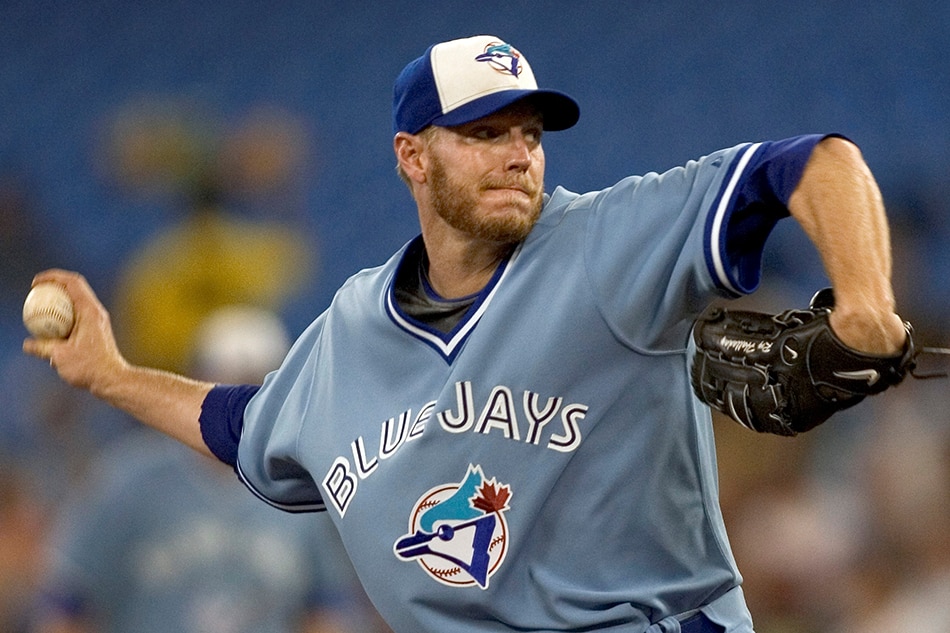
How Roy Halladay Went From One Of The Worst Eras To Greatest Baseball Pitchers Of Last 25 Years Photo

How Roy Halladay Went From One Of The Worst Eras To Greatest Baseball Pitchers Of Last 25 Years Photo

High quality how roy halladay went from one of the worst eras to greatest baseball pitchers of last 25 years image perfect for desktop or mobile wallpaper.

How Roy Halladay Went From One Of The Worst Eras To Greatest Baseball Pitchers Of Last 25 Years Picture

How Roy Halladay Went From One Of The Worst Eras To Greatest Baseball Pitchers Of Last 25 Years Picture

Beautiful how roy halladay went from one of the worst eras to greatest baseball pitchers of last 25 years wallpaper with stunning details and colors.
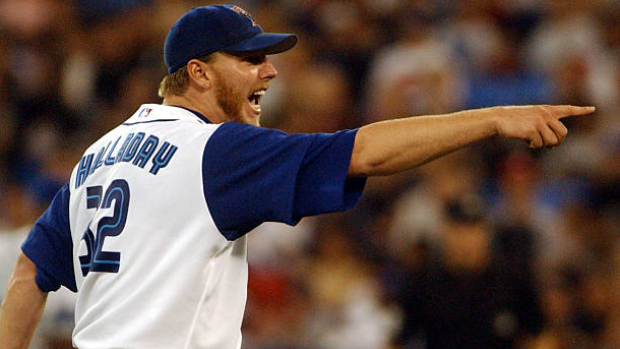
How Roy Halladay Went From One Of The Worst Eras To Greatest Baseball Pitchers Of Last 25 Years Scenery

How Roy Halladay Went From One Of The Worst Eras To Greatest Baseball Pitchers Of Last 25 Years Scenery

Amazing how roy halladay went from one of the worst eras to greatest baseball pitchers of last 25 years background image for your devices.

How Roy Halladay Went From One Of The Worst Eras To Greatest Baseball Pitchers Of Last 25 Years Background

How Roy Halladay Went From One Of The Worst Eras To Greatest Baseball Pitchers Of Last 25 Years Background

Beautiful how roy halladay went from one of the worst eras to greatest baseball pitchers of last 25 years wallpaper with stunning details and colors.

How Roy Halladay Went From One Of The Worst Eras To Greatest Baseball Pitchers Of Last 25 Years Backdrop

How Roy Halladay Went From One Of The Worst Eras To Greatest Baseball Pitchers Of Last 25 Years Backdrop

High quality how roy halladay went from one of the worst eras to greatest baseball pitchers of last 25 years image perfect for desktop or mobile wallpaper.

How Roy Halladay Went From One Of The Worst Eras To Greatest Baseball Pitchers Of Last 25 Years Image

How Roy Halladay Went From One Of The Worst Eras To Greatest Baseball Pitchers Of Last 25 Years Image

High quality how roy halladay went from one of the worst eras to greatest baseball pitchers of last 25 years image perfect for desktop or mobile wallpaper.

How Roy Halladay Went From One Of The Worst Eras To Greatest Baseball Pitchers Of Last 25 Years Scenery

How Roy Halladay Went From One Of The Worst Eras To Greatest Baseball Pitchers Of Last 25 Years Scenery

Amazing how roy halladay went from one of the worst eras to greatest baseball pitchers of last 25 years background image for your devices.
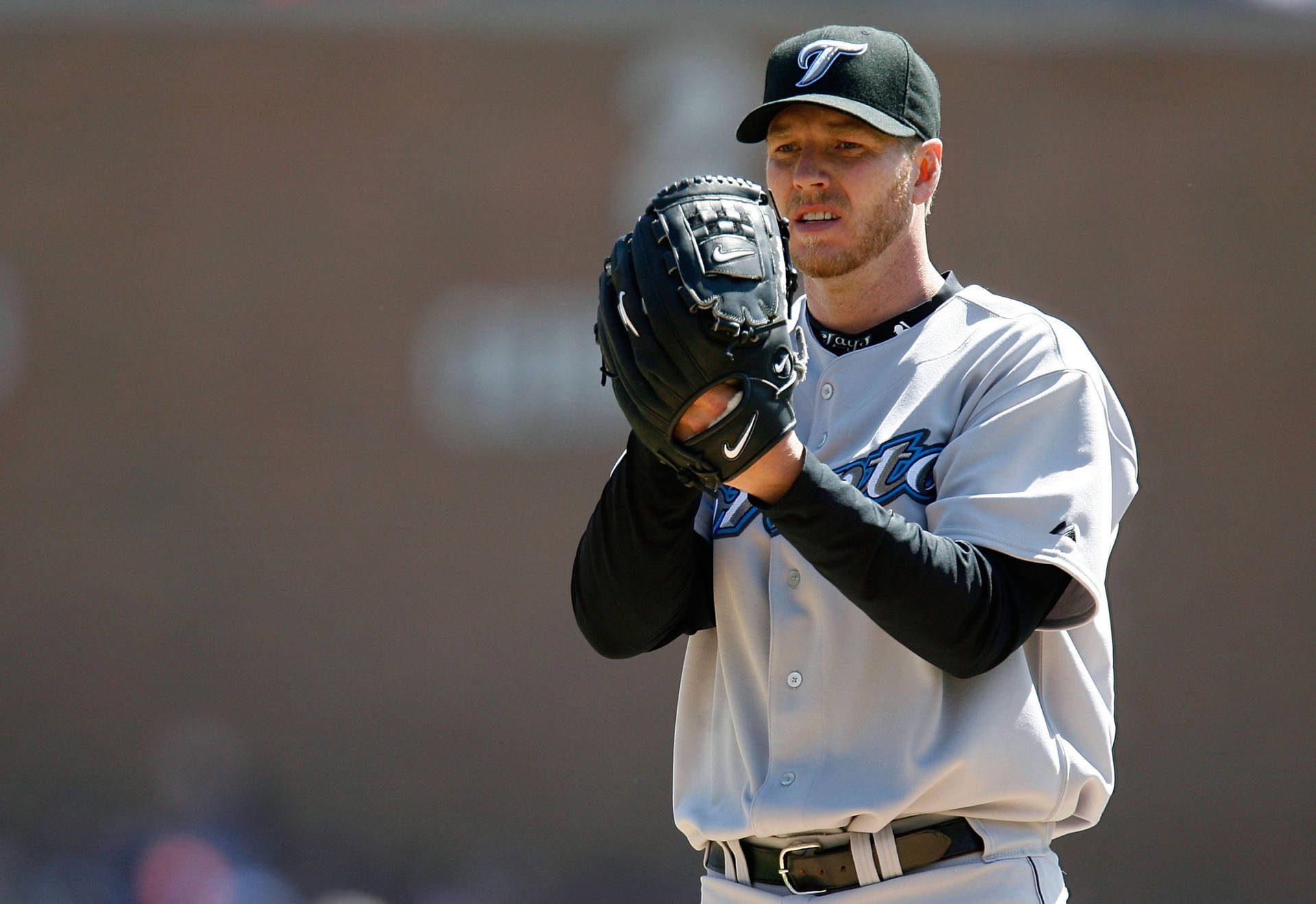
How Roy Halladay Went From One Of The Worst Eras To Greatest Baseball Pitchers Of Last 25 Years Picture

How Roy Halladay Went From One Of The Worst Eras To Greatest Baseball Pitchers Of Last 25 Years Picture

Beautiful how roy halladay went from one of the worst eras to greatest baseball pitchers of last 25 years wallpaper with stunning details and colors.

How Roy Halladay Went From One Of The Worst Eras To Greatest Baseball Pitchers Of Last 25 Years Scenery

How Roy Halladay Went From One Of The Worst Eras To Greatest Baseball Pitchers Of Last 25 Years Scenery

Gorgeous how roy halladay went from one of the worst eras to greatest baseball pitchers of last 25 years photo that makes a perfect wallpaper.

How Roy Halladay Went From One Of The Worst Eras To Greatest Baseball Pitchers Of Last 25 Years Backdrop

How Roy Halladay Went From One Of The Worst Eras To Greatest Baseball Pitchers Of Last 25 Years Backdrop

Beautiful how roy halladay went from one of the worst eras to greatest baseball pitchers of last 25 years wallpaper with stunning details and colors.

How Roy Halladay Went From One Of The Worst Eras To Greatest Baseball Pitchers Of Last 25 Years Photo

How Roy Halladay Went From One Of The Worst Eras To Greatest Baseball Pitchers Of Last 25 Years Photo

Stunning how roy halladay went from one of the worst eras to greatest baseball pitchers of last 25 years image with high resolution quality.

How Roy Halladay Went From One Of The Worst Eras To Greatest Baseball Pitchers Of Last 25 Years Scenery

How Roy Halladay Went From One Of The Worst Eras To Greatest Baseball Pitchers Of Last 25 Years Scenery

Amazing how roy halladay went from one of the worst eras to greatest baseball pitchers of last 25 years background image for your devices.

How Roy Halladay Went From One Of The Worst Eras To Greatest Baseball Pitchers Of Last 25 Years Image

How Roy Halladay Went From One Of The Worst Eras To Greatest Baseball Pitchers Of Last 25 Years Image

Amazing how roy halladay went from one of the worst eras to greatest baseball pitchers of last 25 years background image for your devices.

How Roy Halladay Went From One Of The Worst Eras To Greatest Baseball Pitchers Of Last 25 Years Photograph

How Roy Halladay Went From One Of The Worst Eras To Greatest Baseball Pitchers Of Last 25 Years Photograph

Stunning how roy halladay went from one of the worst eras to greatest baseball pitchers of last 25 years image with high resolution quality.

Download these How Roy Halladay went from one of the worst ERAs to greatest Baseball pitchers of last 25 years wallpapers for free and use them on your desktop or mobile devices.

Related Keyword: